
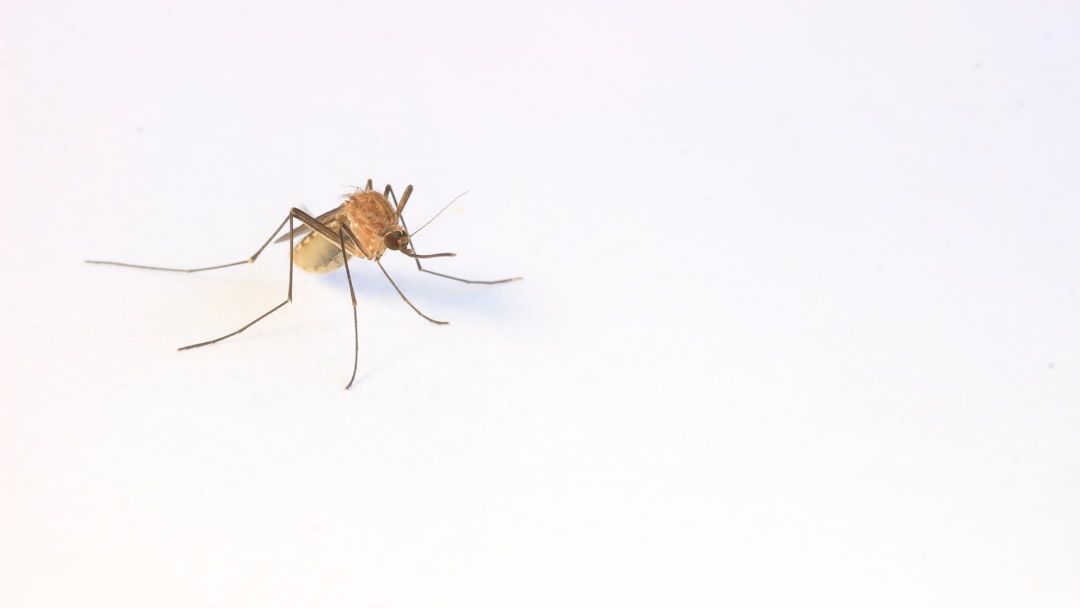
Have you ever wondered why mosquitoes seem to love some people more than others? Maybe you’ve been at a backyard gathering and noticed everyone else relaxing while you’re swatting away these tiny bloodsuckers like your life depends on it. Turns out, your suspicions are correct. Science has proven that mosquitoes are incredibly picky about their victims, and it all comes down to how you smell.
These miniature hunters possess a sense of smell so sophisticated that it puts our human noses to shame. They can detect their next meal from hundreds of feet away, following invisible scent trails through the air like heat-seeking missiles. The chemicals our bodies naturally produce create a unique odor signature that either attracts or repels these insects. Let’s dive into the specific scents that transform you into a mosquito magnet.
Carboxylic Acids from Your Skin

Here’s something that might surprise you. The mosquitoes were most attracted to airborne carboxylic acids, including butyric acid, a compound present in “stinky” cheeses such as Limburger. These carboxylic acids are produced by bacteria on human skin and tend not to be noticeable to us.
Your skin is covered in a complex ecosystem of bacteria that work hard to keep you healthy. However, these microscopic residents produce oily secretions called carboxylic acids as they go about their business. Think of it as their version of exhaust fumes.
More mosquitoes seemed to prefer people whose scent contained a blend of carboxylic acids, the oily secretions that hydrate and protect our skin. Some people naturally produce higher levels of these acids than others. It’s completely beyond your control, determined largely by your genetics and the particular bacterial communities living on your skin.
Research conducted in massive outdoor arenas has shown that individuals with elevated carboxylic acid levels in their body odor become prime targets. Two of those carboxylic acids are also found in Limburger cheese, McMeniman notes, a known lure for mosquitoes.
The irony is that you can’t even smell these compounds on yourself. Your nose isn’t sensitive enough to detect them, yet mosquitoes can pick them up from astonishing distances.
Unfortunately, even rigorous scrubbing won’t completely eliminate these acids from your skin. They’re constantly being produced by your natural skin bacteria. You could wash yourself a hundred times and still emit the same attractant signals within hours.
The intensity of these acids varies throughout the day and can be influenced by hormones, diet, and stress levels. Some researchers are now exploring whether altering skin bacteria could reduce mosquito attraction, though practical applications remain years away.
Lactic Acid Released Through Sweat
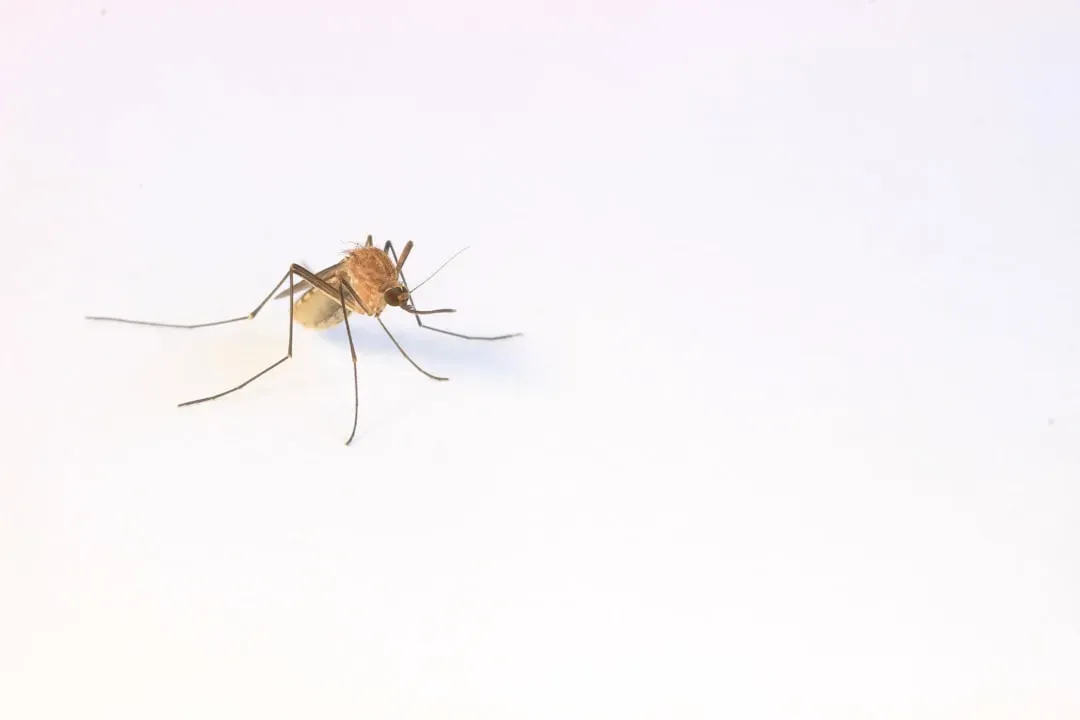
Mosquitoes are drawn to the scent of sweat, which contains many different chemicals, such as lactic acid, ammonia, and uric acid. Let’s be real, nobody wants to hear that their sweat makes them more attractive to pests, yet that’s exactly what happens.
Lactic acid is a metabolic byproduct your body produces during physical exertion. When you exercise, run, or even just move around vigorously on a hot day, your muscles generate this compound as they work.
When researchers “knocked out” this OSN, they found that mosquitoes were not as attracted to humans – they went after humans only about half as often! This means that people with higher levels of lactic acid on their skin probably smell tastier to mosquitoes. That’s a pretty dramatic drop in attraction.
Mosquitoes can not only smell our sweat, studies show they’re attracted to the lactic acid and ammonia found in it. Therefore, the more you sweat – whether you naturally sweat excessively or you have just finished exercising – the more attractive you may be to mosquitoes.
This explains why joggers and athletes become walking mosquito magnets after workouts. The combination of elevated body temperature, increased carbon dioxide output, and lactic acid accumulation on the skin creates an irresistible beacon.
Showering immediately after exercise can help wash away some of the lactic acid buildup. Still, your body continues producing it as long as your metabolic rate remains elevated from the activity.
Even everyday activities like climbing stairs, carrying groceries, or chasing after kids can trigger enough lactic acid production to make you more noticeable to these persistent insects. It’s hard to say for sure, but genetics probably plays a role in how much lactic acid different people produce too.
Carbon Dioxide from Your Breath

Every single time you exhale, you’re basically sending out an invitation to every mosquito within striking range. Every time you exhale, you are sending out a beacon to any mosquitoes hanging out within a 100-foot radius. Mosquitoes utilize sensors around their mouths to be able to detect carbon dioxide.
This is one of the most universal attractants. All warm-blooded creatures release carbon dioxide when they breathe, making it a reliable indicator of a potential blood meal nearby.
Both humans and animals breathe in oxygen and breathe out carbon dioxide, which mosquitoes can sense from more than 30 feet away. After detecting exhaled carbon dioxide, a mosquito follows the odor and begins to sense body heat from the host. They’re remarkably efficient hunters once they lock onto that CO2 trail.
The larger the person, the more carbon dioxide they release while exhaling. This, in turn, may make the person more identifiable to mosquitoes. Bigger bodies naturally produce more carbon dioxide simply because they have more cells respiring.
Many studies demonstrate that pregnant women are more attractive to mosquitoes. It’s speculated that this might be because pregnant women exhale more carbon dioxide (some studies suggest at least 20% more), but also because body temperature increases during pregnancy. That’s a double whammy nobody needs.
Physical activity dramatically increases your carbon dioxide output as your breathing rate climbs. Someone who just finished running will be huffing and puffing, releasing far more CO2 than someone sitting quietly.
There’s really no practical way to reduce your carbon dioxide emissions without, well, stopping breathing. This is why mosquitoes are such effective hunters across the entire animal kingdom.
Floral and Fruity Perfumes

Fragrances, such as perfume, cologne, and scented lotions are a known attractant of mosquitoes. Floral scents are the biggest attraction for mosquitoes. It turns out those lady mosquitoes love a flowery fragrance. Who would have thought your expensive perfume was working against you?
Female mosquitoes feed on nectar from flowers when they’re not seeking blood meals. Their olfactory systems are naturally tuned to detect sweet, floral scents that signal food sources in nature.
When you douse yourself in perfume or cologne featuring rose, jasmine, lavender, or other floral notes, you’re essentially mimicking the flowers mosquitoes already love. They can’t distinguish between you and a tasty bloom.
Perfume attracts bugs. Bees and mosquitoes, in particular, are drawn to heavily scented soaps, shampoos, lotions and perfumes, as floral smells trigger their senses. This extends beyond just perfumes to virtually any scented personal care product.
I know it sounds crazy, but switching to unscented products during mosquito season could genuinely reduce your appeal to these insects. That means unscented soap, lotion, shampoo, and deodorant.
Certain soaps could make people more or less attractive to mosquitoes. “Just by changing soap scents, someone who already attracts mosquitoes at a higher-than-average rate could further amplify or decrease that attraction,” said Clément Vinauger.
Interestingly, The one that decreased attractiveness was coconut scented. So while most floral and fruity soaps increase your mosquito magnetism, coconut scent appears to have a mild repellent effect.
The takeaway here is to pay attention to what you’re putting on your skin before heading outdoors during peak mosquito hours.
Alcohol and Beer Consumption
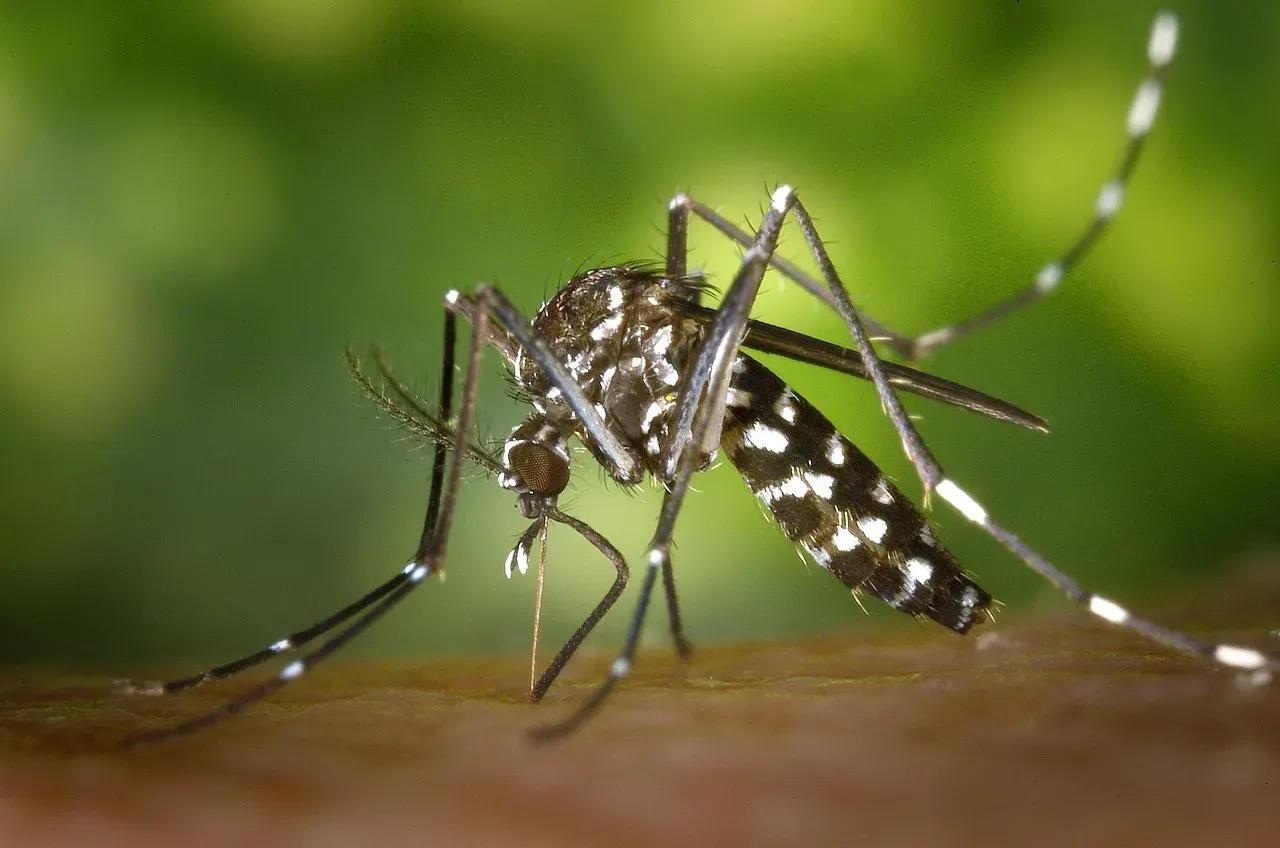
This might be the most disappointing discovery for summer party enthusiasts. The researchers discovered that festival attendees who had recently consumed beer were 44% more attractive to mosquitoes than people who didn’t, and recent cannabis users were also significantly more appealing to the insects.
Scientists aren’t entirely certain why alcohol consumption makes you more attractive to mosquitoes, though several theories exist. One possibility involves changes to your body odor as your body metabolizes alcohol.
Drinking raises your skin temperature and may cause you to sweat more, releasing those attractive compounds like lactic acid we discussed earlier. Alcohol also causes blood vessels near the skin’s surface to dilate, potentially making you emit more heat.
The effect appears fairly immediate. Studies have shown increased mosquito attraction shortly after consuming just one or two beers, not requiring heavy intoxication.
Some research suggests that ethanol itself or its metabolic byproducts might be released through your skin and breath, creating additional chemical cues that mosquitoes find appealing. The precise mechanism remains under investigation.
Beer in particular seems to have a pronounced effect, though whether this applies equally to wine, spirits, and other alcoholic beverages requires more research. Initial findings suggest the effect is consistent across different types of alcohol.
So if you’re planning an evening outdoors where mosquitoes are prevalent, consider whether that cold beer is worth becoming the group’s mosquito decoy. Sometimes water is the smarter choice.
Sebum and Natural Skin Oils

The research team took a closer look at the specific chemical compounds in the odors that lit up the “human-detecting” glomeruli and narrowed in on a substance called “sebum,” an oily and somewhat waxy substance made by skin and hair follicles that coats and protects the skin from harm.
Sebum is your skin’s natural moisturizer, produced by tiny glands throughout your body. Everyone produces it, though amounts vary wildly between individuals based on genetics, age, and hormones.
This sebum combines with sweat and slowly evaporates into the air, which affects the way we smell – our “odor.” The evaporation creates a cloud of scent molecules around you that mosquitoes can detect from impressive distances.
People with naturally oilier skin tend to produce more sebum, potentially making them more attractive targets. Teenagers and young adults often have higher sebum production due to hormonal activity, which might explain why younger people sometimes get bitten more frequently.
The chemical composition of sebum varies between people based on diet, genetics, and the specific bacterial communities living on their skin. This creates your unique “scent fingerprint” that remains relatively stable over time.
While factors like pregnancy, disease status, or what we eat and drink can influence our scent, some of its features are remarkably stable, persisting across months and even years. This explains why certain individuals consistently attract more mosquitoes throughout their lives.
Unlike some other attractants, you can’t simply wash away sebum production. Your skin continuously generates it as part of normal biological function. Within hours of showering, your sebum levels return to baseline.
The fascinating aspect is how mosquitoes have evolved to specifically target the unique combination of compounds in human sebum, distinguishing us from other animals with remarkable precision.
Conclusion
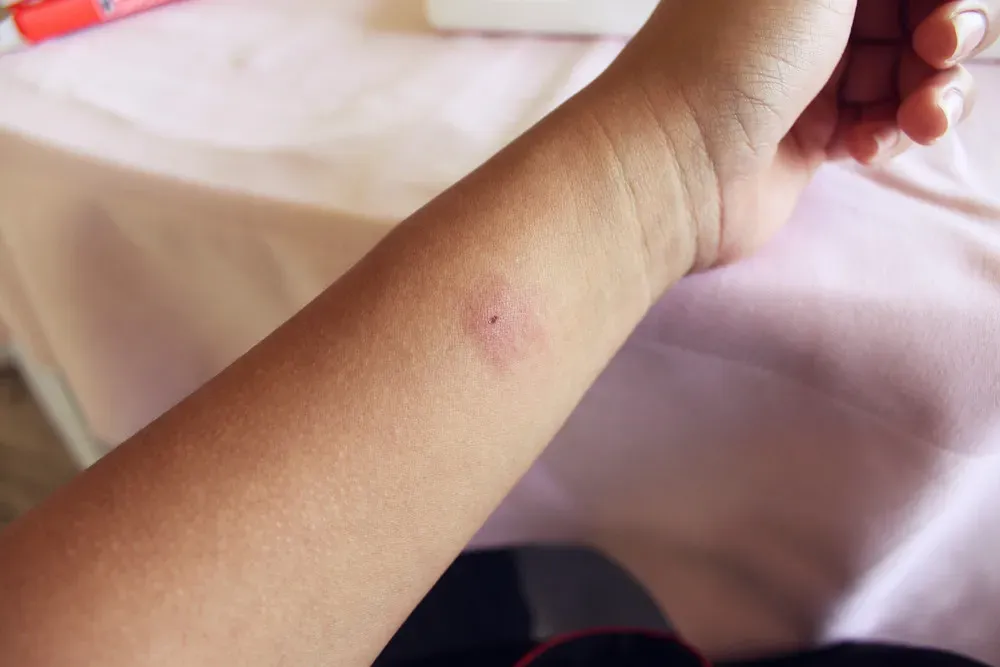
Understanding why mosquitoes target certain people more aggressively provides valuable insights, even if the knowledge sometimes feels frustrating. Many of these scent factors are beyond your immediate control, determined by genetics, natural body chemistry, and basic biological functions.
Still, you can take practical steps to reduce your appeal. Shower after exercising to wash away lactic acid. Switch to unscented personal care products during mosquito season. Avoid alcohol consumption during outdoor activities when mosquitoes are active. Wear loose, light-colored clothing that covers your skin.
Scientists continue researching mosquito attraction with the goal of developing better repellents and control strategies. Recent advances in understanding the specific chemicals that attract mosquitoes could lead to revolutionary new approaches for protection.
The reality is that mosquitoes are extraordinarily sophisticated hunters with sensory capabilities that far exceed our own. They’ve spent millions of years evolving to find us efficiently. Our best defense combines multiple strategies rather than relying on any single approach.
What’s your experience with mosquito bites? Have you noticed patterns in when you get bitten most frequently? Share your thoughts in the comments below.

- 10 Mind Blowing Facts About The Great White Shark - July 26, 2026
- Elephants Communicate With Each Other Using Sounds We Cannot Hear - July 26, 2026
- 10 Surprising Foods That Are Actually Good For Your Dog’s Health - July 26, 2026