
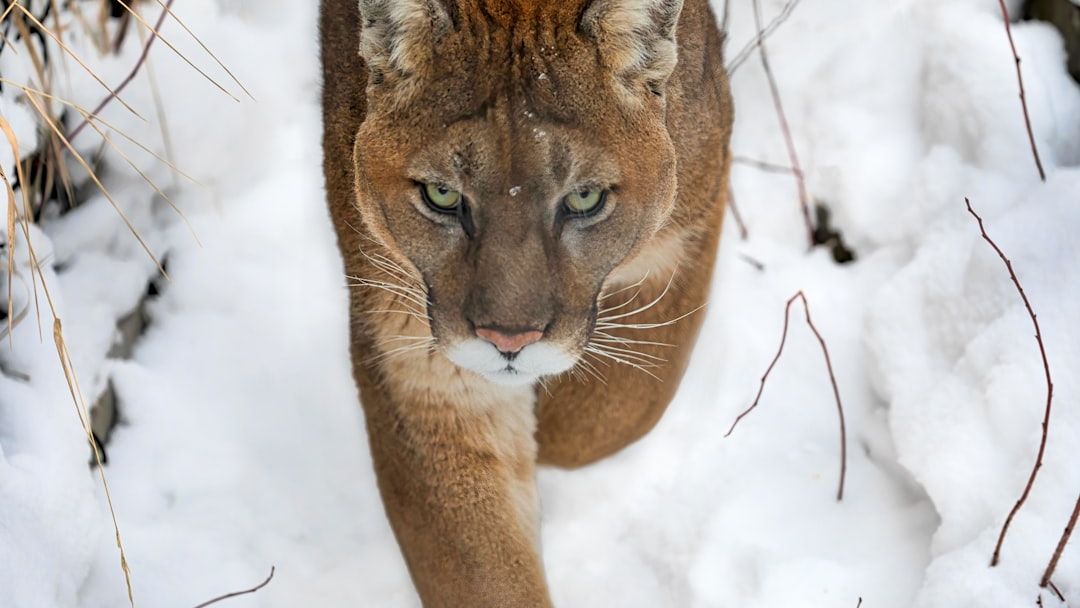
Rocky Mountain National Park is one of those places that makes you feel alive. The crisp mountain air, the towering peaks, the endless trails winding through wilderness that feels untouched by time. It’s easy to get lost in the beauty of it all. Yet lurking somewhere in that vast landscape is an animal most hikers will never see but should always respect: the mountain lion.
There are only a small number of mountain lions in Rocky Mountain National Park, and they are elusive and almost never seen. You’re far more likely to be struck by lightning than attacked by one of these big cats. Still, knowing what not to do in the rare event you cross paths with a mountain lion could save your life. Let’s be real, panicking or making the wrong move might turn a curious encounter into something dangerous. So let’s dive in.
Never Run Away From the Mountain Lion
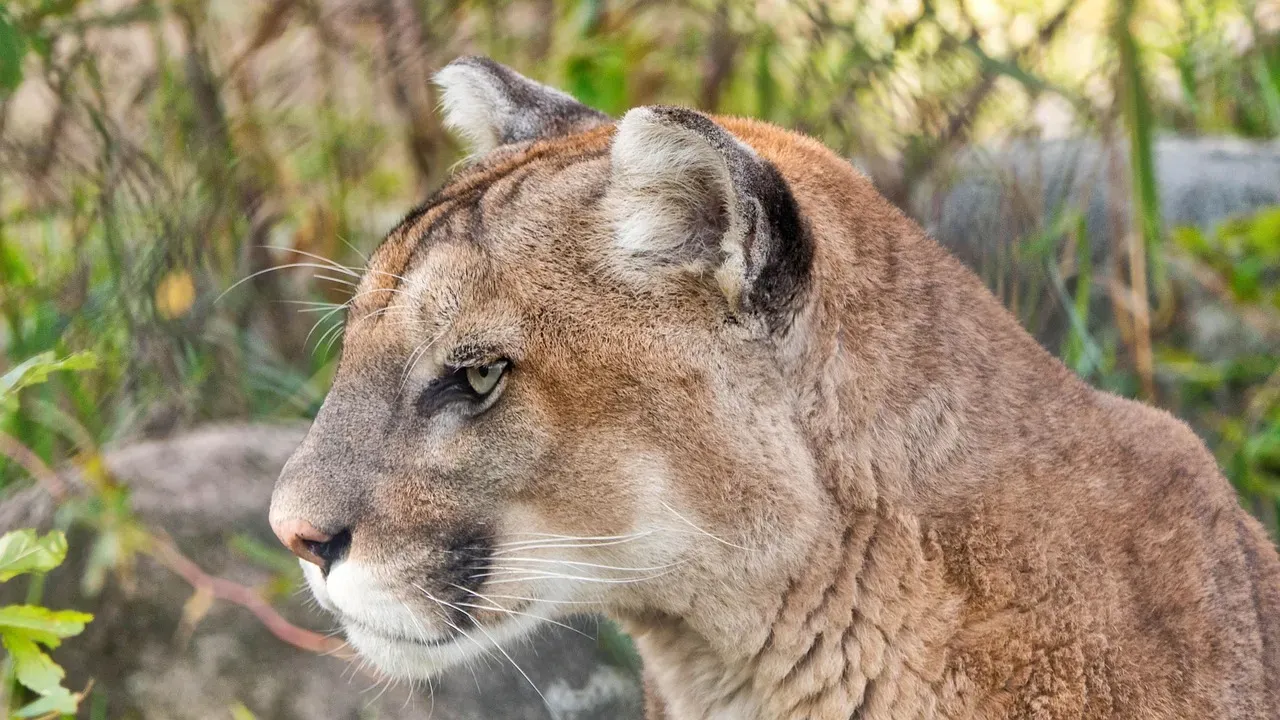
Here’s the thing about mountain lions: they’re hardwired predators. Their instincts kick in when something bolts. It’s like waving a red flag in front of a bull, except this bull has claws and fangs.
Jogging is not recommended, as it can trigger a mountain lion’s attack response. The same goes for running when you spot one on the trail. Running may stimulate a mountain lion’s instinct to chase. Think about it from the lion’s perspective: prey runs, predators chase. That’s nature in its rawest form.
When you run, you’re essentially telling the lion you’re prey. Your legs pumping, your back turned, the sound of your footsteps echoing through the forest. Every fiber of that animal’s being is tuned to respond to that kind of movement. Even if the lion wasn’t particularly interested in you before, running can flip a switch.
Instead, you need to do the opposite of what your body is screaming at you to do. Stand and face the animal. Hold your ground. Easier said than done when every nerve in your body wants to sprint back to the trailhead, I know. Yet standing firm is one of the most crucial things you can do.
It’s hard to say for sure, but mountain lions seem to respect confidence. They’re looking for an easy meal, not a fight. If you run, you’re advertising yourself as the former. If you stand tall, you’re signaling the latter.
Running might feel like survival, yet in this scenario, it’s the exact opposite. Stand your ground. Make the lion second guess whether you’re worth the effort. Because honestly, you’re not what they usually hunt anyway.
Never Crouch Down or Bend Over
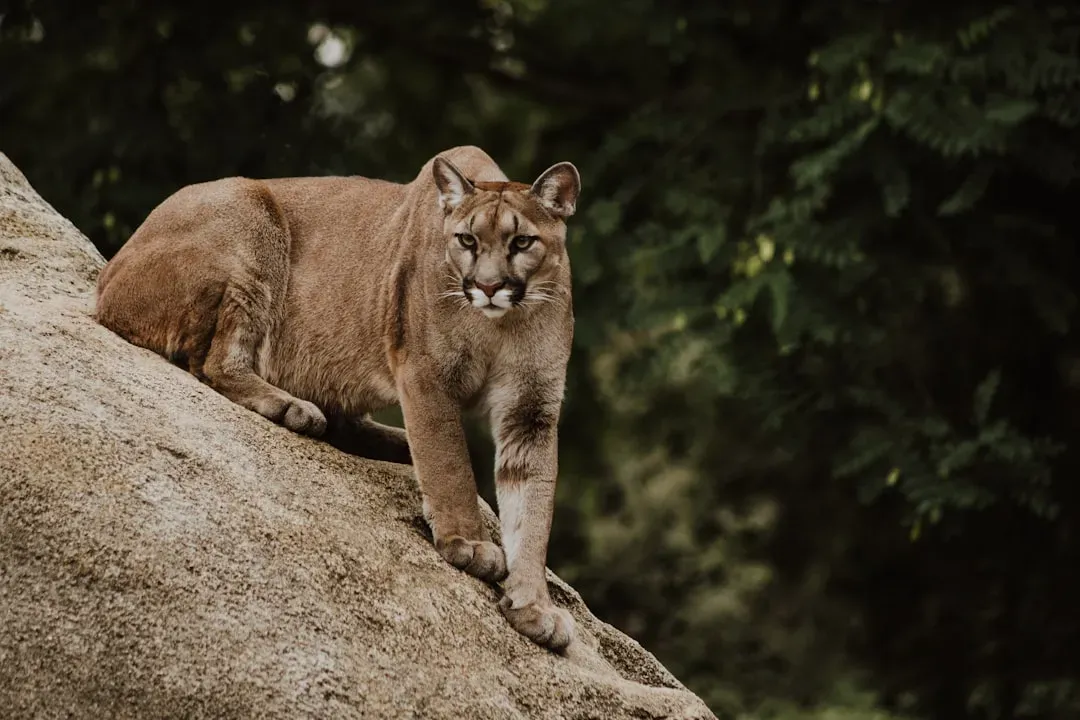
Crouching might seem harmless. Maybe you’re thinking about picking up a rock to throw, or maybe your knees just buckle from fear. Whatever the reason, don’t do it.
Never bend over or crouch down because doing so causes humans to resemble four-legged prey animals. Mountain lions hunt deer, elk, and other creatures that walk on all fours. When you crouch, you’re mimicking the very silhouette they’re programmed to attack.
Crouching down or bending over also makes the neck and back of the head vulnerable. That’s the target zone for a mountain lion. Since a mountain lion usually tries to bite the head or neck, try to remain standing and face the attacking animal. Your neck is where they go for the kill, simple as that.
I think about how many people might instinctively drop down when scared, or reach for something without thinking. It’s a natural reaction, yet one that could prove deadly in this situation. You need to stay upright at all costs.
Remaining standing keeps you looking large and intimidating. It also protects the most vulnerable parts of your body from a surprise attack. Mountain lions are ambush predators, so giving them an easy target is the last thing you want to do.
Even if you desperately want to grab a rock or stick from the ground, resist the urge to bend down. Keep your eyes on the lion and find something you can reach without compromising your stance. Your posture could mean the difference between the lion seeing you as a threat or seeing you as dinner.
Never Turn Your Back or Break Eye Contact
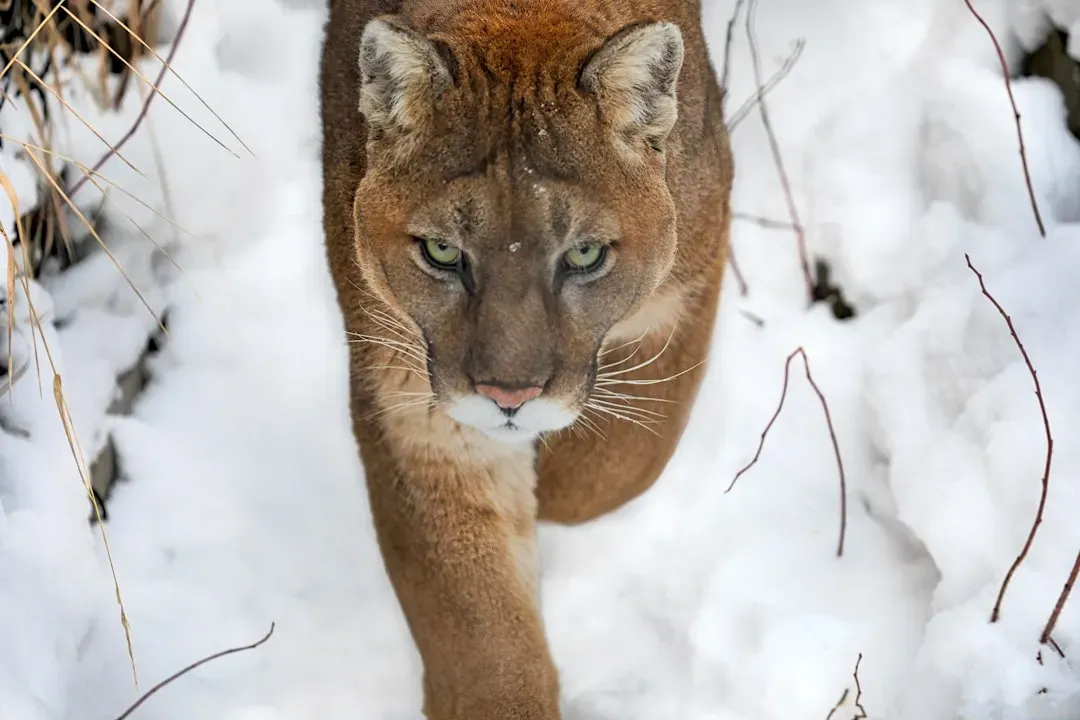
Eye contact feels uncomfortable with humans, let alone a massive predator. Yet breaking that gaze can be a fatal mistake.
Make eye contact. Lions will not turn their back on you if they view you as dangerous, because they know from their own hunting behavior that predators attack from behind. This is fascinating when you think about it. The mountain lion understands vulnerability because it exploits it when hunting. If it sees you turn away, it knows you’re scared.
Try not to turn your back on the animal. The moment you do, you’re giving the lion an opportunity. Predators are opportunistic by nature. They wait for that split second when your guard is down.
I know it sounds crazy, but maintaining eye contact actually works in your favor. A lion not backing down is often a sign that you already have the advantage. If the lion is watching you and not running, it might just be sizing you up, trying to figure out if you’re a threat. Staring back confirms that you are.
Turning your back is essentially surrendering. It signals fear and submission. Mountain lions, like most predators, are emboldened by fear. They can sense it, almost smell it.
Keep your face toward the lion at all times. If you need to move, do it slowly and deliberately, never giving the animal your back. This might feel unnatural and terrifying, yet it’s one of the most important rules of survival in a mountain lion encounter.
Your eyes are your weapon here. Use them. Let the lion know you’re not prey, you’re not afraid, and you’re certainly not easy pickings. That stare might just be what saves you.
Never Approach the Lion or Block Its Escape Route
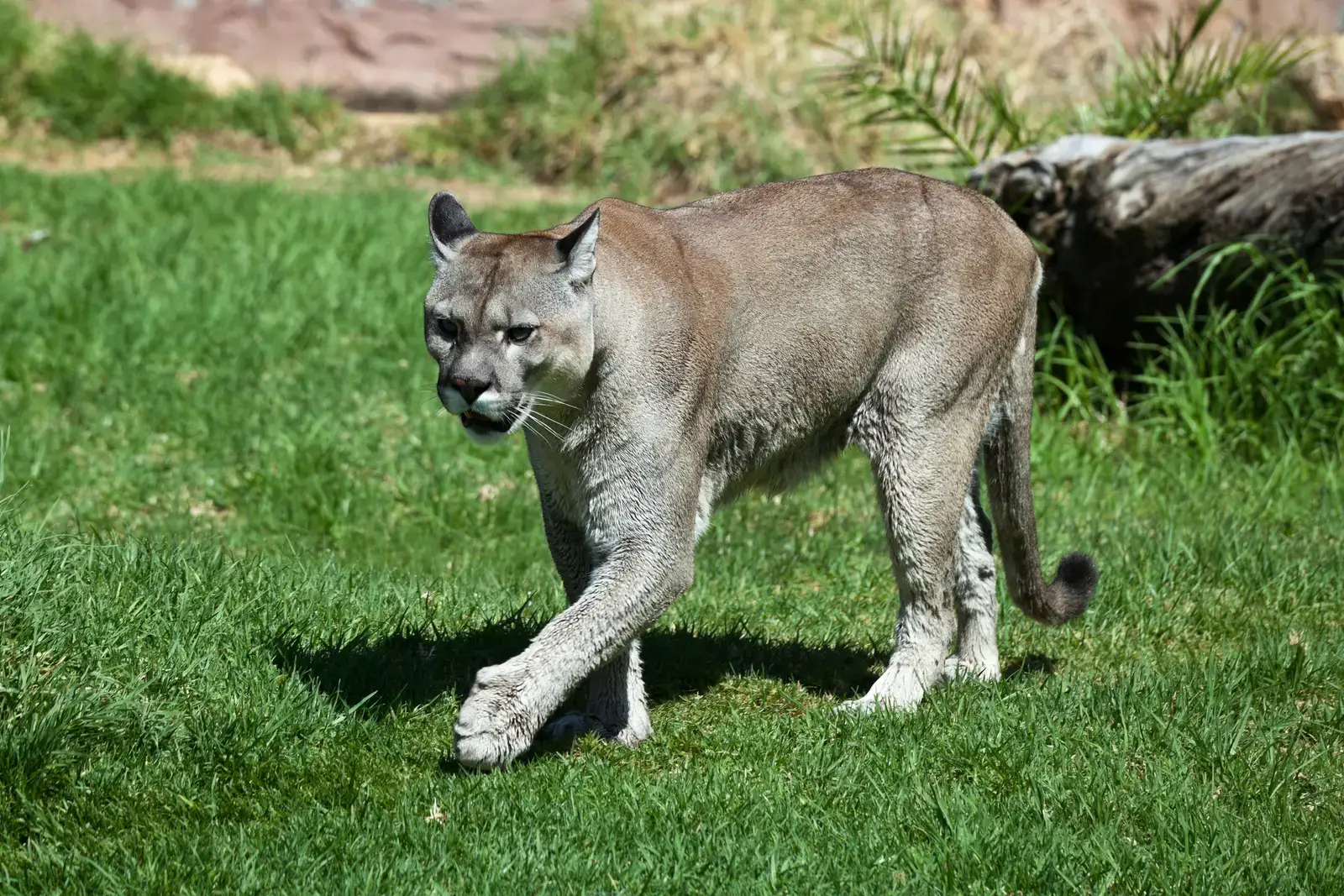
Curiosity might’ve killed the cat, yet in this case, it could kill you. Seeing a mountain lion in the wild is incredibly rare, almost a once in a lifetime experience. The temptation to get closer, to snap a photo, to really see this majestic creature up close can be overwhelming.
Do not approach a lion. Most mountain lions will try to avoid a confrontation. They’re not looking to tangle with humans. Given the choice, they’ll slink back into the forest and disappear like they were never there. Your job is to let them do exactly that.
Give them a way to escape. This is absolutely critical. If a mountain lion feels cornered, it might lash out defensively. It’s important that a lion not feel cornered, or separated from its kittens, or a cached kill. A cornered predator is a dangerous one.
Think of it like this: the lion doesn’t want to fight you any more than you want to fight it. Yet if you back it into a corner, it has no choice. Self preservation kicks in, and suddenly you’ve turned a manageable situation into a life or death struggle.
Honestly, people underestimate how smart and calculating these animals are. They’re always looking for an exit strategy. If you position yourself between the lion and its escape route, you’ve just made yourself a problem it needs to solve. That’s not a position you want to be in.
Stay where you are, or back away slowly while keeping the lion in sight. Create space, not conflict. Let the animal leave on its own terms. The encounter will end much more peacefully if the lion feels like it has options.
Never, ever move closer. No photo is worth your life. No story is worth the risk. Respect the animal’s space and it will likely respect yours in return.
Never Play Dead or Stay Silent
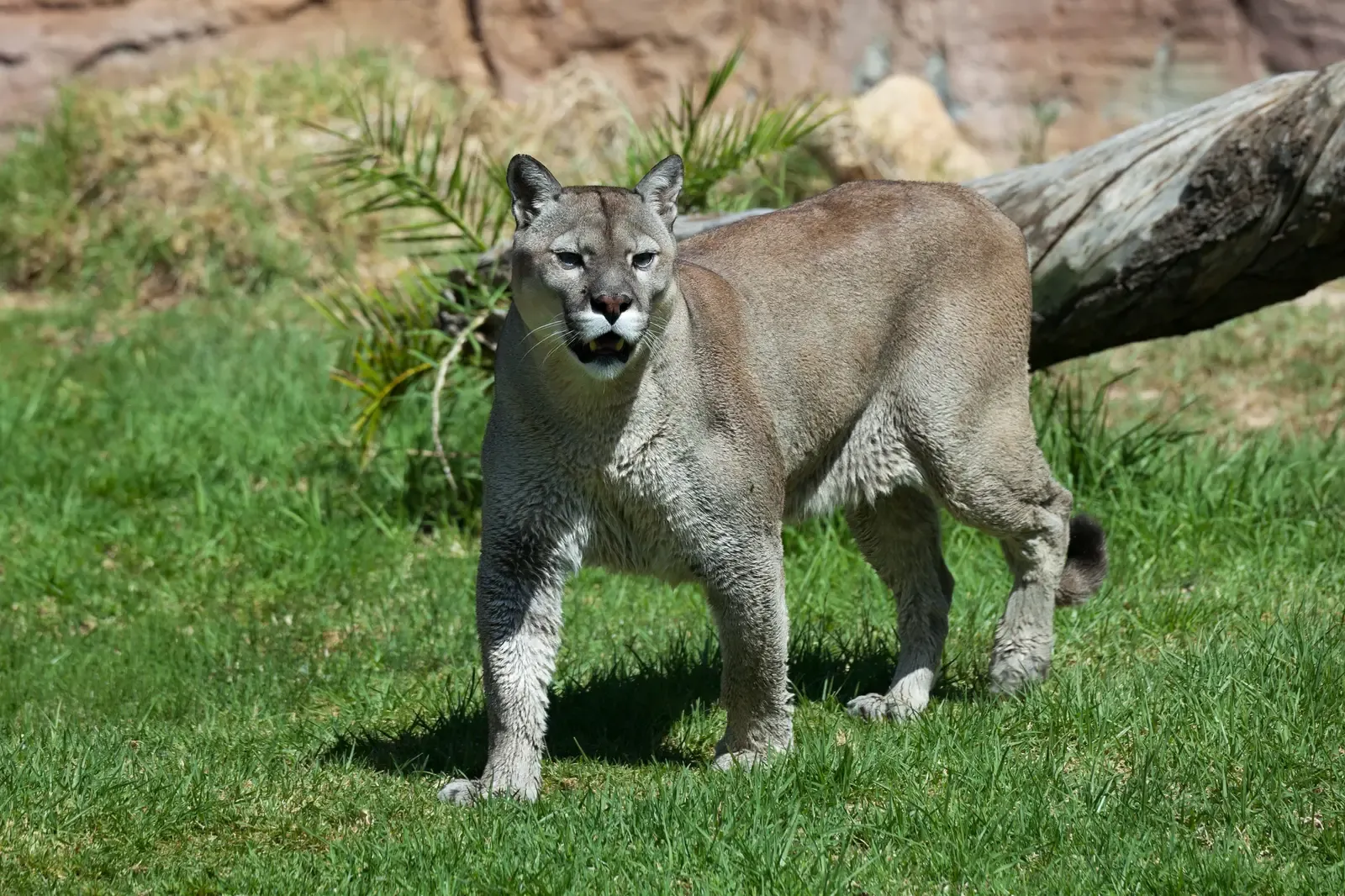
Playing dead works with bears in certain situations, yet with mountain lions, it’s the worst strategy imaginable. If you go limp and silent, you’re basically serving yourself up on a platter.
Mountain lions are not scavengers looking for an easy meal of carrion. They hunt live prey. Do not play dead. If you collapse or freeze, the lion might interpret that as submission or even death, which could trigger a feeding response rather than deterring an attack.
You need to be loud and aggressive. Wave raised arms slowly, and speak slowly, firmly, loudly to disrupt and discourage predatory behavior. Yell, shout, make yourself heard. The goal is to convince the lion that you’re not prey, you’re a threat.
If the lion behaves aggressively wave your arms and throw objects at it to convince it that you are not prey and that you may be dangerous. This is your chance to go from potential victim to formidable opponent in the lion’s eyes. Make noise, throw your jacket open, wave your arms above your head.
Silence is compliance in the wild. It signals weakness. Mountain lions are looking for animals that won’t put up a fight. Show them you absolutely will.
If attacked, fight back! Fight back if attacked using sticks, caps, jackets, garden tools and their bare hands. Protect your neck and head, and fight like your life depends on it, because it does. Mountain lions can’t afford injuries in the wild, so if you show them you’re capable of causing harm, they’re more likely to retreat.
Playing dead removes all your power. Staying silent removes your voice. In an encounter with a mountain lion, both are essential. Use them.
Conclusion
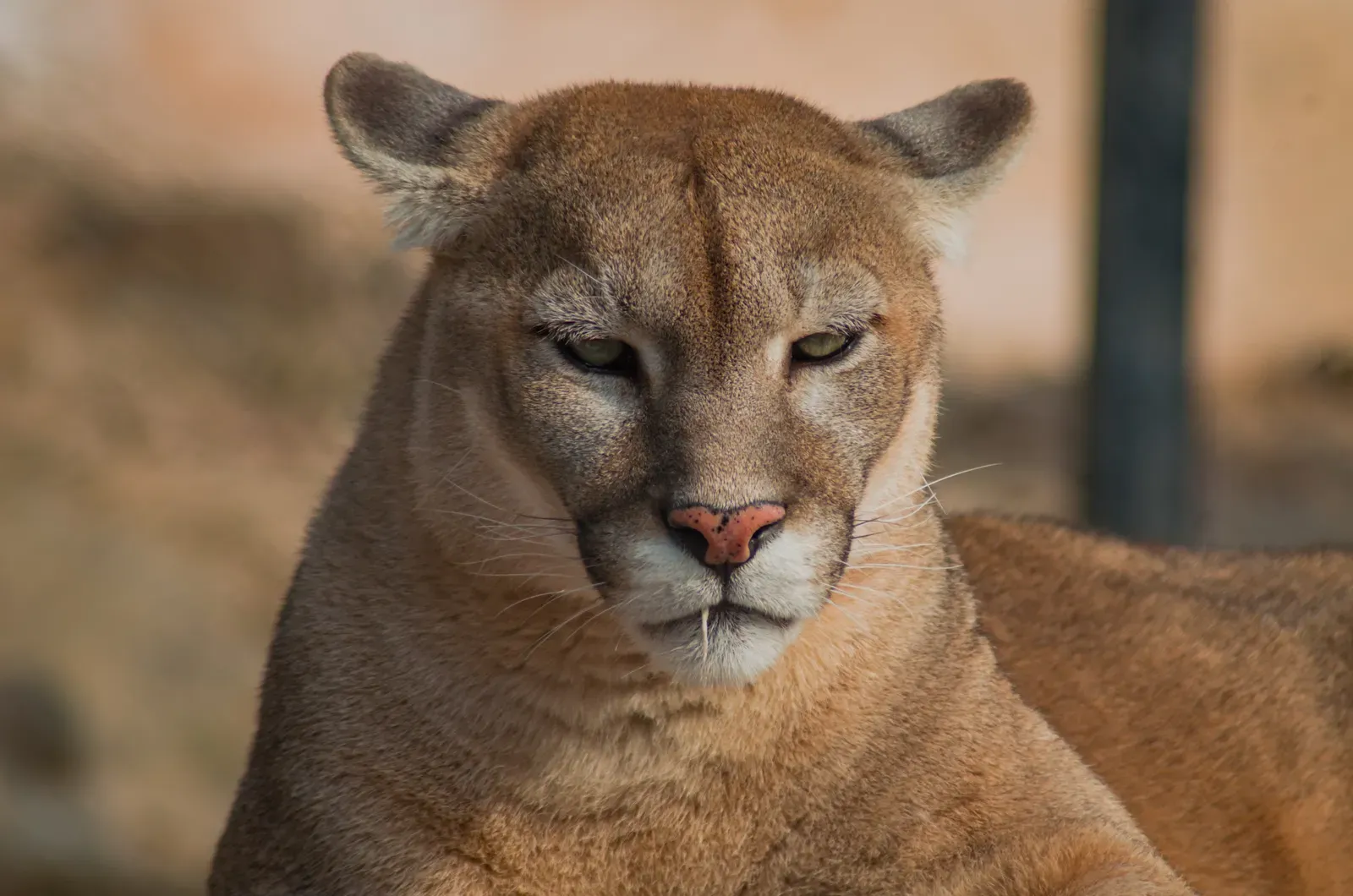
Mountain lion encounters are extraordinarily rare, yet they do happen. Recent events near Rocky Mountain National Park remind us that these animals share the trails we love, and respecting their presence is part of being in the wilderness. Knowing what not to do can make all the difference.
Don’t run, don’t crouch, don’t turn away, don’t corner the animal, and definitely don’t play dead. These five mistakes can escalate a tense situation into a tragic one. Instead, stand tall, make noise, maintain eye contact, and give the lion space to leave. Most of the time, it will.
Hiking in mountain lion country doesn’t have to be terrifying. It just requires awareness and respect. These animals are magnificent, elusive, and essential to the ecosystem. With the right knowledge, we can share their world safely.
What would you do if you came face to face with a mountain lion on the trail? It’s worth thinking about now, before you’re ever in that situation. Stay safe out there.

- 9 Times Animals Have Saved Human Lives With Incredible Bravery and Instinct - July 28, 2026
- Why the Sound of Crickets Could Mean Good News for Your Garden - July 28, 2026
- 13 Tender Signs a Horse Is Grieving a Rider It Lost - July 28, 2026