
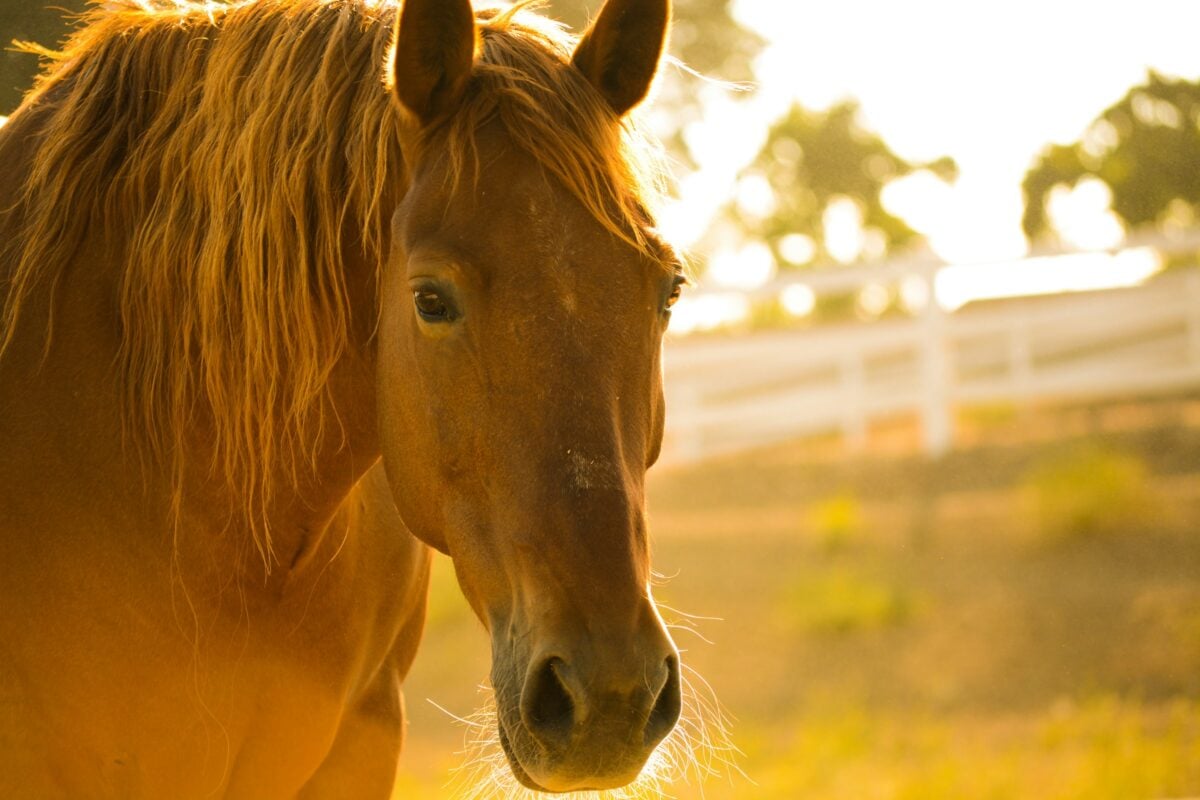
Most people assume horses just move on. No funeral, no tears, no thousand-yard stare – just hay, turnout, and life as usual. But caregivers and behaviorists who actually live in the barn every day tell a different story, and it’s a lot harder to shrug off.
Some horses grieve so hard it rewires their entire routine, and almost nobody clocks it for what it is. It gets written off as bad training, a personality quirk, or a horse being “difficult.” Once you know the real pattern, you can’t unsee it – and you start wondering how many grieving horses got scolded instead of comforted.
#1 – Standing at the Gate Where Their Rider Used to Appear
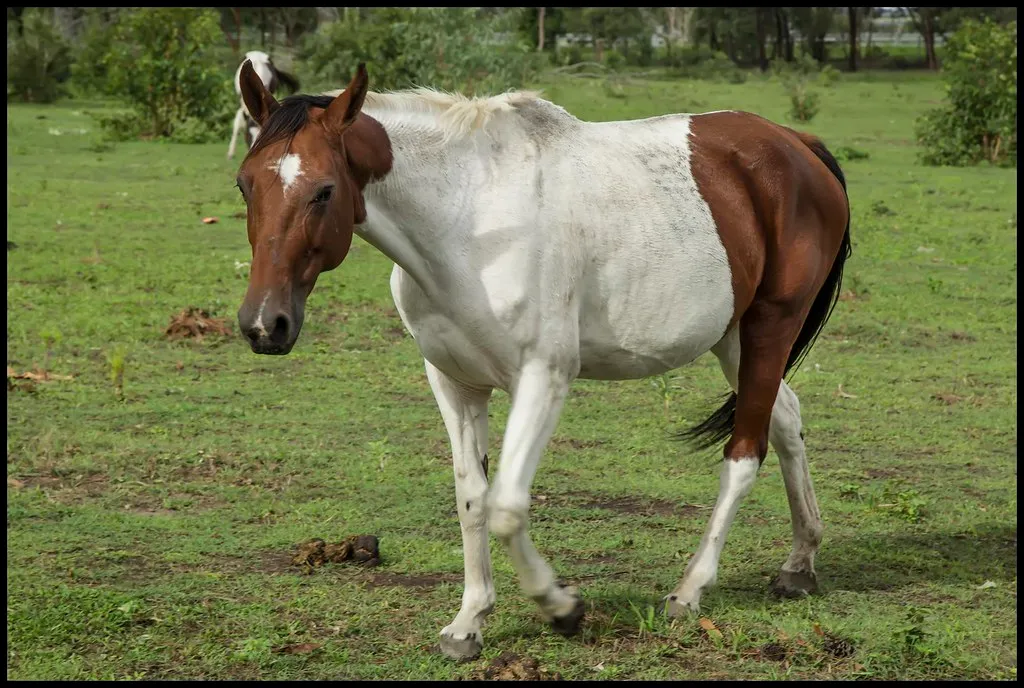
One of the most heartbreaking signs is the horse that waits. And waits. A horse who used to perk up the second a certain car pulled in may now stand at that same gate or fence line for long, still stretches, eyes scanning and ears locked on the driveway.
This isn’t idle hanging around near the fence. Caregivers describe it as focused, almost ritualistic – the horse ignoring herd mates and hay to stare down the path their rider always walked. It tends to spike right at the old ride time, early mornings or weekend afternoons, as if the horse is replaying a routine that no longer has an ending.
#2 – Searching Every Passing Human for “Their” Person
Some horses turn every stranger into a possible reunion. This shows up most in horses who bonded tightly with one rider. At turnout, they’ll march straight to the fence when anyone walks by, studying faces like they’re checking IDs.
They may sniff clothing, nudge pockets, or fixate on a voice that sounds close enough to matter. Caregivers sometimes mistake this sudden friendliness for a personality change, but the real tell is the letdown after: ears prick hopefully at a car door or jangling keys, then visibly sag when it isn’t the person they were hoping for.
Fast Facts
- Horses can pick their familiar keeper out of a lineup of photos roughly 75% of the time, well above random chance.
- That recognition still holds up even after six months apart from that specific person.
- Studies suggest horses process a face as belonging to one real, specific individual – not just a generic shape.
#3 – Guarding the Rider’s Tack or Stall Like a Shrine
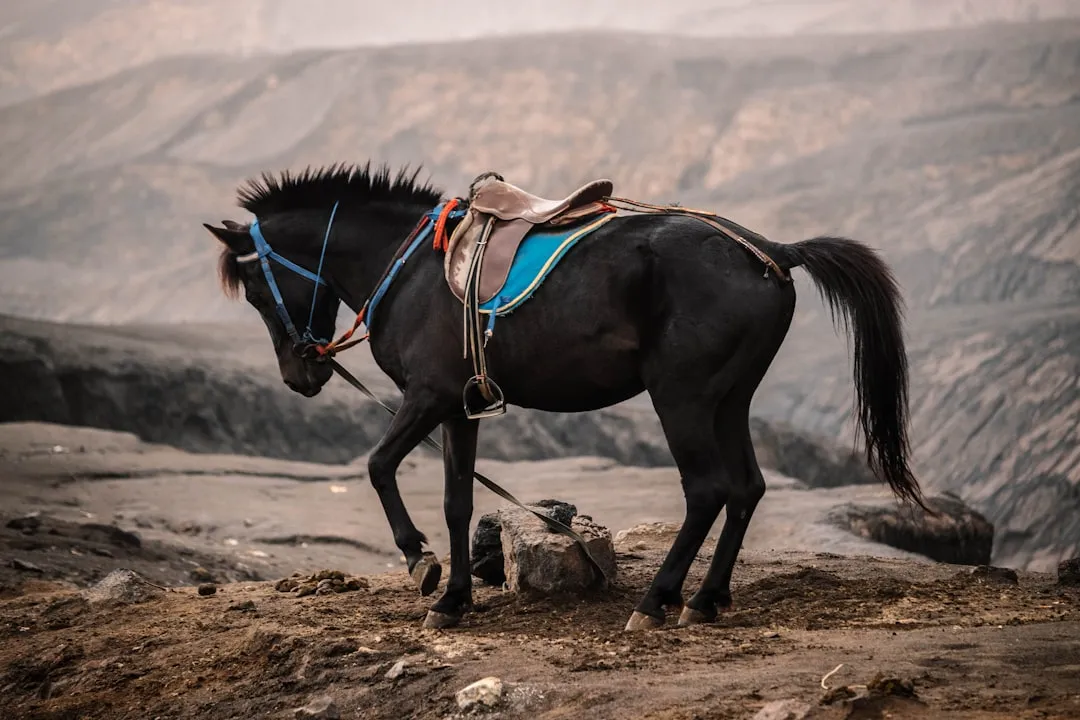
Some grieving horses become quiet bodyguards for memory. If a lost rider’s tack, blankets, or grooming tools are still nearby, a bonded horse may hover over that gear, sniffing it again and again, or acting oddly defensive if someone else gets too close.
This is striking in horses that were never possessive before. Scent matters enormously to horses, and when a person is gone but their smell still lives on leather or fabric, the horse may be trying desperately to hold the two things together. Some get visibly tense if that gear is ever moved, as if someone is quietly stealing the last piece of their person.
#4 – Sudden Loss of Appetite or Interest in Favorite Treats
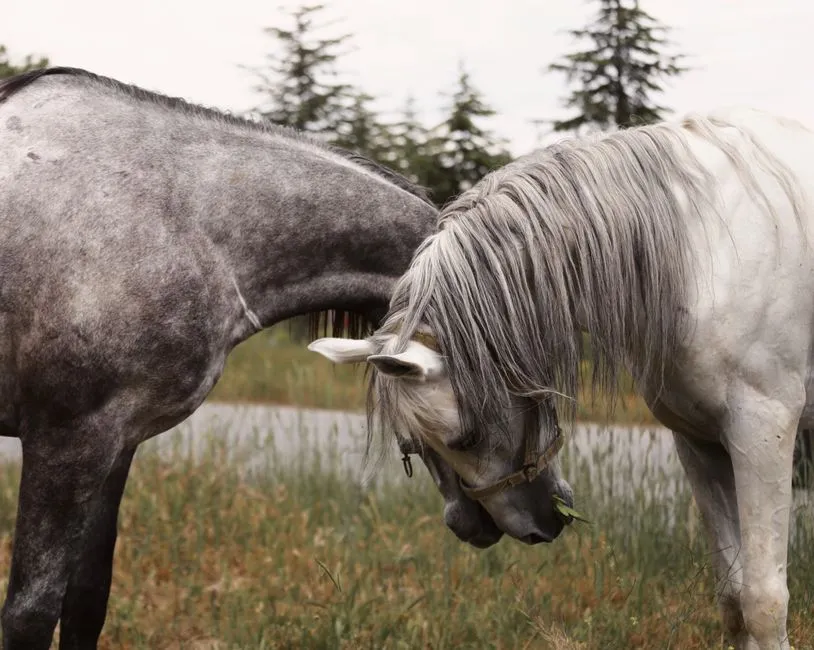
Horses are grazing machines – walking away from hay is never nothing. A horse who suddenly goes off feed after losing a rider isn’t just being fussy. It can be a textbook stress and grief response.
Some horses ignore the exact treats their rider used to bring, or take one and drop it, distracted and flat. Any appetite change needs a vet first, since pain and illness can look identical. But when the vet finds nothing and the timing lines up exactly with the loss, many experienced handlers quietly call it grief.
Worth Knowing
- A drop in manure output, signs of colic, fever, or lethargy alongside appetite loss all warrant an immediate vet call.
- Reduced forage intake is one of the most commonly reported red flags after any companion or bonded-human loss.
- Grief-driven appetite dips tend to ease gradually as routine stabilizes; a medical cause usually doesn’t.
#5 – Calling, Pacing, and “Searching” When the Rider Should Be There
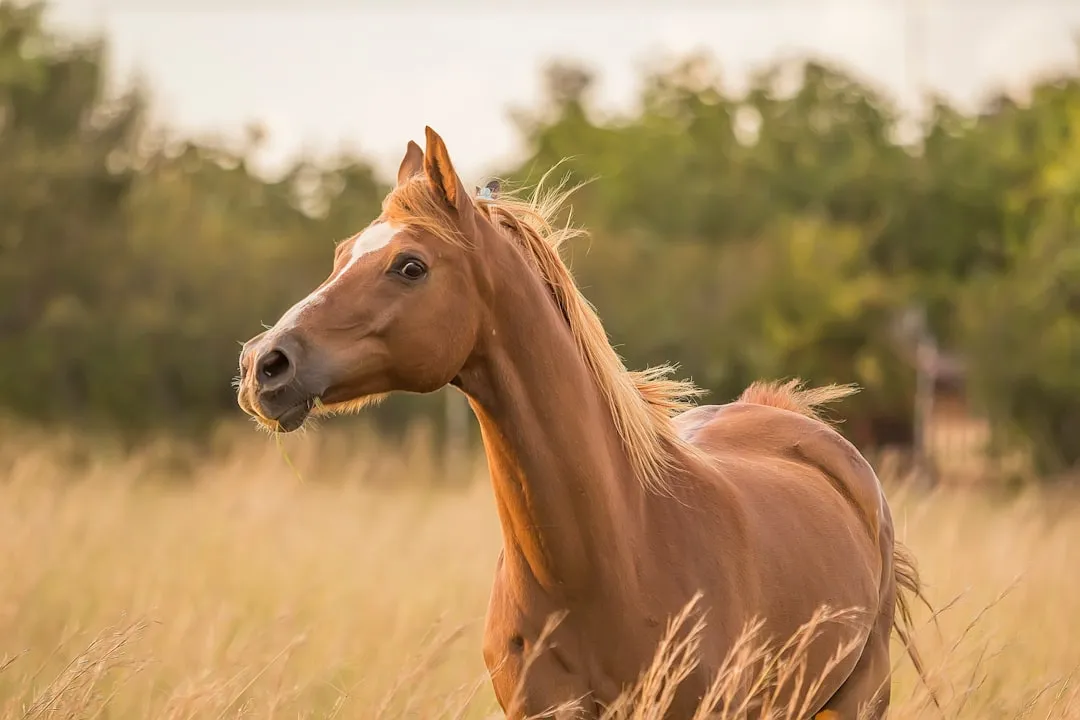
Some horses grieve loudly. These are the ones who start whinnying at the old arrival time – that frustrated half-whinny, half-squeal when nobody answers. They pace the fence, weave by the gate, or march from stall window to stall door with restless, searching eyes.
To an outsider it looks like barn sourness. But owners who know the schedule recognize the pattern instantly: it happens at the exact hour “their” rider always showed up. Some horses even refuse to settle for a substitute human at that time, pinning ears as if protesting the wrong person walking in.
#6 – Clinging to One “Replacement” Human… or Rejecting Everyone
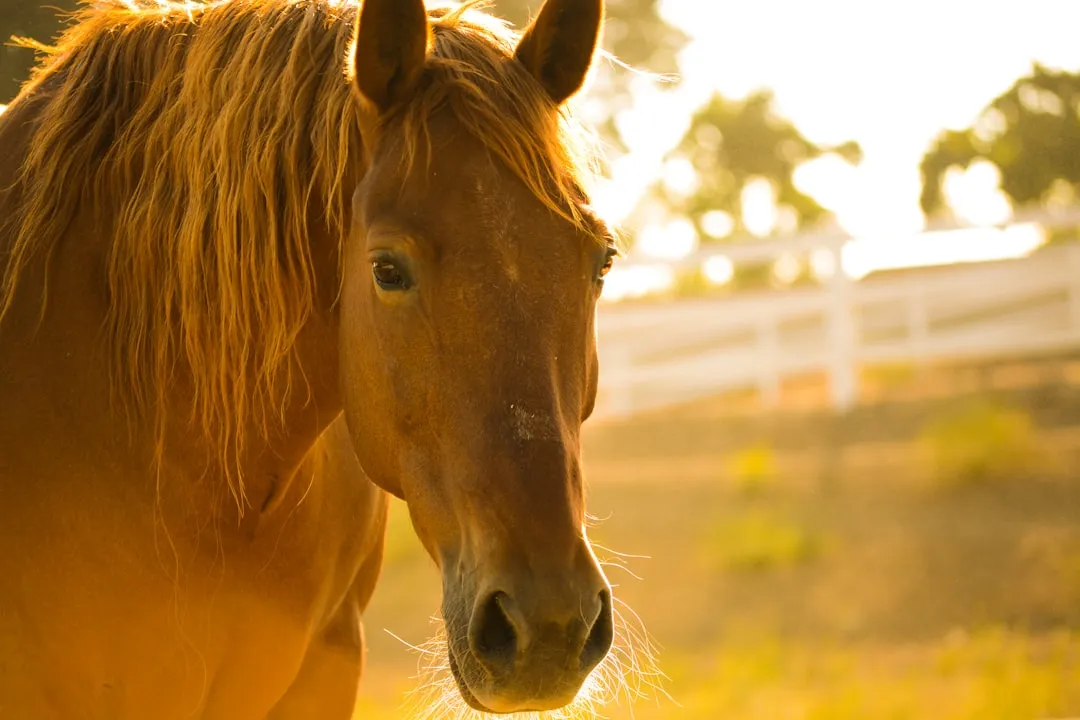
Grief doesn’t look the same in every horse. Some latch onto a new person almost overnight – often the rider’s friend, a barn manager, or a family member – shadowing them everywhere and relaxing only when that one specific human is nearby.
Others swing the opposite direction and reject everyone. They pin their ears at people they once trusted, refuse to be caught, or turn sour under saddle right after the loss. Whether they cling or push away, the underlying story is the same: their whole emotional map of humans just got shaken loose.
#7 – Sudden Regression in Training and Out-of-Character Spooks
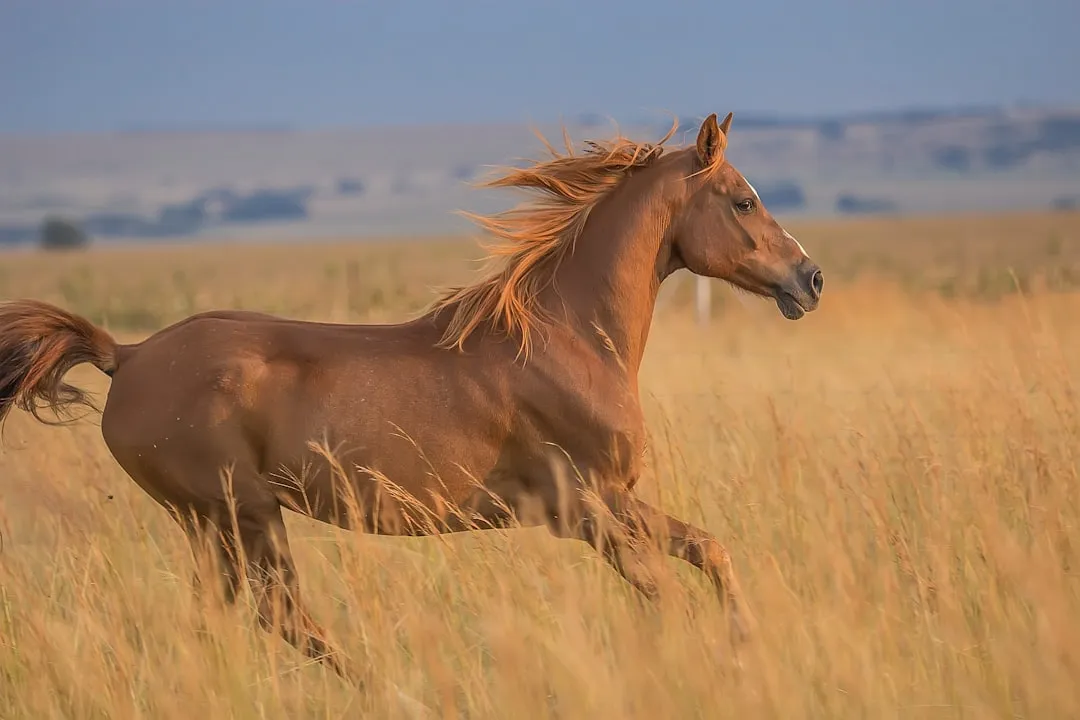
When a steady, reliable horse suddenly forgets everything it knows, grief is a real suspect. A horse who used to march confidently into the arena with that rider may now spook at the mounting block or plant its feet where it once strode forward without a thought.
People label this “testing a new rider,” but the timing tells the real story. Horses build their confidence from predictable leadership, and losing that anchor shakes their whole sense of safety. Some will only misbehave in the exact spot tied to the lost rider – a particular corner, a specific jump – because they’re not erasing training, they’re reacting to the empty space in the saddle.
#8 – Quiet Depression: Head Low, Dull Eyes, Less Play
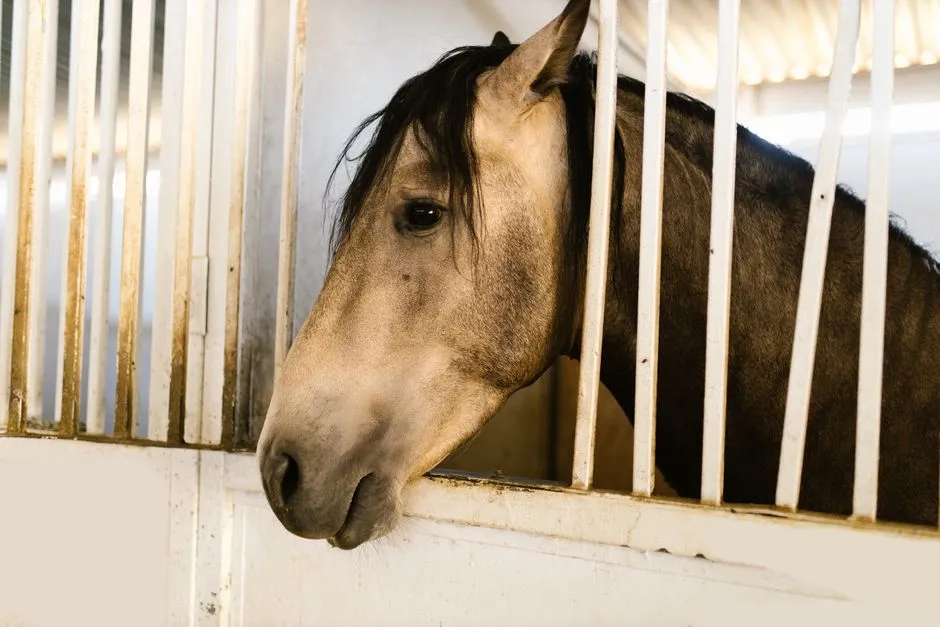
Not all grief is loud. Sometimes it’s numb. Barn workers often spot this one first: the horse who used to nip playfully at friends or buck through turnout now just stands there, head low, ears half-mast, clearly checked out.
A sustained shift in baseline energy after a rider’s death is a real red flag, not just a quiet day. A vet check is non-negotiable, since depression can mimic pain or metabolic issues. But when the vet clears the horse and the timeline matches the loss, experienced handlers know exactly what they’re watching.
At a Glance
- Recent equine research links companion loss to increased vigilance, altered feeding, and disrupted sleep patterns.
- Horses that witnessed a companion’s death often showed more immediate shifts in feeding and sleeping behavior afterward.
- Closer, more affectionate bonds tend to produce stronger and longer-lasting behavioral changes than casual pasture relationships.
#9 – Reacting Strongly to the Rider’s Voice in Recordings or Videos
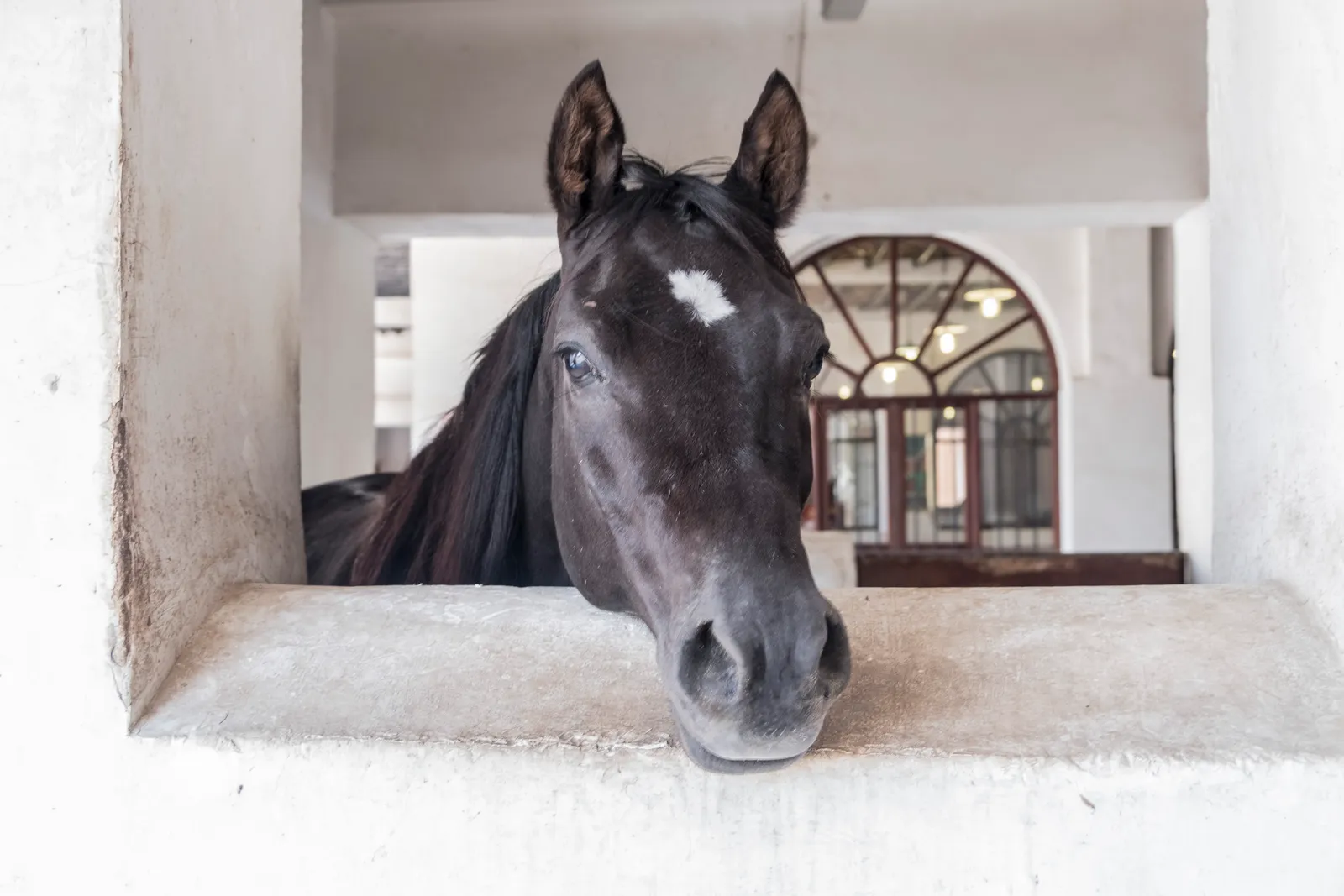
This one splits people down the middle. There are countless stories of horses jerking their head up or rushing the stall door when someone plays a video of the lost rider talking or laughing, sometimes months after the fact.
Skeptics call it curiosity about sound. But barns that’ve tested it unintentionally notice something odd: a random podcast gets no reaction, while a short clip of “their” rider saying the horse’s name produces a stare, a snort, or frantic searching around the barn. Call it recognition or association – the emotional pull toward that one voice is impossible to ignore.
#10 – Refusing to Enter Places Strongly Linked to That Rider
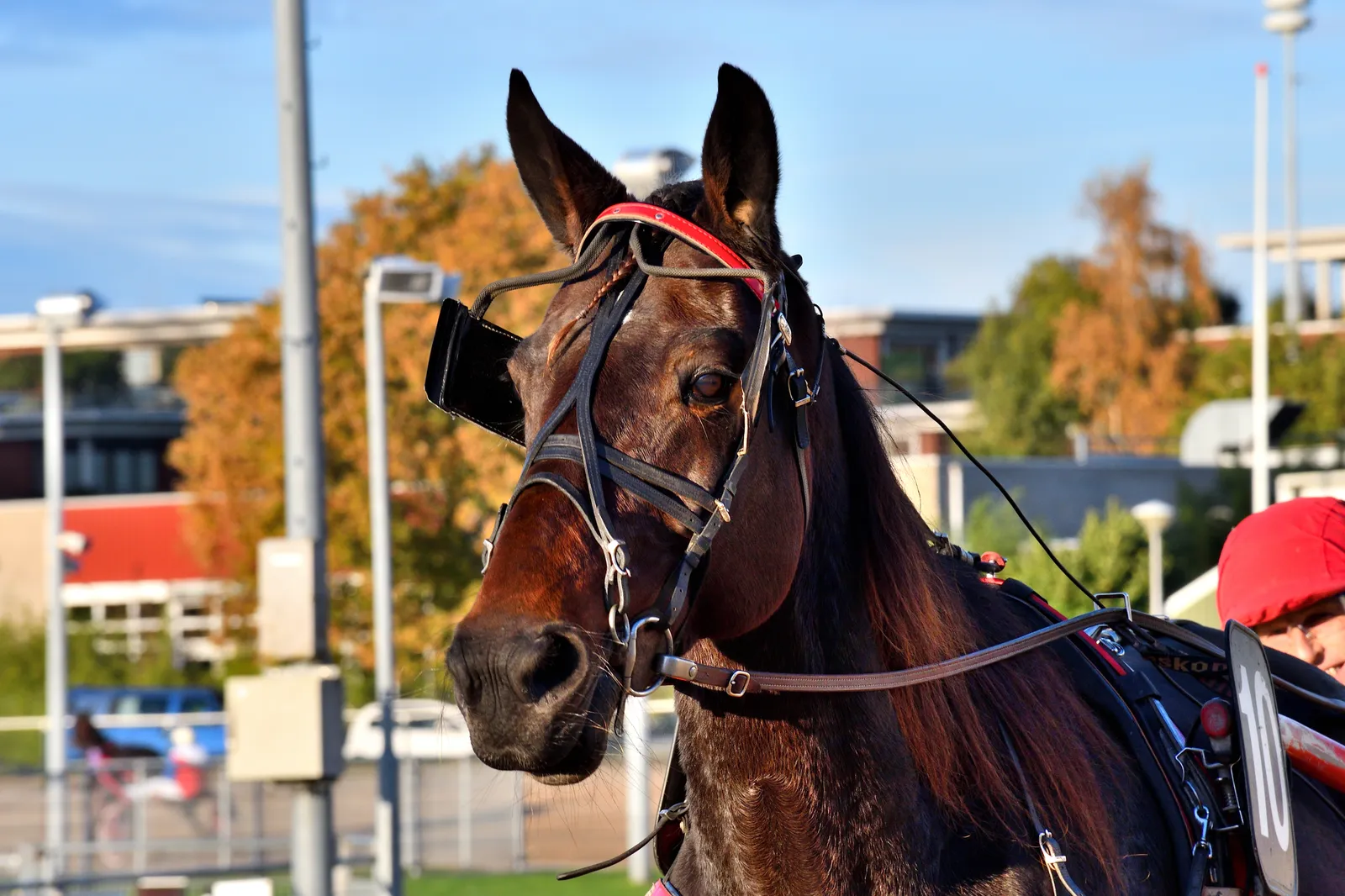
Location can turn into a landmine. A horse deeply attached to one rider may suddenly refuse to enter the arena, trailhead, or trailer that was “theirs” with that person, especially in the weeks right after the loss.
Riders often mislabel this as “ring sour,” but the timing is too convenient to be coincidence. Some behaviorists compare it, carefully, to walking back into a room where you always met someone who’s no longer alive. The walls haven’t changed. Everything else has.
#11 – Developing New Herd Attachments That Mirror the Old Human Bond
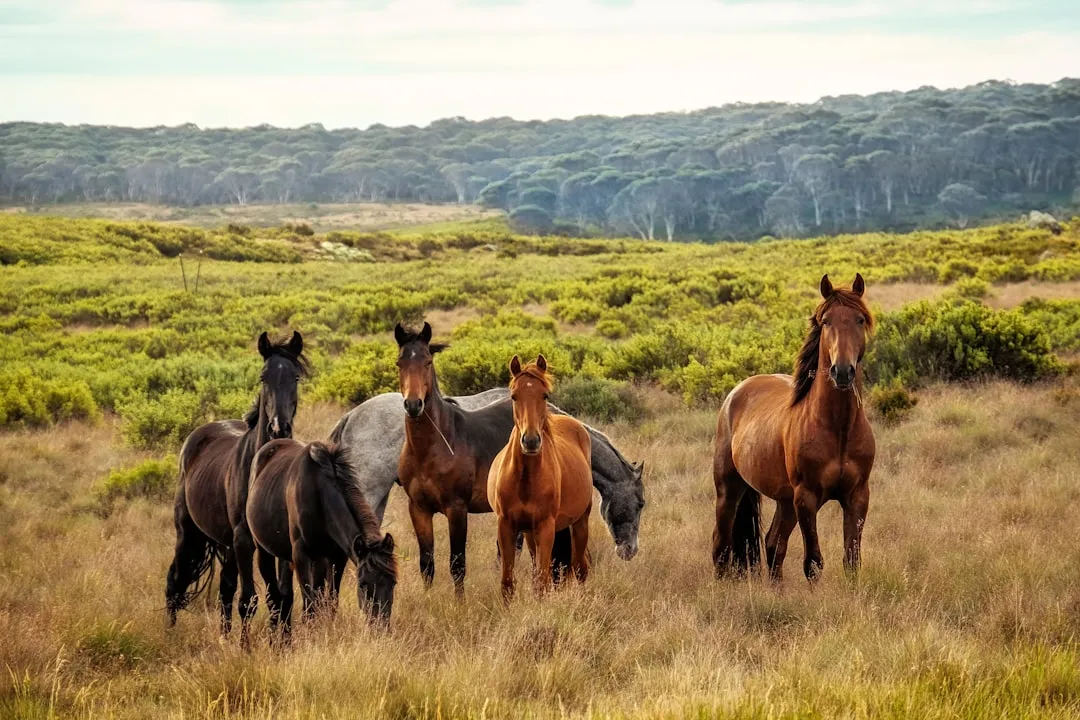
Horses are herd animals first, and grief can quietly reshape who they cling to. After losing a rider, some horses suddenly glue themselves to one particular pasture mate, panicking if separated or screaming when that buddy is led away.
This isn’t ordinary buddy sourness if it appears out of nowhere in a horse that used to be independent. Oddly specific detail: the chosen herd mate often shares a trait with the lost rider – similar calmness, a similar routine – as if the horse is quietly rebuilding its broken world with whatever pieces it can find.
Worth Knowing
- The strength of a bond directly predicts the intensity of a horse’s reaction when that bond is broken.
- Some studies suggest horses allowed time near a departed companion later show fewer lingering signs of distress.
- Without that closure, horses can stay noticeably more alert and on edge for months afterward.
#12 – Overreacting to Items That Smell Like Hospitals, Illness, or Stress
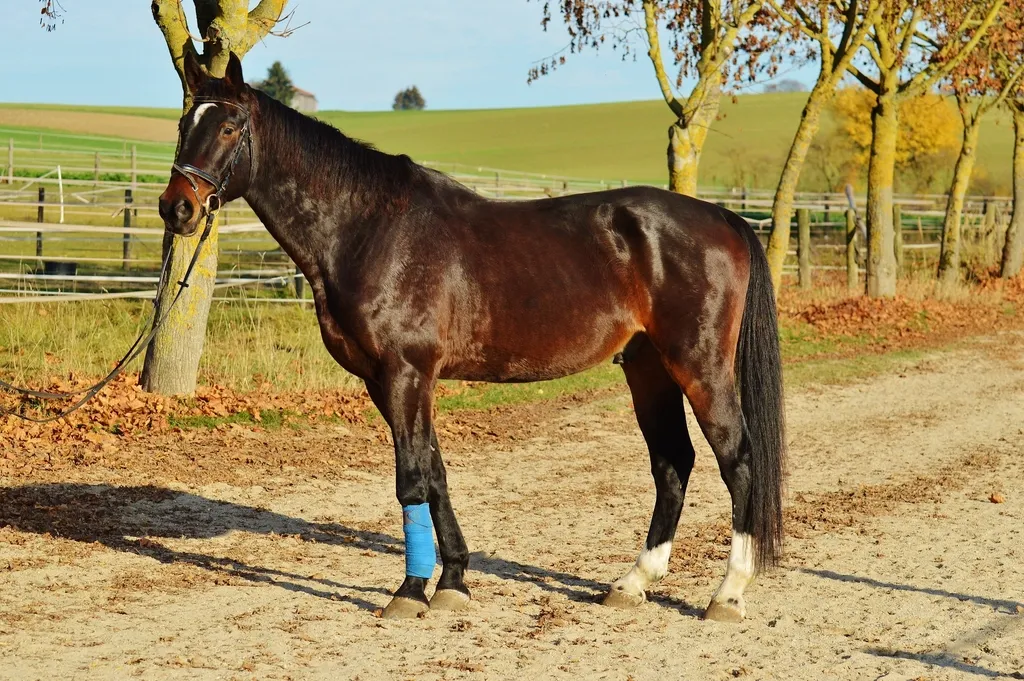
This one is more speculative, but experienced caregivers see it often enough to trust it. If a rider was sick or injured before they died or stopped riding, the horse may snort, shy, or tense up around bandages, medical gowns, wheelchairs, or certain lotions tied to those final visits.
The horse doesn’t know what a hospital is. It remembers a cluster of sensory details from a time its person felt “wrong.” Some horses do the opposite and turn unusually gentle around people who move slowly or use crutches, almost compensating for a fragility they once saw up close.
#13 – Seeking Comfort in Human Contact They Used to Tolerate, Not Crave
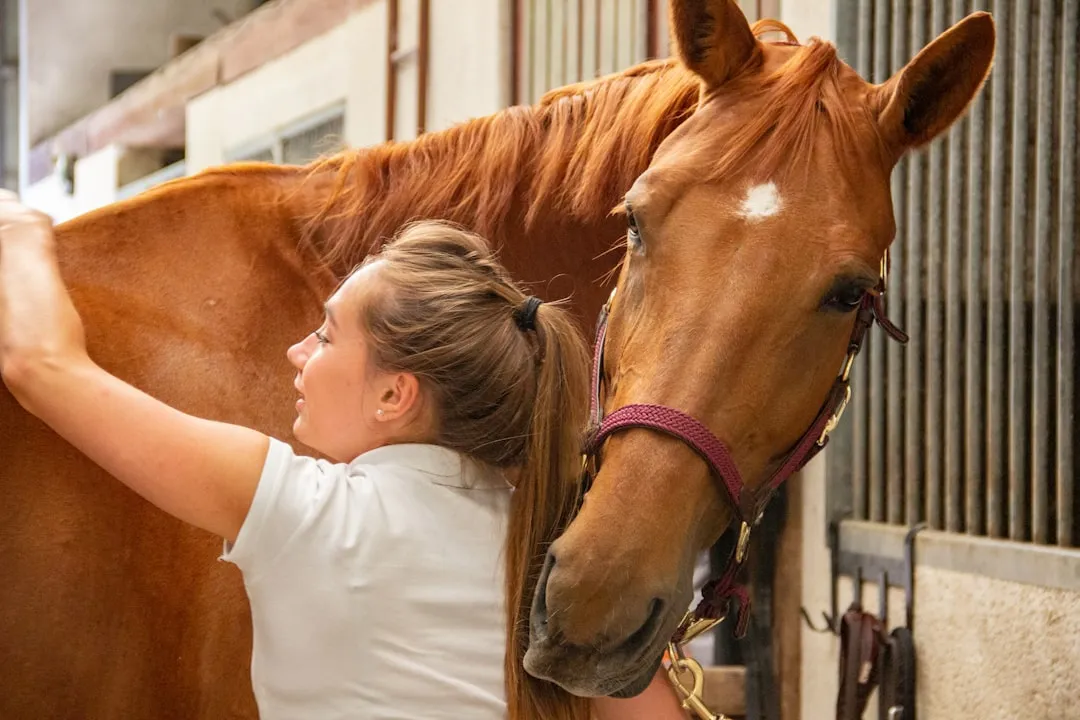
The most tender sign is often the softest one. A horse who once merely tolerated affection may suddenly press its head into your chest, lean its forehead against you, or stand perfectly still while you stroke its face for long, quiet stretches.
This isn’t a treat demand or an itchy-spot session. Caregivers describe these horses breathing deeper, closing their eyes, letting out long sighs, as if finally unloading tension into the one body that feels safe. The businesslike horse who used to just want the ride over now lingers after grooming, keeping one eye on you as you try to leave.
Horses lend us the wings we lack.
Pam Brown
The Bottom Line
Horses don’t grieve like people do, but pretending they don’t grieve at all is a comfortable lie. The patterns are right there for anyone willing to look: waiting at the old gate, searching every stranger’s face, quitting their feed, leaning into the one person who still shows up.
Not every spooky or sad horse is mourning, and they deserve an honest vet check before anyone blames a broken heart. But when the behavior lines up tightly with a rider’s loss and medical causes are ruled out, calling it “just being difficult” is willful blindness.
The uncomfortable truth is that most barns are far better at treating lameness than at recognizing loss. Respecting a horse’s grief doesn’t mean turning it into a person – it means giving it time, routine, and patient hands to slowly rebuild what it lost. Have you ever watched a horse mourn a rider, and did anyone actually believe you?

- 13 Tender Signs a Horse Is Grieving a Rider It Lost - July 28, 2026
- 15 Things a Horse Does That Mean It Feels Completely Safe With You - July 28, 2026
- 13 Hidden Things Your Dog Does at Night That Most Owners Completely Miss - July 28, 2026