
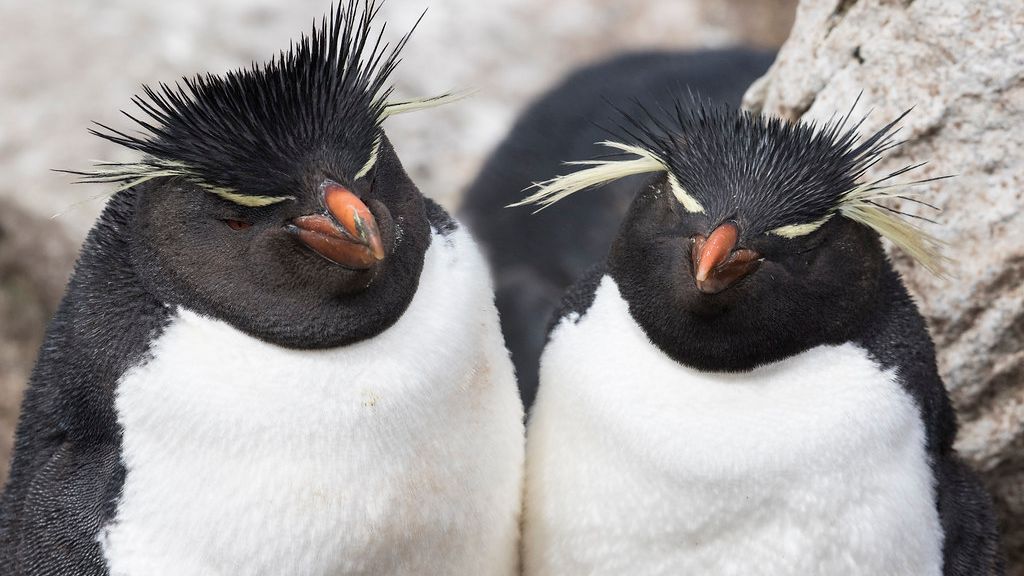
The wild can be a brutal place. Survival means finding food, avoiding predators, and defending territory. Yet somewhere in the chaos, certain creatures carve out time for something remarkably tender: lifelong devotion to a single partner.
It’s tempting to romanticize these animal pairings, to imagine swans gliding together in perfect harmony or wolves howling at the moon in unison. The reality is messier. Let’s be real, monogamy in the wild isn’t about candlelit dinners or anniversary gifts. It’s a calculated strategy, shaped by millions of years of evolution, that somehow still manages to look like love from the outside.
The Biological Blueprint Behind Lifelong Bonds

The neuroscience of pair bonding reveals that monogamous prairie voles have significantly greater density and distribution of vasopressin receptors in their brain when compared to polygamous voles, with these differences correlating with social behaviors. It’s wild when you think about it. Two species that look nearly identical on the outside can have completely different brain chemistry that determines whether they’ll settle down or play the field.
A neurobiological model for pair-bond formation has emerged from studies in monogamous rodents, showing that the neuropeptides oxytocin and vasopressin contribute to the processing of social cues necessary for individual recognition. These chemical messengers aren’t just floating around doing nothing. Studies examining oxytocin and vasopressin receptors strongly suggested that the activation of these receptors in the reward circuitry is important for development of the pair bond.
Here’s the thing: when animals mate and bond, their brains light up the same reward centers that activate during eating or other pleasurable activities. When individuals view images of their romantic partner or have romantic thoughts about their partner, the nucleus accumbens and ventral tegmental area are recruited. The partner literally becomes associated with pleasure and reward. That’s not just poetry – that’s biology making sure the bond sticks.
The Survival Math That Drives Devotion
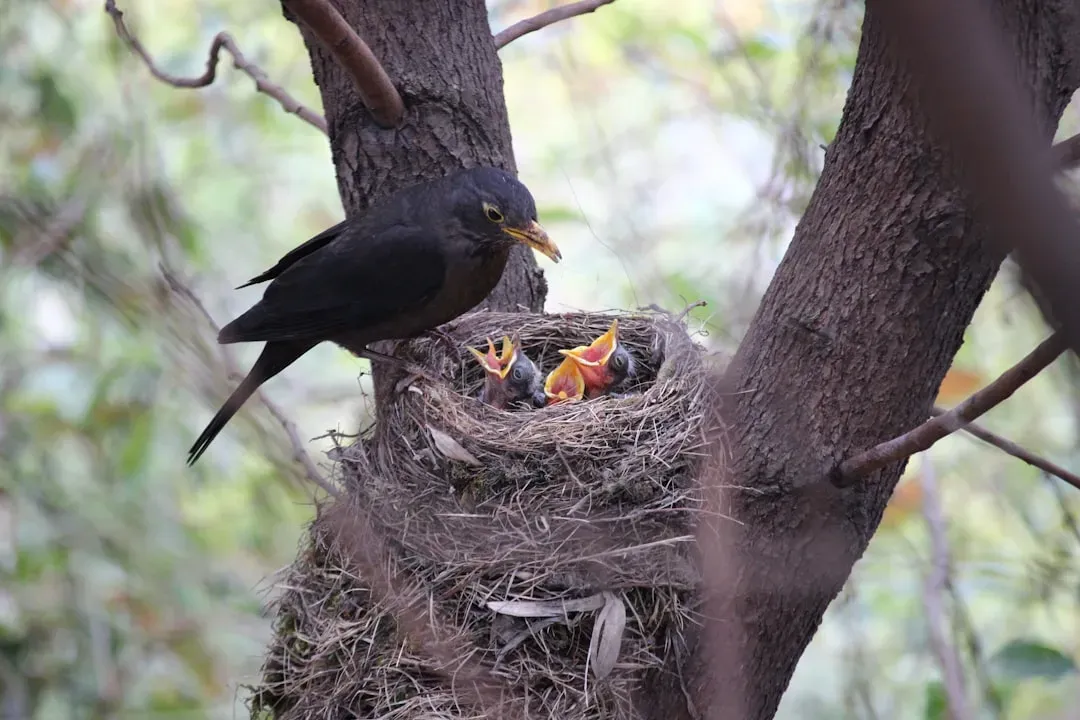
Mating for life only arises in situations where it will improve reproductive success, such as when male as well as female parental care is vital for the survival of offspring. Translation? Monogamy isn’t romantic – it’s practical.
The amount of parental investment necessary to raise viable offspring appears to be the leading reason why some animals are monogamous, with birds needing one parent to incubate the eggs in the nest while the other must gather food. Think about a bird nest. Someone needs to sit on those eggs constantly or they’ll freeze or become predator snacks. Someone else needs to bring back food. Two parents working as a team simply makes more babies survive.
All three wild canids breed annually, spending ten months a year either pregnant or rearing young, with having two caretakers sharing the burden of postpartum care increasing canid fitness. Ten months is basically an entire year. That’s an enormous investment. Single parenting under those circumstances would be exhausting and probably unsuccessful. Genetic monogamy allows coyotes to have larger litters since dads take an active role in pup care.
When Only One Gender Does the Heavy Lifting
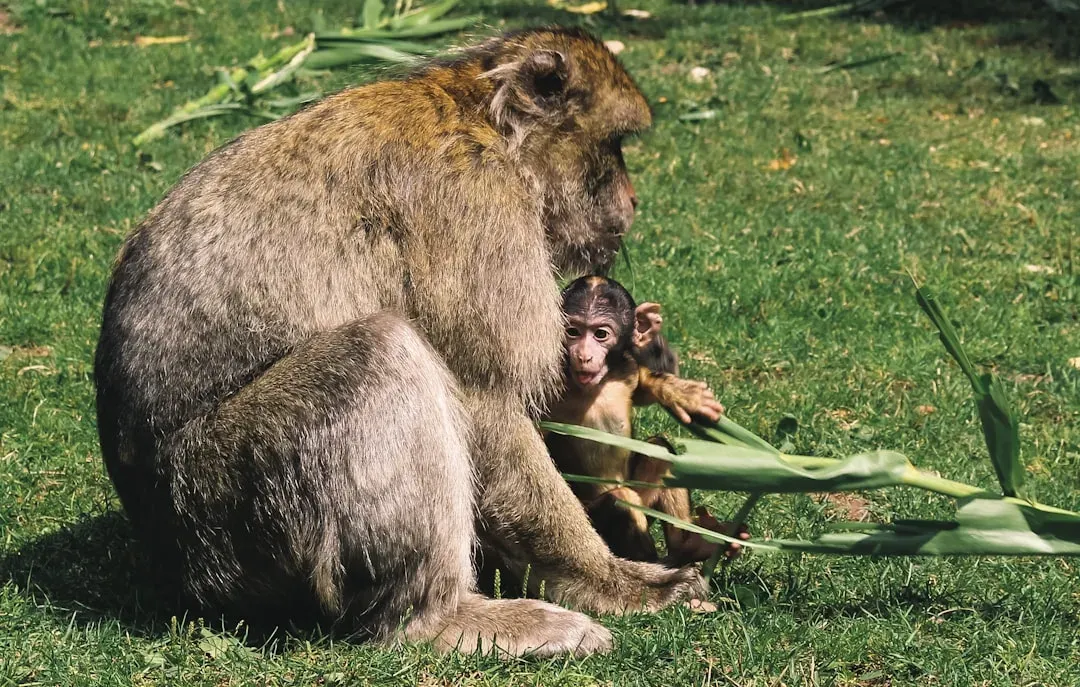
Female mammals reproduce through internal nurturing of an embryo and develop mammary glands which produce milk, with no immediate responsibility for males to raise the young, allowing the male mammal to pursue other sexual liaisons – except when mammals are monogamous, usually because male involvement in parenting is necessary. That’s the evolutionary fork in the road right there.
Most mammals go the polygamous route precisely because females can do it alone. Pregnancy happens inside her body. Milk comes from her body. Males can just waltz off to the next available female. Yet some species buck this trend entirely.
In both bat-eared foxes and African wild dogs, it’s the father that spends the most time with the young, performing every caregiving behavior other than lactation, with such fatherly behaviors potentially having evolved thanks to female canids continually choosing males that care for their young. So the females literally shaped male behavior over generations by refusing to mate with deadbeat dads. Female choice drives evolution, and sometimes it drives males straight into daycare duty.
The Choosy Sex and Territory Defense
Mate choice is a key element of mating systems, with females being choosier when picking a mate than males in most species, largely because of the higher investment females make in each gamete than males. Eggs are expensive. Sperm is cheap. That’s the cold hard truth of reproductive biology.
Females may prefer certain males for a variety of reasons, including good genes, good potential parenting by the male, or possession of resources, and females that carefully select their mates are at a lower risk of losing their reproductive investment. It’s like shopping for insurance, honestly. You want the best coverage because you’re putting everything on the line.
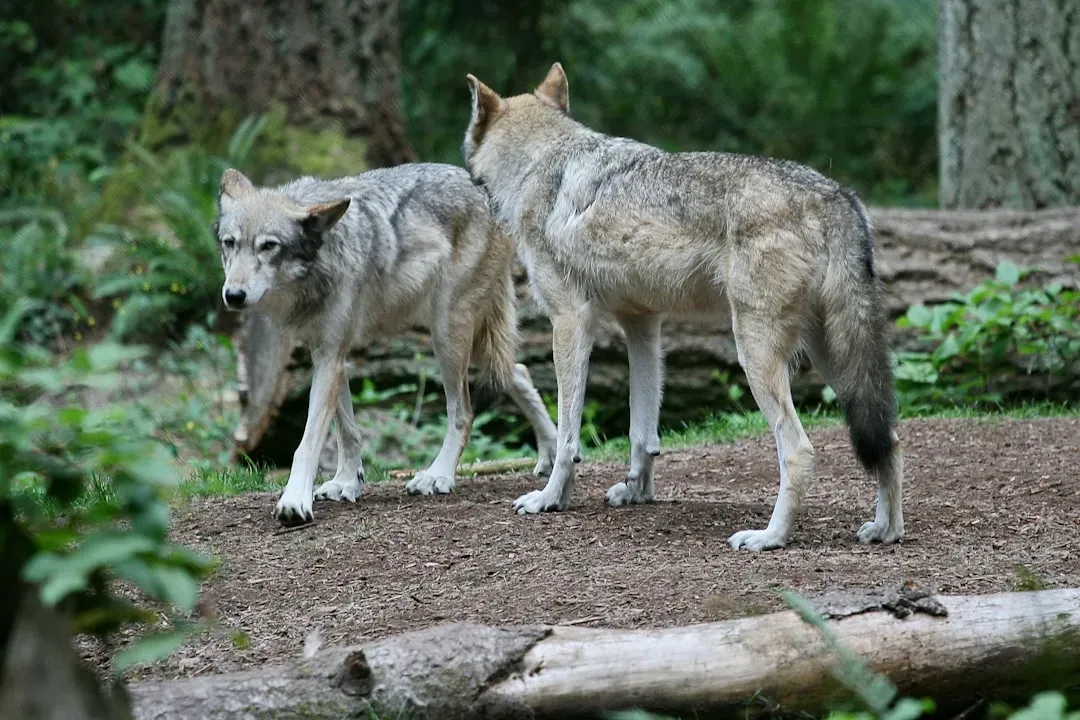
Genetic monogamy helps coyotes establish and maintain their territory, as the duo marks and defends it together when they’re not busy mating or caring for their young. Two wolves or coyotes patrolling a boundary are more intimidating than one. Pair bonding may have non-reproductive benefits, such as assisted resource defense, with studies comparing butterflyfishes showing increase in food and energy reserves compared to individual fish.
Birds Do It Better Than Almost Everyone Else
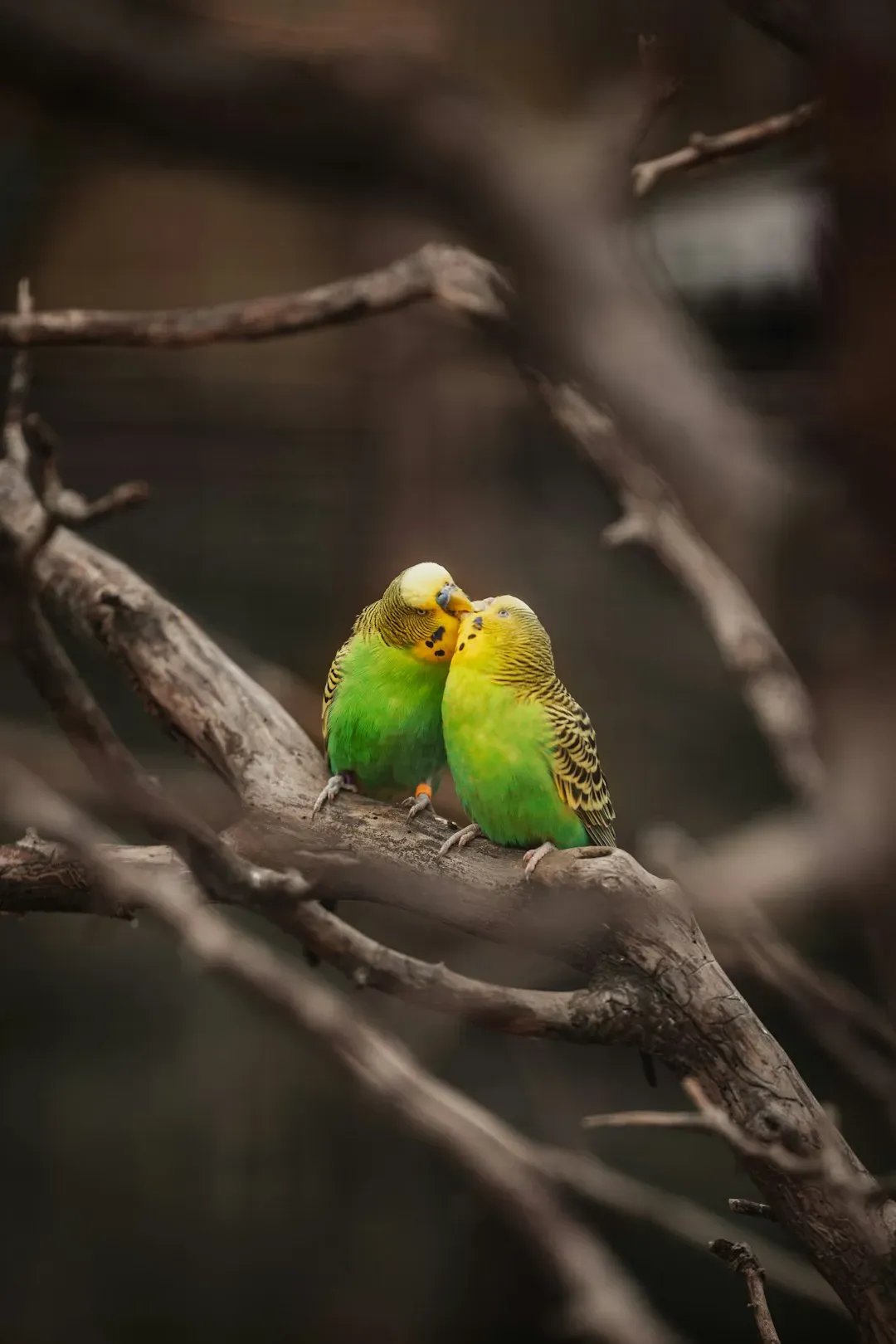
Birds are the undisputed champs of mating for life, with an estimated ninety percent of bird species considered to be monogamous, to varying extents. Ninety percent! That’s staggering compared to the animal kingdom overall.
Monogamy is much more common in birds than in other animal groups, as chicks are very small and vulnerable, and as they are incubated outside the body, males are given the chance to pitch in. External eggs are the great equalizer. Suddenly dad can actually do something useful beyond the initial fertilization.
By the time the baby birds have fledged, another breeding season is about to start, so the parent birds may decide to stay together and mate again simply to save the time it would take to look for a new mate. There’s an efficiency argument here that’s compelling. Why waste time and energy courting when you’ve already got a proven partner? After all of his effort, the female may not even be interested, so staying together for life allows the pair to get straight to breeding when the time comes.
The Messy Truth About Fidelity
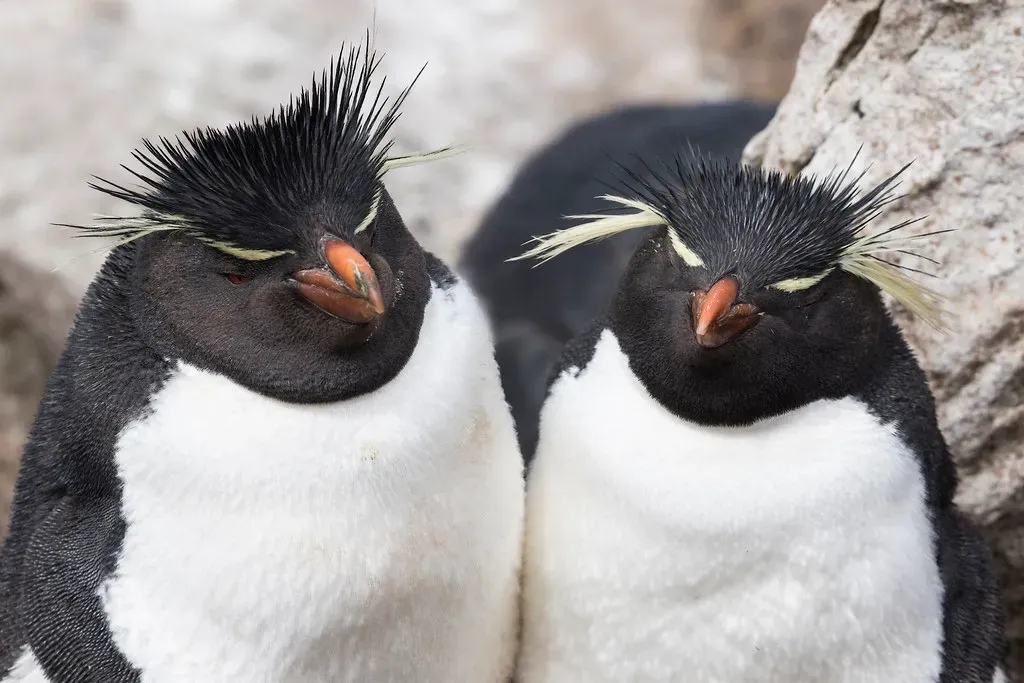
Even lifelong monogamy in animals doesn’t always equate to sexual exclusivity. Here’s where things get interesting. Social monogamy and sexual monogamy aren’t the same thing at all.
Social monogamy is comparable to an open relationship in human society, occurring when two animals form a strong social bond with one another and move through life together as partners. They raise kids together, share a home, defend territory side by side. Yet even within a single breeding season among colonial breeders like penguins, there’s a lot of other business going on behind the scenes.
Shingleback skinks exhibit social monogamy wherein they pair bond and associate with the same long-term partner for many years, with relationships persisting for up to twenty years, although one study found that about twenty percent of males mated with more than one female. Twenty years together and still some of them cheat. Honestly, it’s almost relatable.
A 2012 study found one hundred percent faithfulness among coyote pairs, with researchers collecting genetic information and finding no evidence of cheating partners among eighteen litters of ninety-six offspring, something that researchers call pretty remarkable. Coyotes, of all creatures, show stricter monogamy than most humans. That’s genuinely remarkable.
Conclusion

The choice to mate for life isn’t really about choice at all – it’s about survival wrapped in brain chemistry and evolutionary pressure. These partnerships exist because they work. They produce more offspring, defend territory better, and create stable family units in an unstable world.
The combination of genetic and environmental factors influences the reproductive behavior of each species, making every species that practices monogamy unique, while the true reason for mating for life in the animal kingdom remains mostly a mystery. We’ve learned so much about vasopressin receptors and parental investment, yet something ineffable still escapes our full understanding.
Maybe that’s fitting. Love – or whatever we want to call these bonds – probably shouldn’t be reduced entirely to equations and neurotransmitters. Whether it’s black vultures policing infidelity, prairie voles cuddling after losing a partner, or albatrosses dancing for years before committing, these animals remind us that loyalty isn’t uniquely human.
What surprises you most about these lifelong partnerships? Did you imagine monogamy would be so rare, or that brain chemistry could be so decisive?
