
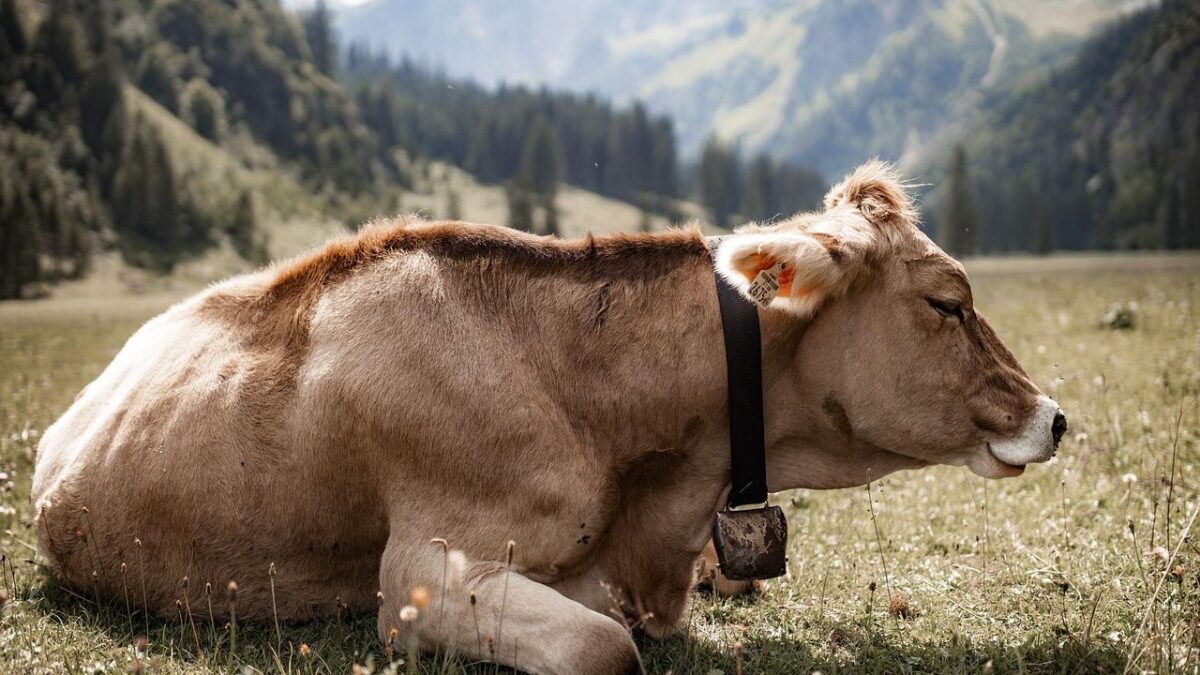
You’ve probably heard your grandmother insist that the cows lying down mean rain is coming, or noticed your dog acting weird before a thunderstorm rolls in. For centuries, humans have looked to animals as living barometers, trusting their behavior more than any weather app. Some of these tales feel like pure folklore, the kind of stories passed down through generations without much thought. Others, though, make you wonder if there’s something genuinely remarkable happening beneath the surface.
The truth is somewhere between legend and science. Animals cannot predict the weather in the ways that humans do, however, animals can sense changes in the weather that humans cannot. They’re not fortune tellers with crystal balls, yet their heightened senses pick up on environmental shifts we completely miss. Let’s dig into what’s actually going on when your pet starts acting strange or when birds suddenly vanish from the sky.
The Science Behind Animal Weather Sensing
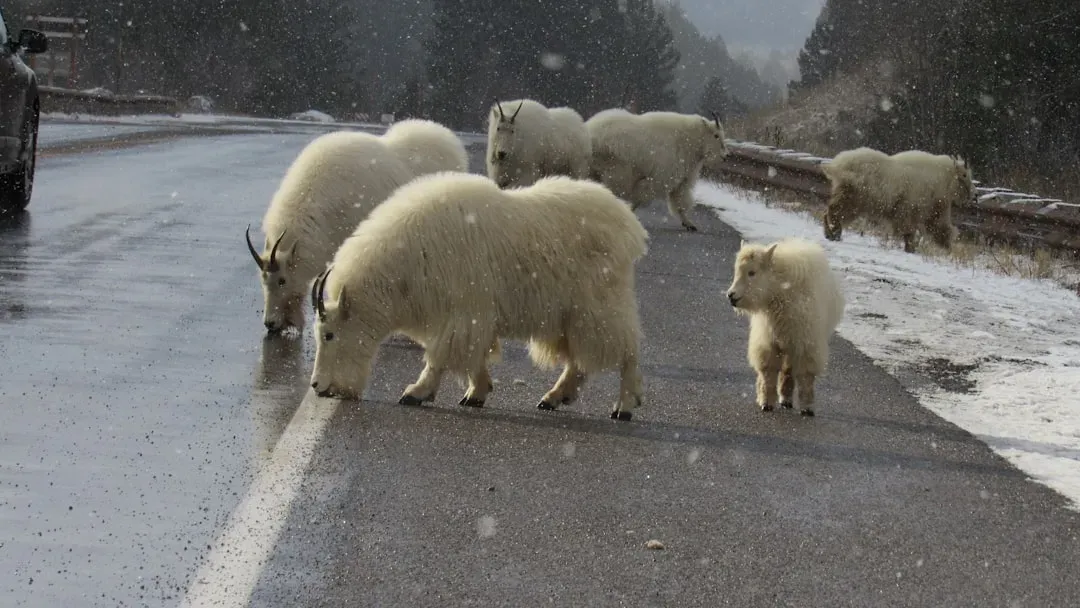
Animals possess an extraordinary ability to detect subtle shifts in their environment, from fluctuations in atmospheric pressure to seasonal and humidity changes. Think about it like this: we humans need fancy instruments to measure barometric pressure, while many creatures have built-in sensors that make our technology look primitive. Their survival has depended on reading these invisible signals for millions of years.
Researchers say that animals make greater use of their existing five senses, especially when compared to humans. It’s not some mystical sixth sense at play here. Their ears, noses, and even skin are just tuned to frequencies and pressures we’ve lost the ability to perceive. Dogs can hear thunder rumbling from miles away before we notice a single cloud. Sharks detect pressure changes through specialized organs we don’t possess.
The key distinction matters. While folklore often supposes animal behavior portends future weather events, in reality, flora and fauna react to weather and climate. They’re responding to what’s already beginning to happen, not gazing into some meteorological future. Still, their early warning system often gives them a head start that looks an awful lot like prediction to us slower humans.
Let’s be honest though: it has never been scientifically proven that animals can truly forecast weather in the predictive sense. Most evidence remains anecdotal, stories collected over generations rather than controlled studies. Yet the sheer volume of these observations, combined with emerging research, suggests there’s something worth paying attention to.
When Birds Become Nature’s Storm Chasers
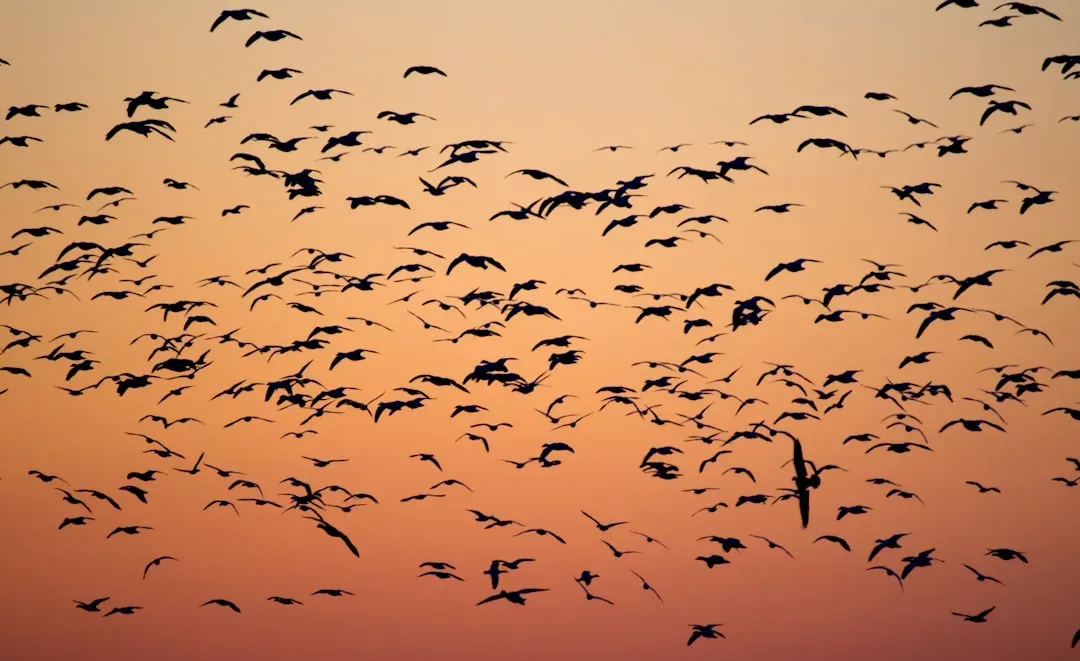
Here’s where things get genuinely fascinating. In 2014 a team from the University of California discovered quite by accident that a group of golden-winged warblers fled their US breeding grounds in the Cumberland Mountains, north-eastern Tennessee, well in advance of devastating supercell storms that would spawn at least 84 recorded tornadoes and kill 35 people. These tiny songbirds, weighing less than two coins, evacuated before meteorologists even issued warnings.
The most curious finding is that the birds left long before the storm arrived – at the same time that meteorologists on The Weather Channel were telling us this storm was headed in our direction, the birds were apparently already packing their bags and evacuating the area, fleeing from their breeding territories more than 24 hours before the arrival of the storm. They flew roughly 900 miles in five days to escape danger. That’s not instinct responding to immediate conditions; that’s something else entirely.
How do they pull this off? Sound waves, called infrasound, travel long distances and are created by tornadoes and other natural events, and if the golden-winged warblers did indeed leave their breeding grounds because they picked up the low-frequency sound generated by a powerful storm, this would be the first documented case where infrasound waves influenced bird movements in the path of a storm. These low-frequency sounds are completely inaudible to human ears but apparently serve as nature’s emergency broadcast system for birds.
Birds have pressure-sensitive organs in their ears that can detect changes in air pressure, a key indicator of approaching weather systems. Combined with their ability to sense temperature shifts and humidity changes, birds become walking weather stations. There is some thought that as barometric pressure drops before a storm, the air becomes heavier, making it more difficult for birds to fly at higher altitudes, which means you might observe birds flying closer to the ground.
Perhaps most remarkable: During two decades of field observation, the breeding behavior of a local population of Veeries, a species of thrush, was a better predictor of Atlantic hurricane season intensity than the leading meteorological models. These birds adjusted their nesting schedules months in advance based on anticipated hurricane severity. I know it sounds crazy, but the data backs it up.
The Cow Myth That Won’t Die
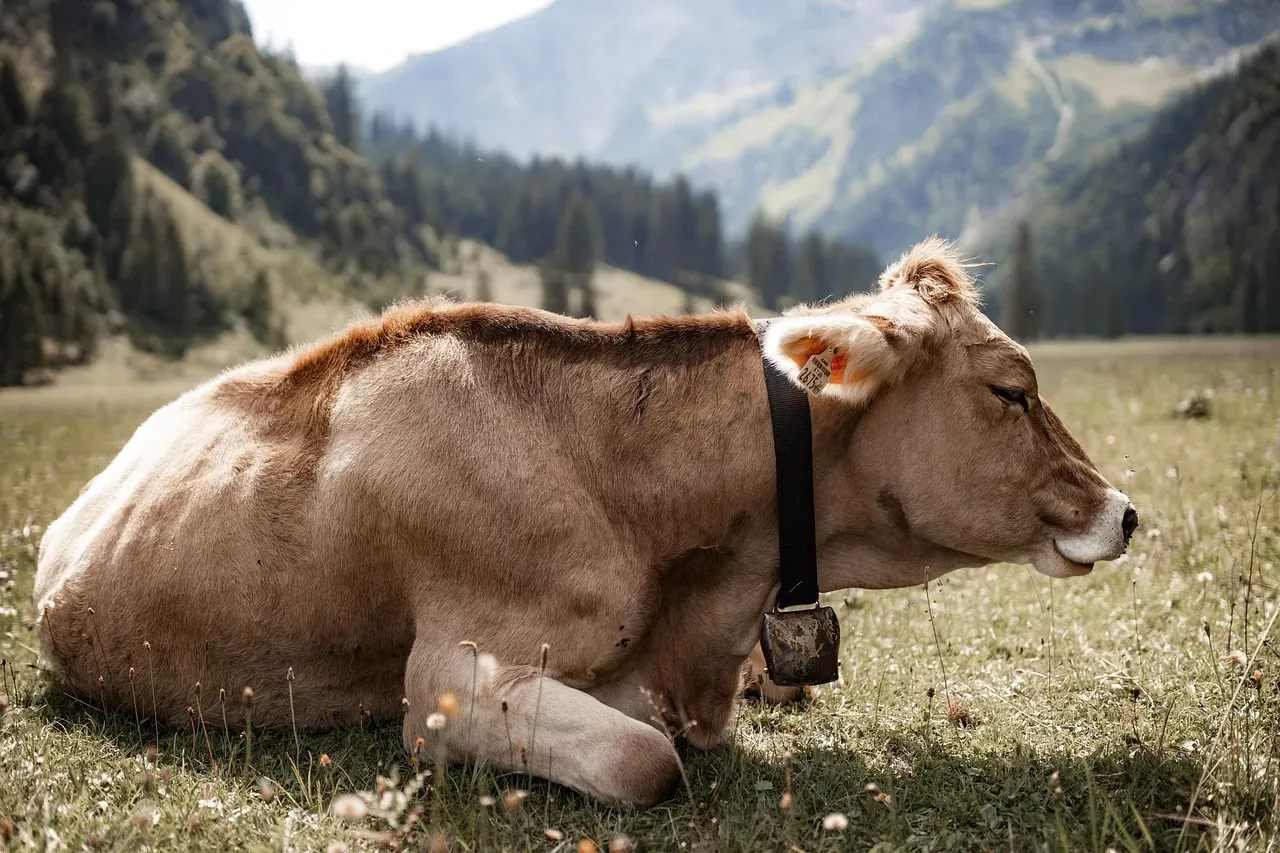
You’ve definitely heard this one. Cows lying down supposedly means rain is imminent. It’s one of those beliefs that feels like common sense, passed around farming communities for generations. The problem? There’s no scientific evidence to prove that cows lie down when it’s about to rain. Sorry to burst that bubble.
At the heart of this myth lies the simple observation that cows often lie down shortly before it starts to rain, but both of these events happen with such frequency that proving a link between the two is pretty much impossible. Think about it: in rainy countries like Britain, it’s going to rain fairly often. Cows also lie down fairly often. Correlation doesn’t equal causation here.
Here’s the kicker: Cows spend about half of their day lying down when they’re chewing cud or resting, so if the correlation were true, the sky would open up for 12 to 14 hours per day, every day. They’re just doing normal cow things, not consulting some bovine weather forecast. As the Farmer’s Almanac says, “Cows lying down in a field more often means they’re chewing their cud, rather than preparing for raindrops.”
Various theories have emerged trying to explain this folklore anyway. Some suggest cows sense moisture in the air and lie down to preserve a dry patch of grass. Others claim their four-chambered stomachs are sensitive to barometric pressure drops. Yet another bizarre theory proposes their legs absorb moisture from humid air and soften until they collapse. Scientists across the board say that there is no solid proof behind the fact that herds of cattle lie down before it rains.
Sharks: The Ocean’s Hurricane Detectors
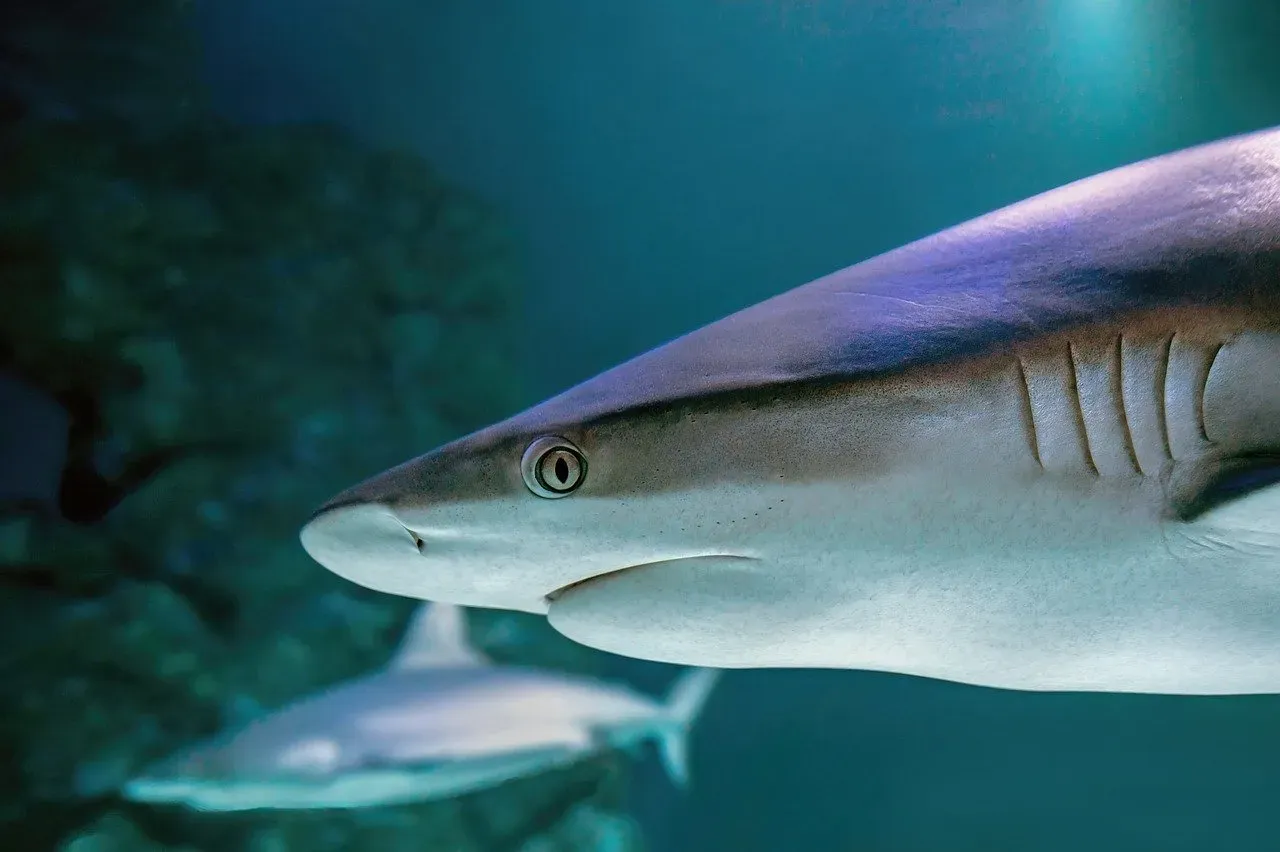
Several studies, including some from Florida International University, show that different species of sharks detect changes in barometric pressure and swim out to deeper waters to avoid getting caught up in storm surges. Unlike the cow myth, this one actually holds water – pun intended. Sharks possess remarkably sensitive equipment for reading atmospheric changes transmitted through the ocean.
There’s a growing body of research that suggests sharks can actually feel changes in barometric pressure – either through their inner ear or something called a lateral line – and this gives them a heads-up that a storm is on the way. The lateral line system is a tube of sensory cells used to detect pressure changes in the surrounding waters, like when water is displaced by free-swimming marine life… or when a storm comes rolling in.
From two weeks out of a hurricane, sharks can actually detect the change and start heading for deeper water. That’s an impressive lead time, giving them plenty of opportunity to relocate before conditions become deadly. Smaller bull sharks, hammerheads and nurse sharks evacuated the shallow waters of Biscayne Bay ahead of Irma while the bigger tiger sharks stayed in the shallows.
Interestingly, different species respond differently. Tiger sharks didn’t evacuate even as the eye of the hurricane was bearing down on them – scientists think the tiger sharks’ behavior may have to do with the feeding frenzy that follows a storm in the shallow waters as a result of sea life that doesn’t survive. They’re basically sticking around for the post-storm buffet, which is either incredibly smart or absolutely reckless depending on your perspective.
Transmitters detect the sharks are leaving a few days to even a few hours before a hurricane hits – but they can even tell the difference between a hurricane and a thunderstorm through some combination of changes in the water levels and changes in the pressure. That level of discrimination is genuinely impressive.
The Complex World of Insect Forecasters
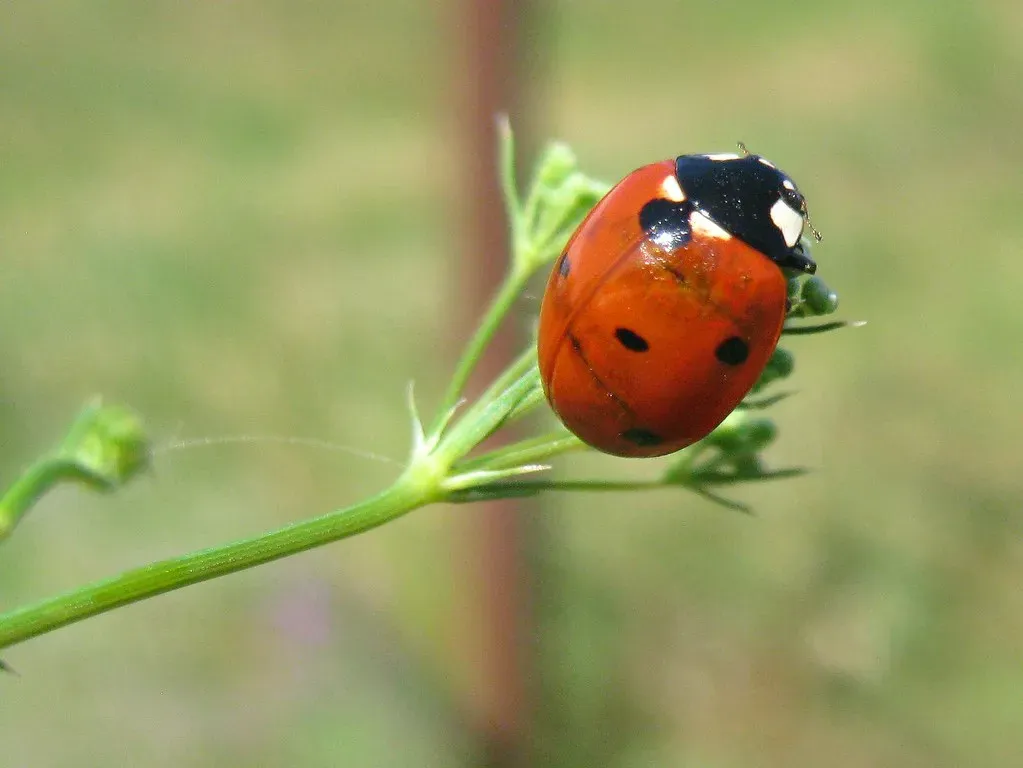
Insects, along with birds, make the best weather predictors, according to the Old Farmer’s Almanac, and likely for some of the same reasons – namely, those pressure-system changes. When you suddenly notice an absence of bees and butterflies in your garden, a storm might be approaching. These tiny creatures are surprisingly attuned to atmospheric shifts.
Ants are sensitive to changes in humidity and barometric pressure, and as these conditions shift before a storm, ants respond by fortifying their nests or moving indoors to protect themselves from the impending weather. You’ve probably experienced this yourself – ant invasions right before rain hits. Ants are believed to sense atmospheric changes through their antennae, detecting chemical signatures, and ant species create levees before rainstorms to protect nests.
There is some evidence that insects adjust their behaviours associated with flight, mating and foraging in response to changes in barometric pressure. Research shows multiple insect species modify their sexual behavior when pressure drops, likely to avoid being caught in dangerous conditions while vulnerable. The observed behavioral modifications, especially under decreasing barometric pressure would reduce the probability of injury or death under adverse weather conditions.
The woolly bear caterpillar legend deserves mention too, even though it’s mostly folklore. People claim the width of its brown band predicts winter severity, but these caterpillar characteristics likely have more to do with how much they’ve been eating, as well as their age and species. Not every animal behavior has meteorological significance, even when we desperately want it to.
What This Means for Understanding Nature
The first really sound data showing that, yes, animals can sense severe storm systems and will evade them comes from lots of anecdotal stories, like birdfeeders swarmed by birds the day before a big snowstorm. Science is finally catching up to what observant people have noticed for centuries. The challenge lies in separating genuine weather-sensing abilities from coincidence and confirmation bias.
A prevalent opinion is that animals can detect certain events as soon as they happen, even if the originating event is a great distance away, and a few researchers even believe animals may be able to sense the precursors to these events before they actually strike. The evidence remains frustratingly limited in many cases, relying heavily on observation rather than controlled experimentation.
Here’s the thing: Some animals possess an uncanny ability to predict weather aspects, however it’s important not to let these observations carry us away – many of the age-old beliefs about animal weather prediction are based on anecdotal evidence and folklore, rather than scientific research. We need to maintain healthy skepticism while remaining open to what nature might be telling us.
Birds have pressure sensitive organs in their ears, and this sensitivity is far more acute and far more important – air pressure change not only tells birds when to eat extra food, but it also provides them with critical migration information. Evolution has equipped many species with survival mechanisms that vastly outperform our conscious awareness of environmental changes.
Clearly they are sensing something that we can’t, and that’s really interesting – those warblers are predicting weather better than we are. Perhaps one day we’ll integrate animal behavior into forecasting models, creating hybrid systems that combine technological precision with biological sensitivity. The potential benefits for disaster preparedness could be enormous.
So can animals Yes and no. They respond to environmental cues already in motion, giving them advance warning that can look remarkably like prediction. Some species demonstrate genuinely impressive abilities backed by solid research, while other folklore remains just that – charming stories without scientific foundation. The natural world continues revealing its secrets slowly, reminding us how much we still have to learn from the creatures we share this planet with. What signs have you noticed in the animals around you before storms hit?
