
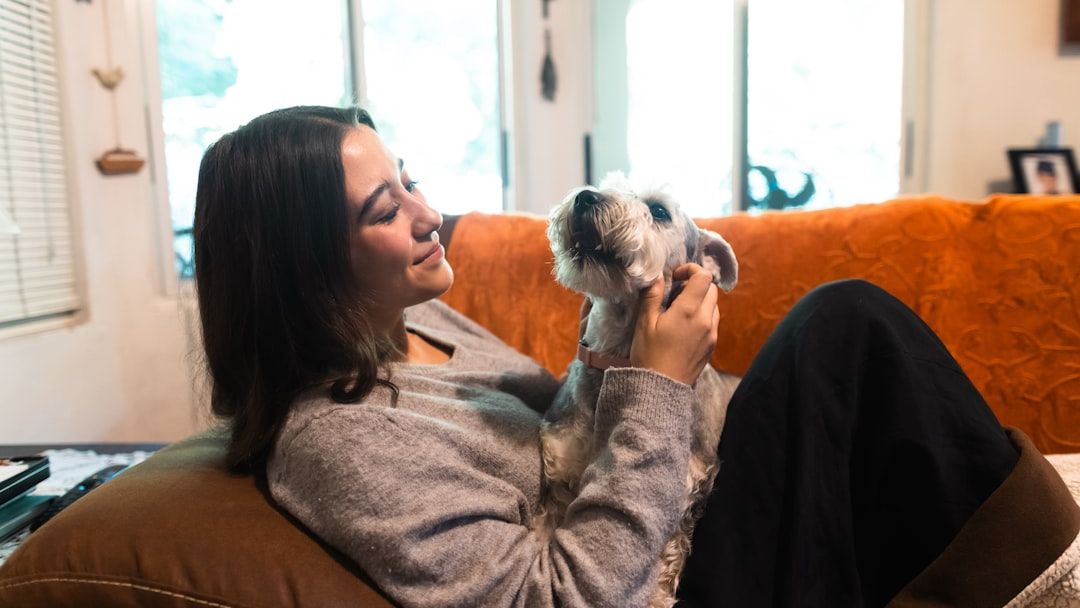
You ever watch someone with their dog and think, there’s just something different about that relationship? It’s not always the big dramatic gestures or expensive toys. More often than not, it’s the quiet, everyday moments that build something truly unbreakable between a person and their furry companion. The bond between dogs and humans is ancient, woven into thousands of years of shared history, yet every single pairing writes its own unique story.
Here’s the thing though. Most of us don’t even realize we’re doing the things that make our dogs adore us more each day. These aren’t complex training protocols or rigid schedules, they’re subtle human behaviors that whisper trust, love, and security into the relationship. So let’s dive into those unspoken habits that turn an ordinary pet owner into someone their dog would follow to the ends of the earth.
Reading Their Silent Language
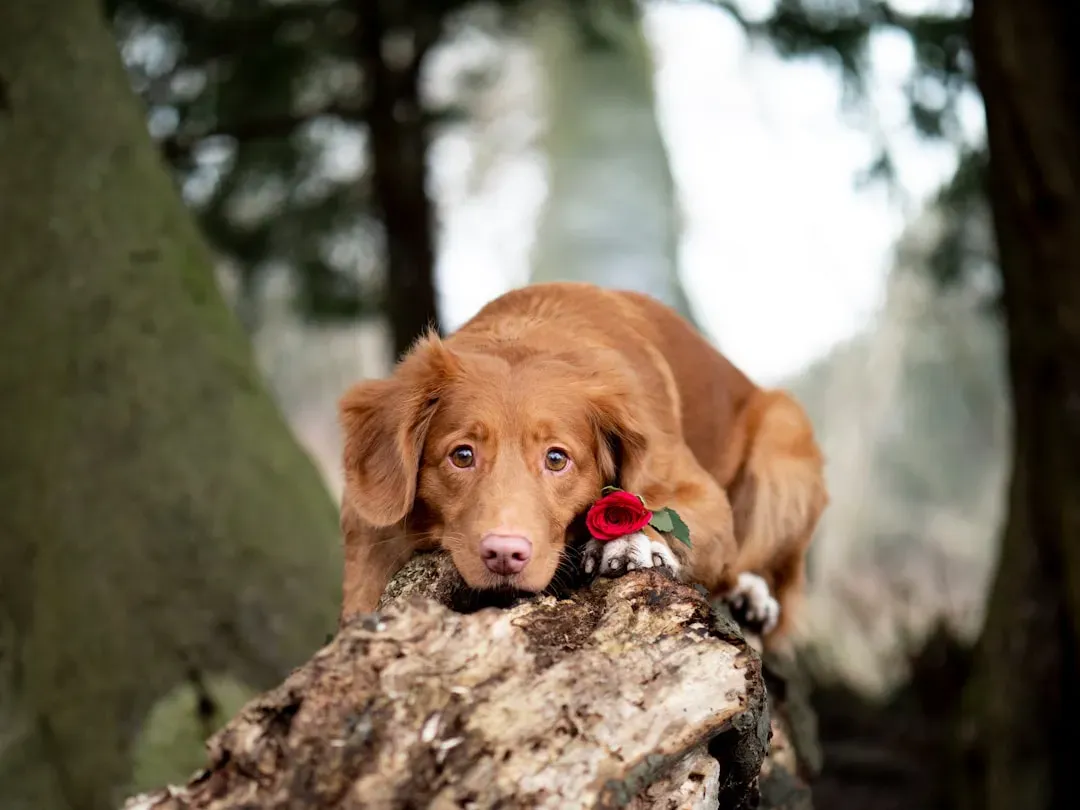
Understanding your dog’s body language is one of the most powerful ways to strengthen your bond, as dogs communicate how they feel through their posture, tail movements, ears, eyes, and overall behavior. Think about it like learning a foreign language, except this one doesn’t require Duolingo. When you start noticing the difference between a relaxed tail wag and that stiff, alert stance, you’re basically telling your dog that you see them, really see them.
By recognizing their signs of stress, fear, or excitement, you can respond more appropriately to their needs and better manage potentially stressful situations. It’s honestly one of the most underrated skills a dog owner can develop. Your pup might be yawning not because they’re tired, but because they’re feeling overwhelmed.
Advocating for your dog in new or stressful situations and not forcing them into uncomfortable interactions with people or other animals shows you pay attention to what makes your dog uneasy. That simple act of stepping in creates a foundation of trust that money just can’t buy. Dogs remember when you had their back.
Some folks dismiss this as being overprotective, but honestly? Your dog doesn’t need to greet every stranger or play with every other dog at the park. What they need is someone who understands their boundaries and respects them.
Recognizing what your dog is trying to tell you can strengthen your bond since it helps you give them what they need. It’s like being in any good relationship where listening matters more than talking. Once you crack that code, everything else just flows.
The beauty of this habit is that it deepens over time. The more you observe, the more fluent you become in your dog’s personal dialect.
Establishing Predictable Rhythms

Dogs thrive on routine, and predictable mealtimes, walks, play, and rest help your dog feel safe and secure. I know it sounds boring, like who wants to be that rigid? Still, dogs aren’t humans craving spontaneity and adventure at every turn. They find comfort in knowing what comes next.
When your pup feels safe and like they can count on you to follow through with their routine, it’ll be easier for them to trust you. Trust isn’t built in grand moments, it’s built in Tuesday morning walks that happen like clockwork. It’s built in dinner showing up at roughly the same time every evening.
Consistency creates a framework where your dog knows they can rely on you. That reliability translates directly into emotional security. Think about how unsettling it would be if you never knew when your next meal was coming or whether someone would show up for you.
By creating a routine together, they’ll know what to expect from you and when, which only serves to build their trust in you further, and they’ll learn what is expected from them and deliver. Plus, dogs genuinely love making their owners proud. When they understand the game, they play it better.
Sure, life happens and schedules shift. Dogs are adaptable creatures. Yet maintaining that baseline predictability wherever possible sends a powerful message that you’re a stable, dependable presence in their world.
Offering Touch With Intention
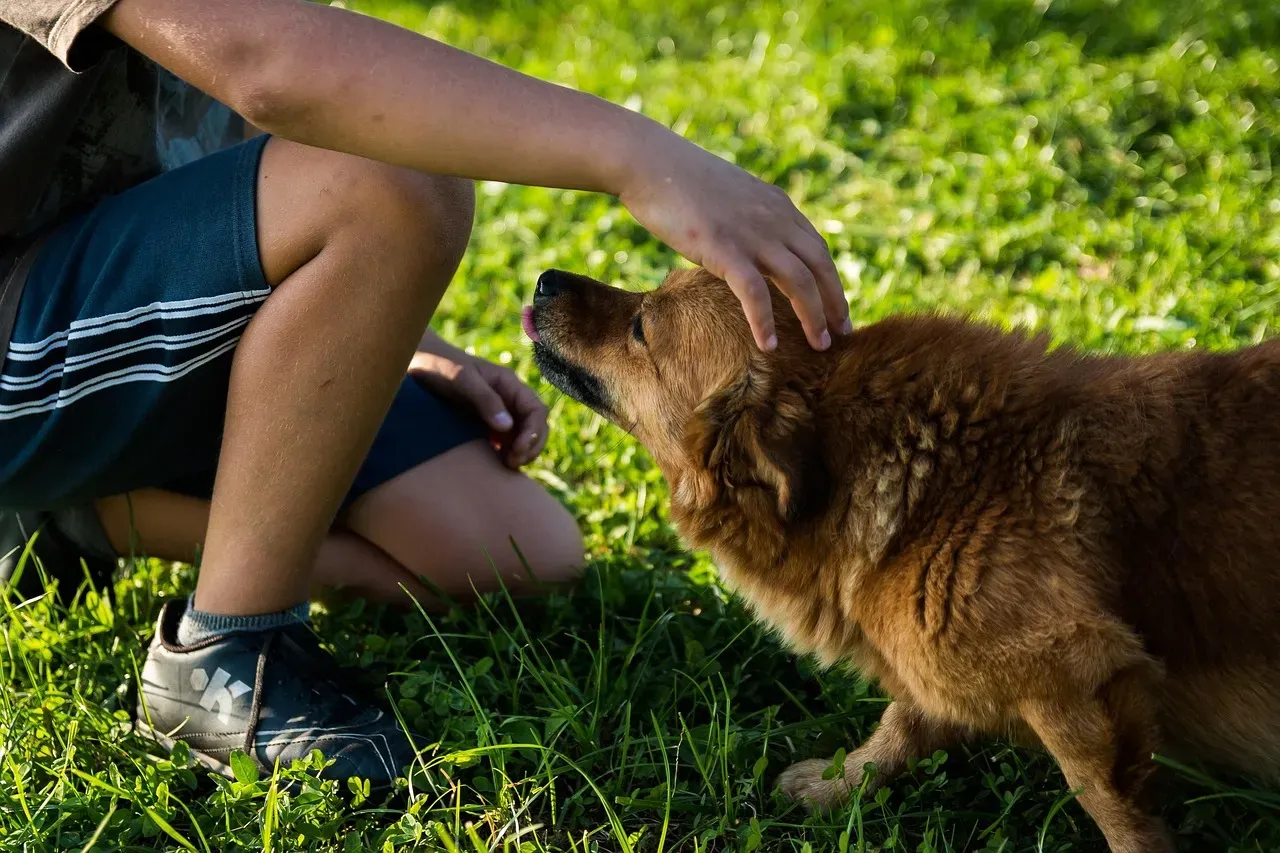
Regular brushing, gentle petting, or massage not only keeps your dog healthy, but also reinforces your bond, as touch builds trust and comfort, especially when paired with positive experiences. Physical connection is huge, maybe even more than we give it credit for. It’s hard to say for sure, but I think dogs understand love through our hands more than our words.
Taking time to learn how your dog likes to be handled matters, as some love belly rubs, while others prefer ear scratches or just being near you. Not every dog wants the same kind of affection, and that’s perfectly fine. Figuring out your dog’s preference is part of the bonding journey.
When you pet your dog, it’s important that they know they have your full attention, as a few absentminded head rubs aren’t going to mean nearly as much as when you’re really invested in petting your pooch. Put down your phone for a minute. Look at them. Let them feel that this moment is about them and nothing else.
There’s actual science behind this too. Looking into your dog’s eyes releases the same chemicals that are released when we feel love, with the boost in oxytocin for both you and your pooch being a sure way to enhance your bond. It’s literally a biochemical love loop happening between species.
Grooming sessions become rituals of connection rather than chores. Brushing their coat or giving them a gentle massage after a long day turns into quality time where both of you just exist together peacefully.
The dogs who lean into your touch, who seek you out for those moments? They’re telling you something important. They’re saying you’ve created a safe space in your presence.
Rewarding the Good, Ignoring the Rest
The most important predictor of long-term relationship success is the ratio of positive to negative interactions, and if that ratio falls below five positive interactions to every one negative interaction, the relationship is bound to fail. Yeah, that’s from research on human couples, but the principle applies shockingly well to dogs.
Dogs respond magnificently to training that utilizes a high rate of positive reinforcement, and the more frequently you notice your dog’s good behaviors and reward him with something he enjoys, the more frequently he will repeat those behaviors. It’s not rocket science, yet so many people get stuck in the trap of only noticing when their dog does something wrong.
The use of positive reinforcement training methods builds up a dog’s confidence and trust in their pet parents, while punitive techniques can increase a dog’s fear and anxiety. Fear-based training might get compliance, but it destroys trust. Is that really the relationship you want?
Catching your dog doing something right and making a big deal about it creates this beautiful feedback loop. They start offering good behaviors more often just to see you light up. That’s when training stops feeling like work and becomes a conversation.
When your dog feels good about you, it tends to make him want to be with you more, and it motivates him to try to earn even more reinforcements, as frequent positive reinforcements strengthen the relationship between you and your dog. It becomes self-sustaining momentum.
The dogs who get consistent positive reinforcement aren’t just better behaved. They’re happier, more confident, and more bonded to their humans. That’s a win across the board.
Sharing Active Adventures Together

When done side-by-side, going for a walk or run with your dog can be a great way to bond together, and you should choose an activity suited to your dog’s breed and activity level. Movement together is powerful. Whether it’s a slow amble around the neighborhood or an intense hike up a mountain trail, you’re experiencing the world as a team.
Dogs are explorers at heart. Taking a nice long walk with your dog every day means that since dogs love sniffing, exploring, and seeing and hearing new things, they’ll be grateful to you for the fun outing and will begin to associate you with that good feeling. You become the gateway to adventure in their mind.
Exercise isn’t just physical maintenance, it’s relationship building. The endorphins flow for both of you. The shared experience of discovering new trails or even just new smells on familiar routes creates memories and associations that deepen connection.
Participating in dog sports, such as agility, herding, scent work, or Barn Hunt, are great activities to work on improving physical fitness, mental enrichment, and teamwork. You don’t have to go competitive to benefit from these activities. Just trying something new together builds trust and communication.
Some of the strongest bonds I’ve witnessed have been between people and dogs who simply walked together every single day. Rain, shine, snow, didn’t matter. That consistency and shared experience created an unshakeable foundation.
Your dog doesn’t care if you’re athletic or clumsy. They just care that you showed up and moved through the world with them.
Making Training a Dialogue
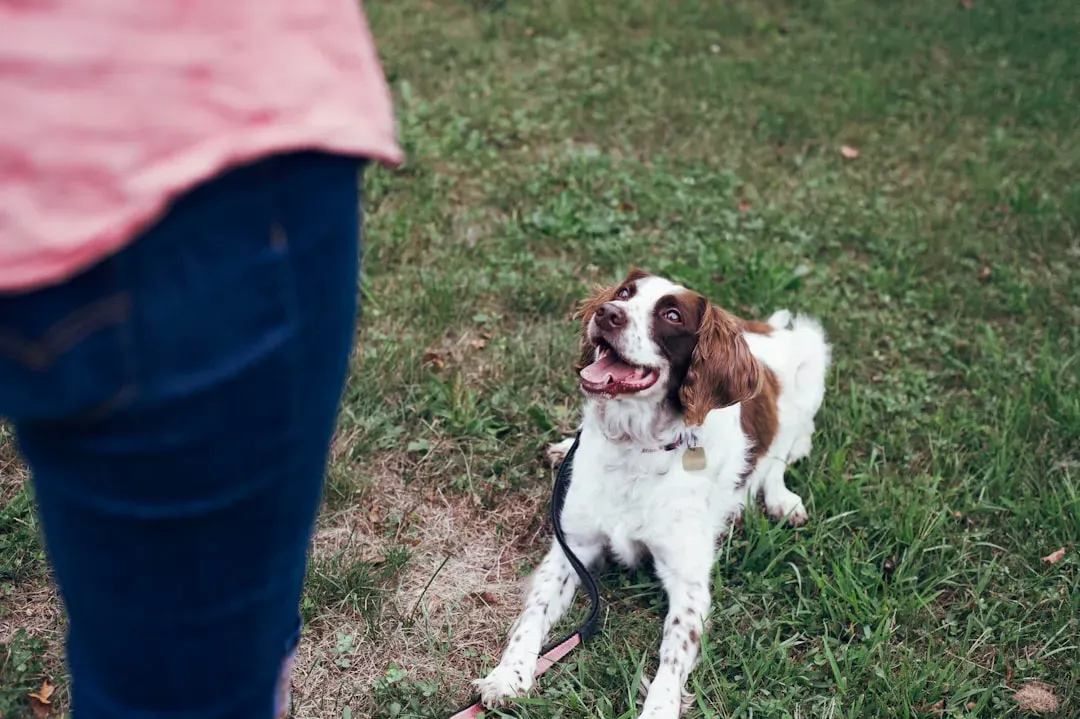
Teaching your dog new tricks not only helps them learn better manners and behavior but is a mentally enriching activity that deepens your connection, as training requires your dog to be tuned into you for guidance, and they will master new commands and be rewarded with praise and treats from you, building their confidence. Training isn’t about domination or control. Let’s be real, it’s about communication.
Training should be fun for both dog and owner, and undertaken humanely and positively it can promote a lifelong relationship based upon mutual respect, with a ten-minute daily training session at home or during a walk providing ample mental stimulation for both dog and owner. Just ten minutes. That’s all it takes most days.
The dogs who are trained with patience and positive methods don’t just learn commands. They learn that working with their human is rewarding and enjoyable. That shifts the entire dynamic from you telling them what to do to you two figuring things out together.
Dogs who participate in regular interactive sessions with their owners show improved communication skills within three weeks. The results come faster than you’d think. Suddenly your dog is checking in with you more, offering behaviors to see what you like, genuinely engaged.
Teaching new tricks or skills as your dog ages keeps their brain active and gives them purpose. Training your pet should be a lifelong endeavor, and teaching a new trick or skill will exercise their brain and strengthen their cognitive abilities, as pets, especially dogs, are natural people pleasers and will thrive from learning new skills with their favorite human companion.
The beauty is that training never has to end. There’s always something new to learn, always another way to challenge and engage together.
Playing With Full Presence
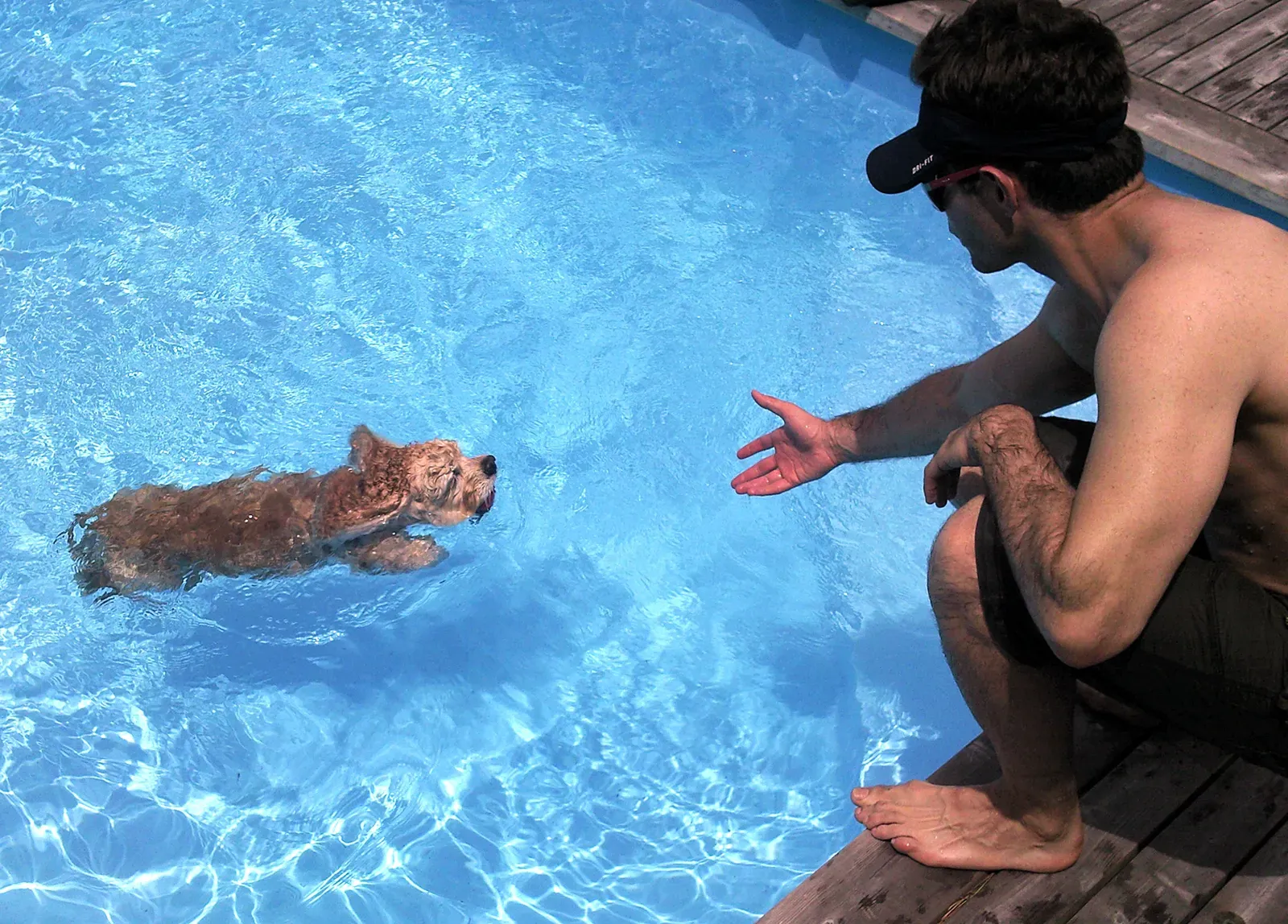
Dogs benefit from play, as play behaviors are incompatible with many problem behaviors such as fear or aggression, therefore many behavioral problems can be eliminated by redirecting our dogs to play, and additionally playing with your dog strengthens the human-animal bond and increases quality time and social interaction. Play is serious business disguised as fun.
Figure out what your dog’s favorite activity is and engage with them fully, as when you actively participate in fetch or tug-of-war, your dog will feed off of your excitement. Half-hearted play doesn’t cut it. Dogs know when you’re genuinely engaged versus just going through the motions.
Get on the floor with them. Act ridiculous. Let yourself be silly and present in a way that adult life rarely allows. Your dog doesn’t judge your play style, they just appreciate that you showed up to play.
Making time in your day to play with your pooch is a great way to bond with them, whether it’s playing fetch with their favourite ball or a game of Tug of War, and not only will it help burn some energy, but it will also strengthen your friendship. That word friendship really resonates. That’s what this is.
Different dogs like different games. Some want to chase, some want to wrestle, some just want to chew on a toy while you hold the other end. Meeting them where they are shows respect and understanding.
Play creates joy, and shared joy is one of the most powerful bonding agents that exists between any two beings.
Respecting Their Communication
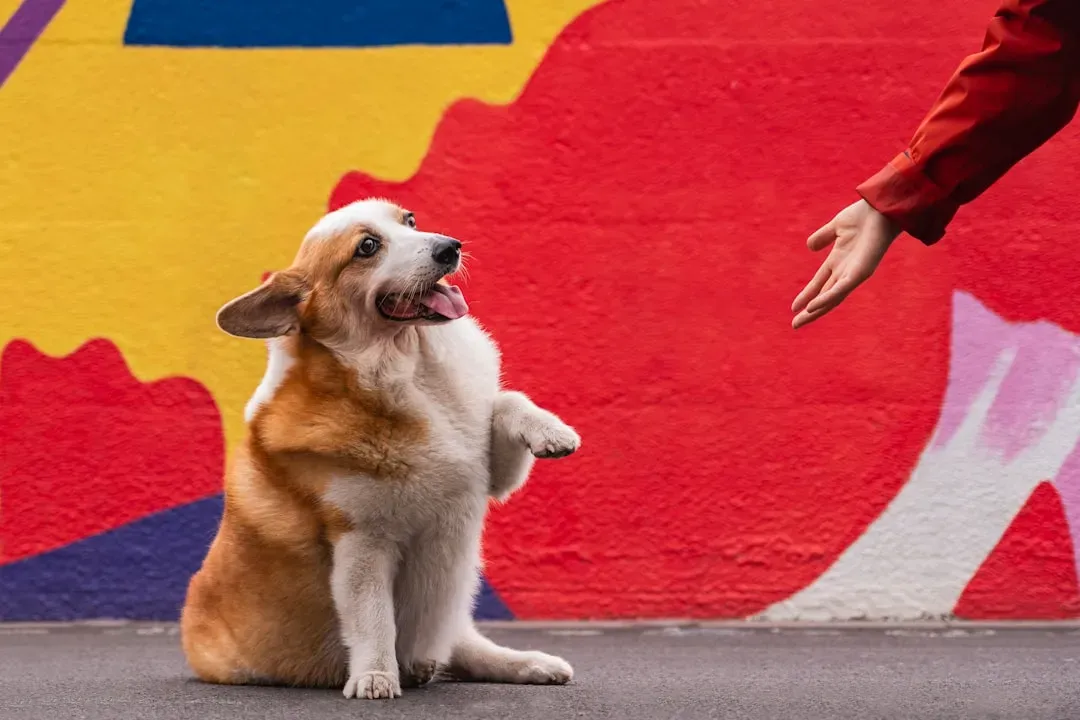
Your dog is talking to you all the time through body language, so listen to your dog and observe their communication. This goes beyond just reading body language, it’s about actually responding to what they’re telling you.
To strengthen your bond with your dog, don’t do things that he doesn’t like, as avoiding these things shows your dog you respect him and his space. Consent matters, even with dogs. Forcing affection or interaction when they’re clearly uncomfortable erodes trust.
To figure out what your dog likes, try gently petting a part of the dog’s body for a few seconds and then stop and take your hands off the dog, as if your dog leans in, paws at you, or nuzzles you, the dog probably liked what you were doing, and even if the dog didn’t really enjoy that kind of touch, the fact that you stopped and asked the dog if they wanted more helps the dog learn you are trustworthy.
It’s such a simple concept yet wildly underutilized. Pause and check in. Give your dog agency over their own body and experiences where possible. That builds trust faster than almost anything else.
Obviously there are exceptions for necessary things like vet visits or grooming. Still, in everyday life, respecting their no creates a relationship where they know you’re listening.
Dogs who feel heard and respected become more confident and secure. They know their human understands them, and that understanding is the bedrock of deep connection.
Speaking Their Love Language
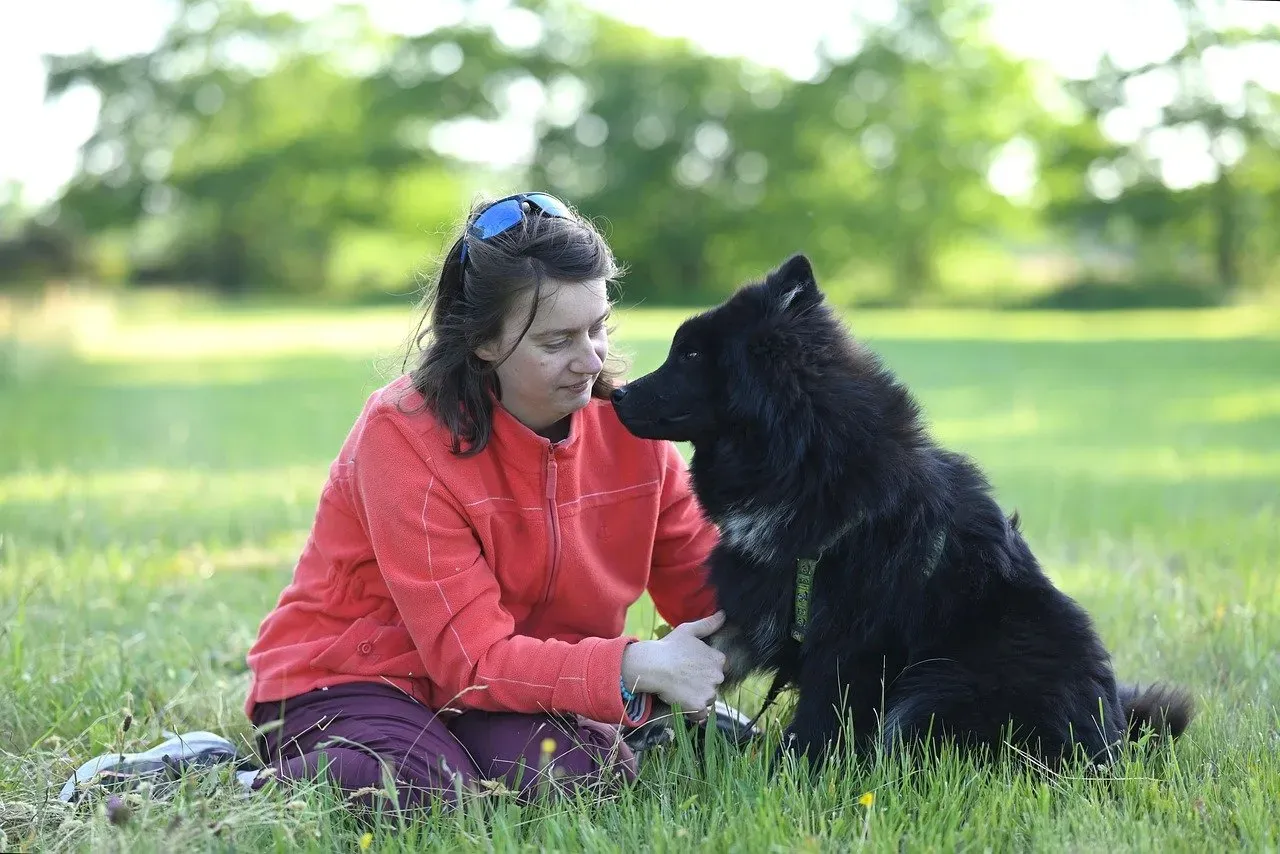
Talk to your dog in a calm and friendly way throughout the day and during tasks, as communicating with your dog while spending time together can help them feel included and reassured. Yeah, they don’t understand every word, but tone and attention matter enormously.
Many pet owners believe that regularly giving treats to their pets plays a big role in strengthening the human-animal bond, as the simple yet meaningful interaction of treating enhances the bond, and research shows that cat and dog owners feed their pet treats to show love, make them happy, and strengthen the bond. Treats are a language dogs understand perfectly.
The way you deliver those treats matters too. High-value treats work better than praise alone during initial phases, with timing mattering more than treat quality, as rewards must happen within two seconds of the desired behavior to create clear associations. Precision in communication builds clarity.
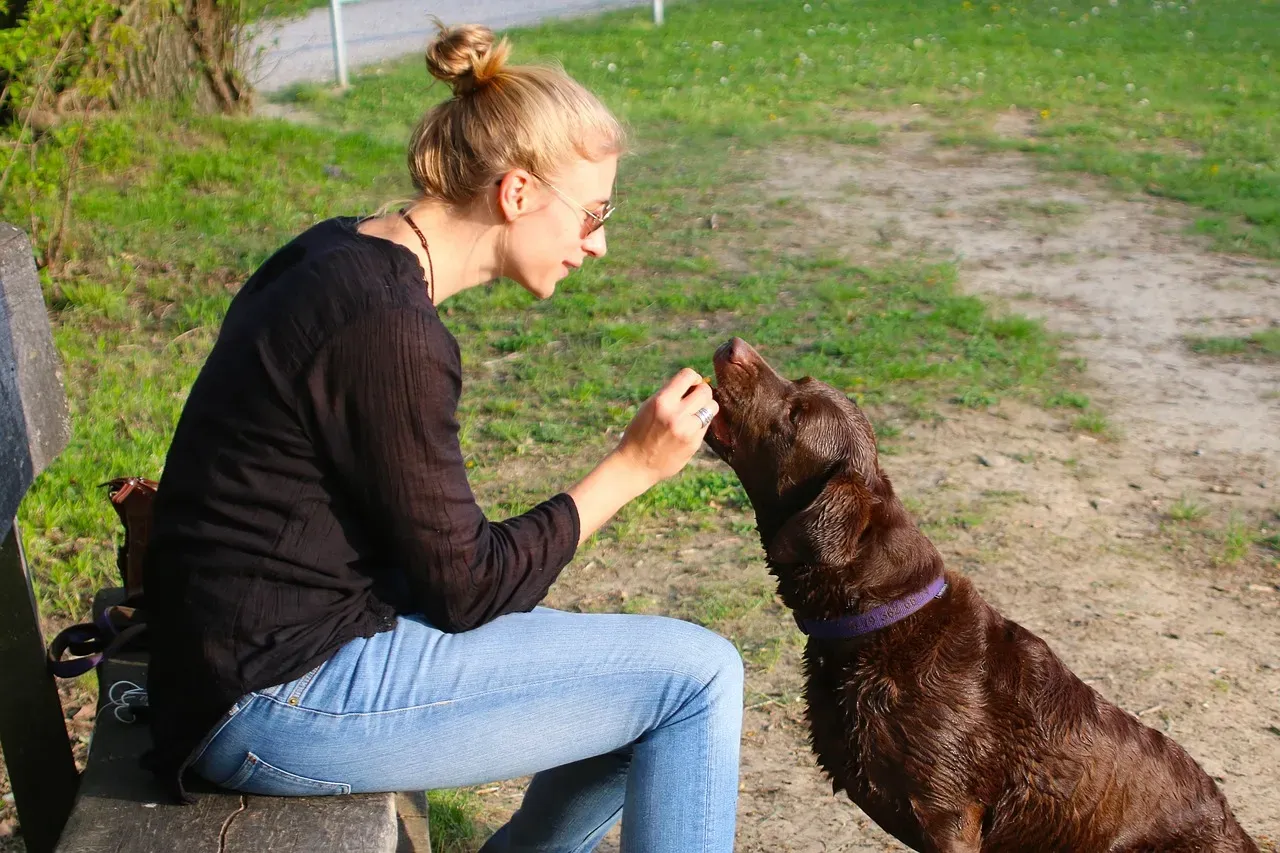
Hand feeding occasionally creates intimacy. Hand feeding is an often overlooked way to bond with your dog, as by occasionally feeding your furry friend treats or meals by hand, you create an intimate experience that encourages your dog to focus on you and your commands, teaching your dog to trust you and strengthening the idea that you’re their provider.
Food is survival, and when you’re the source of that, you become associated with safety and provision at the most primal level. That’s powerful stuff.
The dogs who get verbal praise, physical affection, treats, and quality time are getting a well-rounded expression of love that resonates across multiple channels. That’s how you speak fluently in dog.
Creating Shared Quiet Moments
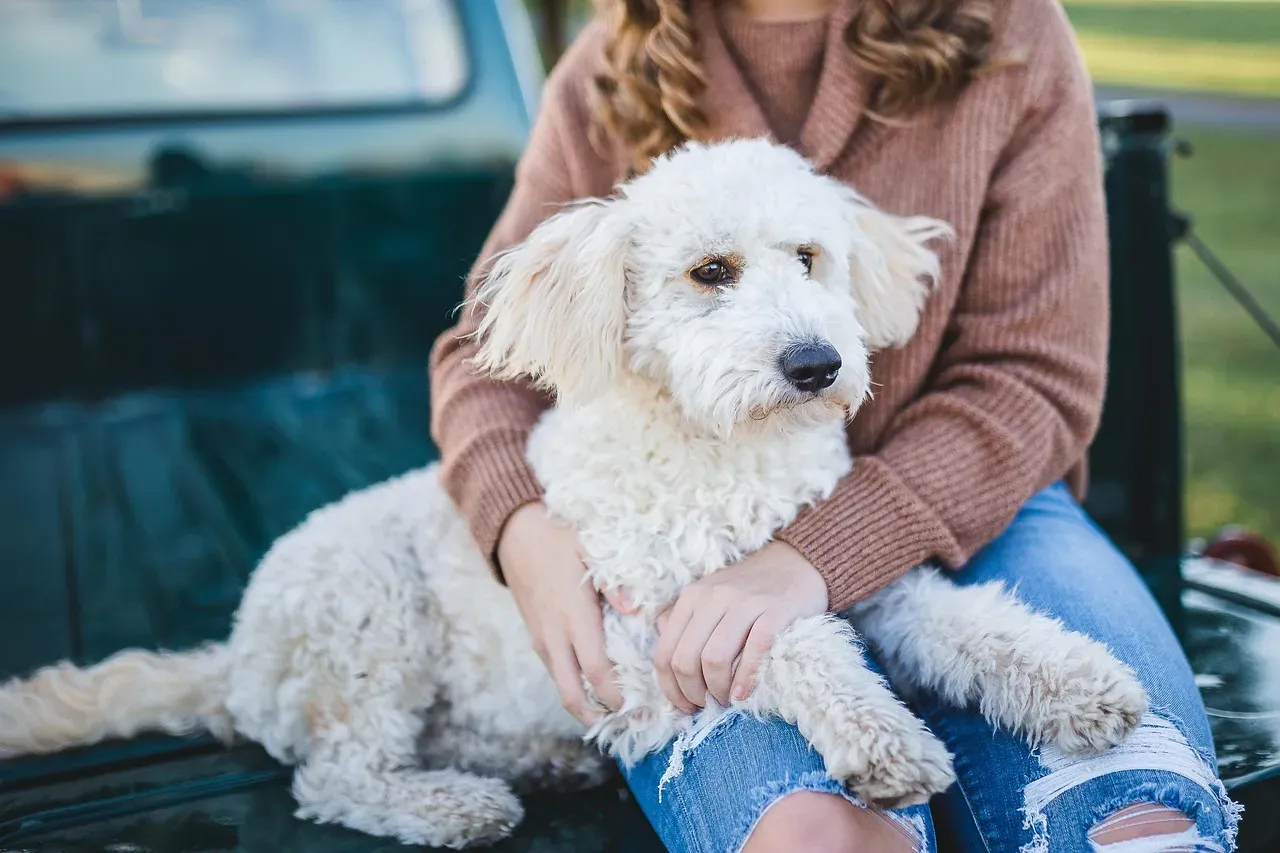
It’s healthy to be active with your dog, but it’s also nice to slow down and spend some quality time relaxing together, as snuggling on the couch, sitting on the bed, or meeting your best friend on the floor for some belly rubs is a nice, relaxing way to bond, and this intentional physical contact can create a sense of safety and comfort that lets them know they are an important part of your pack.
Not every bonding moment needs to be active or productive. Sometimes the deepest connection happens when you’re both just existing in the same space, breathing the same air, completely relaxed in each other’s presence.
Set aside fifteen minutes of uninterrupted, one-on-one time each day, with no phones and no TV, just you and your pet, whether it’s a dedicated cuddle session, gentle massage, or a quiet game. Fifteen minutes of real attention. That’s achievable for almost everyone.
These quiet moments tell your dog they don’t have to do anything to earn your love. They just have to be. That unconditional acceptance is what dogs offer us, and returning it completes the circle.
Studies have demonstrated that both dogs and humans release oxytocin while spending quality time together. The bonding hormone flows during these calm moments just as much as during play. Maybe even more.
Some of my best memories with dogs aren’t the exciting adventures. They’re the quiet Sunday mornings, the rainy afternoons on the couch, the moments of just being together without agenda or expectation.
Advocating For Their Needs
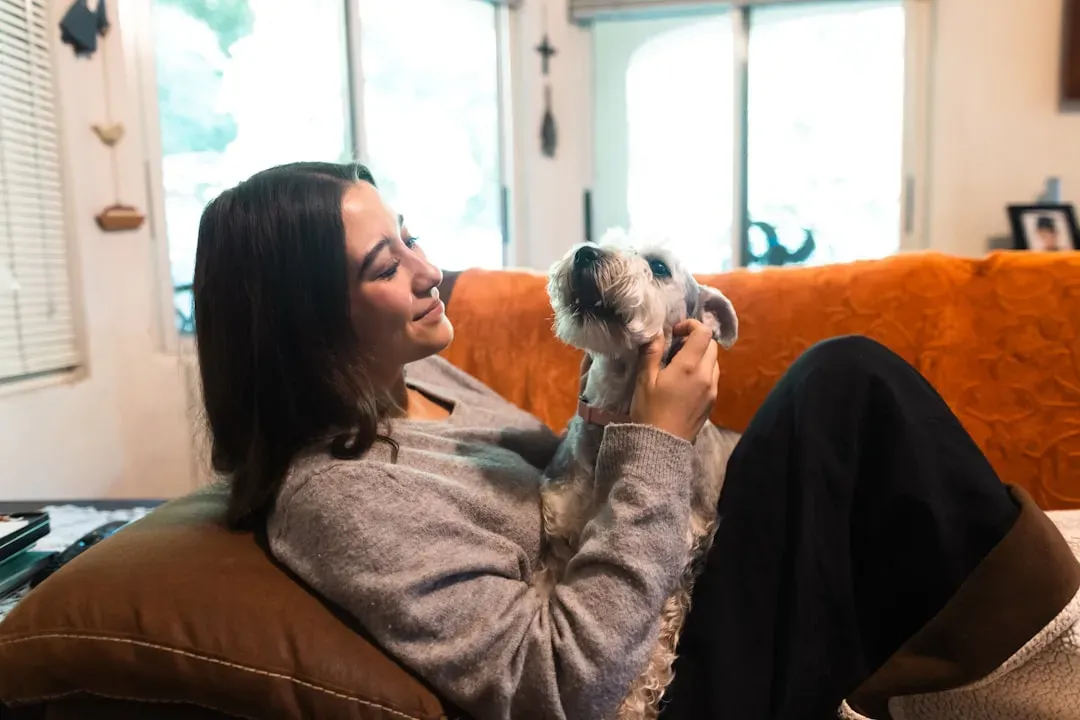
The more positive interactions you share, the deeper your bond will grow, so advocate for your dog in new or stressful situations, don’t force them into uncomfortable interactions with people or other animals, and pay attention to what makes your dog uneasy, stepping in to protect their emotional and physical wellbeing.
Being your dog’s voice in a world that doesn’t always understand them is a profound act of love. Whether that’s declining when a stranger wants to pet your nervous dog or removing them from an overwhelming situation, you’re communicating that their comfort matters more than social niceties.
Dogs remember these moments. They remember when you put their needs first, when you saw they were struggling and did something about it. That builds trust in ways that years of treats never could alone.
By displaying calm, collected, and confident behavior, you assure your dog they are safe and can trust you. You become their anchor in uncertain situations. That’s leadership without dominance.
Advocacy also means ensuring they get proper healthcare, nutrition, exercise, and mental stimulation. By focusing on nutrition, movement, mental health, preventive care, and connection, you’re not just improving your pet’s life, you’re strengthening the bond you share.
Meeting their needs consistently shows them they can depend on you for their wellbeing. That dependency doesn’t diminish them, it creates security and deepens attachment.
Maintaining Patient Consistency
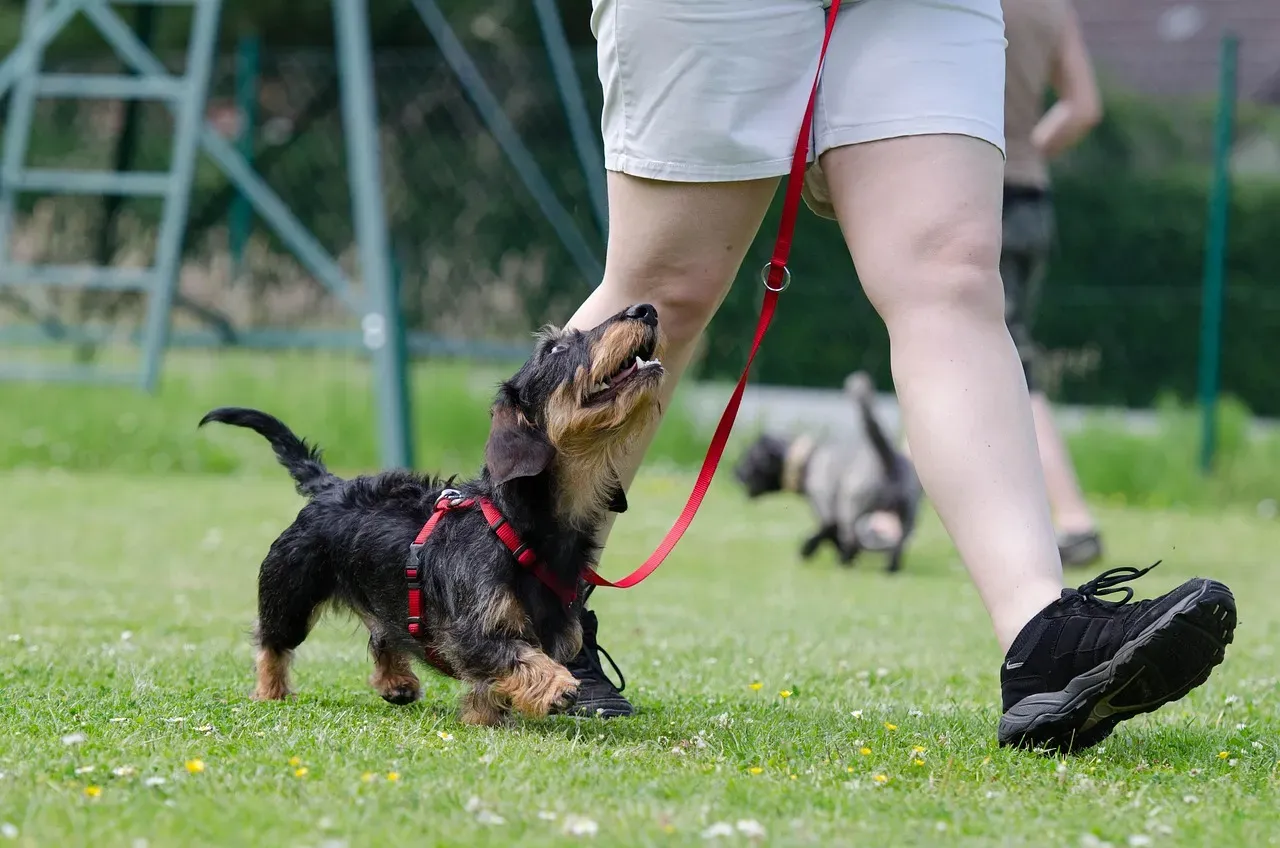
Building a strong bond with your dog doesn’t happen overnight, as every dog is different, some are naturally cuddly and eager to please while others take time to warm up, so recognize that progress may not happen as quickly as you want it to, but the key is to be present, patient, and attuned to your dog’s needs.
Patience might be the most underrated ingredient in the entire bonding recipe. We live in a world of instant gratification, but relationships don’t work that way. Especially not with dogs who might come with baggage, anxiety, or just their own unique personality quirks.
Dogs need consistent boundaries and rules to feel safe, so don’t let your dog sleep in your bed as a special treat one day and then make him sleep on the floor the next, as inconsistent rules confuse your dog and he won’t know how he’s supposed to behave, which could lead to bad behavior.
Consistency isn’t about being rigid or controlling. It’s about being predictable and trustworthy. When the rules make sense and stay the same, dogs relax into them. They know where they stand.
Clear, consistent language builds understanding and trust, so for example, saying outside every time you take your dog out helps them associate the word to the action. Small consistencies add up to big understanding over time.
The dogs who transform the most are often the ones whose humans simply refused to give up, who showed up day after day with the same patient energy, who believed in the relationship even when progress felt glacial.
Honestly, patience and consistency might not be flashy, but they’re the steel frame that holds everything else together. Without them, all the other habits crumble.
Conclusion
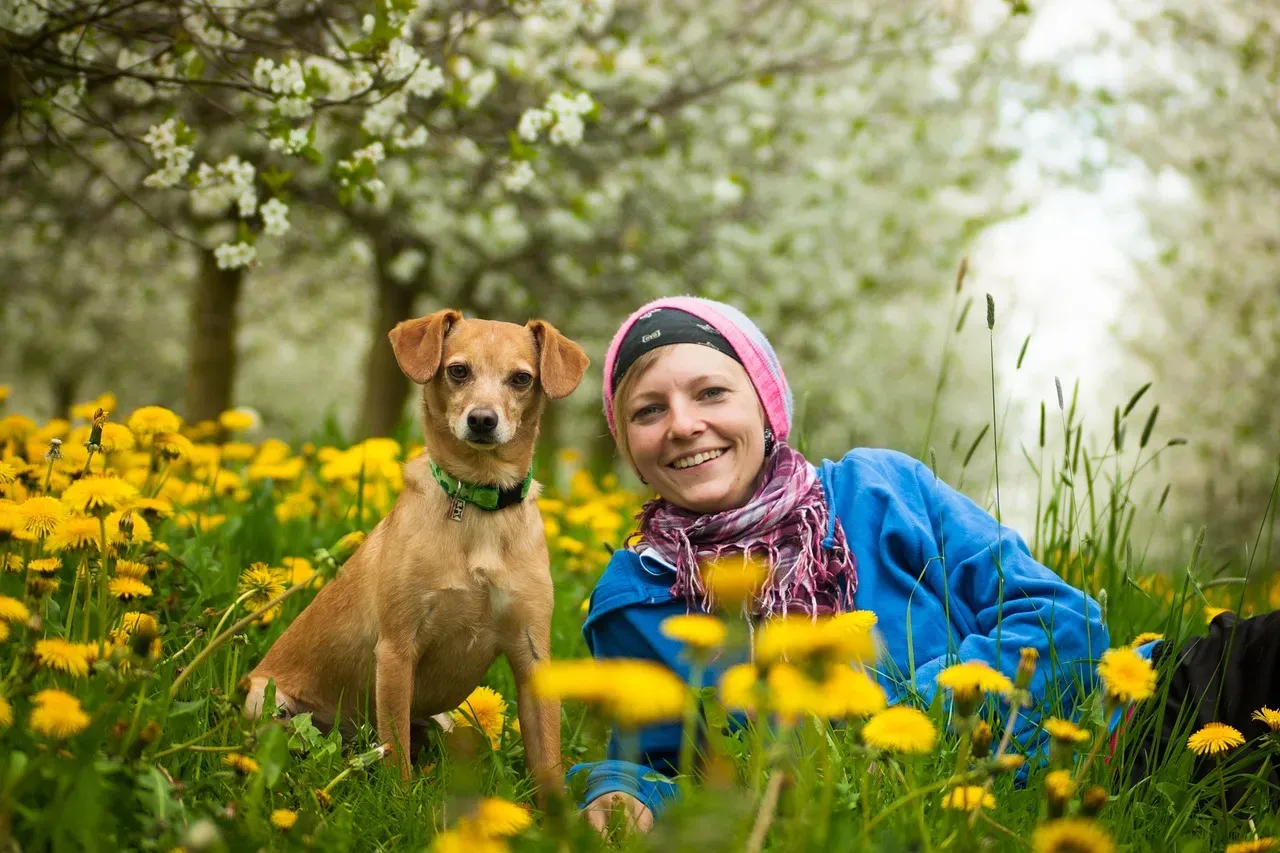
The bond between humans and dogs is one of the most beautiful relationships we get to experience in this life. What makes it even more remarkable is that it’s built not through grand gestures, but through these quiet, consistent habits that we might not even notice we’re doing.
When you read your dog’s body language, maintain their routines, offer intentional touch, reward good behavior, adventure together, train with respect, play with presence, honor their communication, speak their love language, create quiet moments, advocate for their needs, and practice patient consistency, you’re weaving an unbreakable connection.
Dogs with strong human bonds live longer, healthier lives while they display fewer behavioral problems, and these relationships reduce stress for both species and create partnerships built on mutual understanding and respect. The science backs up what our hearts already know.
These habits aren’t complicated or expensive. They just require attention, intention, and genuine care. Your dog isn’t asking for perfection. They’re just asking for you to show up, see them, and choose them again and again.
What small habit will you focus on today to deepen your connection with your furry friend? Sometimes the quietest changes create the loudest impact.

- 14 Quiet Signs Your Dog Knows Its Time Is Near and Wants You Close - July 22, 2026
- 10 Falcon Facts That Will Blow Your Mind - July 22, 2026
- 5 Incredible Migratory Journeys Animals Make Every Year - July 22, 2026