
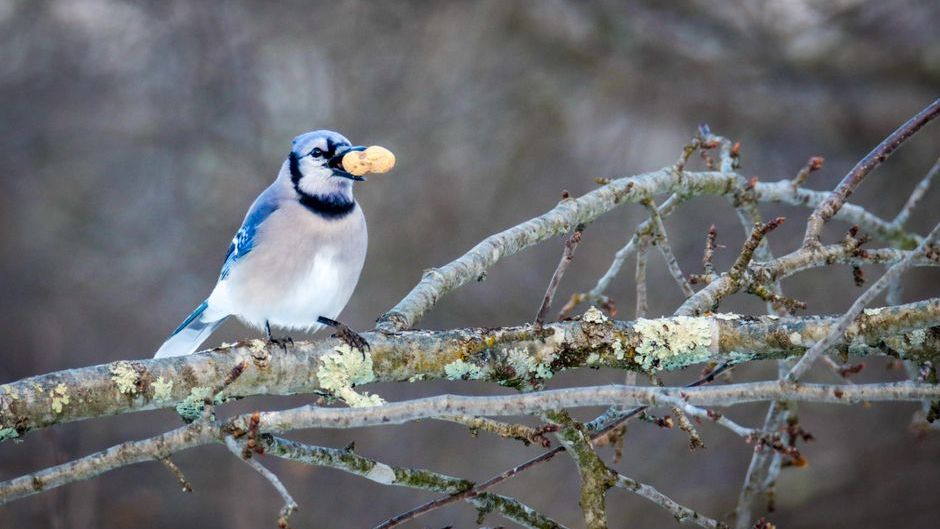
Most people notice a blue jay for its bright colors and bold calls, yet when the same bird shows up day after day right outside the window, the repetition starts to feel deliberate. American folklore offers layers of meaning for such steady visits, drawing from centuries of stories passed down through Native communities and Southern traditions alike.
Blue Jays in Native American Stories
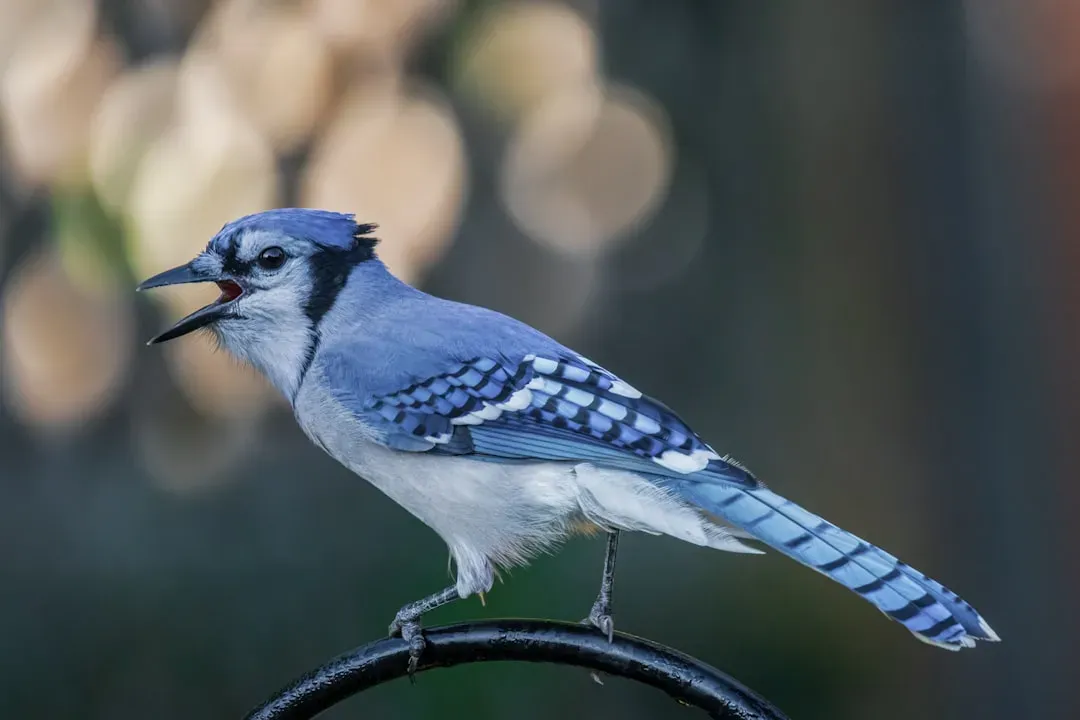
Many Native American traditions portray the blue jay as a clever figure who bridges the everyday world and something larger. The bird often appears in tales as a messenger carrying insights or warnings from one realm to another. Its striking appearance and noisy nature made it memorable in oral histories across different tribes.
Some groups saw the blue jay as a sign of good fortune for those who crossed its path. Others noted its role in teaching lessons about resourcefulness and quick thinking. These stories emphasize the bird’s intelligence rather than any single fixed meaning.
The Southern Folklore Connection to the Devil
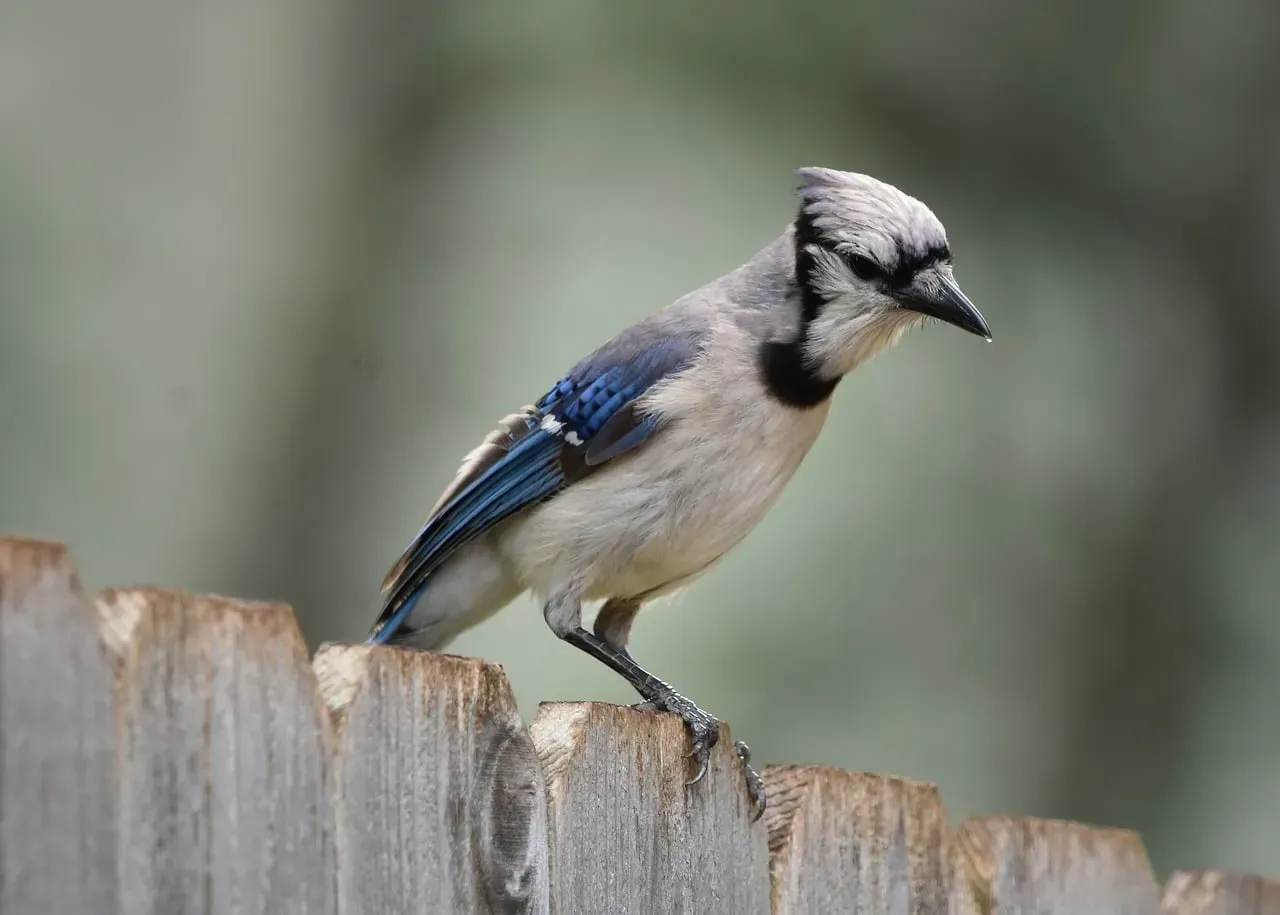
In parts of the American South, older tales cast the blue jay in a darker light. Enslaved communities and later storytellers described it as a bird tied to the devil, one that carried sticks or reports down to hell each Friday. The absence of jays on that day became part of the lore, suggesting the bird had other duties.
These accounts mixed fear with a kind of grudging respect for the jay’s boldness. The bird’s loud voice and habit of mimicking predators added to its reputation as a nosy or talkative presence. Such stories reflect the tensions of the time more than any universal truth about the species.
Symbols of Good Luck and Prosperity
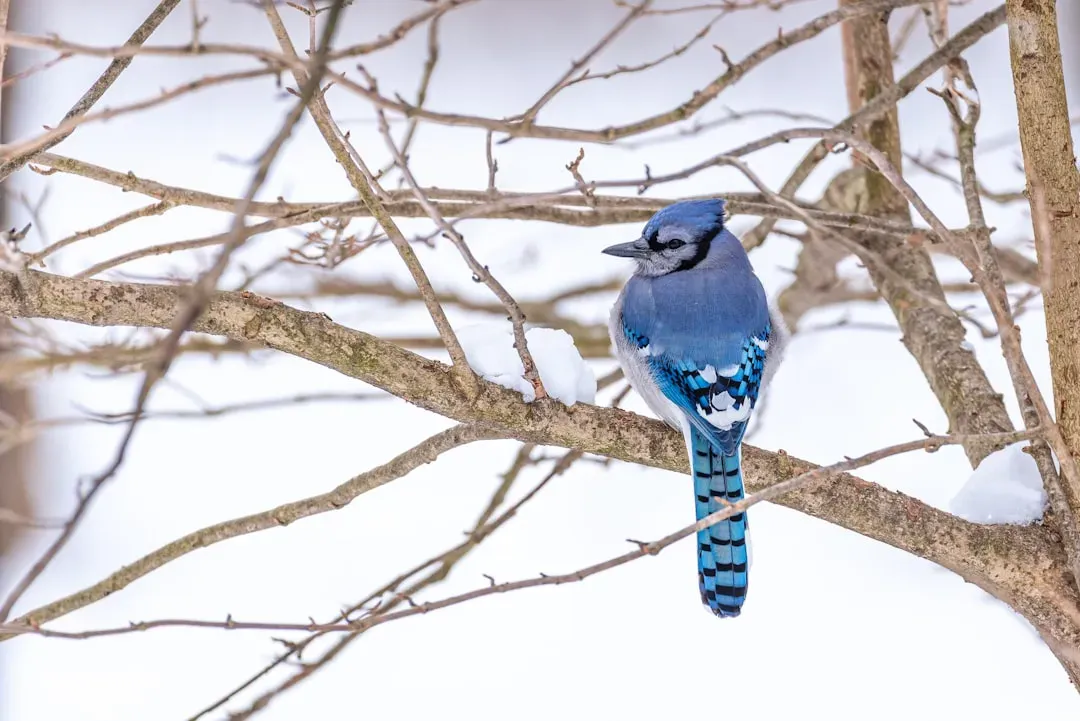
Across broader American folklore, repeated blue jay sightings often point toward positive shifts ahead. The bird’s vibrant feathers and confident manner came to represent good fortune and encouragement during uncertain times. People who noticed jays in their yards sometimes took it as reassurance that better days were coming.
Its habit of caching acorns and helping spread oak trees added a layer of practical symbolism around growth and provision. In this view, a daily visitor might signal abundance or the arrival of welcome news. The consistency of morning appearances strengthened the sense of an ongoing positive message.
Warnings About Trickery and Trust
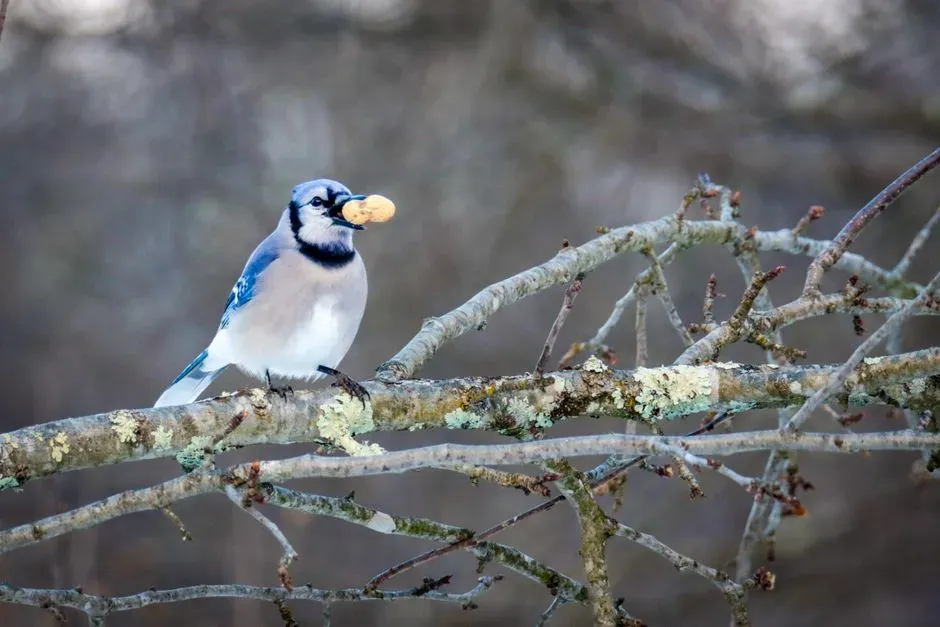
Not every tale paints the blue jay in purely favorable terms. Some traditions highlight its trickster qualities, suggesting it could represent deception or the need to watch one’s surroundings more closely. The bird’s ability to mimic other sounds reinforced ideas about hidden motives or gossip within a community.
Folklore sometimes linked the jay to questions of loyalty, especially since the species tends to form strong pair bonds. A steady presence in the yard might prompt reflection on relationships or alliances. These interpretations balance the brighter omens with a reminder to stay alert.
Messengers from the Spirit World
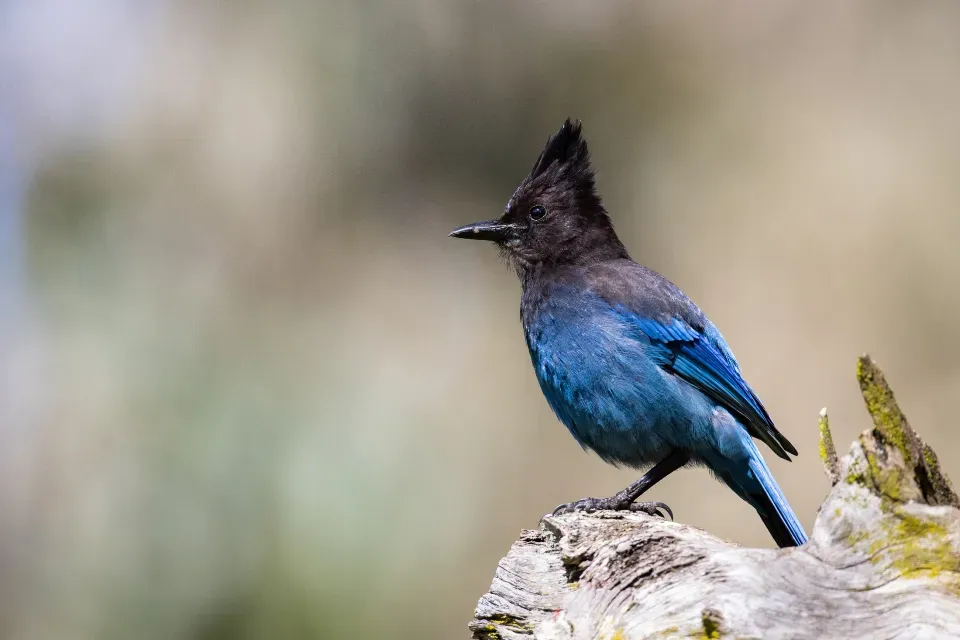
Certain stories position the blue jay as a link between the living and those who have passed. Its visits could feel like gentle guidance or a nudge to pay attention to intuition. The bird’s intelligence and social nature made it a fitting stand-in for spiritual communication in these accounts.
Repeated morning appearances might then carry extra weight, implying a persistent effort to convey something important. People drew comfort from the idea that the jay served as a protector or reminder of unseen support. Such beliefs kept the focus on awareness rather than fear.
The Significance of Daily Appearances
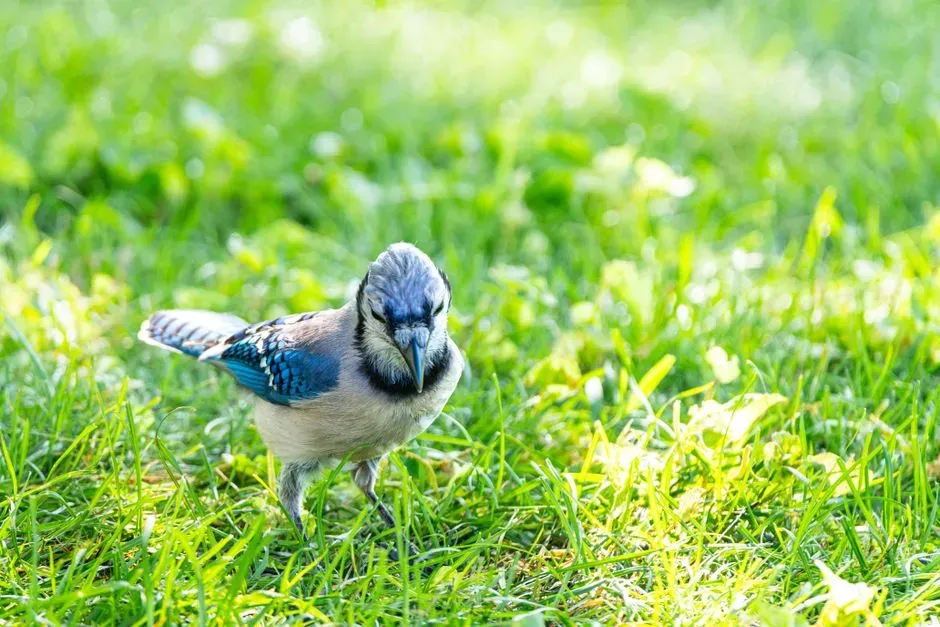
When a blue jay returns every morning, folklore tends to read the pattern as emphasis rather than coincidence. The routine suggests the message, whatever it may be, deserves ongoing attention. Morning timing adds a sense of fresh starts and daily renewal in many interpretations.
Observers in these traditions often considered the bird’s behavior alongside their own circumstances. A consistent visitor could highlight themes of courage or the value of speaking up. The repetition itself became part of the symbolism, turning an ordinary yard into a place of quiet reflection.
Embracing the Blue Jay’s Message Today
Modern readers of these old stories can take the blue jay’s presence as an invitation to notice patterns in their own lives without needing to accept every detail as literal. The folklore shows how people have long looked to birds for perspective on fortune, caution, and connection. A daily visitor offers a simple prompt to stay observant and adaptable.
Ultimately the meaning rests with the observer, shaped by the mix of hope and wariness found in American traditions. The blue jay keeps returning because its story, like the bird itself, refuses to settle into one fixed role. That open-ended quality is what keeps the tales alive.

- 13 Signs a Horse Still Remembers You After Months Apart - July 24, 2026
- The Hidden World of Nocturnal Animals: Secrets of the US Nighttime Ecosystem - July 24, 2026
- 7 Surprising Ways Opossums Benefit Our Urban Ecosystems - July 24, 2026