
We’ve all seen those viral videos. A dog presses a button and seemingly asks philosophical questions. A parrot says goodbye before dying. A gorilla jokes about toilets in sign language. It’s easy to get swept up in the magic of it all and believe we’re finally chatting with the animal kingdom. Yet the reality is way more complicated than a cute TikTok might suggest.
The question of whether animals genuinely understand human language, rather than just responding to trained cues, has puzzled scientists for decades. While most pets can learn basic commands like sit or stay, we’re diving into something much deeper here. Can animals grasp concepts, ask questions, express emotions, or even lie? Let’s explore what science has discovered about the remarkable creatures that blur the line between mimicry and true comprehension.
Border Collies and the Exceptional Vocabulary Champions
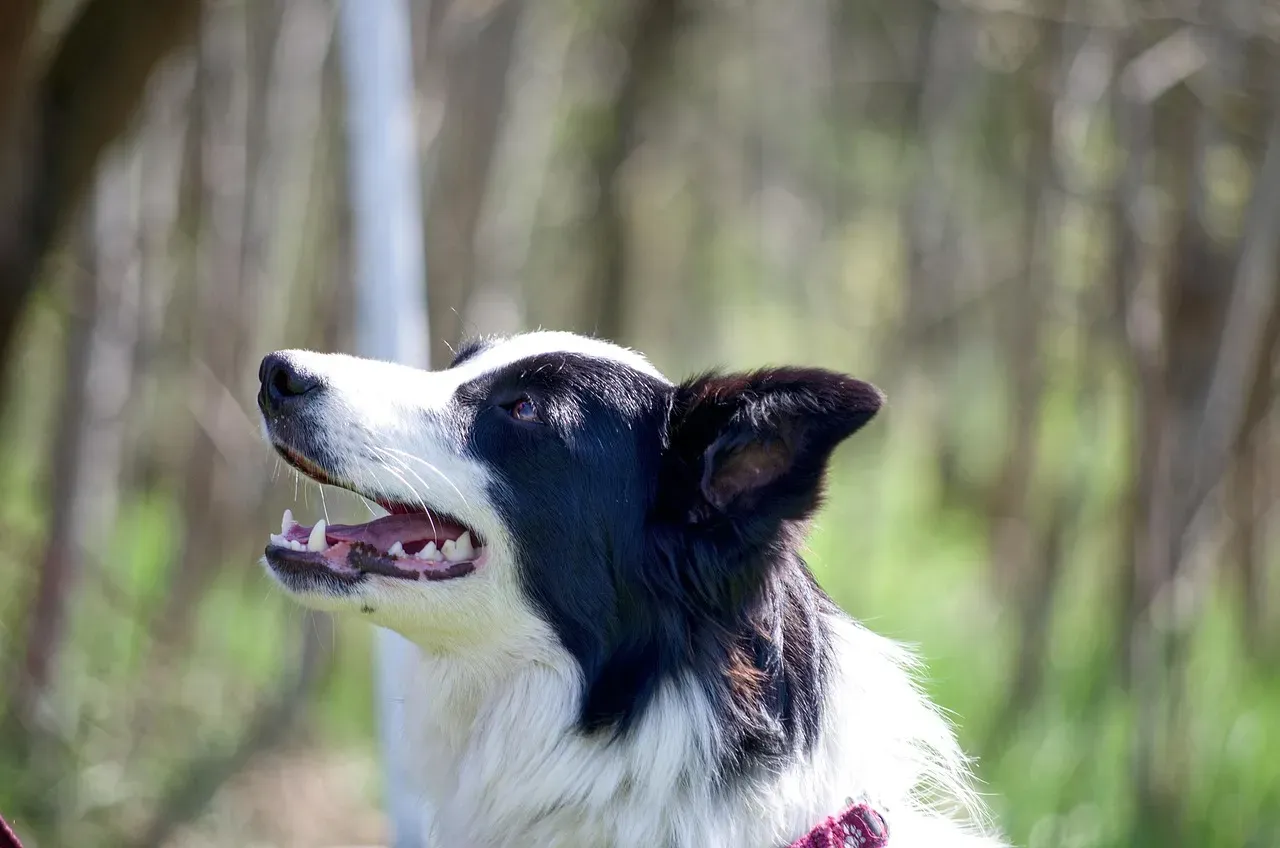
When it comes to understanding human words, Border Collies have consistently demonstrated exceptional language abilities in research settings, with one named Chaser learning more than 1,000 distinct words for different toys. Here’s the thing though. These aren’t just party tricks memorized through endless repetition.
Chaser demonstrated understanding of both nouns and verbs, and could combine them in novel ways, showing rudimentary grammar comprehension. Think about that for a moment. The dog wasn’t simply retrieving objects on command. She was processing the relationship between action words and object words, then executing complex instructions she’d never heard before.
Recent studies have pushed this even further. The Genius Dog Challenge researchers are studying several Border Collies worldwide who can learn new toy names after just a few repetitions. Even more fascinating, these dogs can remember new words for months without additional training and can learn through social inference, picking up word meanings by observing human interactions rather than through direct training. That’s honestly pretty mind blowing when you consider what it implies about their cognitive processes.
A study of about 60 dogs found that dogs seem to understand words like “play” and “outside” regardless of whether those words are spoken by their owner or triggered by a button, and importantly, the dogs did not have any context clues like humans’ body language or props. They were genuinely processing the sounds as meaningful symbols. Still, experts remind us there’s a massive gap between understanding individual words and grasping the full complexity of human language with all its abstract concepts and grammatical nuances.
Alex the African Grey Parrot Who Asked Existential Questions
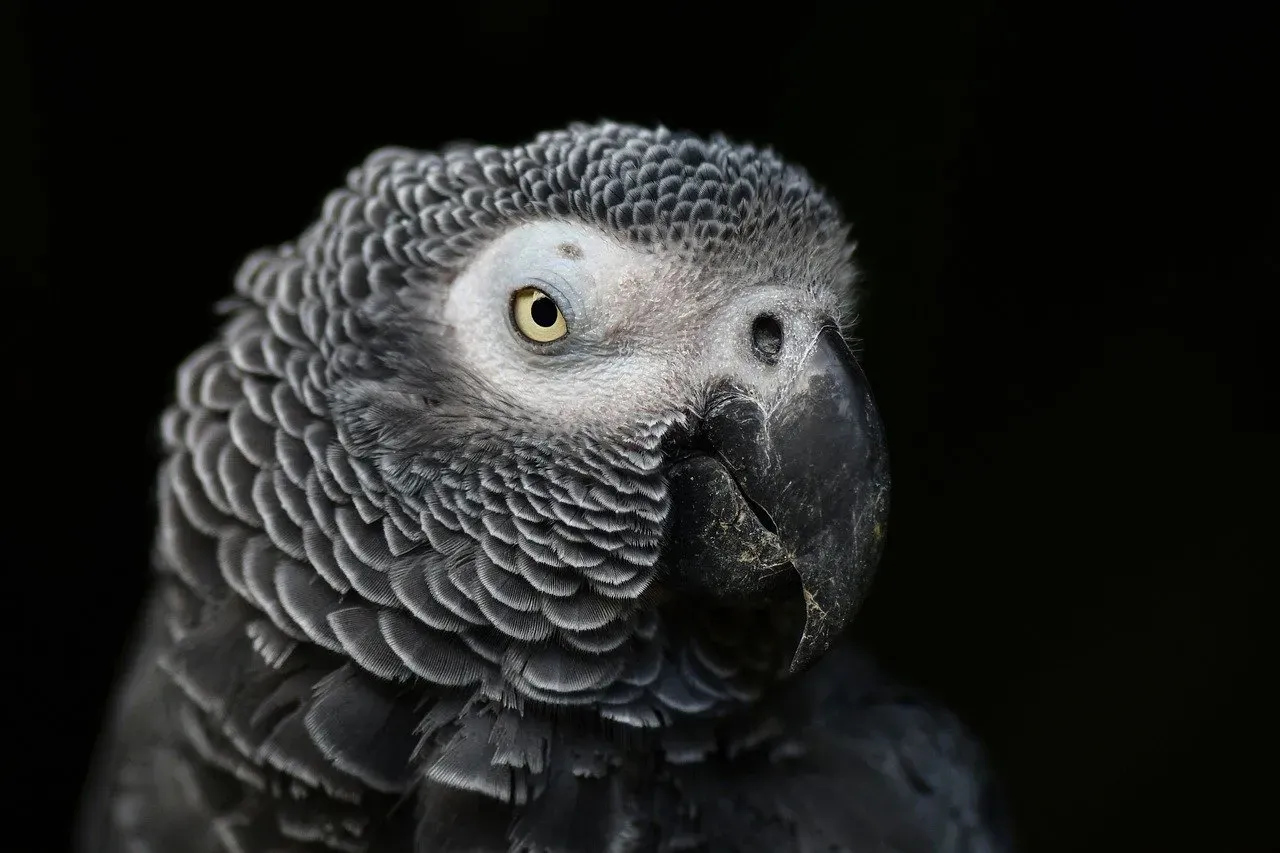
Alex was a grey parrot and the subject of a thirty year experiment by animal psychologist Irene Pepperberg. His abilities were nothing short of extraordinary. Alex could identify 50 different objects and recognize quantities up to six, distinguish seven colors and five shapes, and understand the concepts of bigger, smaller, same, and different.
Let’s be real, parrots were considered dumb mimics before Pepperberg’s research. Before her work with Alex, it was widely believed in the scientific community that a large primate brain was needed to handle complex problems related to language and understanding. Alex shattered that assumption completely.
When shown a new toy and asked about its shape, color, or material, Alex was able to correctly identify these attributes, demonstrating that he wasn’t simply parroting words but could genuinely understand and respond to specific inquiries. He could also categorize objects and grasp abstract concepts, applying ideas like bigger and smaller across different items.
Perhaps most remarkable was the day Alex was presented with a mirror and after observing himself for a moment asked, “What color?” He then learned the word “gray” the color of his feathers after having it taught to him six times. This was the first and only time a non human animal asked a question about itself. Pepperberg did not claim that Alex could use language, instead saying that he used a two way communications code. Even so, his cognitive abilities challenged everything we thought we knew about bird brains.
Koko the Gorilla and the Sign Language Controversy
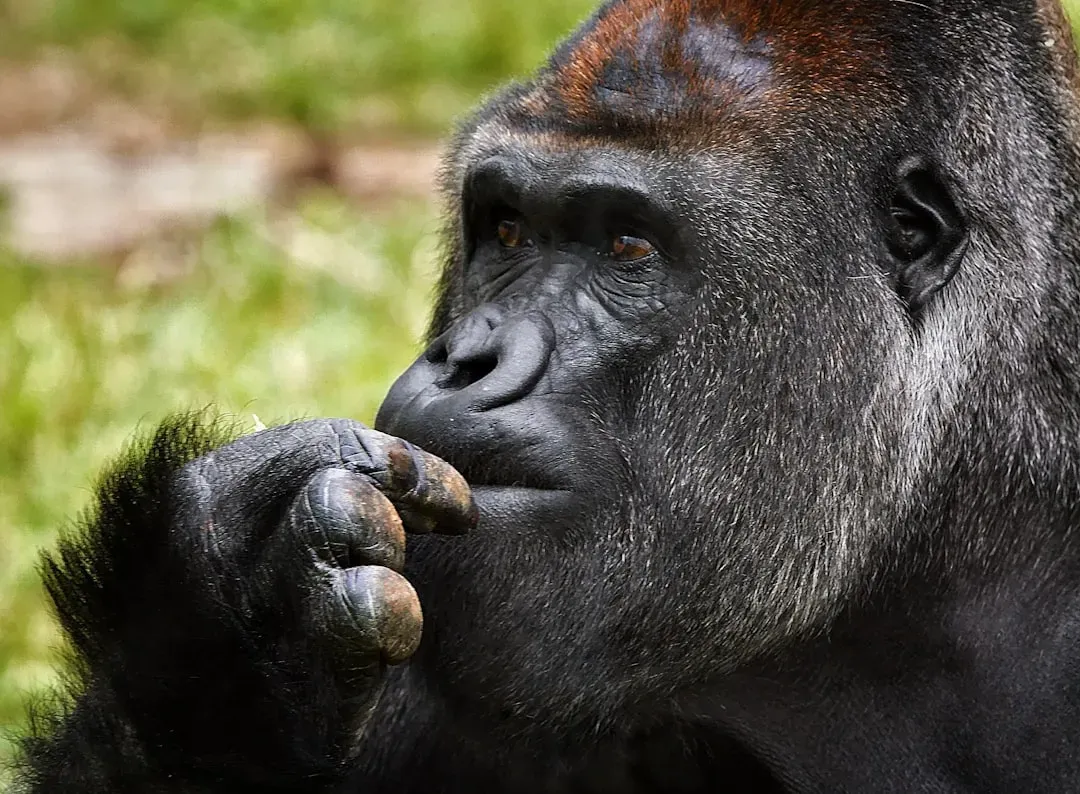
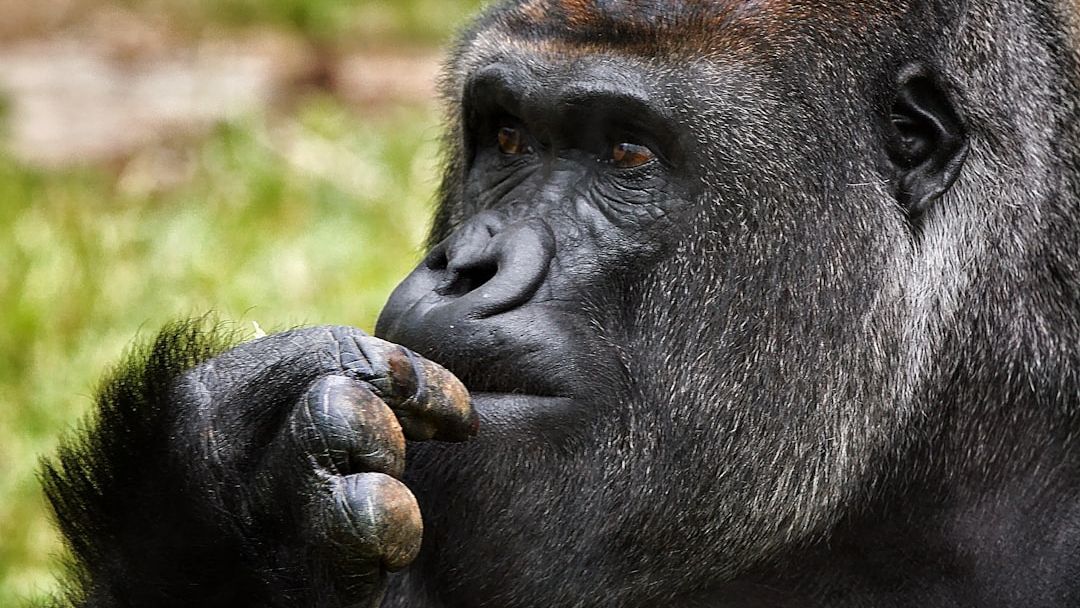
Koko had a vocabulary of more than 1,000 signs and the ability to understand 2,000 words of spoken English, according to The Gorilla Foundation. She became a global sensation, featured on National Geographic covers and in countless documentaries. Yet her legacy remains hotly debated within the scientific community.
Researchers found that gorillas Koko and Michael used American Sign Language in sophisticated ways, with sign phrase lengths of over 8 signs, and consistent grammatical structure. Supporters argued this demonstrated genuine linguistic capability. Critics weren’t convinced at all.
The major problem? The scientific consensus is that Koko did not demonstrate the syntax or grammar required of true language. Critics acknowledged that Koko had learned a number of signs and used them to communicate her wants, but this did not mean that she spoke sign language, which requires a grasp of syntax and grammatical sentences, with experts generally agreeing that her use of sentences was unsupported by evidence.
There were also concerns about interpretation bias. Claims that Koko invented new signs relied on a human interpreter of her intentions, introducing subjectivity that made objective analysis nearly impossible. Koko knew some sort of simplified signs or gestures, but probably only about 200 signs, which is the amount of words of roughly a two year old. While that’s impressive for a gorilla, it falls far short of true language mastery.
Bunny the TikTok Dog and Modern Button Communication
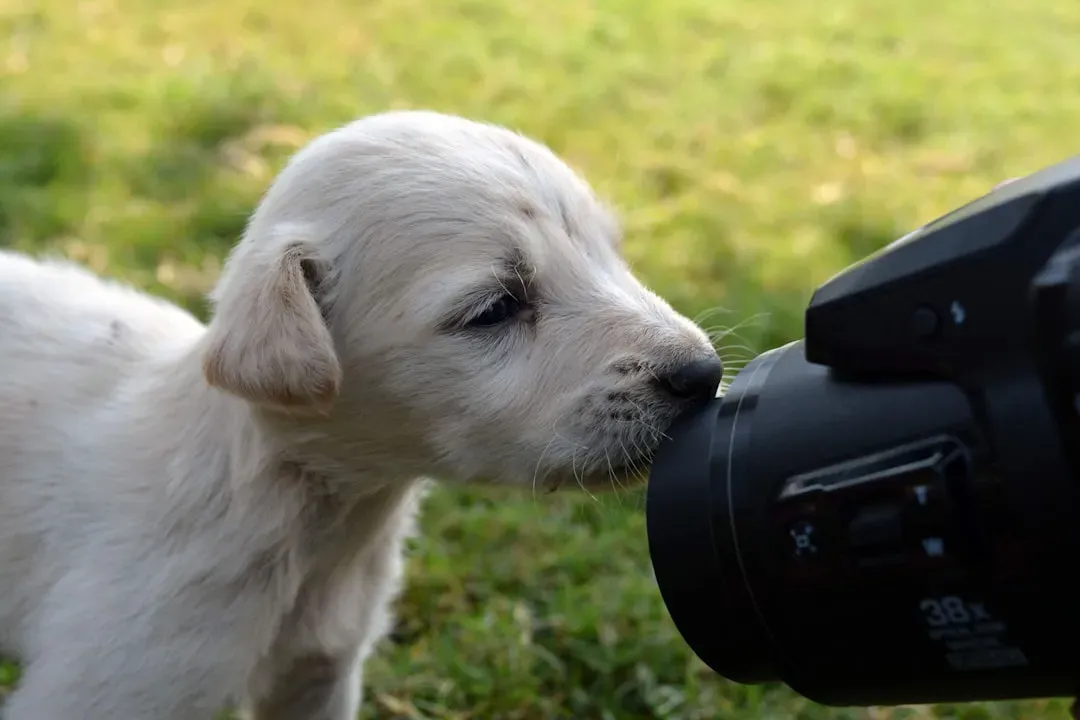
Bunny is a sheepadoodle who has reportedly learned 92 words using a set of soundboard buttons made by FluentPet to talk. Her videos have captivated millions, showing her seemingly expressing complex thoughts and even asking “who this” when looking in a mirror. It feels revolutionary, like we’re witnessing genuine interspecies dialogue.
Bunny is currently the subject of scientific study by researchers at the University of California San Diego, and is part of the TheyCanTalk study, monitored by cameras placed in the living room of her owner Alexis Devine. The project aims to determine whether and how non humans can express themselves in language like ways.
Here’s where things get messy though. While Bunny’s use of buttons is undoubtedly impressive, most experts in animal cognition are skeptical that she is actually communicating in the way that humans do. The concern is that pattern recognition and trained responses might explain what looks like conversation.
Published in the journal PLOS ONE, findings suggest dogs in the study were able to understand certain words, contributing to the possibility of an enhanced bond between dogs and their owners. That’s significant, showing comprehension is real. Whether button pressing represents true production of language or clever behavioral conditioning remains an open scientific question. Even Devine herself has expressed uncertainty about whether Bunny truly understands language the way humans do.
Dolphins and Syntax Comprehension in Marine Mammals

Dolphins might just be the most underestimated linguists on the planet. Researcher Louis Herman demonstrated that dolphins can understand not only a complex vocabulary but also syntax, or word order, a basic rule of sentence formation that constitutes language as humans define the term. That’s a game changer.
Herman taught dolphins two artificial languages, with one dolphin named Phoenix learning an acoustic language made up of computer generated whistles, while Ake learned a gestural language, with both learning words for objects, action words, relational action words, and modifiers. When tested on comprehension of sentences combining these words, the results were stunning.
The dolphins’ performance was remarkable, with comprehension ranging from 65 percent for the most difficult sentences to 85 percent for the simplest ones, well above chance levels, and the animals were able to make generalizations. They understood that ball meant any ball, not just one specific object. Ake demonstrated that she could report not only on the presence of objects in her pool but also on their absence, showing she had truly associated words with their meanings.
What really blows my mind is that the ability of dolphins to utilize both their visual and acoustic modalities underscored the amodal dependency of the sentence understanding skill, with comparisons given of the dolphins’ performances with those of language trained apes and young children. These marine mammals were processing language concepts in ways comparable to our closest genetic relatives and human toddlers.
Kanzi the Bonobo and Symbol Based Communication
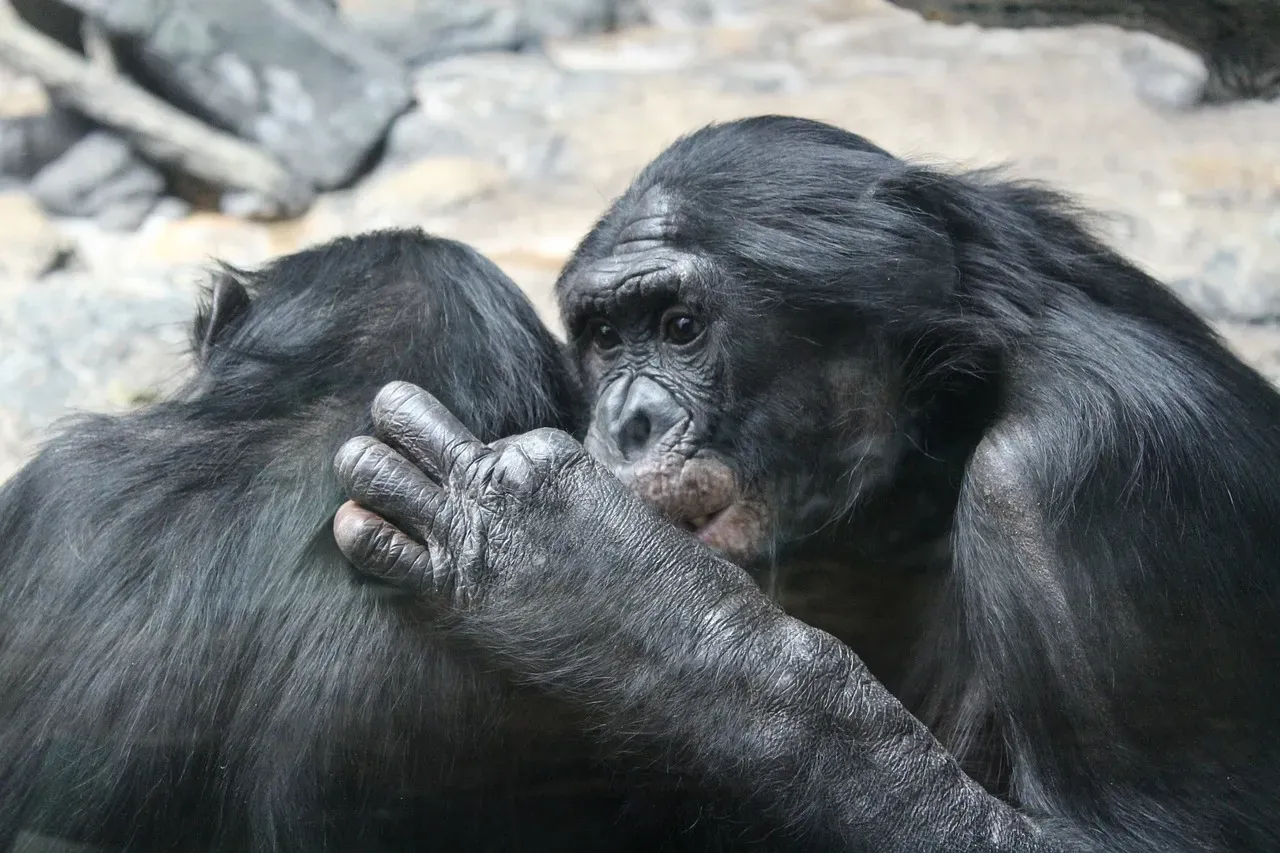
Kanzi was a male bonobo who lived from 1980 to 2025, and communicated through a lexigram board, a keyboard of about 200 arbitrary symbols that corresponded to things in his environment. Unlike earlier ape language studies that focused on production, Kanzi’s story centered on comprehension and spontaneous symbol use.
Kanzi understood the symbols on his lexigram board well and could use them to communicate with his trainers, using symbols for people’s names, common objects, actions and locations, and had vocalizations for yes and no. He didn’t just memorize associations either. He used his lexigram board to ask for objects or request certain actions, having learned symbolic communication, which is a feature of another species’ communication system.
The difference between Kanzi and many other language trained animals was his method of learning. He picked up lexigram use partly through observation, watching researchers teach his adoptive mother. This social learning mirrors how human children acquire language naturally, rather than through explicit training drills.
Kanzi represented perhaps the most convincing case for symbolic understanding in great apes. He could respond to novel spoken English sentences, demonstrating comprehension of word order and meaning beyond rote memorization. His passing in 2025 marked the end of an era in ape language research, leaving behind decades of data that continue to reshape our understanding of primate cognition and the evolutionary roots of human language.
Conclusion
So where does all this leave us? The evidence suggests that several animal species can understand aspects of human language far beyond simple commands. Border Collies process nouns and verbs with rudimentary grammar. Dolphins comprehend syntax in artificial languages. Parrots like Alex demonstrated conceptual understanding and question asking. Bonobos like Kanzi used symbols to communicate desires and thoughts.
Yet none of these animals have mastered human language in its full complexity. They lack the grammatical sophistication, abstract reasoning, and generative creativity that defines human linguistic ability. What they do possess is genuinely remarkable though. These animals prove that the capacity for symbolic thought, referential communication, and even basic syntax exists across multiple branches of the evolutionary tree.
The real question isn’t whether animals can talk to us exactly like humans. It’s whether we’re willing to meet them halfway, recognizing that intelligence and communication take many forms beyond our own limited definition. What do you think? Could your pet be smarter than we give them credit for?

- 13 Quiet Signs an Old Dog Is Gently Saying Goodbye - July 30, 2026
- 12 Signs a Horse Mourns Quietly Every Time You Walk Away - July 30, 2026
- 10 Remarkable Facts About the African Cheetah: The Lightning of the Grasslands - July 29, 2026