

Picture a crocodile lurking in murky water, eyes barely visible above the surface. That same image would have been frighteningly familiar to dinosaurs over 200 million years ago. These armored predators have witnessed the rise and fall of countless species, survived mass extinctions that wiped out entire lineages, and somehow emerged nearly identical to their ancient ancestors.
While birds exploded into thousands of diverse species and mammals conquered every corner of the planet, crocodiles took a different path. They found something that worked and stuck with it. The question is: what makes these reptiles such evolutionary overachievers, and why did they stop changing when everything around them kept evolving?
The Master Plan That Never Needed An Update
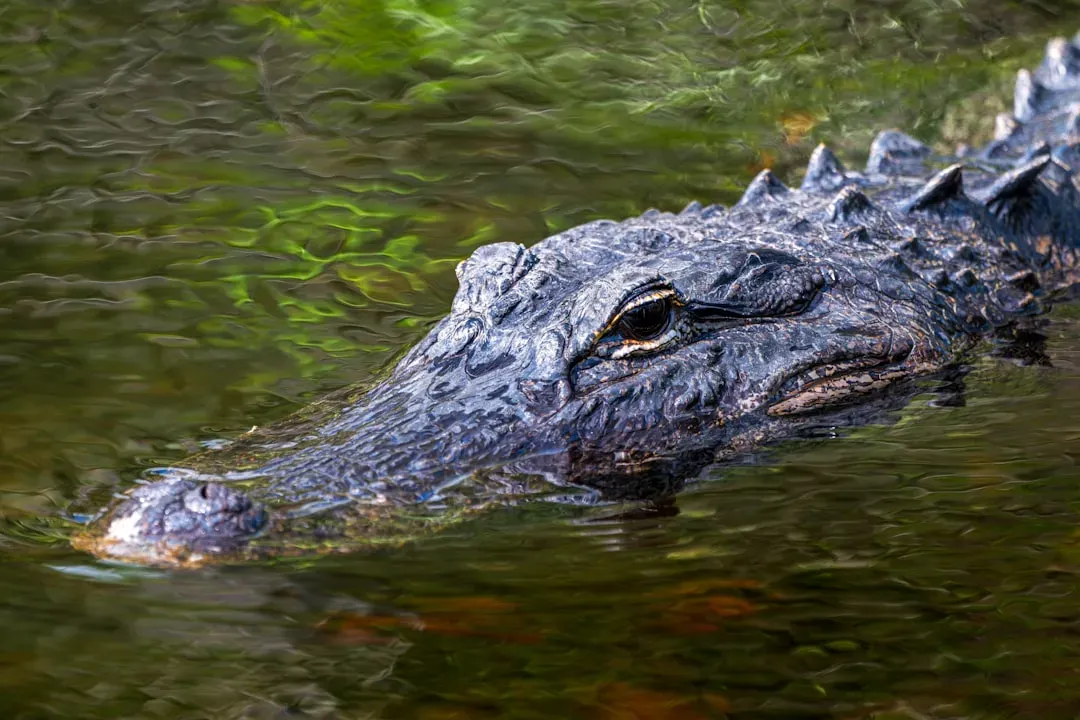
Crocodilians have remained unchanged for such a very long time because they have landed upon an equilibrium state that does not require them to change often. Think of it like stumbling upon the perfect recipe. You wouldn’t mess with it, right?
The crocodiles arrived at a body plan that was very efficient and versatile enough that they didn’t need to change it in order to survive. Their elongated bodies, powerful tails, armor-plated skin, and those menacing jaws created a winning combination. With few natural predators, a permanent armor of bony plates covering most of its body and strong jaw muscles capable of crushing anything from bones to cast iron, the croc is an extremely tough and robust creature.
This wasn’t luck or laziness. When Crocodylidae evolved, they stumbled upon a sort of “master plan” for a body plan. They developed elongated snouts filled with rows of conical teeth, a long and flexible tail, a protective nictitating membrane to cover their eyes, and a body armored with spines.
What’s fascinating is that while roughly two dozen crocodilian species exist today, birds first appear in the fossil record many millions of years after the first crocodiles, yet today they number around 10,000 species, ranging from hummingbirds to ostriches. Crocodiles, meanwhile, decided variety wasn’t the spice of life.
Punctuated Equilibrium: Evolution’s Stop-And-Go Strategy
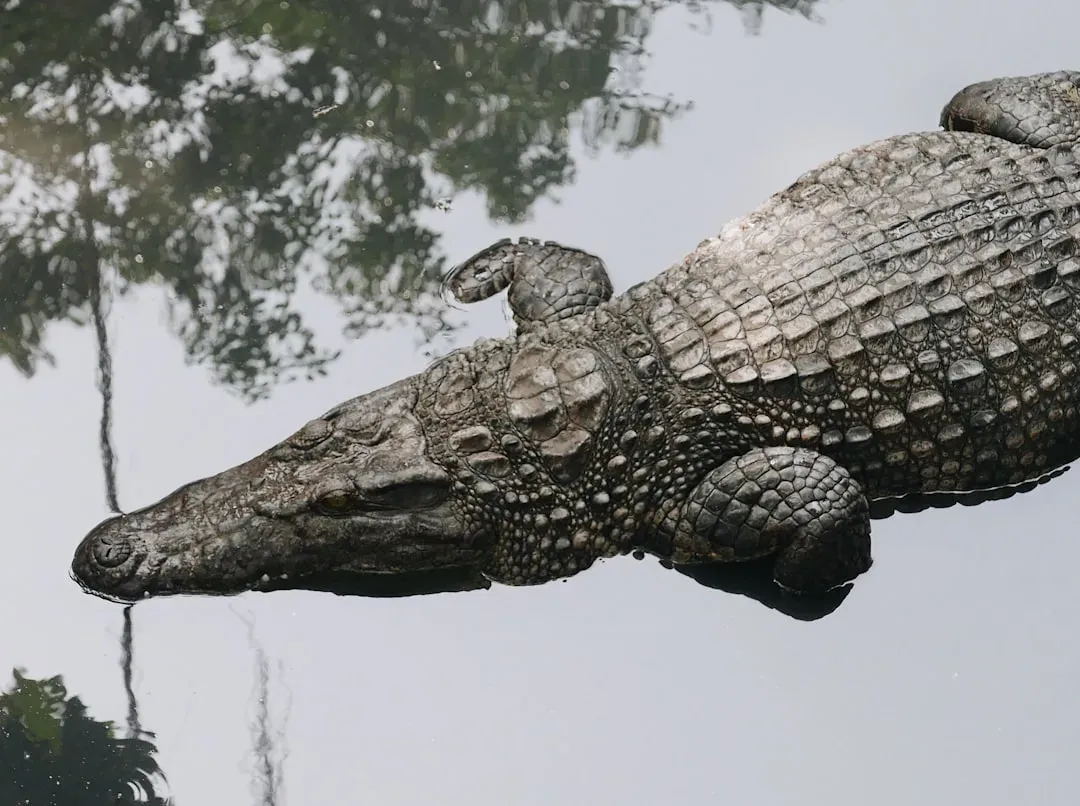
Researchers discovered that crocodiles didn’t actually stop evolving. Instead, crocodiles have kept their distinct features over millions of years and lack diversity because of punctuated equilibrium, or long periods where species are stable. This pattern is like hitting cruise control on the evolutionary highway.
Here’s the thing: This pattern of low evolutionary rates interrupted by occasional bursts of activity is known as “punctuated equilibrium”. This is what we would expect to see in cases where evolution is being driven by external factors like mass extinctions or climate change, rather than intrinsic forces like sexual selection or the arms race between predators and prey.
Researchers used an evolutionary mathematical model to analyze and compare modern crocodiles’ body sizes with fossils of prehistoric crocodiles. The data collected revealed that most prehistoric crocodiles were evolving at a slower rate over time, with a few outliers evolving faster.
The crocodiles that evolved slower were more likely to survive normal Earth-like conditions if there are no pressures to change. The other crocodiles that evolved faster went extinct. Slow and steady really did win the race. Those flashy cousins that tried rapid evolutionary experiments? They’re only fossils now.
Cold-Blooded Efficiency: The Secret Energy Hack
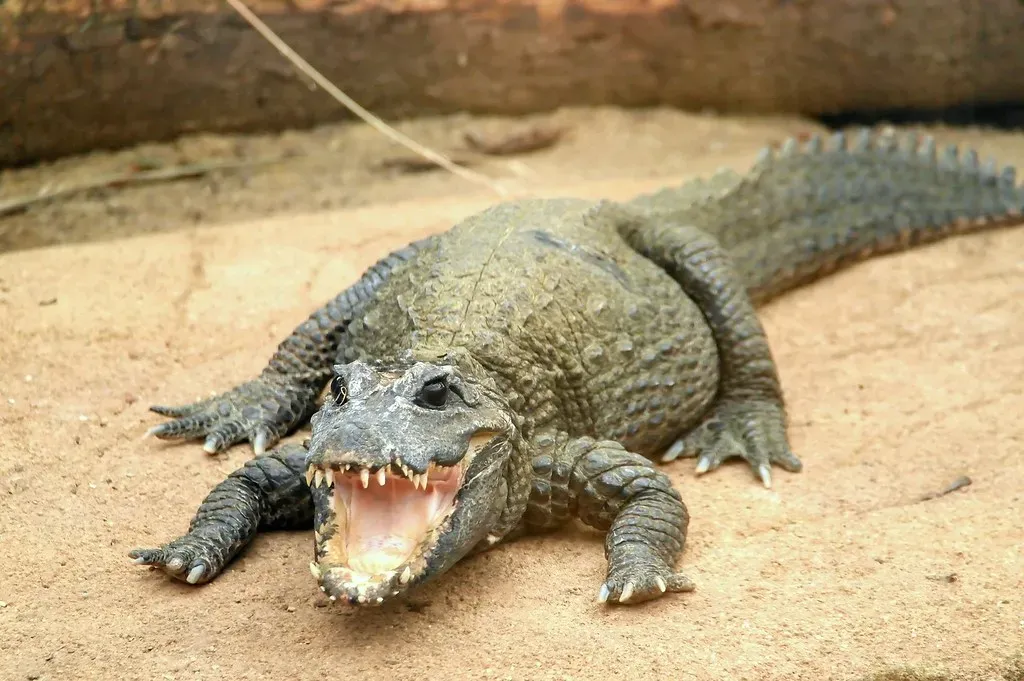
Being cold-blooded might sound like a disadvantage, but it’s actually one of crocodiles’ greatest evolutionary assets. One of the keys to its survival is something one might think of as primitive: cold-bloodedness. Like all reptiles, crocs are ectotherms, which means they must gather heat from their environment. Crocodiles have developed behaviors to control their body thermostat: they bask in the sun when cool and seek shade or water when hot. Ectotherms like crocs don’t need to eat regularly to warm their bodies, and so they save an enormous amount of energy that can be put to other use or stored for later.
Crocodiles have the ability to forgo a meal for months at a time as most of their food intake is efficiently metabolized and stored, conserving the crocodile’s energy for other purposes. On average, a crocodile dines on 50 feasts per year. Imagine only needing to eat roughly once a week. That’s an incredible survival advantage when food becomes scarce.
Their digestive system is equally impressive. Crocodiles have extremely indiscriminate palates, and so their digestive system has adapted to process anything they consume, from crustaceans, mollusks and fish to birds and mammals. The acid level in their gastric secretions is the highest of all vertebrates.
Nothing goes to waste in a crocodile’s stomach. They can digest bones, shells, horns, and hooves that would be impossible for most predators to break down. This adaptability meant they could survive when pickier eaters starved.
Perfect Aquatic And Terrestrial Design
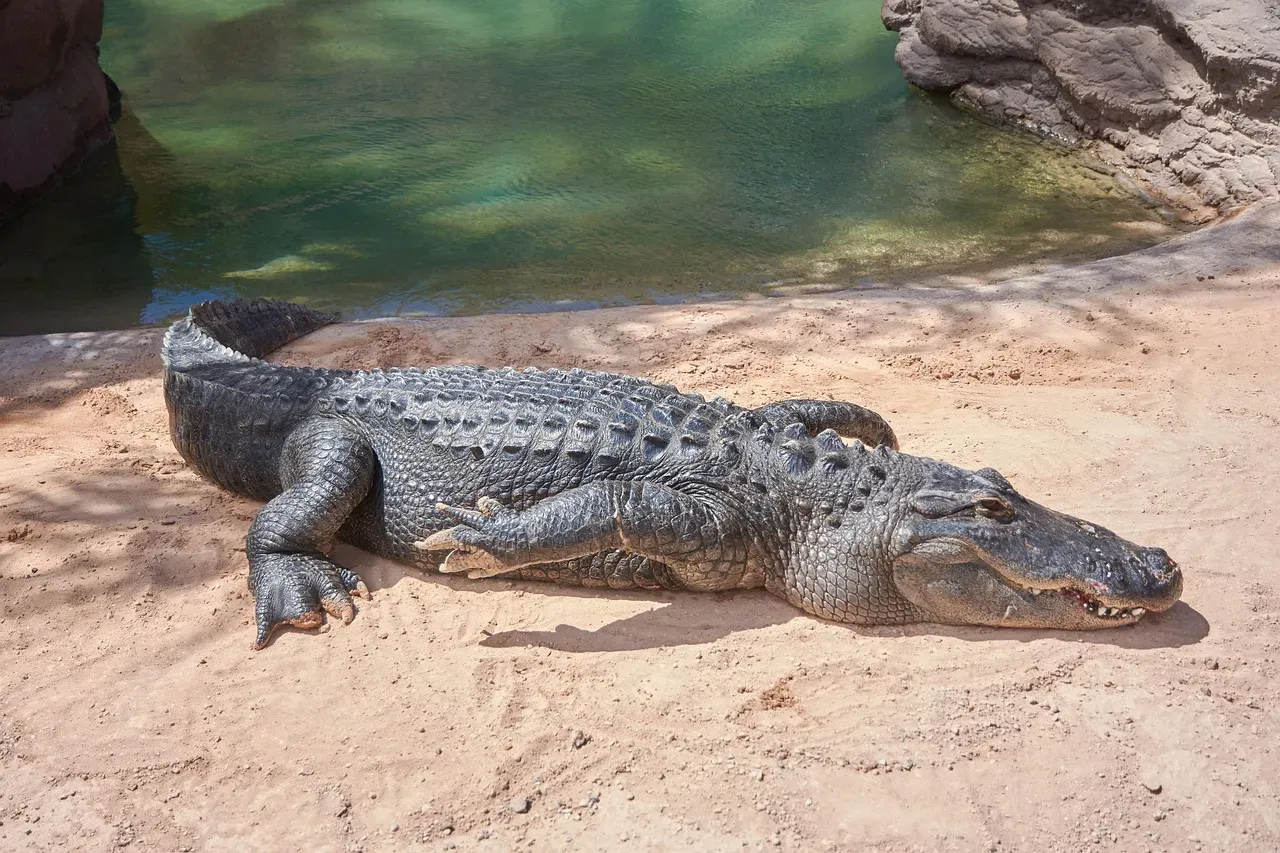
Crocodiles are basically amphibious Swiss Army knives. The nostrils, eyes and ears lie along the top of the head so that the animal can hear, see, smell and breathe when the rest of the body is submerged. This configuration allows them to remain almost completely hidden while monitoring everything above water.
When completely under the water, the ears are covered by small flaps of skin which can be closed to make the ears watertight. The nostrils can also be closed by special muscles, and the eyes have a ‘third eyelid’ which gives protection when diving. Every feature serves multiple purposes with stunning efficiency.
Their jaws deserve special mention. Professor Greg Erickson and his colleagues at Florida State University studied the jaw pressure of crocodiles and found that, while most crocodilians were capable of generating largely similar bite forces, the saltwater crocodile generated the strongest bite. The results of the 11-year study, published in a 2012 issue of “PLoS One,” show the bite force of these animals to be approximately 3,700 pounds per square inch – the strongest bite force ever measured.
With the most highly developed and complex brains of all reptiles, crocodiles possess keen awareness and a strong learning ability. They’re not mindless eating machines. Some have been observed using tools, like positioning sticks to lure nest-building birds. Intelligence combined with raw power is a formidable combination.
When The Environment Changes, So Do Crocodiles
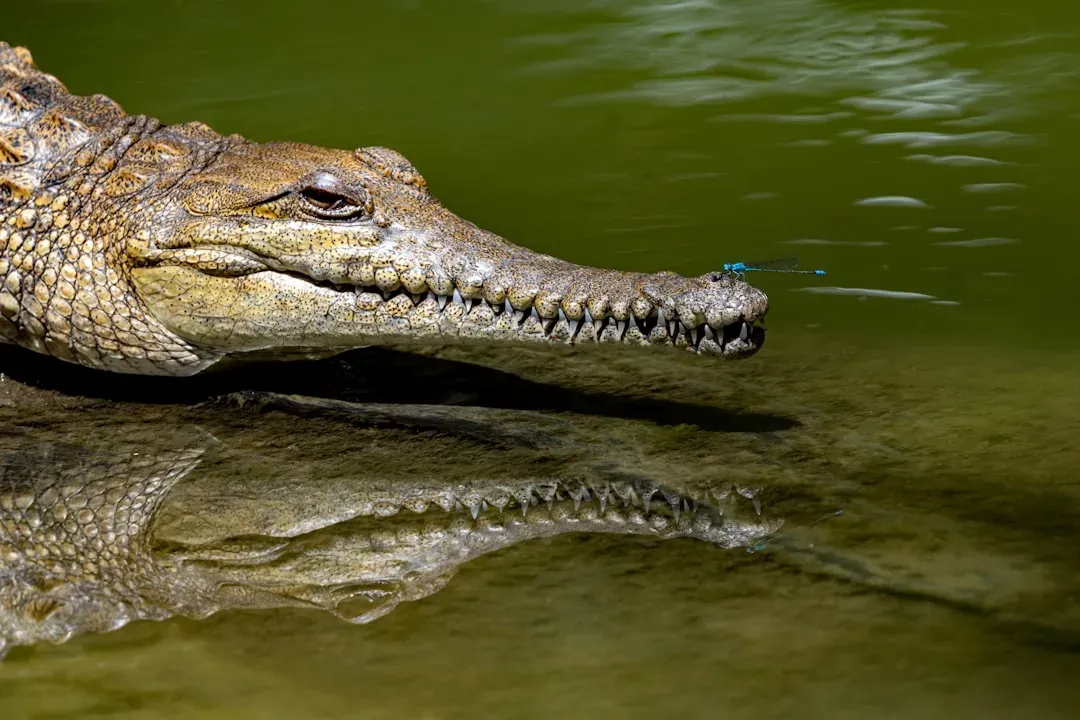
When crocodilian evolution does happen at pace, it is likely that this is because the environment has changed and has forced them to adapt. Temperature appears to play a crucial role. The researchers found that the evolution of crocodiles is accelerated in a warmer climate, and their body size increases.
The prehistoric world saw far more crocodile diversity than we see today. This has included fast runners, ocean-going swimmers, burrowers, bipeds and herbivores. Some ancient crocodilians were completely unlike their modern descendants, experimenting with lifestyles we’d never associate with crocodiles now.
The more rapidly evolving species didn’t appear independently, instead tending to emerge together when the climate was warmer. Warmer periods sparked evolutionary innovation, while cooler, stable periods favored the classic crocodile design.
What killed off those exotic relatives? This may also explain why the crocodilians’ more unusual kin became extinct. The specialists couldn’t adapt when conditions shifted. The generalists – the crocodiles we know today – could roll with the punches because their body plan worked in multiple environments.
Conclusion: Evolutionary Success Through Stubborn Efficiency
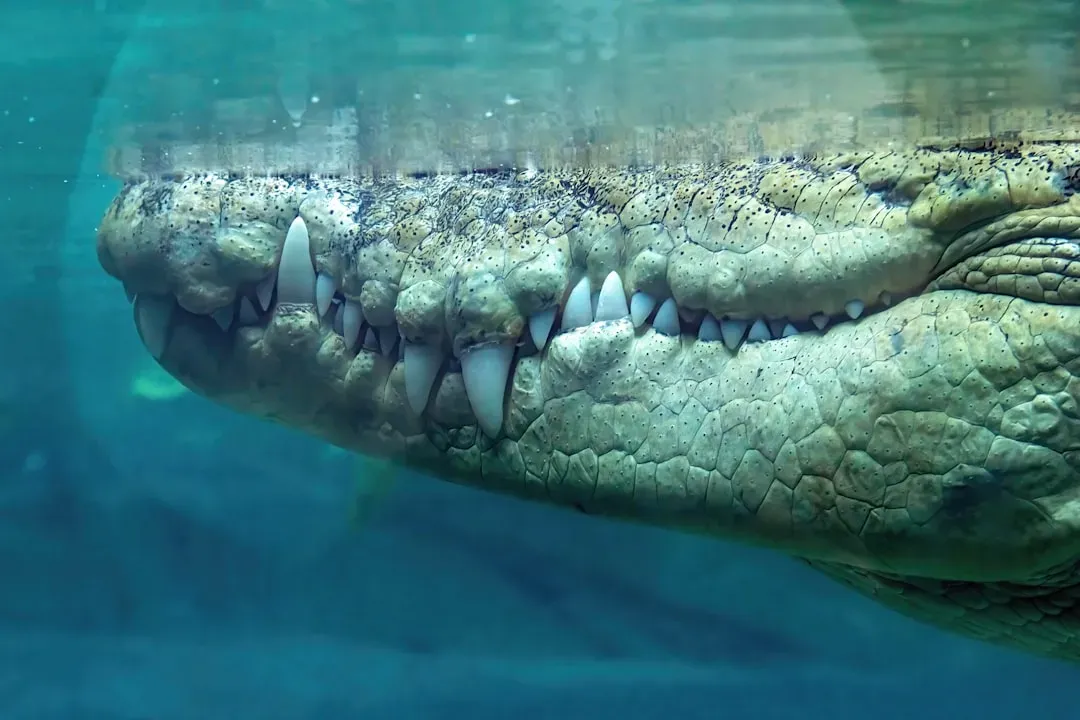
Crocodiles teach us that evolution isn’t always about constant change and endless diversification. Sometimes the most successful strategy is finding what works and refusing to fix what isn’t broken. These reptiles witnessed the age of dinosaurs, survived catastrophic extinctions, and watched mammals and birds explode into dizzying variety while they stayed the course.
Their secret wasn’t stagnation but strategic stability. Having developed an incredibly successful suite of adaptations, crocodilians have remained relatively unchanged over the last 200 million years. They evolved just enough, exactly when they needed to, and no more.
In a world obsessed with innovation and constant improvement, crocodiles remind us that perfection doesn’t need updates. They found their niche, mastered it completely, and became living proof that sometimes the old ways really are the best ways.
What do you think – is their evolutionary conservatism a weakness or their greatest strength? The fact that they’ve outlasted countless other species might just answer that question.

- 10 Remarkable Facts About the African Cheetah: The Lightning of the Grasslands - July 29, 2026
- 10 Most Heroic Horses in History - July 29, 2026
- Why You Should Never Play Dead When Attacked by a Black Bear - July 29, 2026