
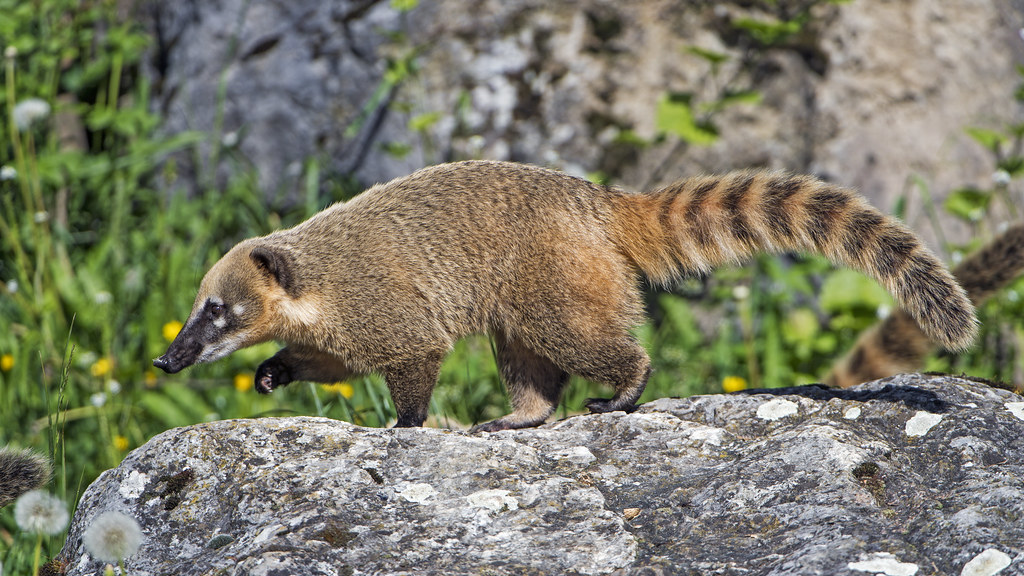
Have you ever heard of a coati? If the answer is no, you’re not alone. These fascinating creatures are relatives of the raccoon, yet they remain largely unknown to many people around the world. With their elongated snouts, ringed tails, and social nature, coatis are truly one of the most intriguing mammals roaming the forests of the Americas.
Think of them as the raccoon’s more mysterious cousin, with a personality all their own. From their acrobatic climbing skills to their complex social lives, coatis have so much more to offer than meets the eye. Let’s dive in and discover what makes these animals so remarkable.
They’re Master Tree Climbers Who Can Descend Headfirst
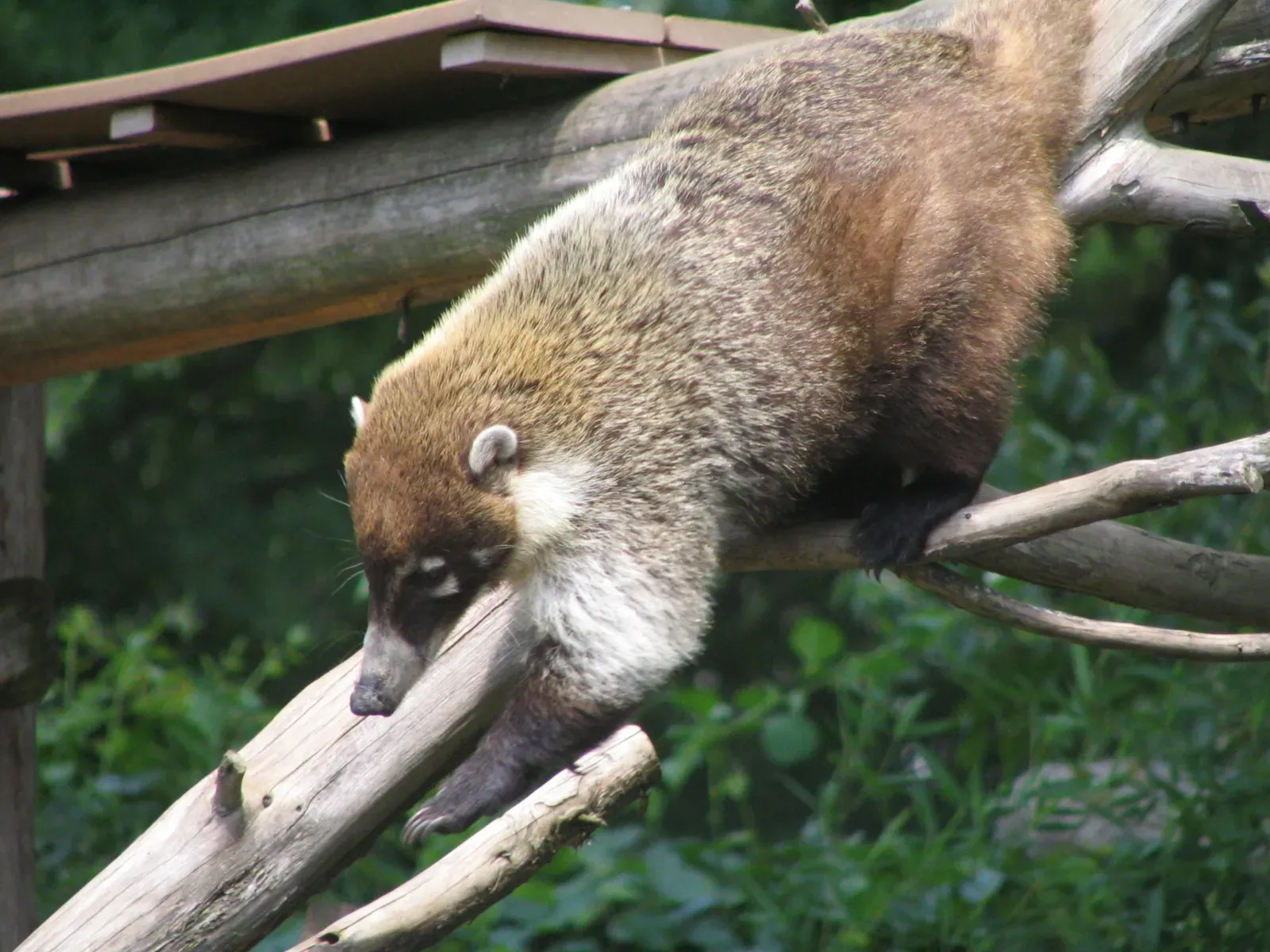
Coatis possess double-jointed ankles that can rotate 180 degrees, which is a rare ability in the animal kingdom. This extraordinary adaptation allows them to climb down tree trunks headfirst, something most mammals simply cannot do. It’s hard to say for sure, but this skill probably evolved to help them escape predators quickly and access food in hard-to-reach places.
Equipped with powerful claws, swiveling ankles and a long tail for balance, coatis are adept climbers who are equally at home searching for food on the ground, in the treetops or on cliff faces. Their ability to navigate vertical spaces gives them access to a huge variety of resources throughout the year. They don’t just climb for fun, they climb for survival.
These animals turn treetops into bedrooms, even building comfy twig-and-leaf nests in branches for their babies. At night, they retreat to the safety of the canopy where predators have a harder time reaching them. Watching a coati scurry down a tree trunk upside down is genuinely impressive.
Their bear-like paws combined with those rotating ankles make them surprisingly agile. Some researchers have compared their climbing prowess to that of primates, though coatis belong to a completely different family. If you ever spot one in the wild, you might see it leap from branch to branch with remarkable confidence.
Honestly, their acrobatic skills put many other tree-dwelling animals to shame. The combination of strength, flexibility, and balance is something to behold. It’s these kinds of adaptations that make coatis so well-suited to life in diverse forest environments.
Female Coatis Have Bigger Brains Than Males
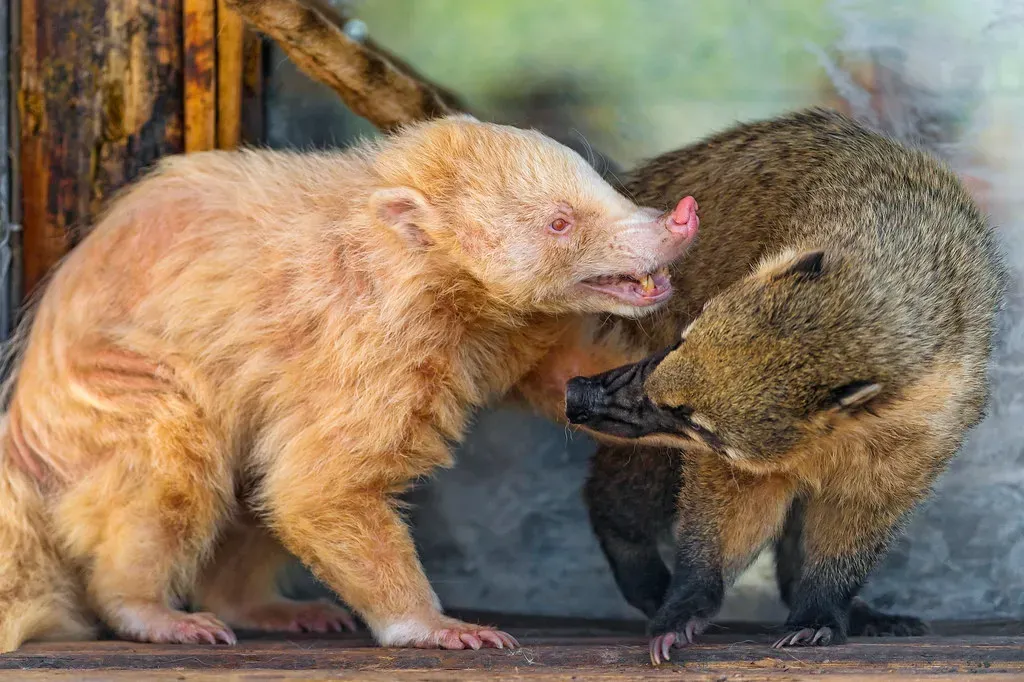
Here’s the thing: not all coatis are created equal when it comes to brain power. Scientists compared brain size of males and females in three procyonid species, finding that the only sex difference in neural brain tissue was in the social coatis, where females possessed a larger frontal cortical volume than their male counterparts due to their expanded, lifelong social ties. This is absolutely fascinating from an evolutionary standpoint.
The reason behind this difference? Social complexity. Female coatis are very social, and because they live in social groups, they were found to have substantially larger frontal cortical volume compared to both raccoons and kinkajous and their own male counterparts. Managing relationships, remembering social hierarchies, and coordinating group activities all require significant cognitive resources.
Female coatis form large social groups called bands, and sociality plays a huge role in their collective survival, as they are able to keep score on other coatis with which they have had positive or negative interactions. They even come to the aid of their friends during aggressive confrontations with other group members. That level of social awareness demands serious brainpower.
Living with one has been likened to keeping a super smart toddler who never matures. Their intelligence makes them curious, resourceful, and occasionally mischievous. Female coatis use their smarts to navigate the complexities of group living, from sharing food to protecting young that aren’t even their own.
Meanwhile, male coatis live mostly solitary lives and don’t need the same level of social cognition. Their brains reflect this difference. Nature has essentially customized their neural architecture based on lifestyle needs, which I find utterly remarkable.
They Were Once Thought to Be Two Different Species
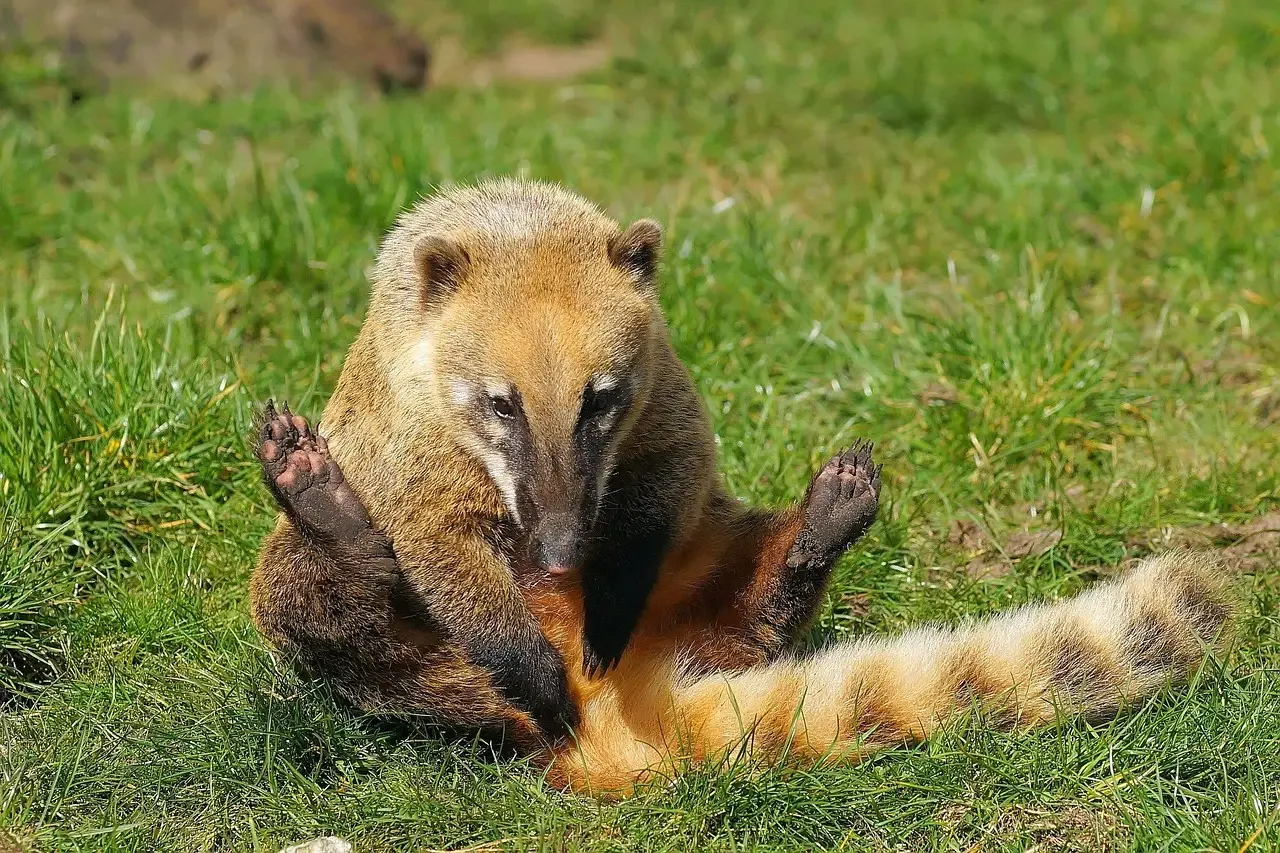
Biologists initially described the solitary males as a separate species due to the difference in social structure and males being larger than females, and the use of coatimundi, meaning lone coati in Guarani, for males reflects this error. It sounds crazy, but early naturalists were genuinely confused by the dramatic differences between male and female coatis.
The males can become almost twice as large as females and sport impressive canine teeth for fighting with rivals. They wander alone through the forest, while females travel in noisy groups of up to thirty individuals. To someone observing them in the wild without modern scientific tools, they certainly could appear to be entirely different animals.
The name coatimundi or coati-mondi meaning lone coati in Guarani came about as a result of biologists describing solitary male coatis that they believed at the time to be a separate species. Once DNA analysis and closer observation revealed the truth, scientists realized their mistake. Now we know that all coatis belong to the same species, just with very different social behaviors based on sex.
The name stuck around though. Some people still refer to solitary males as coatimundis, even though technically the term applies to all coatis. Language evolves slower than scientific understanding sometimes.
This historical mix-up reminds us how important careful observation and modern technology are in understanding wildlife. What appears obvious on the surface can be surprisingly complex underneath.
Ancient Mayans Believed Coatis Had Supernatural Powers
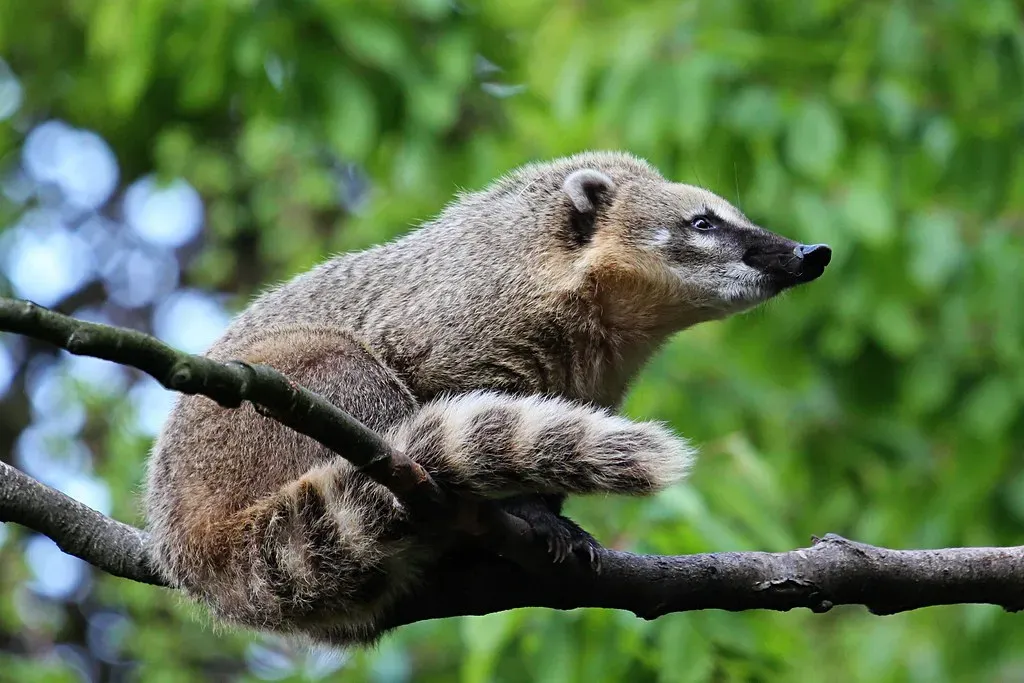
Ancient Mayan people revered coatimundis, believing they could talk and possessed supernatural powers. This deep cultural significance shows just how long these animals have captivated human imagination. In Mayan folklore, coatis weren’t just ordinary forest creatures but beings with extraordinary abilities.
Mayan folklore depicts the coati as a friendly helper who helps the Mayan Hero Twins defeat the gods of the underworld in a ballgame. This mythological role placed coatis alongside some of the most important characters in Mayan cosmology. They were seen as clever, resourceful allies to humanity.
The reverence makes sense when you consider the coati’s intelligence and distinctive appearance. Their flexible snouts and social behavior would have made them stand out among other forest animals. Indigenous peoples often attributed spiritual significance to creatures that seemed particularly intelligent or unusual.
In various indigenous cultures of Central and South America, coatis still appear in oral traditions as mischievous tricksters. Their curious nature and bold behavior around humans probably contributed to these characterizations. I think there’s something genuinely special about an animal that inspires such rich storytelling.
Today, while we understand coatis through a scientific lens, that cultural connection remains important. Protecting these animals means preserving a living link to ancient traditions and beliefs.
Their Noses Can Rotate Up to 60 Degrees
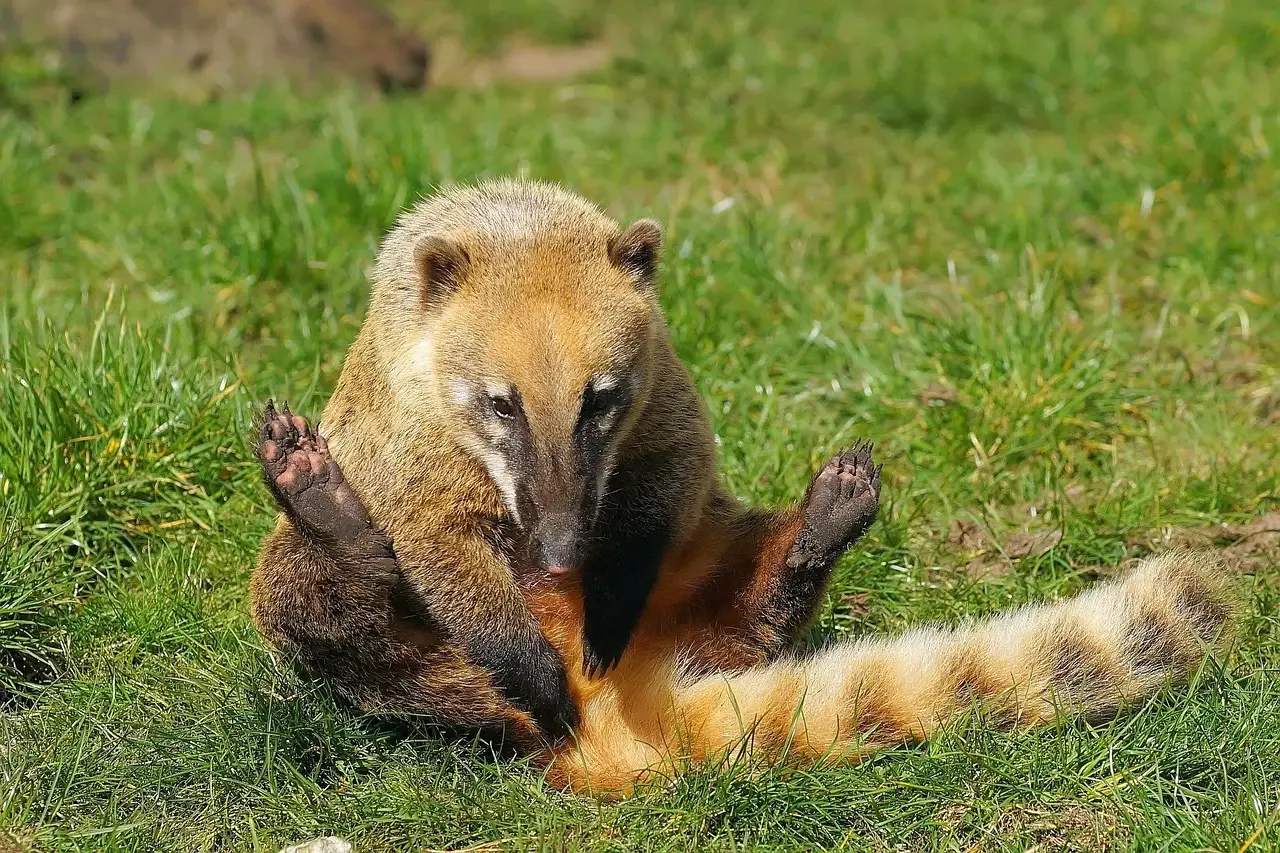
Their highly flexible snout can rotate up to 60 degrees in any direction, making them incredibly efficient at sniffing out food hidden underground or in crevices. This remarkable adaptation is one of the coati’s most distinctive features. Imagine having a nose you could swivel around like a joystick to explore every nook and cranny.
They use their long, flexible nose to probe gaps between rocks and search under piles of leaves for grub. The snout works almost like a combination of a nose and a hand, allowing coatis to investigate spaces their paws can’t reach. It’s beautifully suited to their opportunistic feeding style.
The snout has earned them the nickname hog-nosed raccoon in some regions. When you watch a coati forage, you can see why. They root through leaf litter and soil much like a pig searching for truffles, their sensitive noses leading the way to hidden insects and other treats.
The snout, with an acute sense of smell, assists the paws in a hog-like manner to unearth invertebrates. This combination of olfactory power and physical dexterity makes coatis exceptionally skilled foragers. They can detect food sources that other animals might miss entirely.
Their elongated, upturned nose is also incredibly expressive. Coatis use it for social communication, touching noses with band members during greetings. It’s both a tool and a means of connection, serving multiple crucial functions in their daily lives.
Males Are Banned From Female Groups Most of the Year
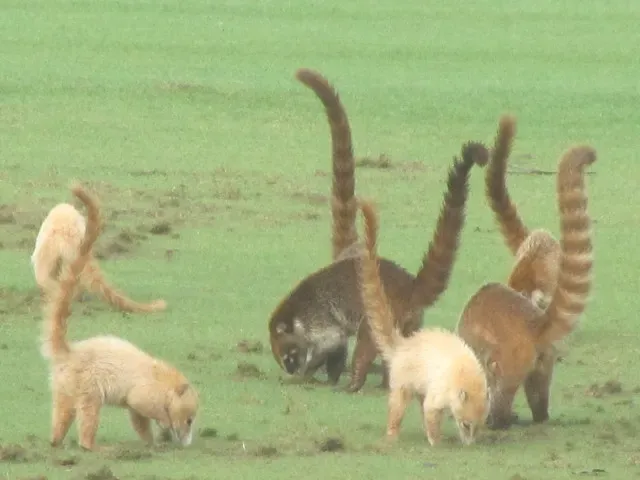
Let’s be real: male coatis don’t have it easy when it comes to social life. At age two, males leave to live on their own, beginning a largely solitary existence that lasts most of their lives. They’re essentially kicked out of the family group once they reach maturity.
Coatimundi live in groups of females and their young, while males live generally solitary lives and are only allowed in the group for mating, to prevent males from eating the young, and for the same reason, young male coatis are ejected from the group when they reach 2 years of age. This harsh reality shapes the entire adult male experience.
Female groups actively exclude males outside of breeding season. They work together to chase away any males who try to join them, defending their food sources and protecting their young from potential infanticide. The females are larger in number and fiercely protective of their bands.
During breeding season, things change temporarily. Males approach female troops and attempt to gain acceptance, often through submissive grooming behaviors. If a male successfully integrates, he may mate with multiple females in the group before being expelled again once the season ends.
This solitary male lifestyle means they develop different foraging strategies and face different risks. They tend to catch more vertebrate prey like lizards and rodents since they hunt alone, while females in groups focus more on invertebrates using their collective olfactory senses. The social divide creates two distinct ways of life within the same species.
They Sleep With Their Noses Tucked Into Their Bellies
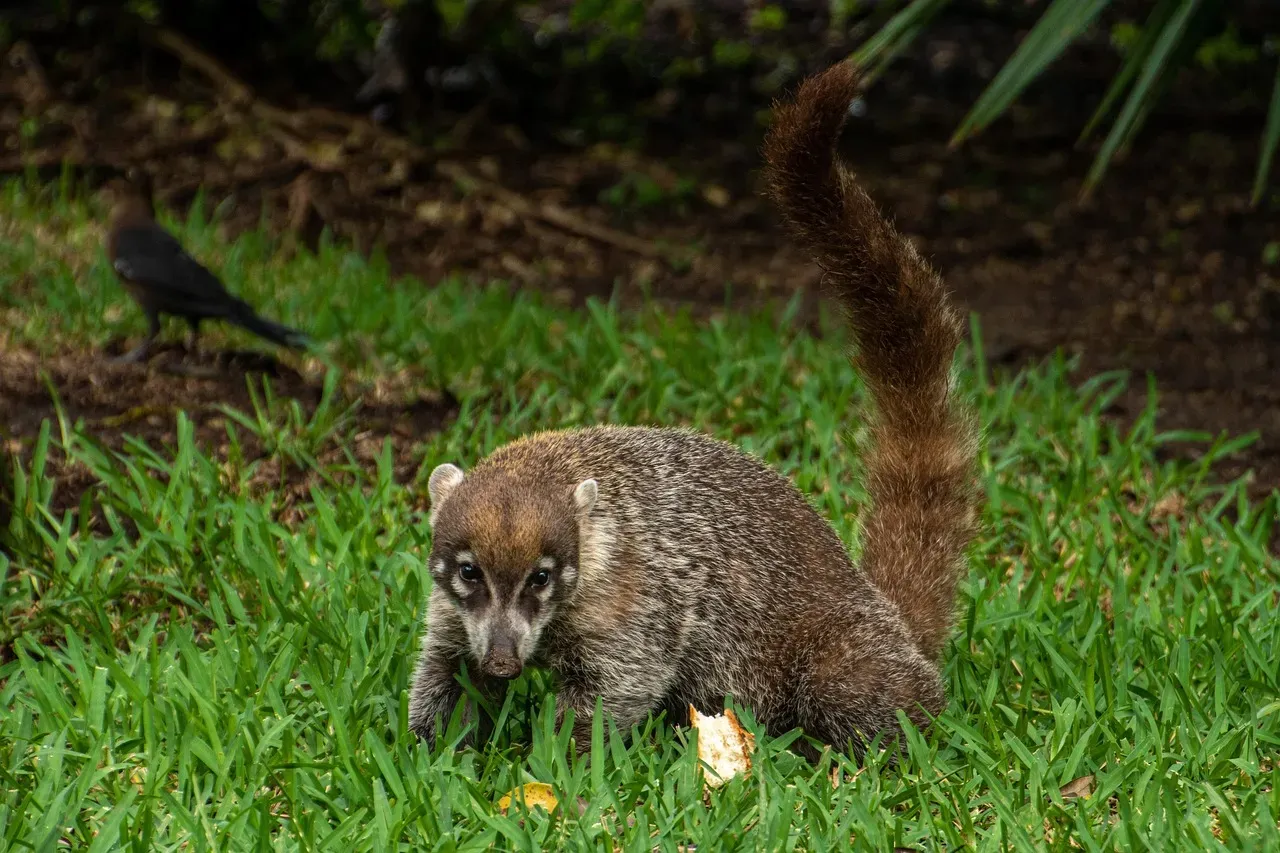
As a coati sleeps, it tucks its nose into its belly, creating an adorable curled-up ball of fur. This sleeping position is so characteristic that it actually inspired part of the coati’s name. Watching one sleep is guaranteed to make you smile.
The name coatimundi is thought to come from Tupian language which is indigenous in South America, where the word kua’ti is a mixture of cua which translates to belt and tim, which means nose, which references the way coati sleep with their nose tucked into their belly. The indigenous peoples who first named these animals clearly observed them closely enough to notice this endearing habit.
Unlike their raccoon cousins who are nocturnal, coatis are active during the day and sleep at night. They seek out safe spots in the trees, building simple nests from twigs and leaves, then curl up for the night with their flexible noses tucked in tight. It probably helps conserve body heat and protect their sensitive snouts.
Picture roughly a dozen coatis all curled up together in the treetops, a living ball of warmth and security. Group sleeping offers protection from predators and helps maintain social bonds. Even in rest, their social nature shines through.
This sleeping position is just one of many charming behaviors that make coatis so appealing to wildlife observers. Their combination of practical adaptations and cute habits creates an irresistible package.
They Can Travel Over a Mile Each Day Searching for Food
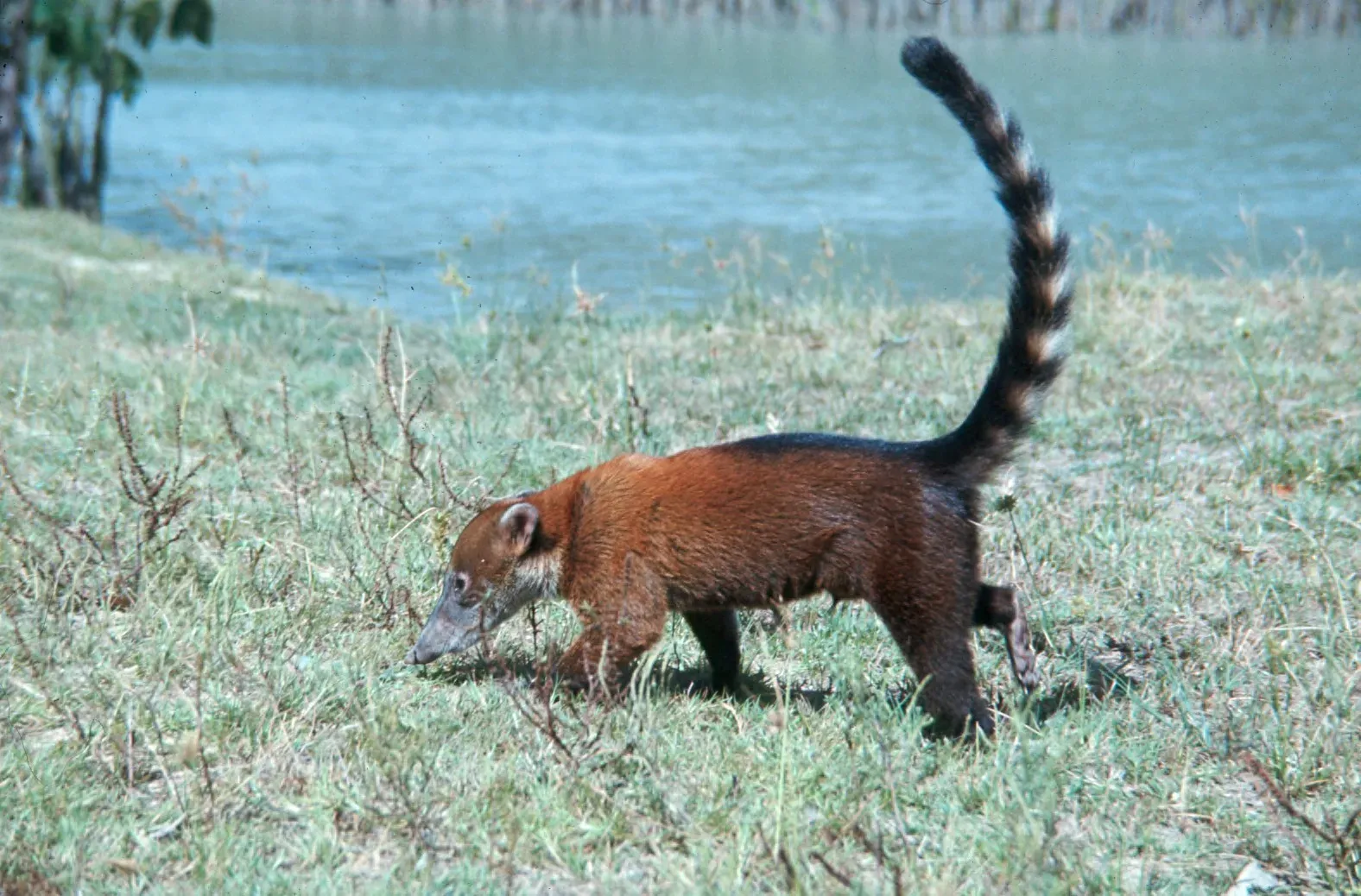
White-nosed coatis travel as far as 2,000 meters in a one day seeking food, which translates to well over a mile of daily wandering. These animals are constantly on the move, their entire day revolving around the search for their next meal. It’s an exhausting lifestyle that requires tremendous energy.
Their omnivorous diet drives this restless foraging behavior. Coatis are omnivores whose diet consists mainly of ground litter, invertebrates such as tarantula, and fruit. Finding enough variety to meet their nutritional needs means covering substantial territory each day.
Bands of females move together through the forest, creating quite a spectacle. They’re noisy travelers, clicking, grunting, whistling, and barking as they forage. This constant communication helps them stay coordinated and alerts others to food discoveries or potential dangers.
The coati’s diet can shift with seasons and availability. When fruit is abundant, they feast on it, playing a vital role as seed dispersers. When insects are more plentiful, they focus their attention on digging through leaf litter and overturning logs. Their flexibility in both diet and ranging behavior helps them thrive in varied environments.
Solitary males likely travel even farther since they don’t have the benefit of group foraging. They need to find enough food to sustain their larger body mass without help from others. It’s a demanding existence that requires both intelligence and stamina.
They Help Forests Grow by Dispersing Seeds
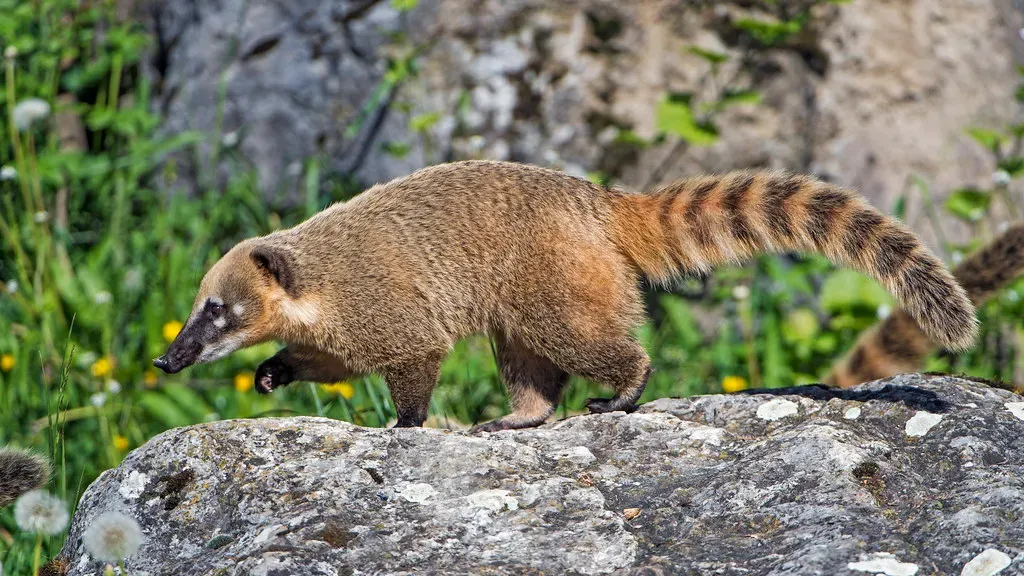
Coatis have been found to ingest and transport the seeds of 49 different plant species over large distances, and healthy populations of seed dispersers play an important role in maintaining the regenerative ability of their habitats. This ecological service makes coatis essential partners in forest health and regeneration.
When coatis eat fruit, they consume the flesh but pass the seeds through their digestive systems intact. As they travel their daily routes, they deposit those seeds in new locations, often far from the parent plant. This process helps plants colonize new areas and maintain genetic diversity across the landscape.
They also disperse seeds when eating fruit, and aerate the soil with their long noses, enabling it to absorb nutrients and water more efficiently. Their constant digging and rooting through soil creates tiny channels that improve soil structure. It’s like they’re tiny, furry gardeners maintaining the forest ecosystem.
Protecting coatis may well be a vital step in ensuring the longevity of rainforests. If coati populations decline, the plants that depend on them for seed dispersal could struggle to reproduce successfully. The interconnectedness of forest ecosystems means that losing one piece can have cascading effects.
Beyond seed dispersal, coatis help control insect populations by consuming beetles, grubs, termites, and other invertebrates. They’re mid-level players in the food chain, but their impact on forest health far exceeds what you might expect from such modestly sized mammals. I know it sounds dramatic, but losing coatis could genuinely alter entire ecosystems.
A Small Population Lives Wild in England
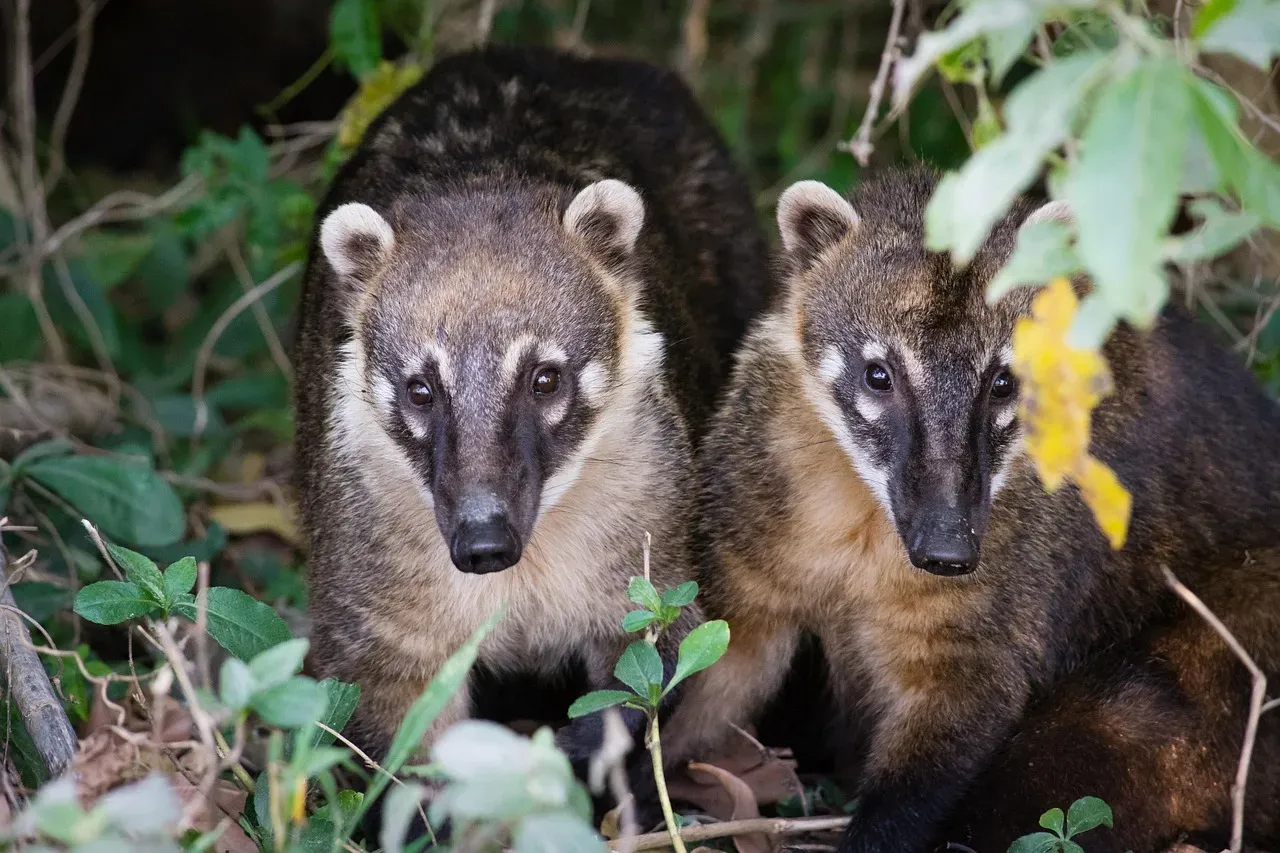
Around 10 coatis are thought to have formed a breeding population in Cumbria, UK, thousands of miles from their native range. This unexpected colony demonstrates just how adaptable these animals can be when given the chance. It’s both impressive and concerning.
A small population of ring-tailed coatis has even been discovered in Cumbria, UK, and it is thought that this group was founded by escapees from the exotic pet trade. These coatis didn’t swim across the Atlantic; they were brought to England as exotic pets and either escaped or were released by owners who couldn’t handle them.
The fact that they’ve managed to establish a breeding population in the cool, damp climate of northwest England is remarkable. Coatis typically inhabit tropical and subtropical regions, yet these individuals have proven capable of surviving in a completely different environment. Their success highlights both their resilience and the potential risks of the exotic pet trade.
Coatis pop up in unexpected places worldwide due to the pet trade. A coati even appeared in the Netherlands recently, nearly six thousand miles from its natural range. These incidents remind us that wild animals don’t respect human boundaries and can establish themselves in places we never anticipated.
The Cumbria population raises important questions about invasive species and ecosystem balance. While coatis aren’t currently causing major problems in England, their presence there isn’t natural and could potentially impact native wildlife. It’s a complicated issue without easy answers.
Conclusion: The Coati’s Place in Our World
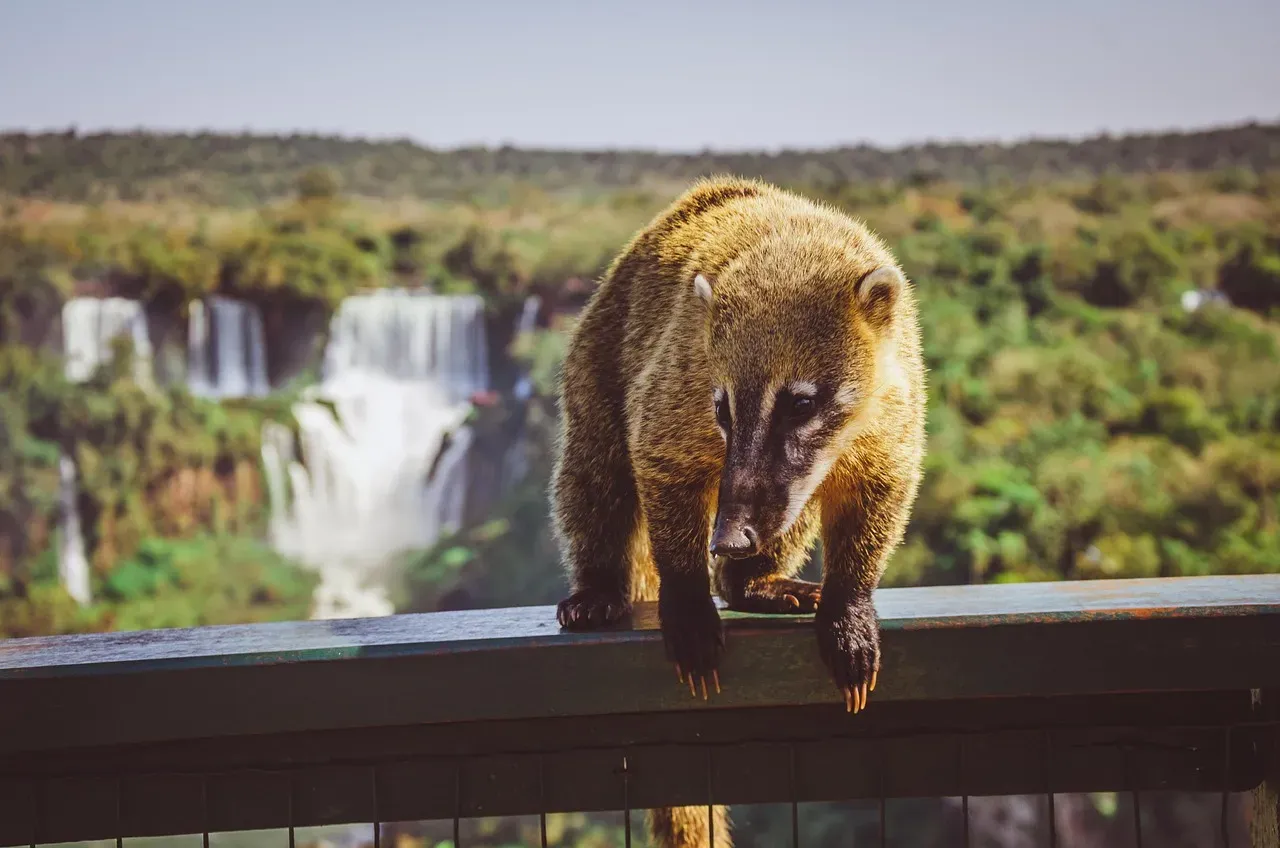
Coatis embody the complexity and wonder of the natural world. From their rotating ankles to their sophisticated social structures, these animals have evolved remarkable adaptations for survival. They’re intelligent, resourceful, and play crucial roles in maintaining healthy forest ecosystems across the Americas.
Yet despite their importance, coatis face mounting pressures from habitat loss, hunting, and the exotic pet trade. Deforestation continues to fragment their forest homes, while human-wildlife conflict increases as agricultural lands expand. Understanding and appreciating these fascinating creatures is the first step toward ensuring their survival.
The next time you’re exploring a forest in Central or South America, keep your eyes peeled for that distinctive upright tail moving through the vegetation. If you’re lucky enough to spot a band of coatis foraging together, take a moment to appreciate the millions of years of evolution that shaped their unique characteristics. These animals are living testaments to nature’s creativity and resilience.
Their story reminds us that the natural world still holds surprises and that even relatively unknown animals can play outsized roles in their ecosystems. What did you think about these amazing facts? Have you ever encountered a coati in the wild?

- 10 Countries at Serious Risk of Disappearing if Sea Levels Rise - July 28, 2026
- What To Do If You Come Across a Black Bear While Hiking in Oregon - July 28, 2026
- How a Tiny Snail Takes Down a Fish With Bullet-Like Acceleration - July 28, 2026