

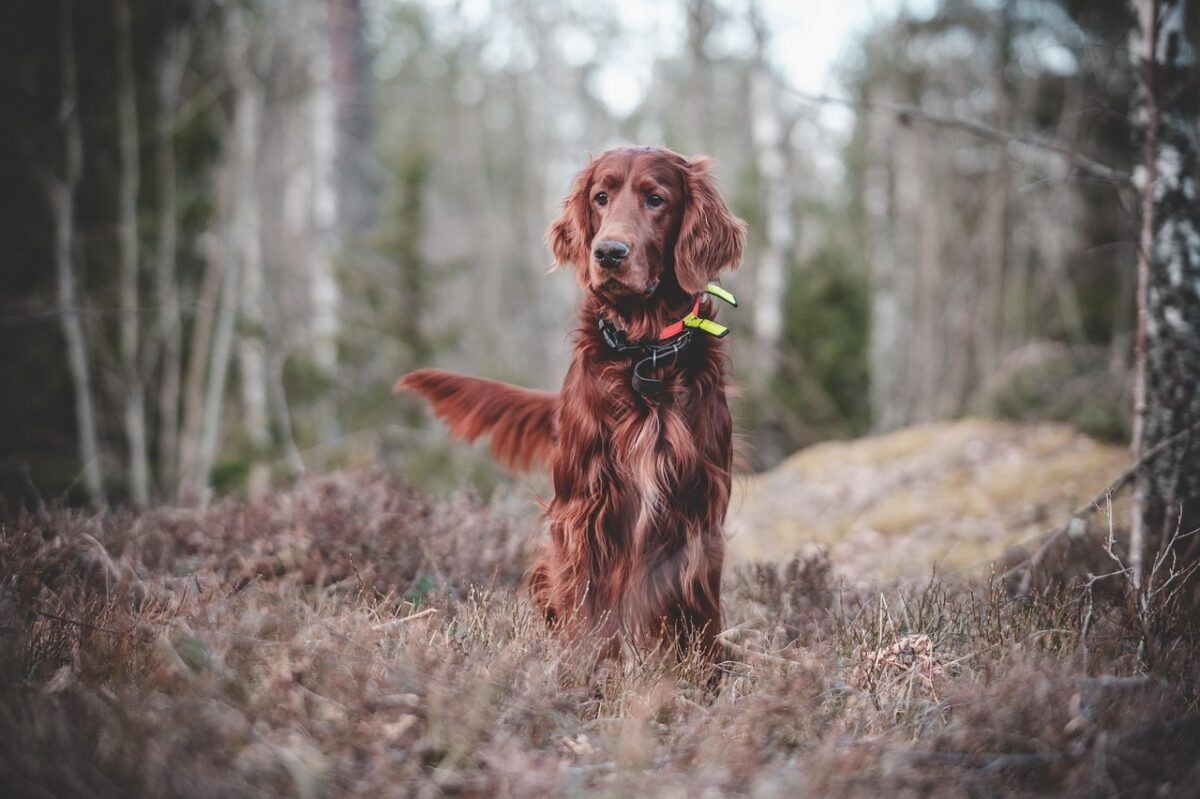

Recognizing the Roots of Stubborn Behavior (Image Credits: Pixabay)
Owners of independent-minded dogs often face frustration when basic commands meet resistance, yet these challenges present opportunities to build stronger bonds through targeted training.
Recognizing the Roots of Stubborn Behavior
A surprising number of dogs labeled as stubborn simply respond to their environment in ways that reflect their breed traits or past experiences. Breeds such as Bulldogs, Huskies, and Terriers frequently display high independence, which can mimic defiance during training sessions. Experts emphasize that this behavior stems from a desire for autonomy rather than outright disobedience.
Understanding these dynamics shifts the focus from punishment to partnership. Owners who misinterpret a dog’s hesitation as willful neglect miss chances to address underlying needs like mental stimulation or clear communication. By observing patterns in your dog’s responses, you lay the groundwork for more effective sessions. This insight alone transforms overwhelming struggles into manageable steps forward.
Embracing Patience and Positive Reinforcement
Patience emerges as the cornerstone of success when dealing with headstrong pups, as rushing leads to heightened resistance. Trainers recommend starting with short, rewarding interactions that celebrate small victories, using high-value treats to associate commands with pleasure. This approach gradually erodes barriers, turning reluctance into enthusiasm.
Positive reinforcement proves far more impactful than corrective measures, fostering trust without fear. For instance, rewarding a sit command immediately reinforces the action, while ignoring unwanted behaviors prevents reinforcement of negatives. Consistency in delivery ensures the dog connects the dots reliably. Over time, this method not only improves obedience but also deepens the emotional connection between owner and pet.
Maintaining Consistency Across Daily Routines
Stubborn dogs thrive on predictable structures, where mixed signals only amplify confusion and pushback. Establishing firm rules from the outset, such as designated mealtimes or walking protocols, creates a framework that guides behavior naturally. Owners who apply the same expectations in every setting report quicker adaptations.
To build this consistency, family members must align on training cues and responses, avoiding the pitfalls of varying approaches. Tools like leashes and harnesses aid in enforcing boundaries during outings, while indoor practice reinforces home habits. Tracking progress through a simple journal helps identify what works best for your dog. Ultimately, this steady environment reassures the animal, reducing the instinct to test limits.
Incorporating Exercise and Mental Challenges
Physical activity serves as a powerful outlet for pent-up energy that often fuels stubborn tendencies, with under-exercised dogs more prone to ignoring commands. Daily walks or play sessions tire the body, making focused training easier to absorb. Integrating puzzle toys or scent games adds a cognitive layer, engaging the dog’s natural instincts productively.
Here are some practical ways to blend exercise with training:
- Combine fetch with recall practice to reward returns with throws.
- Use agility obstacles at home to teach directional cues like left or right.
- Incorporate short obedience drills during walks, pausing to reinforce sits at crosswalks.
- Rotate activities weekly to prevent boredom and maintain interest.
- End sessions on a high note with praise and a favorite toy.
This holistic strategy not only curbs defiance but also promotes overall well-being, leading to a calmer, more responsive companion.
Knowing When to Seek Expert Guidance
While home efforts yield results for many, persistent challenges may signal the need for professional intervention to avoid entrenched bad habits. Certified trainers offer personalized assessments, identifying nuances like anxiety or health issues that mimic stubbornness. Early involvement prevents escalation and equips owners with advanced techniques.
Programs such as board-and-train options provide immersive environments where dogs learn without daily distractions. Owners benefit from follow-up sessions to maintain gains at home. Resources from organizations like the Association of Professional Dog Trainers connect you with vetted experts. Investing in this support often proves transformative, yielding a harmonious household faster than solo attempts.
Key Takeaways
- Patience and positivity outperform force in building obedience.
- Consistency across routines eliminates confusion and builds trust.
- Exercise paired with mental stimulation channels energy constructively.
Training a stubborn dog demands commitment, but the rewards of a loyal, responsive partner far outweigh the effort. As you implement these strategies, celebrate progress and adjust as needed – what works for one dog may evolve for another. What challenges have you faced with your pup’s training? Share your experiences in the comments below.

- Urban Coyotes Show Remarkable Adaptability, Learning to Thrive in City Environments - July 22, 2026
- Beavers Are Nature’s Engineers, Creating Vital Habitats for Other Wildlife Species - July 21, 2026
- The Recovery of the California Condor Offers Hope for Other Critically Endangered Birds - July 21, 2026