
When you imagine a place without water, where temperatures could kill in minutes, or darkness so complete that sunlight never penetrates, you might think nothing could survive. You’d be wrong. Our planet is home to some truly astonishing creatures that don’t just endure extreme environments, they actually thrive in them.
These organisms have evolved incredible adaptations over millions of years. From the frozen wastelands of Antarctica to the scorching deserts of Africa, and even down to the crushing depths of the ocean floor, life finds a way. What’s their secret? Let’s explore ten of the most fascinating animals that call the planet’s harshest places home.
Emperor Penguins: Masters of the Antarctic Winter
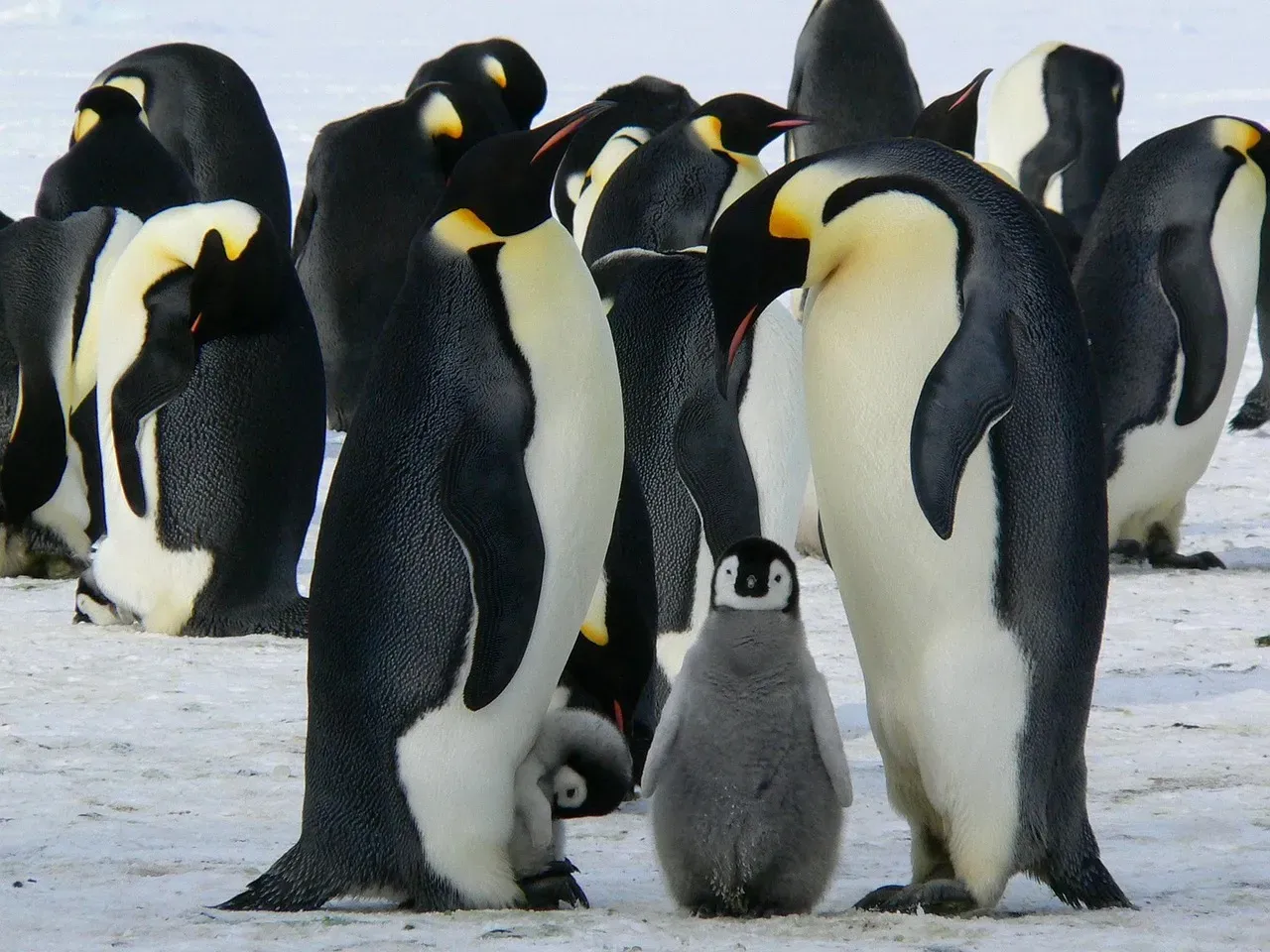
These hardy flightless birds spend the mating season in Antarctica, where temperatures routinely drop to −40 °F (−40 °C). Honestly, it’s hard to imagine anything more brutal than that. The colony survives such life-threatening cold by gathering together in a huge group to share warmth and minimize individual exposure to the elements, with penguins at the outer fringes of the huddle brought into the middle at regular intervals so every member is given the opportunity to warm up.
They are capable of diving to depths of about 550 metres (1,800 feet) in search of food, which makes them Earth’s deepest-diving birds. Male emperor penguins also endure one of nature’s toughest tests. During the brutal Antarctic winter, they incubate eggs on their feet under a flap of skin for roughly two months without eating anything at all. It’s a level of dedication that borders on the extreme.
These penguins have evolved multiple strategies for surviving in one of the most inhospitable places on Earth. Their compact bodies minimize heat loss, and their dense feathers provide exceptional insulation against the relentless cold winds. They’re living proof that cooperation and adaptation can overcome almost anything nature throws your way.
Tardigrades: The Nearly Indestructible Water Bears
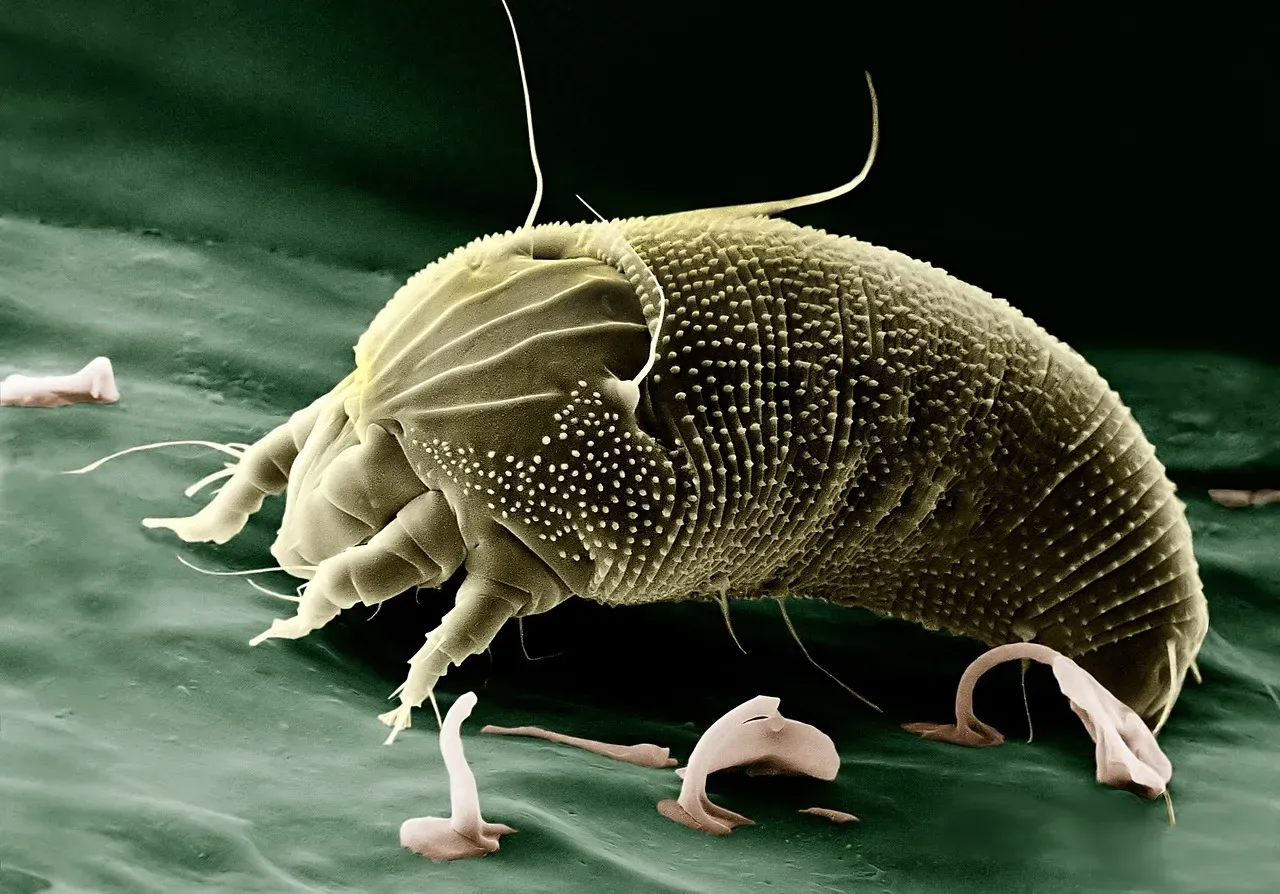
Also known as water bears, the bizarre eight-legged creatures have been found in deserts, glaciers, and hot springs and at the top of the world’s highest mountains. These microscopic animals might be small, measuring less than a millimeter, yet they’re practically indestructible. Under extremely harsh conditions, tardigrades survive by falling into a desiccated deathlike state known as cryptobiosis.
They are masters of the extreme, withstanding freezing cold, blistering heat, very high and low pressures, dehydration, radiation, starvation, can even go up to 30 years without food and water, and have even been exposed to the vacuum of outer space and survived the experience. Think about that for a second. These tiny creatures could theoretically outlast humanity in the most unforgiving conditions imaginable.
I think what makes tardigrades so remarkable is their ability to essentially shut down when conditions get tough, only to spring back to life when things improve. They’ve become celebrities in the scientific world, teaching us about the absolute limits of biological survival. There might even be tardigrades on the Moon right now, thanks to a crashed lunar probe.
Pompeii Worms: Living on the Edge of Hell
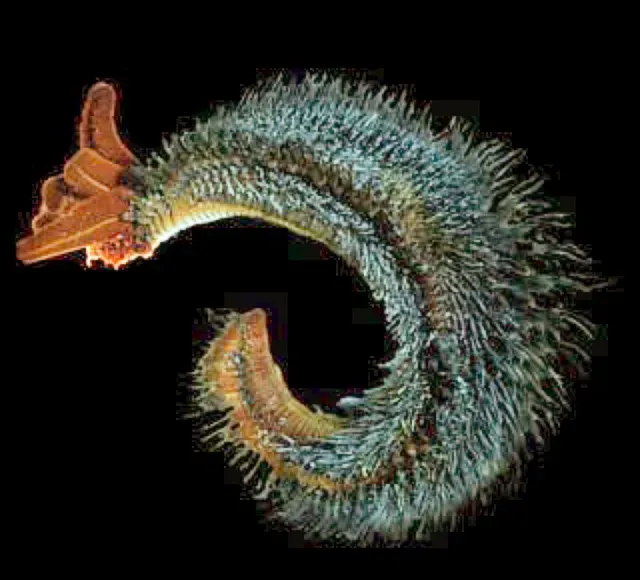
The Pompeii Worm (Alvinella pompejana) was discovered in the 1980s by French scientists in deep-sea hydrothermal vents, and are found at the bottom of the ocean with temperatures reaching up to 80°C, high pressure, and toxic chemicals. Pompeii worms can survive temperatures of around 120°C, whereas most other animals can’t cope with anything over 40°C.
The worm’s ability to survive such extreme conditions is attributed to the unique structure of its body in which its head stays at a cooler temperature than its tail, allowing it to regulate its body temperature and preventing it from overheating. Pompeii worms reach up to 13 centimetres long and have a hairy fleece-like covering, which is a layer of bacteria that are thought to provide protective insulation from the heat.
These worms live in tubes near hydrothermal vents, where superheated water spews out from cracks in the ocean floor. They’re essentially living at the boundary between boiling water and freezing deep-sea temperatures. Without sunlight to fuel any ecosystem, life at these vents depends on chemosynthesis, where bacteria convert toxic chemicals into energy.
The Pompeii worm’s relationship with bacteria is a beautiful example of symbiosis. The bacteria coating their bodies not only insulate them but also help process the toxic chemicals in their environment. It’s like having your own personal hazmat suit made of living organisms.
Saharan Silver Ants: Speed Demons of the Desert
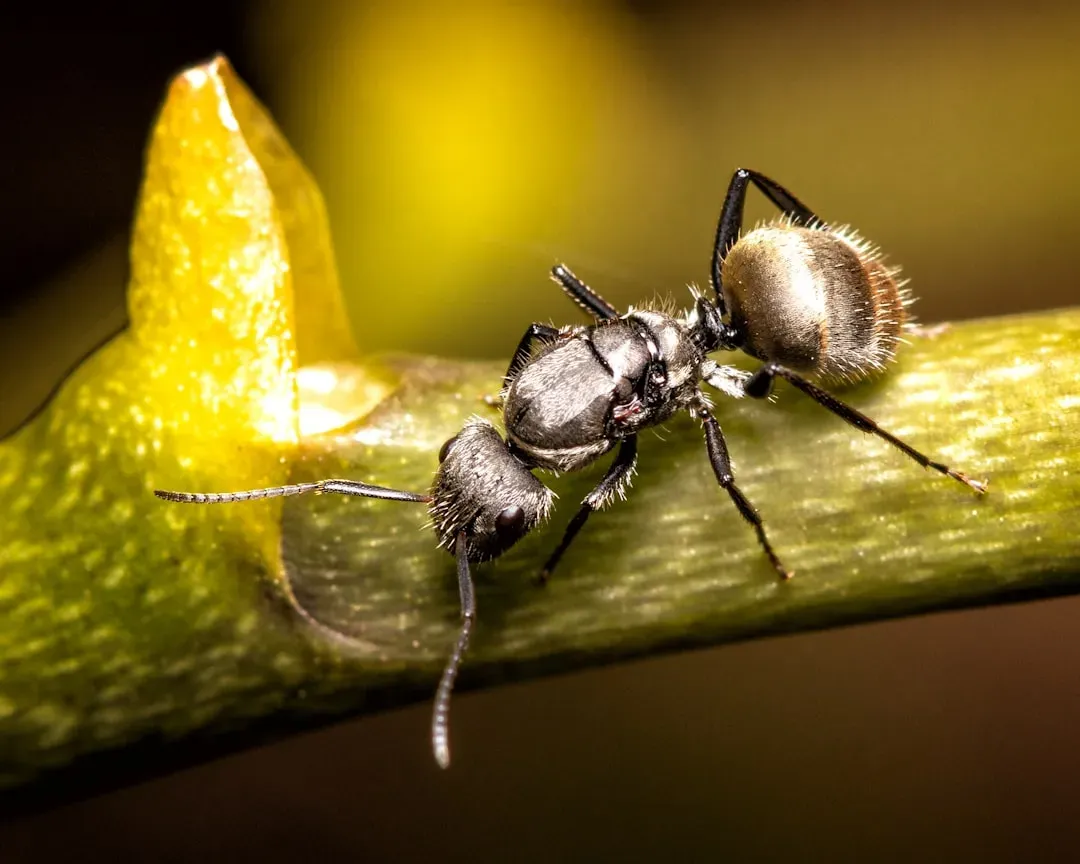
The Sahara Desert Ant (Cataglyphis bicolor) is a subspecies of ant that has adapted to live in the extreme Sahara Desert climate surviving the extreme heat with limited food and no water for long periods of time. The Saharan silver ant builds underground lairs to escape temperatures of 120 degrees, and only comes out briefly to grab food.
The ant’s body is covered in small silver hairs, giving it the look of a ball of mercury crawling through the scorching desert sand, and it uses polarized light to move through and orient itself traveling long distances to search for food while conserving water. It regulates its body temperature through a process called thermal regulation, changing the angle of its body relative to the sun to control its exposure to heat, with specialized hair on the ant’s exoskeleton reflecting sunlight preventing its body from overheating.
These tiny creatures are built for speed because they have to be. When the desert sand reaches temperatures that would literally cook most animals alive, these ants dash out to scavenge for food. They’ve evolved to tolerate conditions that would kill most creatures in minutes.
What’s really fascinating is how they navigate. They use the sun’s position and polarized light patterns to find their way back to their nests after foraging trips. It’s like having a built-in GPS system that works in one of the harshest environments on Earth.
Fennec Foxes: Desert Dwellers with Oversized Ears
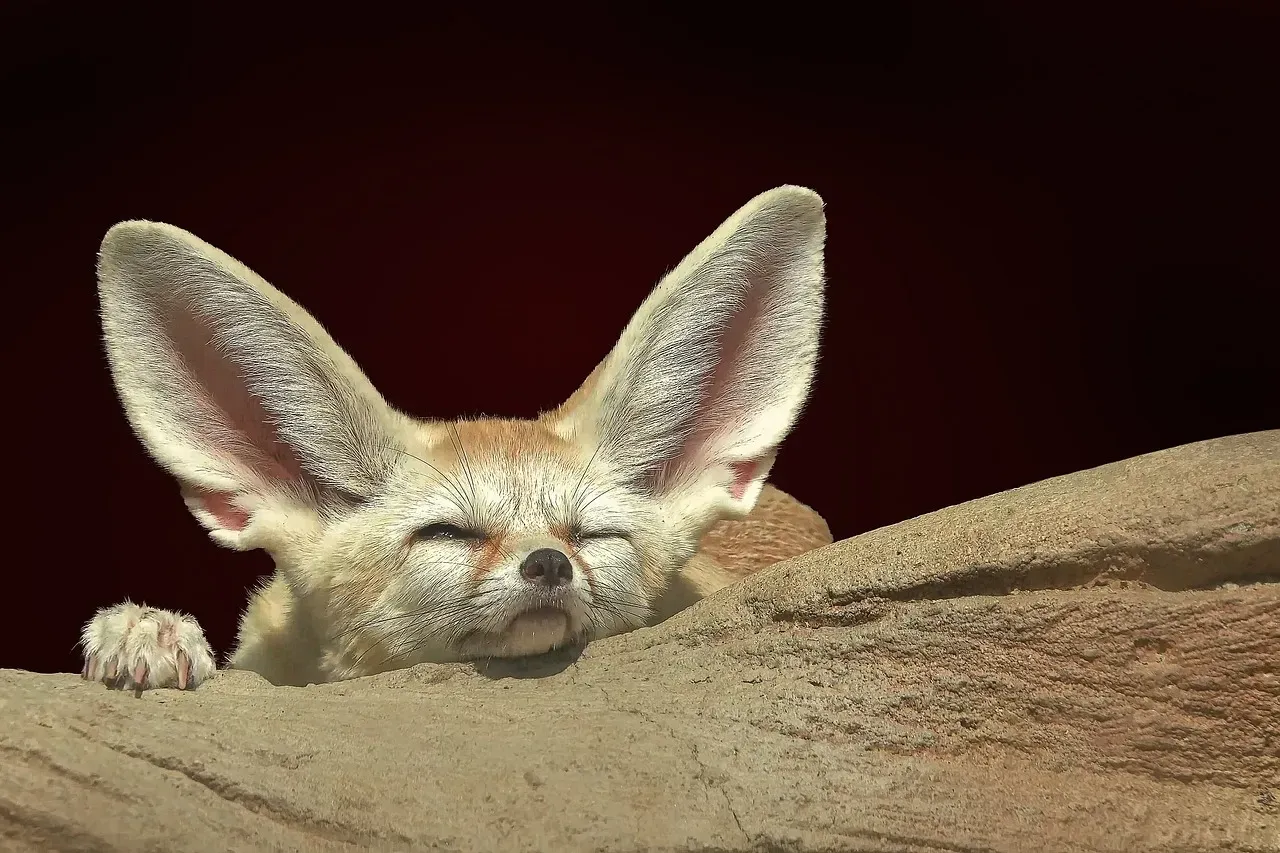
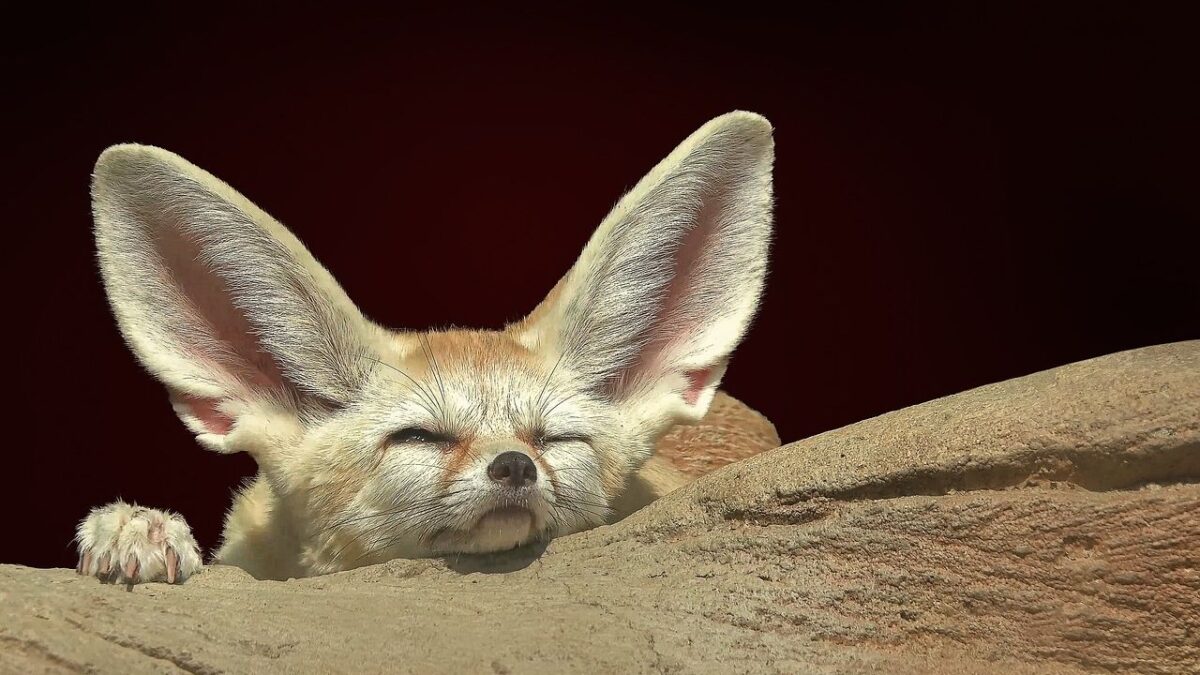
This small fox is a desert dweller and can be found in the Sahara Desert in Africa, having large ears to dissipate heat and a thick fur coat that helps to insulate it during cold desert nights. The fennec fox can survive without free-standing water – it obtains its water requirements from the food it consumes.
Those enormous ears aren’t just for show. They’re packed with blood vessels that help radiate excess heat away from the body, acting like natural cooling systems. Desert nights can be surprisingly cold, dropping dramatically from daytime highs, so that thick fur coat serves a dual purpose, keeping the fox warm when temperatures plummet.
Fennec foxes are nocturnal, which makes perfect sense when you’re trying to survive in a place where daytime temperatures can soar well above what most mammals can tolerate. They spend the hottest hours underground in burrows, emerging only when the desert cools down. Their kidneys are also specially adapted to conserve water, producing highly concentrated urine.
These adorable little foxes prove that size doesn’t always matter. Weighing less than four pounds, they’ve managed to carve out a successful existence in one of the planet’s most unforgiving landscapes.
Arctic Foxes: Survivors of the Frozen North
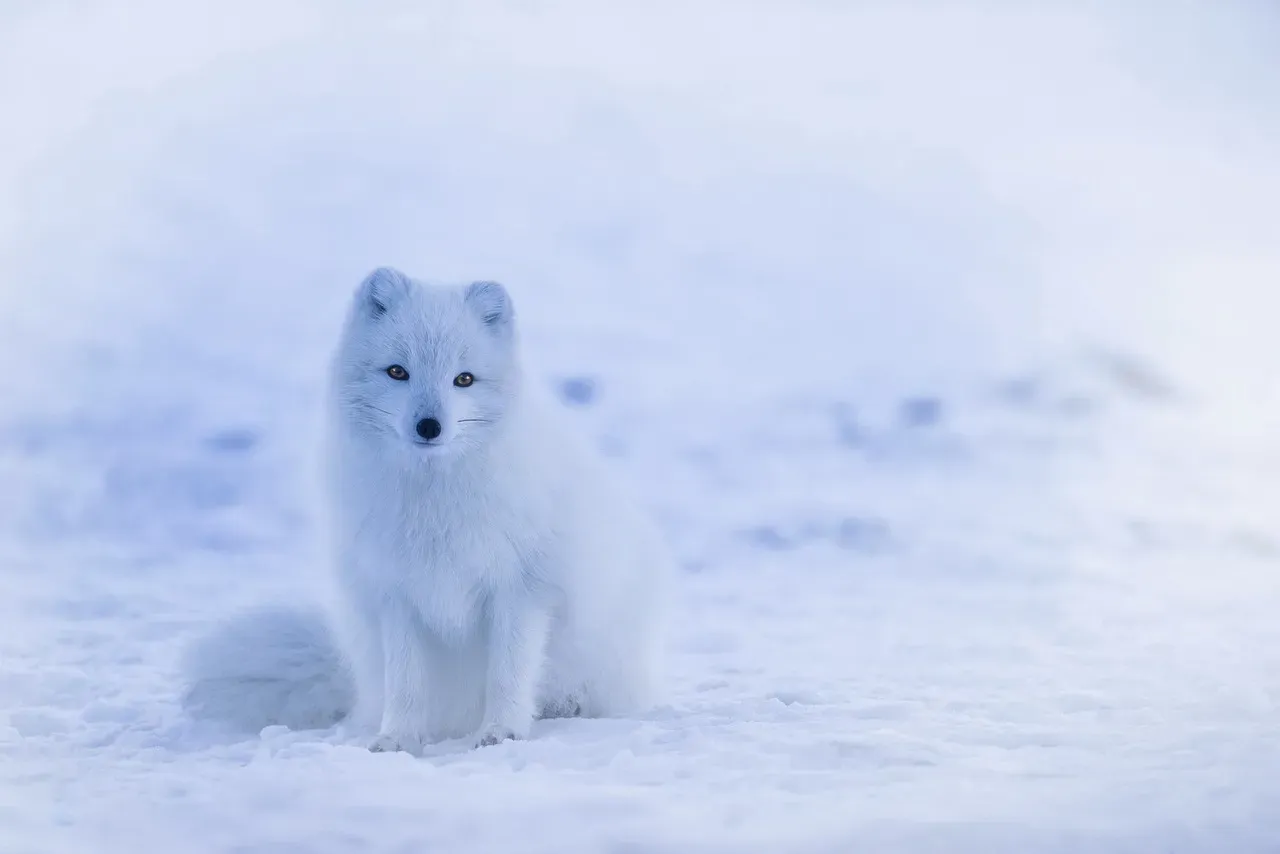
The Arctic fox, also known as the white fox or polar fox, is well-adapted to survive in freezing temperatures, having deep, thick fur that is brown in summer and white in winter for camouflage, with a round compact body shape that minimizes the surface area exposed to the cold air. Known for its thick fur and adaptability to both tundra and ice, it displays seasonal camouflage, changing coat color from brown or gray in summer to white in winter.
These foxes can withstand temperatures that would freeze most animals solid. Their fur is so efficient at trapping heat that they don’t even start to shiver until temperatures drop below negative 70 degrees Celsius. Let’s be real, that’s colder than most freezers.
Arctic foxes are opportunistic feeders, which is crucial when living in an environment where food can be scarce for months on end. They’ll eat anything from lemmings and birds to carrion left behind by polar bears. During summer months, they cache food, burying it in the permafrost to preserve it for the long, dark winter ahead.
Their small ears and short muzzle aren’t just cute features. They’re evolutionary adaptations to minimize heat loss. Every aspect of their body has been fine-tuned over generations to survive in one of the coldest places on Earth.
Wood Frogs: The Amphibians That Freeze Solid
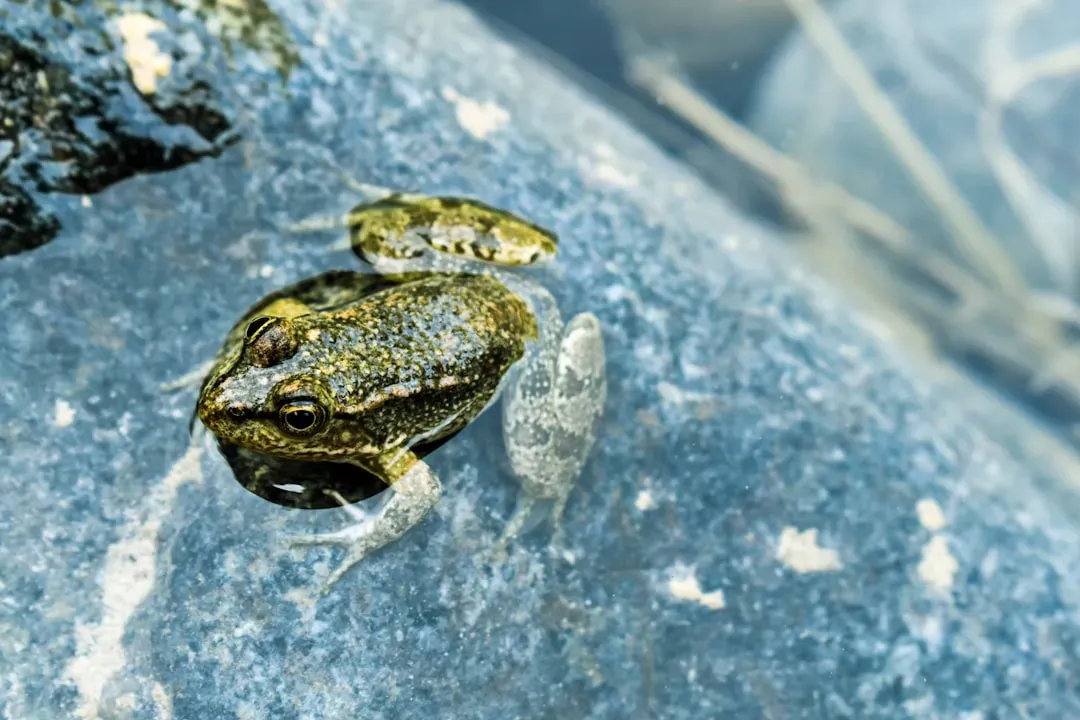
Rather than insulating themselves, these undistinguished-looking amphibians have the remarkable ability to survive actually being frozen, with those in interior Alaska exposed to temperatures as frigid as -60 degrees celsius spending the winter in frozen animation where up to 70% of total body water may freeze solid, with no detectable heartbeat, breathing, blood circulation, muscle movement or brain activity. It sounds impossible, right? Yet it happens every winter.
Animals like the wood frog and tardigrade use unique physiological processes to survive freezing temperatures, such as producing antifreeze compounds or entering a state of cryptobiosis. When spring arrives and temperatures rise, these frogs literally thaw out and hop away as if nothing happened.
The secret lies in special proteins and high concentrations of glucose that act as antifreeze, protecting their vital organs from ice crystal damage. Ice forms outside their cells, but not inside them, which would be fatal. It’s one of nature’s most remarkable survival tricks.
Wood frogs inhabit regions across Alaska and Canada where winters are brutally cold. Their ability to survive being frozen solid gives them a huge advantage. They don’t need to hibernate deep underground or migrate south. They simply shut down and wait for better days.
Yeti Crabs: Hairy Inhabitants of Hydrothermal Vents
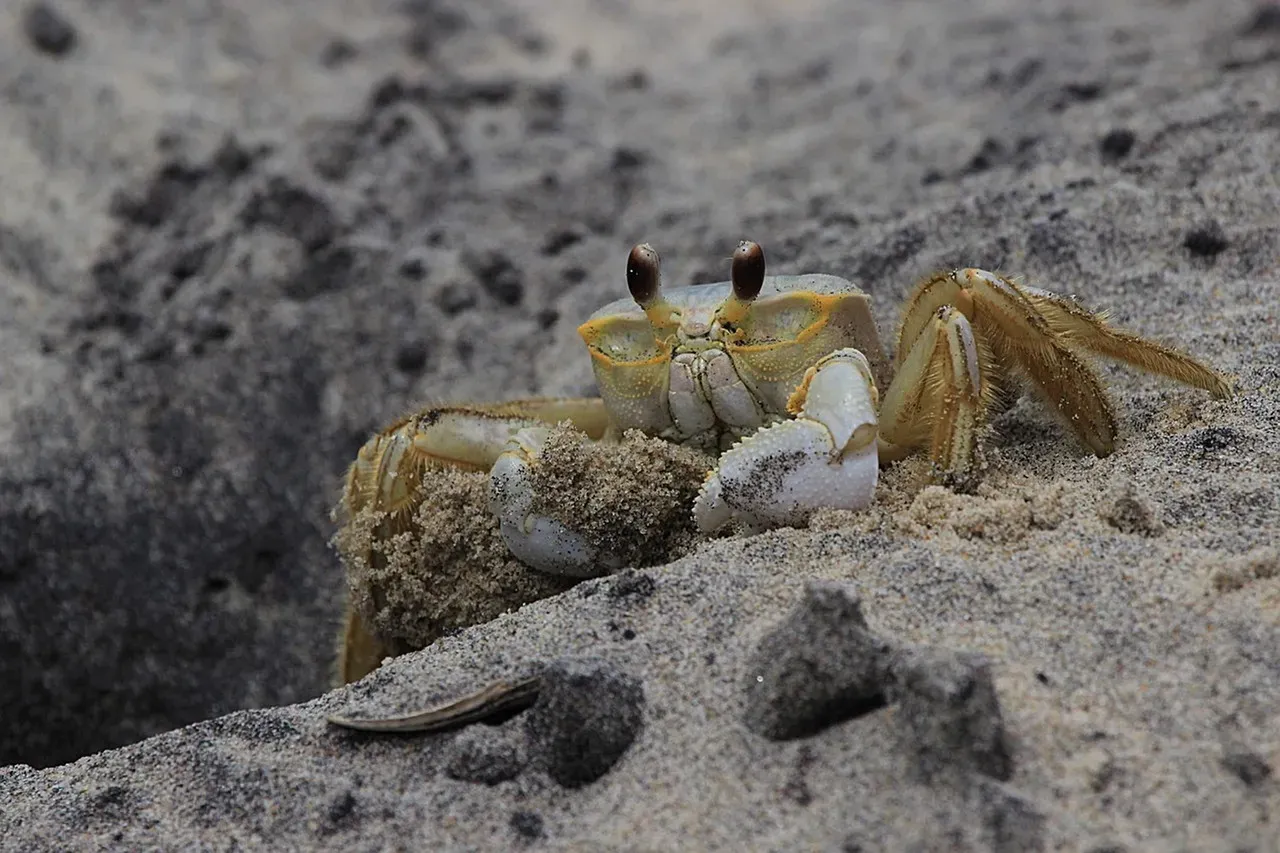
Also known as Kiwa hirsuta, this unusual crustacean was discovered in 2005 near Easter Island in the South Pacific Ocean, living on hydrothermal vents at depths of 2200 meters, in water temperatures as high as 77 degrees Fahrenheit, which is considered extremely high for deep-sea environments. These bizarre creatures look like they’re wearing fur coats, but those hairy appendages are actually covered in bacteria.
The yeti crab farms these bacteria on its arms and legs, using them as a food source. It waves its claws over the vent fluids, allowing the bacteria to absorb nutrients from the chemicals spewing out. Then the crab harvests its bacterial crop by scraping it off with specialized mouthparts.
Life at hydrothermal vents is unlike anything else on Earth. Total darkness, crushing pressure, and water temperatures that fluctuate wildly between near freezing and boiling hot. Yet ecosystems thrive there, powered not by sunlight but by chemical energy from the Earth’s interior.
The yeti crab is a perfect example of evolution’s creativity. When conventional food sources don’t exist, life finds another way. These crabs essentially cultivate their own food supply in one of the most hostile environments imaginable.
Greenland Sharks: The Ancient Nomads of Arctic Waters
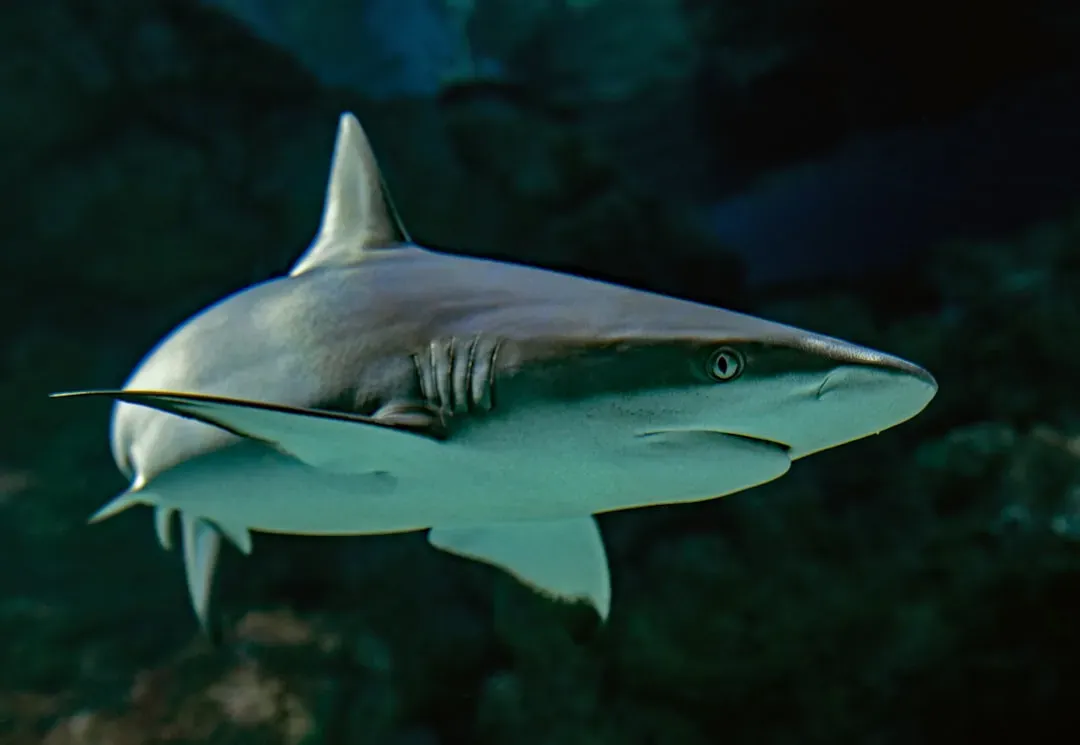
The Greenland shark is like the Arctic’s version of a mythical beast, with a lifespan that can stretch for centuries, with some Greenland sharks estimated to be over 400 years old, making them some of the oldest vertebrates on the planet. That means some sharks alive today were swimming through icy Arctic waters when Shakespeare was writing his plays.
The Greenland shark exhibits an exceptionally slow pace of life, living for centuries, with longevity as a testament to ability to adapt to the challenges of their environment, where resources are scarce and survival requires patience. These massive sharks grow incredibly slowly, reaching sexual maturity at around 150 years old.
They inhabit the coldest waters of the Arctic and North Atlantic, where temperatures hover just above freezing year-round. Their meat is actually toxic to most other animals due to high concentrations of trimethylamine oxide, which acts as a natural antifreeze. Humans can only eat their flesh after it’s been fermented for months to break down the toxins.
Greenland sharks are mostly blind, with parasitic copepods often attached to their eyes. They rely on smell and other senses to hunt in the pitch-black depths. Their slow metabolism and cold environment contribute to their extraordinary longevity. Time moves differently when you’re a Greenland shark.
Julimes Pupfish: Swimming in Hot Springs
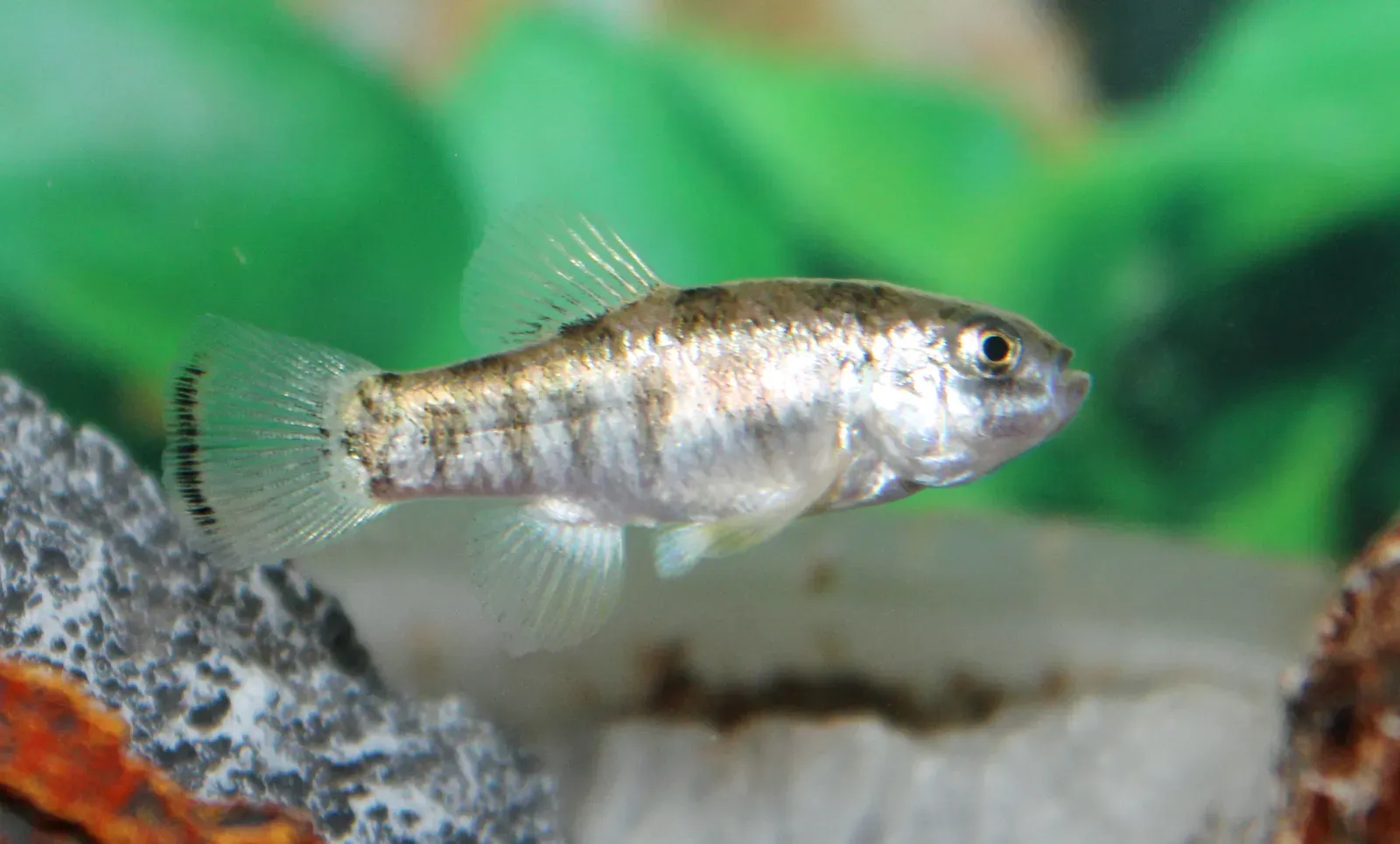
The El Pandeño hot spring is home to the Julimes pupfish, which can handle waters as hot as 114 degrees Fahrenheit, and both fish “share the title for living in the hottest waters known for a vertebrate”. These tiny fish live in hot springs in Mexico’s Chihuahuan Desert, where most animals would be cooked alive.
Carson says some pupfish could be considered extremophiles, animals with a tolerance for excessively harsh conditions. The water in their habitat is not only incredibly hot but also low in oxygen and high in dissolved minerals. It’s a triple threat that would kill almost any other fish species.
Pupfish have evolved specialized proteins that remain stable at high temperatures, allowing their cells to function normally even in water that’s almost hot enough to brew tea. Their hearts and metabolic systems are adapted to extract oxygen from water that contains very little of it.
Different species of pupfish inhabit various extreme environments throughout the American Southwest. Each population has evolved unique adaptations to their specific conditions. They’re living proof that evolution can solve almost any problem, given enough time.
Conclusion: Life’s Incredible Resilience
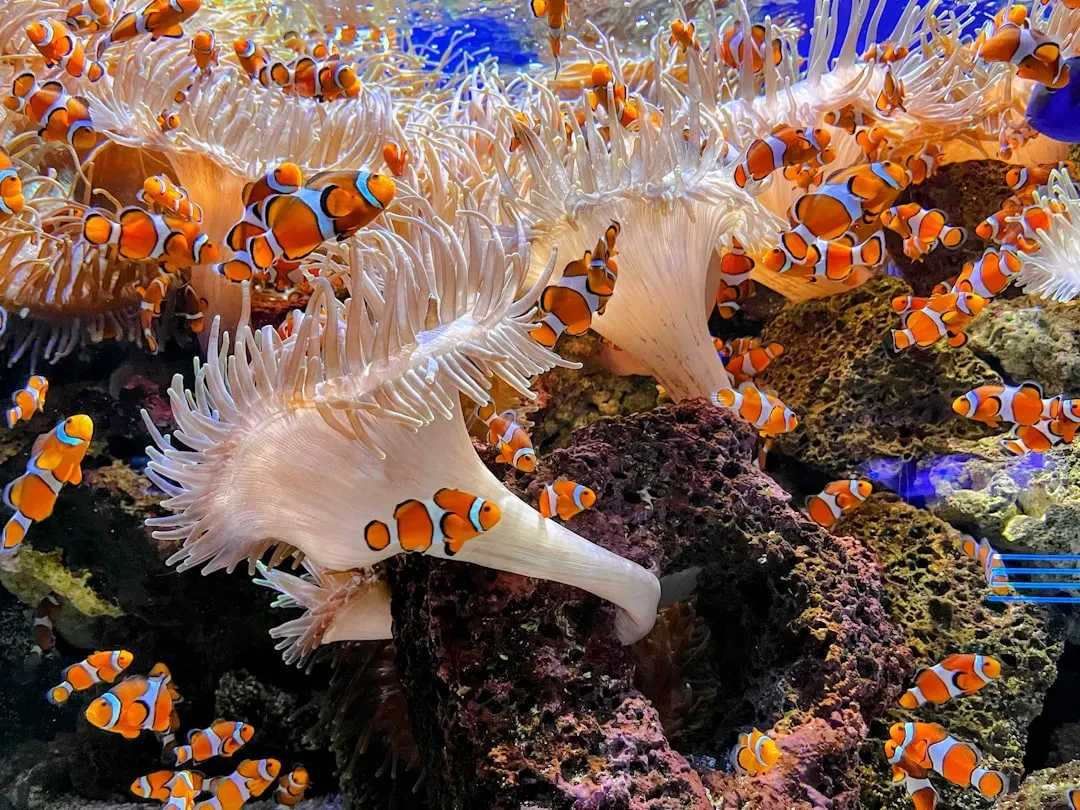
From frozen tundras to boiling springs, from crushing ocean depths to parched deserts, life persists in the most unlikely places. These ten remarkable creatures represent just a fraction of the extremophiles inhabiting our planet. Each has developed extraordinary adaptations through millions of years of evolution, turning seemingly impossible environments into comfortable homes.
What strikes me most is how these animals don’t just survive, they thrive. They’ve turned extreme cold, heat, pressure, and chemical toxicity into advantages. Their existence pushes our understanding of what’s biologically possible and hints at the potential for life in extreme environments elsewhere in the universe.
As climate change continues to alter habitats worldwide, studying these extremophiles becomes increasingly important. They might hold secrets that could help us understand and adapt to our changing planet. What do you think about these incredible creatures? Which one surprised you the most?

- 8 US States With the Most White-Tailed Deer - August 2, 2026
- 10 Cool Facts About The Okapi, The Most Mysterious Mammal On Earth - August 2, 2026
- Which Natural Wonder Reflects Your Zodiac Sign - August 2, 2026