
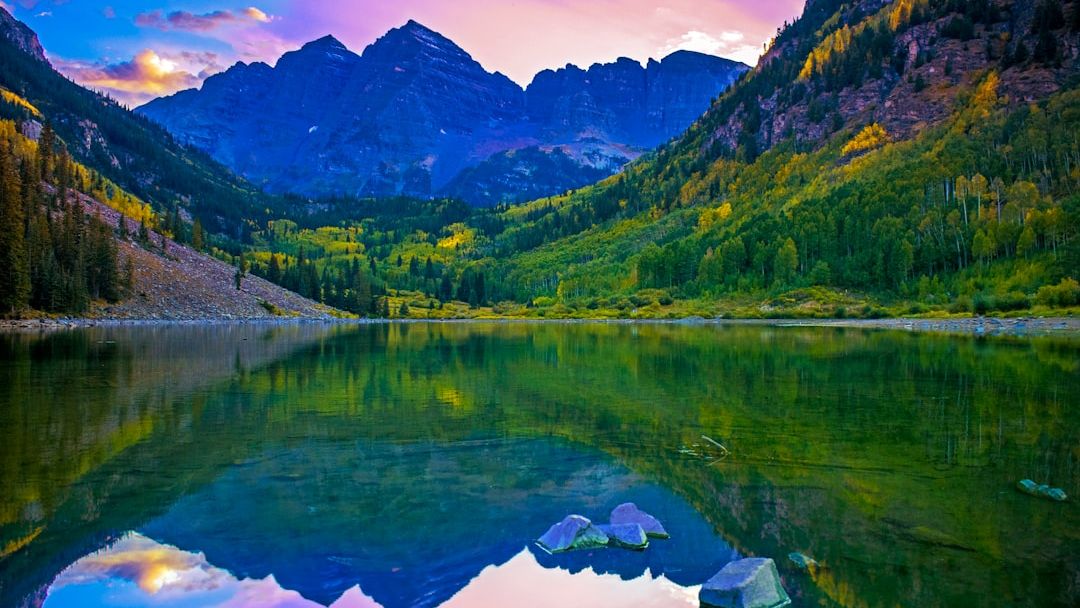
There’s something almost surreal about stumbling upon a lake that looks too perfect to be real. You know the feeling when you stop mid-hike, jaw slightly dropped, because the water in front of you looks like it’s been photoshopped into existence? That’s the kind of beauty we’re talking about here.
The United States is blessed with thousands of lakes, but only a handful have that magical postcard quality that makes you want to pinch yourself. These aren’t just pretty spots for a picnic. They’re the kind of places that make you question whether nature has a professional photographer on staff. Let’s be honest, some lakes just hit different.
Crater Lake, Oregon – The Blue That Defies Belief
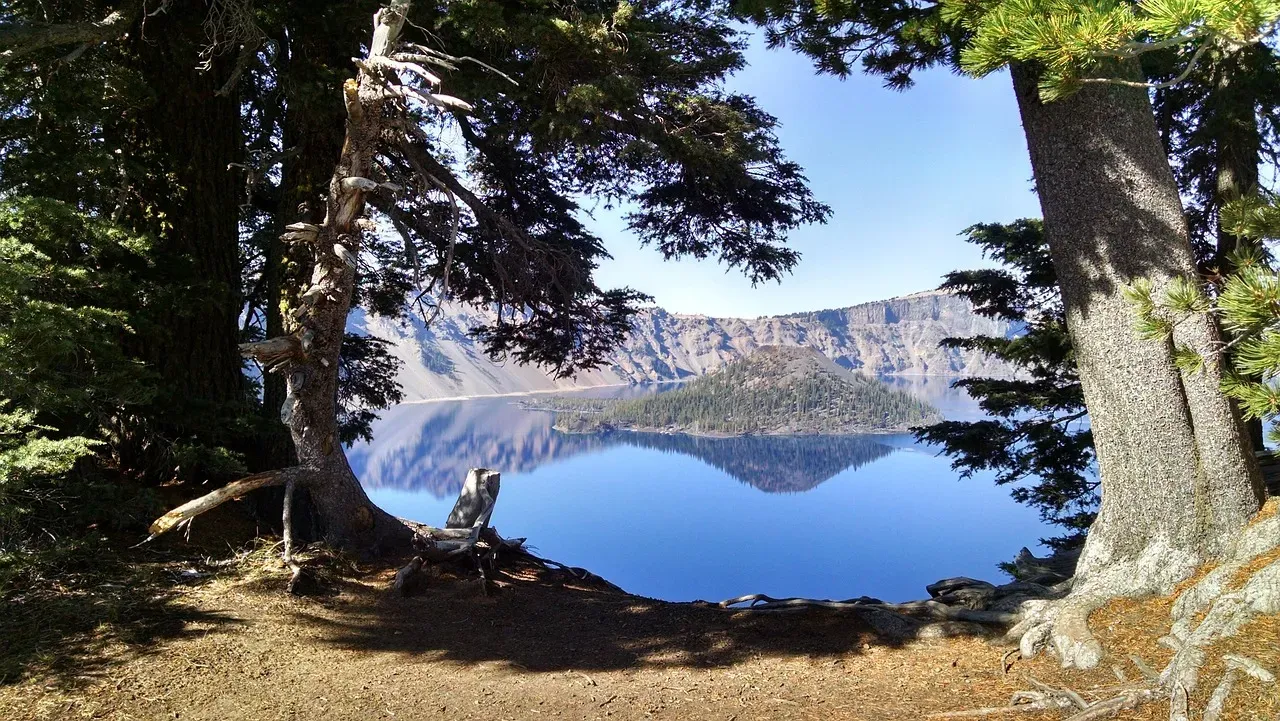
Crater Lake was formed more than 7,000 years ago and is a collapsed volcano filled with rain and snowmelt. What makes this place absolutely mind-bending is the intensity of its blue color. It’s not just blue. It’s a shade so vivid and surreal that your brain takes a moment to process it.
At 1,943 feet deep, it’s the deepest lake in the United States, and that depth creates water clarity that’s almost unmatched anywhere on the planet. The cone-shaped Wizard Island which rises in its center makes it even more distinctive. This tiny volcanic island sits right in the middle like nature’s cherry on top of an already spectacular sundae.
The dramatic cliffs surrounding the water rise nearly two thousand feet, framing the lake in a way that feels theatrical. Roughly about one hundred feet of visibility underwater makes Crater Lake a favorite for scuba divers who want to explore ancient lava formations frozen in time. It’s like swimming through a natural history museum.
Lake Tahoe, California and Nevada – Alpine Perfection on a Grand Scale
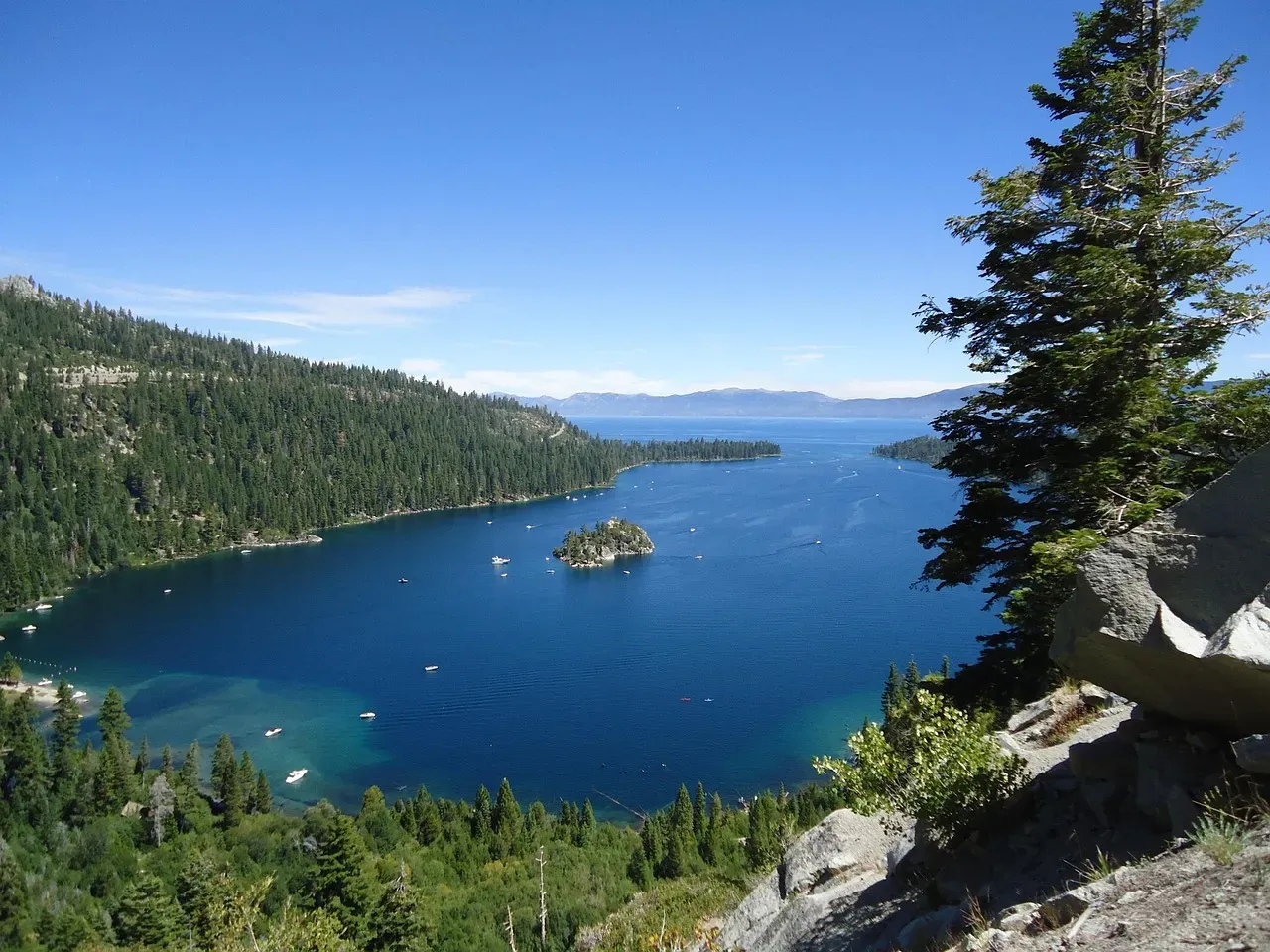
Lake Tahoe is one of the largest and deepest alpine lakes in North America and is also one of the clearest, with the surrounding Sierra Nevada creating a postcard setting that visitors enjoy all year. This isn’t some hidden gem tucked away in the wilderness. Lake Tahoe is massive, sprawling, and unapologetically gorgeous.
In some places the visibility is more than 70 feet. That level of clarity gives the water an ethereal teal glow that shifts with the light throughout the day. Summer brings sunbathers and kayakers, while winter transforms the lake into a skier’s paradise with snow-capped peaks reflected perfectly on its surface.
What really sets Tahoe apart is its accessibility. You can ski in the morning, paddleboard in the afternoon, and watch the sunset from a lakeside restaurant by evening. The sheer variety of experiences packed into one location is honestly hard to beat. It’s postcard material from every angle, every season.
Lake George, New York – The Queen of American Lakes
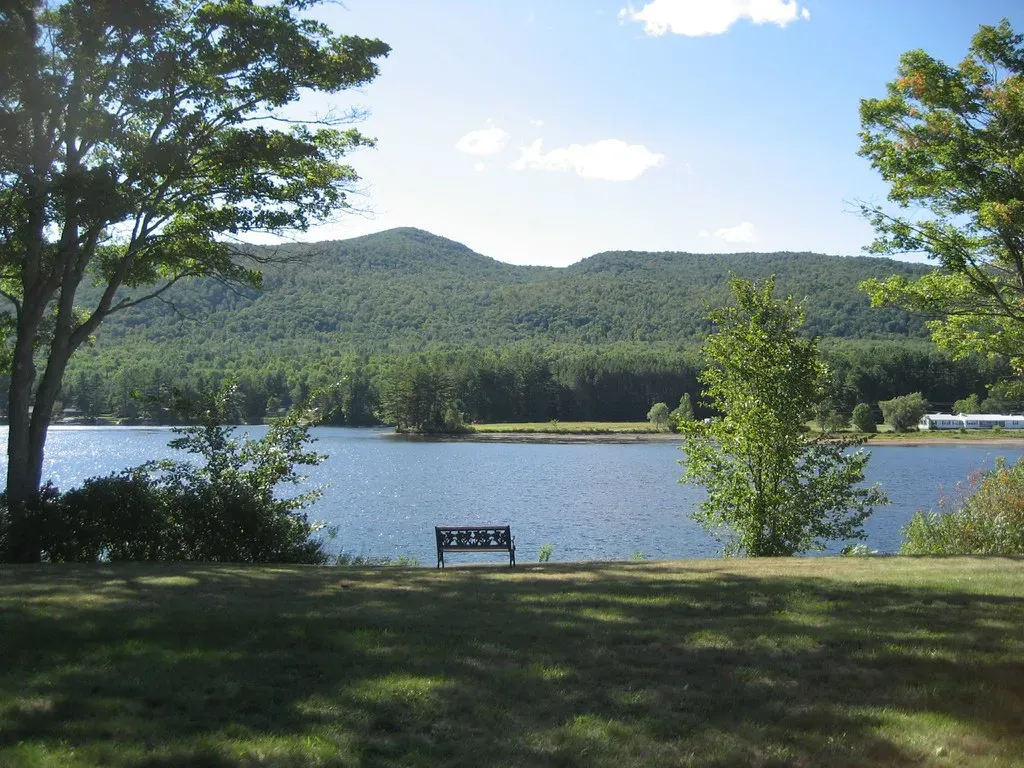
Lake George is nicknamed ‘the Queen of American Lakes,’ and President Thomas Jefferson described it as “the most beautiful water I ever saw.” High praise from a founding father, and honestly, it still holds up centuries later.
Lake George is 32 miles long and fed by underground springs that give the lake its signature crystal-clear waters, drawing more than 50,000 summer visitors each year. Nestled in the southeastern Adirondacks, this lake has that classic northeastern charm combined with water so clear you can see straight to the bottom in shallow areas.
Lake George was formed some 10,000 years ago and is dotted with more than 150 islands. Those islands range from tiny rocky outcrops to sizable landmasses with their own campgrounds and lodging. There’s something inherently romantic about a lake scattered with islands, each one holding the promise of adventure or solitude, depending on your mood.
Jenny Lake, Wyoming – Grand Teton’s Glacial Jewel
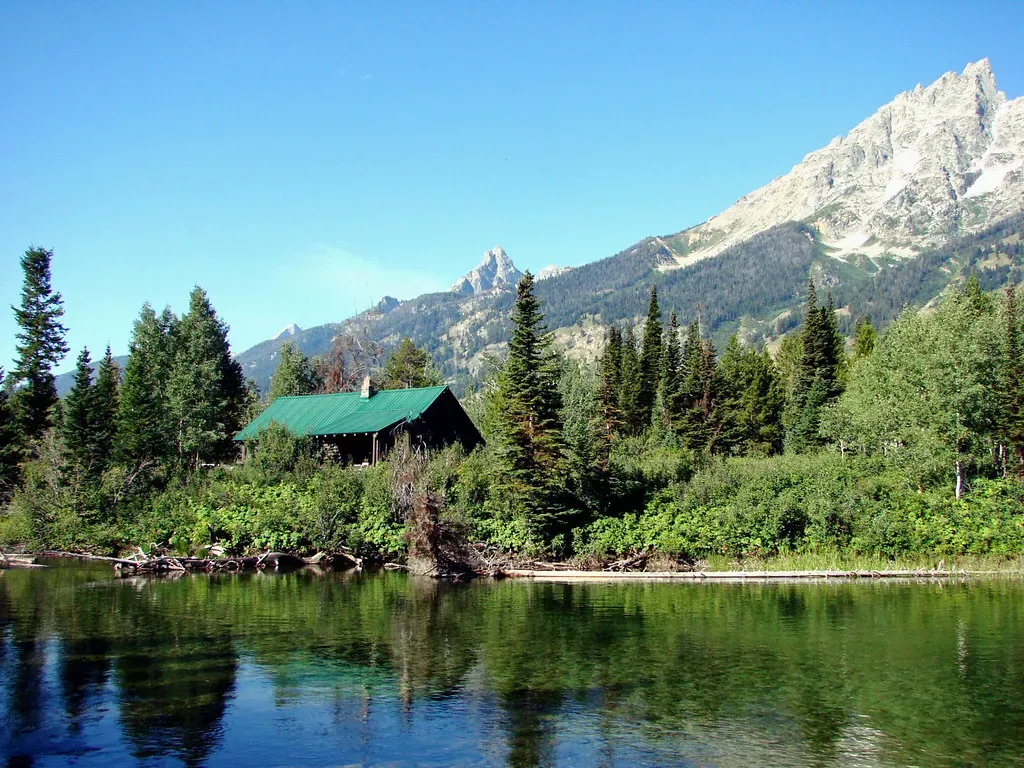
Jenny Lake is generally considered the centerpiece of Grand Teton National Park, a glacially carved lake that reflects the dramatic Teton peaks and dense forests. The jagged mountain range rising directly behind the water creates one of the most iconic backdrops in the American West.
The glacial lake is one of the most beautiful spots in the park with boat trips, hiking and climbing all popular activities. The turquoise-blue water gets its color from glacial flour, tiny particles of rock ground down by moving ice and suspended in the water. It gives the lake an almost tropical appearance despite being surrounded by alpine wilderness.
Honestly, the hike around Jenny Lake offers non-stop postcard moments. Every turn reveals another angle of the Tetons mirrored in the still water. Hidden waterfalls like Hidden Falls cascade down nearby cliffs, adding a soundtrack to the visual spectacle. It’s the kind of place where you take roughly about a hundred photos and still feel like you didn’t capture it properly.
Flathead Lake, Montana – The West’s Freshwater Giant
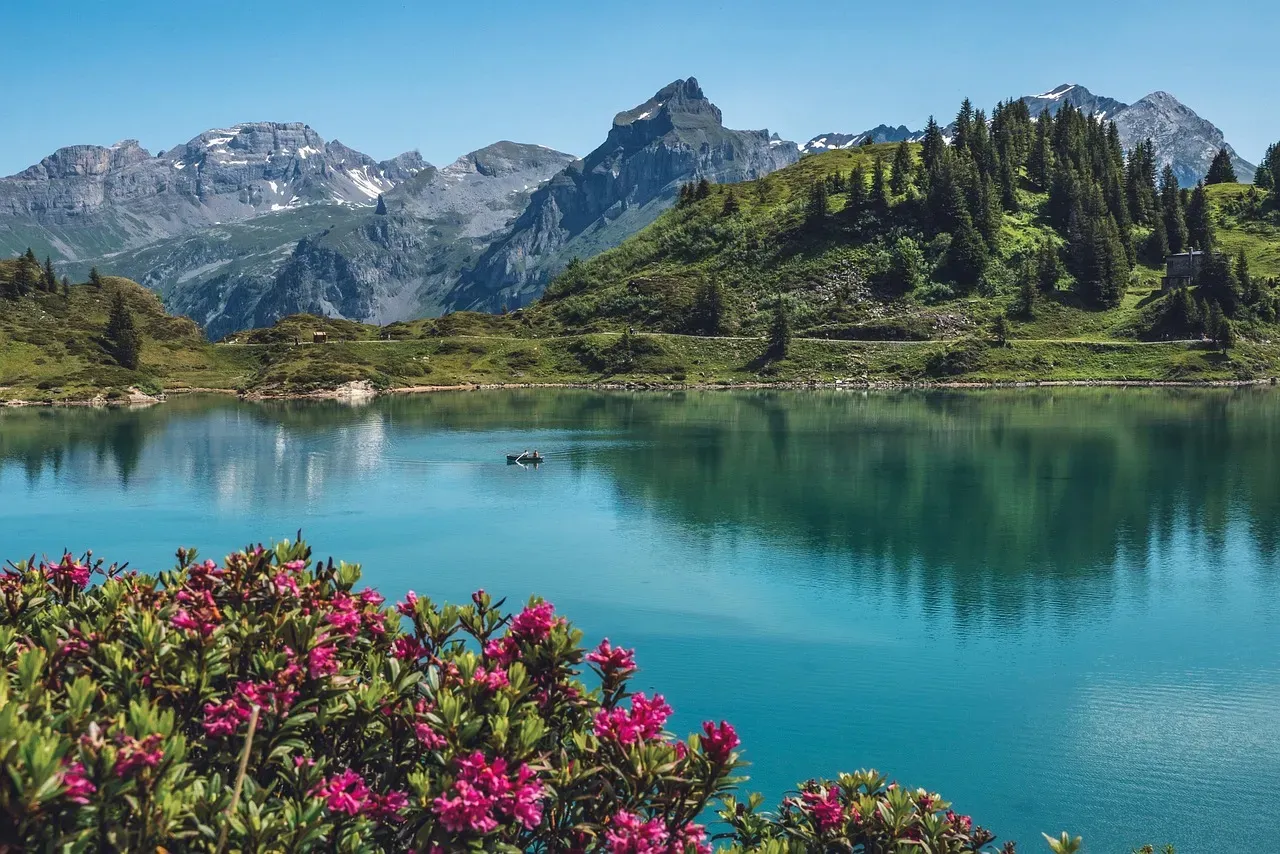
Flathead Lake is the largest natural freshwater lake west of the Mississippi, with famously clean waters equally famous for fishing. This lake is enormous, stretching across nearly two hundred square miles of western Montana with Glacier National Park sitting just to the northeast.
What’s remarkable about Flathead isn’t just its size. The water clarity rivals much smaller alpine lakes, and the shoreline remains surprisingly undeveloped in many areas. Montana’s Flathead Lake is one of the most beautiful lakes in the West, with Glacier National Park nearby and endless opportunities for outdoor fun.
The lake sits in cherry country, and if you time your visit right in summer, you can stop at roadside stands selling the sweetest cherries you’ll ever taste. The combination of pristine water, mountain views, and local agriculture gives Flathead a distinct character. It doesn’t try too hard to impress, which somehow makes it even more impressive.
Maroon Lake, Colorado – The Rockies’ Mirror to the Maroon Bells
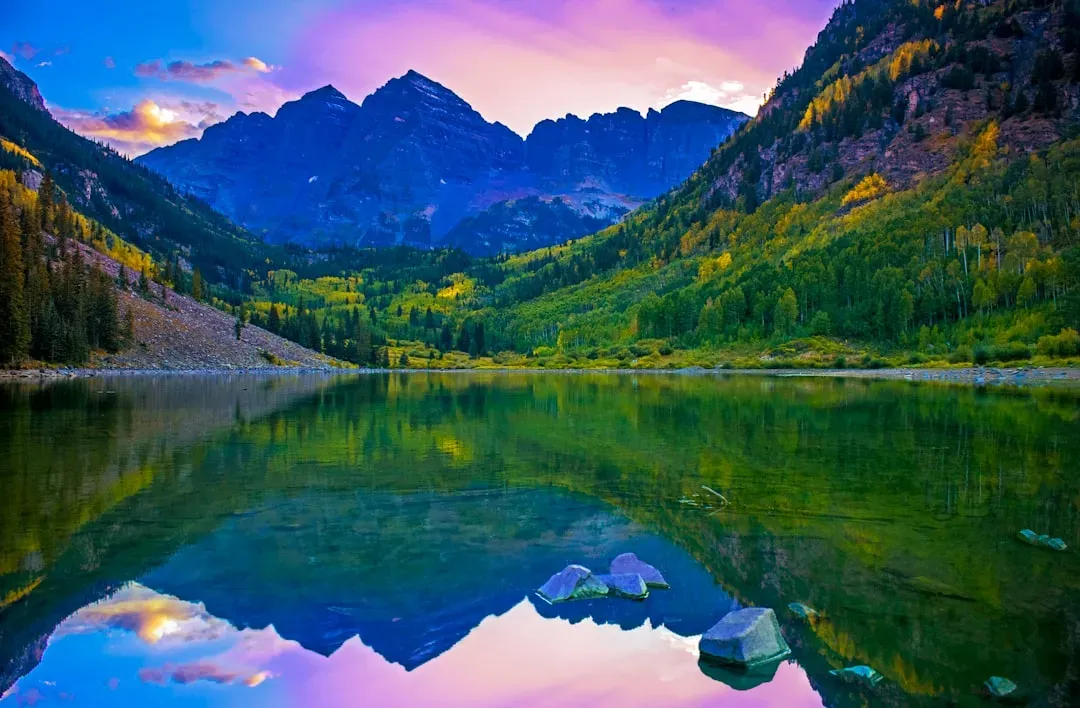
Perhaps the most photographed mountains in America, the Maroon Bells look their very best when reflected in the delightfully still waters of Maroon Lake, which sits 9,580 feet above sea level. This is one of those places that looks fake in photos because the symmetry is just too perfect.
The twin peaks of the Maroon Bells are composed of reddish sedimentary rock that glows with an almost supernatural intensity during sunrise and sunset. When the lake is calm, which happens more often than you’d think at that elevation, the reflection is so sharp you can’t tell where the mountains end and their mirror image begins.
Fall foliage and thin blankets of snow complete the scene, while a visit at the right time of day sees the peaks lit up with a vibrant orange glow. The hike to reach Maroon Lake is mercifully short, though the elevation can leave flatlanders gasping. Still, the payoff is worth every labored breath.
Conclusion: When Reality Outdoes Imagination
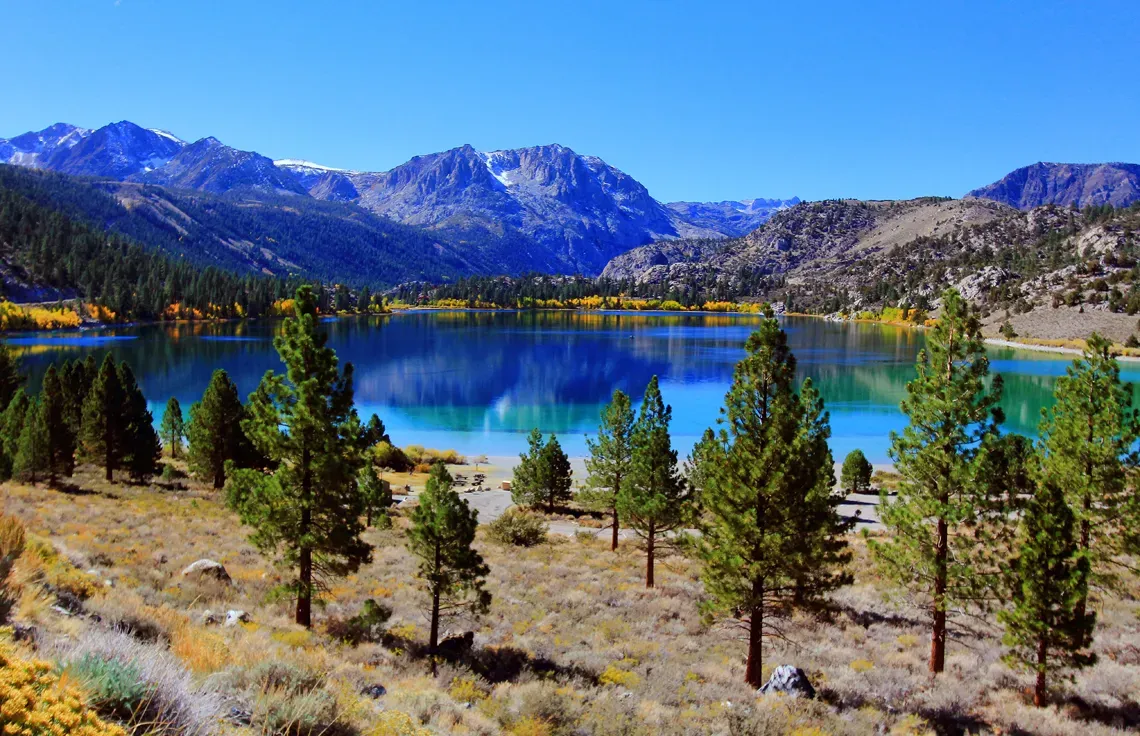
Here’s the thing about these lakes. They’re not just visually stunning in some abstract, art gallery way. They’re visceral, emotional experiences that stick with you long after you’ve left. There’s a reason why postcards exist, but honestly, these lakes prove that sometimes reality is more impressive than any glossy souvenir.
Each of these seven lakes has its own personality, its own magic trick that stops visitors in their tracks. Whether it’s Crater Lake’s impossible blue, Tahoe’s alpine grandeur, or the Maroon Bells reflected in crystalline water, they all share one quality: they look too beautiful to be real.
The best part? They are real, and they’re waiting for you to experience them firsthand. Photos don’t do them justice, no matter how skilled the photographer. What do you think about it? Have you been lucky enough to visit any of these natural wonders? Tell us in the comments.
