

Have you ever watched your dog act anxiously for no apparent reason, or noticed birds flying in strange patterns across the sky? Maybe there was more to their behavior than you realized. Throughout history, people have observed animals behaving oddly just before catastrophic events strike, and honestly, it’s quite fascinating when you dig into what science is discovering about these creatures.
We live in an era of sophisticated technology and advanced warning systems. Yet despite all our gadgets and satellites, some animals seem to possess an almost supernatural ability to sense danger long before our instruments pick up anything unusual. From the depths of the ocean to the highest branches in trees, these creatures might be nature’s original disaster detectors. Let’s be real, if we could tap into what they know, we might save countless lives.
Elephants Sense Earthquakes and Tsunamis Through Their Feet
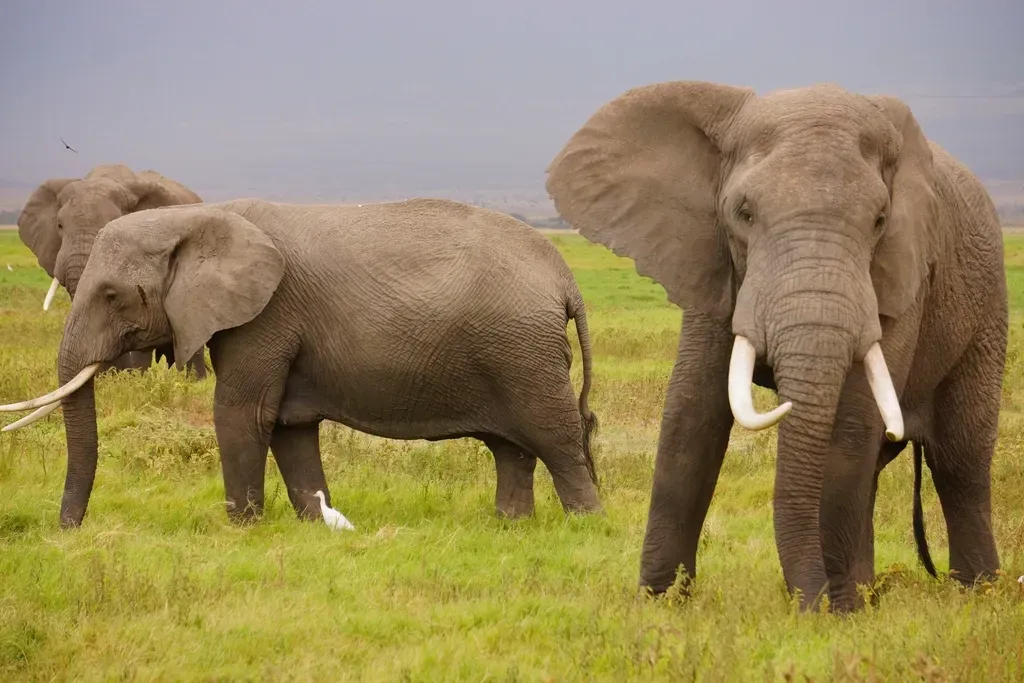
Elephants possess specialized cells in their feet and trunks that allow them to detect low-frequency vibrations, known as seismic communication. These massive creatures essentially “listen” to the earth through their bodies, picking up signals that travel through the ground for miles.
Elephants can sense seismic vibrations through their feet and ears, Plotnik says, alerting them to potential danger. When an earthquake occurred in San Diego in 2025, elephants at the Safari Park formed a protective circle around their young before humans even felt the tremors. It’s hard to say for sure, but their reaction seemed almost instantaneous, as if they knew exactly what was coming.
Most of the evidence supporting this idea comes from eyewitness accounts, such as when locals saw elephants and flamingos fleeing to higher grounds ahead of the 2004 tsunami triggered by the 9.1 magnitude earthquake in the Indian Ocean. Imagine standing on a beach and watching elephants suddenly bolt inland. You’d probably follow them without asking questions.
When an earthquake occurs, these P waves radiate outward from the epicenter, and elephants can sense them as they travel through the ground. This early warning system allows elephants to react and move to safer areas before the more violent shaking begins. Their survival instinct is wired into their very biology.
Their ability goes beyond just earthquakes. Elephants can also detect infrasound waves – low-frequency sounds below the range of human hearing. These waves can travel vast distances through the air and ground, providing another channel for elephants to sense impending earthquakes.
Think about it this way: elephants evolved over millions of years to survive in an unpredictable world. Their sensory abilities are so refined that researchers are now studying whether we could develop sensors modeled after elephant physiology to improve our own early warning systems.
Dogs Detect Acoustic Waves Before Earthquakes Strike

Your family dog might be more than just a loyal companion. The study found that some dogs could detect an earthquake, with increased activity and anxiety observed 24 hours prior. That restless pacing and whining might actually be their way of telling you something’s wrong.
Dr. Coren suggests that dogs use their remarkable sense of hearing to pick up high-pitch sounds of rocks scraping beneath the earth – an event that precedes earthquakes. Dogs hear frequencies far beyond what human ears can detect, making them sensitive to geological changes we’d never notice.
The dogs with prick ears showed more increase in activity and anxiety the day before the earthquake than those with floppy ears, possibly because they were able to hear more of the seismic activity. Even the shape of a dog’s ears plays a role in their earthquake detection abilities.
In Japan, after the devastating 2011 earthquake, researchers conducted a large-scale survey: 1,259 dog owners and 703 cat owners reported unusual pet behavior (anxiety, trembling, hiding) the day before the disaster. Nearly everyone who experienced that earthquake had a story about their pet acting strangely beforehand.
Here’s the thing though: not every instance of a dog acting weird means an earthquake is coming. “My cat could act crazy before an earthquake,” she says. “But my cat also acts crazy if somebody uses the can opener.” We need to be careful about jumping to conclusions every time our pets behave oddly.
Still, the pattern is undeniable when you look at enough cases. Dogs don’t need to understand what’s happening to react to it, just like how a loud noise makes you flinch before your brain processes what caused it.
Sharks Swim to Deeper Waters When Hurricanes Approach
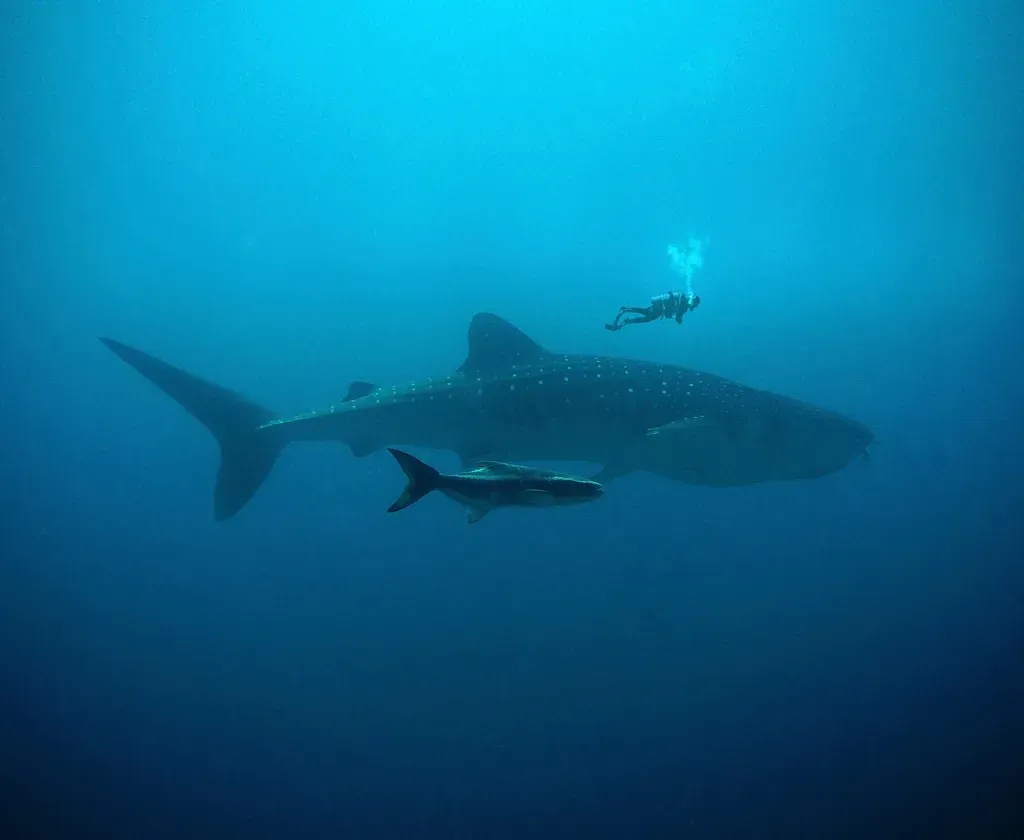
There’s a growing body of research that suggests sharks can actually feel changes in barometric pressure – either through their inner ear or something called a lateral line – and this gives them a heads-up that a storm is on the way. These ocean predators are basically swimming meteorologists with millions of years of evolutionary refinement.
When Hurricane Charley came within hours of the Caloosahatchee River, eight sharks tagged by biologists suddenly bolted out of the estuary to the safety of the open ocean. They left long before evacuation orders were issued to humans in the area.
Sharks can detect subtle pressure changes in the water caused by the approaching hurricane, and often swim far afield or deep into the ocean to avoid the coming storm – often many hours and even days before storms hit. Their sensitivity to environmental changes is remarkably precise.
Heithaus said the transmitters detect the sharks are leaving a few days to even a few hours before a hurricane hits–but they can even tell the difference between a hurricane and a thunderstorm. Sharks don’t panic during regular storms, which tells us they’re reacting to something specific about major hurricanes.
Interestingly, not all sharks flee. When it comes to hurricanes, whether a shark decides to stick around or swim towards safer waters may depend on the species. For example, juvenile blacktip sharks and juvenile bull sharks were spotted moving towards deeper ocean waters just before Tropical Storm Gabrielle (2001) and Hurricane Irma (2017) made landfall.
The practical application is intriguing. Scientists have started wondering if shark behavior could supplement traditional hurricane tracking, though as one researcher noted, we can’t exactly tell sharks when to show up and report what they’re sensing.
Cats Pick Up on Electromagnetic Changes and Vibrations

Cats have developed a reputation for mysterious behavior, and perhaps there’s more to it than just feline quirkiness. Feline whiskers (vibrissae) are attached to sensitive nerves, allowing them to pick up on the tiniest of vibrations. Their coat and skin are also designed to pick up on changes in air movement, allowing them to make the micro-adjustments that give them such incredible balance. All of these features could certainly allow cats to detect earthquakes far earlier than we can.
When tectonic plates rub against each other, they can release electric charges into the environment and ionize the air. This creates static charges. Cats and dogs would be able to feel this static electricity through their fur and whiskers. This static build up can be uncomfortable, leading them to be agitated for start rubbing up against surfaces.
Think about how cats suddenly dart across the room for seemingly no reason, or hide under furniture when everything appears normal. The most common reports were of dogs and cats being restless and wanting to be near the owner. Perhaps they’re seeking comfort from something they sense but can’t understand.
The debate about whether cats can truly predict earthquakes continues. This lack of consistency and the fact that the only “clue” that a cat can pick up on an earthquake is abnormal behavior – which many cats exhibit with or without an earthquake – tells them cats do not have any earthquake-predicting powers. Some scientists remain skeptical.
However, the sheer volume of anecdotal evidence is difficult to dismiss entirely. In Japan, after the devastating 2011 earthquake, researchers conducted a large-scale survey: 1,259 dog owners and 703 cat owners reported unusual pet behavior (anxiety, trembling, hiding) the day before the disaster.
Cat owners know their pets have odd moments regularly, which makes distinguishing between normal cat weirdness and disaster prediction challenging. Yet when thousands of cats act strangely on the same day before a major earthquake, it becomes harder to write off as coincidence.
Birds Alter Flight Patterns and Behavior Before Seismic Events

Then there were the golden-winged warblers that flew 700km from their breeding grounds in Tennessee, USA, ahead of a swarm of tornadoes in 2014, despite having just arrived from their 5,000km migration. These small birds essentially abandoned their breeding grounds to escape danger they somehow sensed days in advance.
Birds possess an incredible sensitivity to their environment that scientists are still trying to fully understand. Some birds are known to stop singing and become silent before an earthquake. In some cases, birds have been observed flying erratically or flocking together before an earthquake.
The team found unusual behavior patterns up to 20 hours before a quake. “The closer the animals were to the epicentre of the impending shock, the earlier they changed their behaviour,” Professor Martin Wikelski, who led the study, said. “This is exactly what you would expect when physical changes occur more frequently at the epicentre of the impending earthquake and become weaker with increasing distance.”
There’s even historical documentation going back centuries. Examples abound of animals appearing to predict natural disasters, with anecdotes dating back as far as Ancient Greece, when the historian Thucydides wrote of rats, weasels, snakes and dogs deserting the city of Helice before an earthquake in 373 BC.
Birds might be detecting changes in magnetic fields, air pressure, or even infrasound. Though we have developed technology to predict and monitor storms, a recent study suggests that birds may have the ability to predict hurricanes and cyclones much further in advance than people can. That’s pretty remarkable for creatures with brains the size of walnuts.
Some researchers are now exploring whether tracking bird behavior through satellite monitoring could provide additional data for predicting natural disasters, though the technology is still in development.
Snakes Emerge from Hibernation Before Major Earthquakes
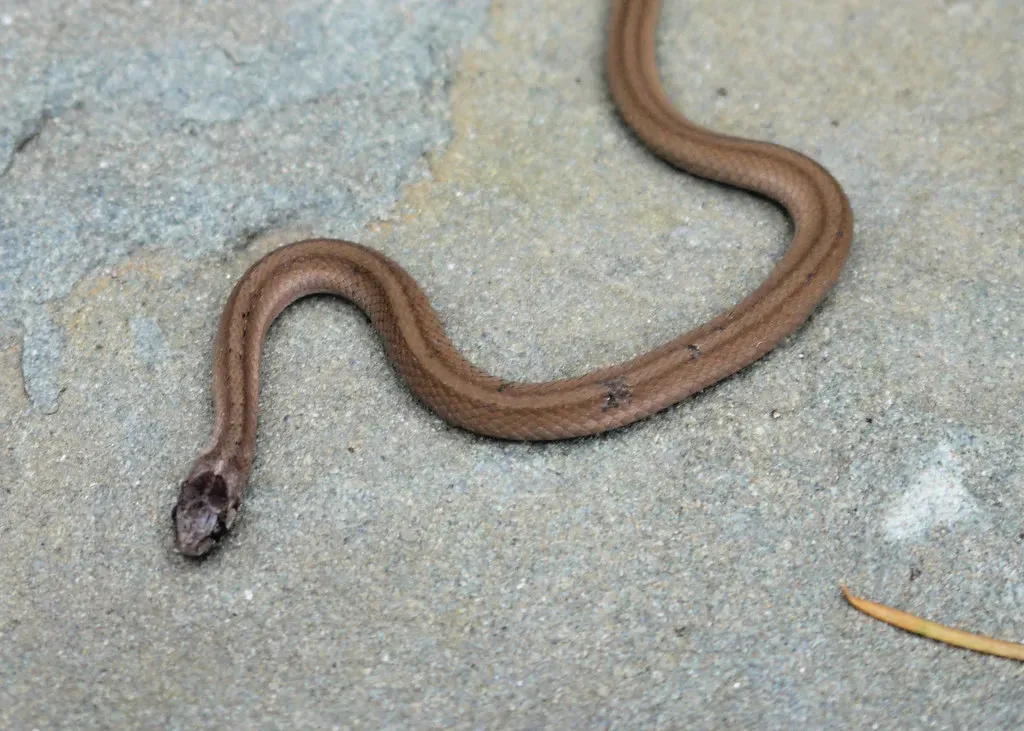
There was the time hundreds of snakes came out of hibernation early before a devastating 7.3 magnitude earthquake in the Chinese city of Haicheng in 1975. Imagine witnessing snakes slithering out of the frozen ground in the middle of winter when they should be dormant. That’s exactly what happened, and it helped authorities make a critical decision.
Despite freezing temperatures, scores of snakes slithered out of their hibernation dens in the weeks before a magnitude 7.3 earthquake struck the Chinese city of Haicheng on February 4, 1975. The reptiles’ behavior, along with other incidents, helped persuade authorities to evacuate the city hours before the massive quake. This evacuation potentially saved over a hundred thousand lives.
Snakes have extremely sensitive skin and belly scales that detect vibrations in the ground. Moreover, there are many reports and stories of animals predicting disasters: restless birds before a volcanic eruption; snakes that awaken from hibernation prior to an earthquake; common toads who disappear and flee their colony in the middle of spawning season in advance of a major earthquake.
The Haicheng evacuation remains one of the most successful examples of using animal behavior for disaster prediction. Yet it’s also important to note that this approach failed for a subsequent major earthquake in China the following year, which killed hundreds of thousands.
Snakes don’t have ears in the traditional sense, so they’re not hearing anything we miss. Instead, they’re feeling vibrations through their entire body as it lies against the earth. It’s like having your whole body act as one giant sensor.
What compels a cold-blooded reptile to abandon its warm hibernation spot and venture into freezing temperatures? The stimulus must be incredibly powerful and uncomfortable to override such a strong survival instinct.
Farm Animals Display Collective Unusual Behavior
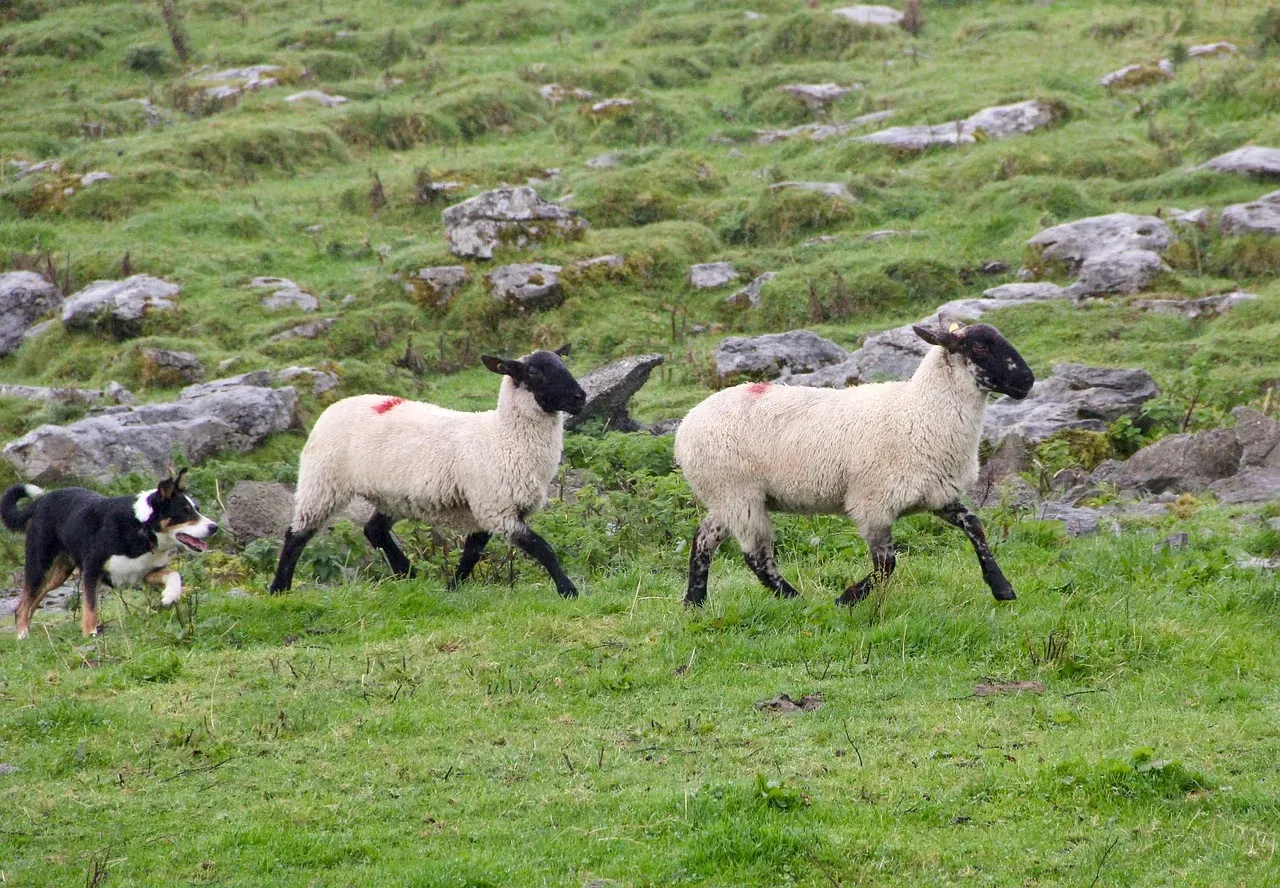
Cows, sheep and dogs increased their activity before tremors, seemingly reacting, in part, to one another Farm animals don’t just sense disasters individually, they seem to amplify the warning through group behavior.
It showed their activity significantly increased before magnitude 3.8 or greater earthquakes when they were housed together in a stable – but not when they were out to pasture. Wikelski says this difference could be linked to the increased stress some animals feel in confined spaces. Analyzing the increased movements as a whole, the researchers claim, showed a clear signal of anticipatory behavior hours ahead of tremors.
The social aspect is fascinating. “Initially, the cows kind of freeze in place – until the dogs go crazy. And then the cows actually go even crazier. And then that amplifies the sheep’s behavior, and so on.” Wikelski says this observation is consistent with collective behavior theory. One animal’s anxiety spreads through the entire group.
In addition, dairy farms located up to 340 km from the epicenter recorded a significant drop in milk yields in the week leading up to the event. Even milk production decreased, suggesting the stress response was affecting animals’ physiology days before the earthquake.
Farmers have noticed these patterns for generations, long before scientists started studying them systematically. An old farmer once told me that animals always know when something’s wrong, you just have to pay attention. Turns out there might be scientific validity to that folk wisdom.
The challenge is distinguishing between normal farm animal behavior and genuine pre-disaster signals. Animals can be skittish for countless reasons, from weather changes to predators to simple herd dynamics.
Deep Sea Fish Surface Before Tsunamis and Earthquakes

Japanese folklore has long held that certain deep-sea fish appearing near the surface signal impending disaster. Japanese Legends – In Japan, fish were considered “living seismographs.” Farmers noticed that carp or giant catfish behaved oddly before earthquakes. This gave rise to the myth of namazu – a giant catfish living deep under Japan, causing earthquakes by thrashing its tail against the seabed. This image merged real observations of fish with cultural explanations of natural forces.
Fish in rivers and lakes have been observed behaving strangely before earthquakes. They may jump out of the water or swim in unusual patterns. These aquatic creatures are intimately connected to their environment through the water that surrounds them.
The so-called “oarfish” or “doomsday fish” generates particular fascination in Japan. These rare deep-sea dwellers occasionally wash up on beaches or appear in shallow water, and traditional belief associates their appearance with coming earthquakes or tsunamis. The scientific evidence remains debated.
Fish can detect pressure changes in water with extreme sensitivity through their lateral line system. This network of sensory organs runs along their sides and picks up vibrations and pressure fluctuations that would be imperceptible to humans.
When underwater seismic activity begins, even subtle vibrations would propagate through the water. Fish living at great depths might be the first to notice these changes, potentially driving them toward the surface or shore in an attempt to escape the disturbance.
Japanese researchers have been studying this phenomenon for decades, though establishing a reliable predictive system based on fish behavior has proven challenging. Still, fishermen and coastal residents continue to watch for unusual fish sightings with a wary eye.
Conclusion: Nature’s Early Warning System
The evidence suggests that many animals possess sensory abilities that exceed our technological instruments in certain ways. Evidence is mounting, therefore, that animals perceive impending disasters earlier than humans with their measuring equipment. These creatures aren’t psychic, they’re simply detecting real physical changes that our senses and even our machines sometimes miss.
However, we need to remain realistic about the limitations. But while it makes sense that we should grasp for clues that might help us avert the impacts of natural disasters, the science behind animal forecasting is pretty shaky. Not only is there insufficient long-term baseline data on ‘normal’ animal behaviour with which to compare the unusual behaviour, but reports of this behaviour tend to be gathered retrospectively, rather than at the time
The challenge is separating genuine pre-disaster signals from the countless other reasons animals behave strangely. Yet the consistent patterns across species, cultures, and centuries suggest there’s something real happening here worth investigating further. Maybe one day we’ll crack the code of how these animals know what’s coming and develop systems that combine their natural abilities with our technology.
Next time your dog acts anxious for no apparent reason, or birds fly in strange patterns outside your window, take a moment to observe. You might be witnessing nature’s oldest early warning system in action. Did you expect these animals to be so much more attuned to the earth than we are?
