

Picture this: You’re mowing your lawn on a warm Saturday afternoon, minding your own business, when suddenly the air fills with a furious buzzing. Within seconds, you’re surrounded by an angry cloud of bees, and instinct kicks in. What do you do? Most people would swat, freeze, or consider diving into the nearest pool. Turns out, nearly all of those reactions could get you killed. There’s really only one strategy that works when killer bees attack, and it’s so simple it sounds absurd. Yet understanding why this method works, and why the alternatives fail, could be the difference between life and death.
Let’s be real, killer bees aren’t just a scary movie myth anymore. Over 90% of Arizona bees are Africanized honey bees, and they’ve spread across the southern United States from Texas to California. These aren’t your grandma’s backyard pollinators. They have killed some 1,000 humans, and their reputation for relentless aggression is well earned. So what’s the one way to survive an encounter with these fierce insects? It’s both simpler and more challenging than you might think.
Why Killer Bees Are Actually Killers
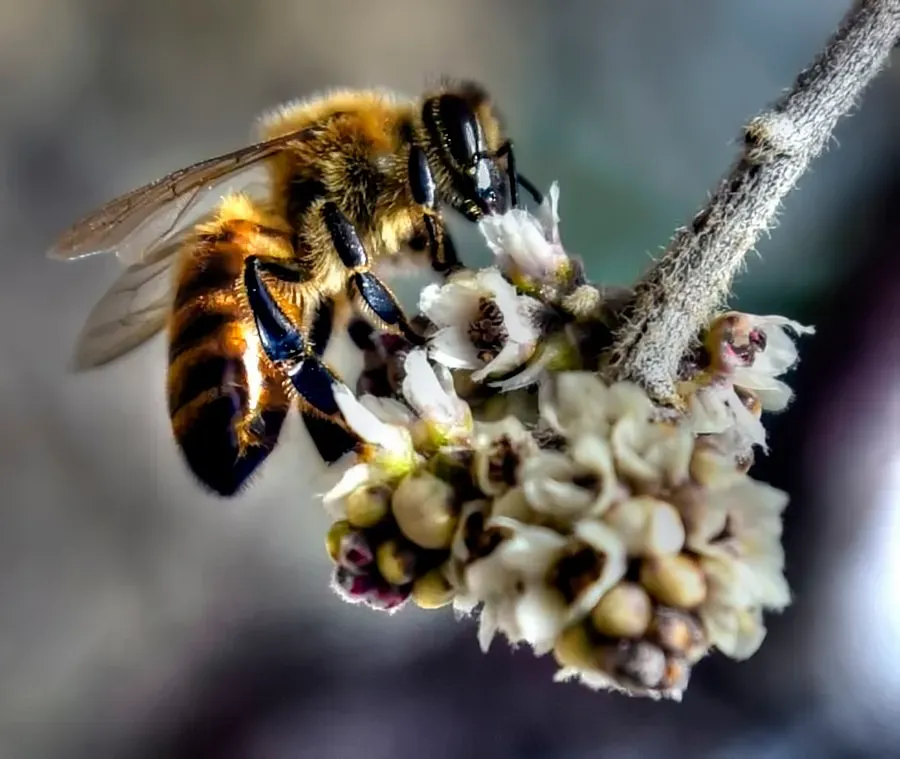
Here’s the thing most people get wrong. Deaths from killer bees are related to their persistence and numbers rather than the potency of their venom. A single Africanized bee sting is no worse than any other bee sting. The venom is identical. What makes them deadly is how they respond to threats.
When an ordinary European honeybee colony is threatened, around 10% of the bees will venture out to protect the colony’s home. By comparison, killer bees often all but empty their nest. There are even reports of swarms of 300,000 to 800,000. Think about that for a moment. When you accidentally disturb a hive, you’re not dealing with a few angry insects.
The real nightmare begins when you realize these bees don’t give up easily. They chase people farther than other varieties of honey bees, up to 400 m (1,300 ft). Some reports suggest they’ll pursue you for over a quarter mile. That’s roughly four city blocks of pure terror, with thousands of stinging insects hot on your trail.
With each sting, a pheromone is released, signalling for more bees from the colony to join in the onslaught. It’s like a chemical alarm system that screams to every bee in the area. Each sting makes the situation exponentially worse.
The One Strategy That Actually Works: Run Like Hell
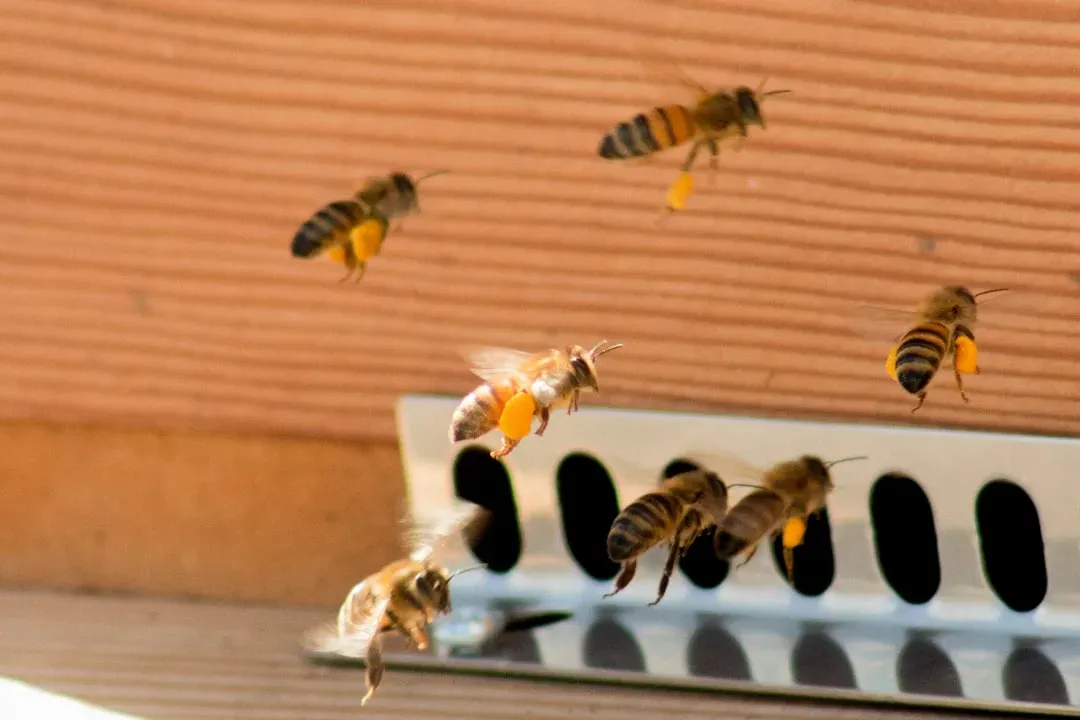
So here it is, the single most important survival tactic when killer bees attack: run away as fast as you possibly can. That’s it. No tricks, no clever maneuvers, just pure sprint.
With bees, your most primal instinct to run is always exactly the right one. Don’t hesitate. Don’t fight them. All you’re going to do is give them time to get hundreds and thousands more. Every second you delay allows more bees to mobilize and join the attack.
A bee can obtain speeds of from 12 to 15 miles per hour, but most healthy humans can outrun them. So, RUN! And when you run Keep Running! Africanized honey bees have been known to follow people for more than a quarter mile. It’s basically a race for your life, and thankfully, humans have the edge in speed if we don’t panic.
While you’re running, pull your shirt up over your head or use your arms to protect your face. This will help keep the bees from targeting the sensitive areas around your eyes, nose and ears. Vision impairment from stings to the face can make escape nearly impossible. Your ultimate goal should be reaching an enclosed space like a building or car where bees cannot follow.
It may be necessary to get a quarter mile or more away from where the attack began. Cover your face with whatever is handy, if you can do so without impairing your vision. Even a shirt or jacket pulled over your head buys you precious seconds.
Why Jumping in Water Will Get You Killed
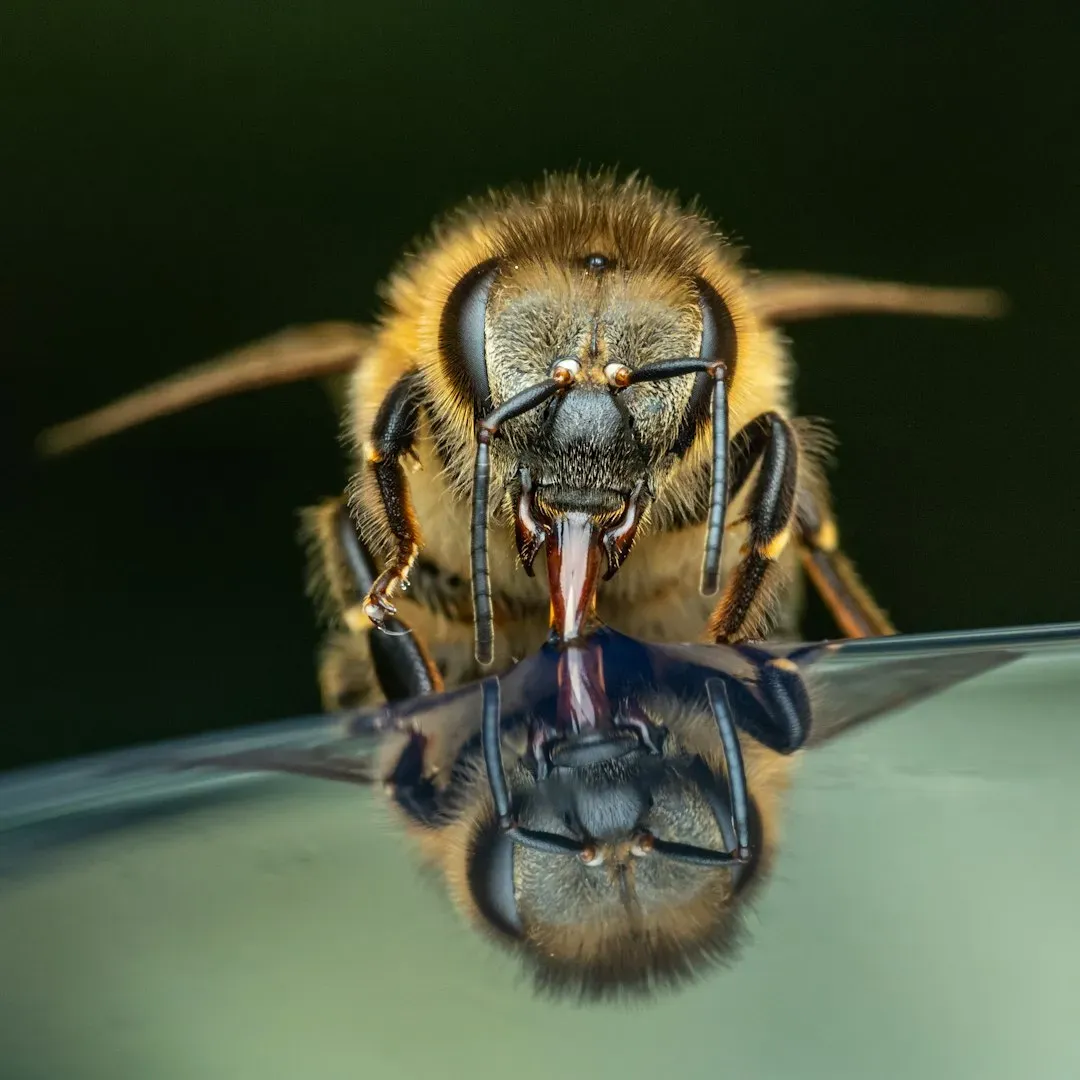
Let’s talk about the most dangerous myth surrounding bee attacks. Many people believe diving into water offers a safe escape. It doesn’t. In fact, it’s one of the worst things you can do.
Don’t jump in a pool; the bees will wait. This isn’t speculation or exaggeration. Bees once hovered over a man who rushed into a lake to avoid their wrath. The swarm idled over the lake for hours, utterly determined to carry out their assault. The man was spared only when the bees returned to their hive at sunset.
Think about the physics of this situation for a moment. How long can you hold your breath? If you’ve made the bees think that you’re a threat to their hive, they’re not going to get distracted and fly away just because you took a quick dip under the water. In fact, they have been known to wait for hours, stinging their victim whenever they come up for air.
Africanized bees will swarm above the water and wait for you to surface, often becoming even more agitated. This exposes your face to repeated stings every time you need to breathe. You’re essentially trapped, forced to choose between drowning and being stung repeatedly in the most vulnerable parts of your body. That’s not a survival strategy. That’s a death trap.
Do not jump into water. The bees will wait for you to come up for air. This warning appears in nearly every official safety guide for a reason. People have died this way.
What NOT to Do When Bees Attack

Beyond the water trap, there are several other common mistakes that turn a bad situation deadly. Swatting at bees is probably the most natural human response, yet it’s incredibly dangerous.
Swatting is a natural human reaction, but arm-waving and slapping at bees can turn a chance encounter into an attack. To the bee, that doesn’t signal so much “go away” as it does “big angry predator coming to attack”. Your frantic movements are interpreted as aggression, which triggers an even more intense defensive response.
Killing a bee doesn’t help either. A killed bee gives off an “alarm scent” that will only serve to call its hive-mates to the scene of the crime. It’s biological warfare. That dead bee becomes a chemical beacon broadcasting your location and marking you as a threat.
Standing still or playing dead won’t work. Don’t play dead, because bees are attracted to the alarm pheromone left by other bees’ stingers and may continue to sting you anyway. Once you’ve been tagged with that pheromone, you’re marked. Movement or no movement, the bees will find you.
Some folks think they can seek refuge under a blanket or in dense brush and wait it out. Highly defensive honey bees can, and often do, patrol an area for several hours after they have been disturbed. Your patience won’t outlast their anger. They’ve got hours to spare, and you’re just accumulating more stings.
How to Know You’re in Danger Before It’s Too Late
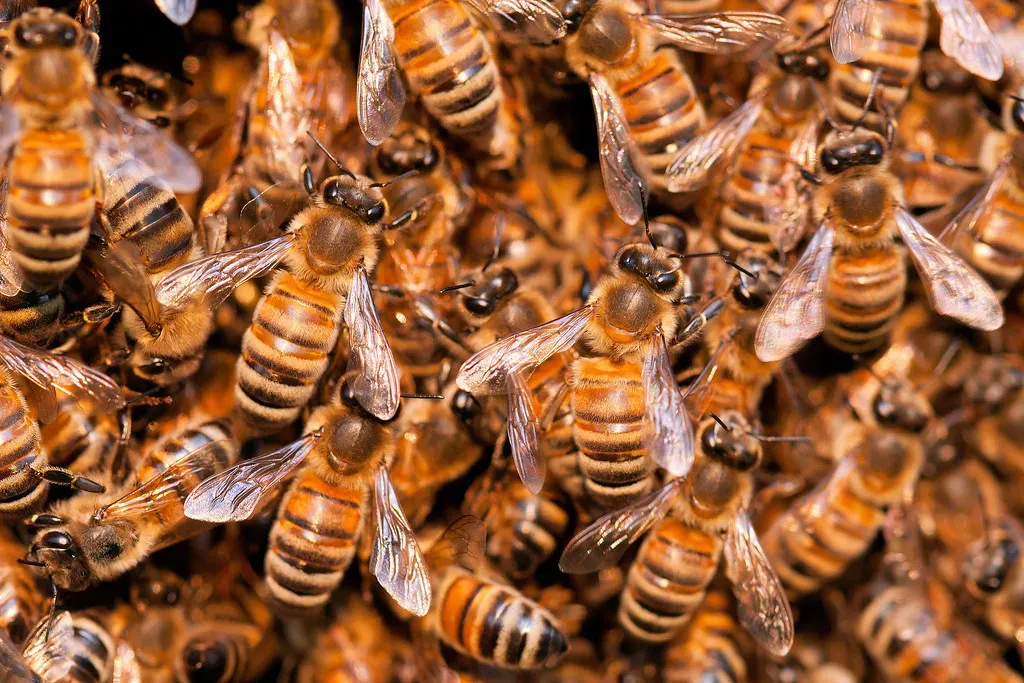
The best survival strategy is avoiding an attack altogether. Killer bees actually give warning signs before they unleash a full assault, but most people don’t recognize them.
If a colony of bees thinks you’re a predator, it first sends out a few guard bees to warn you away by “head butting” you. If you feel a “head butt,” run, because the next thing that comes is a full-scale attack by the entire hive. That bump isn’t an accident. It’s your final warning.
Listen for unusual buzzing patterns. Quite often bees will display some preliminary defensive behavior before going into a full-fledged attack. They may fly at your face or buzz around over your head. These warning signs should be heeded, since the bees may be telling you that you have come into their area. When bees start acting strangely near your head, don’t investigate. Just leave.
Africanized bees often nest in hidden places: irrigation boxes, tree branches, abandoned buildings, sheds, or inside walls. You might not know a hive is there until it’s too late. Yard work, loud noises, or even just walking nearby can disturb a hive and set off an attack. Power equipment like lawnmowers and weed eaters can trigger attacks from hives you didn’t even know existed.
Honestly, the unpredictability is what makes them so terrifying. These bees don’t give warning. There’s no buzzing around your head. They come straight for you. One moment you’re trimming hedges, the next you’re fighting for your life.
Did you expect that? The reality of killer bee attacks is both simpler and scarier than most survival advice suggests. There’s no clever trick, no special spray, no safe hiding spot underwater. Just your legs, your lungs, and your ability to run faster and longer than you’ve ever run before. What would you do if you heard that telltale buzzing right now?

- 7 Hidden Conditions That Invite Termites Into Your Walls - August 6, 2026
- What It Means When Hummingbirds Return on Nearly the Same Date Every Year - August 6, 2026
- Why Do Dogs Wag Their Tails? - August 6, 2026