
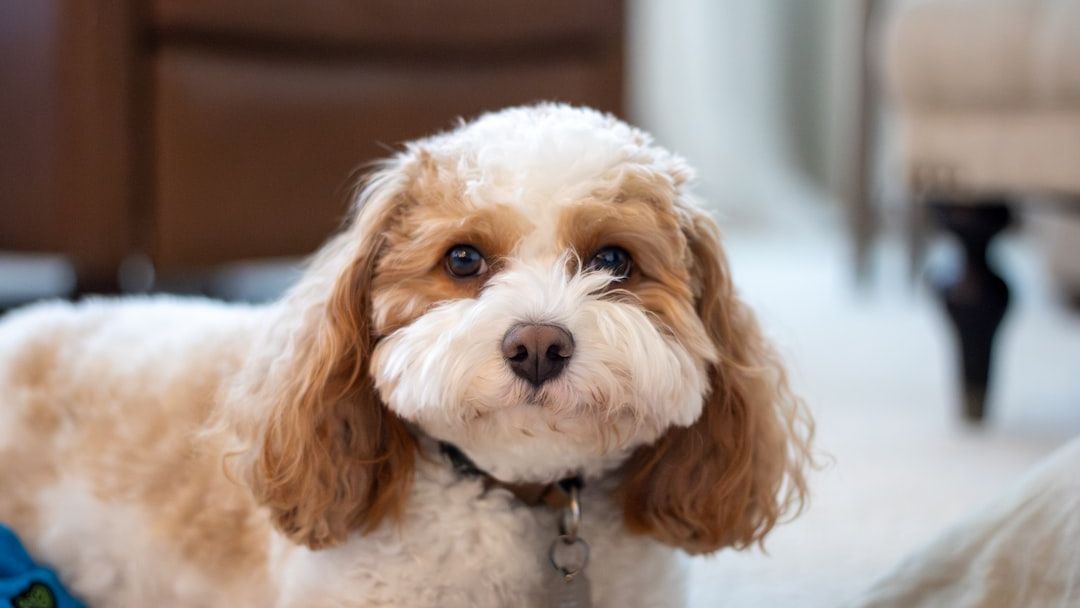
Ever caught your dog mid-yawn and assumed they were just tired? Or maybe you’ve seen that tail wagging furiously and thought it was pure joy. Here’s the thing: your furry companion is constantly talking to you, but not in the way you might think. Dogs have developed a sophisticated system of communication that goes far beyond barks and whines. They’re using their entire body to send messages, and honestly, we’re often missing the point.
That can lead to plenty of human-dog misunderstandings. Learning to decode what your dog is actually saying can transform your relationship and help you respond to their needs before things escalate. Let’s dive into the hidden meanings behind those everyday behaviors.
The Tail That Tells a Thousand Stories
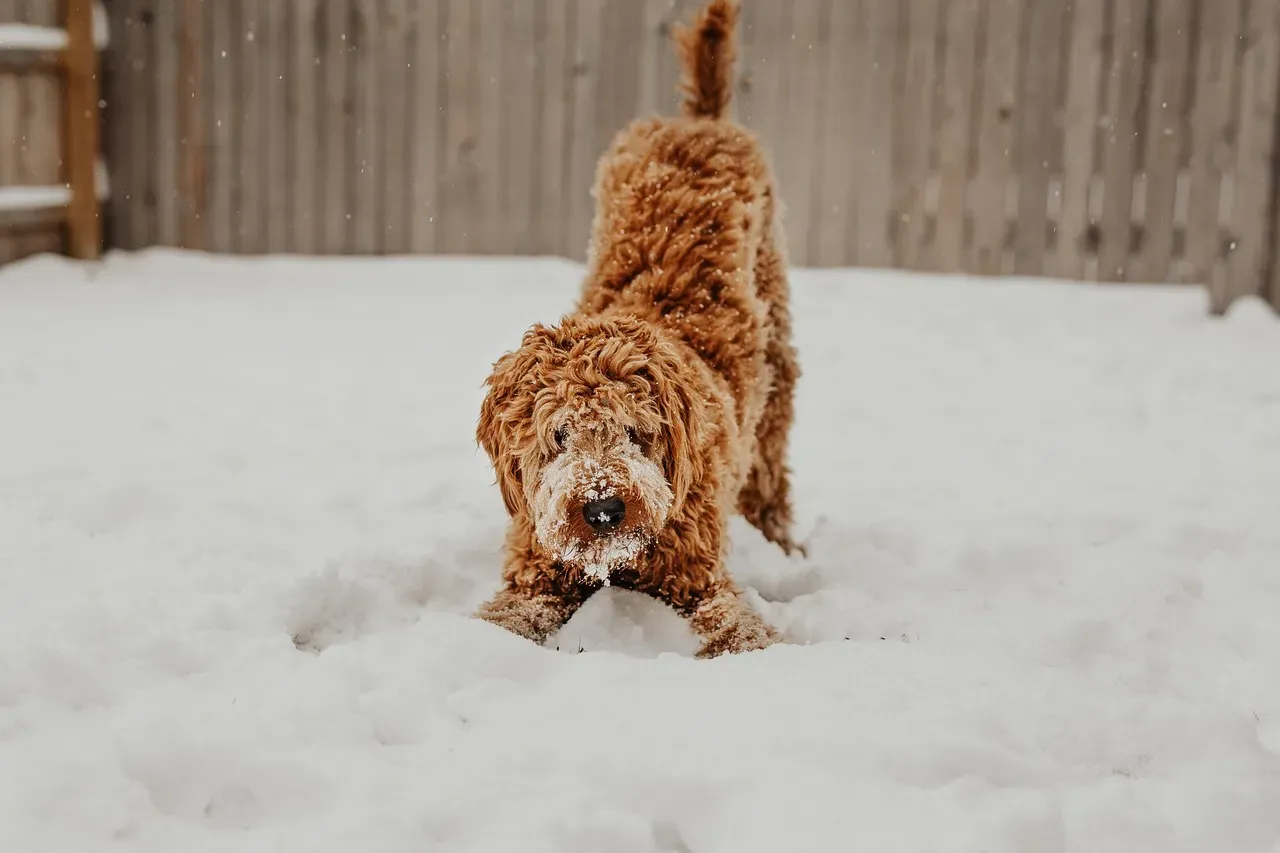
Most people think a wagging tail automatically means happiness. I know it sounds crazy, but all a wagging tail means is that the dog is emotionally aroused. The real meaning depends on how they’re wagging it. Think of it like this: your dog’s tail is basically a mood barometer, and you need to read the entire forecast, not just glance at it.
When the tail is held at maximum height it is a demonstration of dominance and can also indicate a positive demeanour. Yet a stiff, high wag combined with tense body language? That could signal aggression brewing. If your dog tucks their tail down low to the ground or between their legs, it often indicates they’re worried or scared.
Studies show that dogs wag their tails to the right when they are happy or confident, and to the left when they are frightened. The direction actually matters because it reflects which hemisphere of the brain is engaged. Pretty fascinating stuff when you think about how evolution shaped this communication tool. Watch the speed too, because the higher the dog’s tail and the faster the wag, the greater the level of arousal.
When Yawning Doesn’t Mean Sleepy
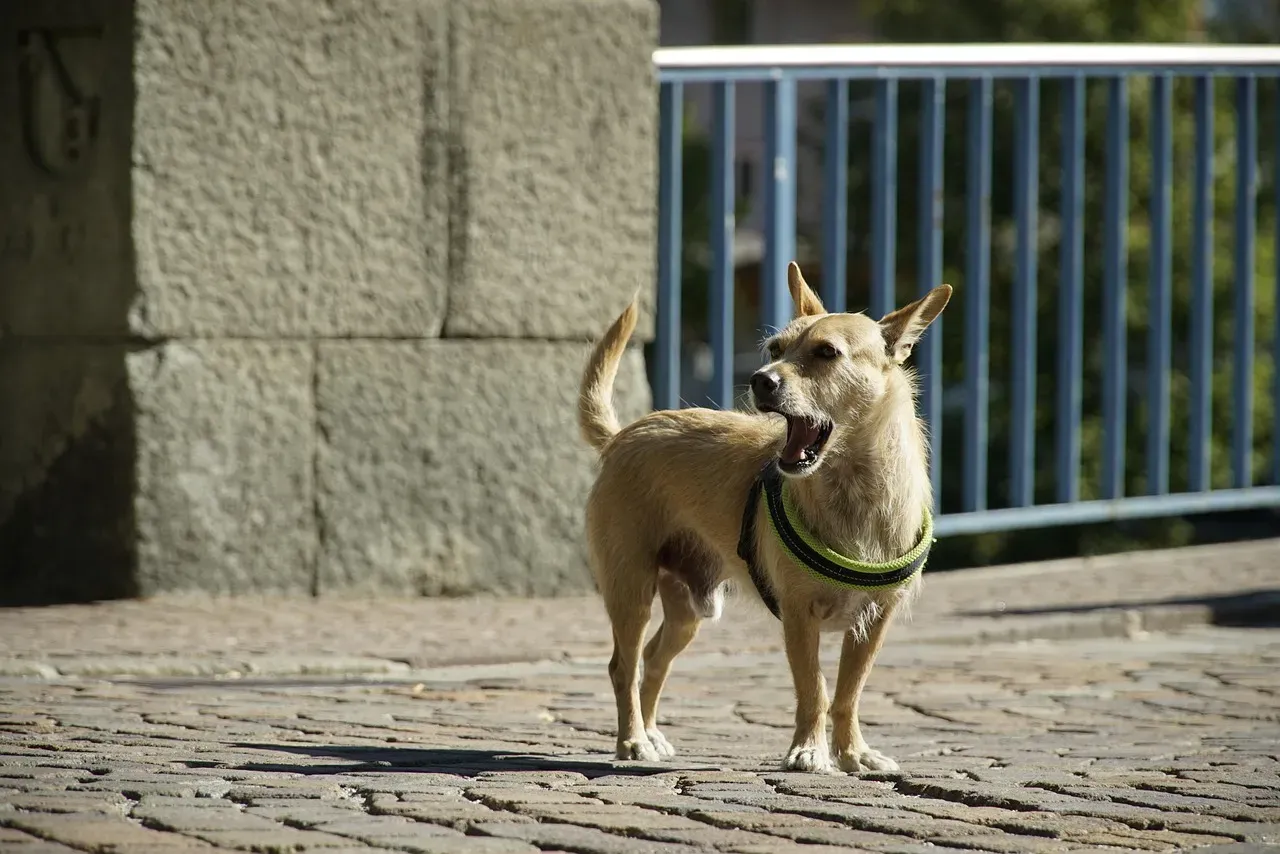
Let’s be real: if your dog yawns in the middle of playing or during a vet visit, they’re definitely not bored. People yawn when they’re tired or bored, but dogs yawn when they’re stressed. This is one of those signals that trips people up constantly because it’s the exact opposite of what we’d expect.
Dogs use yawning to calm themselves in tense situations and to calm others, including their owners. So when your pup starts yawning while meeting a new dog or person, they’re basically saying they need things to slow down a bit. A wide-awake dog who yawns may be experiencing stress. This is a common signal that they’re feeling nervous or worried.
It’s hard to say for sure, but I think we often miss this signal because we’re so used to interpreting yawns through our human lens. Next time you see your dog yawning at an odd moment, take a step back and assess the situation. What might be making them uncomfortable?
The Mystery Behind the Raised Paw
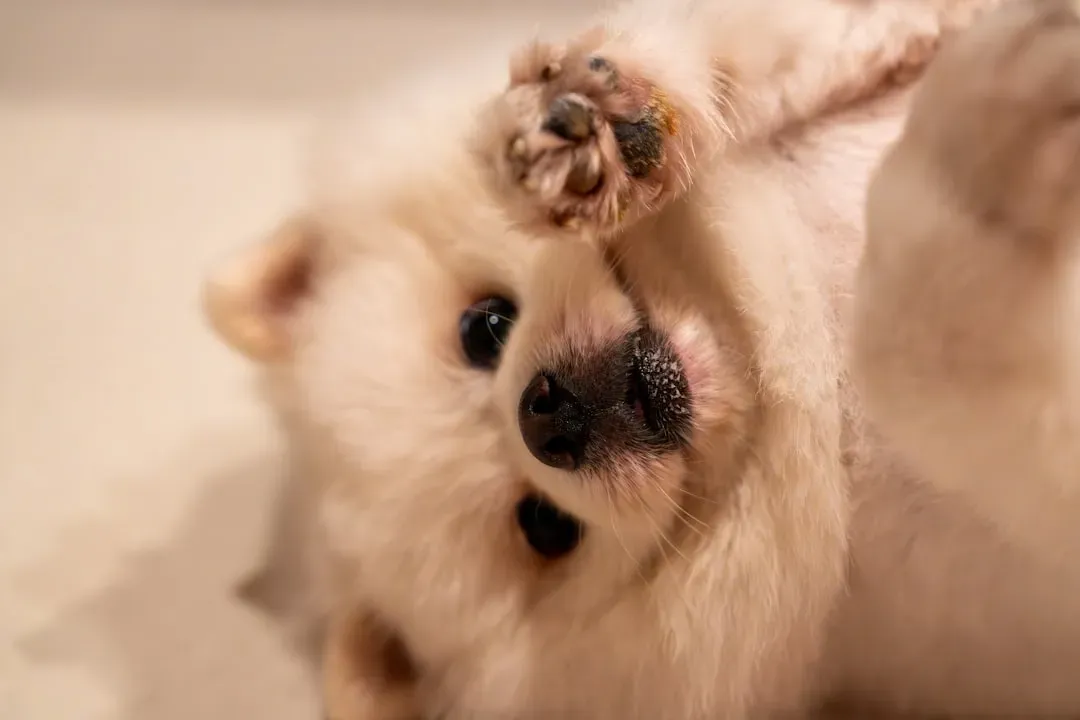
You might notice your dog lifting one paw off the ground and wonder what they’re trying to tell you. Outside of pointing behavior context, a raised paw often indicates that a dog is uncertain about a situation or perhaps feels a bit insecure. It’s like they’re pausing mid-step, not quite sure whether to proceed or retreat.
This gesture can show up during new experiences or when your dog encounters something unfamiliar. They’re essentially hitting the brakes and saying they need a moment to figure things out. Some dogs will raise a paw when meeting strangers or entering unknown territory.
The dog might also raise a front paw in an appeasement gesture. This means they’re trying to appear non-threatening and friendly. Think of it as your dog’s version of putting their hands up to show they come in peace. It’s actually quite an endearing behavior once you understand what drives it.
Lip Licking and Looking Away Aren’t About Food

If you notice your pup licking their lips but know they’ve recently eaten and probably aren’t hungry, this behavior may indicate your dog is worried about something. It’s one of those subtle stress signals that’s easy to overlook, especially when it happens quickly. Dogs use these calming signals to self-soothe and communicate their discomfort.
It’s in direct contrast with what that same signal means to a human, such as when it comes to yawning or looking away. When your dog avoids eye contact or turns their head away, they’re not being rude or ignoring you. The most subtle signal is the avoidance of direct eye contact (aversion of the eyes). This is a very significant gesture since the opposite of which (a direct stare) communicates a threat.
Similar to shaking off water from the pool, dogs also give a shake to reduce tension or stress from their bodies. So if your dog suddenly shakes themselves without being wet, they might be trying to reset emotionally. These behaviors cluster together when a dog feels anxious or overwhelmed.
The Complex World of Dog Vocalizations
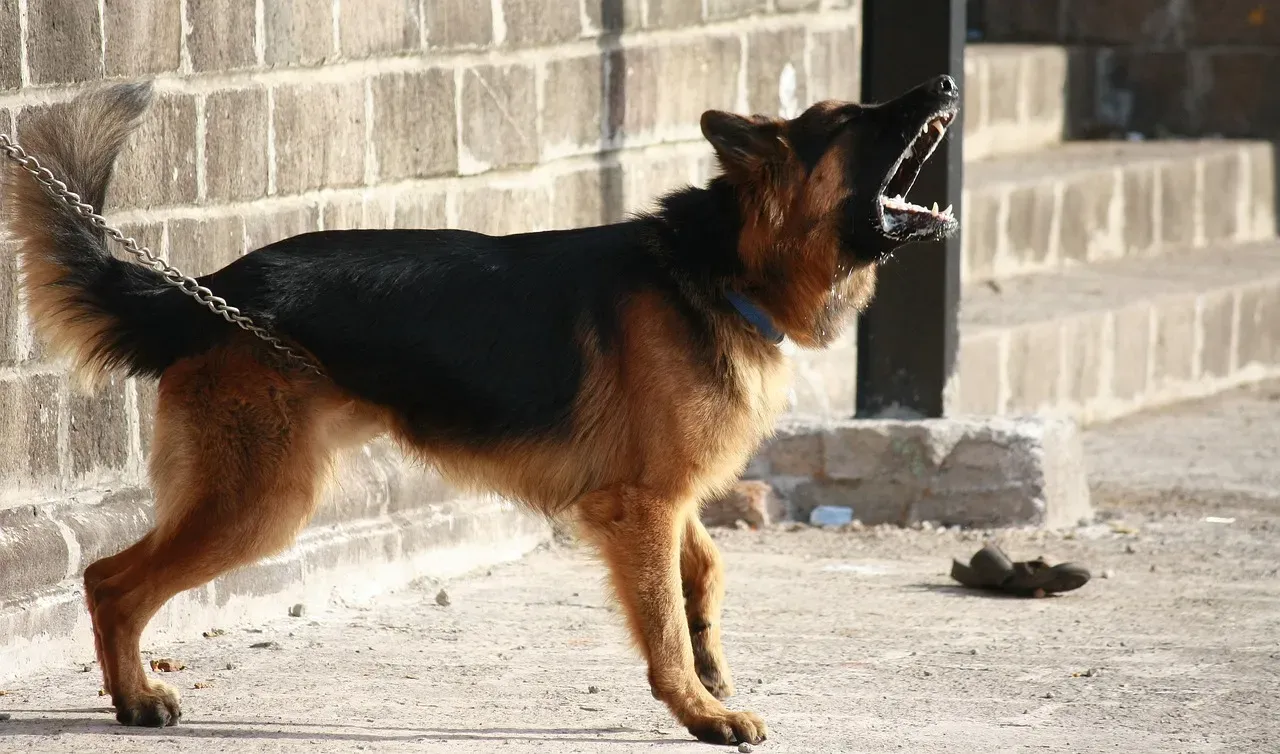
Barking, growling, whining – these sounds carry way more meaning than we typically give them credit for. Most people can tell from a bark whether a dog/canine was alone or being approached by a stranger, playing or being aggressive. Growling especially gets misunderstood as purely aggressive behavior.
The sound of the growls varied depending on the situation. For instance, play growls had a different pitch and tone compared to more aggressive growls used during bone-guarding. Playback experiments showed food-guarding growls were more effective at deterring other dogs than threat growls. This study provided powerful evidence that dogs use context-specific vocalisations to communicate.
They are able to learn up to 200 words’ meaning and they link it with the object they refer to. Your dog isn’t just making random noises – they’re actually trying to convey specific messages. Our furry friends use a combination of at least 19 distinct gestures to tell us what they want. One mix of gestures, such as pawing and head tilting, might translate to the want to go outside while another combination might get across the desire for food.
Reading the Room: Context Is Everything
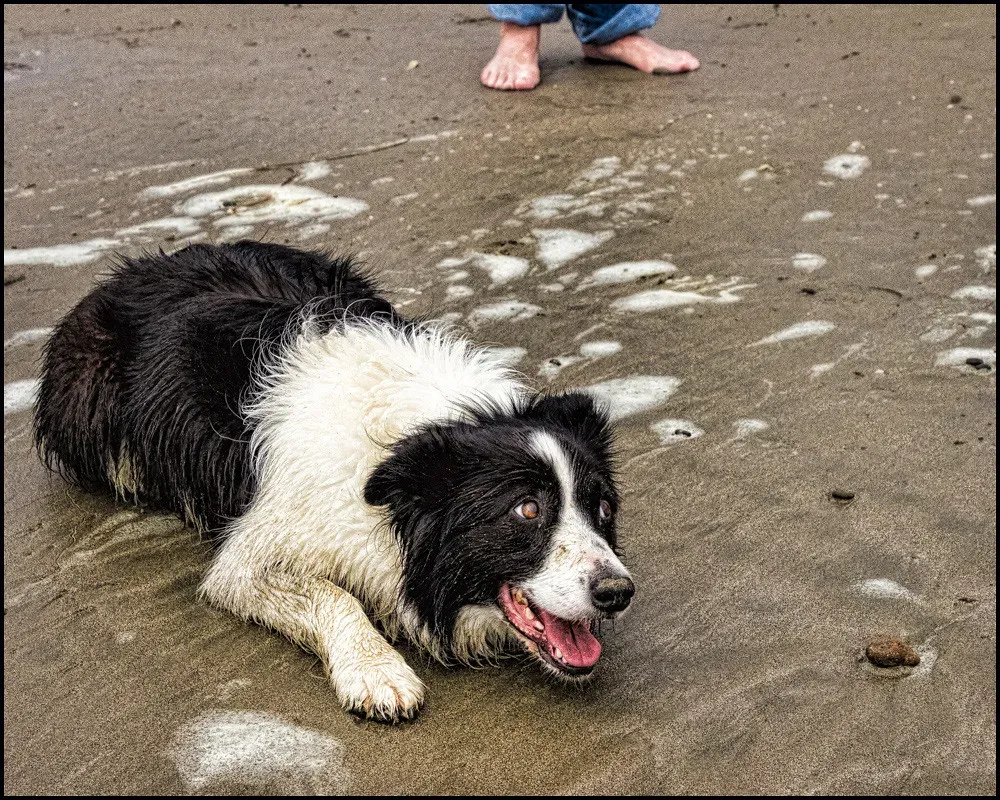
Unlike in people, canine body postures and olfactory (scent) cues are significant components of dog language and vocal communications are less significant. People are listeners; dogs are watchers. This fundamental difference means we need to shift how we observe our dogs. You can’t just focus on one body part and call it a day.
Dogs communicate their wants, needs, happiness and fear primarily through body language. Things to watch for when dogs communicate are primarily body language and posturing, including position of the head and neck, position of the ears, tail position and activity, raised hair over shoulders or back, position of eyes and ears, facial expressions, and vocalization.
Each individual body signal must be taken in context and evaluated in light of the “big picture” of the dog’s overall behavior at the moment. A dog displaying multiple stress signals simultaneously needs your immediate attention and intervention. Your newfound understanding of your dog’s emotional state can help you predict their behavior and prevent problems before they arise. Honestly, once you start noticing these patterns, you’ll wonder how you ever missed them before.
Conclusion
Understanding your dog’s body language isn’t just about avoiding misunderstandings. It’s about building a deeper, more meaningful connection with your best friend. New insights and research is revealing how dogs read our subtle cues, emotions and intentions suggest that our canine best friends really understand us far better than we understand them.
The language of loyalty your dog speaks is remarkably nuanced and sophisticated. From the direction of a tail wag to the context of a yawn, every signal carries weight and meaning. By learning to listen with your eyes and pay attention to the whole picture, you’re giving your dog the gift of being truly heard.
What signals have you been misreading from your own dog? Take a closer look today and you might be surprised by what they’ve been trying to tell you all along.

- 7 Hidden Conditions That Invite Termites Into Your Walls - August 6, 2026
- What It Means When Hummingbirds Return on Nearly the Same Date Every Year - August 6, 2026
- What It Means When a Dog Refuses to Enter a Room It Once Loved - August 6, 2026