
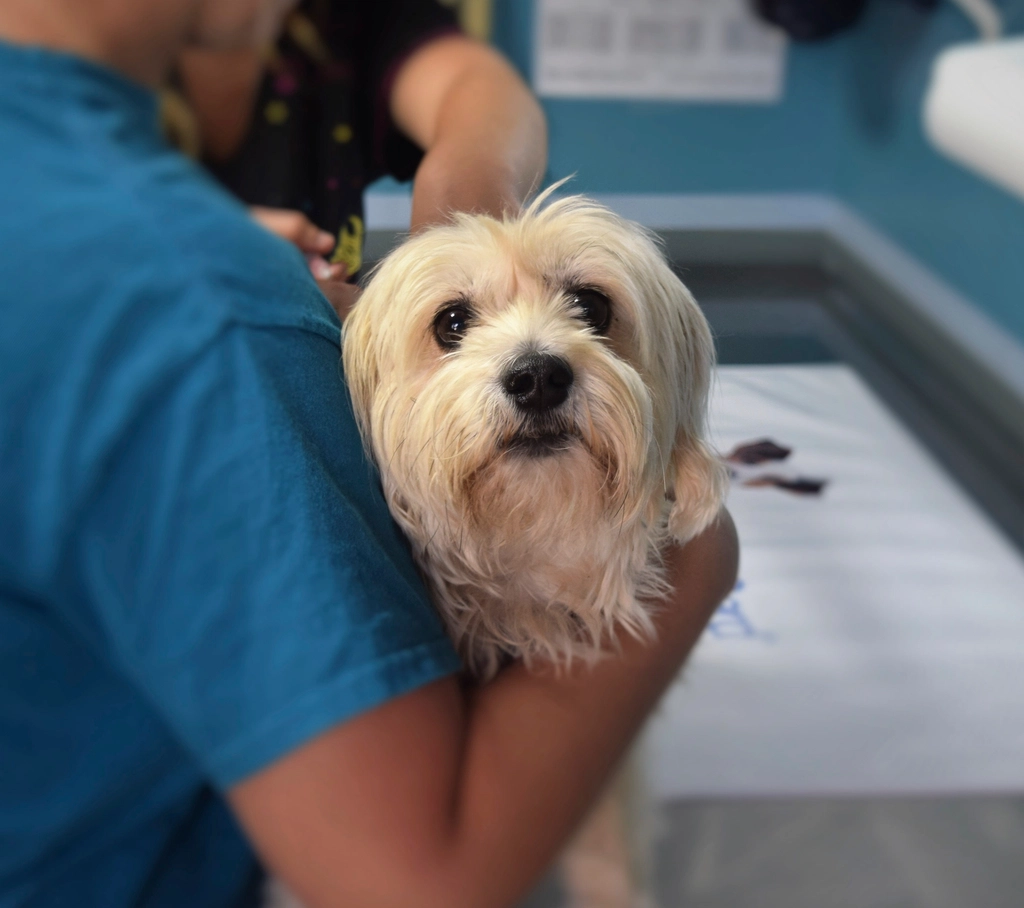
You walk down the hallway, your dog trotting happily beside you, and then it happens: they slam on the brakes. The room they used to race into, nap in, and guard like a tiny furry dragon is now apparently a no‑go zone. They plant their feet, lean back on the leash, maybe even tremble or whine. Suddenly you’re stuck asking yourself whether they’re being dramatic, sensing a ghost, or trying to tell you something important.
Changes like this can feel eerie and deeply personal, because that room is part of your shared life and routine. When a dog suddenly refuses to cross a familiar doorway, they are almost always communicating something real, even if it’s not obvious at first glance. Underneath the odd behavior, there is a story: about body pain, fear, subtle sounds, weird smells, or shifts in the social energy of your home. Once you learn how to read that story, you stop taking it as stubbornness and start seeing it as information.
From Safe Haven to “Nope Zone”: Why This Change Matters
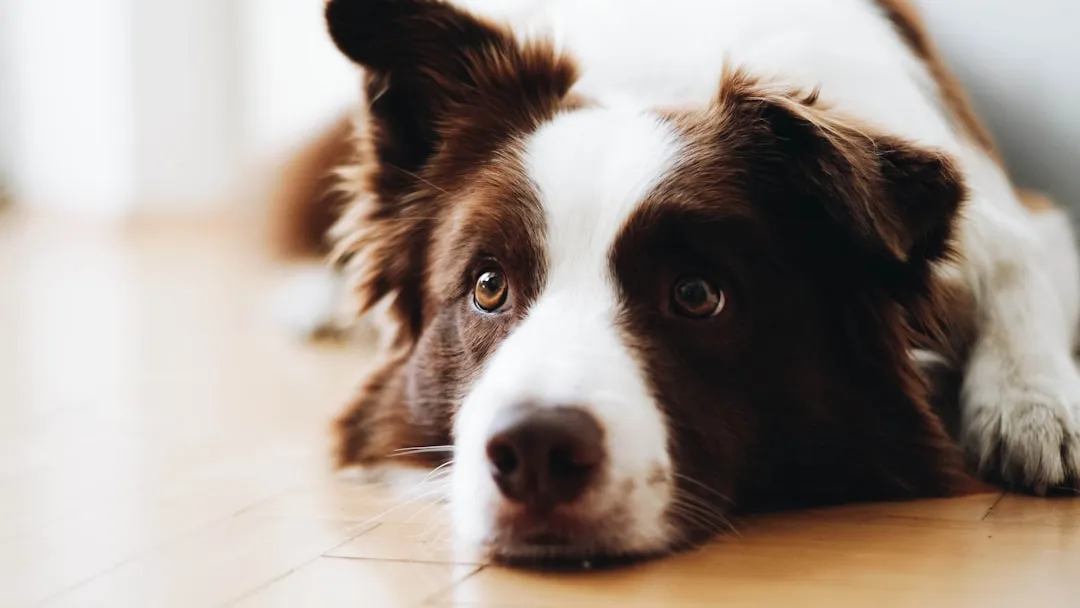
When a dog suddenly avoids a room they once adored, it is rarely random. Dogs are creatures of habit; they find comfort in predictable spaces, smells, and routines. For a previously loved room to become a hard pass, something in their inner world (body, brain, emotions) or outer world (environment, people, layout) has shifted enough to flip the space from “safe” to “risky.” That shift might be dramatic, like a loud crash, or so subtle that you never even noticed it.
This kind of change is important because it is often an early-warning sign. Long before a dog limps, cries, or shows obvious anxiety, you may first see quieter behaviors like hesitation at thresholds, sudden clinginess, or avoidance of certain surfaces or areas. I’ve had foster dogs who were completely fine in the living room, but would refuse to step into the hallway where they once slipped on the floor. That doorway became their “no thanks” line long before anyone realized they were afraid of falling again. Treat this change less like a tantrum and more like a red flag asking you to investigate gently.
The Invisible Tripwire: One Bad Experience Can Rewrite the Room
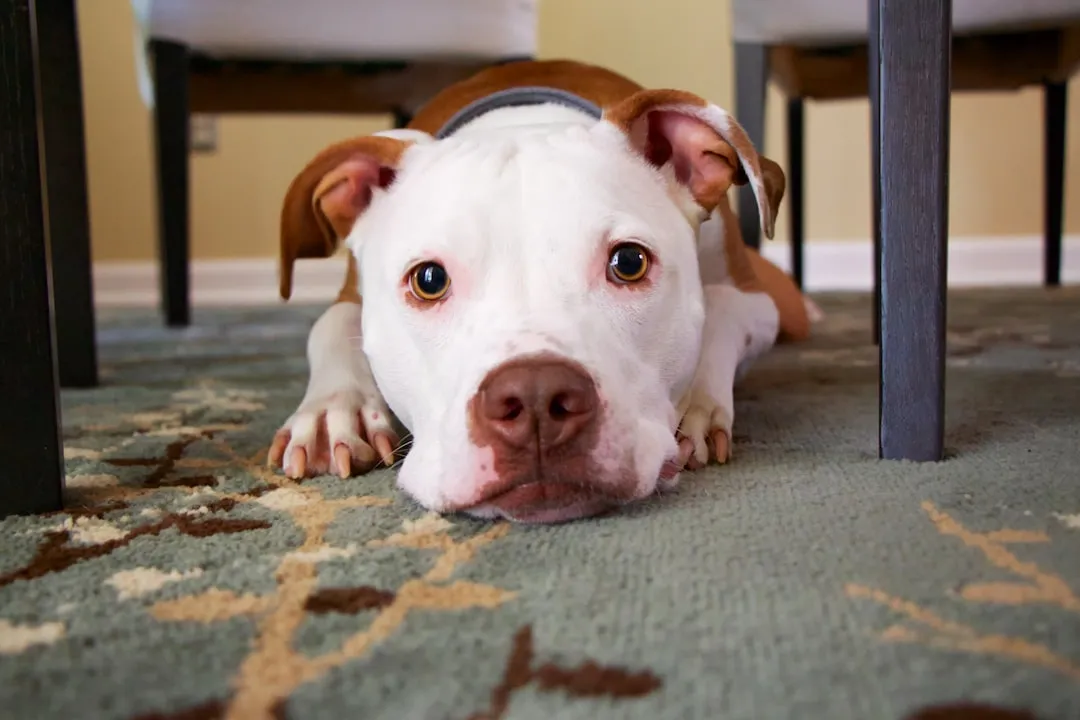
Dogs are shockingly fast learners when strong emotions are involved. One frightening or painful incident in a room can stamp a powerful memory that sticks. Maybe a heavy object fell and scared them, a smoke alarm screeched unexpectedly, they were accidentally stepped on, or they slid and crashed on a slippery floor. To your dog’s brain, that room is now tagged with a simple equation: doorway = risk of something awful happening again.
Unlike humans, dogs do not sit around reasoning that “it was just a one‑time thing.” Their survival system is designed to err on the side of caution. If entering a room once led to a huge fright, their brain says: why take that chance again? This can feel frustrating when you know the room is safe now, but from their perspective they are not being stubborn; they are being smart. The key is not to drag them through the fear, but to slowly overwrite that bad memory with gentle, positive, and completely predictable experiences at their own pace.
Pain, Age, and Hidden Discomfort: When the Room Hurts

One of the most overlooked reasons a dog suddenly avoids a once‑beloved space is physical pain. The room itself may not be the problem; the path to it is. Stairs, slick tiles, sharp turns, or a high step over a threshold can all become terrifying if hips, knees, or spine are aching. Older dogs, large breeds, and dogs with arthritis or joint disease are especially prone to this. They may also hesitate if the room is colder, the bed is harder to climb into, or the surfaces are less forgiving on sore joints.
Sometimes the change is incredibly subtle. A dog that used to leap on the bed in that room might now pause at the doorway because they know jumping will hurt, so they avoid the whole situation. If you notice your dog avoiding certain rooms along with other small changes – slower getting up, reluctance to jump into the car, stiffness after naps – it is time for a vet visit, not a training session. In my own experience with an aging dog, the “no more bedroom at night” phase was the first hint that her back legs were quietly giving her trouble long before she actually limped.
Sensory Overload: Sounds, Smells, and Lights You Barely Notice

Dogs live in a sensory universe that is far more intense than ours. A faint high‑pitched noise from electronics, the rumble of pipes in the wall, a neighbor’s dog barking through a shared wall, or even a slightly different smell from cleaning products can all change how a room “feels” to them. You might only notice a tiny hum or nothing at all, while your dog hears a persistent, unsettling noise every time they cross that threshold. The room that used to be cozy might now be a minefield of weird sensations they can’t escape.
Smell can be just as powerful. A new detergent on the carpet, a strong air freshener, or lingering odors from guests or other animals can turn familiar territory into a strange zone. Some dogs are especially sensitive to flashing lights from screens, reflections from mirrors, or shadows passing by windows, making certain rooms feel visually chaotic. When your dog refuses to enter, it’s worth pausing and asking: what are they hearing, smelling, or seeing that I’m not tuned into? Sometimes simply changing a plug‑in, turning off a buzzing device, or adjusting curtains can shift the room back into “safe” territory for them.
Emotional Atmosphere: Tension, Conflict, and “Bad Vibes”

Dogs are incredibly attuned to human emotions and social dynamics. If a room has become the main stage for arguments, loud phone calls, or stressful work, your dog may quietly decide that the emotional climate in that space is too intense. They do not understand the content of your argument, but they absolutely understand raised voices, abrupt movements, and tense body language. To them, that room starts to predict conflict or anxious energy rather than rest and connection.
This can happen in more subtle ways too. Maybe that room is where you wrestle with your laptop and deadlines, where you pace and sigh, or where someone in the household isolates when upset. Over time, the dog associates that room with unease and chooses to hang out where the family feels more relaxed and connected. It is a bit like a friend who always avoids a bar where they once had a terrible night out; the place itself has become tangled with the feeling. Sometimes softening the energy – speaking gently, playing with your dog, offering calm affection in that space – does as much good as any formal training plan.
Fear, Phobias, and Trauma: When Avoidance Is a Coping Strategy
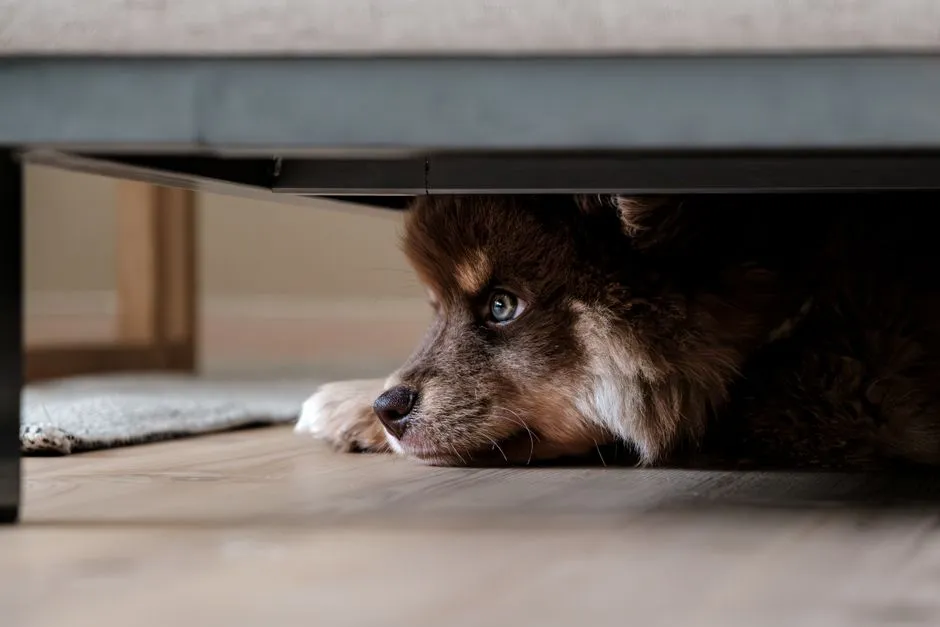
For some dogs, especially rescues or dogs with a history of unstable environments, room avoidance can be part of a broader anxiety pattern. If your dog is generally jumpy, startles easily, or has known fears like thunderstorms or fireworks, that fear can become linked to particular spaces. Maybe a storm scared them while they were lying in that room, or fireworks echoed louder in that corner of the house. From then on, simply walking past the door might nudge their brain into high alert.
In these cases, the refusal to enter is not just a quirk; it is a coping strategy. The dog has learned that avoiding certain places feels safer than risking another overwhelming experience. Pushing, dragging, or forcing them over that invisible line usually backfires and can deepen the fear. Instead, gradual desensitization – tiny, positive steps toward the doorway, lots of choice, high‑value rewards, and maybe guidance from a qualified behavior professional – can help rebuild trust. Think of it like gently helping a friend back into driving after a bad car accident, not shoving them into the driver’s seat and demanding they get over it.
How to Gently Help Your Dog Reclaim the Room
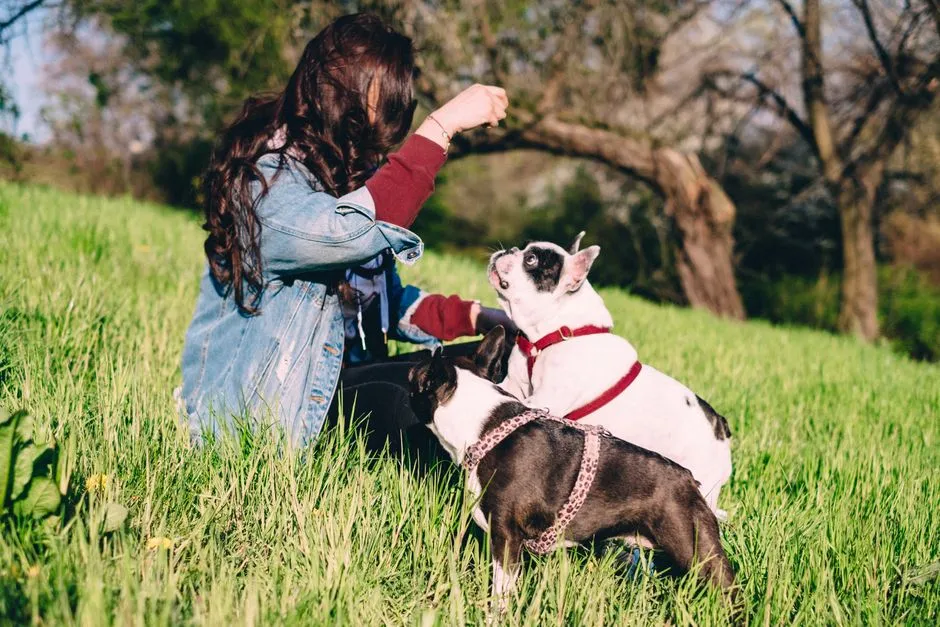
Once you have ruled out pain with a vet check and thought through possible sensory or emotional triggers, you can start helping your dog feel safer. The goal is not to “win” the battle over the room but to create enough predictability and positivity that your dog voluntarily chooses to step inside again. Start with very small steps: rewarding calm behavior near the doorway, sitting with them just outside the room, and turning that threshold into a mini picnic spot full of treats, toys, and gentle praise. The dog should always have the option to move away if they feel unsure.
Over days or weeks, you can gradually shift the fun a few inches farther into the room, always respecting their pace. Sometimes adding familiar items like their bed, a favorite blanket, or even another friendly dog can help the room feel more anchored and safe. Other times, you may need to change aspects of the environment – different lighting, rugs on slippery floors, softer sounds – to reduce whatever was overwhelming them. It is rarely a quick fix, but when you frame it as a collaboration with your dog instead of a power struggle, the process becomes surprisingly bonding and satisfying.
When to Seek Professional Help (and Why It’s Not Overreacting)
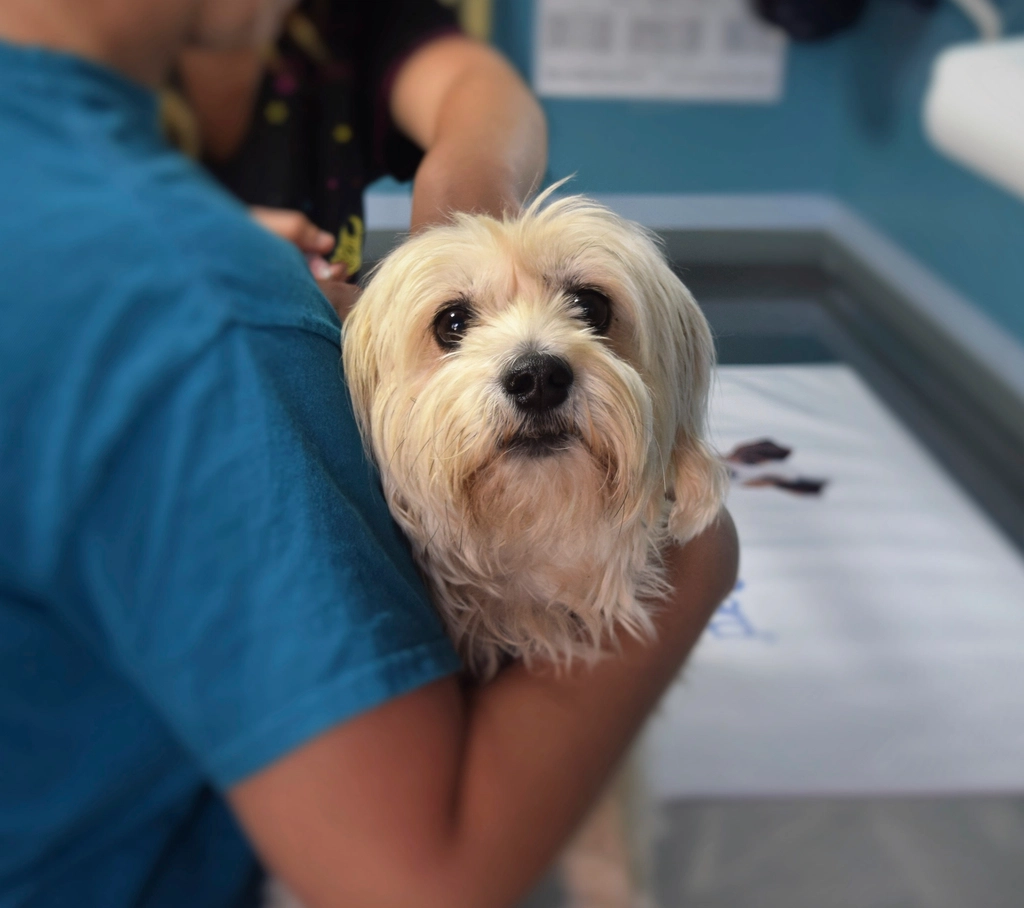
If your dog’s refusal to enter a room comes with shaking, panting, pacing, growling, or other signs of distress, or if you see similar avoidance popping up in multiple areas, it is wise to get help. Start with your veterinarian to rule out medical causes, from joint pain and vision changes to neurological issues. If everything checks out physically but the fear remains intense, a qualified force‑free trainer or veterinary behaviorist can help you map out a clear plan. They will look at the full picture of your dog’s behavior and environment rather than just that one room.
Getting professional support is not an admission that you failed; it is simply acknowledging that your dog’s emotional and behavioral health deserves expertise, just like their physical health. I have seen dogs go from frozen at a doorway to cheerfully trotting into previously terrifying spaces with the right combination of medical care, patient training, and environmental tweaks. Sometimes an outside eye catches patterns we miss because we are too close to the situation. If this room avoidance is your dog’s way of whispering that something is wrong, a good professional can help you hear that whisper loud and clear, and respond in a way that actually changes their life for the better.
Conclusion: Listen to the Doorway Refusal, Don’t Fight It
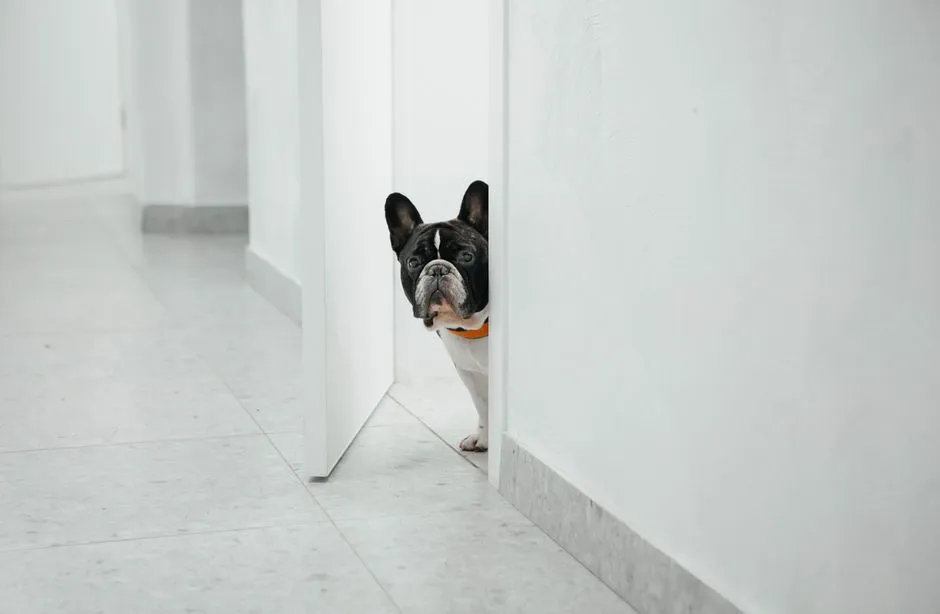
When a dog refuses to enter a room it once loved, it is tempting to label them as stubborn, spoiled, or dramatic. In reality, that planted‑feet moment is often one of the most honest forms of communication you will ever get from them. They are telling you that, for them, something about that space no longer feels safe, comfortable, or predictable. Whether the root lies in pain, a scary memory, subtle sensory changes, or emotional tension, ignoring or bulldozing past the behavior almost always misses the point.
My opinion is that we should treat these moments less as misbehavior to fix and more as clues to investigate with curiosity and respect. A dog’s world is made of doorways like this – literal and emotional – and when they balk at crossing one, they are asking us to slow down and listen. If we answer that request with patience, medical care when needed, and thoughtful training, the “haunted” room often becomes neutral or even beloved again. And even if it never does, the real win is a dog who trusts that their fear will be heard, not punished. Next time your dog stops at a doorway, will you drag them forward – or pause long enough to ask what they are trying to say?

- What It Means When a Dog Refuses to Enter a Room It Once Loved - August 6, 2026
- 9 Scenic Wetlands Every Wildlife Photographer Should Visit - August 6, 2026
- Animal Cognition Says Goats Remember How to Solve a Puzzle Months After Learning It - August 6, 2026