

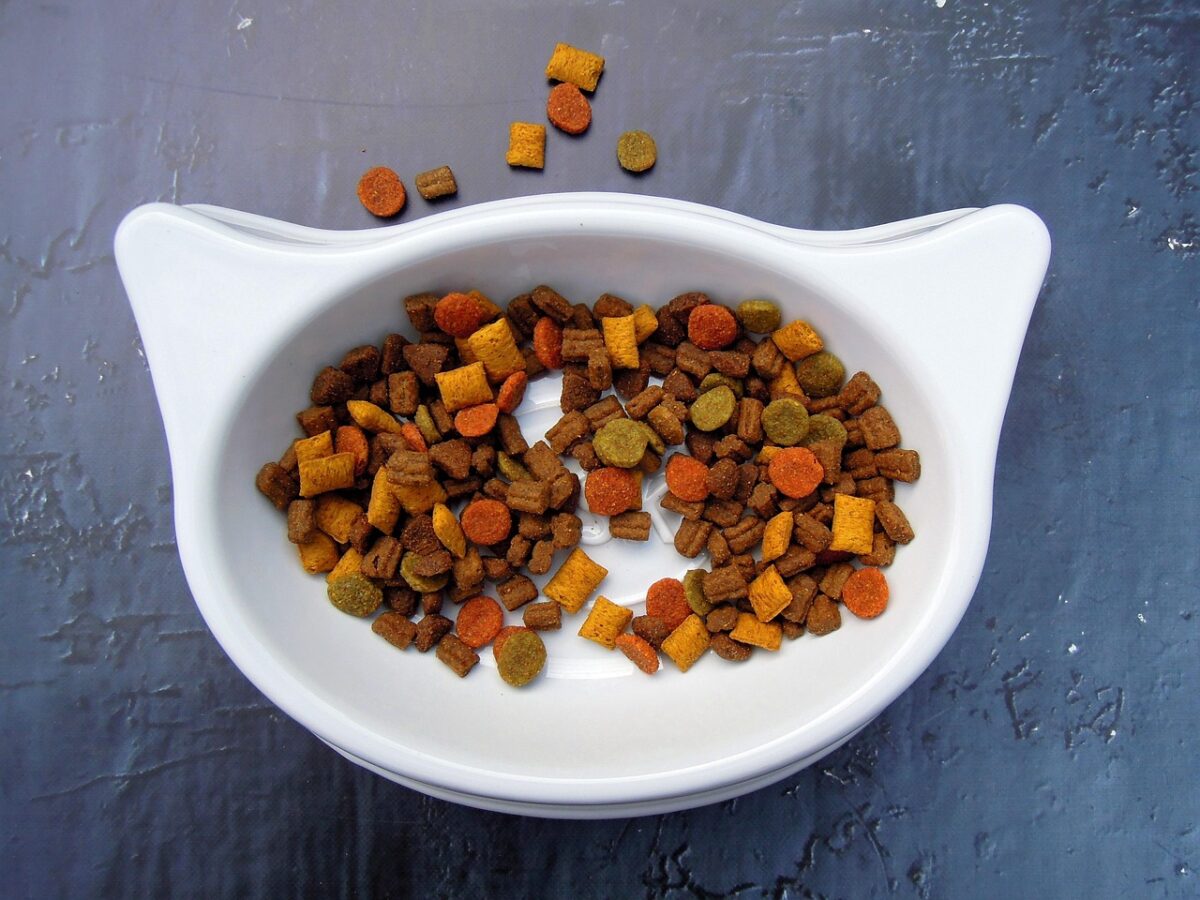

Overlooked Risks in Traditional Bowls (Image Credits: Pixabay)
Pet owners routinely fill bowls for their companions without considering how everyday materials might introduce toxins into meals, a concern that veterinarians address through targeted recommendations.[1][2]
Overlooked Risks in Traditional Bowls
Many conventional pet bowls expose animals to harmful substances over time. Traditional plastics often contain phthalates, bisphenol A (BPA), and xenoestrogens that leach into food and water, potentially disrupting endocrine systems and fostering bacterial growth in scratches.[1][3] Ceramic options with lead-based glazes or improper firing release heavy metals, particularly when interacting with acidic foods. Certain metal bowls, such as those made from aluminum or nickel alloys, trigger allergies or neurological issues with extended use.
Veterinarians note warning signs like discoloration, persistent odors, surface scratches, or behavioral changes such as reluctance to eat or facial pawing. These problems underscore the need for vigilance in selecting feeding vessels.
Leading Safe Materials Endorsed by Vets
Food-grade stainless steel stands out as a top choice among professionals for its resistance to bacteria, ease of sterilization, and non-porous surface that prevents chemical leaching.[1][4] High-fired, lead-free ceramic matches human dinnerware standards, offering thermal stability and visual appeal without health compromises. Borosilicate glass provides chemical inertness and transparency for easy cleanliness checks, though it demands careful handling.
“We consistently recommend stainless steel bowls to our clients because they eliminate the risk of chemical leaching while providing easy sanitization capabilities that plastic simply cannot match,” stated veterinary nutritionist Dr. Sarah Chen, DVM.[1] These materials prioritize long-term pet well-being.
Essential Tips for Choosing and Caring for Bowls
Selecting the right bowl involves checking for seamless construction, smooth surfaces free of defects, and adequate sizing matched to the pet’s needs. Non-slip bases and dishwasher compatibility enhance practicality.
- Opt for heavy, stable designs to prevent tipping during enthusiastic eating.
- Verify certifications like lead-free glazes or food-grade status.
- Choose elevated options for larger dogs to reduce neck strain and bloat risk.
- Incorporate shallow, wide shapes for cats to minimize whisker fatigue.
- Inspect regularly and replace any damaged items promptly.
Maintenance proves straightforward yet crucial: wash daily with hot soapy water, disinfect weekly using pet-safe solutions, and air dry thoroughly. Rotation among multiple bowls maintains hygiene standards.
Adapting Bowls to Specific Pet Types
Different animals benefit from tailored designs. Brachycephalic dogs thrive with shallow bowls that ease access, while deep-chested breeds gain from elevated stations to promote better posture. Cats prefer wide, low profiles, birds require contamination-resistant setups, and small mammals need weighted bases.
Reptiles favor temperature-stable materials. These adjustments not only boost safety but also encourage consistent eating habits and overall comfort.
Key Takeaways
- Prioritize stainless steel, lead-free ceramic, or borosilicate glass for toxin-free feeding.
- Follow strict cleaning routines to curb bacterial risks.
- Match bowl features to your pet’s size, breed, and species for optimal health.
Investing in vet-approved bowls transforms routine mealtimes into safeguards for your pet’s vitality – what steps will you take next? Share your experiences in the comments.

- Urban Coyotes Show Remarkable Adaptability, Learning to Thrive in City Environments - July 22, 2026
- Beavers Are Nature’s Engineers, Creating Vital Habitats for Other Wildlife Species - July 21, 2026
- The Recovery of the California Condor Offers Hope for Other Critically Endangered Birds - July 21, 2026