
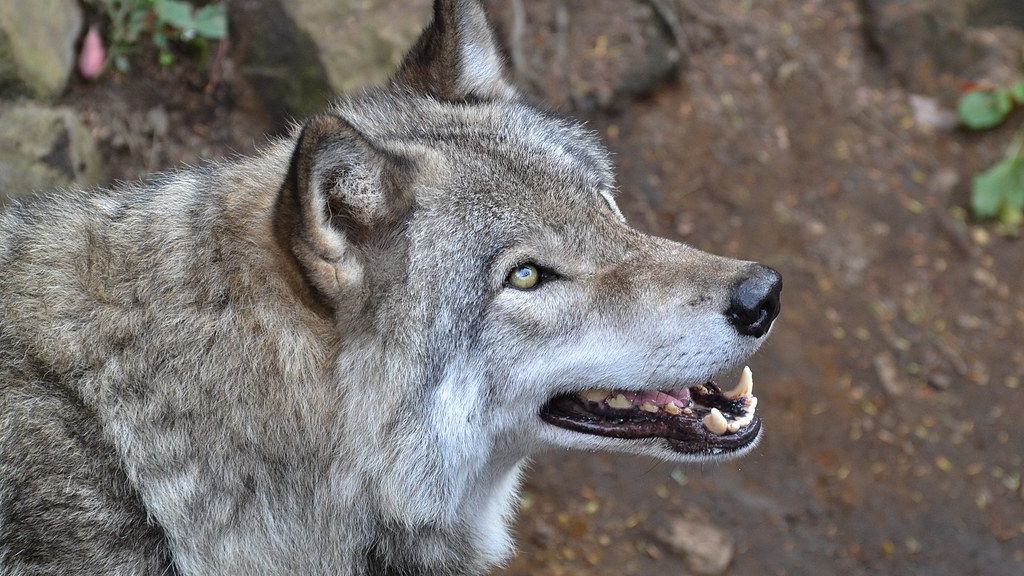
Picture yourself on a hiking trail, surrounded by towering pines and the whisper of wind through branches. Then you hear it. A low growl that freezes your blood. When a wolf emerges from the undergrowth, every instinct screams at you to run. Don’t. That single impulse could seal your fate.
Wolf attacks on humans are extremely rare, yet they do happen. The key to surviving such an encounter lies not in speed or strength, but in understanding one crucial behavioral trick that can mean the difference between life and death.
Never Run – Wolves Are Coursing Predators
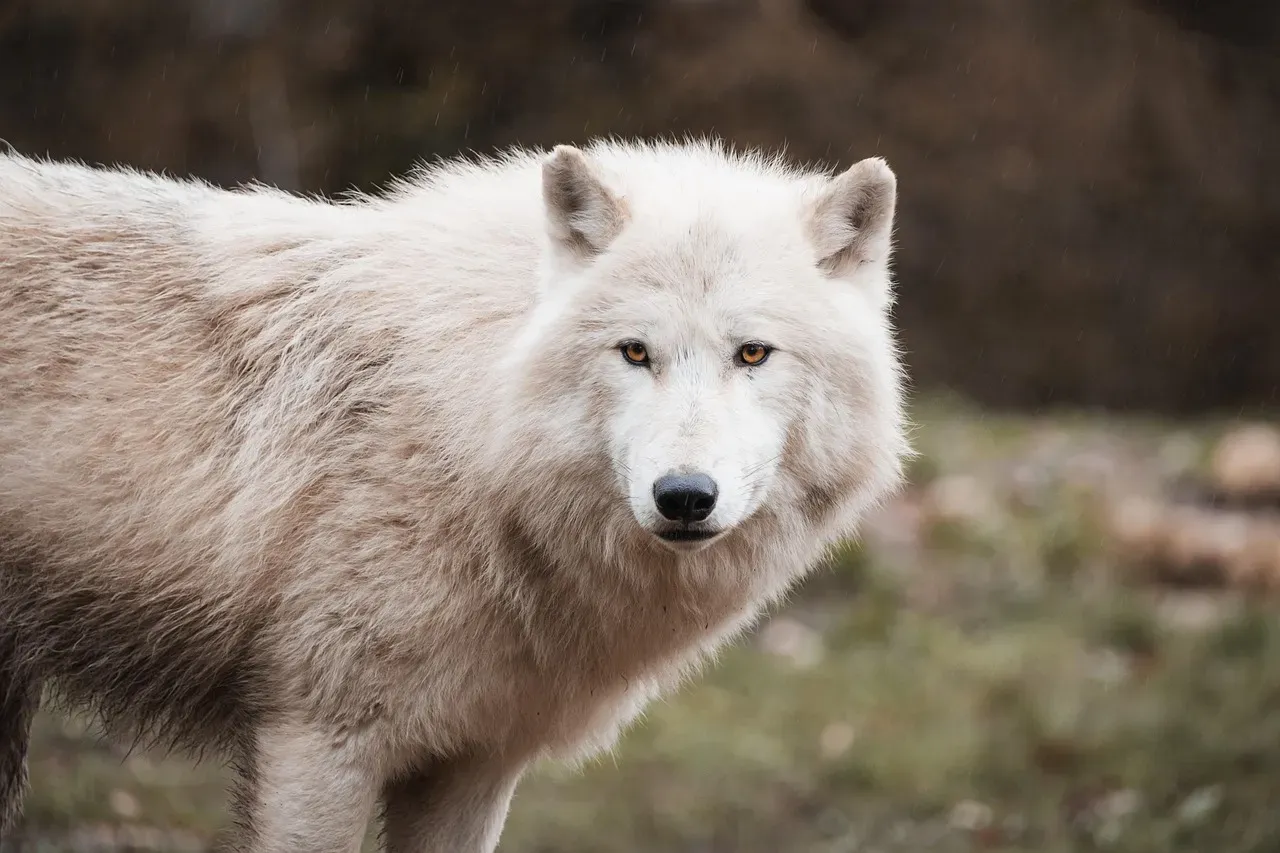
Here’s the thing about wolves. They’re coursing predators who hunt by chasing after running prey like deer, elk, and caribou. When you bolt, you’re not escaping danger. You’re triggering it.
Wolves want their prey to run because they know you can’t fight back while running. Running activates their hunting instinct like flipping a switch. Even though wolves rarely view humans as food, behaving like fleeing prey changes the entire dynamic of the encounter.
The moment you turn your back and sprint, you’ve transformed from a potential threat into something vulnerable. Wolves can reach speeds far exceeding what any human can manage. You won’t outrun them, not even close.
Your legs might be screaming to move, but standing your ground is the smartest survival strategy you have. Let’s be real, fighting every natural impulse is terrifying, yet it’s exactly what keeps you safe.
Make Yourself Appear Larger and More Threatening

You want to appear strong, tough, and predator-like, never giving the wolf reason to think you’re a weak target or easy prey. Size matters in the animal kingdom. The bigger and more intimidating you look, the less appetizing you become.
Stand up straight. Raise your arms above your head. If you’re wearing a jacket, hold it open and high to expand your silhouette. Stand up straight, raise your arms or backpack over your head, and try to appear as big as possible.
Honestly, you might feel ridiculous waving your jacket around like some kind of deranged scarecrow. That’s fine. Wolves don’t care about your dignity – they care about whether you pose a threat. The more imposing you appear, the more likely they are to reconsider their approach.
Yelling also helps. Shout aggressively, make growling noises, clap your hands. You should be as loud as possible, shouting angrily at the wolves, and if you have a device like an airhorn, use it. Noise reinforces the message that you’re not prey – you’re trouble.
Back Away Slowly While Maintaining Eye Contact

Once you’ve established yourself as large and loud, it’s time to create distance. Retreat slowly while facing the wolf and act aggressively. Never turn your back. Never break eye contact if the wolf is watching you.
If you encounter a wolf, back away slowly, and if the wolf sees you as you’re backing away, maintain eye contact the whole time. This isn’t a staring contest you want to lose. Eye contact signals dominance and confidence. Looking away can be interpreted as submission or fear.
Move deliberately. One slow step at a time. Keep your body facing the wolf as you retreat. If there are multiple wolves or you’re with a companion, place yourselves back to back and slowly move away from the wolves.
It’s hard to say for sure, but many experts believe this steady, controlled retreat prevents the wolf from feeling cornered or challenged. You’re not fleeing, which would trigger chase behavior, nor are you advancing aggressively, which might provoke a defensive attack.
Protect Yourself If the Wolf Attacks
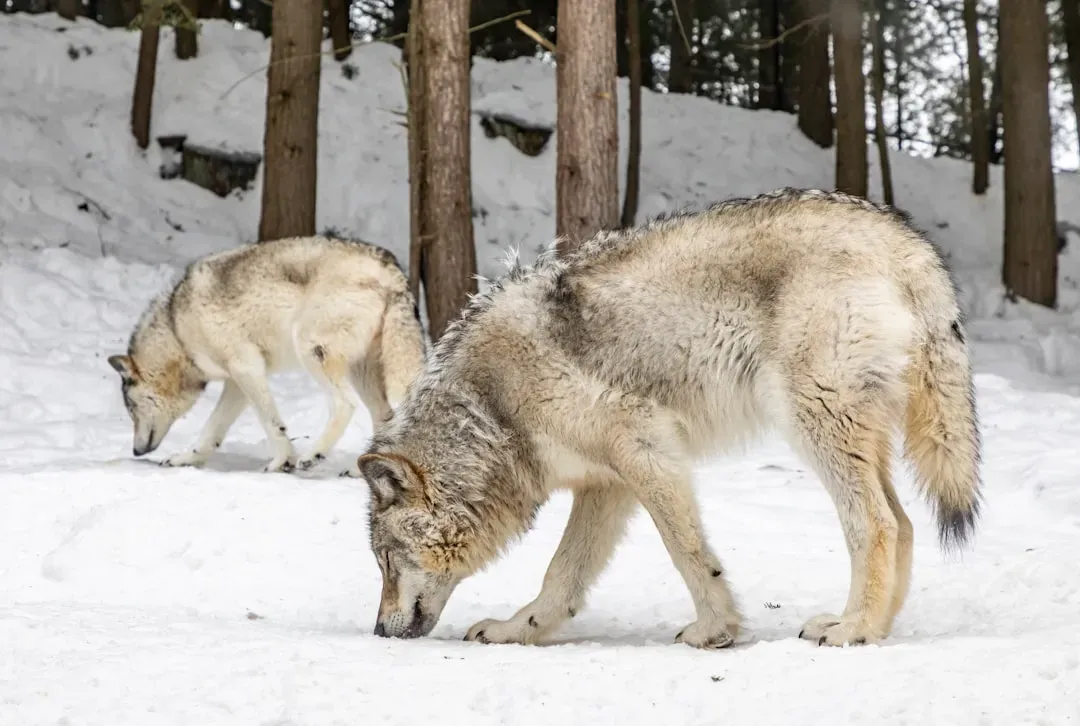
If a wolf actually lunges, you have to fight for your life with no room for hesitation, being ready to fight with everything you have. This is the worst-case scenario, but knowing what to do can still save your life.
Survival depends on staying on your feet, protecting vital areas, and using any weapon available to inflict damage. If you fall, getting back up becomes nearly impossible. Wolves attack the neck and throats of their prey for a quick and easy kill, so guard your jugular with your arms.
Use anything at hand as a weapon. Sticks, rocks, trekking poles, even your fists. Aim for the nose and face as these are highly sensitive. Fight with any means possible, using sticks, rocks, ski poles, fishing rods or whatever you can find.
Some sources suggest bear spray can work against wolves too. Consider carrying bear spray to be deployed only when a wolf approaches within 30 feet. I know it sounds crazy, but climbing a tree is also an option since wolves cannot climb trees.
Understand Why Wolves Attack Humans
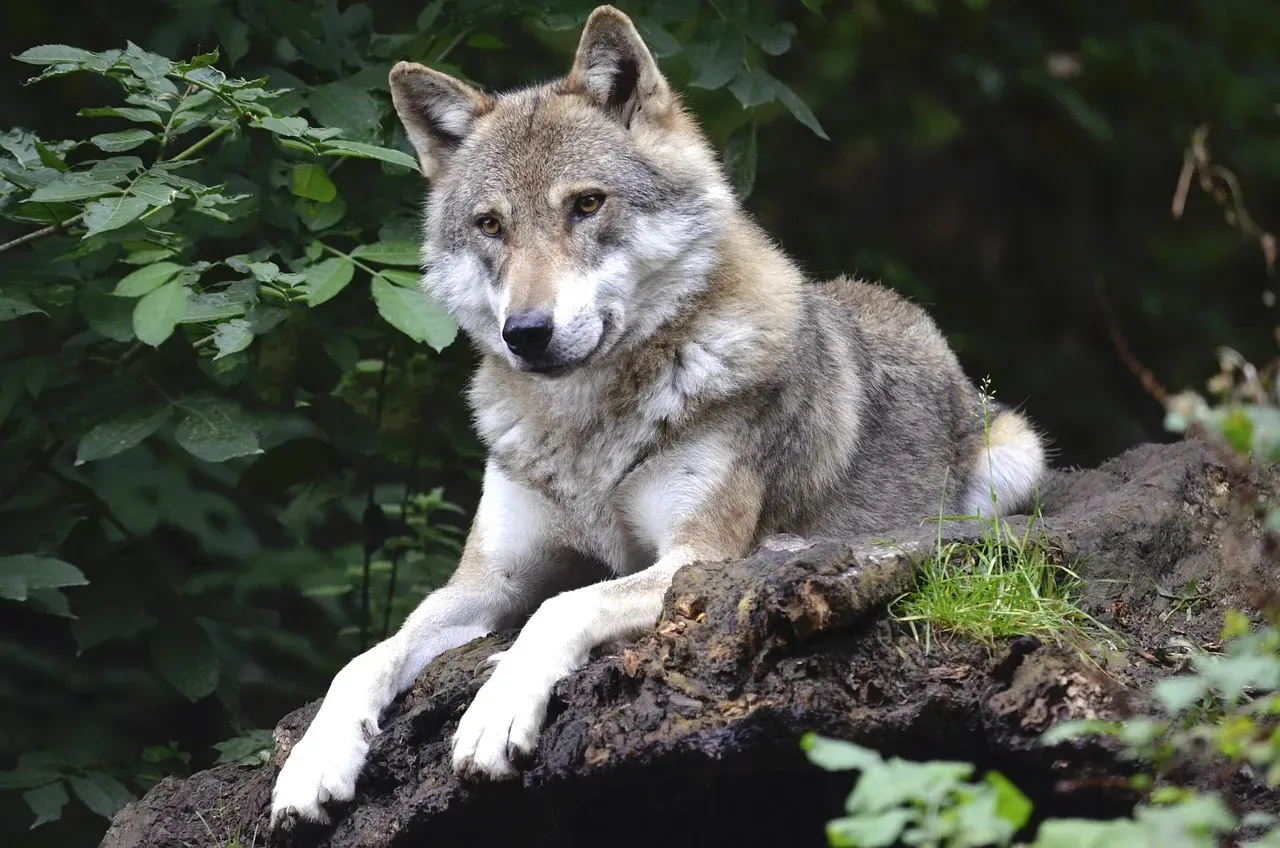
Wolves, like any predator, must eat to survive, and in cases of extreme starvation, they may become desperate enough to view humans as potential prey. Hunger isn’t the only trigger, though.
Habituated wolves that become comfortable around people are actually the ones most likely to suddenly act aggressively. When wolves lose their natural fear of humans – often because they’ve been fed or have access to human garbage – they become dangerous. If a wolf is fed by people it begins to expect handouts, and if that wolf approaches a person but gets no food, it can become suddenly aggressive.
Wolves can be particularly territorial around den and rendezvous sites in the interest of protecting pups, with barking, snorting, growling and even circling and bluff-charging as warnings to stay away. If you hear these vocalizations or see these behaviors, leave the area immediately.
Rabid wolves are another concern, though rare. Rabid wolves develop the furious phase of rabies to a very high degree, making them perhaps the most dangerous of rabid animals, usually acting alone and traveling large distances.
Know the Real Risk of Wolf Encounters
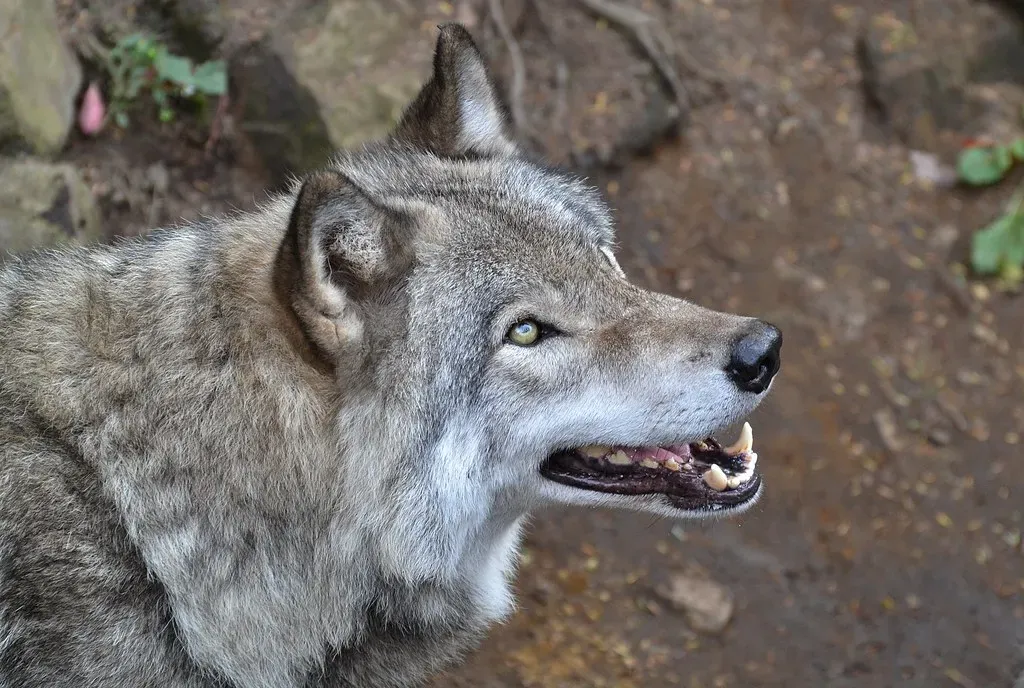
Let’s put this in perspective. In the last 100 years, there have only been two documented incidents of fatal wolf attacks in North America. Wolf attacks are a rare occurrence, with only 49 documented cases in Alaska and Canada from 1942 to 2002.
Since there are so few wolves in the wild and at most you’ll find one wolf pack over an area of more than a thousand square miles, your chances of encountering one in the wild are honestly minute. You’re statistically more likely to be injured by countless other things before a wolf ever becomes a threat.
Still, as rewilding efforts continue and wolf populations recover, encounters may become slightly more common. In December 2023, five endangered gray wolves were released into the wild by Colorado Parks and Wildlife, signalling a return to Colorado for the species for the first time since the 1940s.
Understanding wolf behavior reduces both the anxiety and the actual danger of any encounter. In general, when wolves spot you, they will run away, and as one wolf expert noted, if you turn a corner and come across a pack of wolves, they’ll be gone in a few seconds. The vast majority of wolves want nothing to do with humans.
Conclusion: Stand Your Ground and Stay Calm
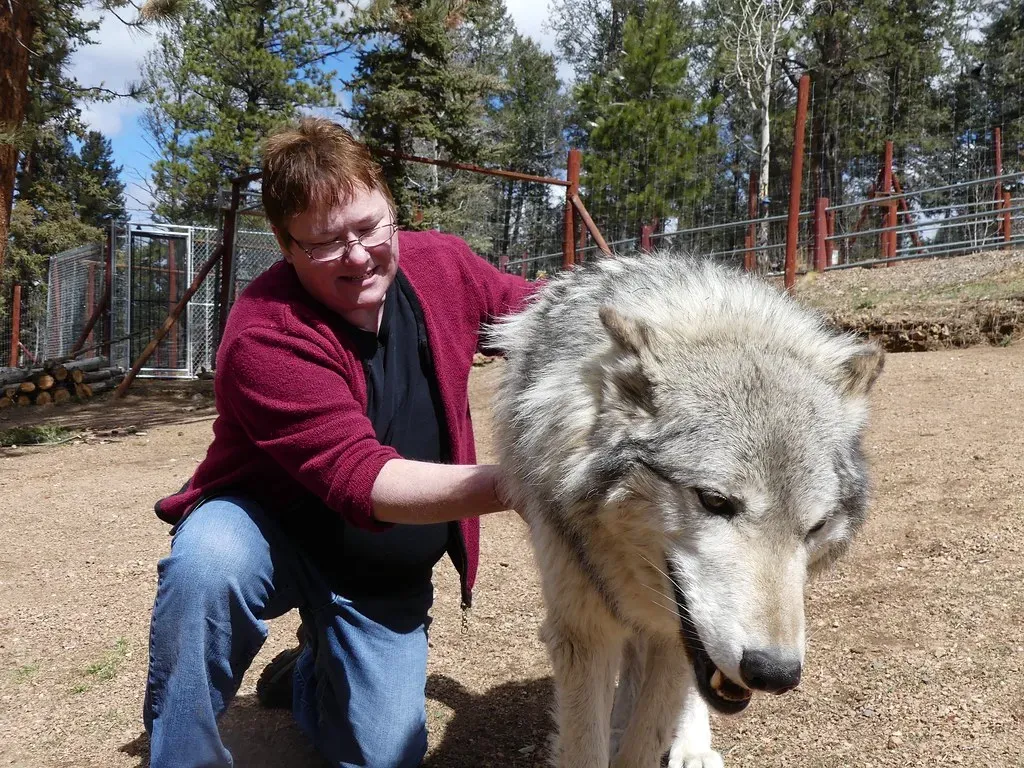
The one trick that can save your life when stalked by a wolf is deceptively simple. Don’t run. Ever.
Stand tall, make noise, back away slowly while maintaining eye contact, and be prepared to fight if necessary. These actions work because they exploit wolf psychology – you’re signaling that you’re not prey, you’re a threat. Wolves are intelligent animals that weigh risk versus reward. Make yourself too risky, and they’ll move on.
Wolf encounters remain incredibly rare. Most people who spend their entire lives in wolf country never see one. Yet knowing how to respond can turn a potentially deadly situation into nothing more than an intense wilderness story.
What would you do if you encountered a wolf on your next hike? Have you thought about how you’d react in those crucial first seconds? The knowledge you carry into the wild might just be the most important survival tool you own.

- What It Means When Wrens Build Several Nests but Use Only One - August 7, 2026
- 6 US States With the Most Javelinas - August 7, 2026
- Why Do Octopuses Change Color Instantly? The Scientific Reason Explained. - August 7, 2026