
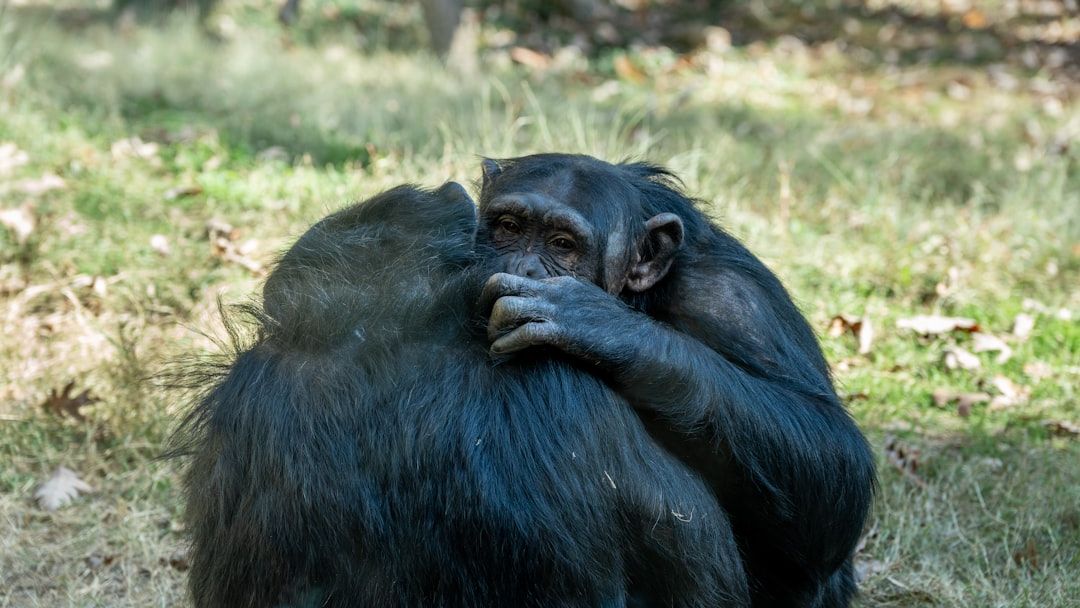
We’ve all watched heartbreaking videos of animals beside the bodies of their companions, seen elephants linger at old bones, or heard stories about dogs refusing to leave their owner’s grave. These moments stick with us because they seem so familiar, so human. Yet for the longest time, science discouraged us from believing what we saw with our own eyes.
Grief was supposedly our exclusive burden to bear. That idea is changing fast now that researchers have collected enough evidence to admit what many animal lovers already knew. The question isn’t really whether animals grieve anymore. It’s about understanding how they do it, and what that tells us about the emotional worlds they inhabit. So let’s dive in.
When Elephants Remember
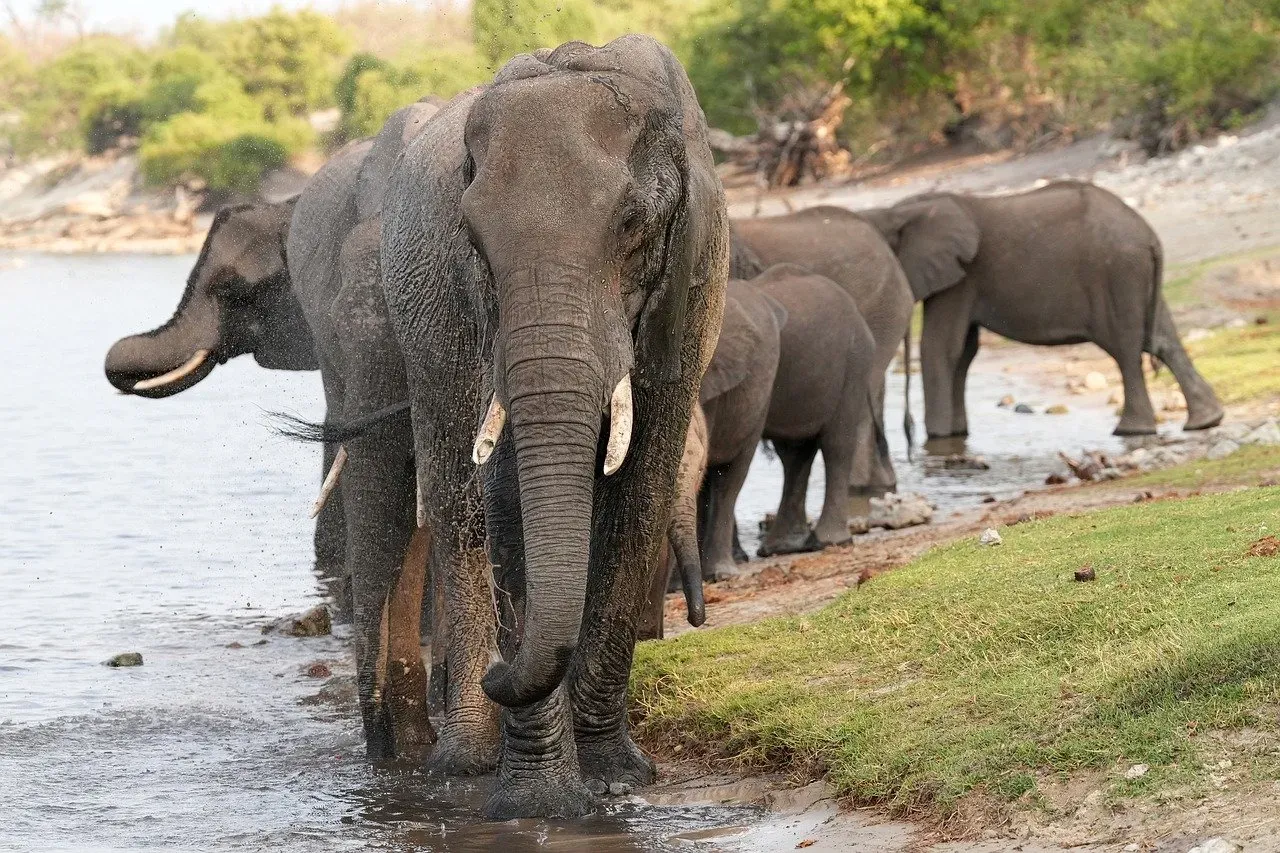
Elephants have shown profound connections to their dead, with researchers documenting three unrelated families lingering over a matriarch’s carcass, and family members appearing distressed that she wasn’t getting up. These massive, intelligent creatures don’t just stumble upon remains and move on. They exhibit a generalized interest in their dead even after bodies have long decayed, with the most common behaviors being approaching the dead, touching and examining the carcass, and using their advanced sense of smell to identify dead individuals.
Some experts suggest that elephants investigating the skull of their own species may very well be able to recognize the identity of the fallen member, as elephants greet each other by smelling another individual’s tusks and placing their trunk in the mouth of another, and for such intelligent animals with an incredibly acute sense of smell, this doesn’t seem too far-fetched. Think about that for a moment. These animals might actually know whose bones they’re touching.
Observations show that elephants, like humans, are concerned with distressed or deceased individuals, and render assistance to the ailing and show a special interest in dead bodies of their own kind. I know it sounds crazy, but the evidence piles up. Helping behavior and special interest exhibited was not restricted to closely related kin, suggesting something deeper than simple maternal instinct is at work here.
Their interaction with their dead is not something we fully understand, with one researcher noting it’s striking behavior based not on survival or necessity but on some sort of emotion, speaking to the deeper emotional lives of elephants that we can’t easily study. There’s a mystery here we’re only beginning to unravel.
It’s important to know that the survivor’s behavior is significantly altered from normal baseline, such as altered social withdrawal, feeding, sleeping, or body posture that is sustained in some way. That’s the key to recognizing genuine grief, not just curiosity.
Primates Confronting Death
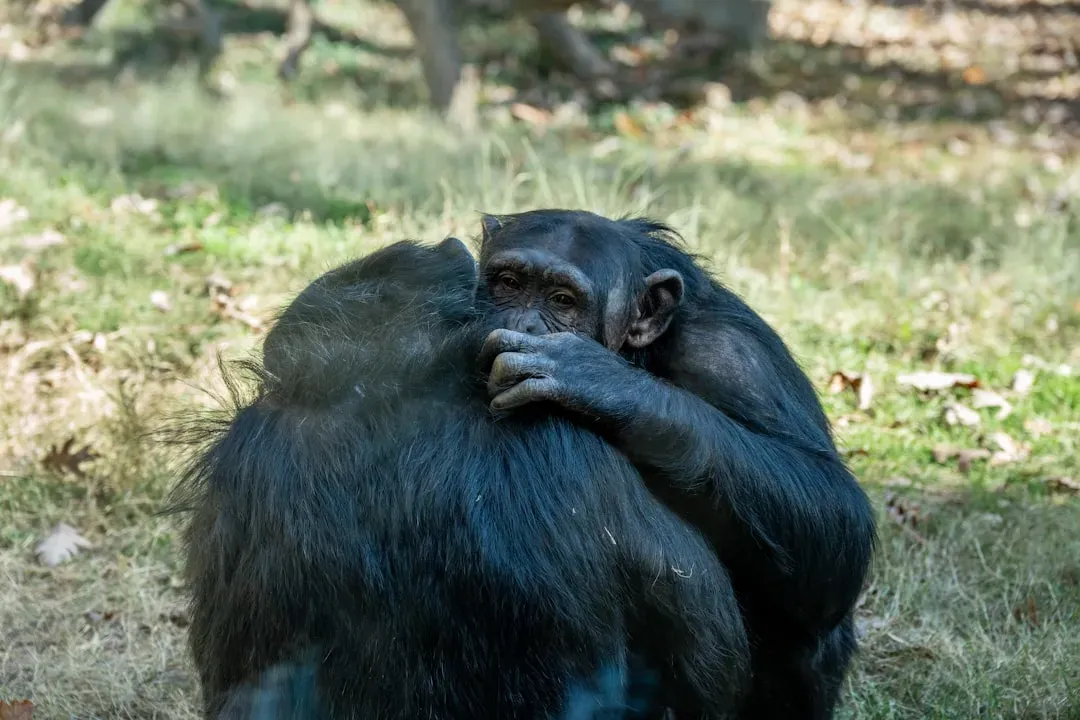
Famed chimpanzee researcher Jane Goodall watched as Flint, a young male chimp, died just four weeks after his mother Flo passed away, unable to eat or spend time with others. That kind of response hits differently when you realize it mirrors what happens to grieving humans who lose the will to continue.
Researchers conclude that chimps reacted to death in humanlike ways, experiencing grief and mourning, with some behaviors appearing strikingly similar to aspects of human responses to death and dying. Chimpanzees have been repeatedly observed engaging in death-related behaviors, including checking a body for signs of life, cleaning bits of straw from fur, and refusing to go to the place where the deceased had died for several days afterwards.
Budongo chimpanzee mothers carried infants for one to three days after their death, usually until the body started to decompose, with three additional cases of extended carrying lasting more than two weeks, one of which was followed by unusual extended carrying of an object and another which lasted three months, with corpses mummifying in each case. Honestly, that’s both heartbreaking and remarkable. Mothers gave behavioral indicators that they were aware the infant was dead but still transported, and sometimes groomed and protected, their deceased offspring for hours to days after death, behaviors that may represent a nonhuman primate analog of human grief.
Analyzing over two hundred years worth of research into how primates deal with death revealed common behaviors including carrying their dead, defending the deceased from threats, and exhibiting a grief-like response. The patterns emerge across species, across continents, across time.
Our Companion Animals

Let’s be real here. Anyone who’s had multiple pets knows exactly what happens when one dies. Research using the validated Mourning Dog Questionnaire found that surviving dogs changed both in terms of activities like playing, sleeping, and eating, and emotions like fearfulness. Grieving cats increased the frequency and volume of their vocalization, and this finding was true if the deceased companion was either another cat or a dog.
About thirty-five percent of dogs ate less, while thirty-one percent ate slower and thirty-four percent slept more after losing their companion, and among cats, forty-three percent vocalized more often while thirty-two percent increased the volume of their vocalizations, which could be a sign of anxiety. The numbers don’t lie. Something real happens to these animals.
Approximately sixty percent of pets repeatedly look for lost companions in their normal napping spots, and if your pet constantly returns to his deceased friend’s favorite sleeping or resting place, he may be experiencing grief. I’ve seen this myself, and it’s impossible to witness without feeling that you’re watching genuine sorrow unfold.
Cats and dogs tend to notice when a companion is no longer showing up in their lives and react to that absence in a way that makes it clear they miss their friend, and even if pets weren’t close, dogs and cats are extremely sensitive to the emotional states of their human guardians and may become sad or despondent because they’re sensing those emotions. Here’s the thing though: some pets surprise us by seeming completely unbothered, which tells us grief isn’t universal even among social animals.
On average, studies indicate the grieving pet returns to normal in about six months. That timeline feels familiar.
Marine Mammals and Their Vigils
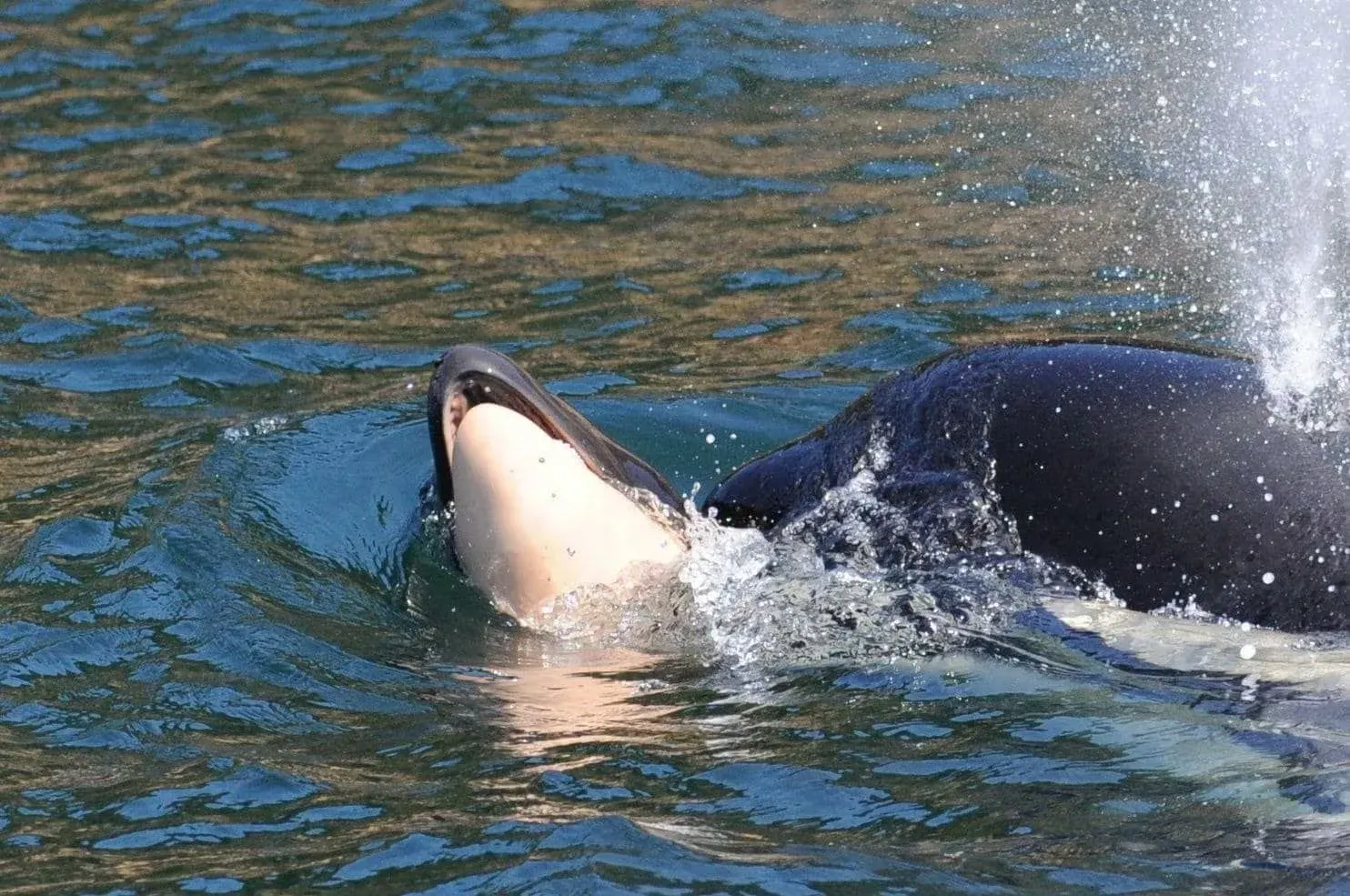
In the summer of 2018, Talhlequah, a member of the endangered southern resident orca community living off the coast of Washington State, was observed pushing the body of her dead calf for over two weeks during which time she may have travelled up to one thousand miles. The world watched, transfixed and devastated. Within half an hour of giving birth, J35 watched her calf die, and she appeared to mourn her young, pushing its dead body around in the water, and more than once it slid off her snout, and each time she dived to retrieve it.
Scientists have now observed seven species of whales and dolphins mourn their dead pod mates and relatives in their own ways, including dead calves or juveniles being carried by adult Indo-Pacific bottlenose dolphins, spinner dolphins, orcas, Australian humpback dolphins and sperm whales, with Risso’s dolphins and short-finned pilot whales also known to behave in similar ways. The pattern appears across ocean ecosystems worldwide.
Throughout observation, a mother dolphin lifted the little corpse above the surface and pushed it repetitively in what seemed to be a frantic attempt to bring her calf back to life, and it was clear that she had not come to terms with the idea of leaving it behind. A whale keeping vigil over a dead companion is a whale that isn’t eating or reinforcing its alliances with other whales, yet they do it anyway.
After analyzing whistles from the central group of dolphins accompanying a mother with her dead calf, researchers found they were significantly longer and much more complex than familiar calls, including a greater number of inflection points where the pitch changed abruptly, suggesting dolphins were communicating a greater amount of emotional information. Their vocalizations change when death arrives, as if the very sound of grief has a signature.
What Science Can and Cannot Tell Us
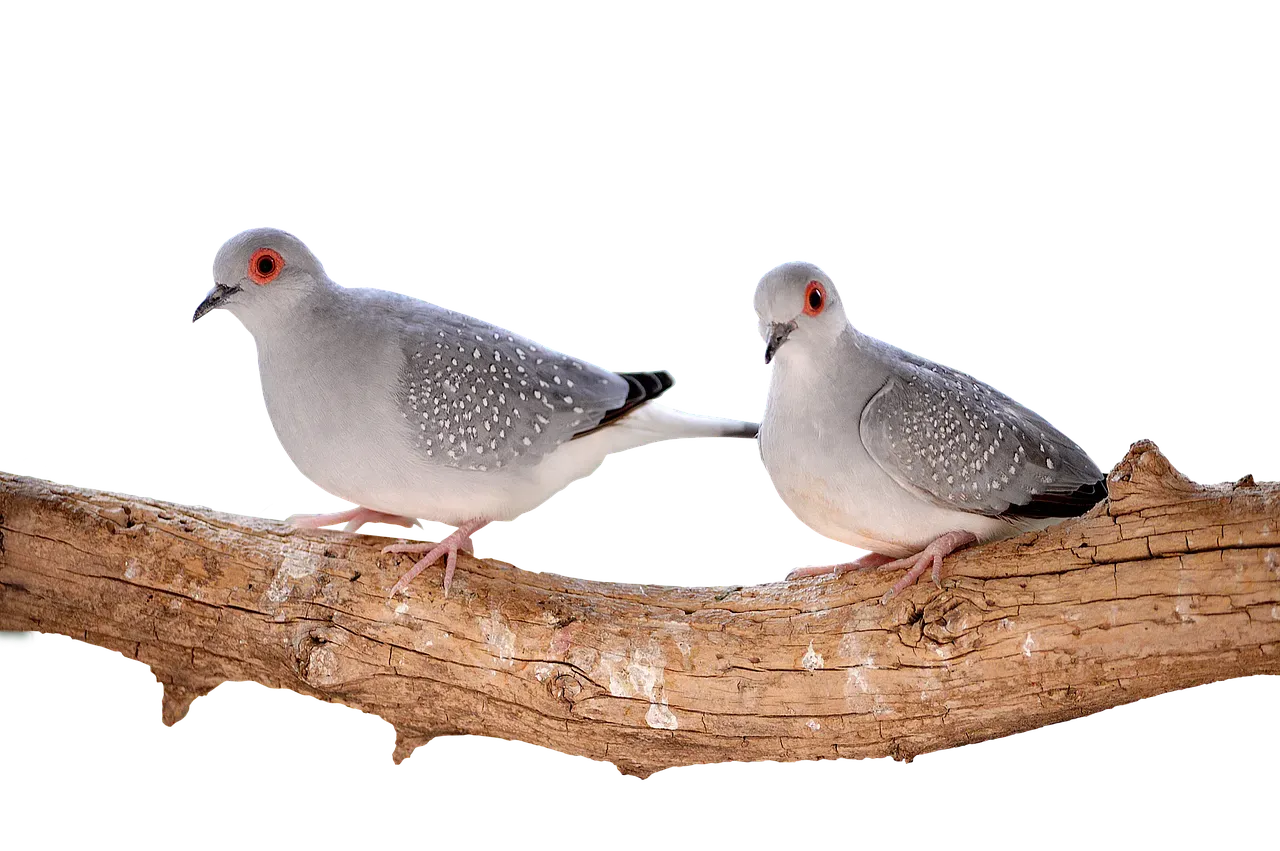
A critical mass of new observations of animal responses to death has led to a startling conclusion: cetaceans, great apes, elephants, and a host of other species ranging from farm animals to domestic pets may, depending on circumstances and their own individual personalities, grieve when a relative or close friend dies. The evidence has reached a tipping point.
Principal features that might rule out animal grief – a fine-grained sense of particularity, an ability to project toward the distal future and the past, and an understanding of death or loss – are actually present in many animal loss responses. The principal kind of understanding involved in grief is not intellectual but is instead of a practical variety available to animals. They may not philosophize about mortality, yet they clearly experience the void left behind.
A growing body of scientific evidence supports the idea that nonhuman animals are aware of death, can experience grief and will sometimes mourn for or ritualize their dead. Still, skeptics remain. Not every researcher is convinced that animals grieve the way humans do, with some taking the position that grief and mourning in response to bereavement require knowledge about the meaning of death that most animals may not have.
It is logical to think that long-lived species whose members partner most closely with others in tight-knit pairs, family groups or communities may more readily mourn the deaths of loved ones than other species do, but researchers do not yet know enough about animal grief to make such a claim, needing to test this hypothesis by systematically comparing responses to death in a variety of animal social systems. The science continues to unfold.
The question is not whether animals grieve but how animals grieve. That shift in perspective changes everything.
Conclusion
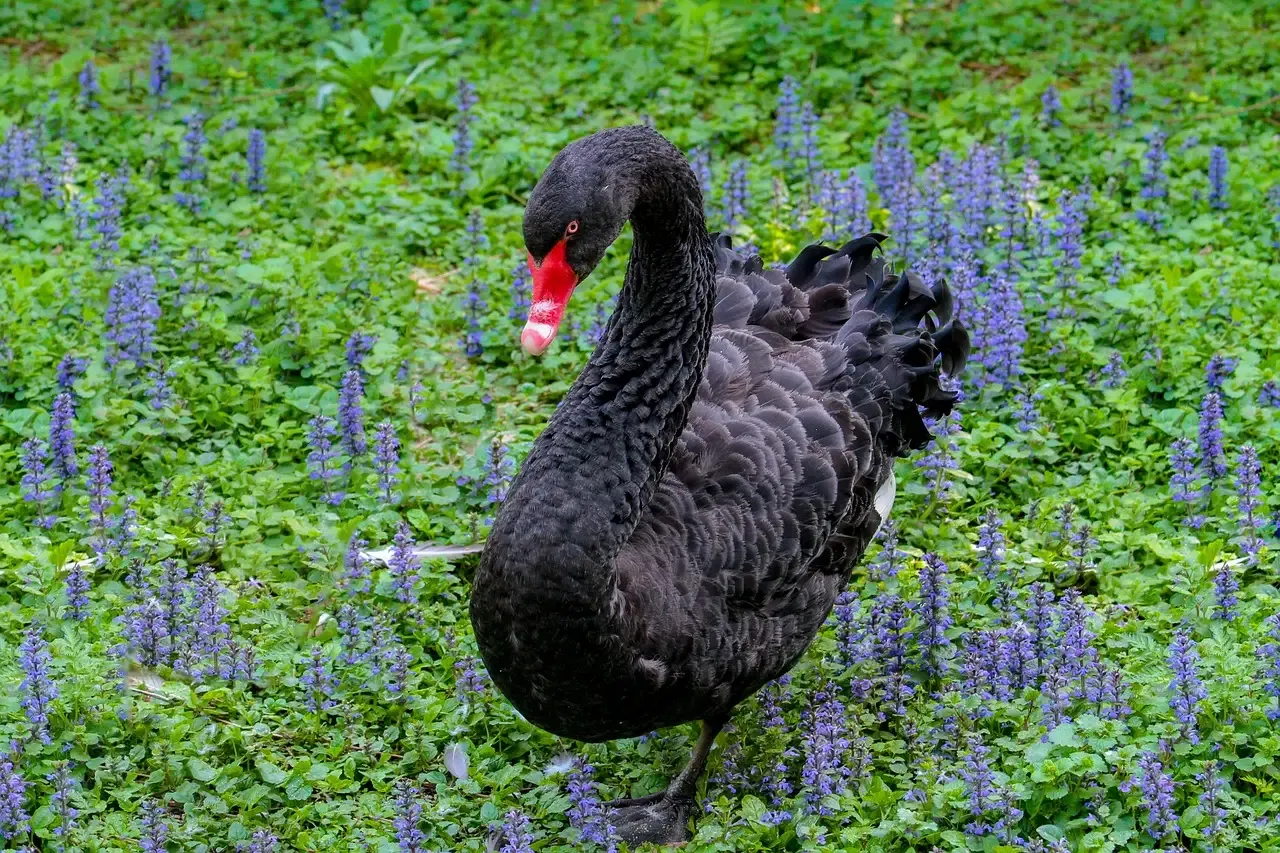
The mounting evidence from elephants touching bones years later, from chimps refusing food after a mother’s death, from housecats vocalizing endlessly, from orcas carrying their babies across oceans suggests that grief may be far more widespread in the animal kingdom than we ever imagined. Renowned biological anthropologist Barbara J. King told the BBC that we humans don’t own love or grief, as these emotions are widespread in other animals.
Perhaps the real question isn’t whether animals experience something like what we call grief. It’s whether we’re finally humble enough to recognize that we’re not as special as we thought. The loss of a companion creates a void in their lives just as it does in ours. They search for what’s missing. They change their routines. They carry on, eventually, but something in them has shifted.
We may never know exactly what runs through an elephant’s mind when she touches ancient bones, or what a dog thinks when he returns again and again to his friend’s empty bed. The interior landscape of another species will always remain partly mysterious. What we can see, though, is behavioral change, sustained distress, altered social patterns. And maybe that’s enough to tell us something profound about the capacity for attachment, for memory, for something that looks an awful lot like love. What do you think? Does it change how you see the animals around you?

- What It Means When Wrens Build Several Nests but Use Only One - August 7, 2026
- 6 US States With the Most Javelinas - August 7, 2026
- Why Do Octopuses Change Color Instantly? The Scientific Reason Explained. - August 7, 2026