

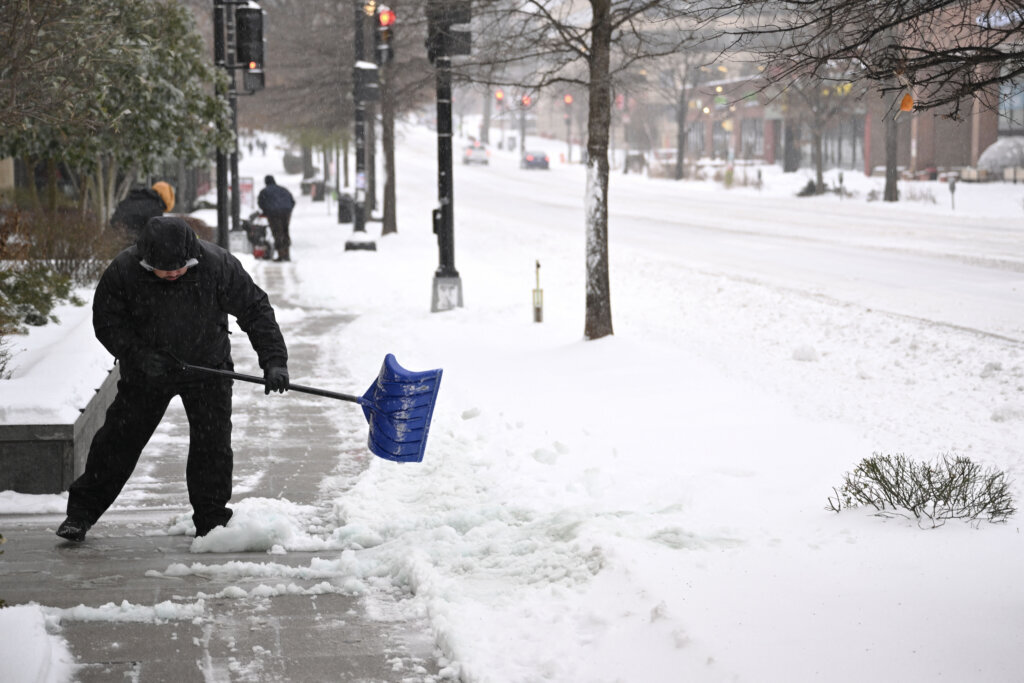
Cardiac Events and Strains Spike After Storm (Image Credits: Wtop.com)
Washington region – Recent heavy snowfall combined with biting cold has driven more residents to local hospitals for treatment related to cleanup efforts and winter exposure.
Cardiac Events and Strains Spike After Storm
Emergency departments reported a sharp rise in patients arriving with heart issues and muscle injuries following the weekend’s intense snow. Dr. Miriam Fischer, senior attending physician in the emergency department at MedStar Health, highlighted the trend during the post-storm rush.
Heavy, icy accumulations demanded extra effort from those clearing driveways and walkways. “We’re seeing a lot of cardiac events. We’re seeing a lot of muscle strains from lifting and shoveling and pushing that snow,” Fischer said. Many individuals unprepared for the physical demands exacerbated the problem.
Cold Amplifies Every Shoveling Risk
Frigid air temperatures masked early signs of fatigue, leading shovellers to push beyond safe limits. Fischer explained that the cold dulled awareness of bodily strain during outdoor labor. “Some of us are out of shape and you go out and you’re lifting snow, and your body is just not ready to do it,” she noted.
Hypothermia and frostbite cases also filled waiting rooms. At 13 degrees Fahrenheit, or minus 10 degrees Celsius, exposed skin faced frostbite in under 30 minutes.
Safety Measures to Avoid a Trip to the ER
Health experts urged brief outdoor sessions layered with protective clothing. Hats and gloves emerged as essential defenses against rapid heat loss.
Key precautions included:
- Take frequent breaks to warm up indoors.
- Use ergonomic shoveling techniques to minimize back and arm stress.
- Stay hydrated, even in cold weather.
- Listen to your body and stop if chest pain or dizziness occurs.
- Consider hiring help if you have pre-existing heart conditions.
These steps helped countless residents complete cleanup without medical intervention.
Indoor Hazards from Heaters and Appointments
Space heaters offered relief inside but introduced fire and carbon monoxide threats. Fischer advised constant supervision and avoidance of enclosed areas. “They can also cause fire and they can produce gas, so don’t leave them unattended. Don’t use them in an enclosed space,” she cautioned.
Dialysis patients received special guidance not to skip treatments amid travel challenges. Hospitals remained fully operational, emphasizing reliable transportation plans and medication adherence.
Key Takeaways
- Shoveling heavy snow raises heart attack risks, especially for the unfit.
- Frostbite strikes fast in subzero wind chills; layer up and limit exposure.
- Monitor space heaters closely to prevent fires or toxic fumes.
Winter weather demanded vigilance to prevent avoidable injuries, underscoring preparation over reaction. Residents who followed basic protocols navigated the storm’s aftermath safely. What are your snow safety tips? Share in the comments below.

- Urban Coyotes Show Remarkable Adaptability, Learning to Thrive in City Environments - July 22, 2026
- Beavers Are Nature’s Engineers, Creating Vital Habitats for Other Wildlife Species - July 21, 2026
- The Recovery of the California Condor Offers Hope for Other Critically Endangered Birds - July 21, 2026