

Nature has a funny way of proving that size isn’t everything. We live in a world where some of the tiniest creatures walk through forests and grasslands like they own the place, refusing to back down even when faced with animals ten times their weight.
It’s easy to assume that survival in the wild is all about being the biggest or the strongest. That makes sense, right? Yet evolution has carved out a different path for certain small animals that rely on pure audacity, specialized weapons, or surprising defenses to hold their ground. When push comes to shove, these pint-sized warriors don’t flinch. They stand tall, hiss, bite, or release chemicals that send much larger predators running. So let’s dive in and meet the bold survivors that prove courage has nothing to do with size.
The Honey Badger: Nature’s Most Fearless Fighter
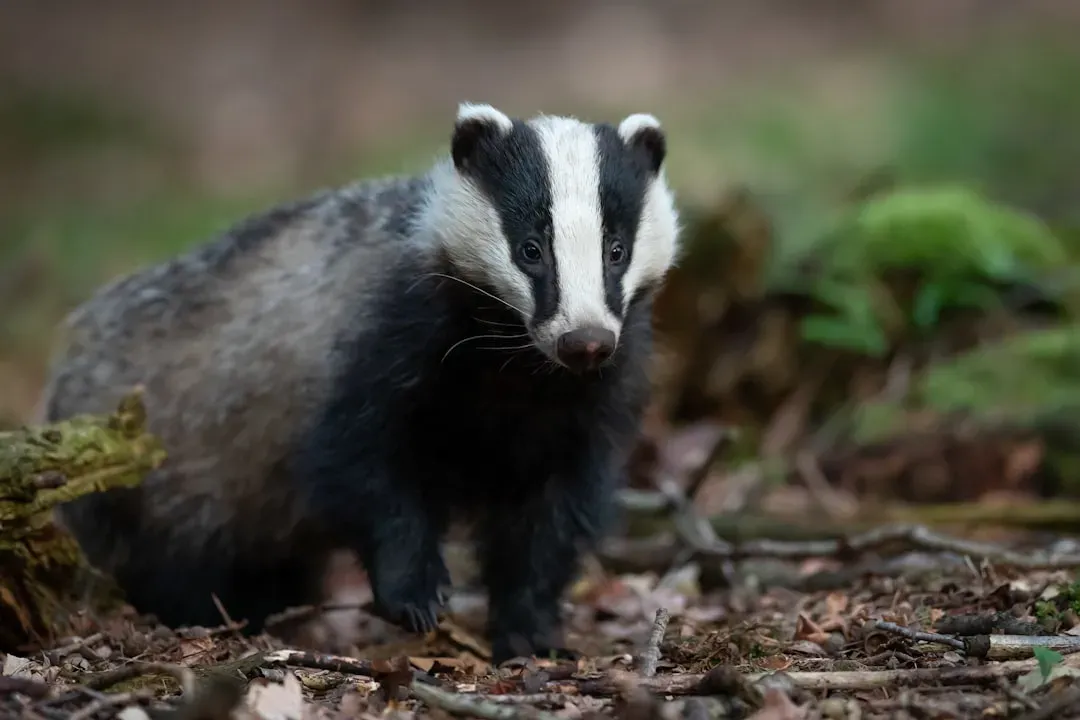
The honey badger holds the title in the Guinness Book of World Records as the most fearless animal in the world. Honestly, anyone who’s watched footage of these compact carnivores knows the reputation is well deserved. They possess incredibly thick, rubbery skin that’s nearly impervious to arrows and spears, and their skin can withstand a full blow from a machete without necessarily cutting all the way through.
What really sets them apart is their loose skin. Their skin is tough and very loose on their bodies, allowing them to maneuver out of predators’ jaws – when successful, the predator is left with nothing but rubbery skin in their mouth while the badger twists around and claws at its attacker. They are known to savagely and fearlessly attack almost any species when escape is impossible, reportedly even repelling much larger predators such as lions and hyenas.
Honey badgers also have resistance to snake venom. Venomous snakes make up roughly a quarter of their diet, and while not immune, they have resistance to neurotoxic venoms, allowing them to survive bites from highly venomous species like puff adders. There are even documented cases of honey badgers chasing lions away from kills. Let’s be real, that takes serious nerve.
The Wolverine: Ounce for Ounce the Toughest
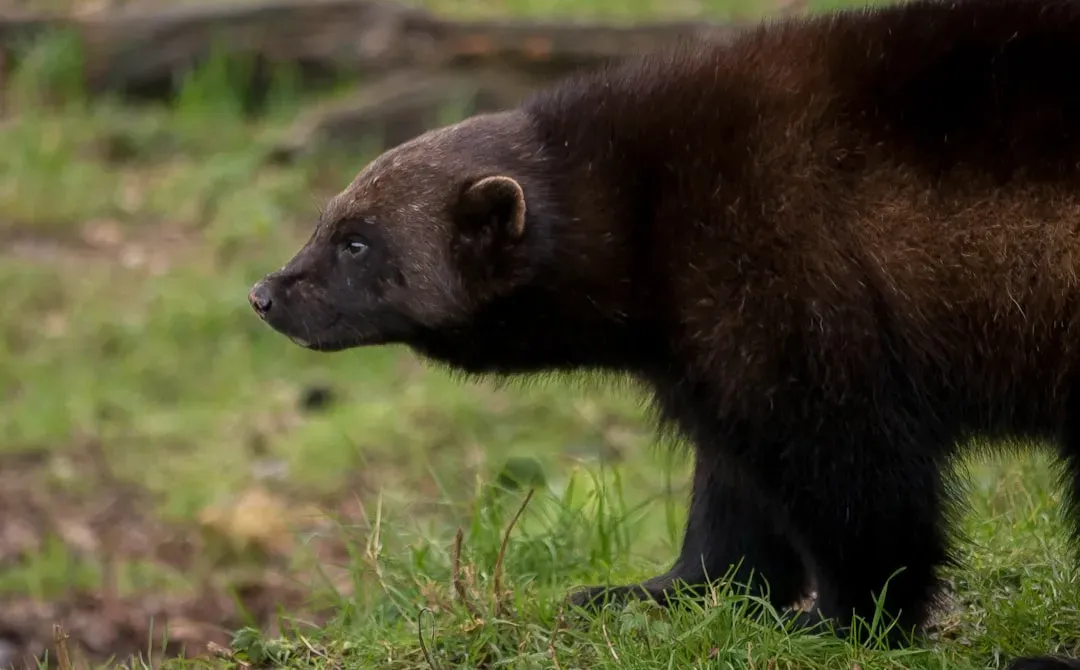
The average male wolverine weighs between 17 and 40 pounds compared to a male gray wolf which can weigh anywhere from 70 to 145 pounds, but what these large members of the weasel family lack in stature, they make up with razor claws, bone-crushing jaws, and a never-back-down attitude. Wolverines belong to the mustelid family, the same group as badgers and weasels, yet their ferocity stands out even in this tough crowd.
There are reports about wolverines fighting grizzly bears over prey carcasses and killing prey as large as moose. Biologists have even documented them fighting grizzly bears off a kill. Their aggression is legendary in northern regions where they roam vast territories through snow and ice.
Here’s the thing, though. Wolverines won’t necessarily win every fight with a bear or a wolf pack. A wolverine can defend itself pretty well, but it’s no match for larger predators – two wolves can kill one. Still, their sheer bravery and willingness to fight often convince much larger animals to simply walk away rather than risk injury.
The Mongoose: King Cobra’s Nightmare
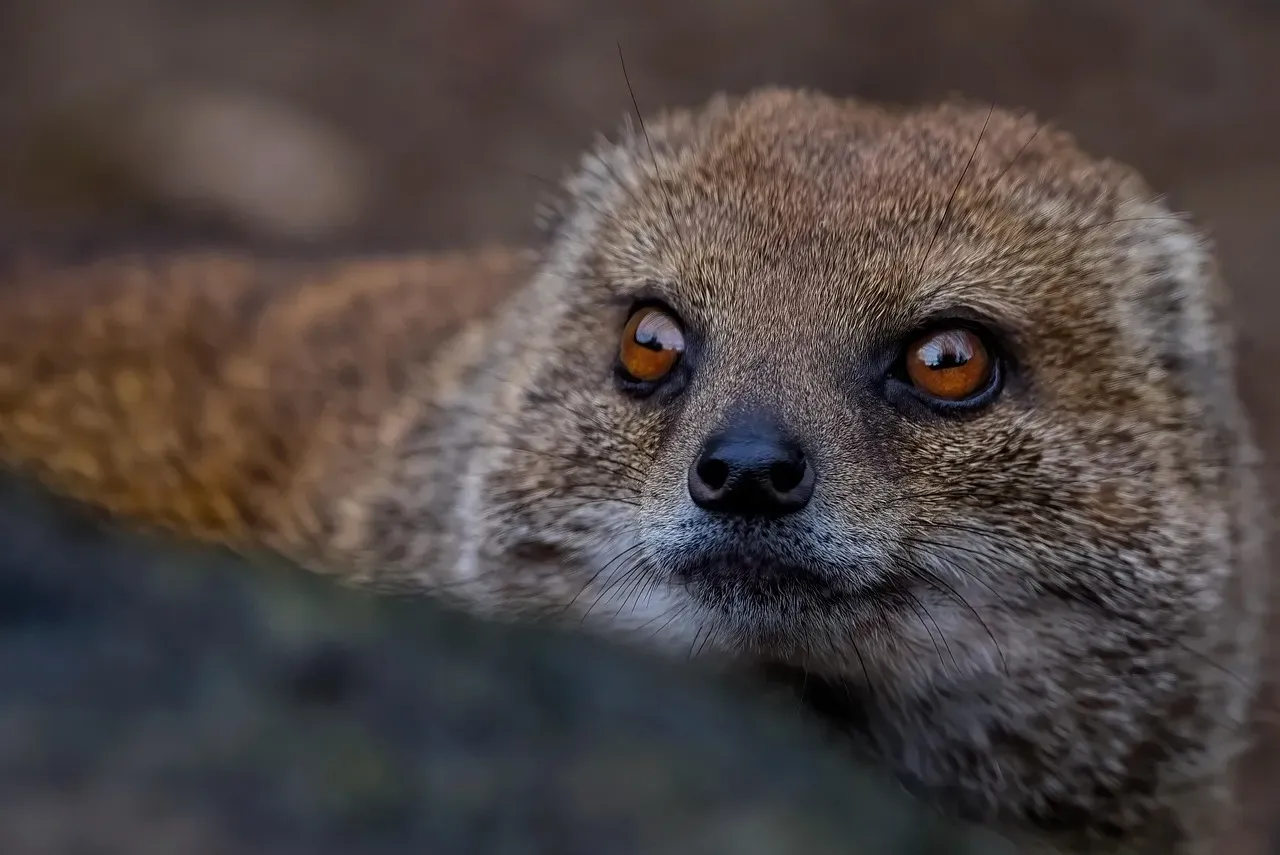
Few matchups in nature are as iconic as the mongoose versus the cobra. Mongooses actually win around 75 to 80 percent of fights with cobras. Their secret weapon? Speed and biochemistry working in perfect harmony.
Mongooses make a glycoprotein that binds to the protein in venom, so a moderate amount of snake venom won’t hurt them. The mongoose has thick fur and specialized receptors that make it immune to the cobra’s venom. When a mongoose faces down a cobra, it relies on lightning-fast reflexes. The mongoose is so swift in its attacks – it can easily dodge cobra strikes by leaping, and when it holds the cobra correctly, it can bite deep into the skull.
A mongoose would kill a king cobra in a fight – these animals specifically hunt venomous snakes for food, and the mammal can crack a snake’s skull with just a single bite. I know it sounds crazy, but the mongoose has evolved to be the ultimate snake hunter. Even king cobras, the longest venomous snakes in the world, often lose these encounters.
The Stoat: Tiny Terror of the Rabbit World
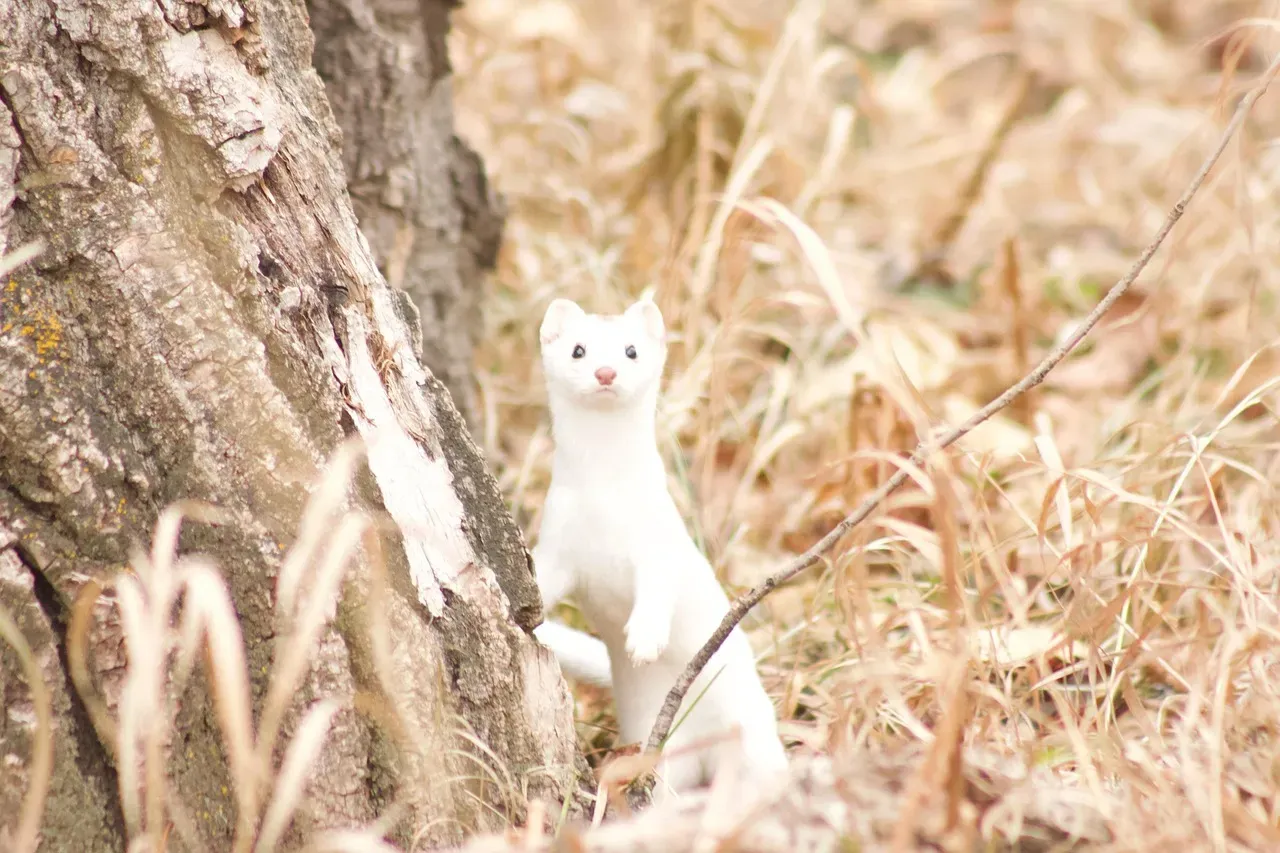
Weighing less than half a pound, the stoat is one of the most audacious predators on earth. Rabbits are a stoat’s favored prey, even though they can be more than five times their size. Imagine a creature the size of a large banana taking down something as large as a housecat. That’s essentially what happens.
The stoat seeks to immobilize large prey such as rabbits with a bite to the spine at the back of the neck. The stoat reputedly mesmerizes prey such as rabbits by a dance, though this behavior could be linked to parasitic infections. When a stoat can’t chase down a rabbit, it breaks out the dance moves – all the dashing and thrashing hypnotizes the prey until it can deliver the killing stroke.
An energetic hunter, stoats readily pursue mice and voles into their underground burrows and will climb trees to raid birds’ nests. They are relentless. Once a stoat locks onto a target, exhaustion isn’t in its vocabulary.
The Skunk: Chemical Warfare Expert
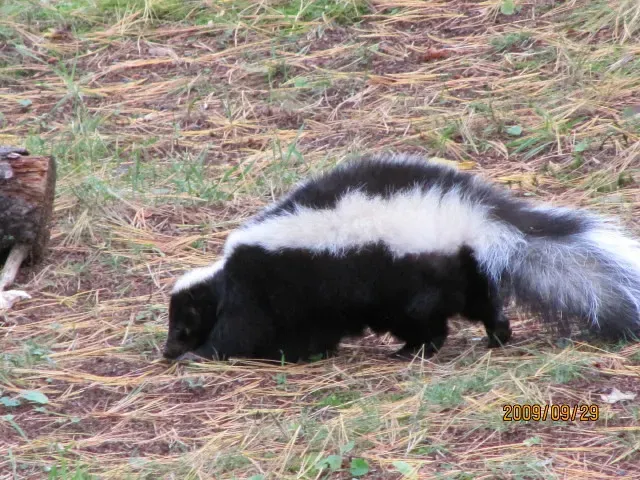
Skunk spray is the most effective foul-smelling defense – it can be smelled more than a half-mile away. This isn’t just a minor inconvenience for predators. It’s a genuinely unbearable chemical assault that burns the eyes and overwhelms the senses.
Skunks are members of the mustelid family, closely related to badgers and weasels. Noxious spraying is favored by animals that are nocturnal and mostly at risk from other animals. Spraying is a good close-range defense in case you get surprised by a predator, so at night when you can’t detect things far away, you might be more likely to stumble upon a predator.
Bears, wolves, and mountain lions generally avoid skunks whenever possible. The threat of being sprayed and temporarily blinded is simply not worth the meal. Even if a predator kills the skunk, the lingering stench makes eating it nearly impossible. Nature gave skunks one of the most effective deterrents imaginable, and they use it wisely.
The Shrew: Venomous and Fearless
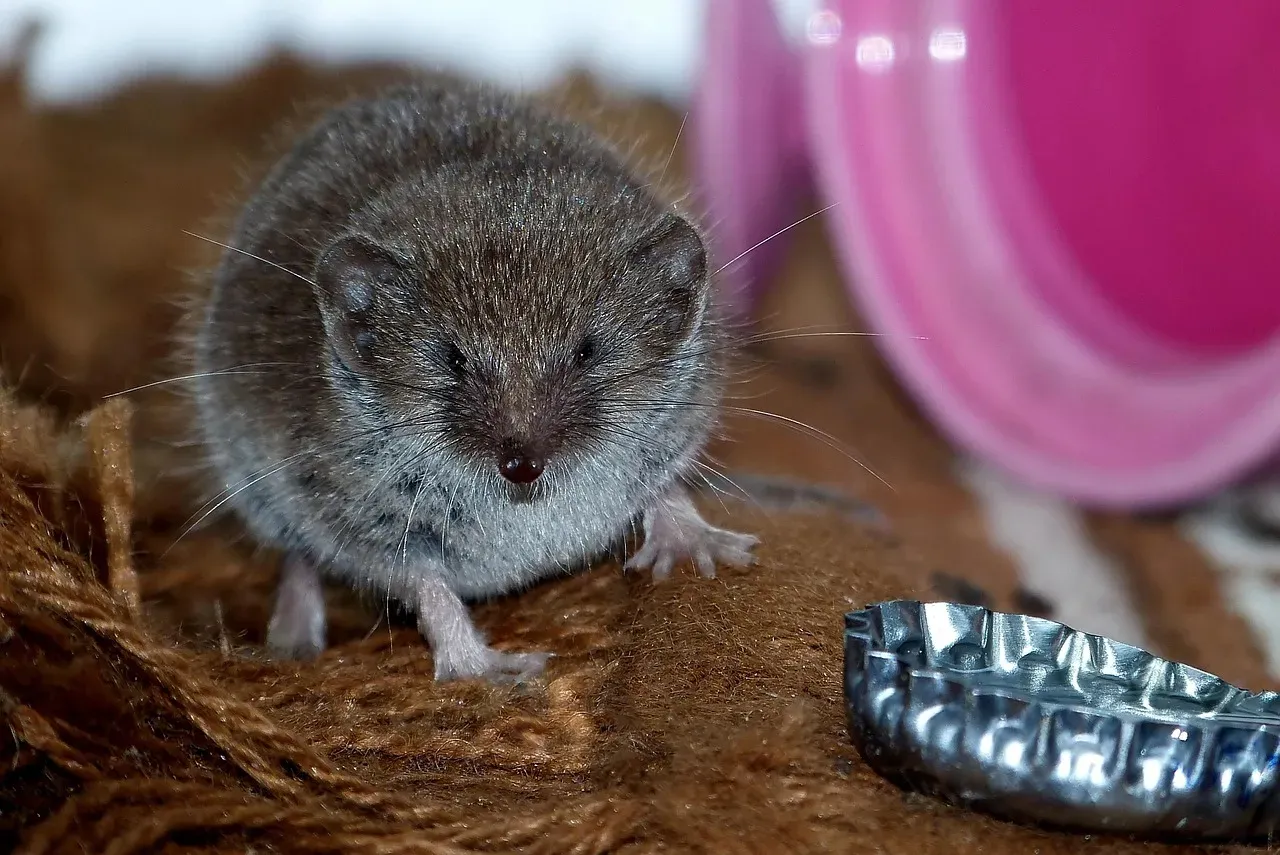
Shrews might be among the smallest mammals on earth, yet they pack venom in their bite. It’s a trait extremely rare among mammals. These hyperactive insectivores have metabolisms that run so hot they need to eat constantly, and they’ll defend their territory with shocking aggression.
Shrews have been observed attacking snakes, other shrews, and even animals much larger than themselves. Their venom isn’t strong enough to kill large predators, but it causes pain and swelling. Combined with their frantic energy and sharp teeth, shrews become surprisingly formidable opponents. They may be tiny, yet predators often learn the hard way that tangling with a shrew brings more trouble than it’s worth.
The Ratel’s Smaller Cousin: The American Badger
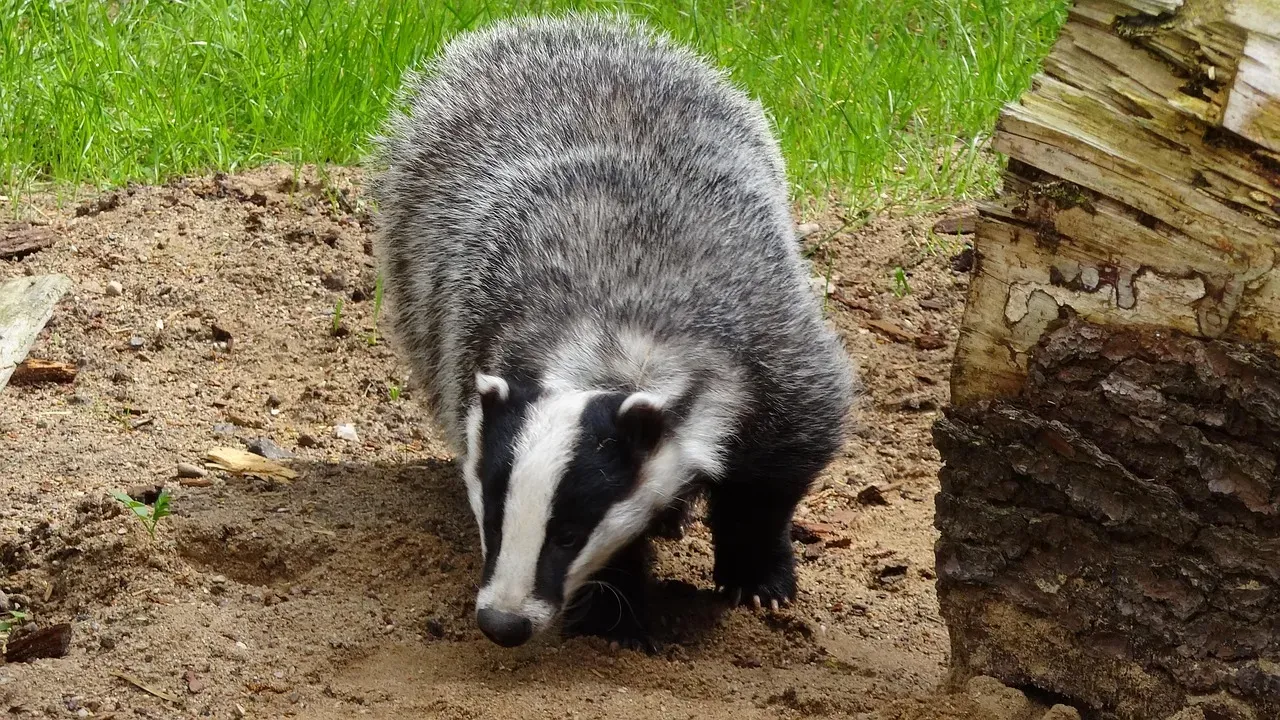
Small predators such as badgers, raccoons, and foxes can fend off larger predators such as wolves and mountain lions with their weaponry. Rather than risk injury, the larger predators will typically avoid a fight with a smaller predator and seek a less risky meal.
American badgers are stocky, low-slung carnivores with powerful forelegs built for digging. When cornered or threatened, they become incredibly aggressive. Their thick skin, sharp claws, and bone-crushing jaws give them serious defensive capabilities. Badgers will hiss, growl, and charge at threats, making themselves appear larger and more dangerous than their actual size suggests.
Even wolves and cougars tend to give badgers a wide berth. The risk of serious injury from a badger’s claws or bite simply isn’t worth it for most predators. Badgers may not seek confrontation, but when it comes, they meet it head-on with explosive ferocity.
The Porcupine: Walking Fortress of Quills
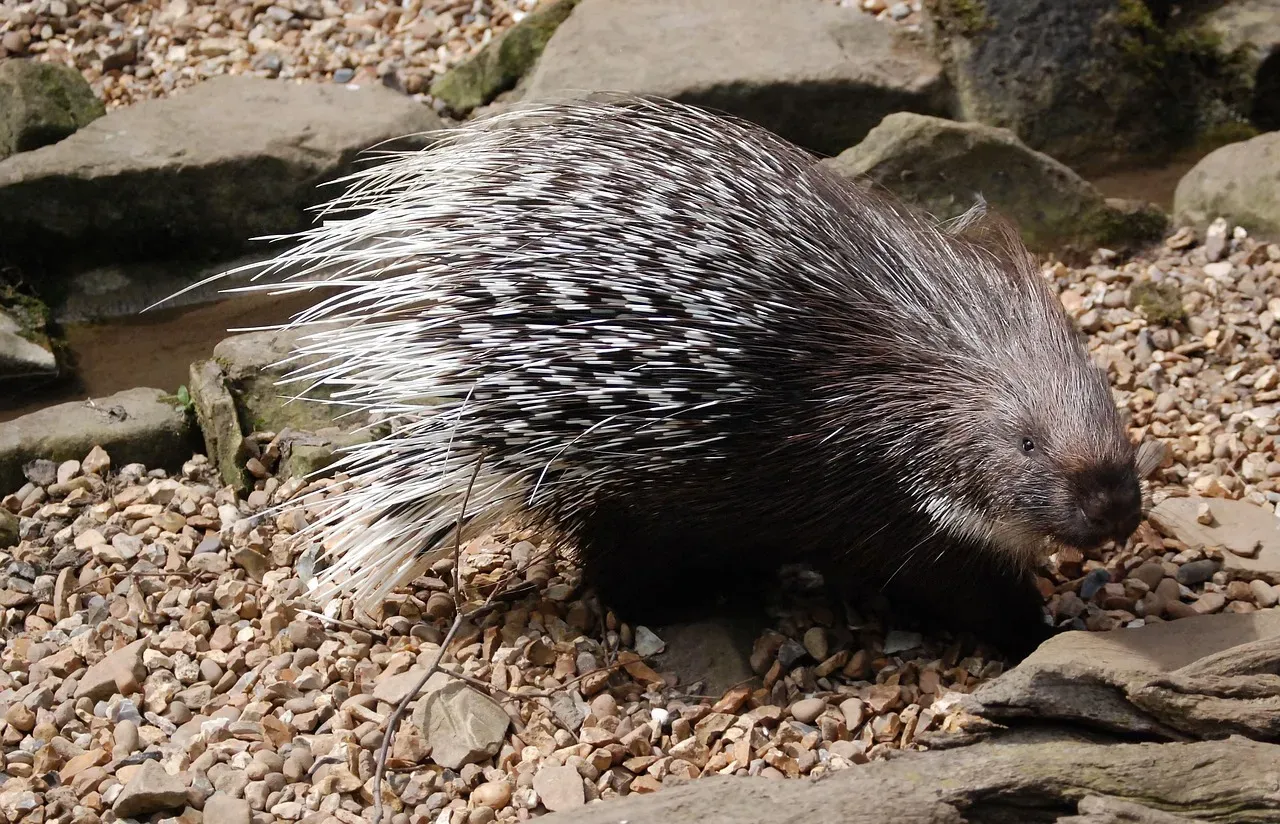
Porcupines carry roughly 30,000 quills on their bodies, each one a sharp, barbed needle capable of embedding deep into an attacker’s flesh. These modified hairs detach easily upon contact, and the barbs make removal excruciating. Predators that attack porcupines often suffer infections, festering wounds, or death if quills penetrate vital areas.
Large predators like mountain lions, bears, and wolves have been found with faces full of porcupine quills, sometimes leading to starvation when the injuries prevent them from hunting. Porcupines don’t shoot their quills, contrary to popular myth, but they don’t need to. Simply backing into a threat or swinging their muscular tail is enough to deliver a painful lesson. Once a predator tangles with a porcupine, it rarely makes that mistake again.
Conclusion: Courage Comes in All Sizes
The animal kingdom constantly reminds us that power isn’t measured in pounds or inches. From the honey badger’s nearly invincible skin to the mongoose’s lightning reflexes, these small animals have developed ways to survive and even dominate encounters with much larger foes.
Their strategies vary wildly. Some rely on chemical defenses, others on sheer aggression, and a few possess specialized resistance to venom. What they all share is an unwillingness to be victims. Nature rewards boldness, and these creatures have earned their reputations as some of the toughest fighters in the wild. Did you expect such tiny animals to hold so much power? What do you think about it?

- 19 Gentle Signs an Ageing Cat Is Beginning to Say Goodbye That Most Owners Only Understand Later - August 11, 2026
- What Boarding Kennel Staff Learn About a Dog in Ten Minutes 16 Things Owners Never Hear - August 11, 2026
- What Your Old Dog Stops Doing Long Before Anyone Notices 17 Signs Owners Recognise Too Late - August 11, 2026