Science Says America's Oldest Mountains Were Once Taller Than the Himalayas-Feature image/Flickr
Imagine standing atop Mount Everest, gazing out over the world from nearly 29,000 feet above sea level. Now, picture the Appalachian Mountains, with their highest peak, Mount Mitchell, reaching just 6,684 feet. It’s hard to believe, but science suggests that America’s oldest mountains once soared to heights rivaling the mighty Himalayas. How did these ancient giants shrink to their current stature?
The Birth of the Appalachian Giants
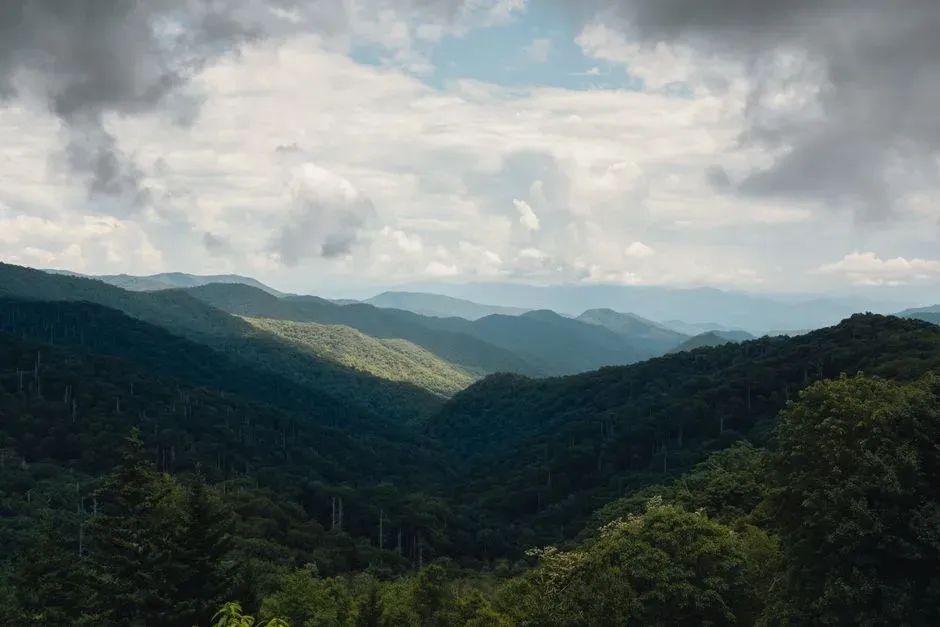
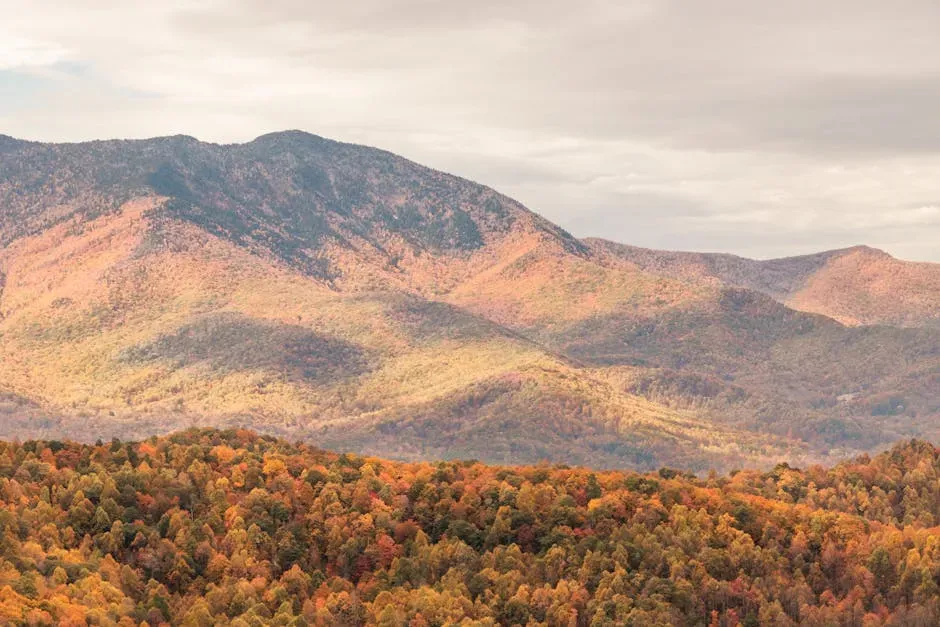
The Birth of the Appalachian Giants (Image Credits: Pexels)
Around 480 million years ago, during the Ordovician Period, the Appalachian Mountains began to take shape. This monumental formation resulted from the collision of tectonic plates, a process known as orogeny. Over the next 200 million years, multiple orogenic events, including the Taconic, Acadian, and Alleghanian orogenies, continued to build and reshape the range. These collisions caused the Earth’s crust to crumple and fold, thrusting the land upward into towering peaks.
At their zenith, the Appalachians are believed to have rivaled the Himalayas in height. Some estimates suggest that these ancient mountains reached elevations comparable to today’s Mount Everest. This comparison isn’t just speculative; geological evidence, such as the volume of eroded sediments found in surrounding basins, supports the theory of their once-great stature.
The Erosion of Time
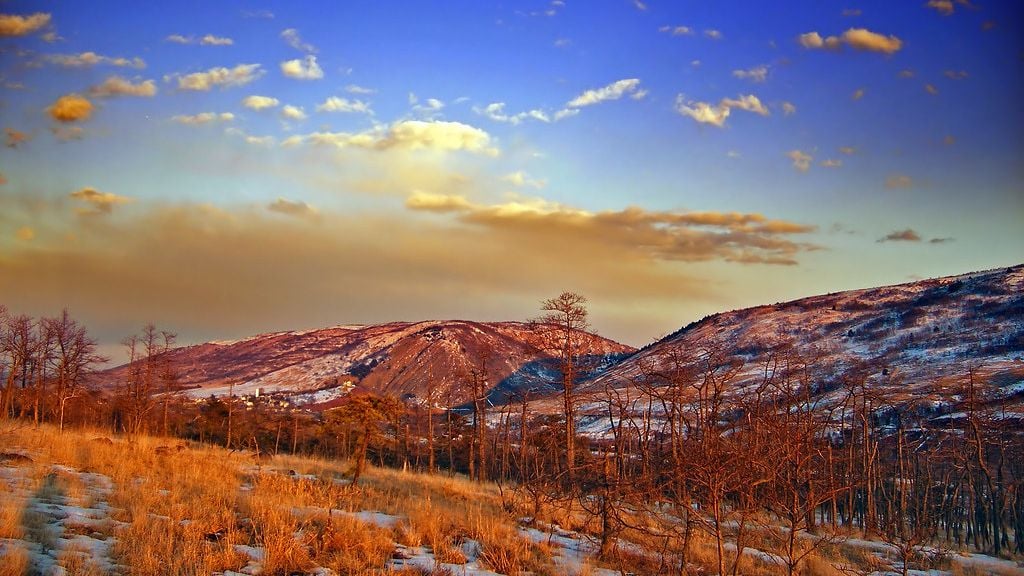
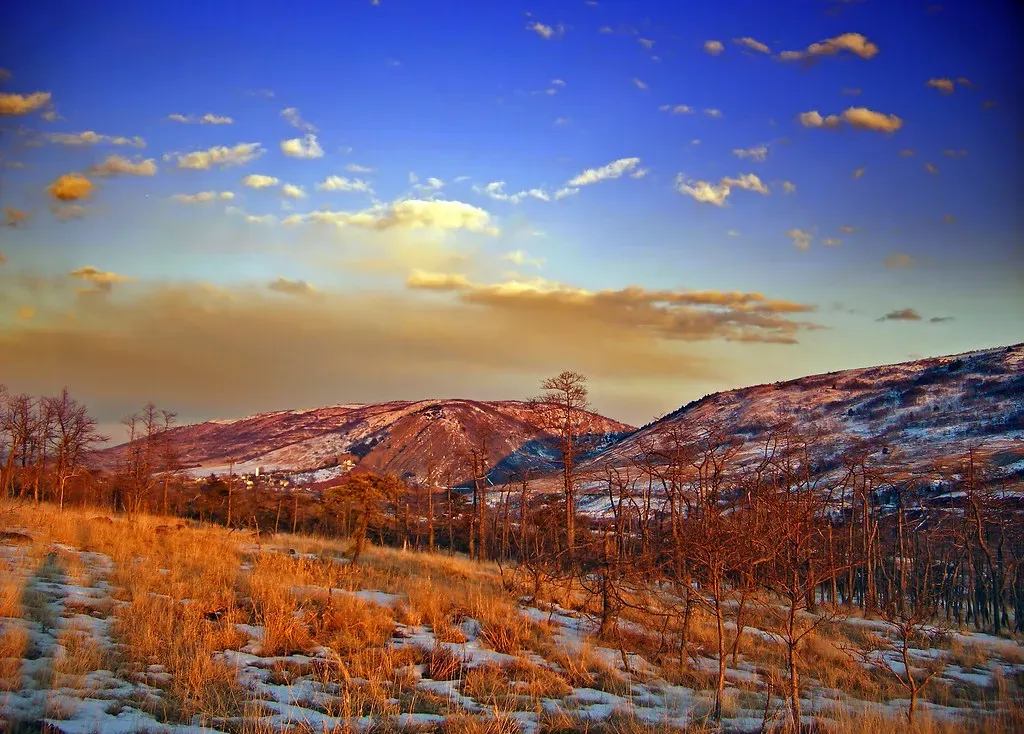
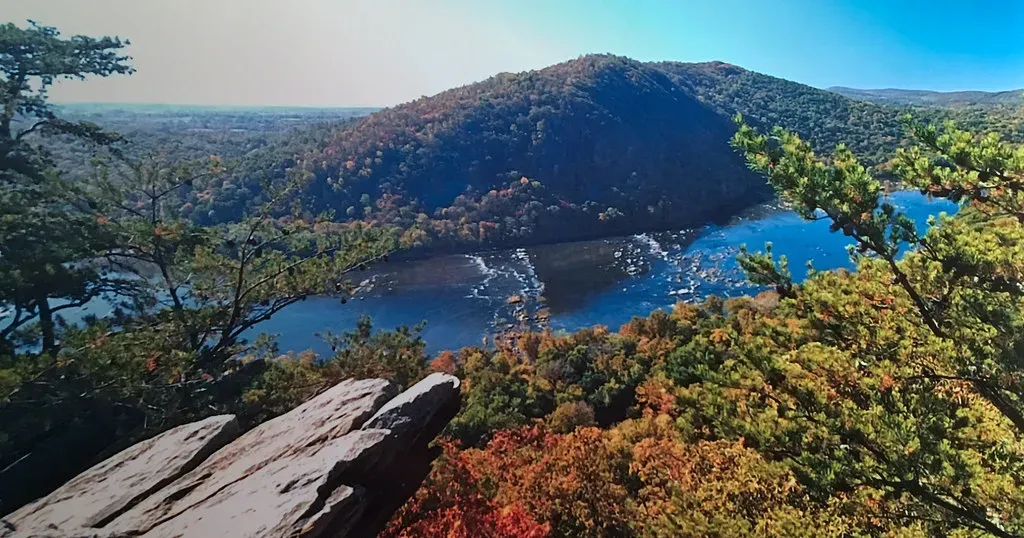
The Erosion of Time (Nicholas_T, Flickr, CC BY 2.0)
While the Himalayas are relatively young, forming around 50 million years ago, the Appalachians have endured for nearly half a billion years. This vast expanse of time has subjected them to relentless erosion. Wind, water, and ice have gradually worn down the once-lofty peaks, transporting sediments to distant locations and reshaping the landscape.
The process of erosion is relentless. Over millions of years, the sharp, jagged summits of the Appalachians were transformed into the rounded, gentle slopes we see today. This gradual wearing away has reduced their height significantly, leaving behind a range that, while still impressive, no longer reaches the towering elevations of its youth.
Comparing Ancient Appalachians to the Himalayas
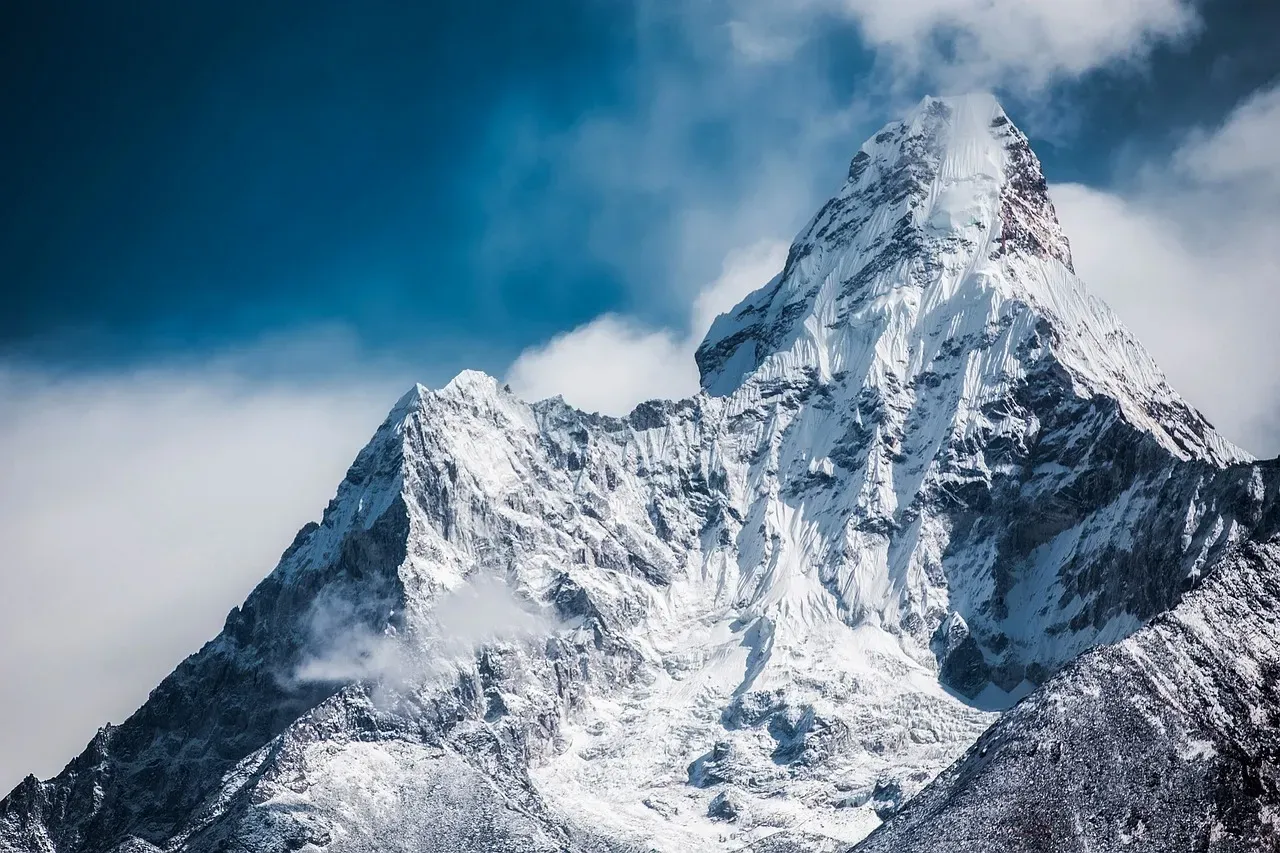
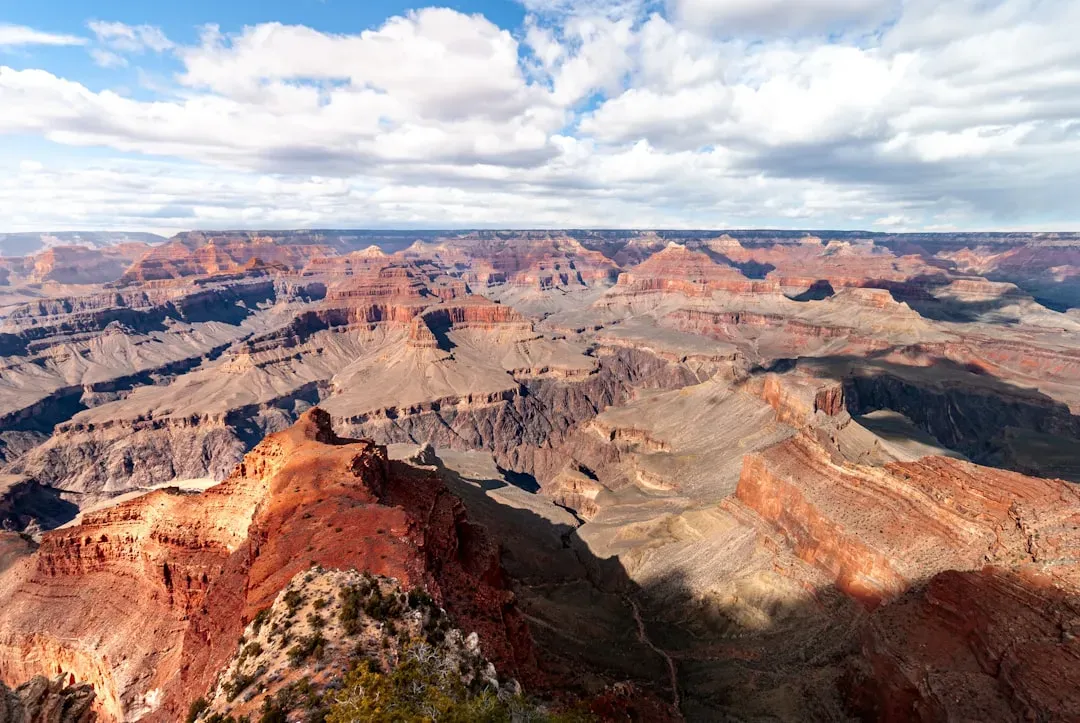
Comparing Ancient Appalachians to the Himalayas (Image Credits: Pixabay)
The Himalayas, home to the world’s highest peaks, including Mount Everest at 29,032 feet, are the result of the ongoing collision between the Indian and Eurasian tectonic plates. This collision began around 50 million years ago and continues today, causing the mountains to rise approximately 5 millimeters each year.
In contrast, the Appalachian Mountains formed from a series of tectonic events that concluded around 300 million years ago. Without the continued uplift from active plate collisions, the Appalachians have been at the mercy of erosion, leading to their current, more modest elevations. This stark difference in geological activity explains why the Himalayas remain towering giants while the Appalachians have become subdued over time.
Geological Evidence of Former Heights
Geological Evidence of Former Heights (Image Credits: Pexels)
Geologists have uncovered compelling evidence supporting the theory that the Appalachians were once as tall as the Himalayas. The immense volume of eroded sediments found in the Appalachian Basin and the Outer Banks indicates that massive amounts of material were worn away from the mountains over time. By estimating the volume of these sediments, scientists can infer the original height of the range.
Additionally, the presence of certain minerals and rock formations, such as high-grade metamorphic rocks, suggests that the mountains experienced significant pressure and heat, conditions typically found at great depths and elevations. These geological clues paint a picture of a once-majestic mountain range that has been sculpted by time into its current form.
The Role of Plate Tectonics
The Role of Plate Tectonics (Image Credits: Unsplash)
The formation and evolution of mountain ranges are deeply tied to the movements of Earth’s tectonic plates. The Himalayas continue to rise due to the active collision between the Indian and Eurasian plates. In contrast, the tectonic activity that formed the Appalachians ceased hundreds of millions of years ago.
Without ongoing tectonic uplift, the Appalachians have been subjected solely to erosional forces. This lack of renewal has allowed natural processes to gradually diminish their height, transforming them from towering peaks into the rolling hills and valleys we see today.
The Appalachian Landscape Today
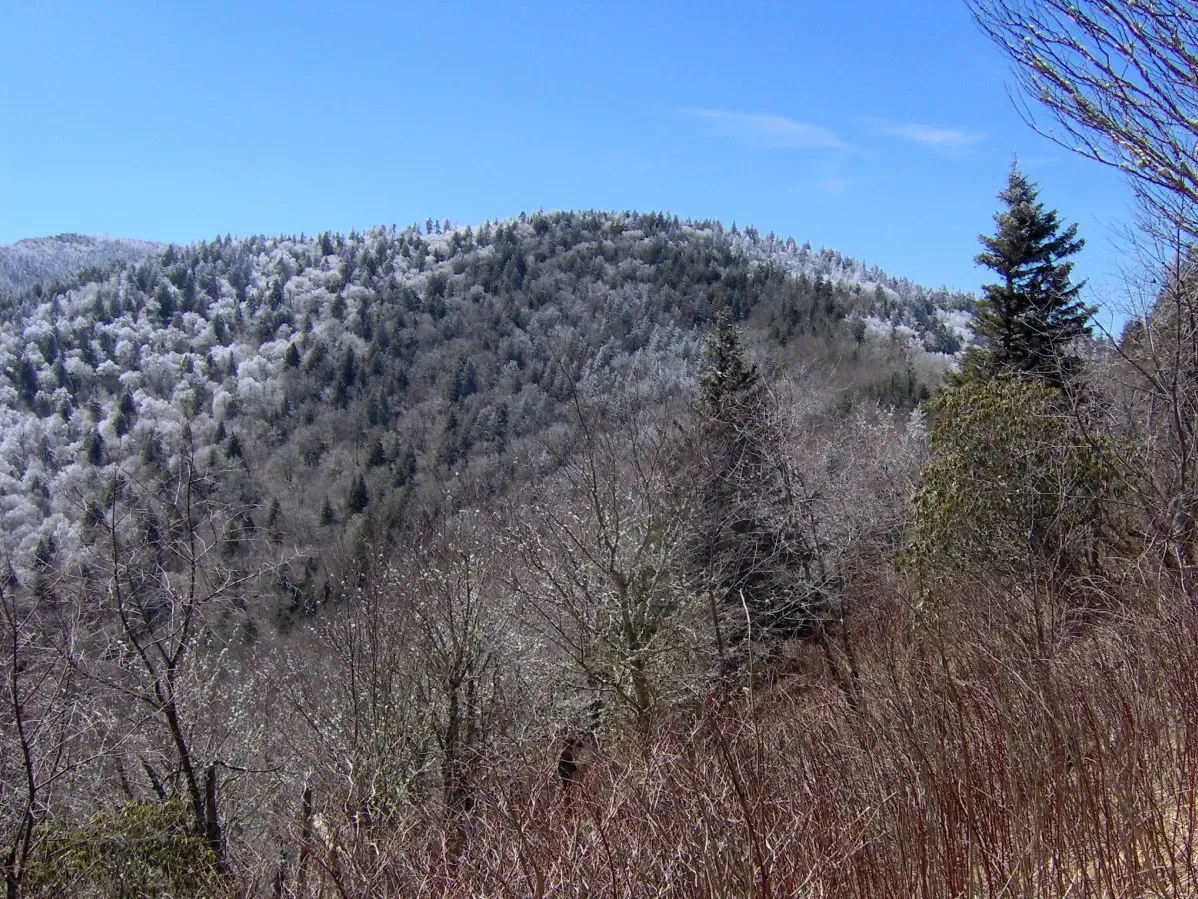
The Appalachian Landscape Today (Kumweni, Flickr, CC BY 2.0)
Despite their reduced height, the Appalachian Mountains remain a significant and cherished feature of the North American landscape. Stretching over 2,000 miles from Alabama to Newfoundland, they encompass diverse ecosystems, rich biodiversity, and a wealth of cultural history.
The range is home to the Appalachian Trail, a 2,190-mile-long footpath that attracts thousands of hikers each year. The mountains also support a variety of wildlife, including black bears, white-tailed deer, and numerous bird species. Their forests are renowned for vibrant fall foliage, drawing visitors from around the world to witness the spectacular display of colors.
Reflections on Earth’s Ever-Changing Face
Reflections on Earth’s Ever-Changing Face (By Brian Stansberry, CC BY 2.5)
The story of the Appalachian Mountains serves as a powerful reminder of Earth’s dynamic nature. Mountains rise and fall, continents drift, and landscapes transform over geological time scales. The once-towering Appalachians, now gentle and weathered, stand as silent witnesses to the relentless forces of nature.
Understanding this history not only deepens our appreciation for the natural world but also offers valuable insights into the processes that continue to shape our planet. As we gaze upon the rolling hills of the Appalachians, it’s humbling to consider the immense power and time required to sculpt such beauty.
Isn’t it fascinating to think that the serene mountains we see today were once as imposing as the Himalayas?
Did you find this helpful? Share it with a friend who’d love it too!
Gargi is an MA in History and a B.Ed graduate from India, with a deep passion for animals and wildlife awareness. As an article writer and editor at Animals Around The Globe, she combines her love for storytelling with her dedication to educating readers about animals, conservation, and responsible pet care. A devoted dog lover, Gargi enjoys creating engaging and informative content that inspires compassion and awareness toward the natural world.