
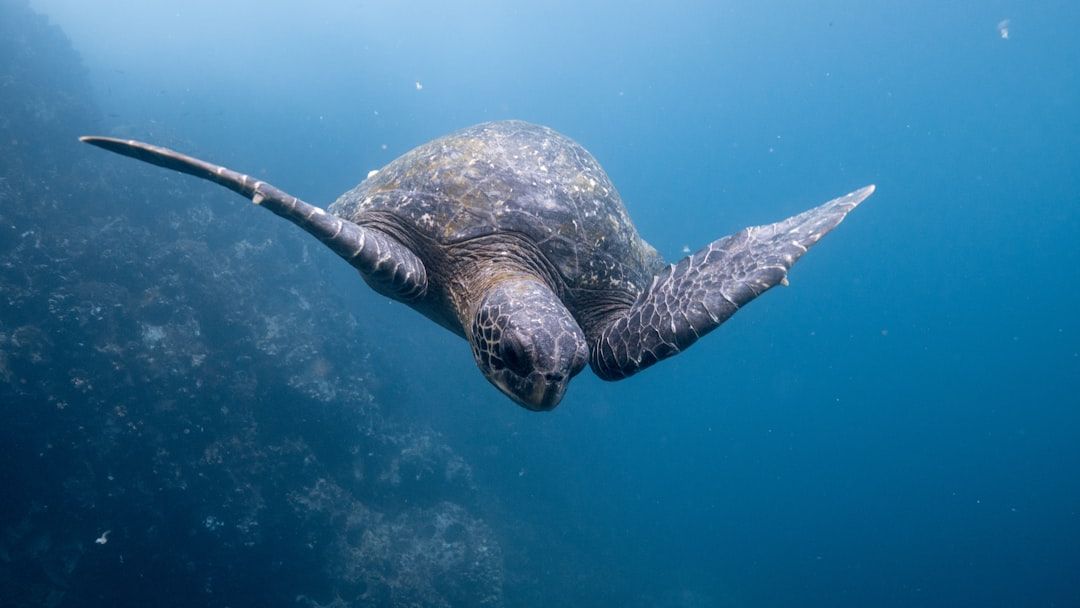
There’s something almost mystical about leatherback sea turtles. These ancient mariners have been navigating our oceans since the time of dinosaurs, carrying their soft, leathery shells across thousands of miles of open water. Yet despite their resilience through millennia, they now face unprecedented challenges in the modern world. While you might assume these gentle giants are spread evenly across American coastlines, the reality is far more nuanced. Some states have become critical sanctuaries for these endangered creatures, while others see them only as occasional visitors. Let’s explore where these remarkable turtles actually call home.
Florida: The Leatherback Capital of the Continental United States
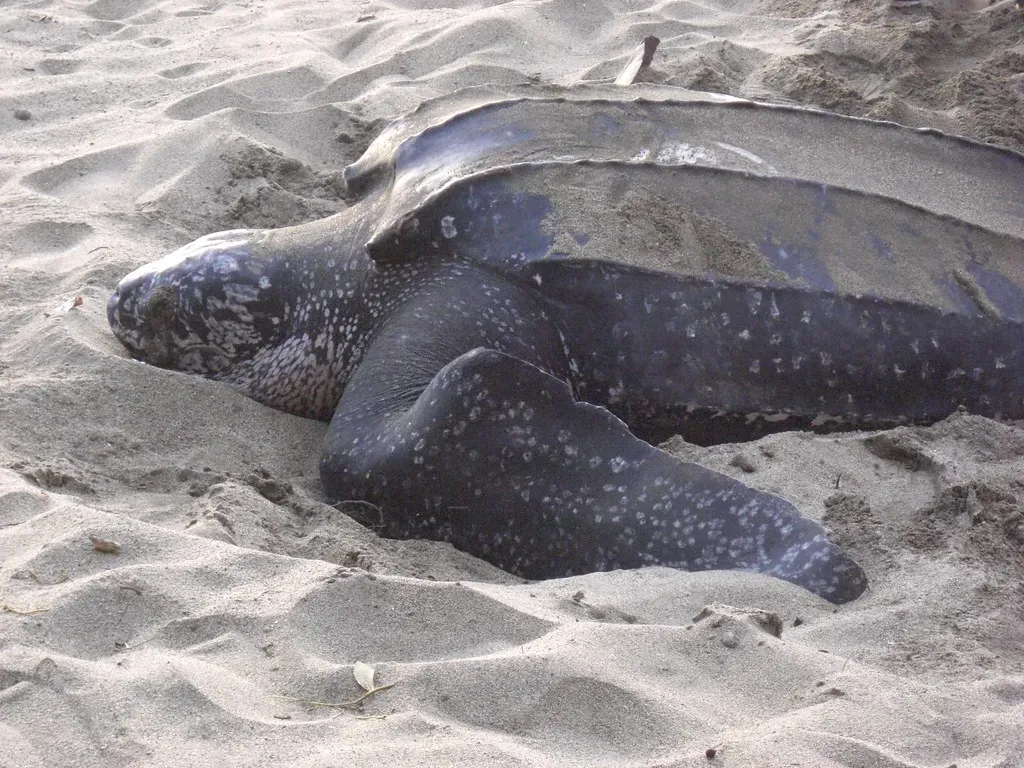
Florida stands as the primary nesting ground for leatherbacks in the continental United States, with these magnificent creatures laying their eggs primarily on the state’s east coast. The beaches stretching along the Atlantic side have become essential habitat for these ancient reptiles. Palm Beach County alone accounts for roughly about one third of leatherback nests laid throughout the entire state of Florida, making it absolutely crucial for the species’ survival.
What makes Florida so special? It’s not just about having beaches. Leatherback nesting in Florida occurs primarily from March through July, when the sand temperatures and tidal conditions create perfect conditions for egg incubation. The state’s monitoring programs have been tracking these nesting patterns for decades now, providing invaluable data about population trends and helping conservationists understand how to better protect these vulnerable creatures.
Puerto Rico: An Unexpected Stronghold
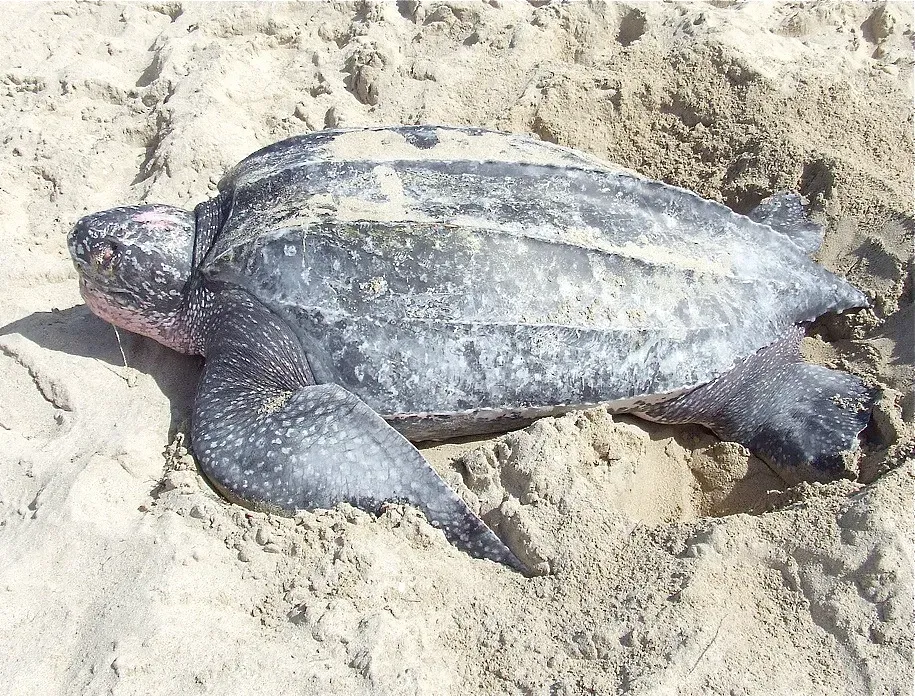
Here’s something that might surprise you. Puerto Rico hosts the highest number of leatherback nests in the United States. Yes, you read that correctly. This Caribbean territory outpaces even Florida in total nesting activity. Beaches along the north, southeast, and west coasts of the island have become vital nesting grounds, with places like Dorado, Maunabo, Yabucoa, and Añasco serving as primary nesting sites.
After nesting, the leatherbacks travel to important feeding habitats along the Gulf of Mexico, Canada, and the US East Coast, including the jellyfish-rich waters of Massachusetts. Local conservation groups have been working tirelessly for years to protect these nesting beaches from poaching and development. Puerto Rico, Florida and the U.S. Virgin Islands host the most important nesting beaches for leatherback sea turtles under U.S. jurisdiction.
US Virgin Islands: Small Territory, Big Impact
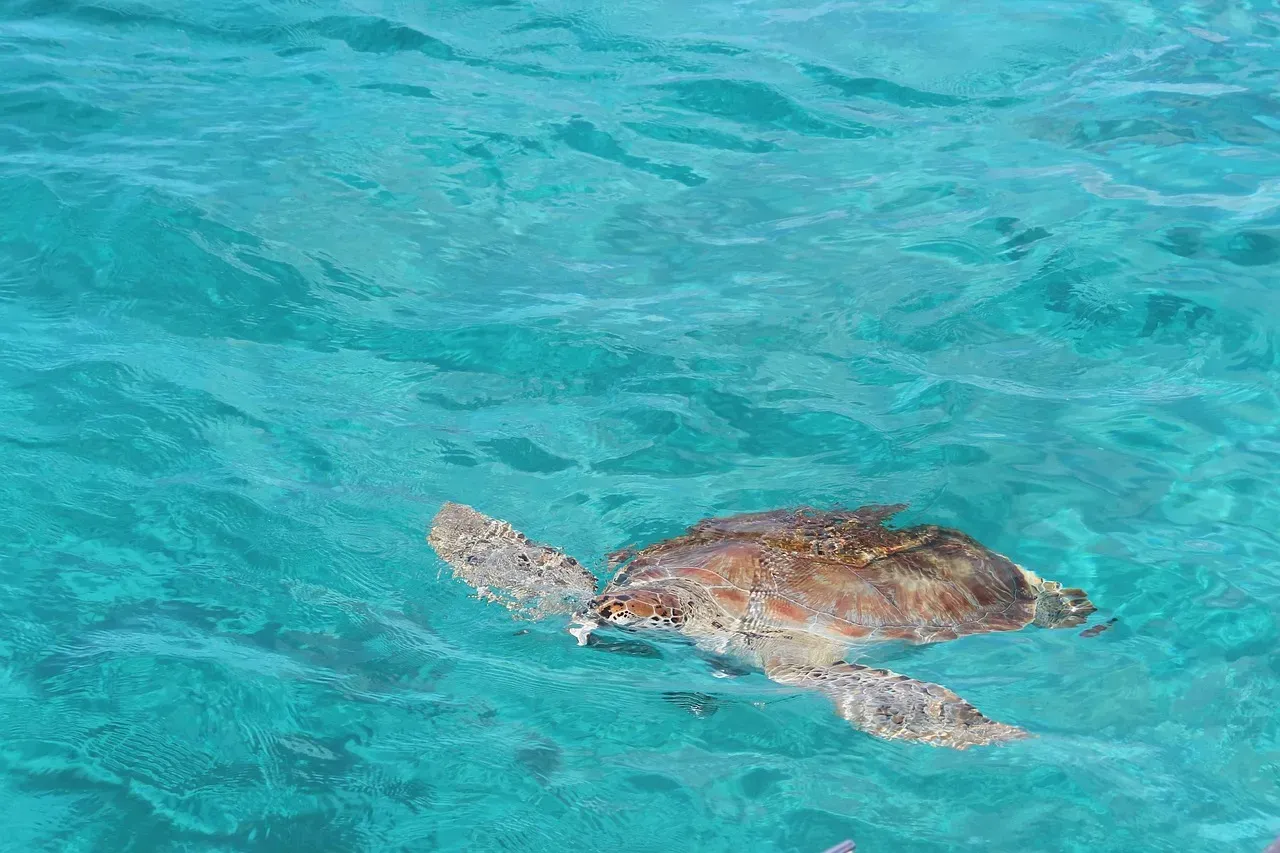
Don’t let the small size fool you. The US Virgin Islands punch well above their weight when it comes to leatherback conservation. Very small numbers of leatherbacks nest along the Florida coast each year, with larger numbers nesting in the U.S. Virgin Islands, particularly St. Croix, and Puerto Rico. Sandy Point on St. Croix has become particularly significant for the species.
The leatherback sea turtle currently has terrestrial critical habitat on just one stretch of beach at Sandy Point, St. Croix, in the U.S. Virgin Islands, and marine critical habitat in waters off Sandy Point in the North Atlantic Ocean. This designation provides crucial federal protection for both the nesting beach and surrounding waters. The concentration of nesting activity in such a small area demonstrates just how important these Caribbean islands are for maintaining healthy leatherback populations.
California: The Pacific Feeding Ground
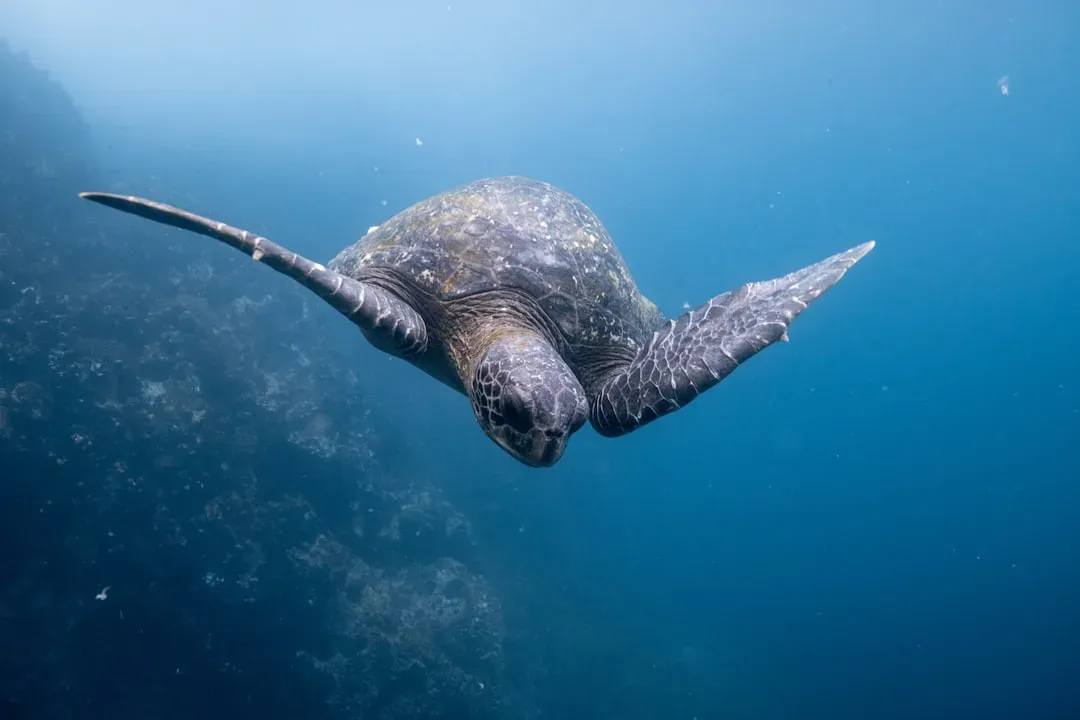
California plays a completely different role in the leatherback story. The continental United States offers two major Pacific leatherback feeding areas, with one located in California. These waters off the California coast become a buffet for hungry leatherbacks during certain times of year. Pacific leatherbacks migrate about 6,000 miles across the Pacific from their nesting sites in Indonesia to eat California jellyfish.
This is honestly mind-blowing when you think about it. These turtles don’t nest in California, but they undertake one of the longest migrations in the animal kingdom just to reach these productive waters. In 2012, critical habitat was designated off of the U.S. West Coast because these areas are key foraging sites for the Western Pacific leatherback. California’s cold, nutrient-rich waters support massive jellyfish populations, and leatherbacks have been making this journey for countless generations.
Hawaii: A Pacific Crossroads
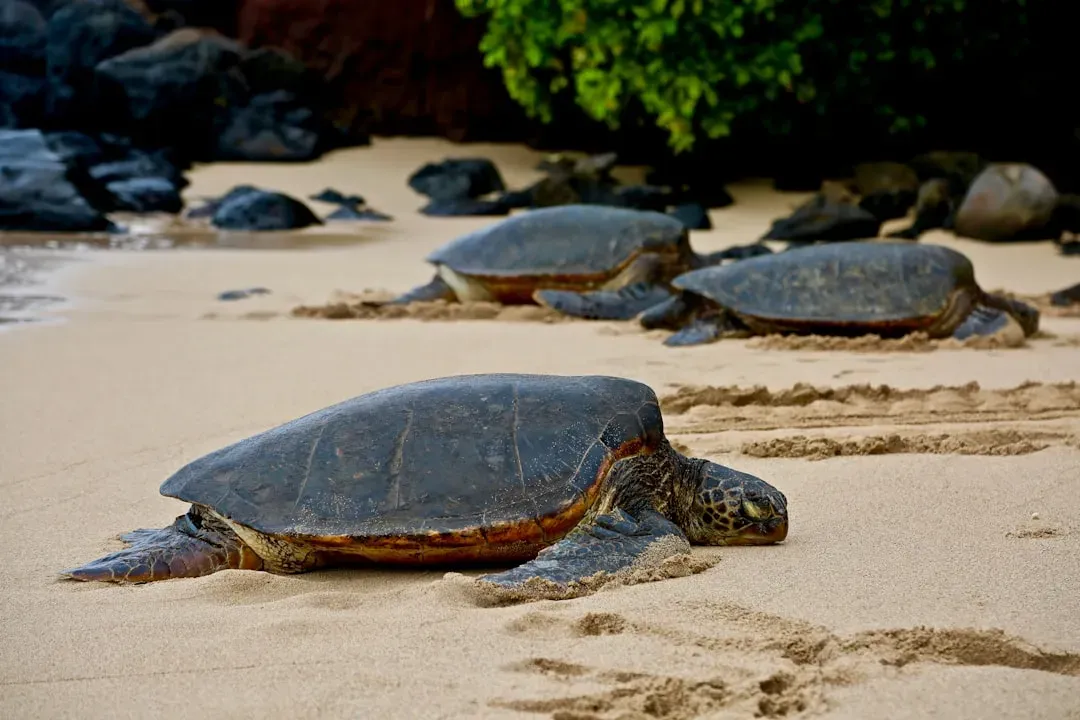
Hawaii occupies a unique position in leatherback conservation. Leatherbacks are rare in Hawaii, with the annual number of breeding females around 3,000 in the Pacific Ocean, and nesting doesn’t actually occur in the Hawaiian Islands. In the United States, Indo-Pacific leatherbacks often use the waters around the state of Hawaii as part of their vast migratory routes.
They live off both the east and west coasts of the United States, and also in Puerto Rico, the Virgin Islands, and Hawaii. While Hawaii might not host the dramatic nesting events seen in Puerto Rico or Florida, the islands serve as an important waypoint and feeding area for leatherbacks crossing the vast Pacific Ocean. The state’s position in the middle of the Pacific makes it a crucial stopover for these long-distance travelers.
Conclusion
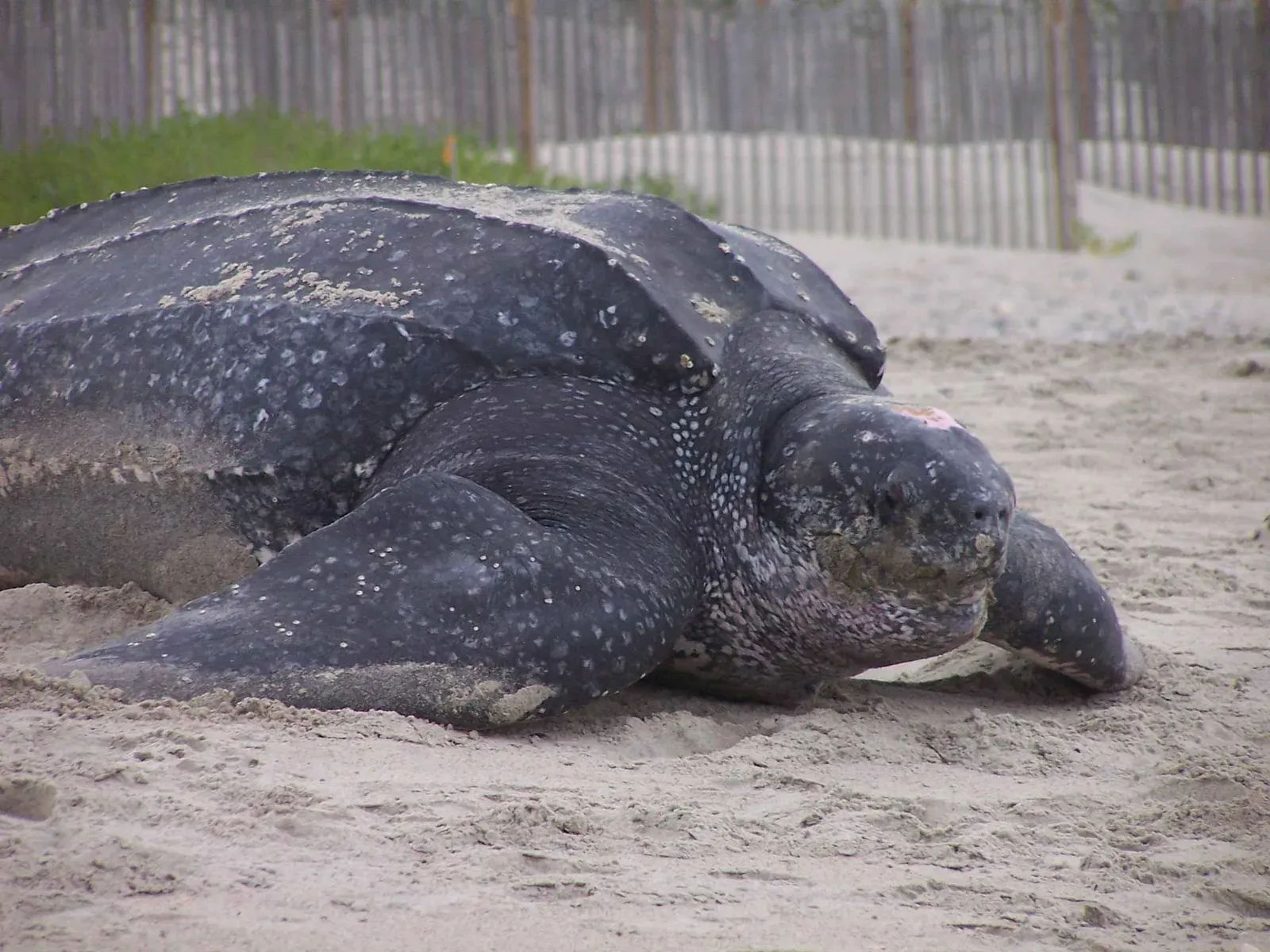
The distribution of leatherback turtles across US territories reveals a fascinating pattern of nesting concentration and feeding migration. While Puerto Rico surprisingly leads in total nesting numbers, Florida remains the primary continental nesting site. The US Virgin Islands provide critical protected habitat despite their small size, and the Pacific states of California and Hawaii serve essential feeding functions rather than nesting grounds. These ancient creatures depend on this network of protected areas to complete their remarkable life cycle, traveling thousands of miles between tropical nesting beaches and temperate feeding grounds. Their survival hinges on our commitment to protecting these critical habitats.
What surprised you most about where these incredible turtles spend their time? Tell us in the comments.

- 14 Signs the Backyard Birds That Left Your Yard Are Quietly Coming Back - July 21, 2026
- 12 Cat Breeds Vets Refuse To Recommend to First Time Owners - July 21, 2026
- 6 US States With the Most Alligators - July 21, 2026