
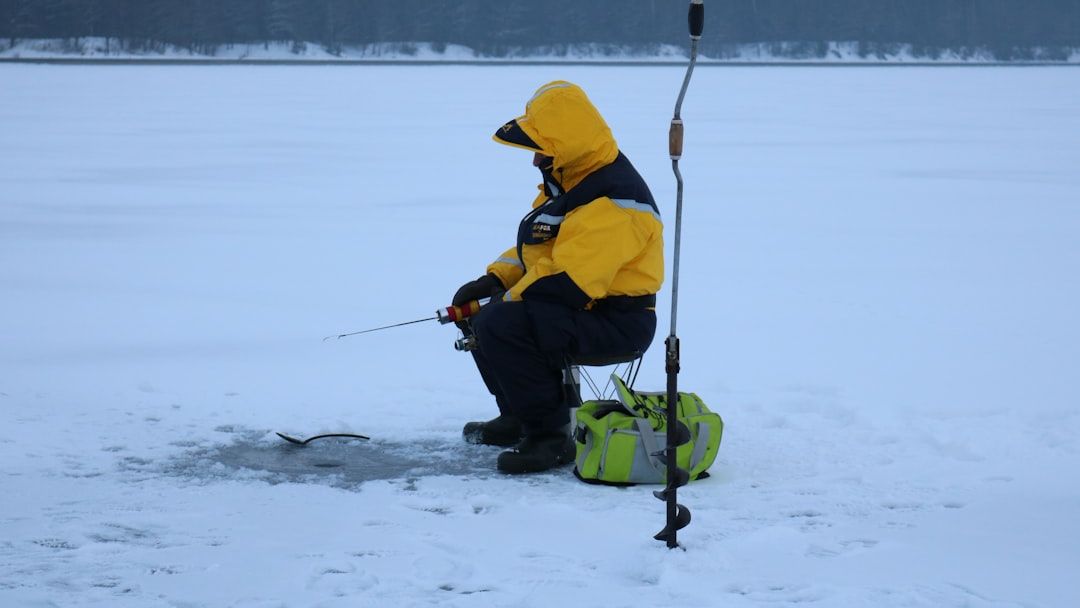
There’s something almost magical about standing on a frozen lake, the cold air biting at your face, knowing that beneath your feet lies an entire world of fish waiting to be caught. Ice fishing isn’t just a winter pastime. It’s a test of patience, strategy, and sheer determination.
Many people think ice fishing is as simple as drilling a hole and dropping a line, but there’s so much more to it than that. The anglers who consistently haul in impressive catches understand the nuances that separate a good day from a great one. Whether you’re a complete beginner or someone who’s been on the ice a few times, these tips will help you level up your game and make your next outing truly memorable.
Choose Your Location Wisely
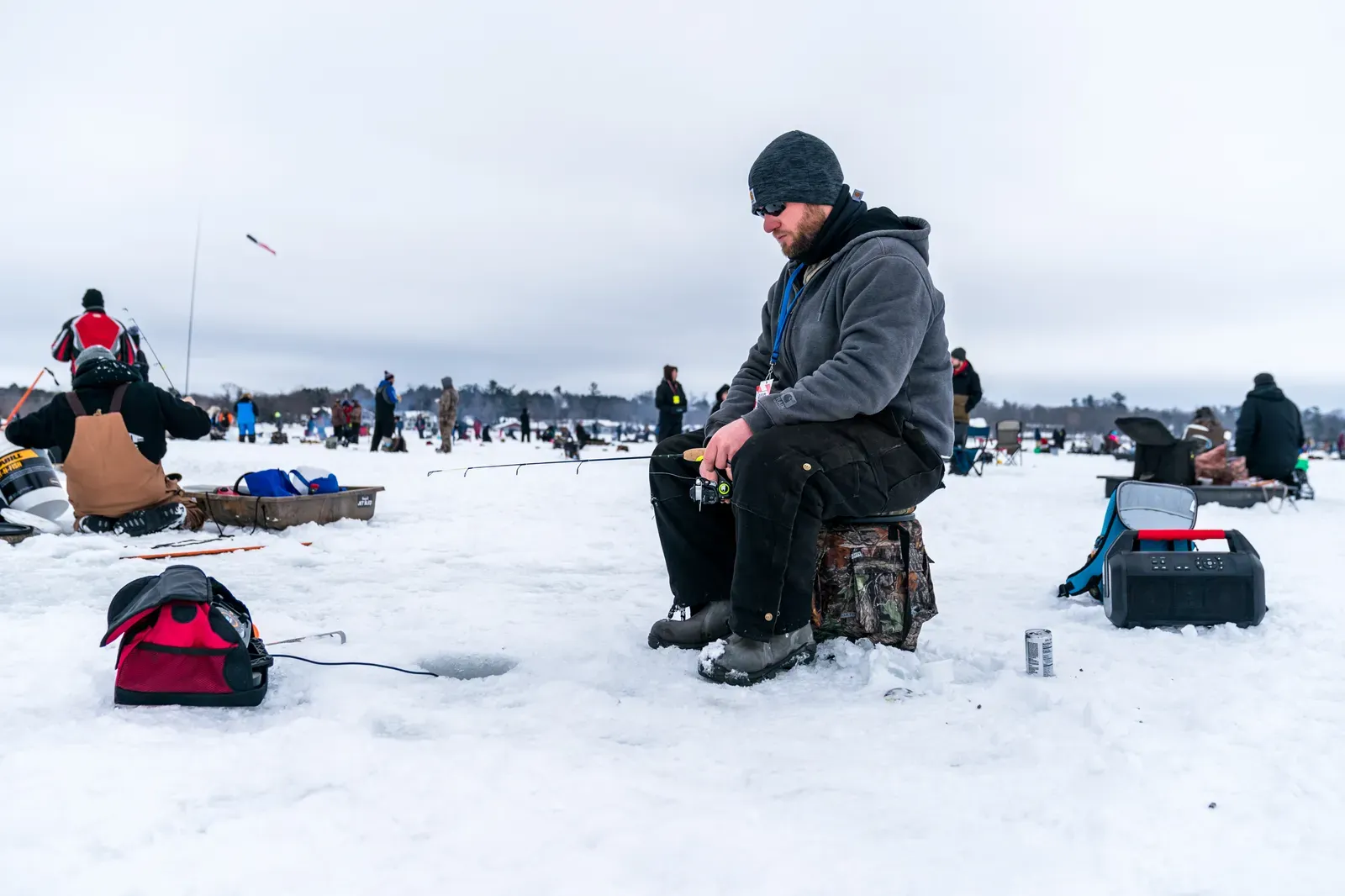
Honestly, location might be the single most important factor in ice fishing success. You can have the best gear and perfect technique, but if you’re fishing in the wrong spot, you’ll go home empty-handed. The best ice anglers always use bathymetric maps to pinpoint their hole-drilling locations, looking for underwater features that attract fish.
Think about where fish naturally congregate. Areas with rock piles, weed beds, or dramatic contours are all good spots. Early in the season, fish tend to hang out in shallower areas near shore, but as winter progresses they often move to deeper water. Don’t just drill a hole randomly and hope for the best.
Understand Depth and Water Structure
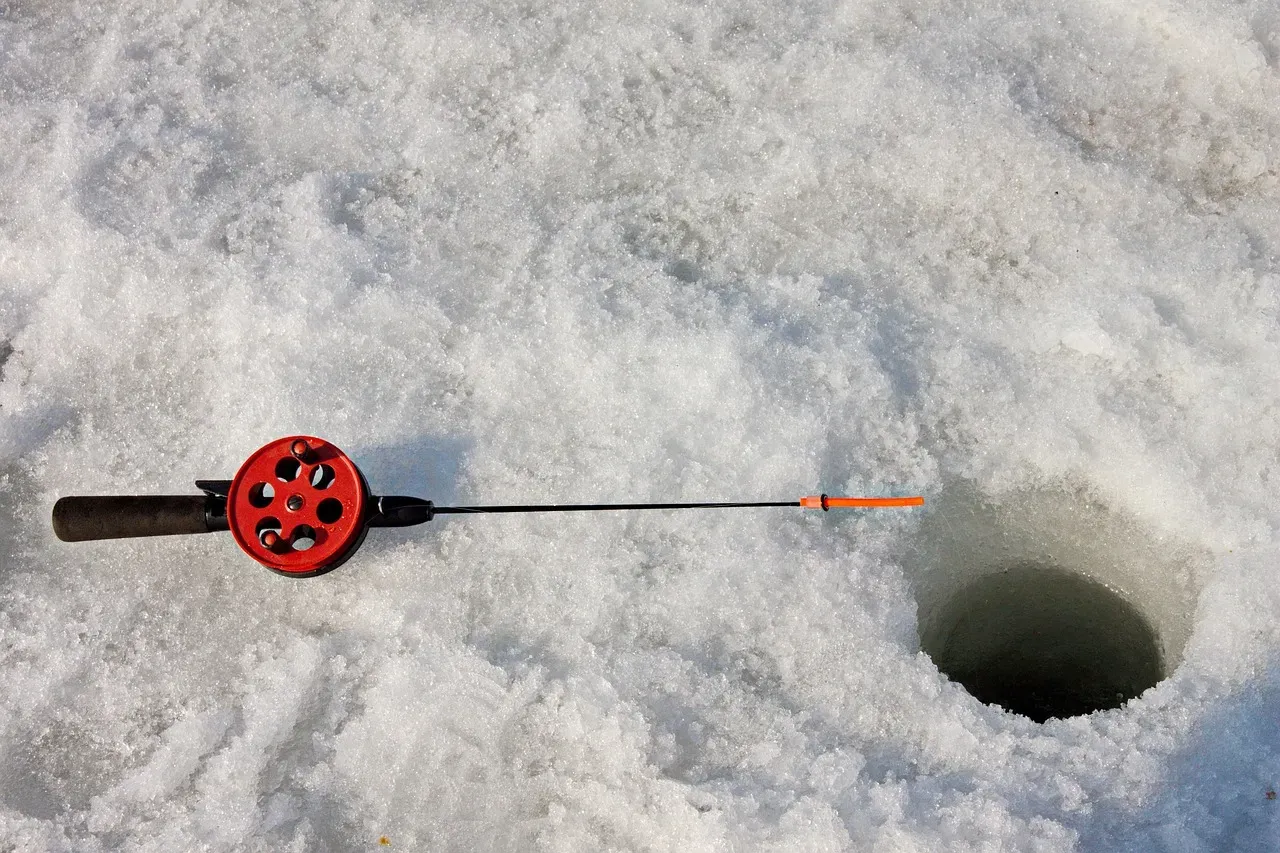
Most of the best ice-fishing action comes in water from 3-to-20 feet deep, though this varies by species and time of season. Different fish prefer different depths, and understanding this can dramatically improve your catch rate. For instance, brook trout like shallow, near-shore habitat in the winter, your best brook trout water is going to be between 4 and 12 feet.
Setting up at varying depths is a smart strategy. If you’re using multiple tip-ups or holes, spread them across different depth zones to figure out where fish are actively feeding that day. Sometimes they’re hugging the bottom, other times they’re suspended mid-water or even cruising just beneath the ice.
Prioritize Ice Safety Above All Else
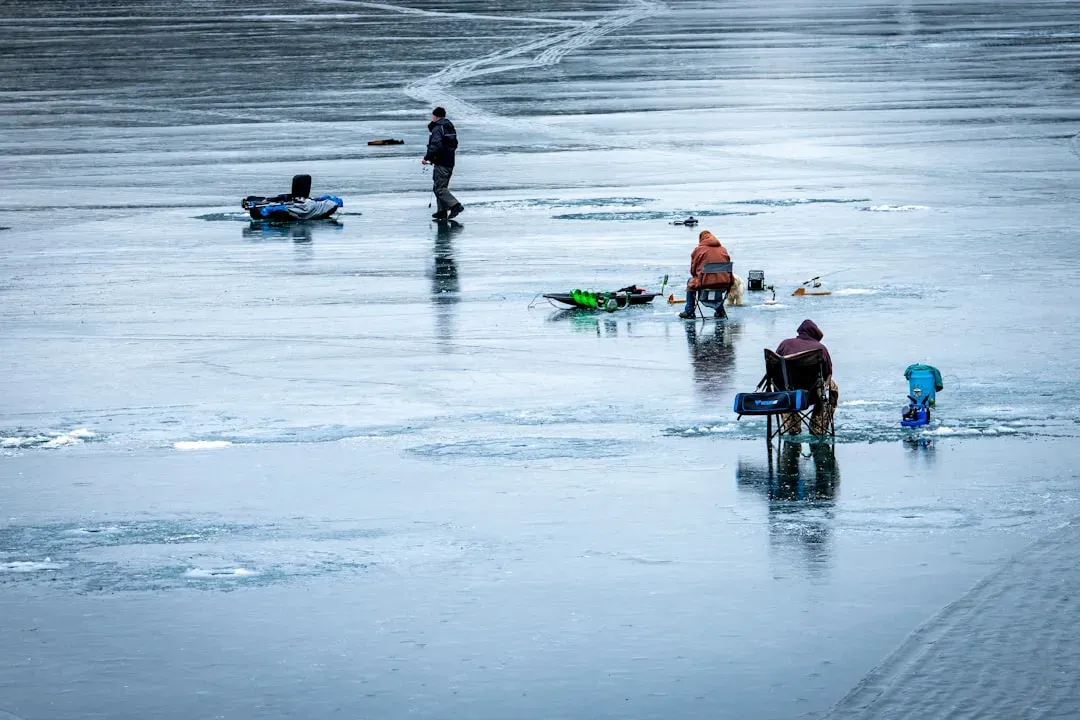
Let’s be real, no fish is worth your life. A minimum of three to four inches of solid ice is the general rule for safety, but that’s just a baseline. Ice thickness can vary dramatically across a single body of water, especially near inlets, outlets, or areas with current.
Never fish alone: Always bring a buddy along. If you fall through the ice, having someone with you can significantly increase your chances of survival. Carry ice picks in case you do break through, and always check ice thickness regularly as you move to new spots. Dark ice, slush, or visible cracks are red flags you shouldn’t ignore.
Dress in Proper Layers for Comfort
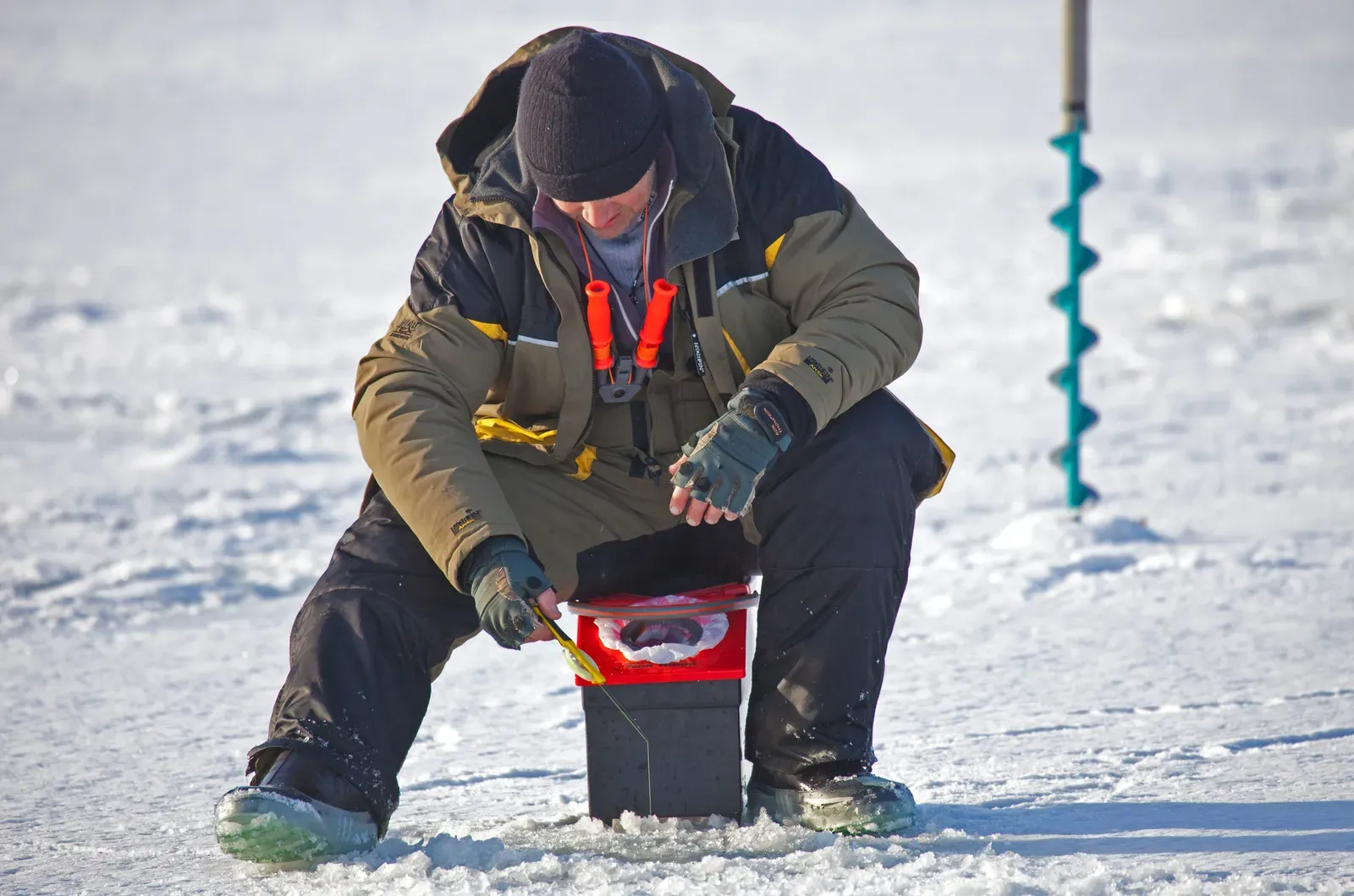
Proper layering can make or break any ice fishing excursion. Be sure to wear multiple layers of warm, insulating clothing, including a base layer, an insulating mid-layer, and a waterproof outer layer. The difference between misery and enjoyment often comes down to how well you’ve dressed.
Your extremities need special attention. Cold hands and feet will end your trip early, so invest in quality insulated boots and gloves. I know it sounds crazy, but staying warm actually helps you fish better because you’re more focused and less distracted by discomfort.
Use the Right Bait for Your Target Species
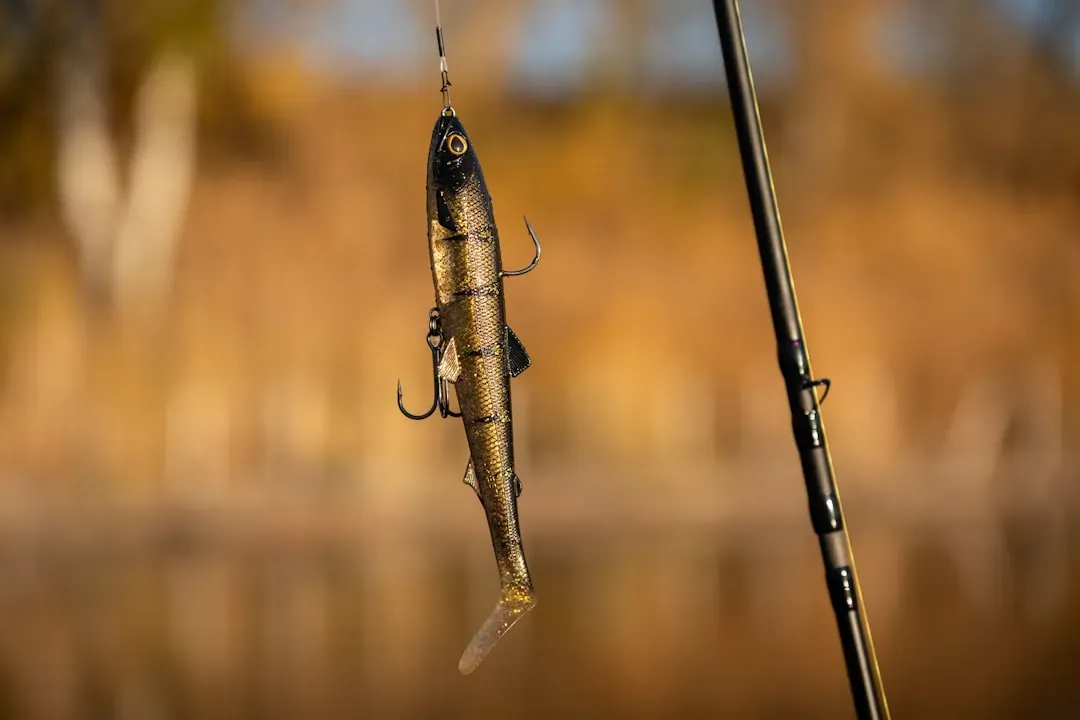
Different fish want different meals, and matching your bait to what they’re naturally feeding on makes a huge difference. Shiners will often be available in different sizes. Stick with small shiners for trout and panfish; go big if you are seeking bass or pike. Variety can be your friend too, as fish sometimes show strong preferences on any given day.
Experiment with different baits and lures, such as live bait (minnows, worms), jigs, spoons, and artificial lures, to determine what works best for the target species. Cut-up fish, egg shells, glitter and fish attractant, dead minnows, and bread can all be effective. Don’t be afraid to try something unconventional if the usual suspects aren’t working.
Master Your Jigging Technique
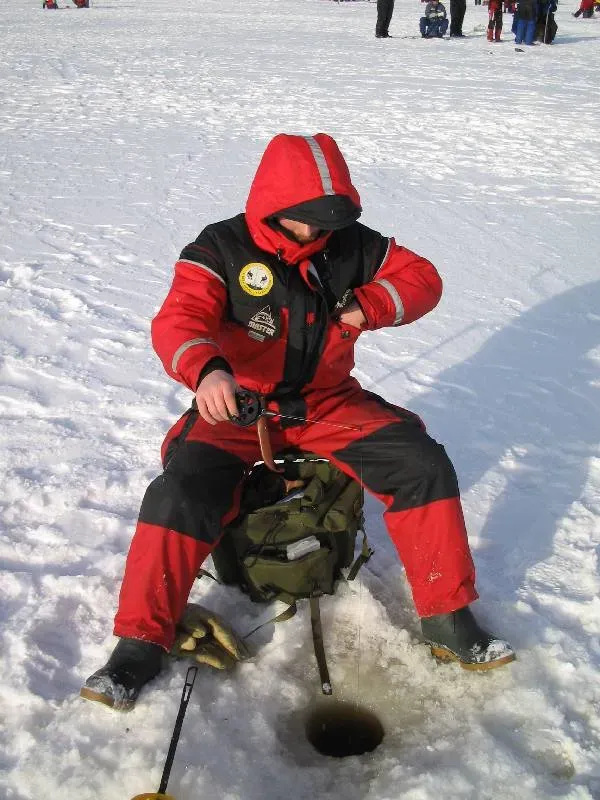
Jigging isn’t just randomly bouncing your lure up and down. There’s an art to it. Jig aggressively with large spoons and minnow profile baits that create a lot of sound, vibration, and flash in the water column. You want to attract fish from as far away as possible, but don’t overdo it. When you see a fish on your electronics, that’s when you adjust.
Sometimes fish want aggressive movement, other times they prefer subtle twitches. Try jigging for 30 seconds and then let the bait sit still for 1 minute. Keep your jig in a 4″ to 8″ window of movement to draw fish into the presentation and to make it easy for them to commit to bite the bait. Pay attention to what triggers strikes and replicate that pattern.
Invest in Quality Electronics
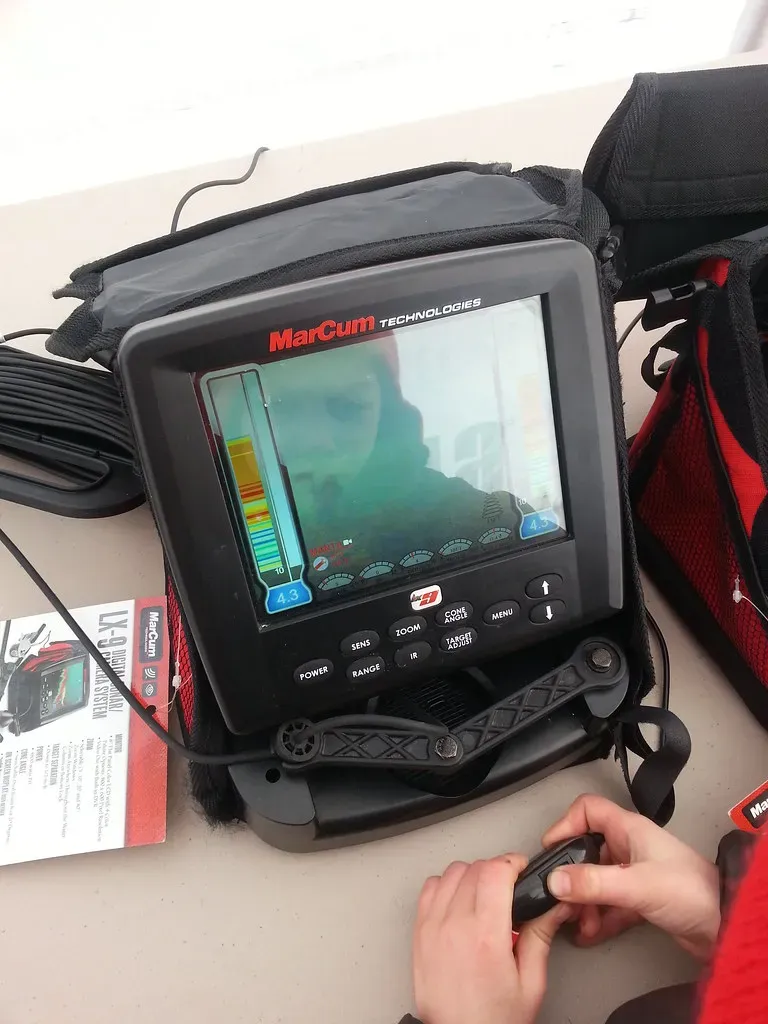
Here’s the thing: you can absolutely catch fish without electronics, but a fish finder or flasher will dramatically increase your success. You aren’t really ice fishing without sonar. Flashers and similar devices provide you the invaluable ability to observe how fish respond to your presentation in real time. This lets you adjust your technique on the fly.
Watching fish approach your bait, circle it, or dart away gives you instant feedback about what’s working and what isn’t. You’ll know whether to speed up your jigging, slow down, or switch lures entirely. It takes the guesswork out of the equation and helps you become a more effective angler much faster.
Stay Mobile and Don’t Be Afraid to Move
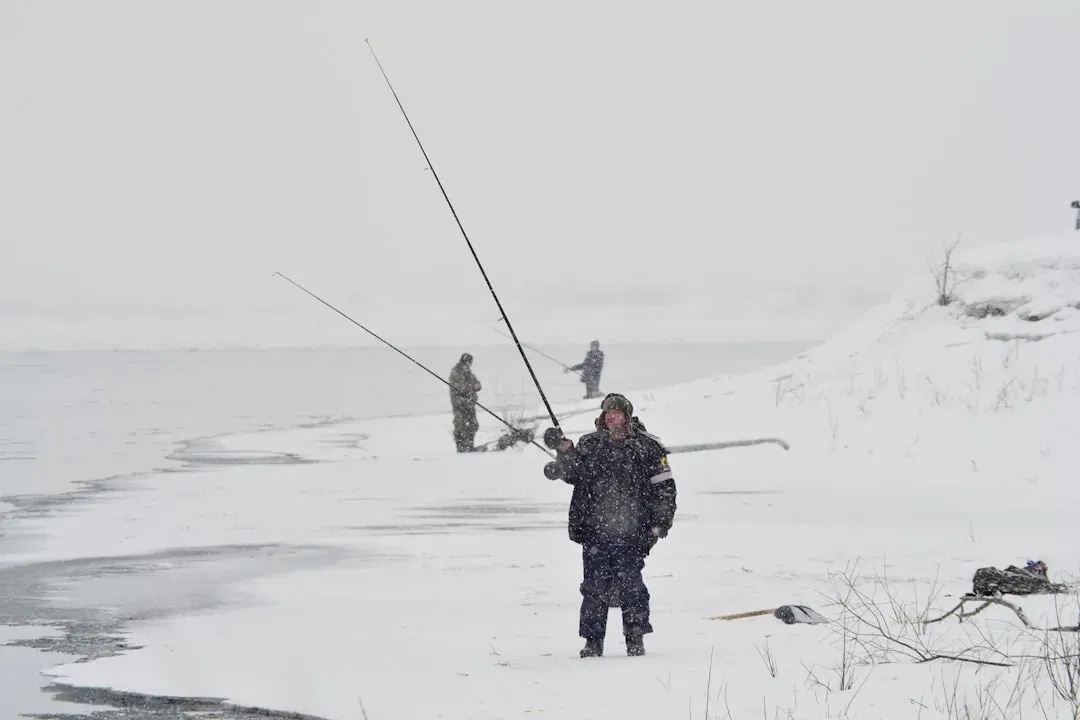
It’s really easy to get out on the ice, unload sleds, start fishing, and end up parked right there for the whole day. It takes a lot more enthusiasm and force of will to strike out across trackless ice in search of greener pastures and grabbier fish. That is exactly the habit of highly successful ice anglers: an unwillingness to accept poor results.
If you’ve been in a spot for thirty minutes without seeing anything on your electronics or getting bites, it’s time to move. Drill new holes, explore different depths, and cover water until you find where the fish are actively feeding. Persistence and mobility separate the anglers who consistently catch fish from those who just hope for luck.
Target First Ice Opportunities
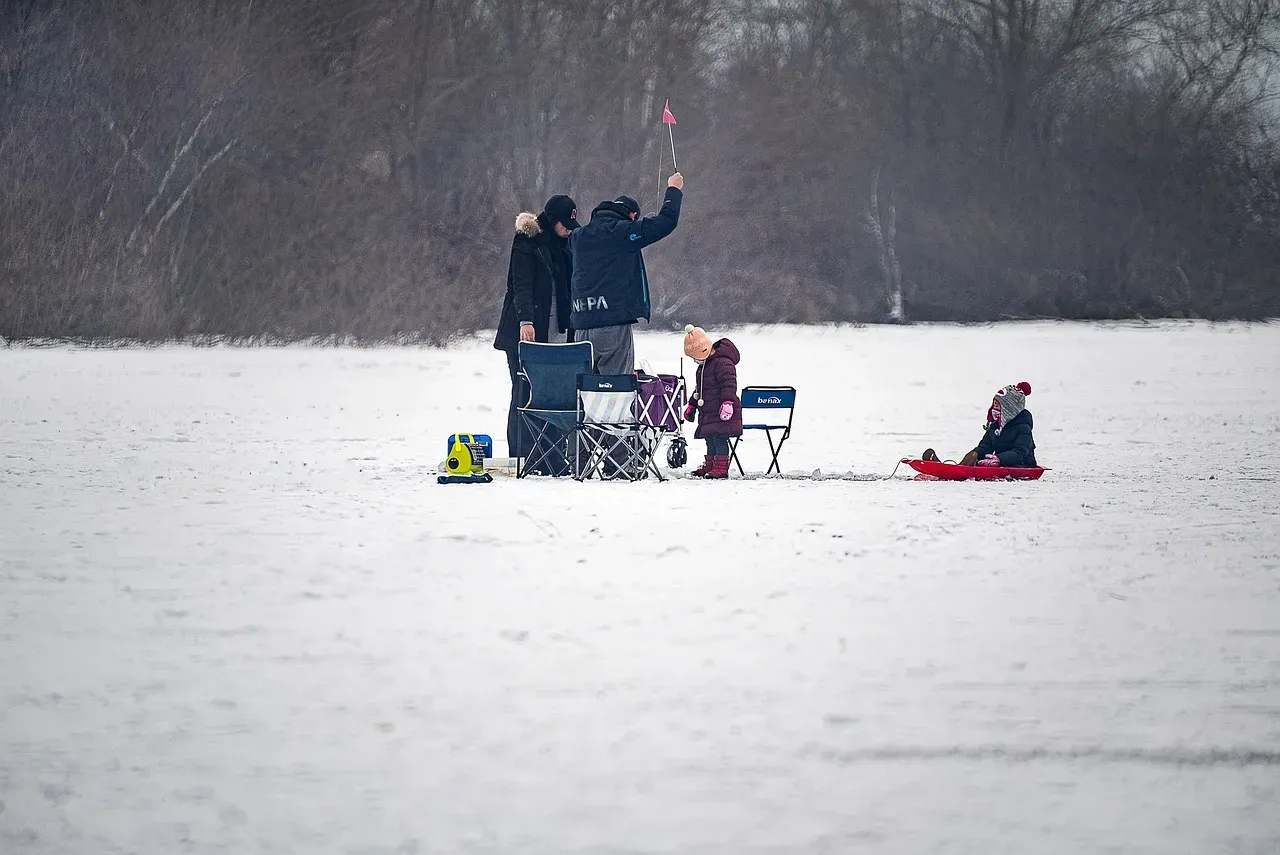
Generally speaking, the first safe ice of the season will give you a shot at the best fishing. The fish have been relatively unmolested by anglers for a few months, they’re hungry, and they haven’t yet been educated by the barrage of ice fishermen who will soon be harassing them. This period is golden if you can safely access it.
Fish during first ice are often more aggressive and less cautious. They’re actively feeding to build energy reserves for winter, making them more willing to strike. Just remember that first ice can also mean dangerous ice, so always err on the side of caution when venturing out early in the season.
Learn From Other Anglers and Share Knowledge
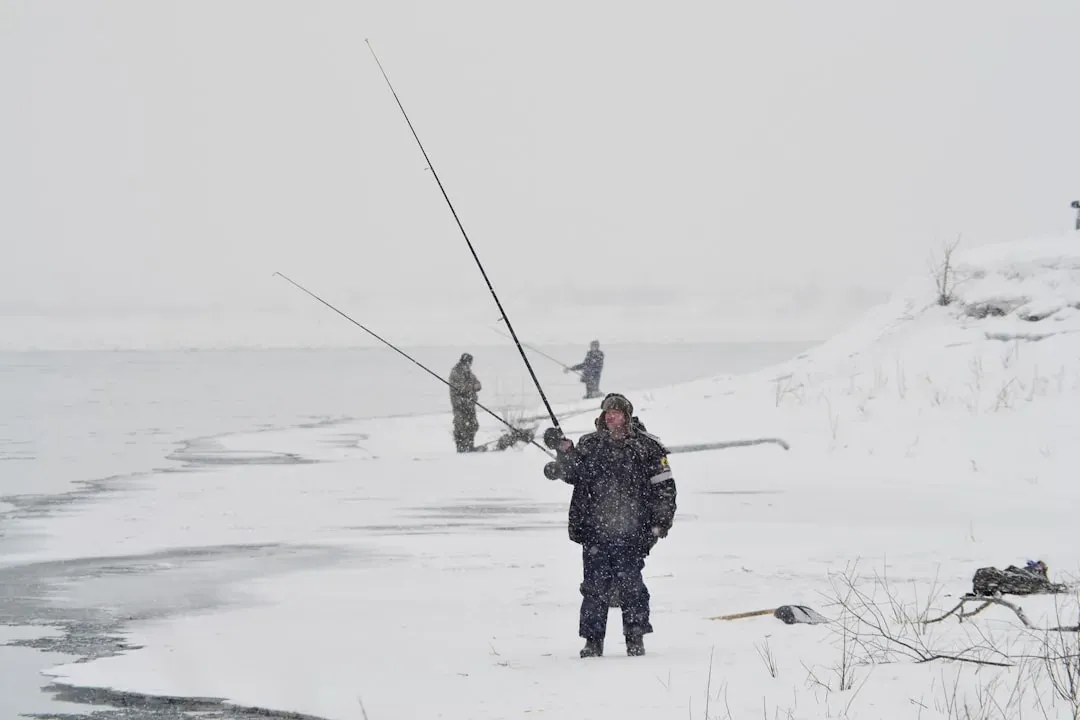
Ice fishermen seem to be the friendliest subset of anglers in our region. Unlike super-secret surfcasters or territorial boat fishermen, ice fishermen tend to be a more outgoing lot and are usually more than willing to take in newcomers. This community aspect is one of ice fishing’s best features.
Don’t be shy about striking up conversations with other anglers on the ice. Most are happy to share what’s working, what depths they’re finding fish, and which baits are producing. Before heading out, check online forums and local reports for current conditions and hot spots. The information age has made it easier than ever to dial in your approach before you even drill your first hole.
Conclusion: Patience and Persistence Pay Off
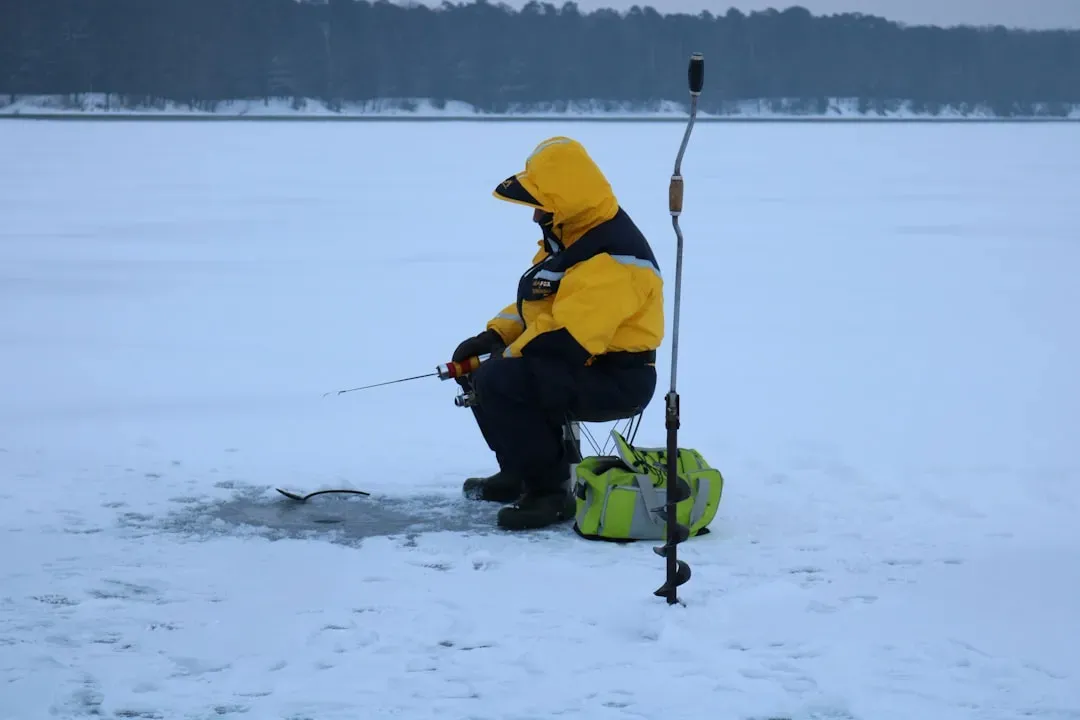
Ice fishing rewards those who prepare well, stay adaptable, and refuse to give up when the action slows. Success comes from combining the right location with proper technique, safety awareness, and a willingness to keep learning from each outing. The anglers who consistently bring home fish aren’t necessarily the ones with the fanciest gear or the most experience. They’re the ones who pay attention to details, adjust their approach based on conditions, and stay focused even when the bite gets tough.
Remember that every trip on the ice teaches you something new about fish behavior, weather patterns, and what works in your local waters. Some days you’ll limit out in the first hour, other times you’ll struggle to get a single bite. That’s part of what makes this sport so captivating. So bundle up, drill those holes, and embrace the challenge.
What’s your favorite ice fishing memory? We’d love to hear about your experiences out there on the frozen water.

- The Yellowstone Ecosystem Thrives Due to Its Interconnected Wildlife - June 21, 2026
- 12 Fascinating Creatures Discovered in the Deepest Parts of the Ocean - June 21, 2026
- 12 Amazing Ways Animals Adapt to Extreme Cold - June 21, 2026