
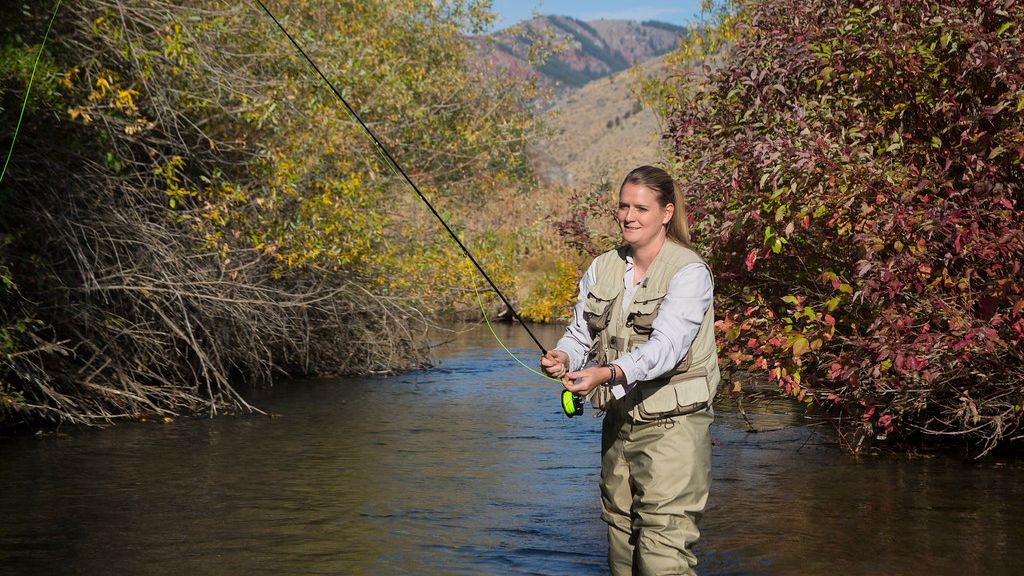
If you’ve ever stood knee-deep in a stream with a rod in hand, you know the feeling. The world slows down. The chatter in your head quiets. There’s just you, the water, and whatever’s lurking beneath the surface. Fly fishing isn’t just about catching fish. It’s about finding those places where nature feels untouched and the rhythm of the current takes over.
The United States is home to some of the most legendary waters on earth. From mountain rivers that plunge through canyons to spring creeks so clear you can watch every trout rise, there’s a staggering variety of places to throw a line. What makes a place truly great for fly fishing? It’s the combination of healthy fish populations, stunning surroundings, reliable hatches, and that intangible magic that keeps you coming back. Let’s dive into ten spots that deliver all of that and more.
Madison River, Montana
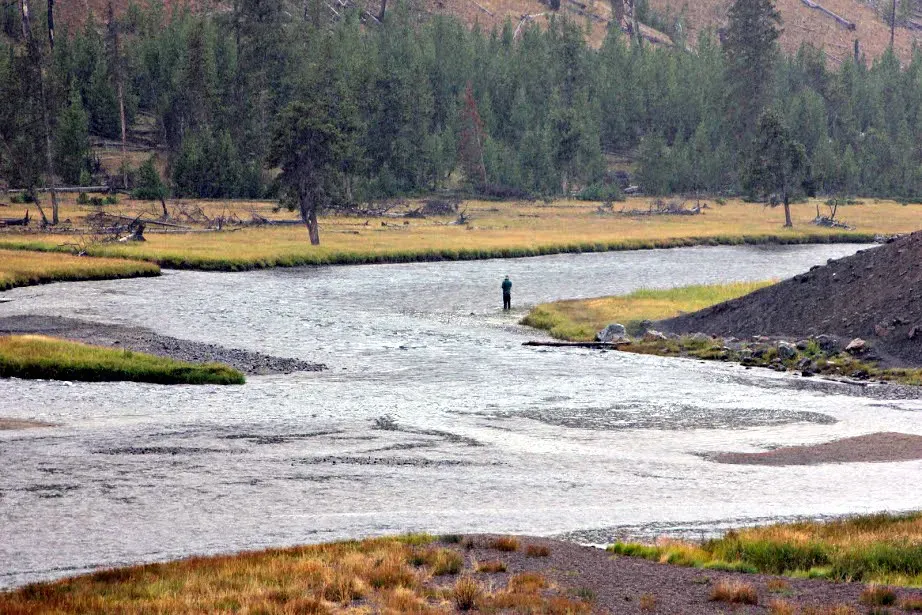
Often called the “50 Mile Riffle,” the Madison River flows out of Yellowstone National Park through wide valleys of southwestern Montana and hosts healthy populations of rainbow and brown trout. This isn’t just hype from guidebooks. The Madison genuinely fishes well throughout the year, with different sections offering their own personality. Upper stretches near the park feature pocket water and faster runs, while downstream sections open into braided channels and deep pools perfect for nymphing or swinging streamers.
The river provides year-round fly fishing opportunity with varied hatches, techniques, and habitat, offering a mix of float and wade fishing options that make it a favorite for both DIY anglers and guided trips. Summer brings the famous salmonfly hatch that draws anglers from across the country. Fall means big browns prowling the banks, and winter nymphing in the lower sections can be surprisingly productive when other rivers freeze solid.
Yellowstone River, Montana and Wyoming
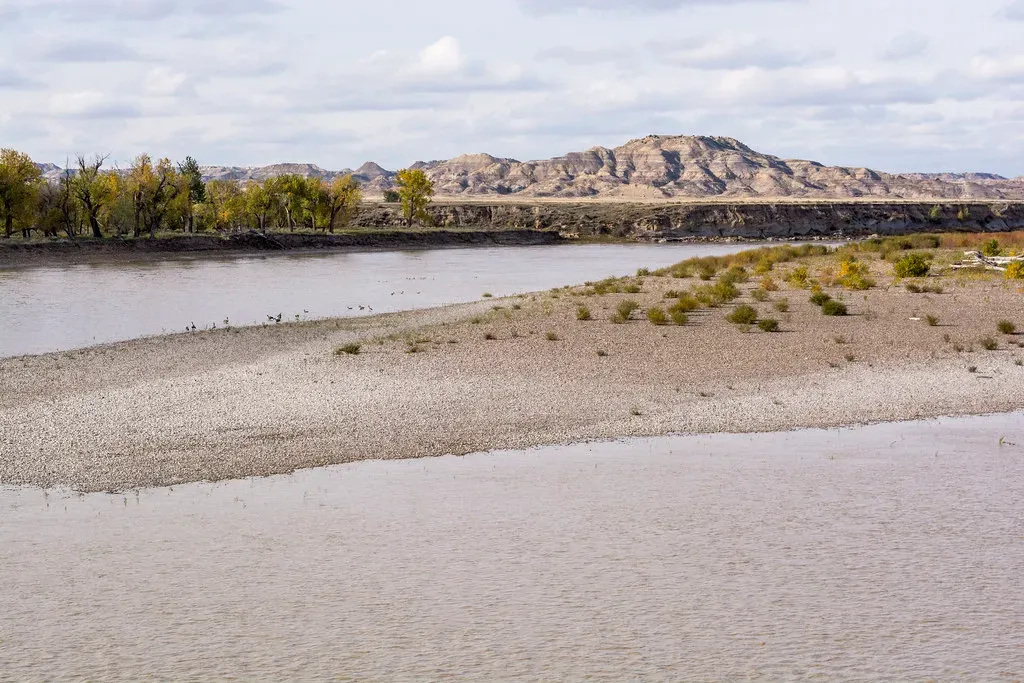
The Yellowstone is the longest undammed river in the continental United States, offering more than 200 miles of some of the best wild trout fishing on the planet. That’s not a small claim. This river starts high in the Absaroka Range, flows through Yellowstone Lake, crashes through stunning canyons, then meanders north through Paradise Valley in Montana. Every section has its own character and challenges.
The Yellowstone is one of the more intimidating rivers in the United States, with strong current and massive amounts of water making it a difficult spot for novice fly anglers. You’ll find cutthroat in the park sections, then rainbows and browns as you head downstream. The scenery alone is worth the trip, with elk grazing on the banks and mountains framing every cast. Just know that this river demands respect and a bit of experience.
Bighorn River, Montana and Wyoming
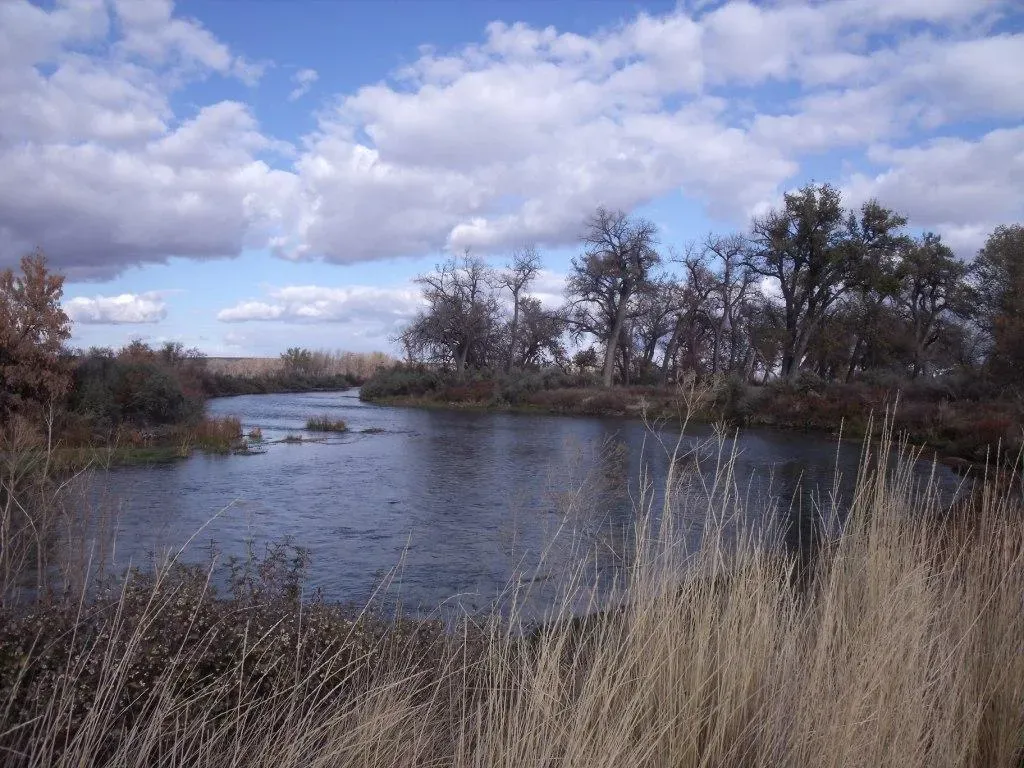
The Bighorn is one of those rivers that lives up to the hype, loaded with wild trout, giving anglers a real shot at landing something memorable every time they’re out there. Starting in Wyoming’s Wind River Range, the Bighorn transforms into a world-class tailwater fishery below Yellowtail Dam. The cold water releases create ideal conditions year-round.
Water stays cold and consistent below Yellowtail Dam year-round, which means bugs hatch as they should and fish stay active, whether fishing dries, nymphs, or streamers. Rainbow and brown trout thrive here in impressive numbers. On a good day, catching twenty fish isn’t unusual. The Montana side gets most of the attention, but the Wyoming section offers similar quality with fewer crowds if you’re willing to explore.
Snake River, Wyoming and Idaho
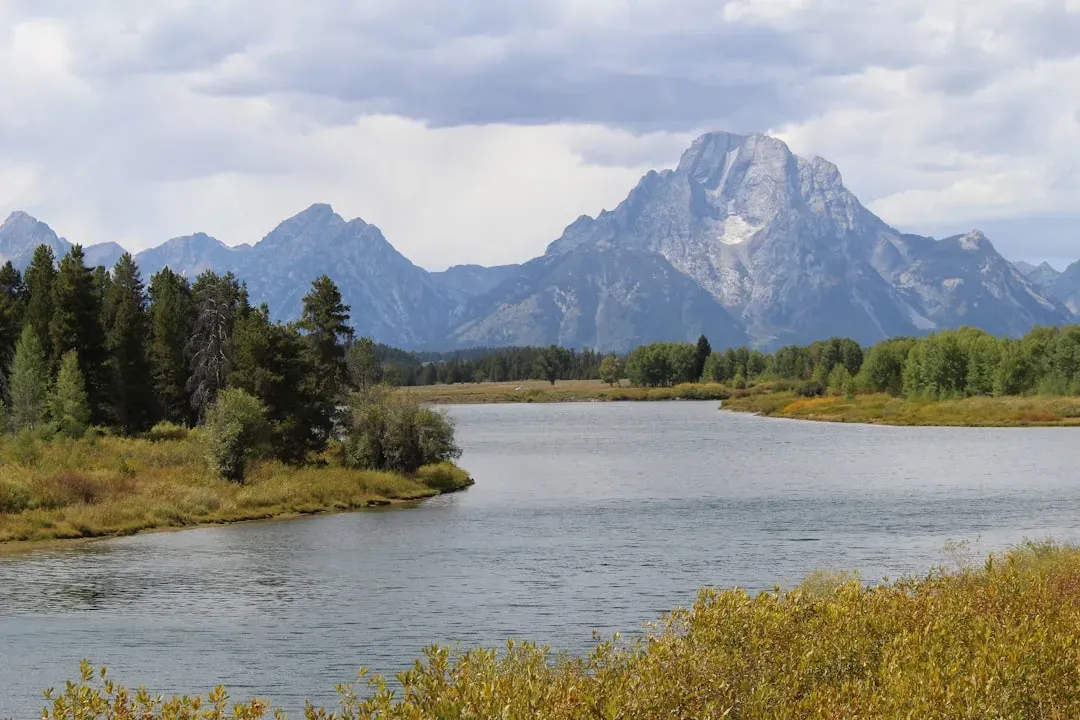
Set against the majestic backdrop of the Grand Tetons, the Snake River provides world-class fly fishing for native cutthroat trout, with challenging waters and awe-inspiring views making it a contender for the best fly fishing in the U.S. Jackson Hole serves as the primary access point, and floating through the Tetons with a fly rod might be one of the most beautiful experiences in American fly fishing.
Regardless of flows or the amount of water stored in reservoirs above it, the South Fork shines as a dry-fly destination, and the river is America’s best river for dependable and often stellar dry-fly fishing, largely because of the river’s iconic Yellowstone cutthroat trout. The South Fork in Idaho particularly stands out for consistent surface action. Hoppers in late summer can produce explosive strikes that’ll make your heart skip.
Henry’s Fork, Idaho
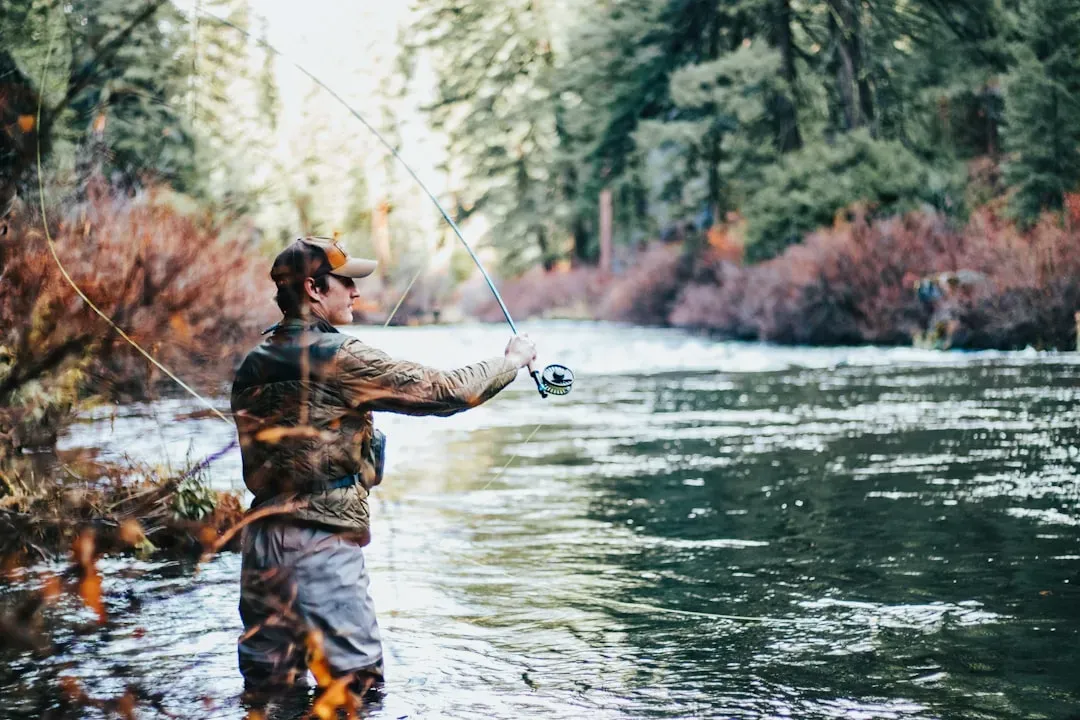
Henry’s Fork of the Snake River is one of the most technical spring creeks, with gin clear water and educated trout where perfect presentation is required, but when you do hook up, these are big, healthy rainbows that fight fiercely. This is where fly fishers go to test themselves. The Railroad Ranch section is legendary for a reason. Trout sip insects from slow, glassy water all summer long, and they’ll reject your fly without hesitation if something’s off.
The Henry’s Fork is maybe the single most mythical of all western trout streams, and what makes this river special is that if you land a fish here you have really achieved something, as fly fishermen are masochistic creatures and the fish are nearly impossible to catch in the glassy, drag-inducing currents. Long leaders, small flies, delicate presentations. It’s frustrating and addictive in equal measure. Honestly, fishing here feels like graduate-level fly fishing.
Green River, Utah and Wyoming
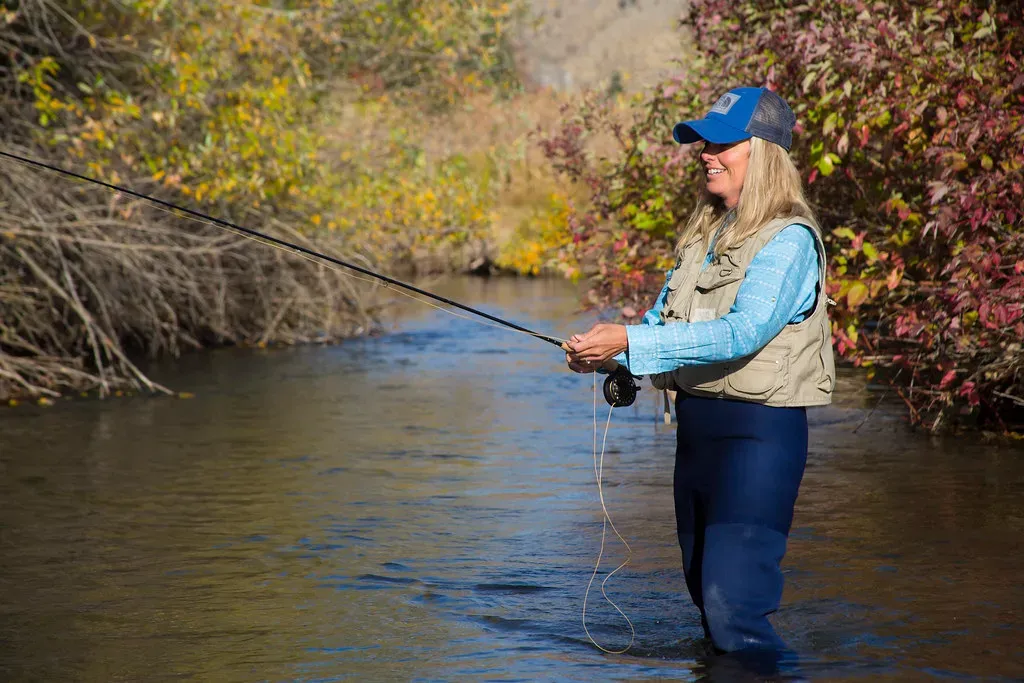
Located in Utah and Wyoming, the Green River harbors thriving populations of brown and rainbow trout, with cutthroats as possibilities too. The tailwater section below Flaming Gorge Reservoir in Utah gets most of the attention, and deservedly so. Crystal-clear water lets you sight-fish to individual trout cruising the bottom, which adds a whole new dimension to the experience.
The 100 miles before going into Flaming Gorge is really good for big browns, where it’s not uncommon to catch 20- to 21-inch fish, and some guys catch 25- to 27-inch browns. Wyoming’s section offers more solitude and backcountry feel, particularly in the upper stretches flowing from the Wind River Range. Cutthroat dominate there, and you might not see another angler all weekend if you hike in far enough.
Au Sable River, Michigan
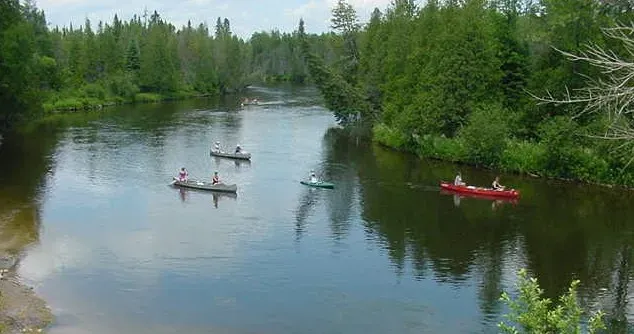
Flowing through Michigan’s northern forests, the Au Sable is legendary in the fly-fishing world, known for wild brook trout, dense hatches, and its role in American fly-fishing history. The Midwest doesn’t always get the respect it deserves in fly fishing circles, which is a shame. The Au Sable rivals western waters in quality, just with different species and surroundings.
Au Sable River is a Blue Ribbon trout fishery known for trophy brown trout, also known as Michigan’s “holy waters.” Brook trout in the headwaters give way to browns downstream, and the fly-fishing-only sections produce excellent hatches throughout the season. The river has a quieter, more intimate feel than big western rivers, winding through hardwood forests where you’re more likely to encounter deer than other anglers.
Deschutes River, Oregon
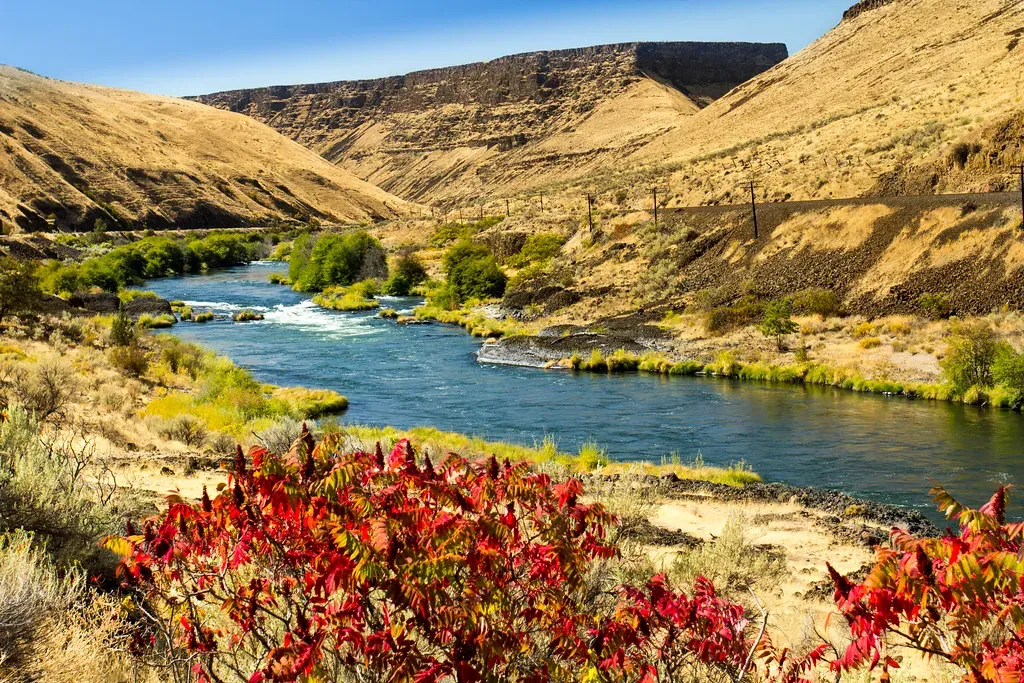
Oregon’s Deschutes River offers excellent fishing for steelhead and wild trout. This is where steelhead fanatics make their pilgrimages. The river cuts through high desert canyons in central Oregon, creating dramatic scenery that’s completely different from Montana’s mountains or Michigan’s forests. Summer steelhead runs draw anglers from around the world.
Oregon makes the list because no list would be complete without a state dedicated to hardcore steelhead fishing, and steelheading is close to religion status, a sport unto itself. Swinging flies for steelhead requires patience and faith. You might cast for hours without a touch, then suddenly your line comes tight and everything changes. The Deschutes also holds redband trout and offers excellent access along much of its length.
White River, Arkansas
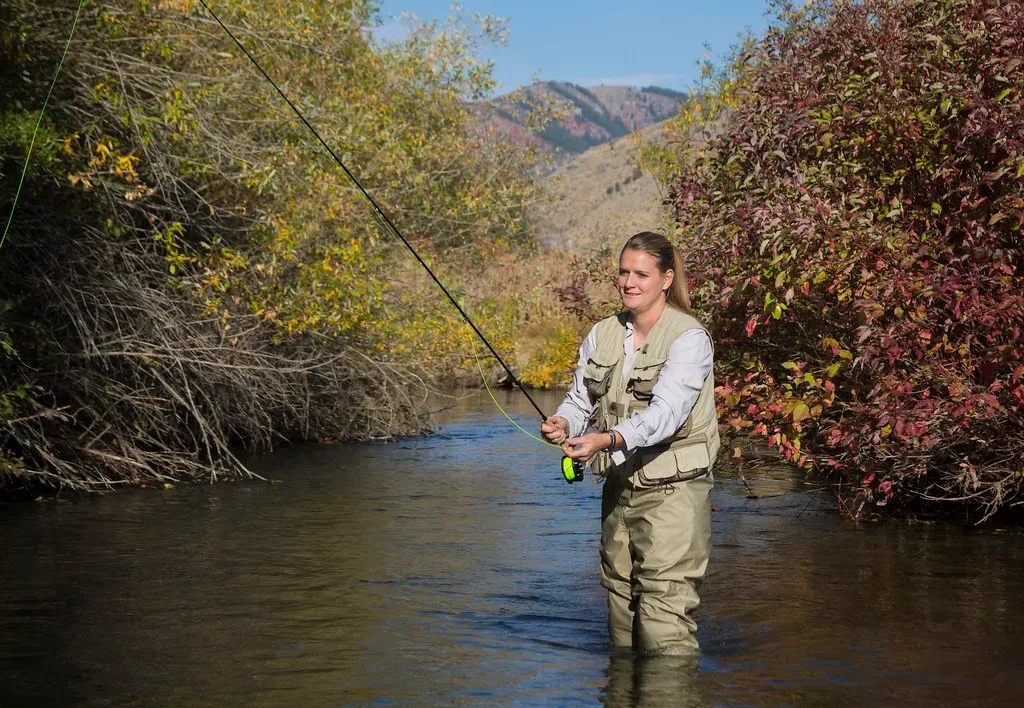
The White River in Arkansas, legendary home of the largest brown trout in the United States, rivals bucket list pilgrimages in South America. Wait, Arkansas? Yes. This tailwater fishery produces trophy browns that would make Montana anglers jealous. The cold water releases from Bull Shoals Dam create perfect conditions for enormous trout to thrive.
The White River is America’s premier fishery for trophy brown trout, with larger tailwater sections best accessed from a drift boat, though wading anglers can find good water. You’ll need a guide if you’re serious about connecting with one of the river’s true monsters. The sections near Cotter and below Bull Shoals Dam hold the highest concentrations of big fish. It’s technical fishing that rewards patience and precision.
Florida Keys
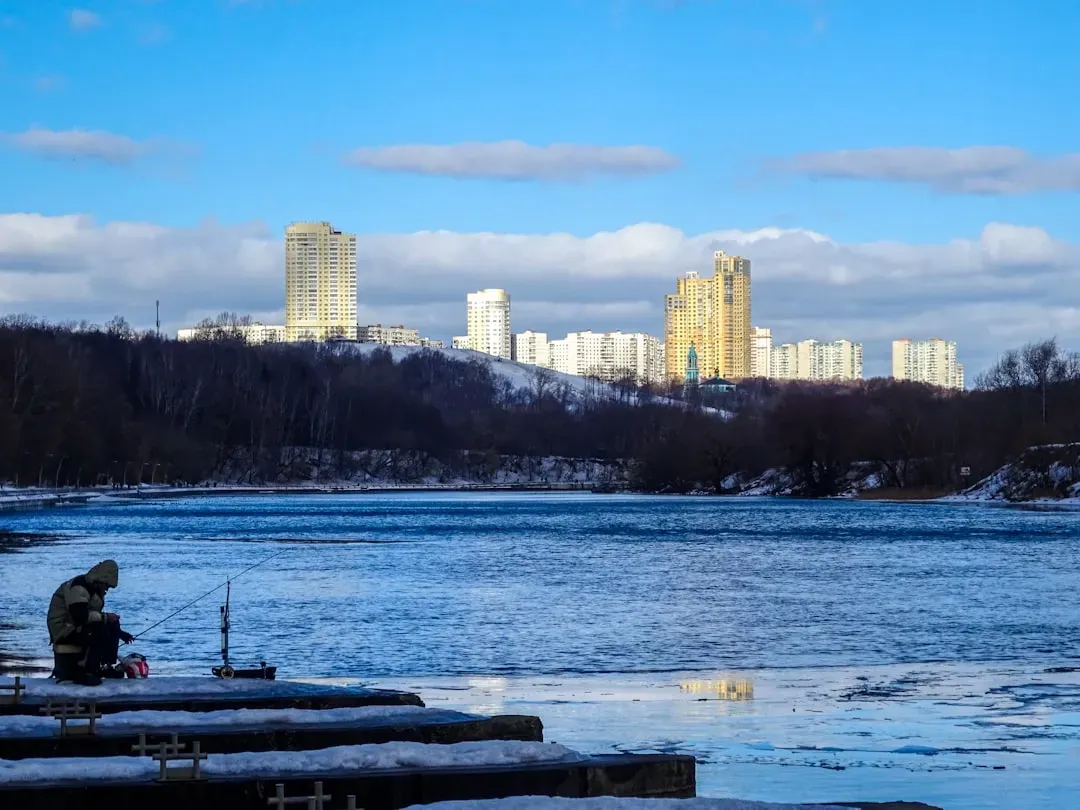
The Keys excel in bonefish, which are hard to find outside the Bahamas and Caribbean, representing a Holy Grail of angling as they’re so tricky to hook and have to be cast to by sight in what’s known as flats fishing. This is fly fishing turned inside out. No waders, no mountain streams, no trout. Instead, you’re poling across shallow flats in blazing sun, scanning for shadows moving over white sand.
The Florida Keys offer excellent saltwater fishing. Permit, tarpon, and bonefish make up the “grand slam” that saltwater fly fishers dream about. The fishing is visual, fast-paced, and utterly different from anything on this list. One minute you’re spotting fish, the next you’re stripped down to backing as a tarpon crashes across the surface. It’s adrenaline-soaked fishing that’ll ruin you for anything slower.
Conclusion
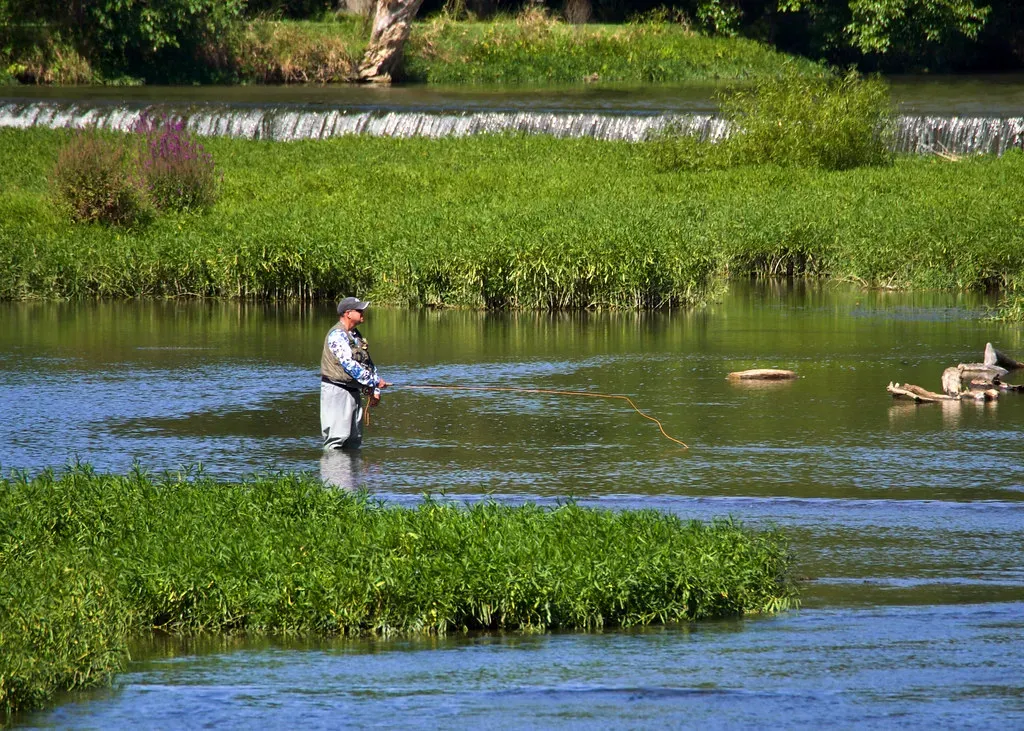
The beautiful thing about fly fishing in America is the sheer diversity. You can chase trout in Montana’s mountains one month and stalk bonefish on Florida’s flats the next. Each destination offers something different, whether it’s technical spring creek fishing that tests your skills or big water that humbles you with its power. The places on this list represent some of the finest waters the country has to offer, but they’re just the beginning.
What truly makes these spots special isn’t just the fish, though they’re certainly there. It’s the complete experience: the scenery, the solitude, the challenge, and those moments when everything comes together and a fish rises to your fly. Whether you’re a beginner looking to learn or a seasoned angler chasing your next trophy, these waters will deliver. So what are you waiting for? Pick a destination, tie on a fly, and go find out what all the fuss is about. Which of these places would you cast your line first?
