

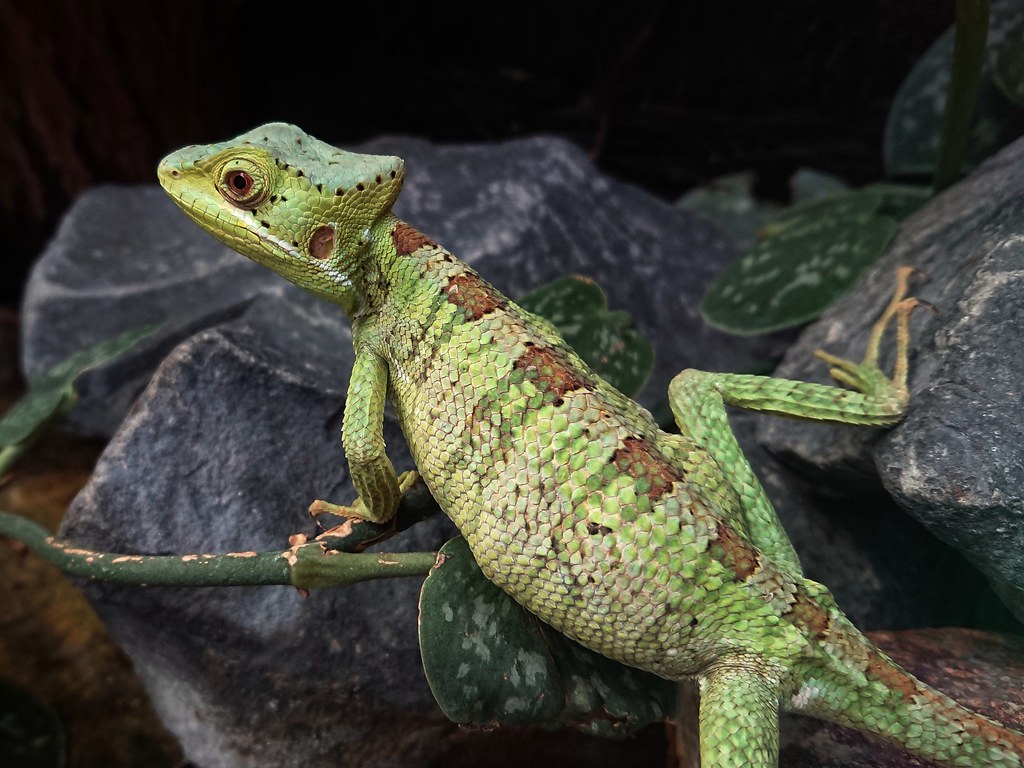
Vertical Setups Triple Housing Capacity (Image Credits: Flickr)
Reptile keepers in small apartments discover thriving possibilities through inventive terrarium designs that optimize every inch.
Vertical Setups Triple Housing Capacity
Owners maximize limited floor area by building upward with stacked terrariums tailored for climbing species like geckos and anoles. These tower configurations create distinct microclimates on each level, ensuring proper temperature gradients and humidity zones. Wall-mounted units offer another sleek option, featuring hinged fronts for easy access and removable trays for substrate changes.
Custom builds fit awkward corners perfectly. Juvenile reptiles or smaller adults thrive in these vertical arrangements. Proper setup maintains environmental stability across levels. One key insight highlights how this approach expands capacity significantly: “Vertical space utilization can triple your reptile-keeping capacity without expanding your room’s footprint, provided proper environmental controls are maintained throughout each level.”
Furniture Transformations Create Hidden Habitats
Everyday items become functional enclosures with simple modifications. Coffee tables convert into shallow biotopes under tempered glass tops, ideal for terrestrial dwellers such as leopard geckos or small skinks. Ventilation screens and hidden LED strips provide essential airflow and lighting without altering the room’s aesthetic.
Bookshelves turn into multi-unit homes by removing unnecessary shelves and adding front doors. This setup houses breeding pairs separately or isolates aggressive individuals visually. Such integrations blend pet care seamlessly into living spaces. Maintenance remains straightforward thanks to accessible panels.
Smart Substrates and Decor Build Naturalistic Worlds
Choosing the right base layer sets the foundation for healthy habitats. Bioactive mixes at 3-4 inches deep support terrestrial species with live plants and cleanup crews. Paper towels in multiple layers work well for quarantine periods, while slate tiles suit desert-adapted reptiles.
Décor elements enhance enrichment and functionality. Hollow logs offer secure hides and climbing paths. Rock stacks provide basking spots with thermal retention. Artificial foliage ensures privacy, and magnetic pieces allow quick rearrangements. These choices promote natural behaviors in confined areas.
- Bioactive soil for humidity-loving setups
- Paper towels for easy monitoring
- Slate or tiles for heat conduction
- Logs and rocks for hides and warmth
- Magnetic decor for flexibility
Precise Climate Control Ensures Reptile Health
Compact designs demand efficient systems for light, heat, and moisture. Full-spectrum LED panels mimic daylight cycles with timers. Under-cabinet strips deliver subtle illumination in furniture-integrated units.
Nano-controllers oversee ceramic emitters, humidifiers, and fans. Digital thermostats prevent overheating. Ultrasonic devices maintain humidity levels precisely. Air circulation via small fans keeps conditions fresh. These tools make small enclosures viable long-term.
Ideal Species and Easy Maintenance Tips
Crested geckos excel in vertical climbers with their arboreal needs. Leopard geckos prefer ground-level terrestrial homes. Small skinks adapt readily to both styles due to modest size requirements.
Modular features simplify care. Sliding trays handle substrate swaps. Hinged panels minimize stress during inspections. Removable water dishes prevent spills. Regular checks sustain bioactive balance.
Key Takeaways
- Prioritize vertical and furniture-based designs to save floor space.
- Select substrates and decor matching species’ natural preferences.
- Invest in automated controls for stable microclimates.
These strategies empower reptile enthusiasts to craft professional-grade habitats despite spatial constraints. Compact setups deliver enrichment and welfare on par with larger ones. What creative enclosure have you built in a small space? Share your experiences in the comments.

- Urban Coyotes Show Remarkable Adaptability, Learning to Thrive in City Environments - July 22, 2026
- Beavers Are Nature’s Engineers, Creating Vital Habitats for Other Wildlife Species - July 21, 2026
- The Recovery of the California Condor Offers Hope for Other Critically Endangered Birds - July 21, 2026