
Worried about unexpected vet bills?
Pet insurance can cover thousands in unexpected vet costs. Get a free quote from Lemonade in under 2 minutes.
Get My Free Quote →Sponsored · Opens Lemonade.com
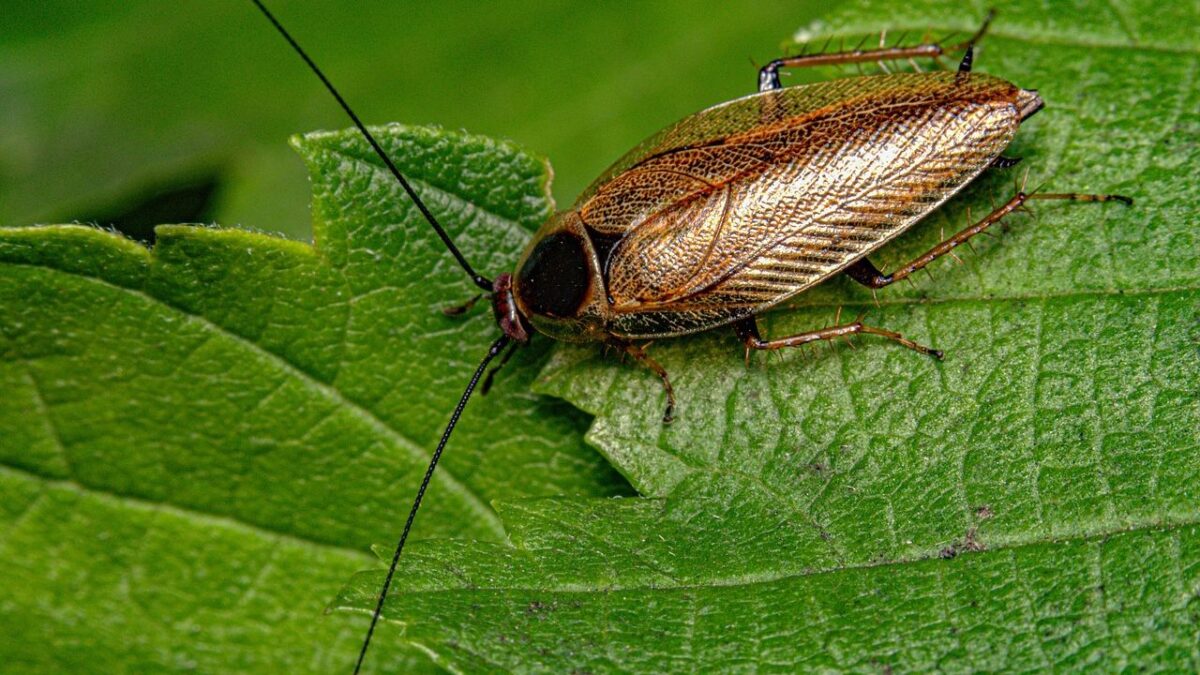
You’re in the kitchen at midnight, maybe reaching for a glass of water, and then you see it. That quick, unsettling scuttle across the counter. Suddenly your skin crawls and you’re wide awake. Cockroaches are among the most unwelcome houseguests, and once they’ve decided your home looks cozy, getting rid of them becomes a mission. The good news is that you probably already have some surprisingly effective weapons sitting in your pantry or laundry room right now.
These resilient pests have been around for millions of years, adapting to nearly every environment on Earth. They’re nocturnal, they multiply fast, and honestly, they’re tougher than most of us would like to admit. Yet while professional exterminators certainly have their place, there are several household items that can help you fight back before an infestation spirals out of control. Let’s explore what actually works when you need to reclaim your space from these unwanted intruders.
Baking Soda and Sugar
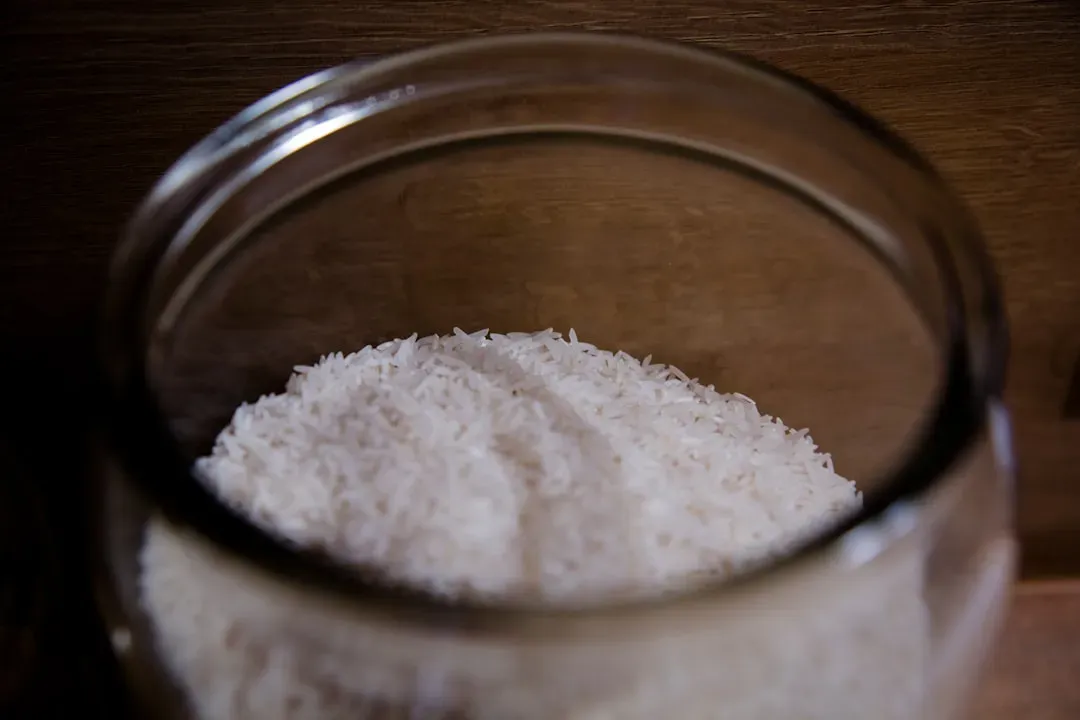
Here’s the thing about cockroaches: they’re greedy. They’ll eat almost anything, and that appetite is exactly what makes this simple mixture so effective. The sugar attracts the roaches, while the baking soda kills them by causing gas buildup in their digestive systems. It’s a straightforward but clever trap.
To use this method, simply combine equal amounts of both ingredients and place the mixture in shallow dishes or sprinkle it in areas where you’ve spotted roach activity. Place the mixture in shallow containers near cockroach hotspots like kitchen cabinets and under sinks. The beauty of this approach is its simplicity and safety, particularly if you have young children or pets in the house. The roaches are drawn in by the sweet smell, consume the mixture, and the chemical reaction that follows inside their bodies proves fatal. It’s not an instant solution, but with patience, you’ll start seeing results.
Boric Acid or Borax
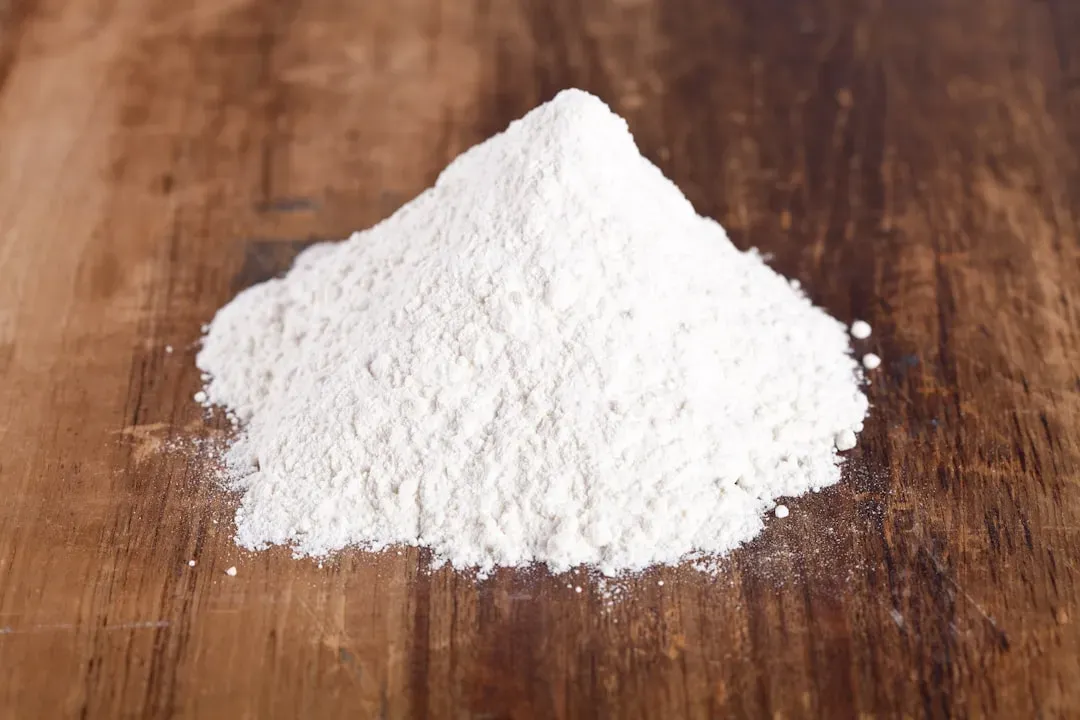
If you’re looking for something with a bit more punch, boric acid is one of the most recommended household remedies. Boric acid kills roaches by disrupting their digestive system and metabolism, leading to dehydration and death, and can also adhere to the roach’s body, contaminating other roaches when they groom each other. That last part is key because it means one poisoned roach can take out several others.
Borax is effective for roach infestations because it will slowly dry the exoskeleton of the insects, affect their digestive system, and finally kill them, with experts recommending mixing borax and sugar in a 3:1 ratio before spreading the homemade deterrent in spots where you have noticed them. Apply this powder in cracks, behind appliances, along baseboards, and in dark corners where roaches like to hide. One crucial note though: keep it away from kids and pets since it can be toxic if ingested in larger amounts. It’s powerful, but you need to be smart about where you put it.
Diatomaceous Earth
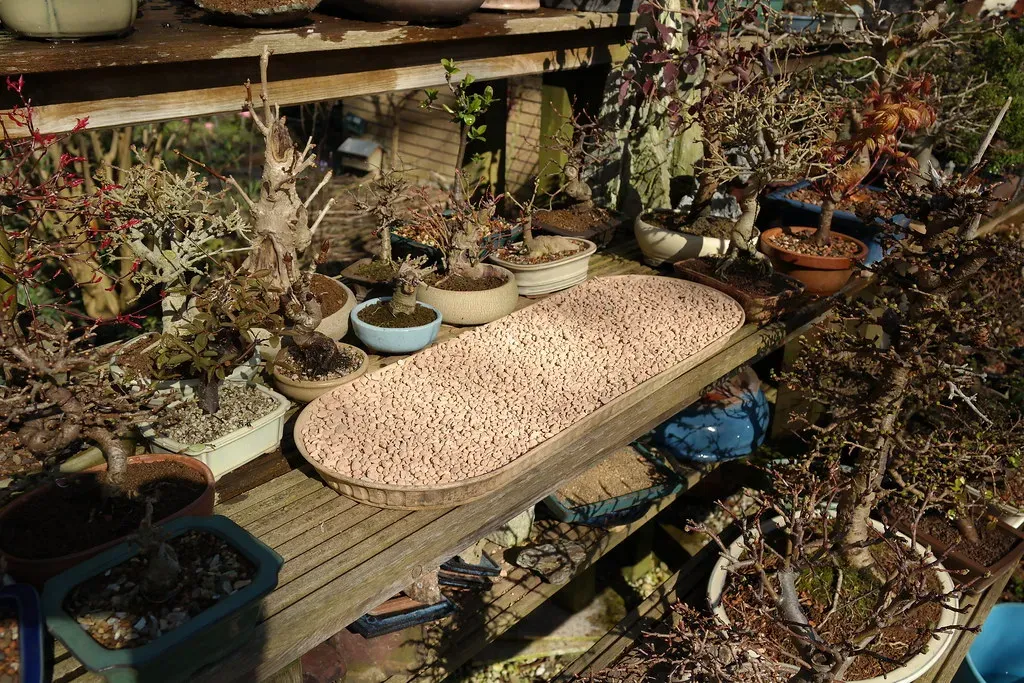
This one sounds fancy, but it’s actually just fossilized algae ground into a fine powder. Diatomaceous earth works by damaging the exoskeleton of roaches that come into contact with it, causing them to dehydrate and die. Think of it as tiny shards of glass to a cockroach’s armor. When they walk through it, the powder clings to their bodies and slowly breaks down their protective outer layer.
Sprinkle food-grade diatomaceous earth in areas where you have seen cockroaches, such as behind appliances and along baseboards, but it should be applied in dry areas as moisture can reduce its effectiveness. The word “food-grade” is important here because other types can be dangerous to breathe in. Wear a mask when applying it, and make sure you’re targeting dry spots since water renders it useless. It’s not a quick fix, but it’s highly effective over time and completely natural.
Essential Oils
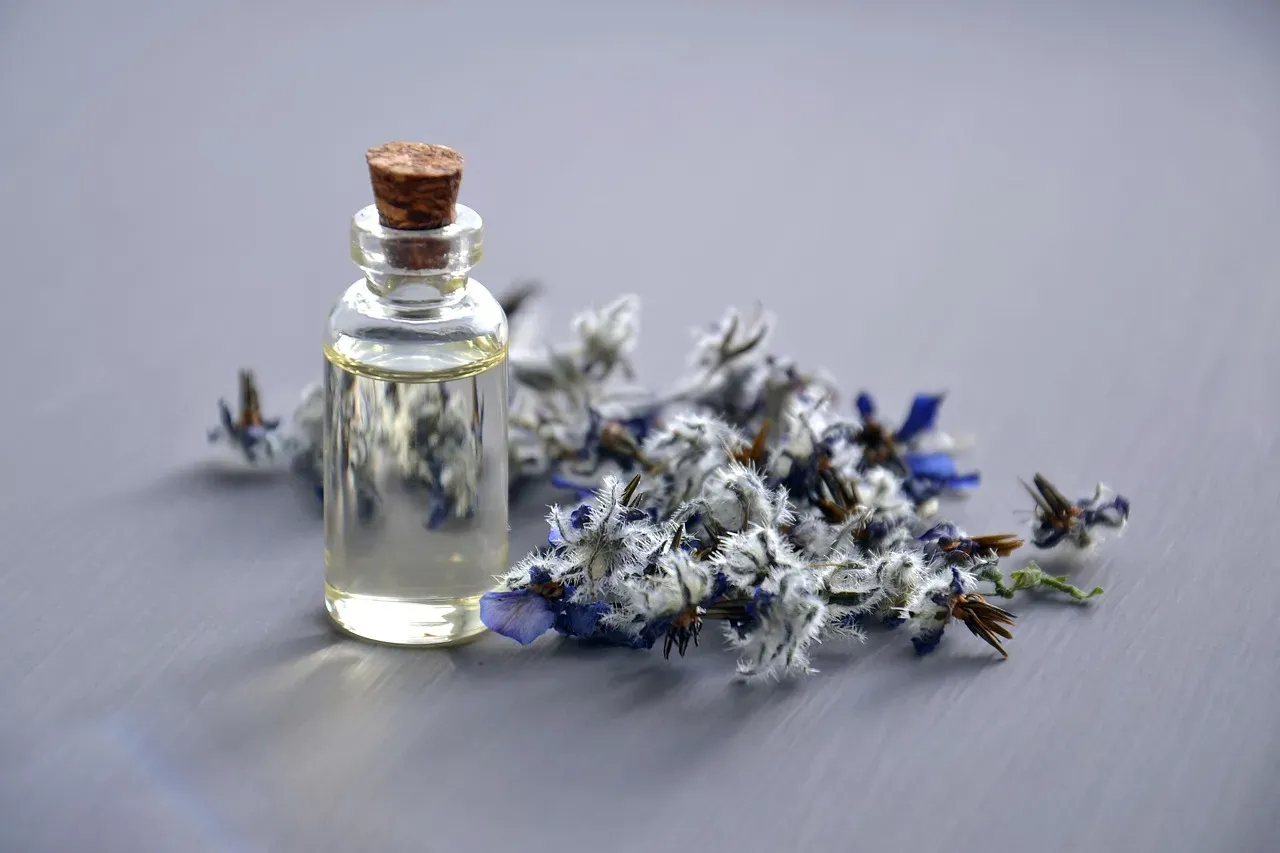
Who knew that something meant to make your home smell nice could also double as pest control? Certain essential oils, such as peppermint, eucalyptus, and tea tree oil, are known to repel cockroaches, and you can mix a few drops with water in a spray bottle and apply it to areas where cockroaches are likely to be found. The strong scent is pleasant to us but absolutely repulsive to them.
This method is more about prevention and deterrence than outright extermination. Spray it along baseboards, around entry points, and in cabinets where you’ve seen activity. It’s a non-toxic alternative to chemical sprays, and your home ends up smelling fresh instead of like a pest control warehouse. Keep in mind though, this won’t eliminate an existing infestation on its own. It’s best used as part of a broader strategy or to keep roaches from coming back after you’ve dealt with the main problem.
Neem Oil or Powder
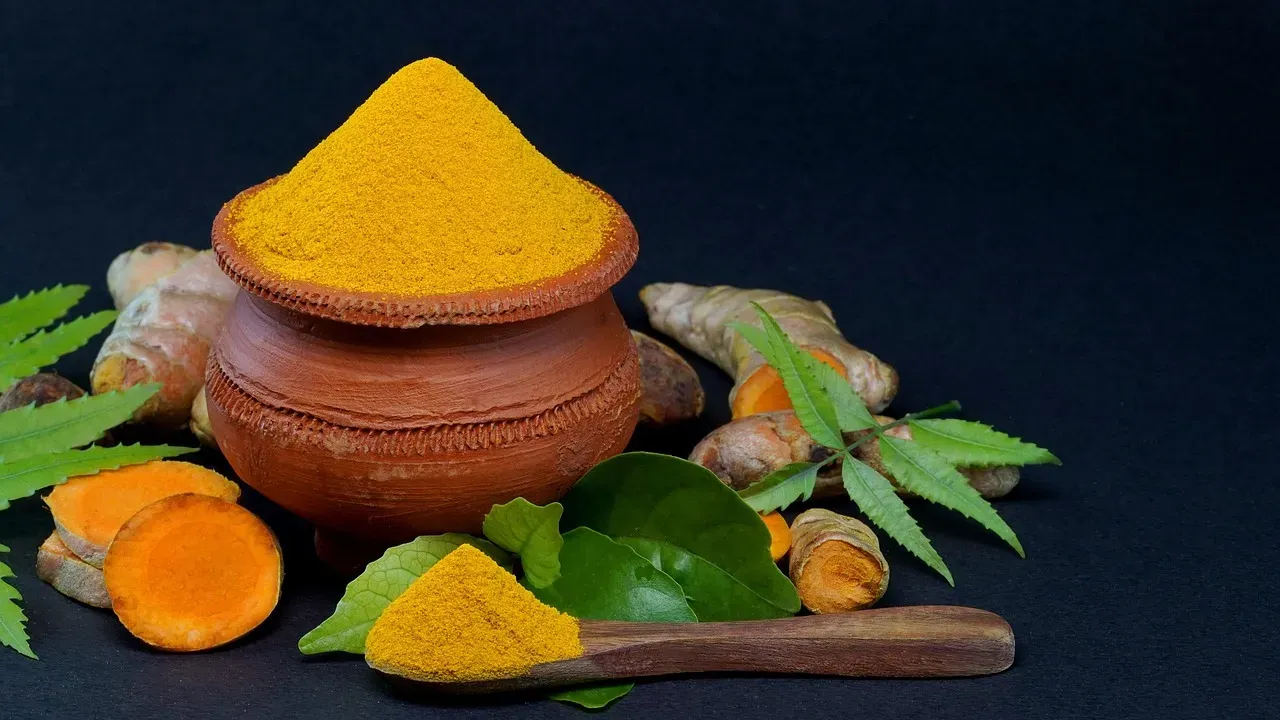
Neem has been used for centuries in traditional pest control, particularly in regions where the neem tree grows naturally. Neem oil and powder contain azadirachtin, a compound that is toxic to cockroaches, and you can use it by combining a bit of the oil with water in a spray bottle to spray affected areas. It disrupts their growth and reproduction, which can help break the breeding cycle over time.
Neem powder can also be used to dust cockroach-infested areas, and it is a natural product, so it is safe for use around children and pets. This makes it an appealing option for households worried about chemical exposure. You can apply it in the same spots you’d use other powders, focusing on cracks, corners, and hidden areas where roaches nest. The smell is strong and earthy, which some people find off-putting, but it’s a small price to pay for a safer, natural solution that actually works.
Conclusion
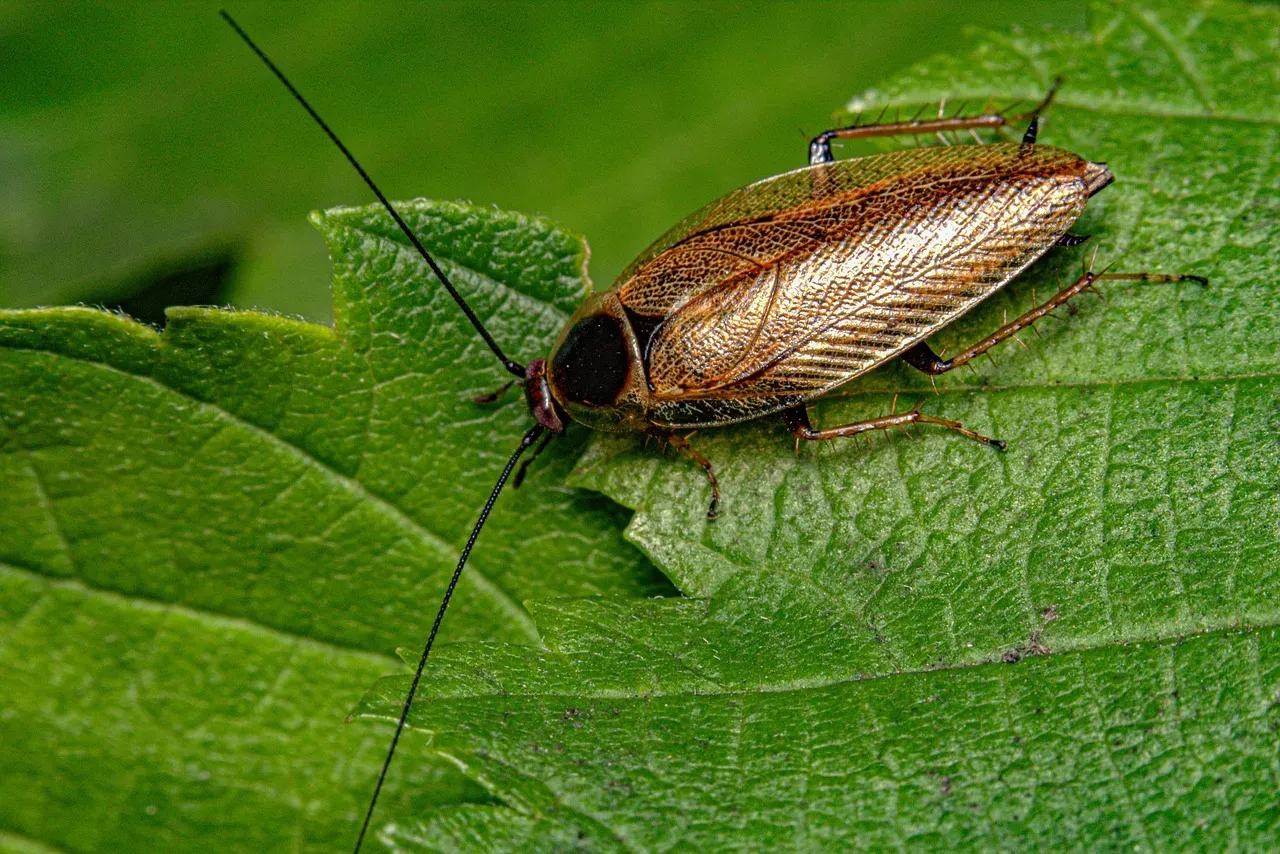
Fighting off a cockroach invasion doesn’t always require calling in the professionals or filling your home with harsh chemicals. Sometimes the most effective solutions are already sitting on your shelf. From the simple sugar and baking soda trick to the more potent borax and diatomaceous earth, these household items give you real options for tackling these persistent pests. Essential oils and neem offer natural, family-friendly alternatives that can help keep roaches at bay without exposing your loved ones to toxins.
That said, it’s worth being realistic. Home remedies work best for minor problems or as preventive measures. If you’re dealing with a severe infestation, especially in multi-unit buildings or older homes, you might need professional help to truly eliminate the problem. Still, these methods can buy you time, reduce the population, and help maintain a roach-free home once the worst is over. Have you tried any of these before? What worked for you?
Worried about unexpected vet bills?
Pet insurance can cover thousands in unexpected vet costs. Get a free quote from Lemonade in under 2 minutes.
Get My Free Quote →Sponsored · Opens Lemonade.com
