
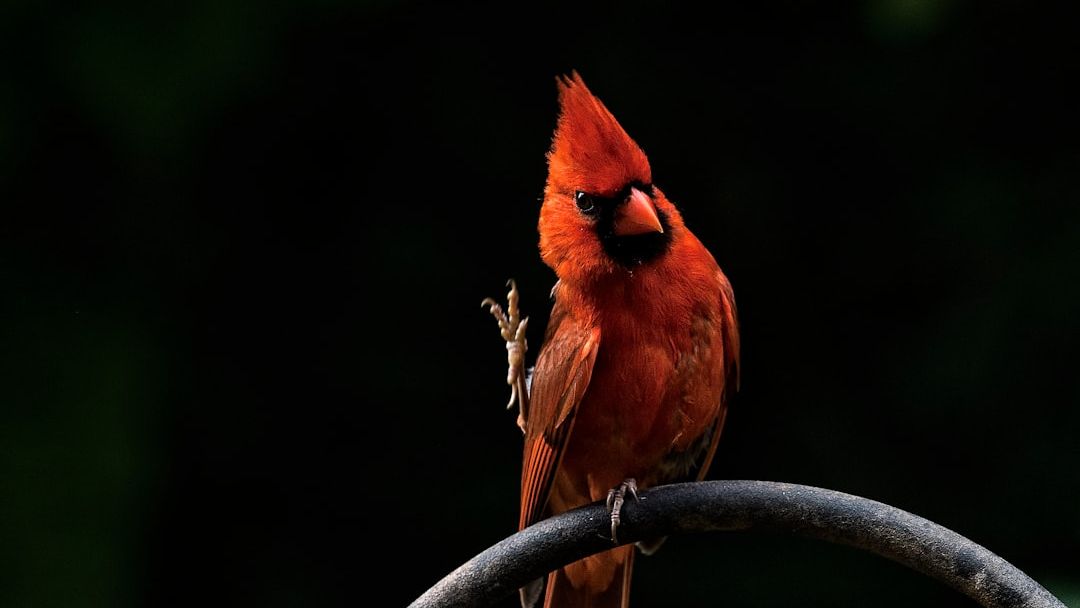
The Roots of the Cardinal Legend
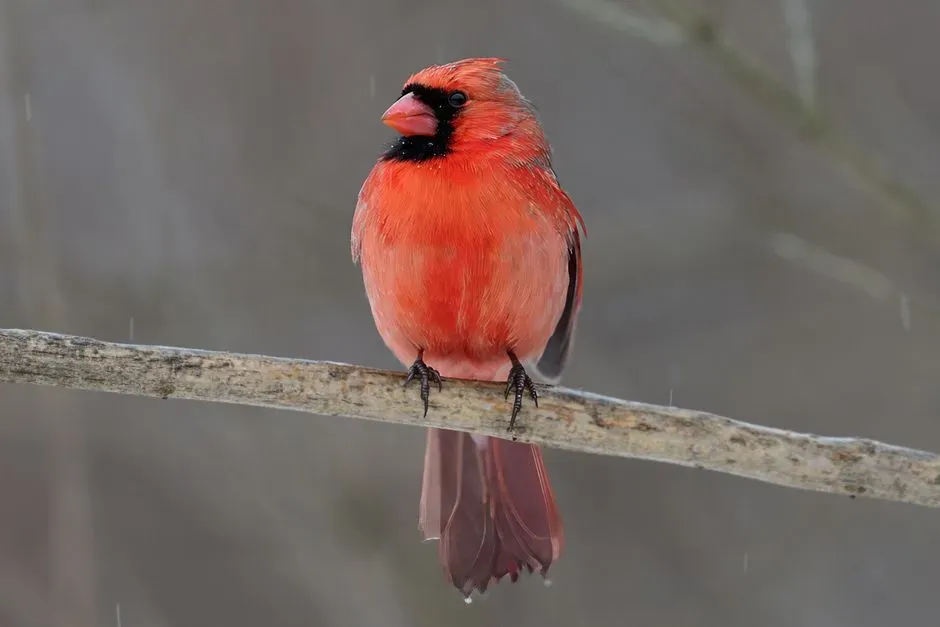
Folklore linking cardinals to heavenly visitors has circulated for generations in North America. The bright bird stands out against winter landscapes, making it easy to notice during times of reflection or loss. Over time this visibility helped turn routine sightings into symbols of comfort and connection.
Stories often describe the cardinal as a reminder that loved ones remain close in spirit. The idea draws from older traditions where birds served as messengers between worlds. No single source pins down its exact beginning, yet the phrase about angels and cardinals appears consistently in family lore and community sharing.
Symbolism in Different Cultures
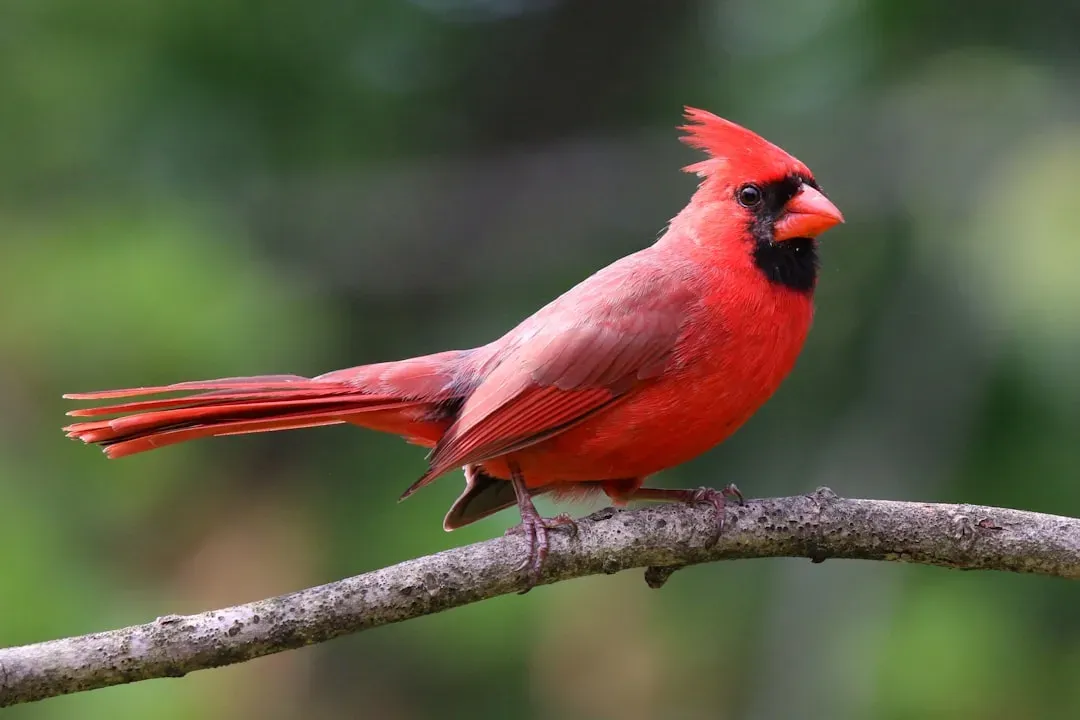
Birds have long represented the soul or divine messages across many societies. In some Native American traditions, certain red birds carried spiritual significance tied to life cycles and guidance. European settlers later associated the cardinal’s vivid plumage with religious vestments, adding another layer to its meaning.
These overlapping ideas created fertile ground for the modern belief. The cardinal’s year-round presence in many regions reinforced its role as a steady, reassuring presence rather than a rare omen. People drew parallels between the bird’s loyalty to its mate and enduring bonds with those who have passed.
The Visual Impact of Bright Red Plumage
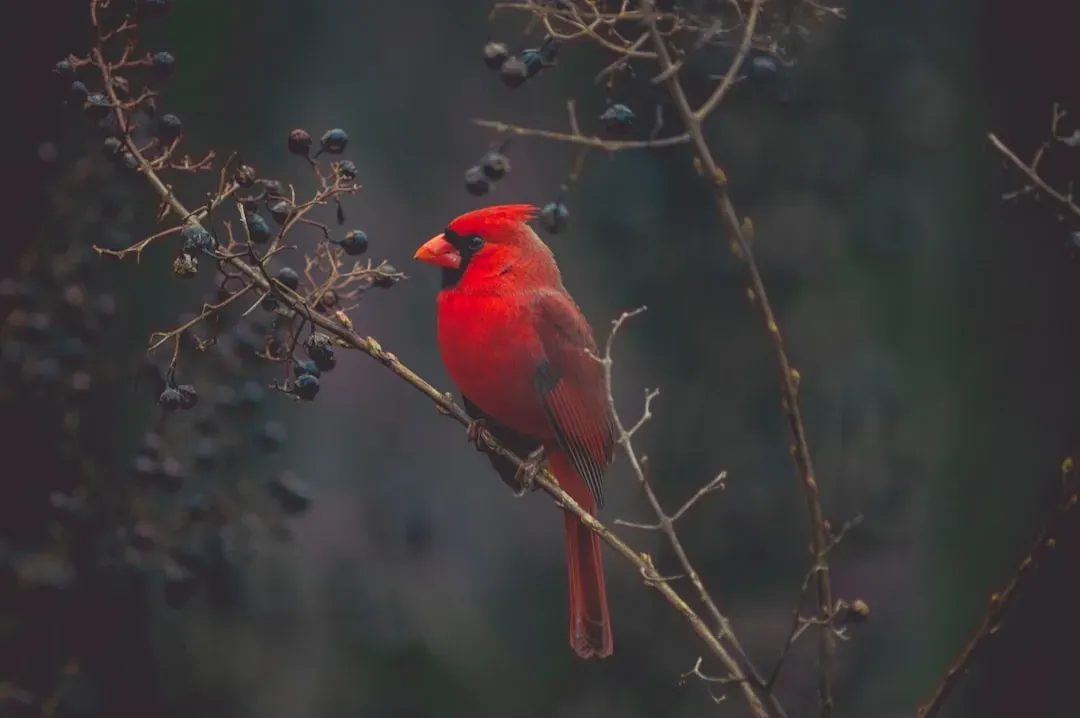
Cardinals display striking crimson feathers that contrast sharply with bare branches or snow. This natural coloration makes them stand out even to casual observers who might overlook smaller or duller birds. The visual pop likely contributes to why sightings feel significant rather than ordinary.
During colder months when other colorful species migrate away, cardinals remain active at feeders and in yards. Their persistence turns them into familiar companions during reflective seasons like winter holidays. The combination of color and timing amplifies the sense that an appearance carries special weight.
Psychological Comfort in Times of Grief
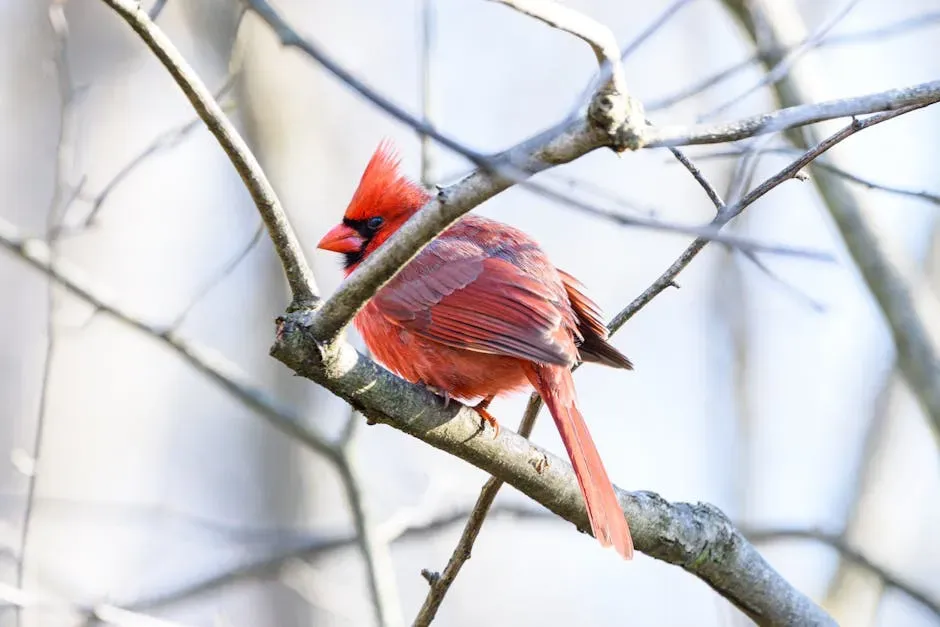
Loss often heightens awareness of surroundings as people seek signs of continuity. A cardinal landing nearby can provide a tangible focal point for memories and emotions. This response stems from the human tendency to find patterns that ease emotional pain.
The belief transforms a common bird into a personal messenger without requiring extraordinary proof. Many describe feeling a sense of peace or reassurance after such an encounter. The ritual of watching for cardinals becomes a gentle practice that supports ongoing connection to those remembered.
Confirmation Bias at Work
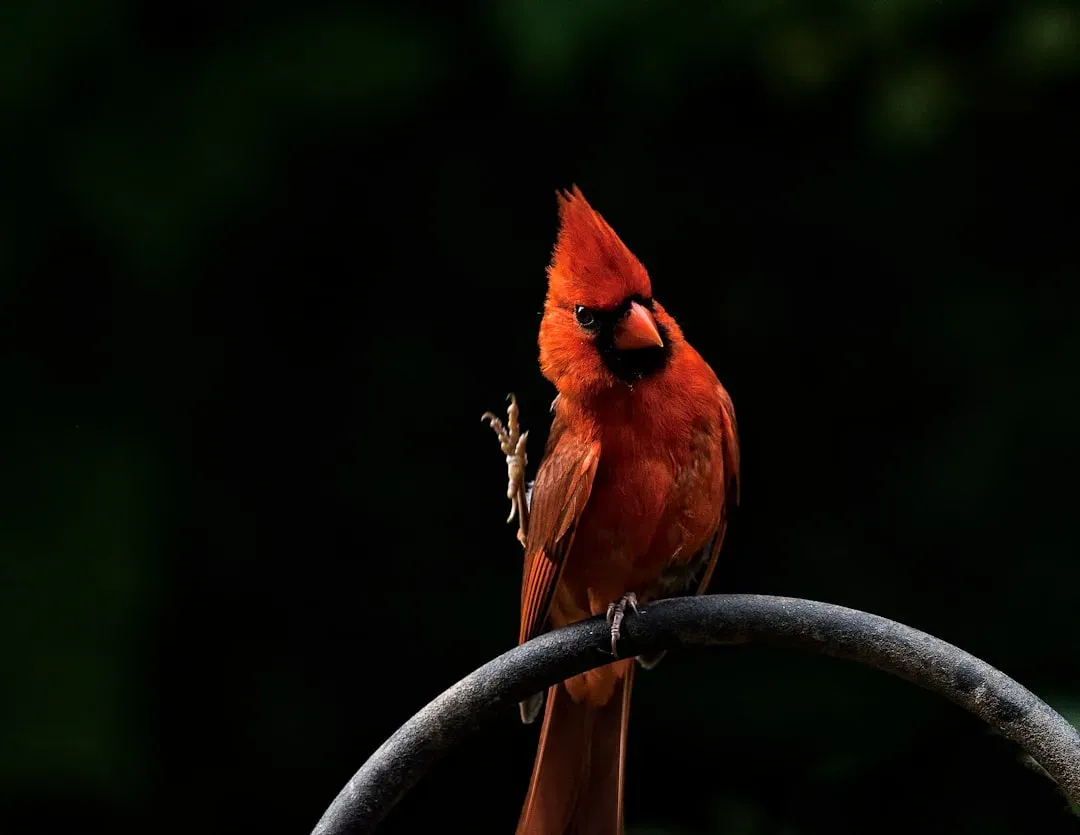
Once someone associates cardinals with angels or loved ones, they naturally pay closer attention whenever one appears. This selective noticing strengthens the perceived link over time. Everyday bird activity gets filtered through the lens of the belief, making coincidences feel meaningful.
Cardinals frequent backyards and parks across much of the continent, so regular sightings are statistically likely for attentive watchers. The brain favors explanations that align with existing hopes or needs. This cognitive process explains why the idea persists even among those who otherwise view such signs skeptically.
Seasonal and Behavioral Patterns
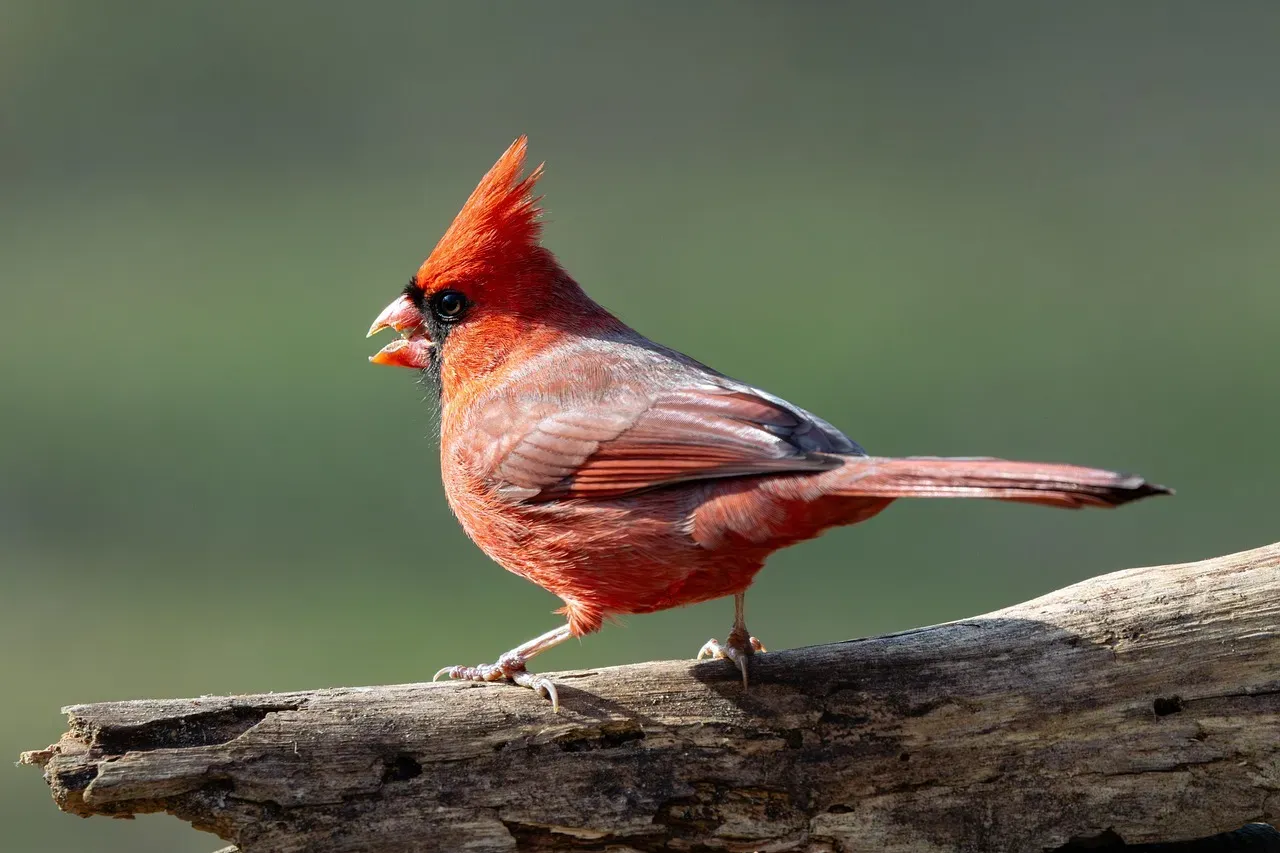
Northern cardinals maintain territories year-round and often visit the same feeding spots daily. Their predictable habits increase the chances of repeated encounters in one location. Observers may interpret this consistency as intentional rather than natural routine.
Males sing prominently from prominent perches, drawing further attention with both sight and sound. These behaviors align with periods when people spend more time indoors or reflecting, such as after a family milestone. The overlap between bird activity and human emotional cycles reinforces the symbolic reading.
Modern Views and Everyday Encounters
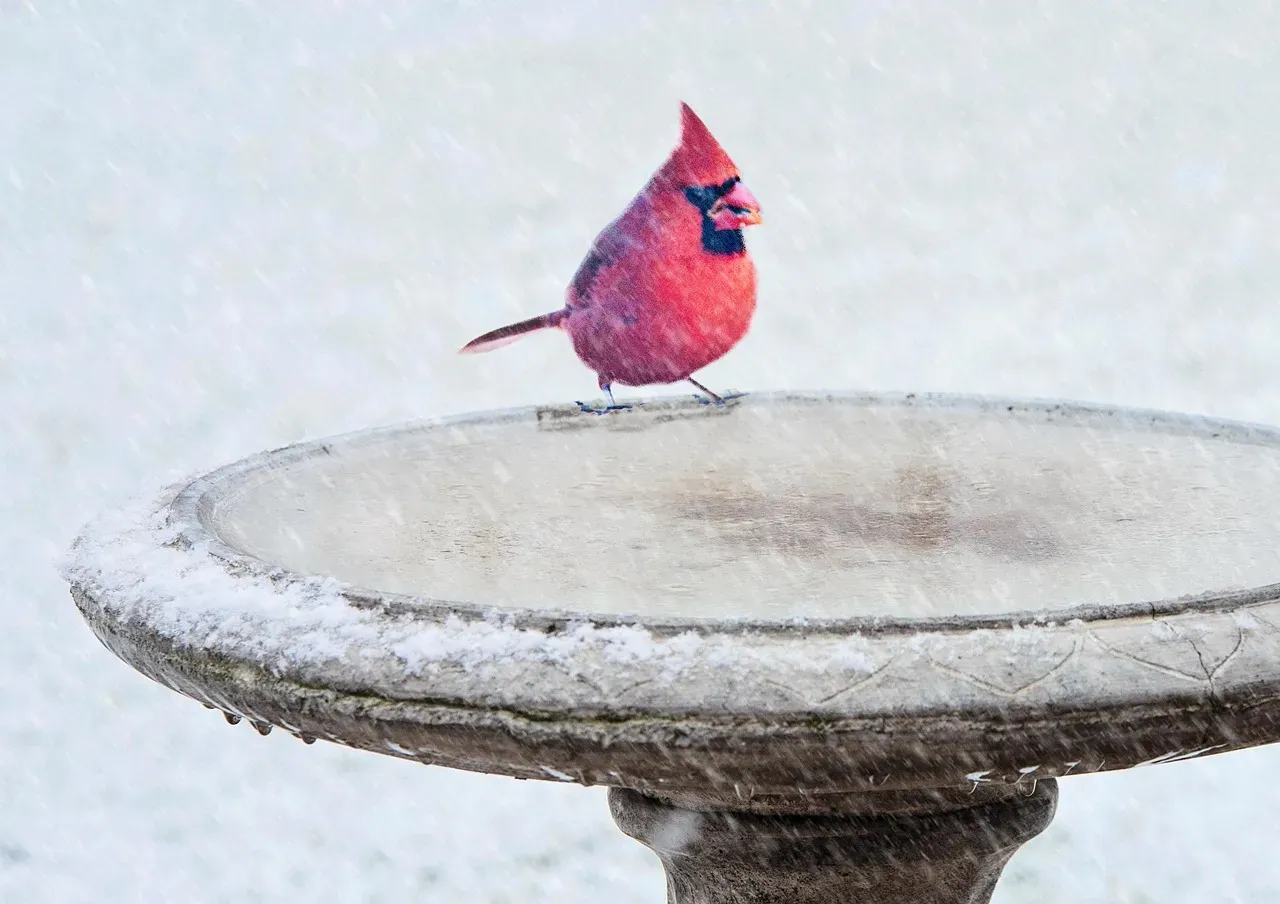
Today the cardinal belief circulates through social media posts, memorial items, and casual conversations. It functions less as strict doctrine and more as a shared cultural shorthand for comfort. Individuals adapt the idea to fit personal experiences without needing external validation.
Feeding stations and garden designs that attract cardinals have grown popular partly because of this positive association. The practice blends appreciation for wildlife with emotional resonance. Observers report that the simple act of noticing the birds shifts focus toward gratitude and presence.
Balancing Wonder with Observation
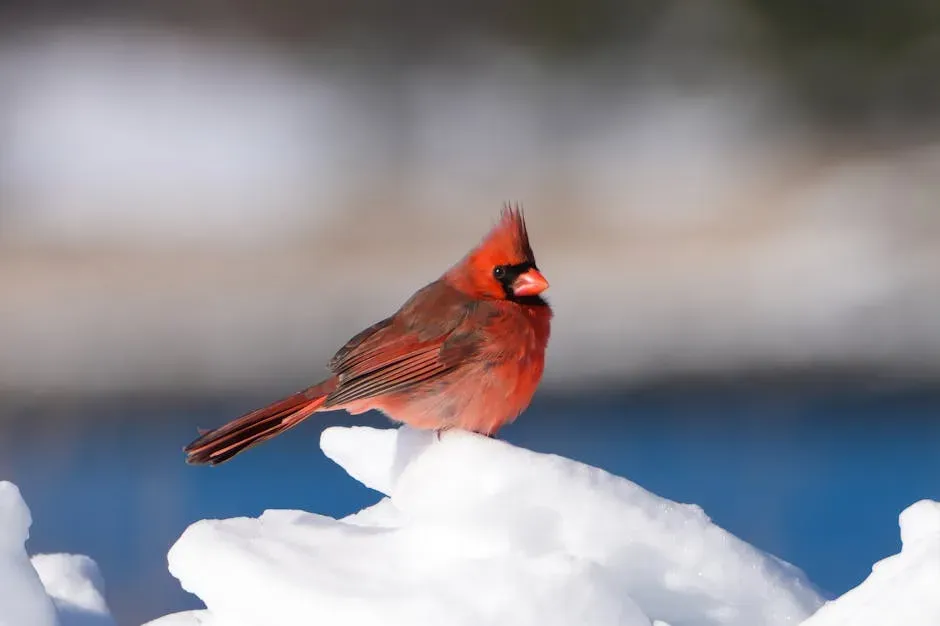
Scientific understanding of bird behavior emphasizes habitat, diet, and mating patterns rather than supernatural intent. Cardinals thrive in edge habitats with dense shrubs and reliable food sources. These practical factors account for their frequent appearances near homes.
Yet the emotional layer remains valid for those who find meaning in the sightings. The two perspectives coexist without direct conflict. Appreciating the bird’s natural traits can deepen enjoyment while leaving room for personal interpretation.
The cardinal belief endures because it meets a real human need for connection during uncertain times. It turns ordinary moments into quiet affirmations that something larger may still be watching over us. In the end, whether viewed through folklore or simple biology, the red bird continues to offer a small spark of hope whenever it appears.