
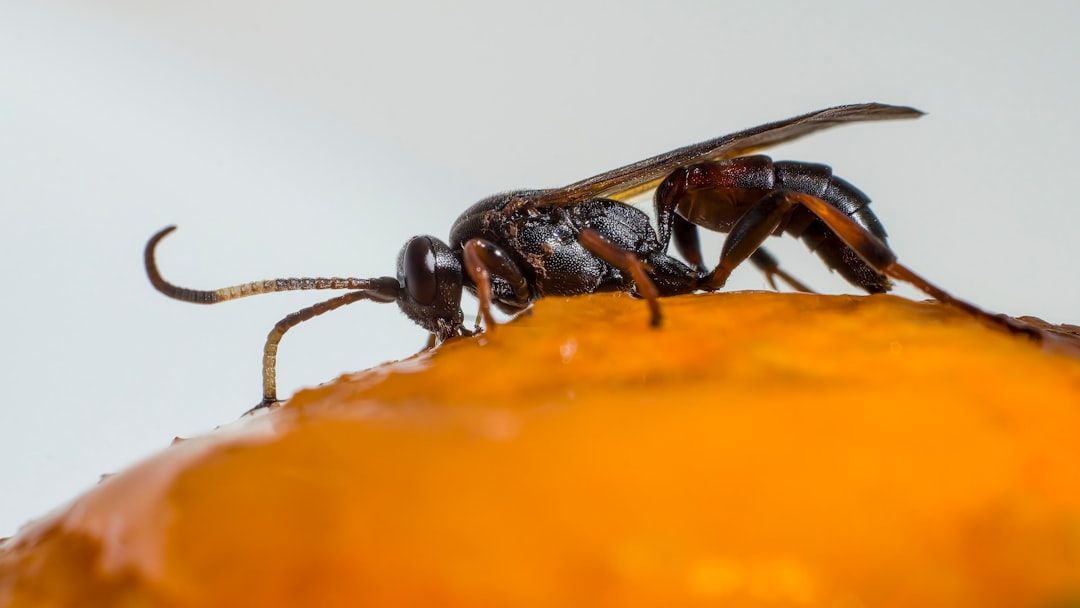
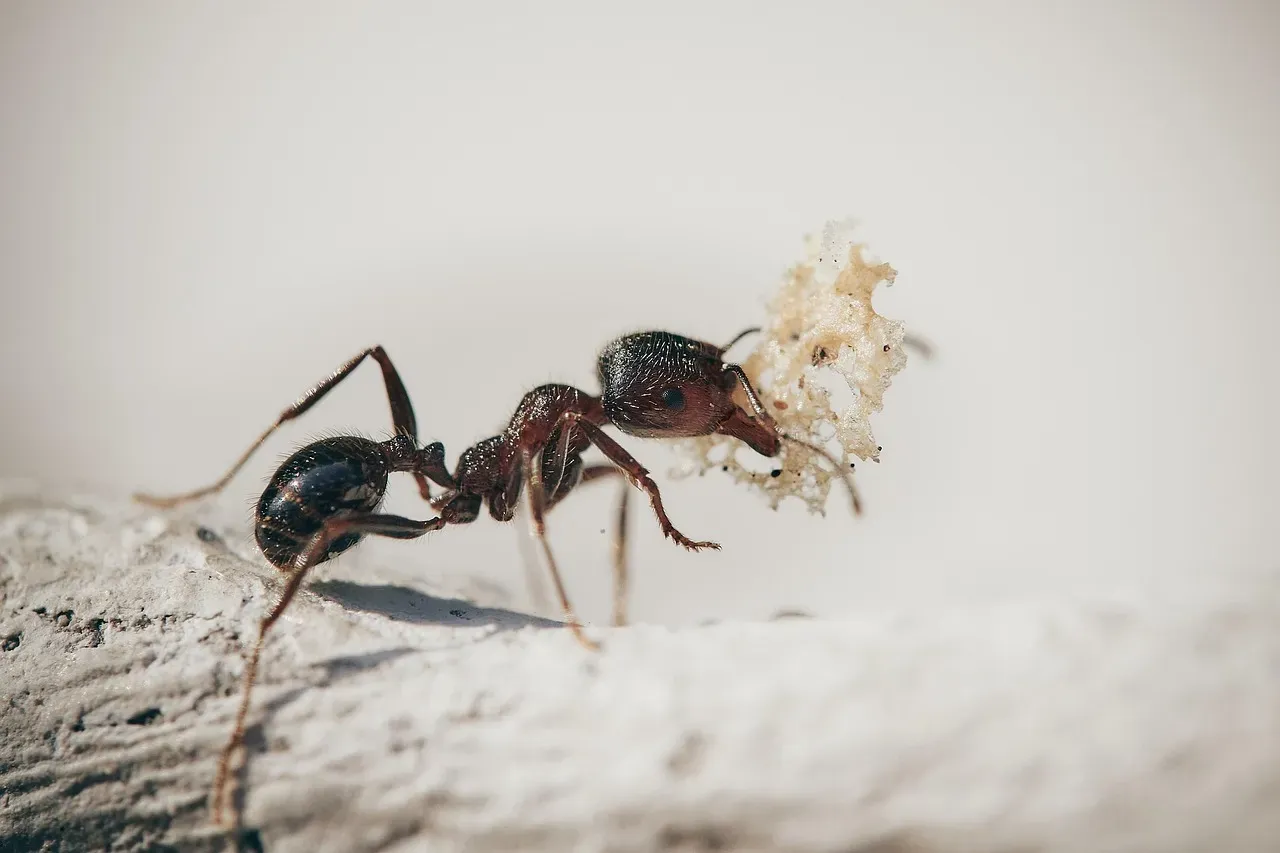
Ever noticed those tiny invaders marching through your kitchen like they own the place? You’re not alone. Ants are relentless little creatures, always searching for their next meal or a cozy spot to set up shop. The good news is that nature has provided us with some incredibly powerful tools to send them packing without resorting to harsh chemicals.
Here’s the thing: ants rely heavily on their sense of smell to navigate and communicate. They leave invisible chemical trails called pheromones for their colony mates to follow. Disrupt those trails with the right scents, and suddenly their whole operation falls apart. Think of it like erasing a GPS route mid-journey. Let’s dive in and discover which natural aromas make ants turn around and march right back where they came from.
Peppermint Oil: The Minty Menace
Peppermint oil, in particular, is effective due to its menthol content, which ants find intolerable. The refreshing scent we humans love is actually toxic to these tiny pests. Two of the major chemical compounds found in peppermint oil are terpene and menthol, which are each natural fumigants, meaning that the plant has evolved these compounds specifically to repel insects and rodents.
What makes peppermint truly brilliant is how it messes with their navigation system. The strong scent of peppermint oil disrupts ants’ sense of smell, making it difficult for them to find food sources or follow their traditional scent trails. To use it effectively, mix about fifteen to twenty drops with water in a spray bottle and apply it around entry points, windowsills, and anywhere you spot ant activity.
Scientific studies have shown that peppermint oil can be an effective ant repellent, disrupting their foraging patterns and reducing activity. The beauty of this method is that your home smells fresh and clean while staying ant-free. Just remember to shake the bottle before each use and reapply every few days for best results.
White Vinegar: The Acidic Assault
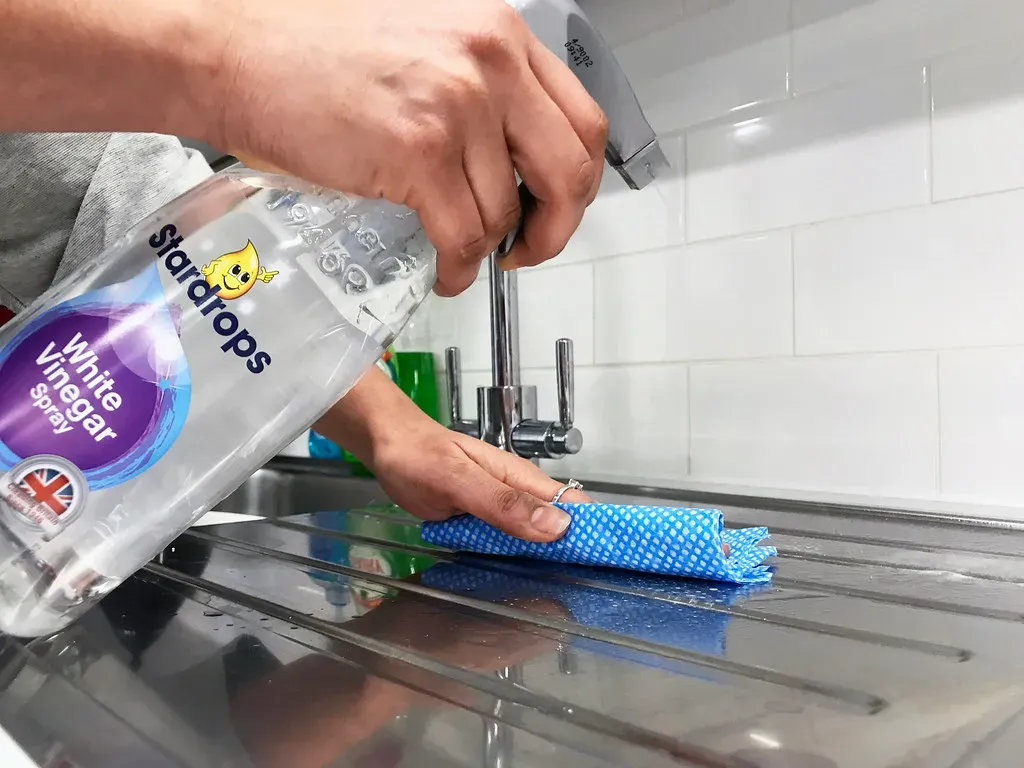
There are few things an ant dislikes more than the strong smell of white vinegar, as ants hate vinegar because it erases their pheromone trails and confuses their sense of direction. This pantry staple works double duty by not only repelling ants but also cleaning surfaces at the same time.
The trick is mixing equal parts water and white vinegar in a spray bottle. Spray it liberally along ant trails, countertops, and anywhere these unwelcome guests have been spotted. Vinegar can also be used to help remove ant pheromone trails. Once you wipe down the area, you’ve essentially deleted their roadmap.
This potent pantry staple can repel ants in much the same way cinnamon does – by disrupting the pheromone trails ants rely on to navigate, but unlike cinnamon, its acidity can actually kill ants on contact. The only downside? The smell can be a bit strong at first, though it dissipates fairly quickly. Still, it’s a small price to pay for keeping your home pest-free without toxic chemicals.
Cinnamon: The Spicy Blocker
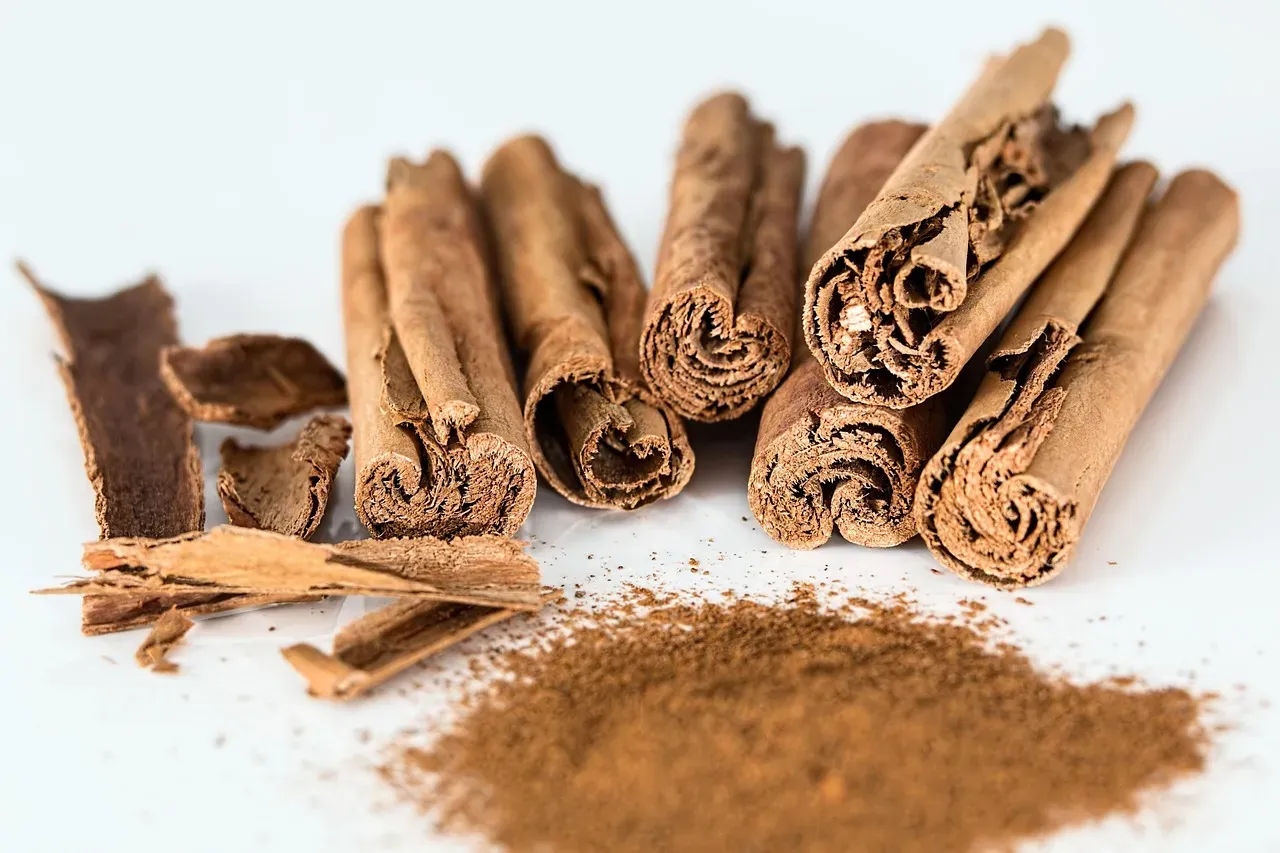
Cinnamon contains a compound known as cinnamaldehyde, which disrupts ants’ ability to follow each other’s pheromone trails and sniff out food sources. For us, the smell of cinnamon evokes cozy mornings and sweet treats. Ants, on the other hand, find the scent intolerable and will go out of their way to avoid it.
Now, let’s be real about this. Not all cinnamon is created equal when it comes to ant control. Standard culinary cinnamon is generally not potent enough to effectively deter ants. You’ll want to use cinnamon essential oil for the best results, as it’s far more concentrated than the powder sitting in your spice rack.
A 2008 study revealed that cinnamon leaf essential oil containing trans-cinnamaldehyde effectively kills and repels ants. You can create barriers by sprinkling ground cinnamon at entry points or mixing the essential oil with water for a spray solution. Cinnamon’s ant-repelling magic only lasts about one to two days – then it’s back to the spice rack for a recharge, as ants rely on smell to navigate, so once the strong cinnamon aroma begins to fade, they’re likely to come crawling back.
Citrus Scents: The Acidic Advantage
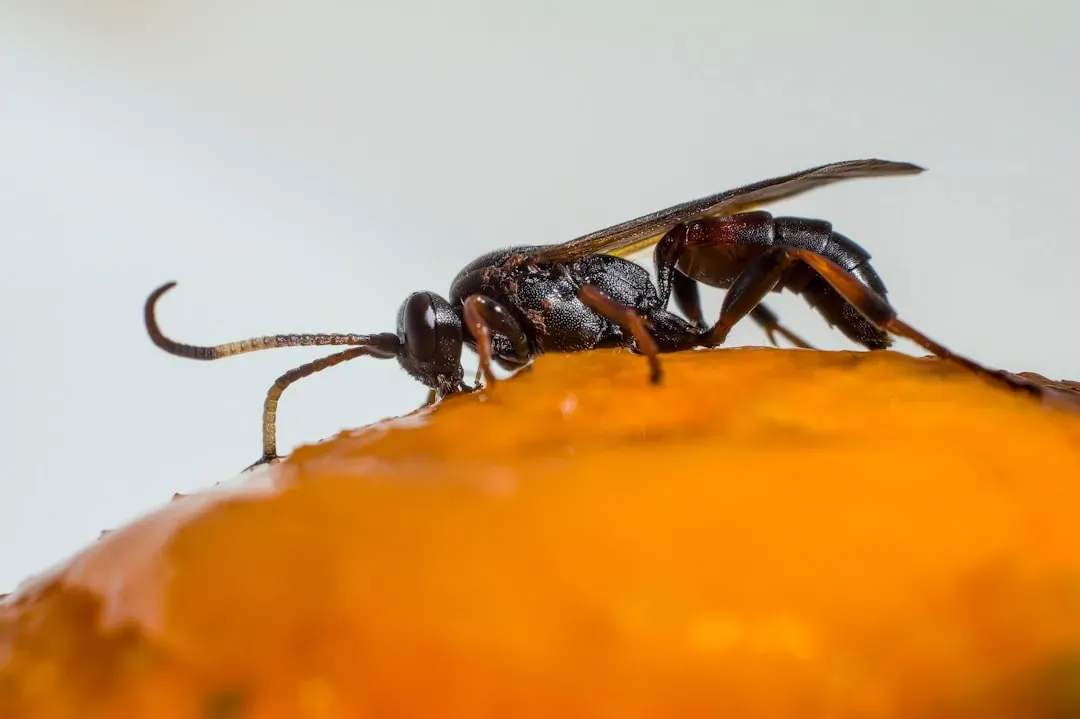
Many people enjoy the fragrance from citrus fruits, but ants aren’t fond of this scent, as the fragrance from citrus juice and peels, especially oranges and lemons, is said to repel ants. The compounds in citrus oils are particularly offensive to their sensitive antennae.
Citrus essential oils such as orange, lemon, and grapefruit are rich in D-Limonene, a compound that is toxic to ants, and these oils not only kill ants on contact but also erase their scent trails. It’s honestly impressive how something that smells so pleasant to us can be so devastating to them.
You can squeeze fresh lemon juice mixed with water and wipe down surfaces, or save those citrus peels after breakfast and place them near ant entry points. Lemongrass essential oil is a powerful natural ant repellent that disrupts ants’ ability to detect food, as its strong, citrusy aroma overwhelms their scent receptors, throwing off their chemical trails and making it harder for them to navigate. The fresh, clean smell is a bonus that makes your home feel welcoming while keeping the pests away.
Lavender: The Floral Fortress
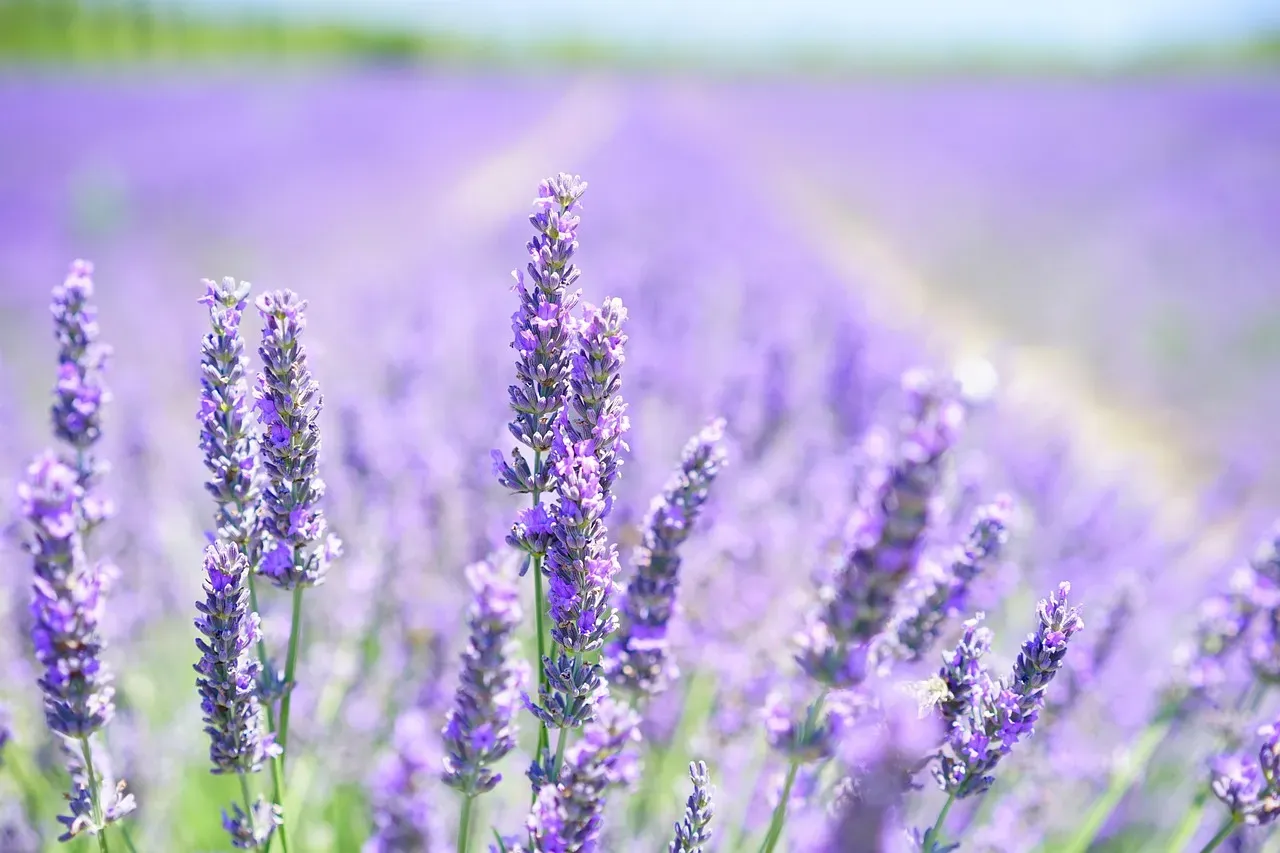
Who knew that the same scent used to promote relaxation could also wage war on ants? Ants find the intense fragrance of lavender repellent, making it an excellent deterrent against them. This versatile plant offers both beauty and function, whether you’re growing it in your garden or using the essential oil indoors.
Lavender’s secret lies in its essential oils, released when you crush its delicate purple flowers or brush against its leaves, as these oils contain compounds like linalool and linalyl acetate, providing that lovely scent and disrupting the sensory cues that ants and mosquitoes rely on for navigation and feeding.
You’ve got options here. Place dried lavender bunches where ants tend to congregate, or create a spray by mixing lavender essential oil with water. Not only does it smell great, but lavender oil is also effective at keeping ants away. Honestly, it’s one of the most pleasant-smelling solutions on this list, and it serves double duty if you’re also dealing with stress.
Tea Tree Oil: The Powerful Purifier

Tea tree oil carries a strong and pungent aroma that’s highly effective in repelling not just ants, but a host of other pests, as its distinctive fragrance overwhelms ants, sending them scurrying away and disrupting their ability to follow their well-established trails. This Australian native has been used for ages due to its antiseptic properties, and now it’s proving its worth in pest control too.
What sets tea tree oil apart from other natural remedies is its dual action. Like most essential oils, tea tree oil is a great natural repellent for ants. Mix a few drops into a spray bottle with water and apply it to areas where you see ant activity. The strong scent of tea tree oil will keep the ants away quickly, and another method is to soak cotton balls in tea tree oil and place them around entry points in the home – ants won’t like the smell, and lots of other insect pests won’t appreciate it either.
It’s worth noting that while it works wonderfully, tea tree oil shouldn’t be used near food preparation areas since undiluted oil can be harmful if ingested. Use it strategically around baseboards, doorframes, and bathroom areas instead.
Conclusion
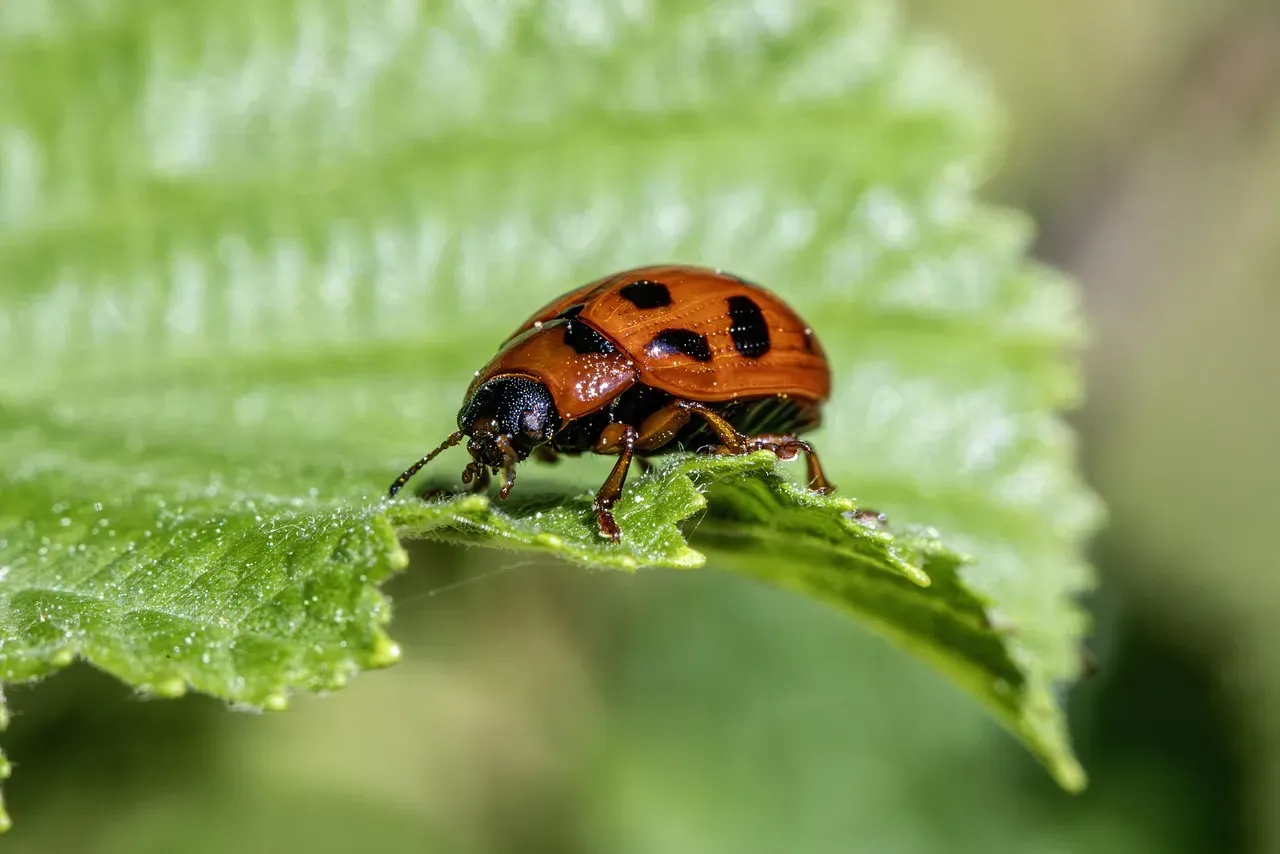
Natural scent deterrents offer a safer, more eco-friendly approach to keeping ants out of your home without exposing your family or pets to harsh chemicals. From the minty punch of peppermint to the floral elegance of lavender, these six scents prove that nature has already provided us with effective pest control solutions. The key is consistency and understanding that these methods work best when combined with good housekeeping practices like cleaning up spills promptly and storing food properly.
Remember that most natural repellents need reapplication every few days to maintain their effectiveness, especially after cleaning surfaces or following rainfall for outdoor applications. While these scents can handle minor ant issues beautifully, severe infestations might require professional help. Have you tried any of these natural remedies yet? What’s your go-to strategy for keeping those persistent little invaders at bay?

- 10 Orca Quirks That Will Make You Forget the Boat Attacks - June 19, 2026
- What Do Animals Dream About When They Sleep? - June 19, 2026
- 6 Winter Pests That Can Ruin Your Garden - June 19, 2026