
There’s something profoundly beautiful about the moment an abandoned puppy steps into a loving home for the first time. You might imagine it as an instant fairytale, where everything falls perfectly into place. The reality, though, is far more layered, more emotional, and honestly, more remarkable than any storybook ending could capture.
These transformations happen daily across the nation, with millions of dogs entering shelters each year, roughly about two million finding their way to adoption annually. Let’s explore what truly unfolds when that scared little pup finally discovers safety, warmth, and belonging.
The First Few Days: Overwhelming Emotions and Gentle Adjustments

Picture this. Your new puppy just left the only environment they knew, whether that was a chaotic shelter, a cold street corner, or worse. Now they’re in your home, surrounded by unfamiliar smells, sounds, and faces.
The initial three days represent what experts call the transition phase. A dog’s stress hormone cortisol spikes significantly when entering a new environment, then gradually returns to normal over several days. During this window, your puppy might hide under furniture, refuse food, or seem oddly withdrawn. Some pups bounce back quicker than others.
It’s hard to say for sure, but this isn’t a reflection of you or your home. It’s completely normal for newly adopted dogs to act scared, eat or drink very little, and test boundaries with their behavior. The little one is simply trying to make sense of this bewildering new chapter.
Weeks Two Through Three: Personalities Begin to Emerge

Here’s the thing about rescue puppies. They often arrive carrying invisible baggage. Many dogs suppress certain behaviors early on not because they lack them, but because overwhelming stress inhibits their ability to express their full emotional range.
Around the two to three week mark, you’ll start noticing shifts. Pets begin settling in as reduced stress helps reveal more of their genuine personality beyond stress-related coping mechanisms. That timid pup who cowered in corners? She might suddenly zoom across your living room. The one who seemed perfect? He might start testing those carefully established boundaries.
Some owners report feeling shocked by how quickly their rescue settles in, while others discover challenges they didn’t anticipate. Both experiences are valid. Neither means you failed.
Let’s be real, patience during this phase matters more than perfection. Your puppy is learning to trust that this home is permanent, that you won’t disappear, that meals will consistently appear.
The Three Month Milestone: Building Trust and True Belonging
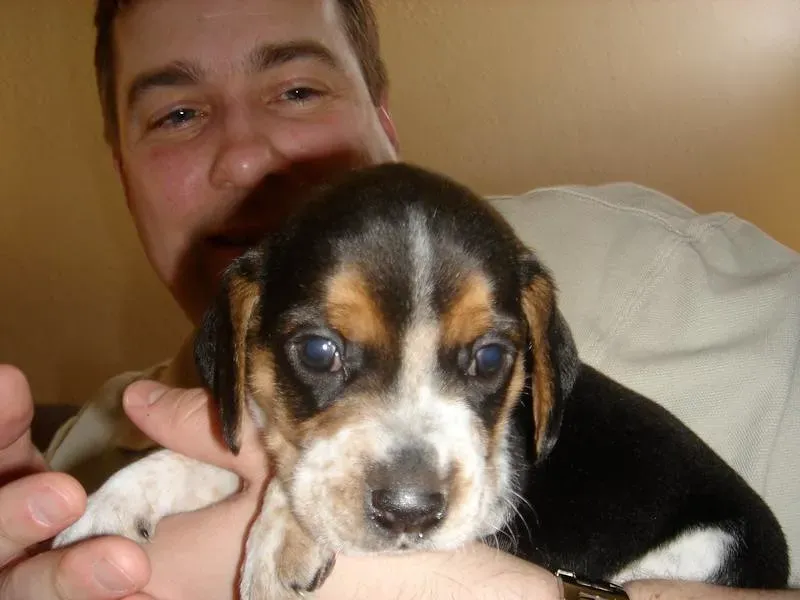
By the three month mark, pets are further adjusted to their surroundings, beginning to trust and show their authentic personalities while the bond between you develops. This doesn’t mean every issue vanishes overnight.
Research shows certain behaviors like stranger-directed aggression and training difficulty can actually increase at all measured time points, while excitability and touch sensitivity may rise around the ninety and one hundred eighty day marks. I know it sounds crazy, but this doesn’t signal failure. When your dog finally feels safe enough to express discomfort or anxiety, it represents progress, even though it feels discouraging initially.
Think of it like peeling back layers. As your puppy relaxes, you’re finally meeting the real dog beneath the survival mode. One adopter described how their puppy, initially jumping everywhere, stopped moving and hugged back when picked up, revealing the snuggly companion they truly were.
The Physical and Emotional Transformation
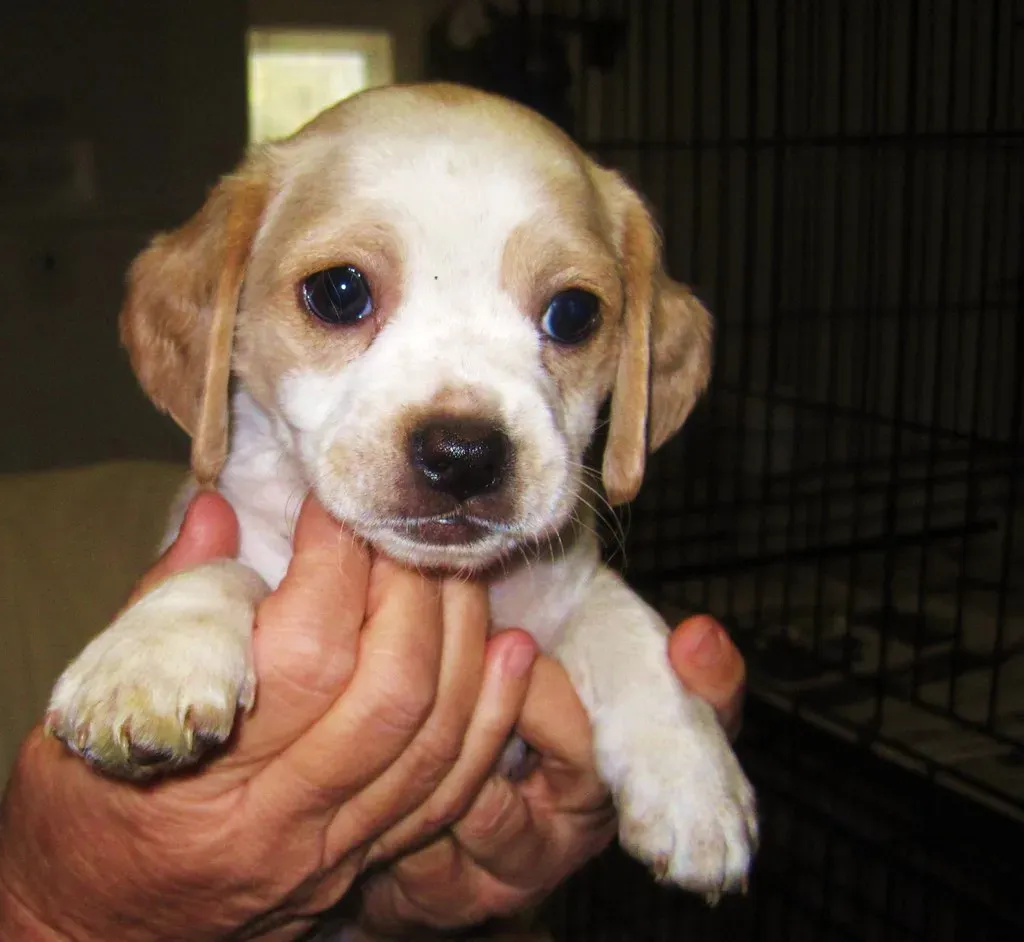
The changes aren’t just behavioral. Abandoned puppies often arrive covered in ticks, requiring deworming, and desperately needing to gain weight, though once treated and given consistent meals, they typically eat eagerly. Watching a malnourished pup fill out, their coat gaining shine, their eyes brightening with life, hits differently than you’d expect.
Take Pogo’s story. After arriving skittish and frightened from suspected abuse, he received love and training to become a certified therapy dog, eventually bringing joy to seniors and people recovering from medical challenges. That transformation from victim to healer exemplifies what’s possible when abandoned puppies receive proper care and patience.
One rescue renamed Breezy arrived with open wounds, no interest in toys, yet transformed into a dog who loves fetch, wrestling with other dogs, and has become fully integrated into family life, making bad days good and good days better.
What About the Challenges Nobody Mentions?
Despite behavioral changes and challenges, guardian satisfaction remains remarkably high, with all owners at the six month mark reporting their dog adjusted either extremely or moderately well, and roughly three quarters indicating their dog’s behavior had improved since adoption. Still, the journey includes bumps.
Common post-adoption behaviors include house-soiling accidents, separation anxiety ranging from mild to severe, aggression toward people including household members, and anxiety manifesting as trembling or excessive barking. Most participants felt their dog managed to adjust within four to six months, though nearly one third observed adjustment within three months.
Honestly, these timelines matter because unrealistic expectations lead to frustration and sometimes returns to shelters. Seven dogs were returned during one study, resulting in a return rate of about seven percent, notably lower than the national average of roughly fifteen percent.
Understanding that your scared, occasionally destructive, or anxious puppy is actually making progress helps you stick with them through the tough moments. Your new dog doesn’t instinctively understand how you want them to behave or that they’re now safe, with trust needing to be earned and taking longer for some dogs than others.
Conclusion: The Payoff That Changes Two Lives
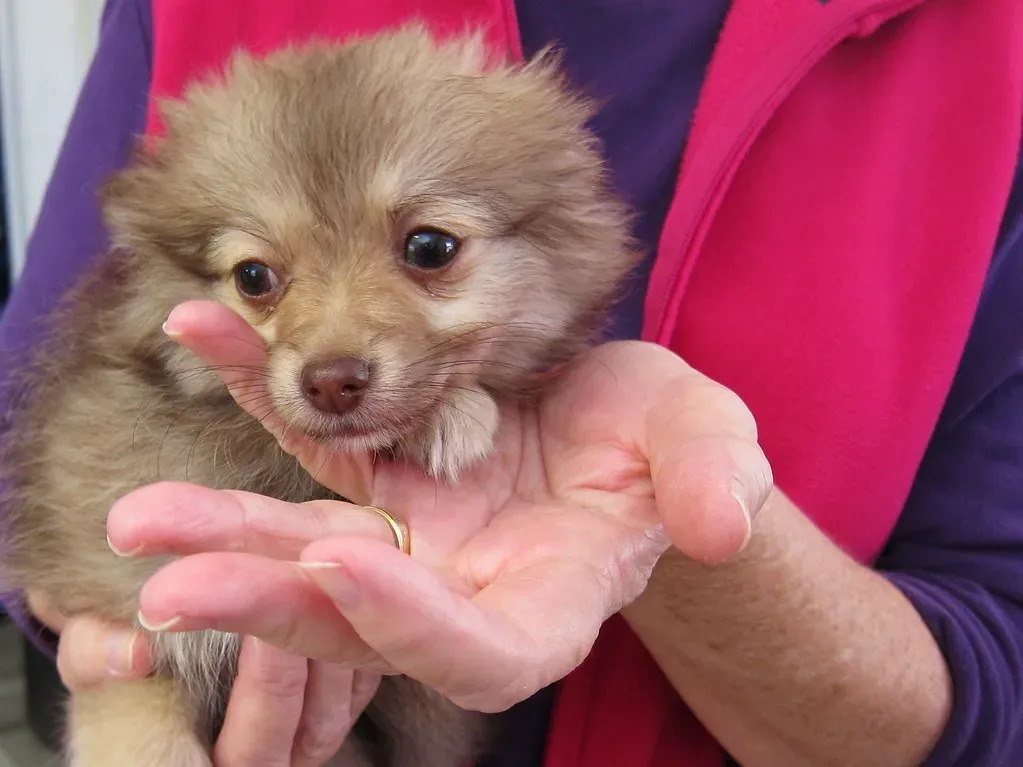
So what really happens when an abandoned puppy finds their forever home? Magic doesn’t strike instantly. Instead, something more profound unfolds. Through patience, consistency, and compassion, a frightened creature learns to trust again. They discover that hands can comfort rather than harm, that homes provide safety instead of uncertainty.
The truth is, saving a dog doesn’t just change their life, it transforms yours too. You become the person who taught them what love feels like, who showed them that not all humans abandon, who gave them the second chance they desperately deserved.
The journey requires more than you expected. It tests your patience, challenges your assumptions, and demands flexibility. Yet somehow, when that formerly terrified puppy curls up beside you, completely relaxed and trusting, you realize every difficult moment was worth it.
Have you ever considered adopting an abandoned puppy, or perhaps you already have? The transformation waiting on the other side of patience and love is absolutely worth the journey.
