

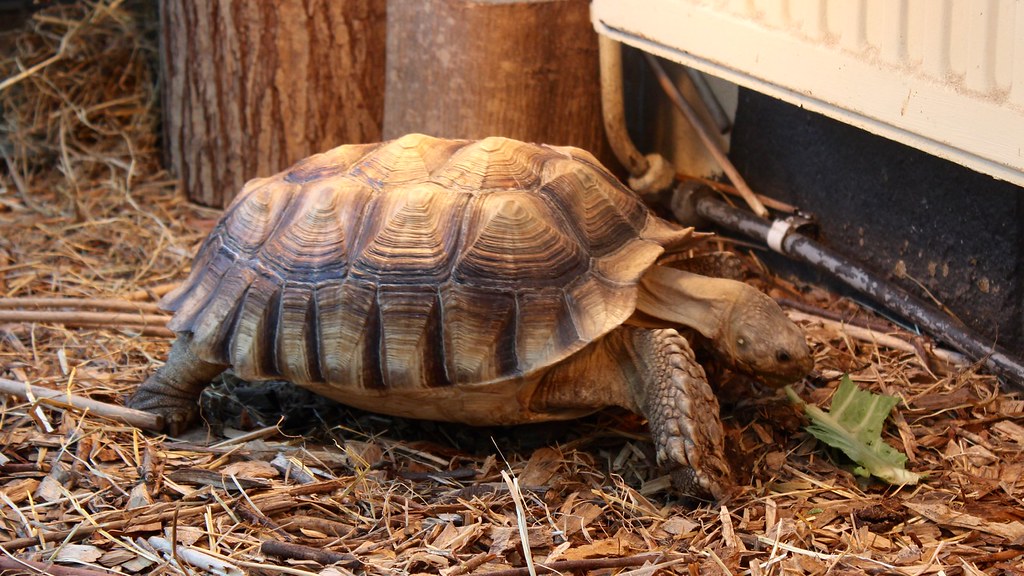
Diet Shapes Shell Resilience from the Start (Image Credits: Flickr)
Owners seeking vibrant, long-lived tortoises prioritize diet as the primary driver of shell quality and overall vitality.
Diet Shapes Shell Resilience from the Start
Shell deformities like pyramiding or softness often trace back to nutritional shortfalls early in life. Tortoises in the wild forage across dozens of plant species, securing a broad nutrient spectrum that captive diets must replicate. This variety supports smooth scute growth and prevents metabolic issues.[1][2]
Herbivorous species such as Russian or Sulcata tortoises require a plant-heavy regimen. Experts recommend structuring meals around high-fiber greens to mimic natural grazing.
Building Blocks of an Ideal Daily Diet
Leafy greens and grasses form the bulk of every meal, delivering fiber for digestion and calcium for bone formation. Vegetables add hydration and vitamins, while fruits serve sparingly to avoid sugar overload.
A balanced breakdown includes:
- 80-90% dark leafy greens and grasses, such as dandelion, collard, mustard, and turnip greens
- 10-15% vegetables like bell peppers, squash, pumpkin, and carrots in moderation
- 5-10% fruits as treats, alongside staples like mulberry or hibiscus leaves
Rotation keeps intake diverse; track preferences to refine offerings. Omnivorous types like Red-footed tortoises benefit from occasional protein boosts, such as earthworms once monthly.[1]
Minerals and Vitamins: The Shell’s Core Supports
Calcium stands central to shell health, demanding a 2:1 calcium-to-phosphorus ratio to avert deficiencies. Sources range from cuttlebone to powdered supplements dusted on food two to three times weekly.[1][3]
Vitamin D3 aids absorption, supplied via UVB lighting for indoor setups or natural sun for outdoor ones. Fiber sustains gut health, while moderate protein fuels repair without excess that warps growth. Vitamin A from colorful veggies bolsters scute integrity.
| Nutrient | Role in Shell Health | Key Sources |
|---|---|---|
| Calcium | Bone and scute formation | Dandelion greens, supplements |
| Vitamin D3 | Calcium uptake | UVB light, limited supplements |
| Fiber | Digestion and balance | Grasses, leafy weeds |
Seasonal Shifts for Sustained Wellness
Nature dictates feeding patterns that captivity should echo, adjusting for activity levels and metabolic needs. Hibernating species demand tailored transitions to safeguard shell development year-round.
Spring post-hibernation emphasizes rehydration and calcium ramp-up with watery greens. Summer calls for peak variety and consistent minerals amid high activity. Fall reduces protein while boosting fiber to prep digestion. Winter for active tortoises means less frequent, fiber-focused feeds.[1]
Fresh water and soaking dishes remain constants, preventing dehydration that weakens shells.
Recognizing Trouble Early
Regular inspections reveal diet’s impact. Pyramiding signals high protein or low calcium; soft spots demand urgent calcium boosts. Irregular lines or peeling scutes point to stress or vitamin gaps.[1][4]
Monthly weigh-ins and photos track progress. Consult veterinarians for persistent issues.
Key Takeaways
- Prioritize 80%+ greens with 2:1 Ca:P balance for smooth shells.
- Rotate plants seasonally to match natural cycles.
- Monitor growth; adjust based on shell appearance and weight.
A thoughtful nutrition plan extends tortoise lifespans toward a century, turning shells into testaments of dedicated care. What greens does your tortoise devour most? Share in the comments.

- Urban Coyotes Show Remarkable Adaptability, Learning to Thrive in City Environments - July 22, 2026
- Beavers Are Nature’s Engineers, Creating Vital Habitats for Other Wildlife Species - July 21, 2026
- The Recovery of the California Condor Offers Hope for Other Critically Endangered Birds - July 21, 2026