

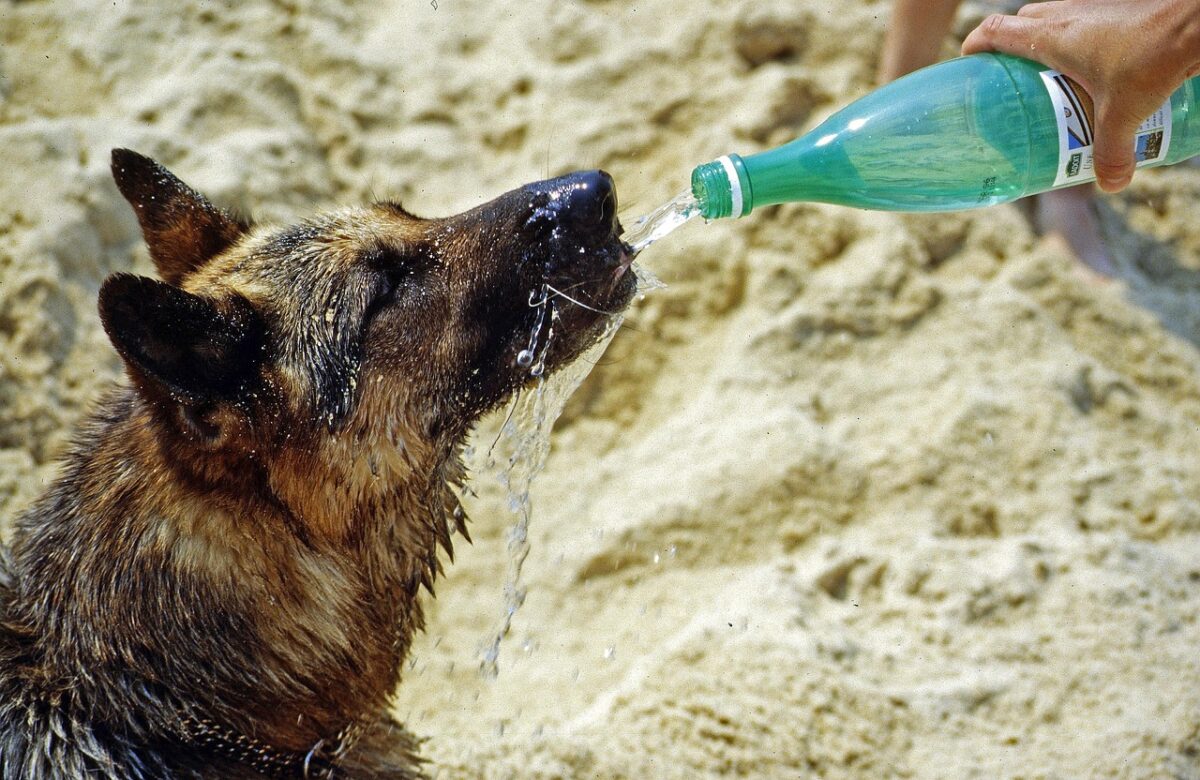
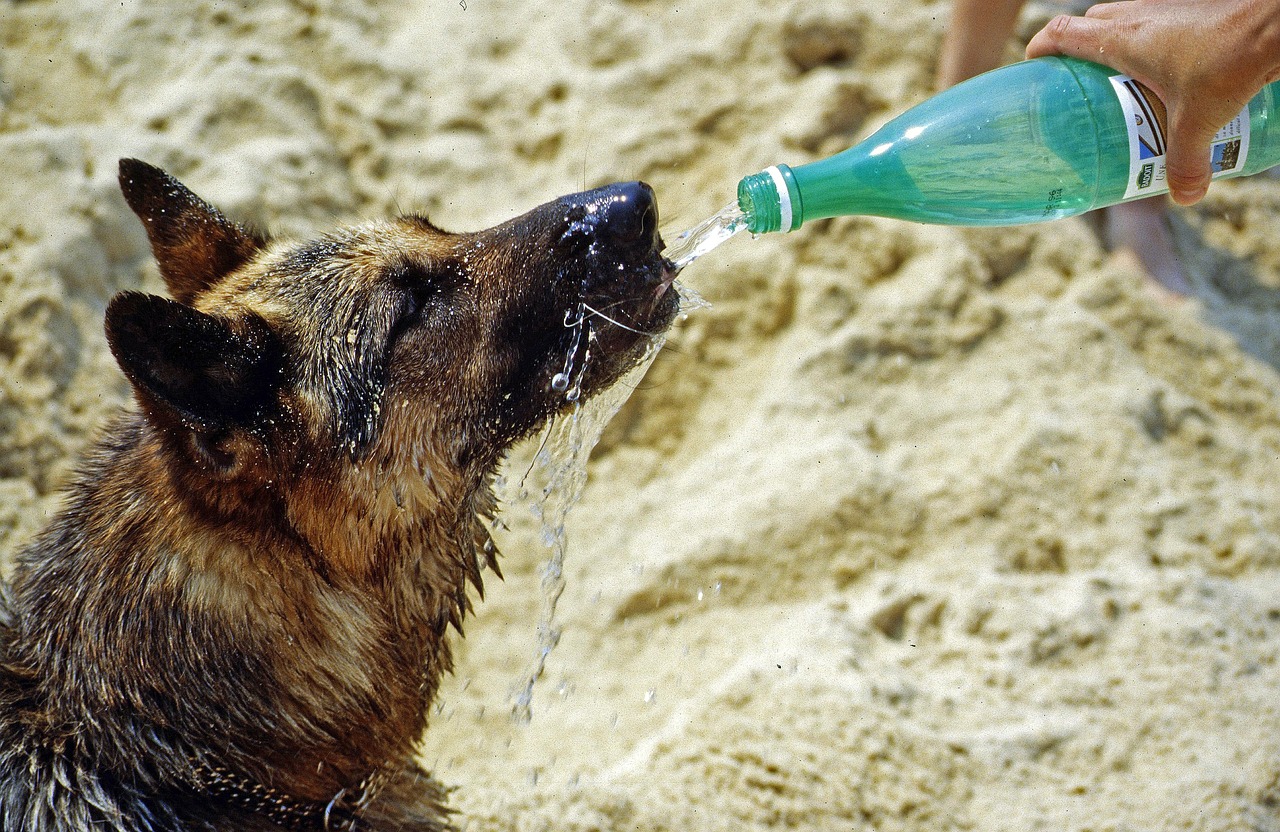
Extreme Heat Days Drive Up Mortality Rates (Image Credits: Pixabay)
Pet owners worldwide grapple with growing concerns as rising global temperatures expose dogs to unprecedented health risks.
Extreme Heat Days Drive Up Mortality Rates
Researchers uncovered a stark link between scorching weather and canine fatalities in a long-term study of veterinary records.[1] Extreme days above 32 degrees Celsius raised the risk of death in pet dogs by nearly 10 percent, with each additional degree over 25 degrees Celsius adding a 1 percent hike.[1] Public holidays amplified this danger by 155 percent, likely from heightened outdoor activities.
Climate change lengthens summers and intensifies heat across regions. In 94 percent of 246 U.S. cities analyzed, days reaching 77 degrees Fahrenheit or higher increased since 1970, with some areas gaining over five weeks of such heat.[2] Pavement surfaces soared to 125 degrees Fahrenheit under those conditions, scorching paws and worsening heat stress during walks.
Brachycephalic and Large Breeds Face Heightened Vulnerability
Flat-faced breeds like pugs, bulldogs, and French bulldogs struggle most in the warmth. Their shortened airways hinder effective panting, the primary cooling method for dogs, leading to rapid overheating even in moderate heat.[3][4] Experts noted these dogs pant inefficiently due to narrowed nostrils and elongated soft palates, straining their hearts and shortening lifespans.
Large breeds such as Labrador and Golden Retrievers, along with working dogs like Belgian Malinois, also rank high in risk. Overweight animals and those with thick coats fare worse, as excess insulation traps body heat. Heatstroke mortality reached 50 percent in some cases, particularly during warmer months.[4]
Diseases and Allergies Spread in Warmer Conditions
Beyond direct heat, shifting climates foster parasites and allergens. Warmer, wetter environments boost ticks, mosquitoes, and fleas, spreading Lyme disease, heartworm, and tapeworms to more dogs.[5] Floods contaminate water, while prolonged pollen seasons trigger severe skin issues and allergies.
Wildfire smoke degrades air quality, irritating respiratory systems. Cyanobacteria blooms in heated waters poison dogs, causing seizures and organ failure. Veterinarians observed these threats intensify, though symptoms mirror familiar illnesses occurring more frequently.
Practical Steps to Safeguard Canine Companions
Owners can mitigate risks through vigilance and preparation. Schedule walks for early mornings or evenings, test pavement heat with a seven-second hand rule, and provide constant shade and water.[2]
- Avoid cars on warm days, as interiors heat rapidly to lethal levels.
- Monitor brachycephalic or senior dogs closely for panting, drooling, or lethargy – early heatstroke signs.
- Use tick preventives year-round and heed local health alerts.
- Maintain ideal weight via play rewards over treats to boost resilience.
- Prepare emergency kits with medications for evacuations.
| Risk Factor | Examples | Prevention |
|---|---|---|
| Heat Exposure | Pavement burns, exercise | Grass walks, hydration |
| Breed Traits | Pugs, retrievers | AC shelter, vet checks |
| Diseases | Heartworm, Lyme | Preventives, vaccines |
- Heat death risk jumps 10% on extreme days – act early.
- Brachycephalic breeds overheat fastest; choose responsibly.
- Parasite ranges expand; prevention saves lives.
As heatwaves grow fiercer, proactive care ensures dogs thrive amid change. Simple adjustments today protect tomorrow’s adventures – what steps will you take for your pet? Share in the comments.

- Urban Coyotes Show Remarkable Adaptability, Learning to Thrive in City Environments - July 22, 2026
- Beavers Are Nature’s Engineers, Creating Vital Habitats for Other Wildlife Species - July 21, 2026
- The Recovery of the California Condor Offers Hope for Other Critically Endangered Birds - July 21, 2026