
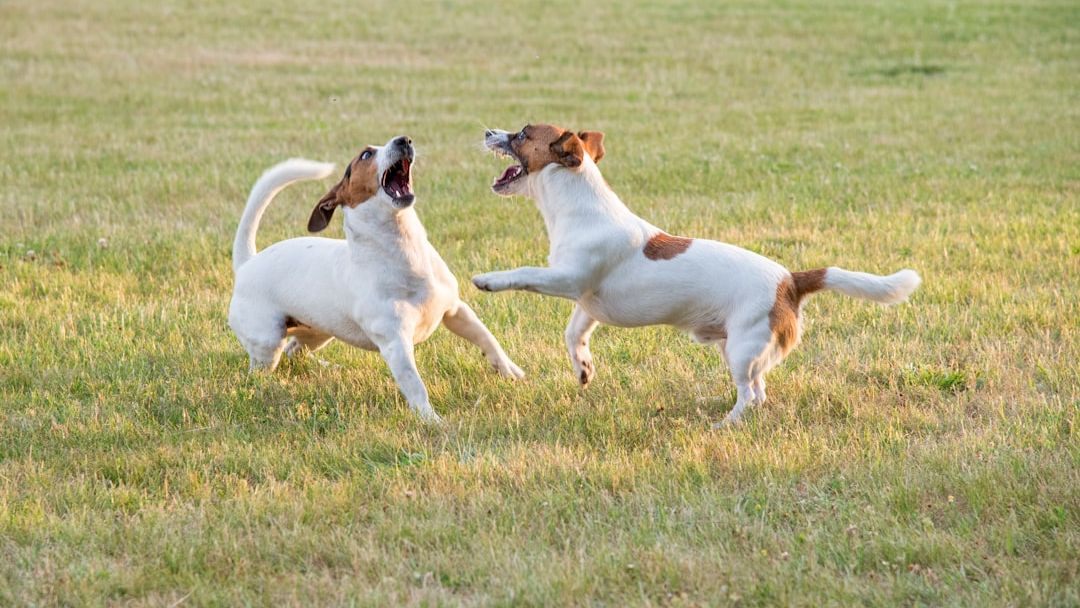
You dream of peaceful mornings with a warm cup of coffee, silence interrupted only by the occasional chirp of birds outside your window. Then reality hits. Your neighbor’s dog sounds like a car alarm that never turns off, or maybe you’re considering getting a furry companion but worried about constant barking turning your sanctuary into a circus.
Let’s be real, not all dogs are created equal when it comes to noise levels and energy. Some breeds are absolute chatterboxes while others barely make a peep. If you value tranquility in your home or live in close quarters with neighbors, understanding which dogs will shatter that peace is pretty crucial.
The Beagle: A Musical Nightmare for Peace Seekers
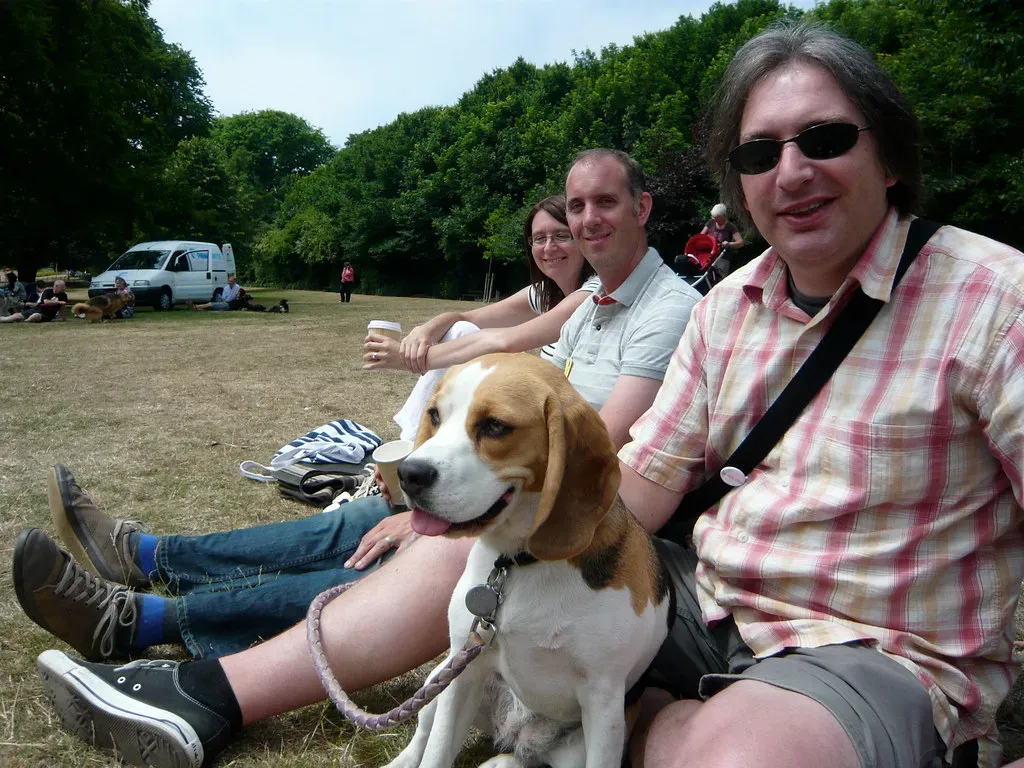
Fans describe the Beagle’s distinctive voice as “musical,” but not everyone agrees, especially when they sing along to sirens or bark when strangers approach the door. These incredibly popular dogs are also incredibly loud, being hound dogs where loud barking and howling is simply par for the course.
Beagles are high energy dogs that need lots of physical activity, and the breed was created to follow the scent of small animals, which explains why they tend to bark when they spot movement. Honestly, their hunting heritage never really left them. They were bred to alert hunters by baying during the chase, and that instinct remains strong even when they’re lounging in your living room.
If you live in an apartment or have neighbors who value silence, a Beagle might not be your wisest choice. Even though Beagles have gorgeous eyes, they’re usually very loud and annoying for neighbors who prefer silence, and they also tend to sniff out any foods in the house, which means they can get destructive fast.
Chihuahuas: Tiny Dogs with Enormous Voices
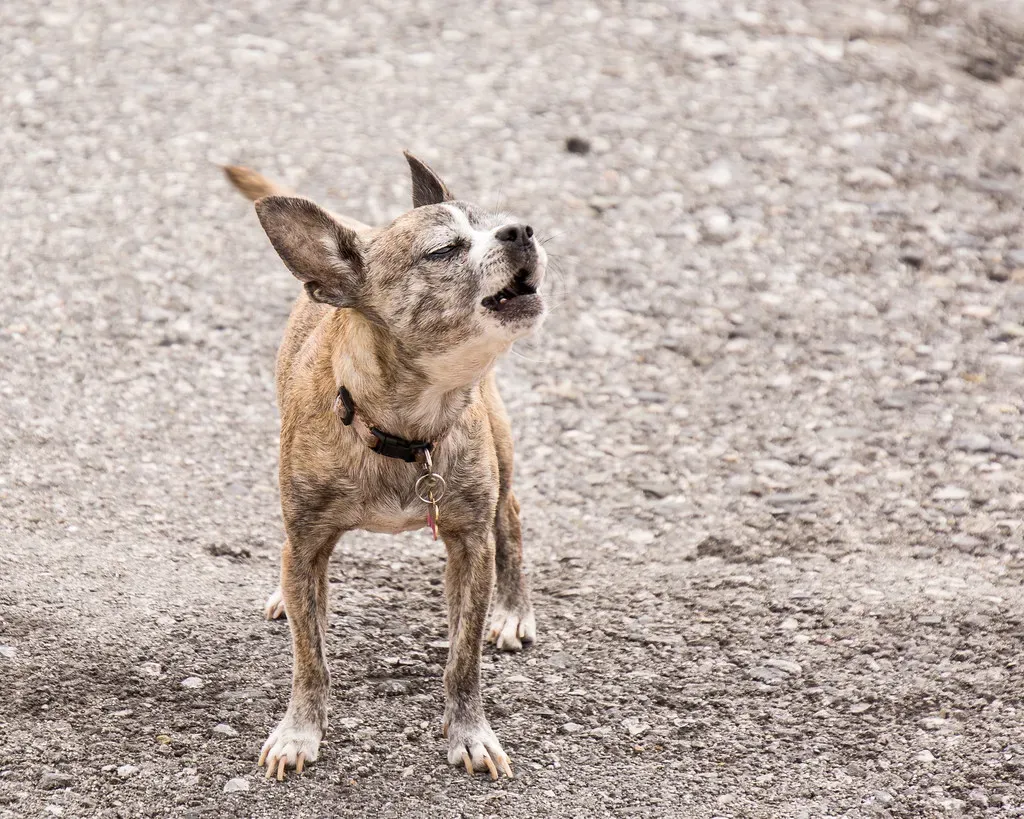
The Chihuahua packs a lot of personality into her small size, and her tendency toward yapping can be an issue if she’s not taught to moderate her barking. This tiny breed often barks pretty much continuously, sometimes for no other reason than boredom.
I think what catches people off guard is the sheer volume these little guys can produce. In the small dog category, the Chihuahua is often known for having the loudest bark. Chihuahuas are naturally alert and protective, barking at strangers, loud noises, or sudden movements because they feel it’s their job to guard their people, and their strong sense of loyalty often turns into overprotectiveness leading to excessive barking.
They may be small in size, but they are very territorial, and when they perceive something or someone as a threat, the incessant barking will begin, and given their size, the threat can be anything and everything. Their big dog attitude in a pocket sized body means they’re always on high alert. If quiet mornings are your thing, this feisty companion might test your patience.
German Shepherds: Protective Barkers with Powerful Voices
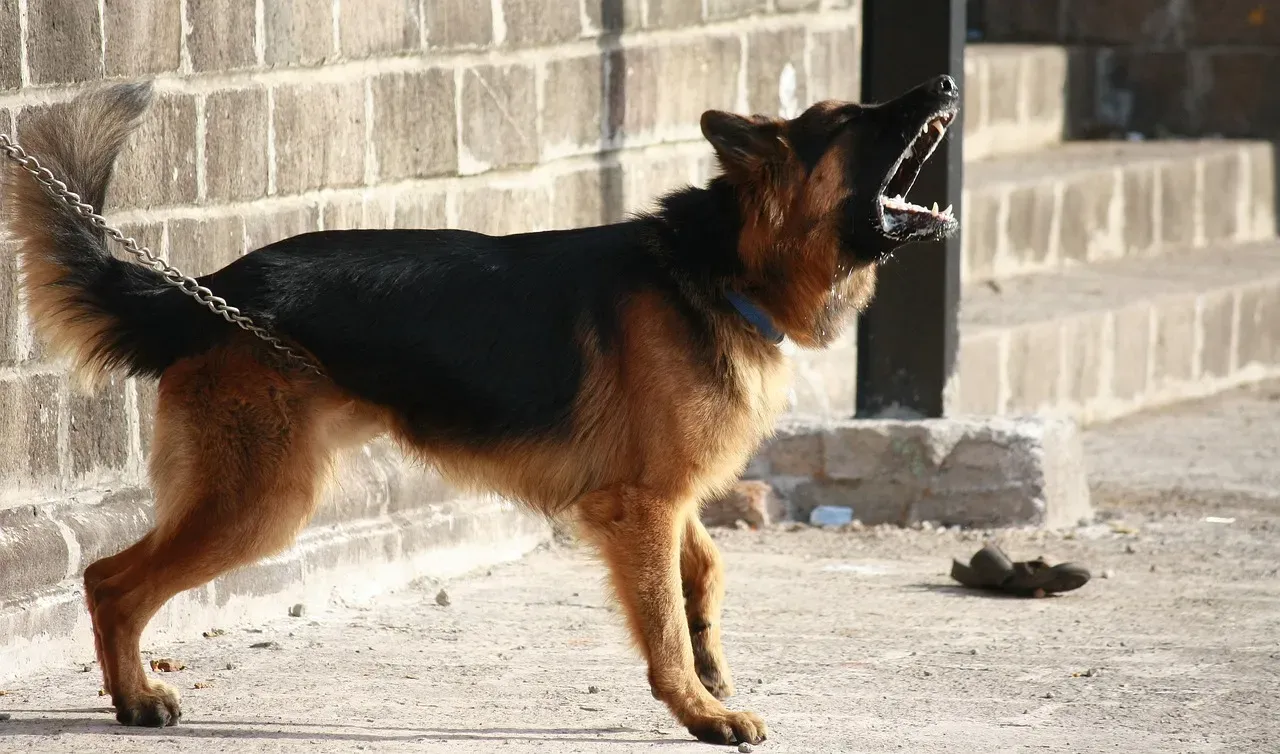
The second loudest bark recorded was from a German Shepherd named Daz at 108 decibels, equally as loud as a power saw, and bred to serve as protectors and guardians, these dogs will swiftly alert others at the slightest sign of suspicious activity. That’s not a drill you want going off constantly in your home.
German Shepherds bark to alert their families, protect their space, or communicate stress or excitement, and their bark is deep, powerful, and commanding, often stopping strangers in their tracks, and without proper exercise or mental stimulation, boredom can make them even more vocal. Here’s the thing: these are working dogs at heart.
They’re not aggressive by default, just intensely aware of their environment. Their need for stimulation can make German Shepherds a real nuisance to apartment building neighbors. If you work long hours and live in a quiet neighborhood, that powerful bark echoing through thin walls won’t win you any popularity contests with the people next door.
Terriers: The Talkative Troublemakers
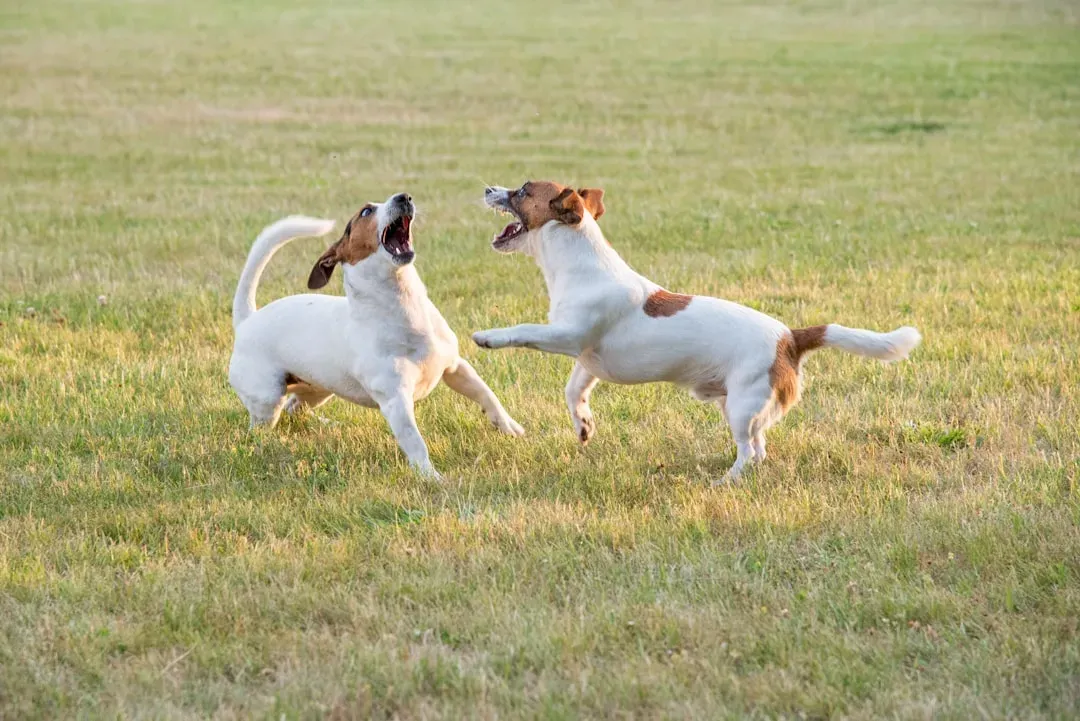
Terrier is a breed group rather than a specific breed, but experts used the write in option to vote the whole group onto noisiest lists because they tend to be talkative across the board. Scottish terriers, Yorkshire terriers and Jack Russell terriers are notably some of the most boisterous breeds, and while terriers as a group are quite talkative, their small bodies don’t always make them as loud as larger dogs.
Digging and barking are two of the Jack Russell Terrier’s greatest loves. These little dynamos were bred for hunting, designed to flush out foxes with excessive barking. That energy and vocal nature hasn’t diminished over the generations. Yorkshire Terriers present similar challenges. Yorkies are very vocal little dogs and can be extremely territorial and protective of their humans and homes, making them a liability in apartment buildings where they might bother neighbors with their barking.
It’s hard to say for sure, but terrier owners in quiet communities often face more noise complaints than owners of other breeds. Their alert nature means they react to everything, a passing car, a distant doorbell, even shadows moving across the floor. If constant commentary on neighborhood activity drives you crazy, terriers might not be your ideal match.
Siberian Huskies: Howlers Who Love to Chat
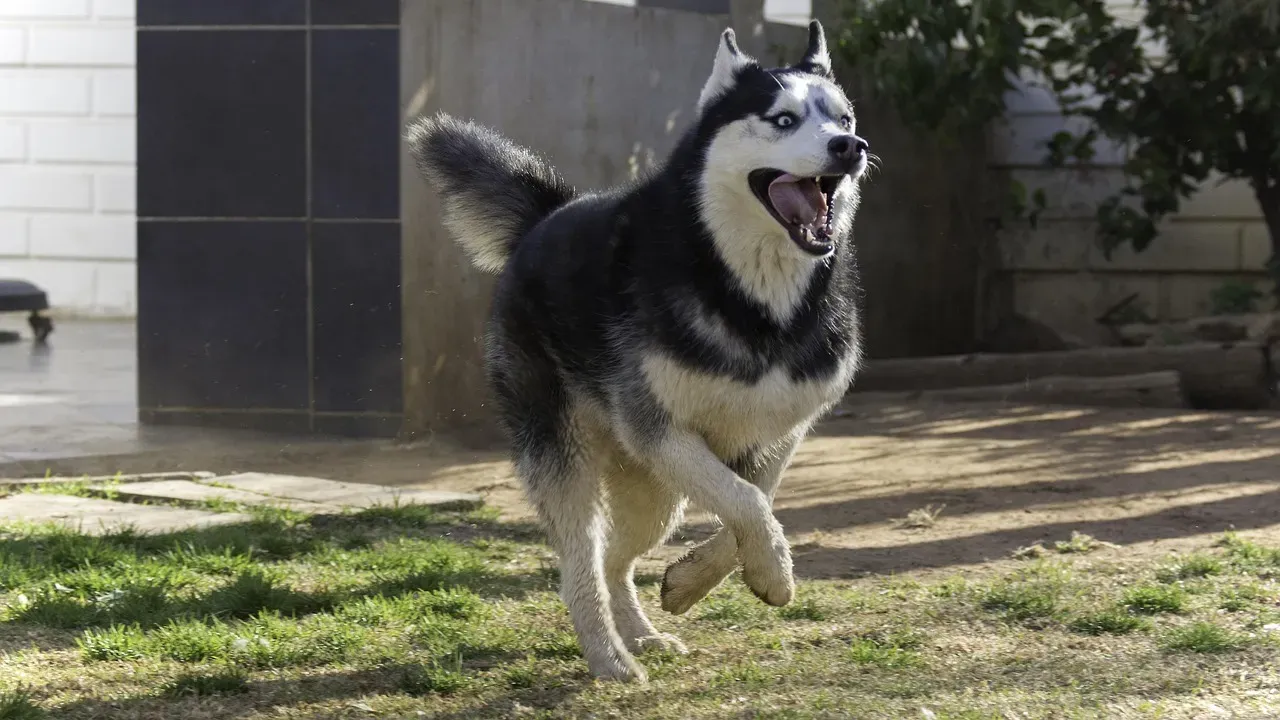
The Siberian Husky isn’t generally much of a barker, but she loves to howl, especially when she’s accompanying a siren, and she also loves making other noises like whining or even sounds that mimic certain words. Siberian Huskies are described as a talkative breed that will whine, howl, groan and talk for hours, partly because their DNA is closely linked to wolves so their vocalization is more similar to their ancestors, and secondly because as sled dogs traveling over large distances, communication was important and a whine or howl travels further than a bark.
These stunning dogs are expressive in ways that go far beyond simple barking. Full of energy, the Siberian Husky tends to bark to get attention and let you know they’d like to play a game, and getting two or more of this breed together means you can expect howling as well as barking as they enjoy noisily communicating with each other.
These dogs are extremely energetic and built for cold weather climates, requiring a ton of space and are happiest when they have a job to do, and they shed everywhere, get bored easily, and are extremely vocal, so everyone in an apartment complex knows if someone owns a Husky, which is not a good thing. If you want a dog that respects silence, look elsewhere. Huskies were born to communicate across frozen tundra, and they’re not about to stop now.
The Calmest Companions: Quiet Breeds for Peaceful Homes

Now for the good news. If you crave tranquility but still want a canine companion, there are breeds that naturally embrace quieter lifestyles. According to rankings, Basenjis, Cavalier King Charles Spaniels, Borzois, and Japanese Chin are the quietest dog breeds, with Cavalier King Charles Spaniels considered a very calm breed known for their mellow temperaments.
Nicknamed the barkless dog for a reason, the Basenji has a unique vocal structure that limits traditional barking, and while they may surprise you with yodeling or chortling sounds, these vocalizations are much quieter than a bark and add to their distinct charm. Cavalier King Charles Spaniels are known for their sweetness and quiet demeanor, unlikely to disrupt your peace with excessive barking, and these gentle souls are happy to cuddle on the couch or accompany you on a leisurely stroll.
The giant Great Dane is one of the calmest dog breeds, and their gentle, quiet nature makes them good family dogs, though they do need plenty of space to live and play. Saint Bernards are among the very calmest dog breeds, which explains how they stay cool, calm, and collected during avalanche search and rescue missions, and these chill dogs are often called nanny dogs because of their affinity for children. Whippets are very quiet and versatile, while Greyhounds are friendly, sociable dogs that are well mannered and quiet at home despite being the fastest dog breed.
Quiet doesn’t mean boring. These breeds offer companionship, loyalty, and love without the constant noise pollution that drives neighbors and homeowners to distraction. They prove you can have the best of both worlds: a loving pet and your precious peace.
Conclusion
Choosing the right dog for a quiet household isn’t about labeling certain breeds as bad. It’s about matching temperament and needs with your lifestyle and environment. Beagles, Chihuahuas, German Shepherds, Terriers, and Huskies are fantastic dogs for the right owners, but if silence is sacred to you or your living situation demands consideration for neighbors, these vocal breeds will test everyone’s limits.
The calmest companions like Basenjis, Cavalier King Charles Spaniels, Great Danes, and Saint Bernards offer different advantages. They’re proof that you don’t have to sacrifice canine companionship for tranquility. With proper research and honest assessment of your needs, you can find a furry friend who respects your quiet zone while still filling your home with love.
What matters most is being realistic about what you can handle and what your dog needs to thrive. Did you ever imagine a Great Dane would be quieter than a Chihuahua?

- Psychology Says When a Parrot Repeats Words in an Empty Room With No One There to Perform For It’s Not Mimicry – It’s Something Closer to Practice and the Distinction Matters More Than It First Seems - June 12, 2026
- Could Elephants Be More Empathetic Than We Are? Science Thinks So - June 12, 2026
- Why Hummingbirds Keep Returning to the Exact Same Spot Every Year - June 12, 2026