
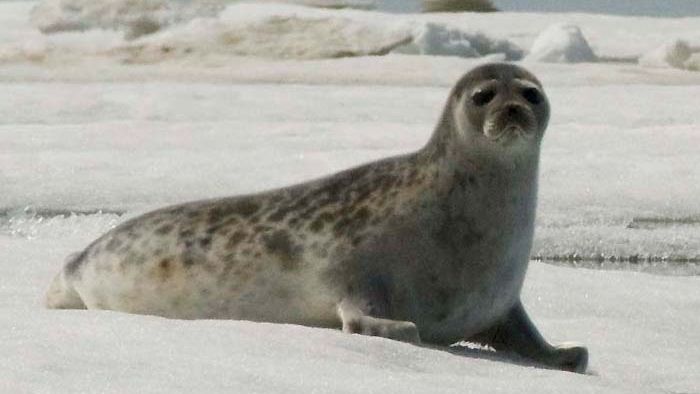
There’s something mysterious about Alaska’s icy waters. When you think of the ocean, you might picture tropical fish or coral reefs. Yet the frigid seas along Alaska’s coast host some of the planet’s most fascinating and remarkably adapted marine mammals. These creatures don’t just survive in waters that would send most of us into hypothermia within minutes. They thrive there.
The animals we’re talking about aren’t your typical marine life. Some have fur so dense it surpasses every other mammal on Earth. Others sport markings so bold they look painted on. A few can bend their necks in ways that seem impossible for whales. Let’s dive into the lives of six unique marine mammals that have made Alaska’s cold waters their home.
Sea Otters: The Tool-Using Marine Weasels
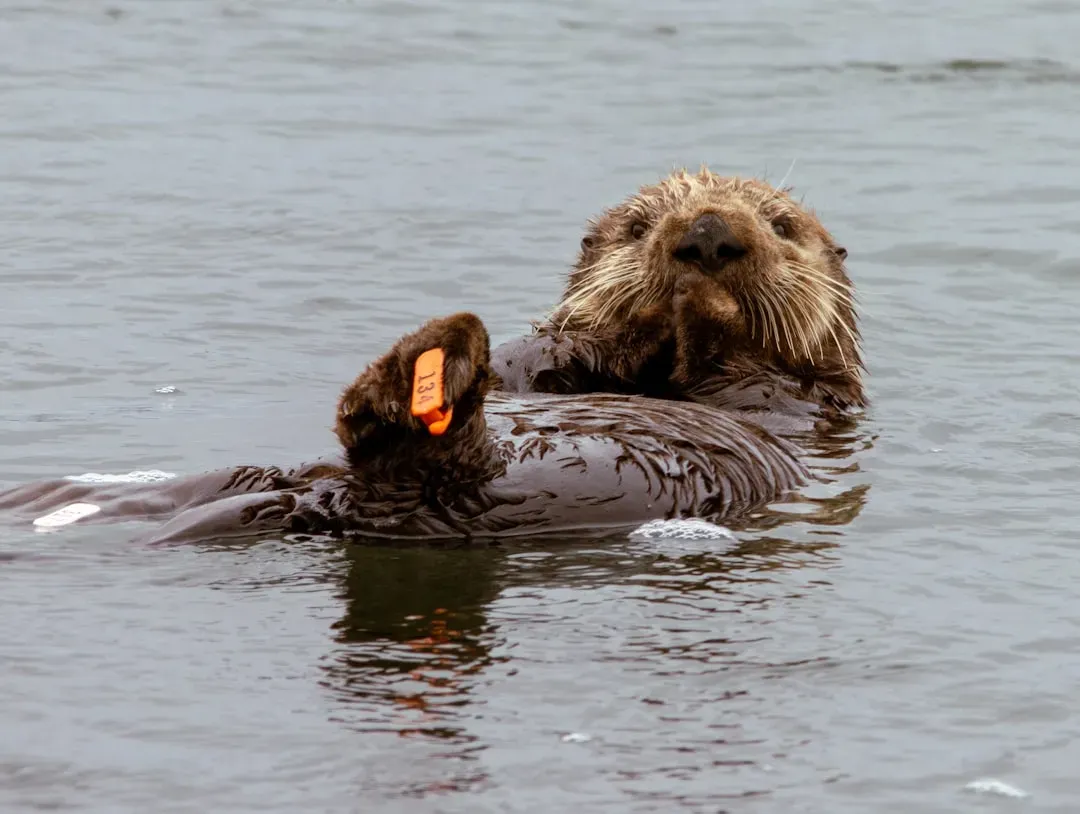
Sea otters are the largest members of the weasel family, though you’d never guess it watching them float lazily on their backs. Roughly ninety percent of the world’s sea otters live in Alaska’s coastal waters, making these creatures practically synonymous with the region. Unlike most marine mammals, sea otters don’t rely on blubber to stay warm.
Instead, they possess the densest hair coat of any mammal, with somewhere between 800,000 to one million hairs per square inch. To put that in perspective, humans have only about 20,000 hairs on their entire head. Their survival literally depends on keeping that fur immaculately clean and fluffy, which is why you’ll often see them grooming obsessively.
Here’s where it gets really interesting. These creatures use tools like rocks to crack open shells, even storing them under their armpits while diving. A sea otter must consume about 25 percent of its body weight every day just to maintain its energy levels in those freezing waters. That’s like a 150-pound person eating nearly 40 pounds of food daily. Talk about a serious appetite.
Beluga Whales: The Canaries of the Sea
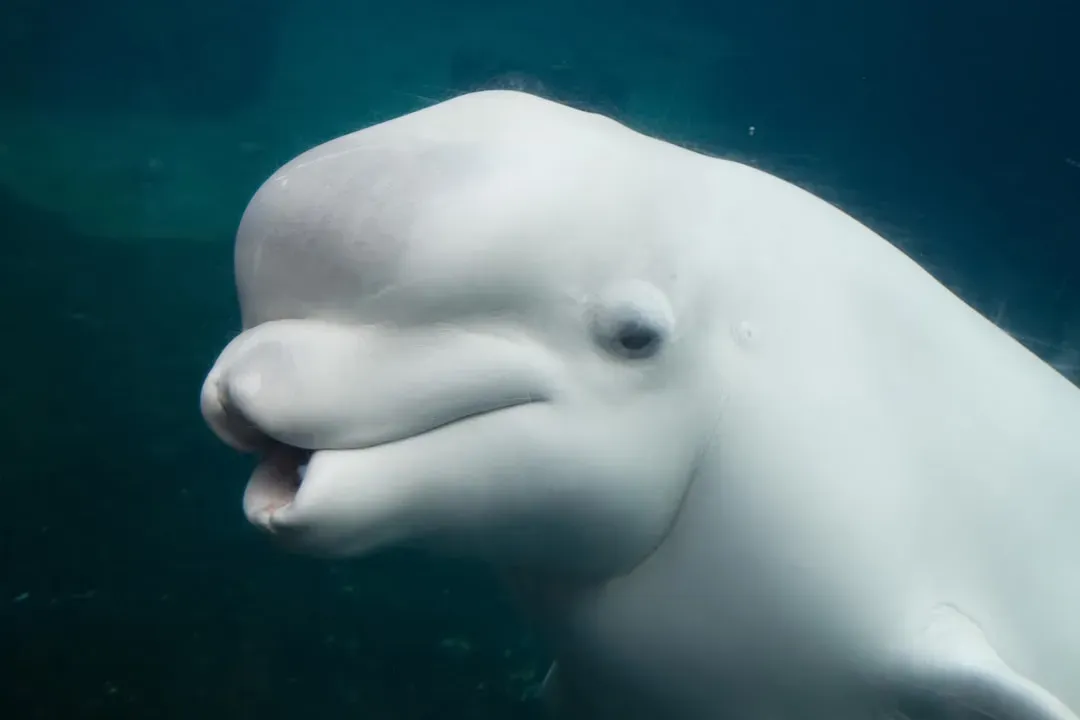
Known as sea canaries due to their extensive repertoire of whistles, grunts and clicks, belugas are also adept at using echolocation to navigate under ice and find prey. What makes belugas truly stand out among whales is their color and flexibility. They are gray when born and turn white as they age, eventually becoming ghostly pale against the dark Arctic waters.
The beluga is the only whale that can bend its neck, giving it a remarkable range of motion that other cetaceans simply don’t have. This adaptation proves invaluable when hunting in ice-covered or muddy waters. Within Alaska, there are five different populations: Cook Inlet, Bristol Bay, eastern Bering Sea, eastern Chukchi Sea, and Beaufort Sea.
Sadly, not all beluga populations are doing well. The endangered Cook Inlet beluga whale population declined by nearly 80 percent between 1979 and 2018, from about 1,300 whales to an estimated 279 whales. The most recent population estimate from 2022 surveys indicates a mean of 331 whales, suggesting that the population may be stabilizing and possibly increasing. Let’s hope that trend continues.
Steller Sea Lions: The Roaring Giants
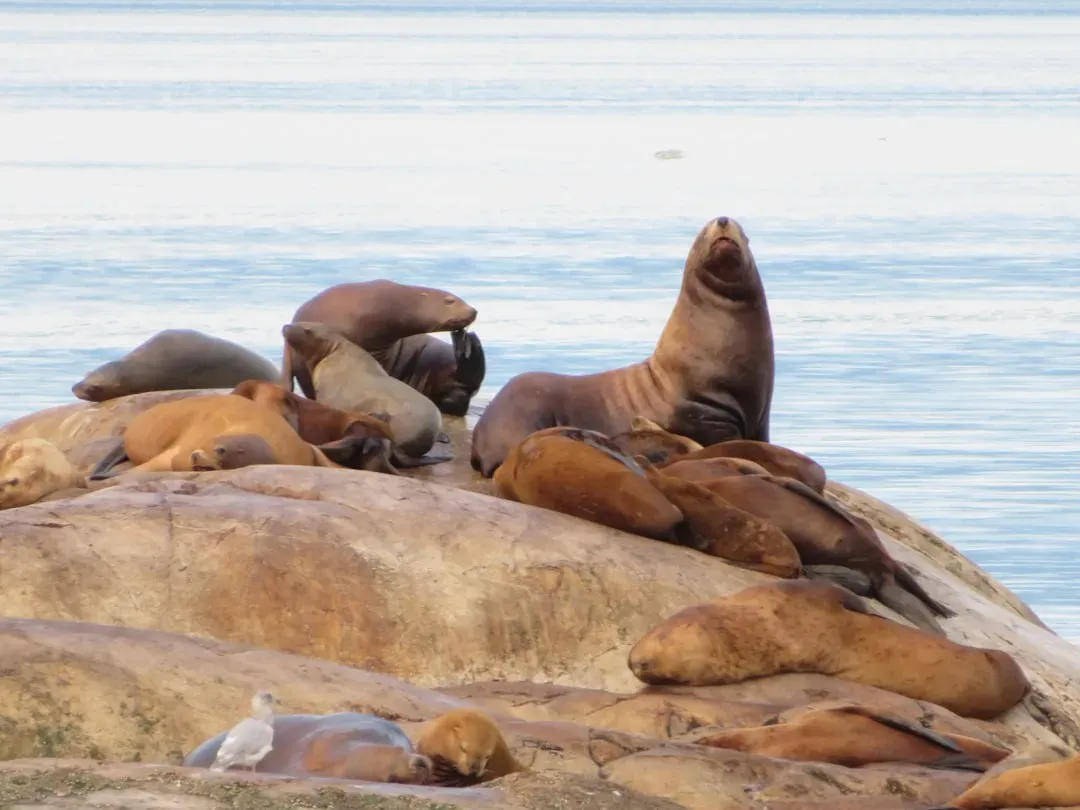
The Steller sea lion is the largest member of the family Otariidae, the eared seals, which includes all sea lions and fur seals. These massive animals are hard to miss. Males can tip the scales at well over 2,000 pounds, while females are considerably smaller. Adult males have prominent, broad foreheads and muscular necks, and their haulout produces a chorus of low-pitched roars mixed with lamb-like vocalizations of young pups.
Their diet tends to be predictable by season and region, featuring everything from pollock and cod to salmon and octopus. What’s particularly fascinating is their hunting strategy. These sea lions are opportunistic feeders who track seasonal concentrations of prey, essentially moving their home base to follow the food.
In 1990, Steller sea lions were listed as threatened range-wide under the Endangered Species Act due to dramatic population decline in the western portion of their range. The eastern population has since recovered enough to be delisted, though the western stock remains endangered. Scientists still debate the exact causes of the decline, though overfishing and changing ocean conditions are prime suspects.
Bearded Seals: The Whiskered Bottom Feeders
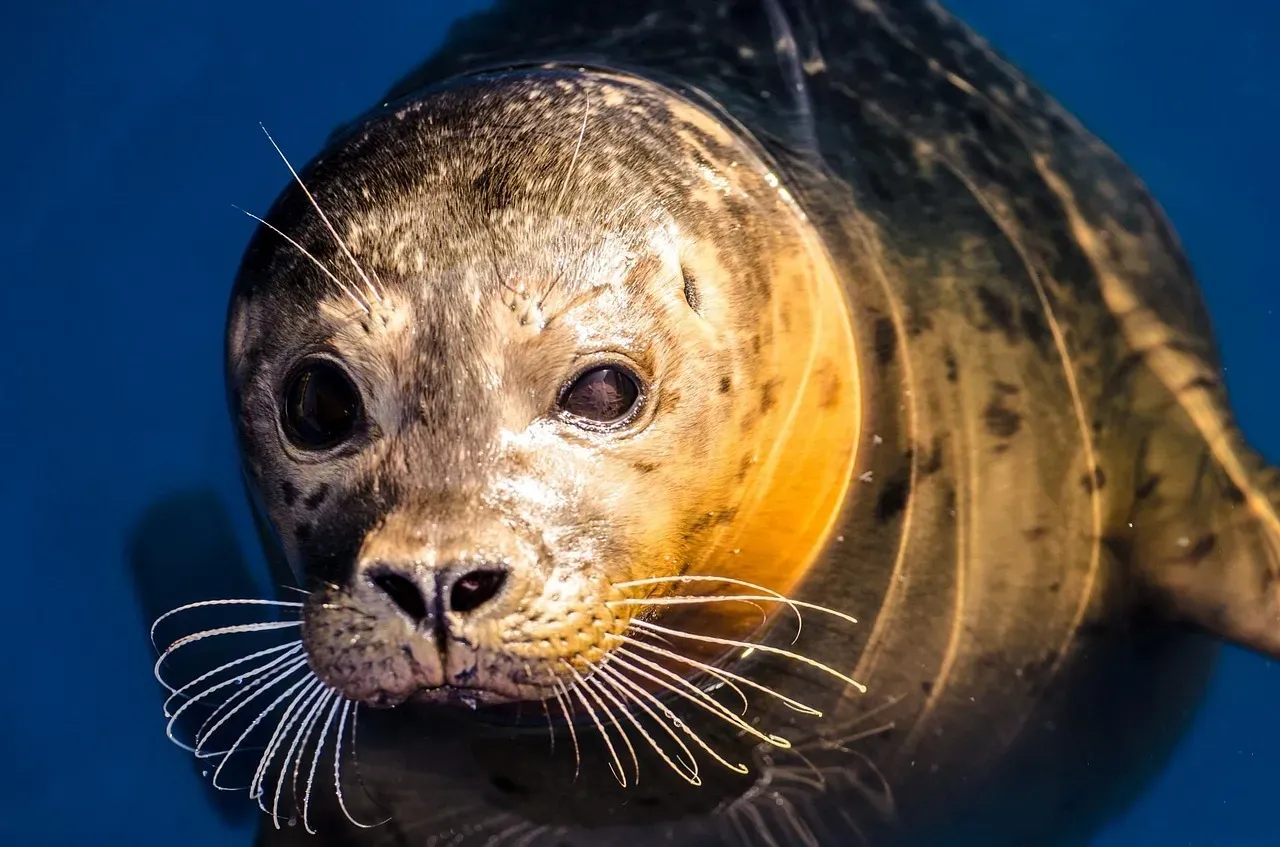
The name says it all. The Bearded Seal looks like a small walrus with no tusks, and its long, coarse whiskers hang below its jaw like a beard. These seals are impressively large, with adults measuring seven to eight feet long and weighing between 575 and 800 pounds.
Bearded seals primarily feed benthically near the sea floor, usually in water less than 650 feet deep, eating a variety of benthic invertebrates like crab, shrimp, clams, and snails, plus bottom fish and some pelagic fish. Those magnificent whiskers aren’t just for show. They’re incredibly sensitive sensory organs that help the seals detect prey buried in sediment on the ocean floor.
Because of their dependence on sea ice, there is concern that climate change may negatively affect bearded seals, as changes in sea ice thickness, coverage, formation timing, and duration may substantially alter benthic prey availability and the quality of sea ice necessary for feeding, resting, molting, and pupping. Like so many Arctic species, their future is tied directly to the fate of sea ice.
Ribbon Seals: The Boldly Striped Beauties
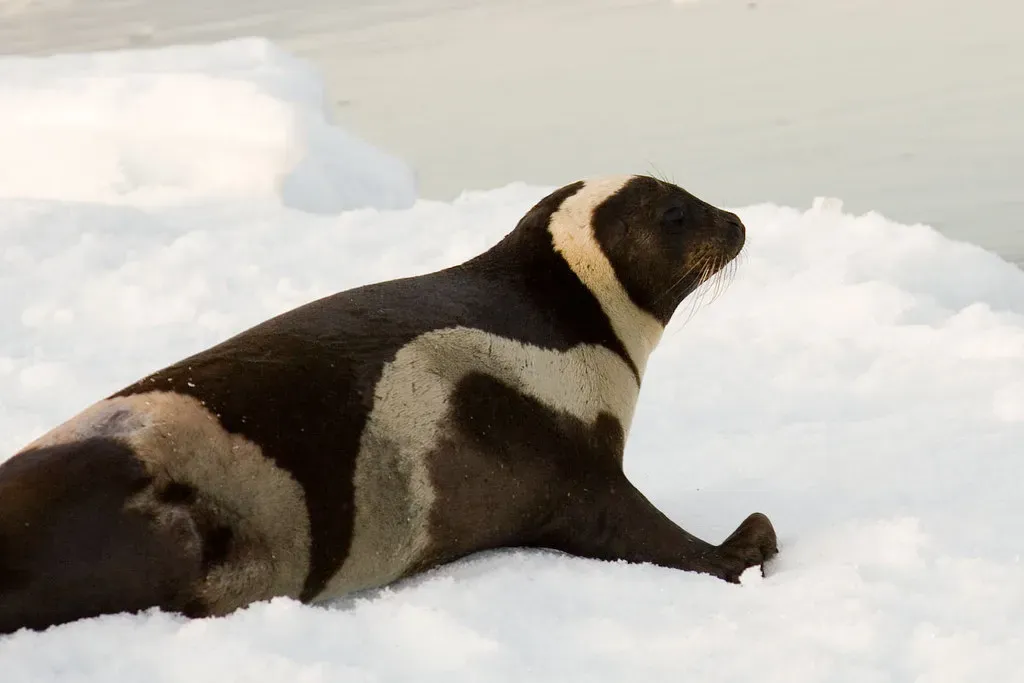
Ribbon seals are among the most striking and easily recognizable seals you’ll ever encounter. The ribbon seal gets its name from the distinctive adult coat pattern of light-colored bands or ribbons on a dark background. Honestly, they look like someone took a paintbrush and carefully decorated them with thick white stripes around their neck, flippers, and tail.
Ribbon seals are the rarest and most elusive of the ice seals, and in waters adjacent to Alaska they occur mainly in the Bering Sea. Ribbon seals have a unique air sac structure not found in other seals, with the trachea connected to an air sac outside the ribs on the right side, present in both sexes though more developed in males, and its function is unknown but may be involved in sound production or buoyancy.
Perhaps even more remarkable, ribbon seals have proportionally heavier internal organs and the highest red blood cell count, blood volume, and hemoglobin content of all seals, adaptations that allow them to dive deep in search of fish, squid, and crustaceans. These seals remain somewhat mysterious, as their solitary nature and preference for open ocean makes them difficult to study.
Ringed Seals: The Smallest Ice Seal
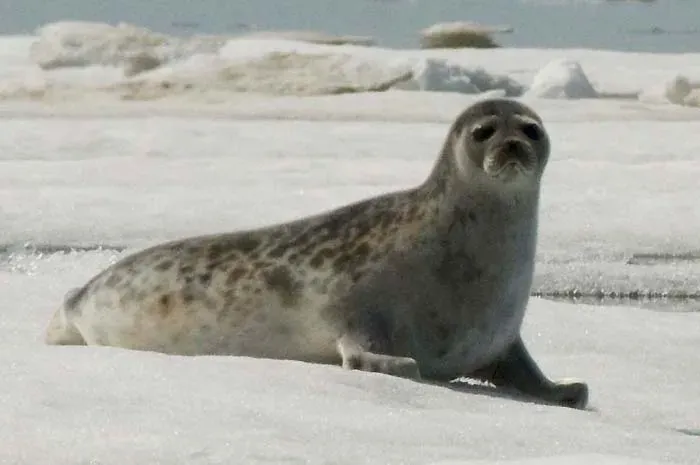
Ringed seals are the smallest and the most abundant of the Alaska seals. Don’t let their size fool you, though. These seals live under solid sea ice by keeping breathing holes open with their claws, scratching through ice that can be up to six feet thick. That takes some serious determination and strength.
Ringed seals have plump bodies decorated with prominent gray-white rings scattered across a light or dark gray coat, giving them their common name. In Alaska, males average 4 feet in length while females average 3.6 feet, with the average adult weight being 110 pounds, though pregnant females may exceed 220 pounds.
These little seals are absolutely vital to the Arctic ecosystem. They serve as primary prey for polar bears and provide important sustenance for Alaska Native communities. Ringed seals were listed as threatened under the Endangered Species Act due to concerns about declining sea ice. Because of their dependence on sea ice, climate change may negatively affect ringed seals as changes in sea ice thickness, coverage, formation timing, and duration may substantially alter the quality and amount of sea ice and snow necessary for resting, molting, and pupping.
Conclusion
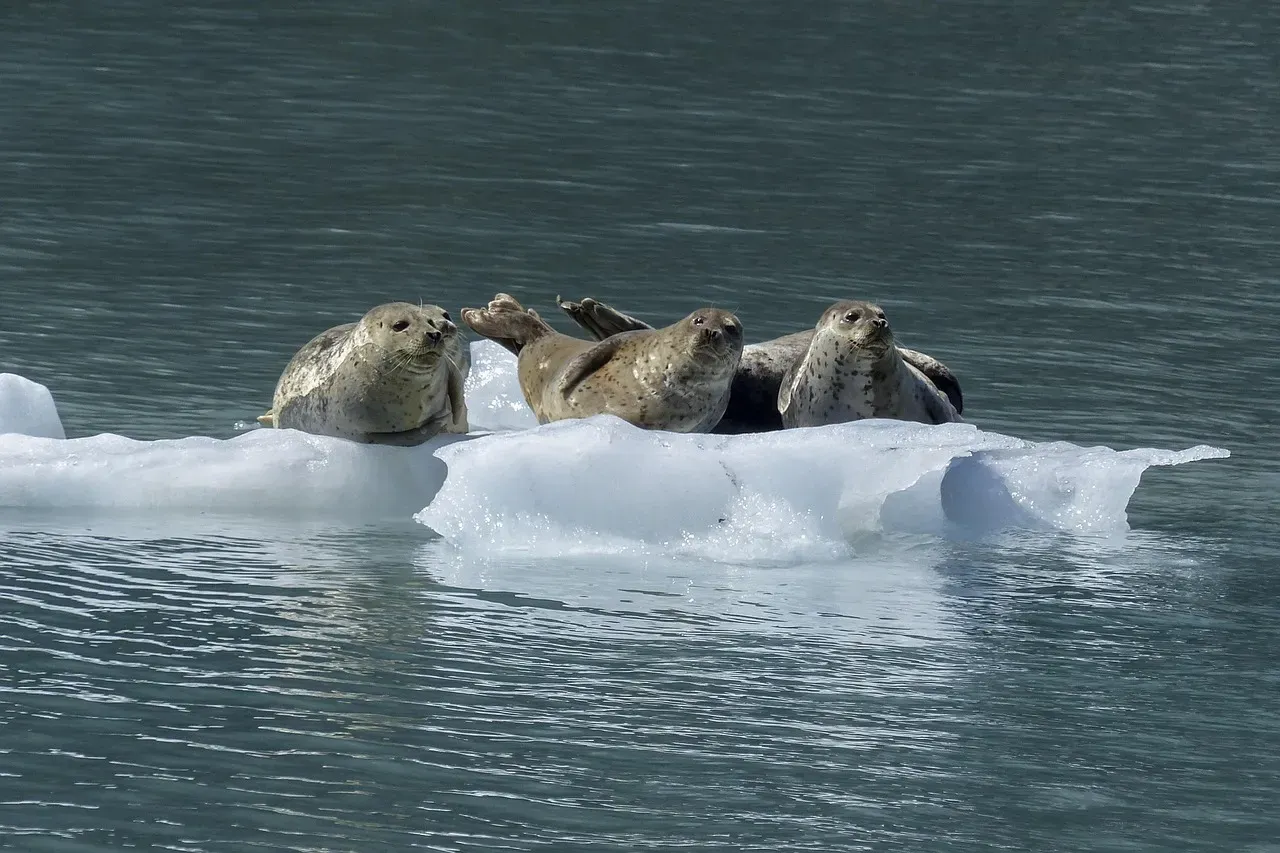
Alaska’s cold waters might seem inhospitable, yet they support an incredible diversity of marine mammals perfectly adapted to life in the extreme north. From the tool-using sea otters with their impossibly dense fur to the striking ribbon seals with their bold markings, each species has carved out its own niche in this harsh environment. These animals face an uncertain future as climate change alters their icy habitat, making conservation efforts more critical than ever.
The next time you hear about Alaska, remember it’s not just about glaciers and mountains. Beneath those frigid waves swims a collection of some of the most remarkable mammals on Earth, each with unique adaptations that allow them to not just survive, but flourish in conditions that would challenge almost any other creature. What’s your take on these incredible animals? Which one surprised you the most?

- 6 Exotic Bird Species You Can Spot in U.S. National Parks - July 19, 2026
- 11 Iconic American Birds Facing New Challenges and How You Can Help - July 19, 2026
- 10 Friendliest Animals in the World - July 19, 2026