
Worried about unexpected vet bills?
Pet insurance can cover thousands in unexpected vet costs. Get a free quote from Lemonade in under 2 minutes.
Get My Free Quote →Sponsored · Opens Lemonade.com
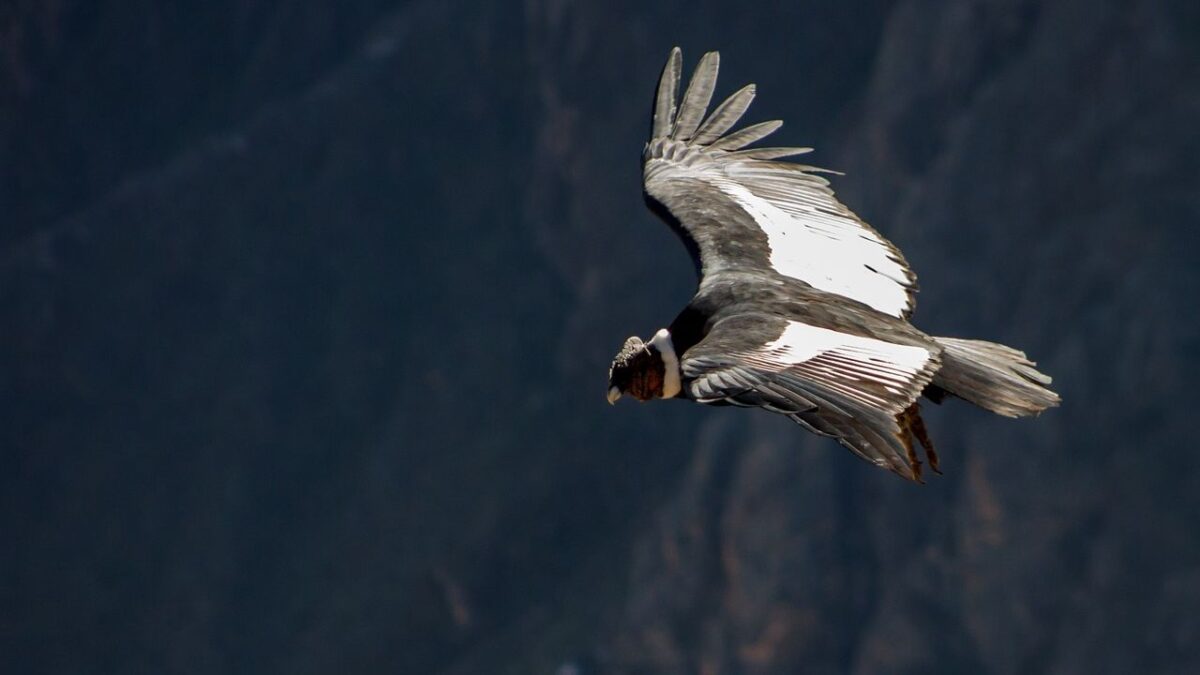
Imagine a world where a bird with nearly ten feet of wingspan vanishes entirely from the skies. No soaring shadows over canyon walls. No massive silhouettes against the horizon. For five years, this was reality for North America’s largest land bird. The California condor simply ceased to exist in the wild.
Yet, here we are in 2026, witnessing one of conservation’s most remarkable resurrections. This isn’t just a feel-good comeback tale. It’s a testament to scientific determination, breeding ingenuity, and the uncomfortable truth that sometimes saving a species means taking drastic measures that make everyone uneasy.
From Extinction’s Doorstep to Captive Hope
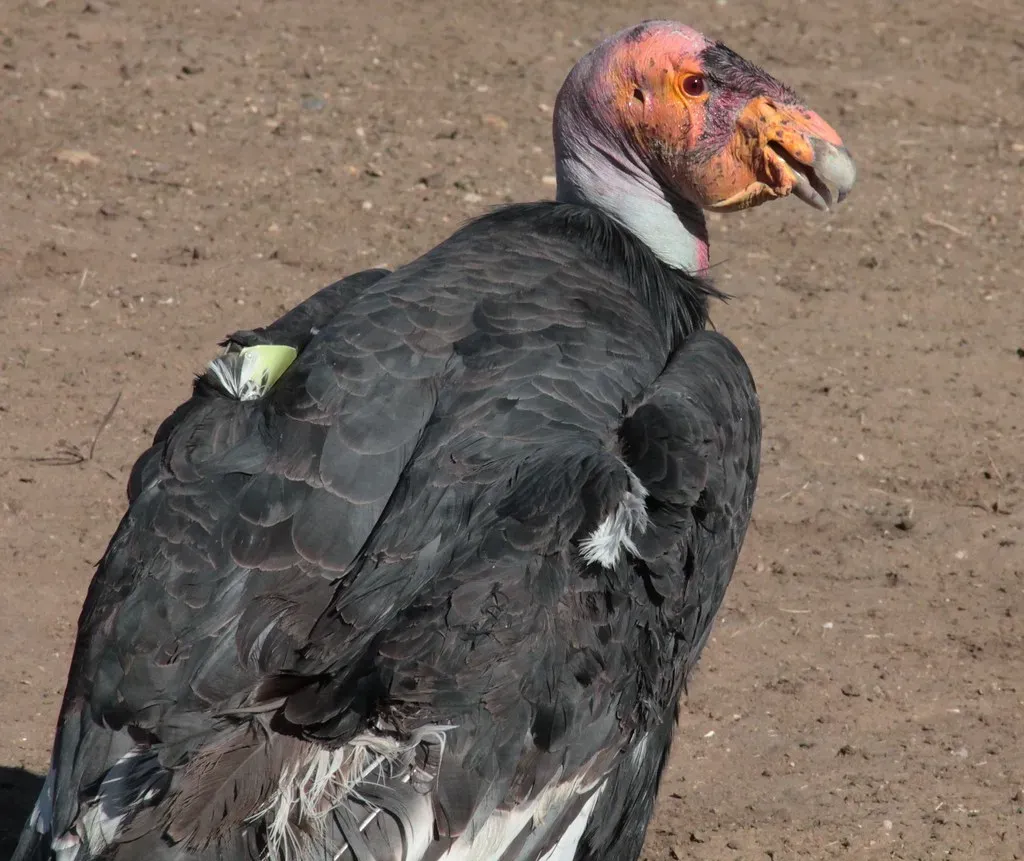
The situation reached its breaking point on April 19, 1987, when the last wild California condor was captured. By the 1980s, only 22 condors survived world-wide, and the bold, controversial decision to bring every single bird into captivity divided conservationists and the public alike.
Think about that for a moment. Twenty-two birds. That’s fewer than the number of people in most office meetings. The entire future of a species that once ranged from Canada to Mexico now rested in the hands of zoo staff and wildlife biologists who had to get everything right.
The U.S. Fish and Wildlife Service began a captive breeding program in 1983, teaming with the Los Angeles Zoo and the San Diego Wild Animal Park. Additional breeding facilities were added later at The Peregrine Fund’s World Center for Birds of Prey in Boise, Idaho and at the Oregon Zoo in Portland, Oregon.
Breeding Against Nature’s Slow Clock
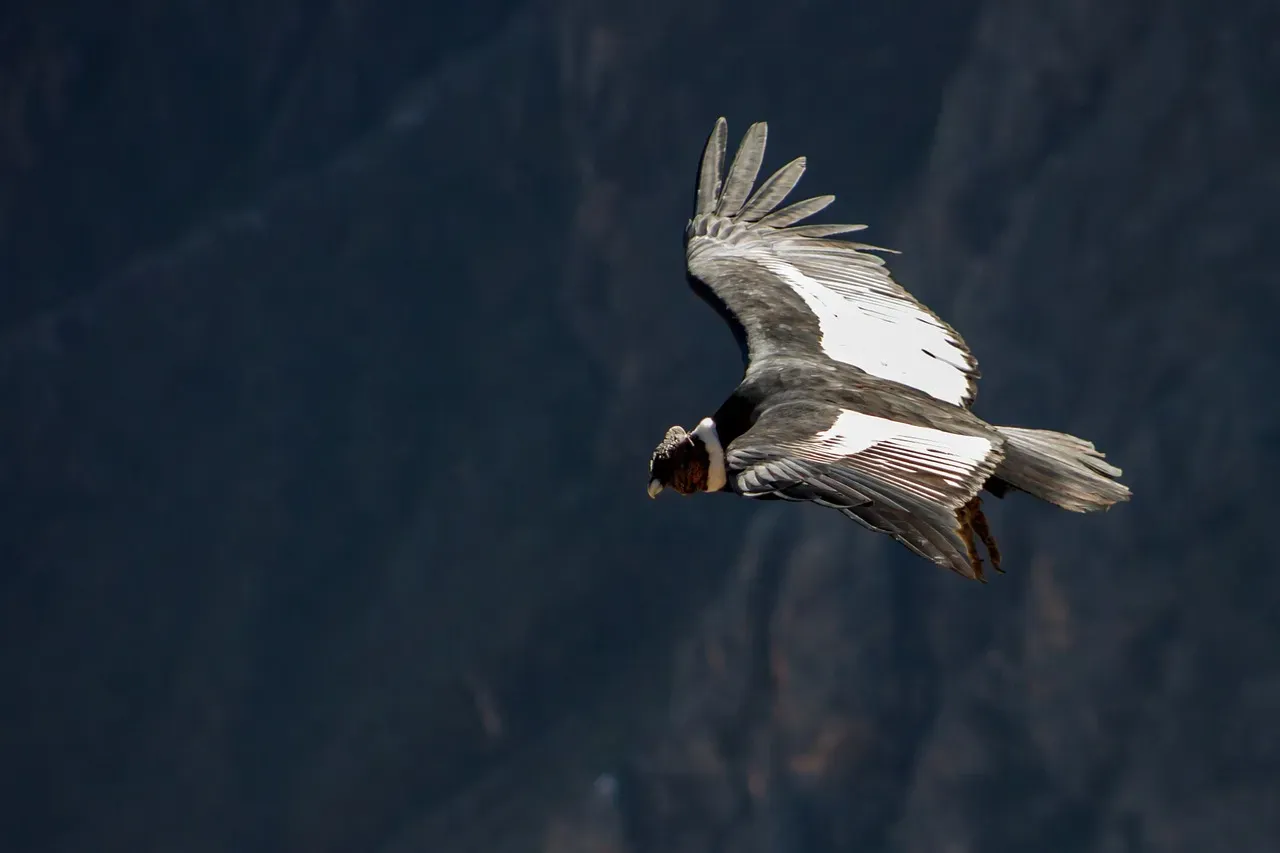
The biological challenge facing conservationists was immense. Condors aren’t capable of reproducing until they are about six years old and once a pair mate, only a single egg will normally be produced every year or two. Nature had essentially programmed these birds to reproduce at a pace that couldn’t possibly save them in time.
Scientists got creative. Captive breeding techniques were developed in which eggs are removed as they are laid, usually causing the captive condors to lay a second and sometimes a third egg. This method, called double-clutching, essentially tricks the birds into boosting their reproductive output.
The extra eggs are incubated and the chicks are raised by caretakers using a hand puppet shaped like a condor head. Honestly, imagine being the person whose job involves manipulating a bird puppet to feed a chick. The puppet prevents the young condors from imprinting on people, a phenomenon in which a bird will identify more with humans than its own species. These innovations transformed what seemed impossible into achievable reality.
The Journey Back to Wild Skies
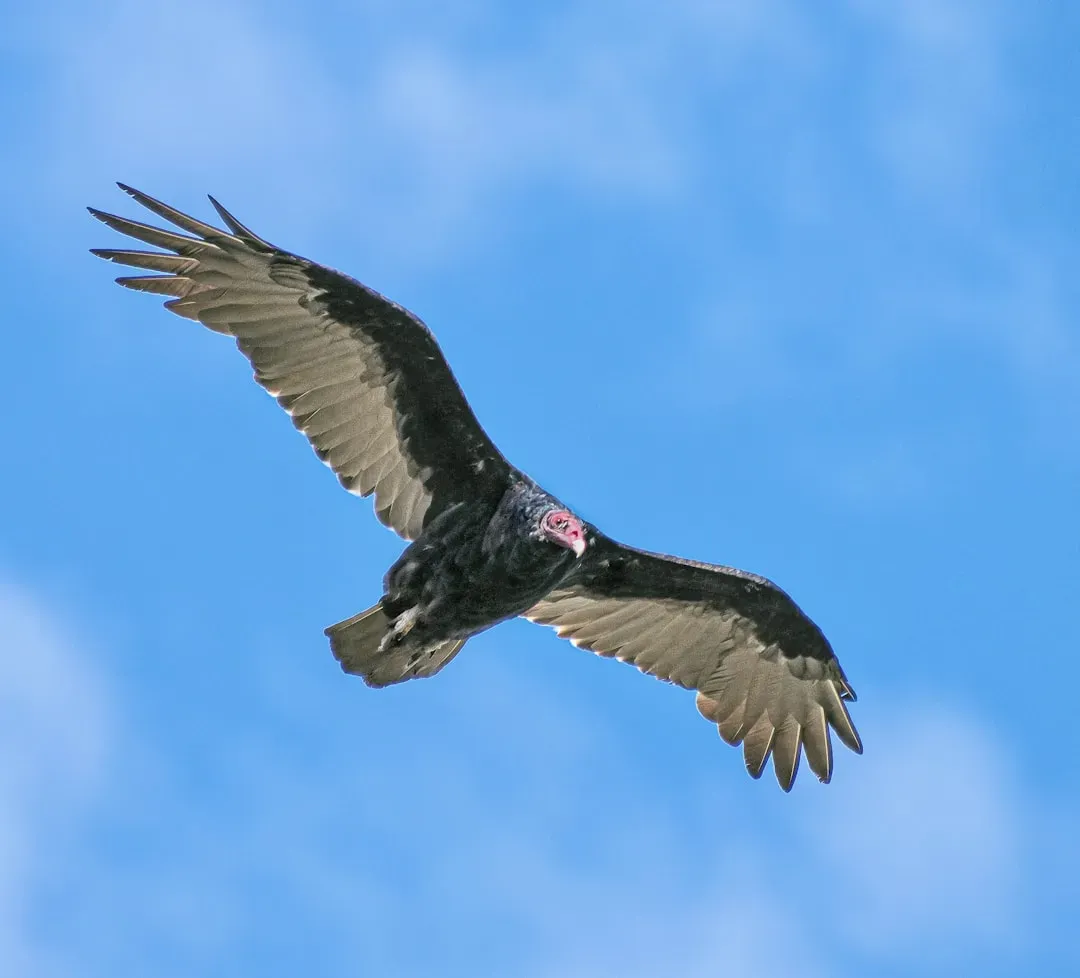
Captive bred condors were being released back into the wild in California beginning in January 1992. That first release must have felt like holding your breath underwater. Would these captive-raised birds survive? Could they remember how to be wild?
In December of 1996, six young captive-bred condors were released into the wild in Arizona by The Peregrine Fund from a site in the Vermilion Cliffs, 30 miles north of Grand Canyon National Park. For the first time since 1924, condors were flying free in Arizona skies.
The birds weren’t just surviving. They were rediscovering ancient migratory paths and expanding into territories they hadn’t occupied in over a century. The Ventana Wildlife Society has tracked 30 different condors that took multiple trips to parts of Alameda and Contra Costa counties sometime in the past two years, marking the first documented movements into these areas in over 100 years.
As of early 2025 the Yurok Tribe has released 18 condors, bringing these magnificent birds back to Northern California’s redwood forests where they hold deep spiritual significance.
Population Milestones That Defied the Odds
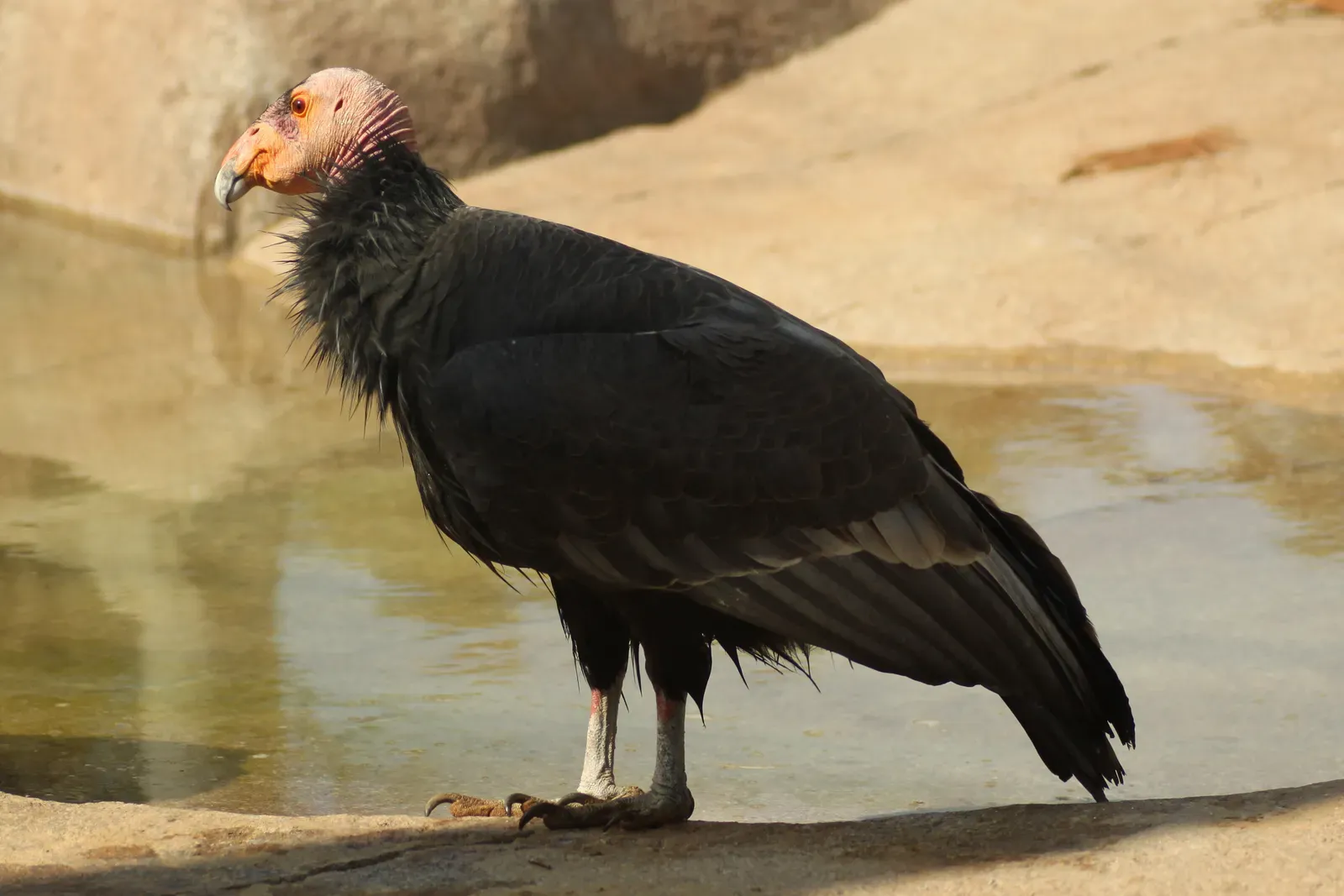
Numbers tell the story of this recovery better than words ever could. The total world population of endangered California Condors numbers more than 560 individuals, with more than 360 flying free in Arizona, Utah, California, Oregon, and Mexico.
Let’s be real, that’s still a critically endangered species. Yet compare it to those twenty-two birds in captivity, and the transformation is staggering. In 2004, the Recovery Program reached an important milestone with the first successful chick hatched in the wild, and in 2008, another major milestone was reached when more condors were flying free in the wild than in captivity for the first time since the program began.
In 2025, 13 juveniles were set for release in October from the mountains high above San Simeon and from Pinnacles National Park, and five pre-fledge condor chicks were soon to leave their nests, potentially bringing the total number in the Central California flock to 123. That would represent the highest count in decades for this region.
Persistent Threats That Refuse to Fade
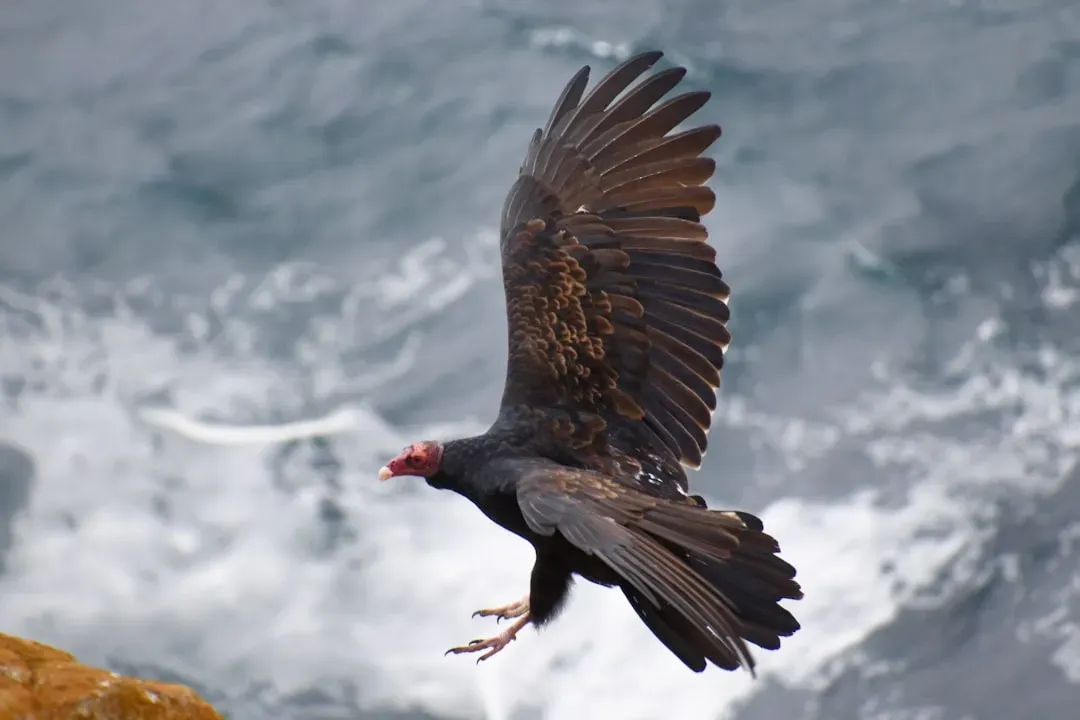
Here’s where the story gets harder. Lead poisoning remains the condor’s deadliest enemy. From 1992 through 2023 there have been 126 documented deaths from lead poisoning in the free flying population, responsible for 49.8% percent of the 253 condor deaths where a cause of death has been determined.
The source? Ammunition. Condors are scavengers; they eat carrion, and when the deer or squirrel or rabbit they feasted upon was shot with lead bullets, that condor risks being poisoned and possible death. It’s a preventable tragedy, which somehow makes it more frustrating.
The voluntary response from Arizona hunters has been between 80 to 90 percent of hunters taking steps to reduce lead available to condors over the past several years. That level of cooperation from the hunting community deserves recognition. Still, until compliance reaches one hundred percent, condors remain at risk from something entirely within our control.
Other threats persist too. In 2024, two young condors released from Pinnacles were killed by a bobcat; these two birds hadn’t been out that long and were really inexperienced. Nature, it seems, doesn’t make exceptions for endangered species.
Conclusion: An Ongoing Success That Demands Vigilance
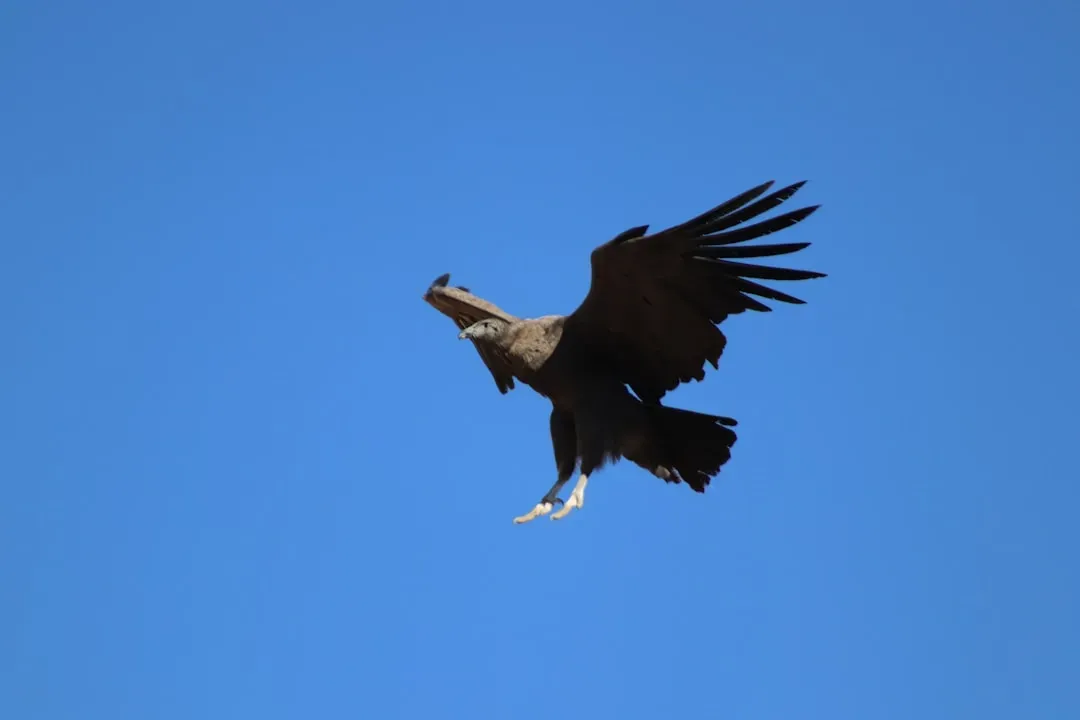
The California condor’s return to wild skies represents one of conservation’s most ambitious achievements. What seemed impossible in 1987 has become reality through decades of dedication, scientific innovation, and collaborative effort across governments, tribes, zoos, and conservation organizations.
The long-term strategic goal of the condor recovery program in Central California is to reach 150 individuals by 2029. That target feels both ambitious and achievable, a testament to how far we’ve come from those twenty-two captive birds.
Yet this success story remains unfinished. Lead poisoning continues claiming lives. Genetic diversity concerns linger. Climate change threatens habitat. The condor’s survival still depends on intensive human management, constant monitoring, and ongoing captive breeding programs.
Perhaps that’s the real lesson here. Saving a species isn’t a one-time heroic act with a definitive ending. It’s a commitment that stretches across generations, requiring resources, patience, and the willingness to keep fighting even when progress feels frustratingly slow. The condor soars again, but only because people refused to let it disappear.
What do you think defines true conservation success? Share your thoughts below.
Worried about unexpected vet bills?
Pet insurance can cover thousands in unexpected vet costs. Get a free quote from Lemonade in under 2 minutes.
Get My Free Quote →Sponsored · Opens Lemonade.com

- The Ocean’s Deepest Creatures Hold Surprising Secrets to Longevity - June 10, 2026
- 6 Scents That Make Mosquitoes Target You First - June 10, 2026
- The Forgotten Deserts of America Where Wildlife Still Thrives - June 10, 2026