
Worried about unexpected vet bills?
Pet insurance can cover thousands in unexpected vet costs. Get a free quote from Lemonade in under 2 minutes.
Get My Free Quote →Sponsored · Opens Lemonade.com
Have you ever wondered what happens when a species teeters on the brink of extinction? The story doesn’t always end in loss. Sometimes, against incredible odds, these animals find sanctuary in the most unexpected places.
America’s national parks have become lifelines for creatures once written off as doomed. These protected landscapes offer more than scenic vistas and hiking trails. They’ve transformed into recovery wards where dedicated scientists, park rangers, and conservationists work tirelessly to pull species back from the edge. The results have been nothing short of remarkable, proving that when humans commit to conservation, nature responds with resilience that can surprise even the experts. Let’s dive into some of the most inspiring comeback stories happening right now in our national parks.
The Gray Wolf’s Triumphant Return to Yellowstone
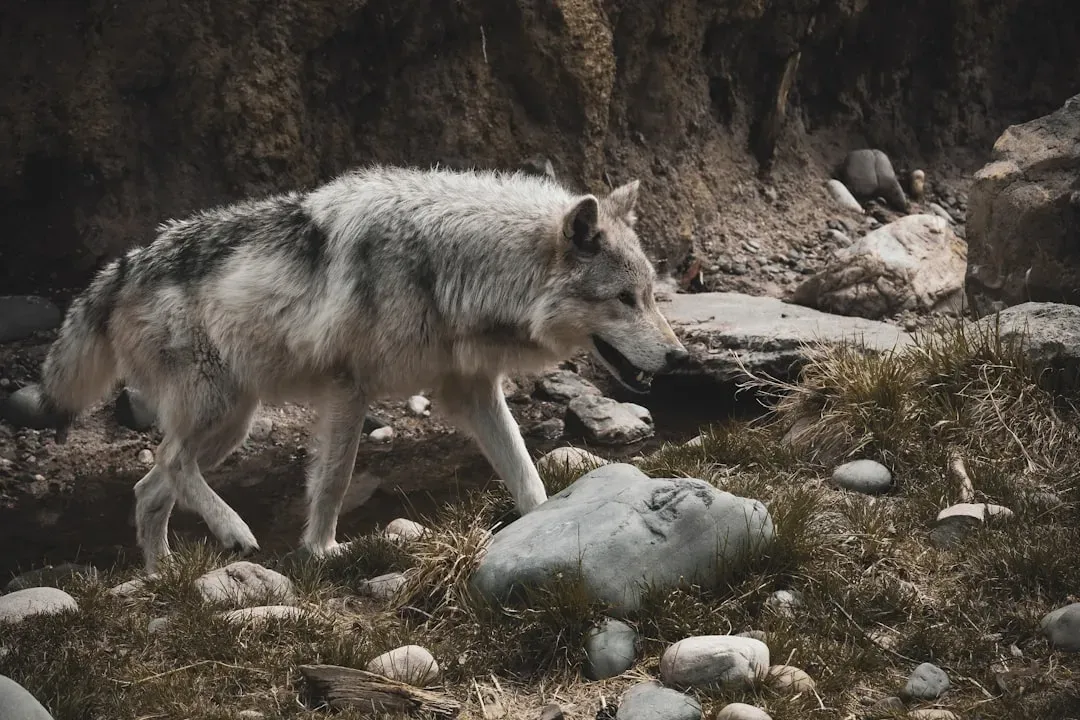
In 1995, fourteen gray wolves captured in Canada were relocated to Yellowstone’s Lamar Valley after being absent from the park for 70 years following a government extermination campaign in the 1920s. The wolf population currently hovers around a stable 90 to 110 wolves within the park. Here’s the thing, wolves didn’t just survive in Yellowstone – they completely transformed the entire ecosystem in ways nobody anticipated.
Wolf reintroduction rebalanced elk and deer populations, allowing willows and aspen to return to the landscape, stabilizing riverbanks so rivers recovered and flowed in new directions, while songbirds, beavers, eagles, foxes and badgers returned. When wolves were reintroduced in 1995, there was only one beaver colony in the park, but today the park is home to nine beaver colonies. Honestly, it’s hard to overstate how profoundly a single predator changed everything.
California Condors Soaring Above the Grand Canyon
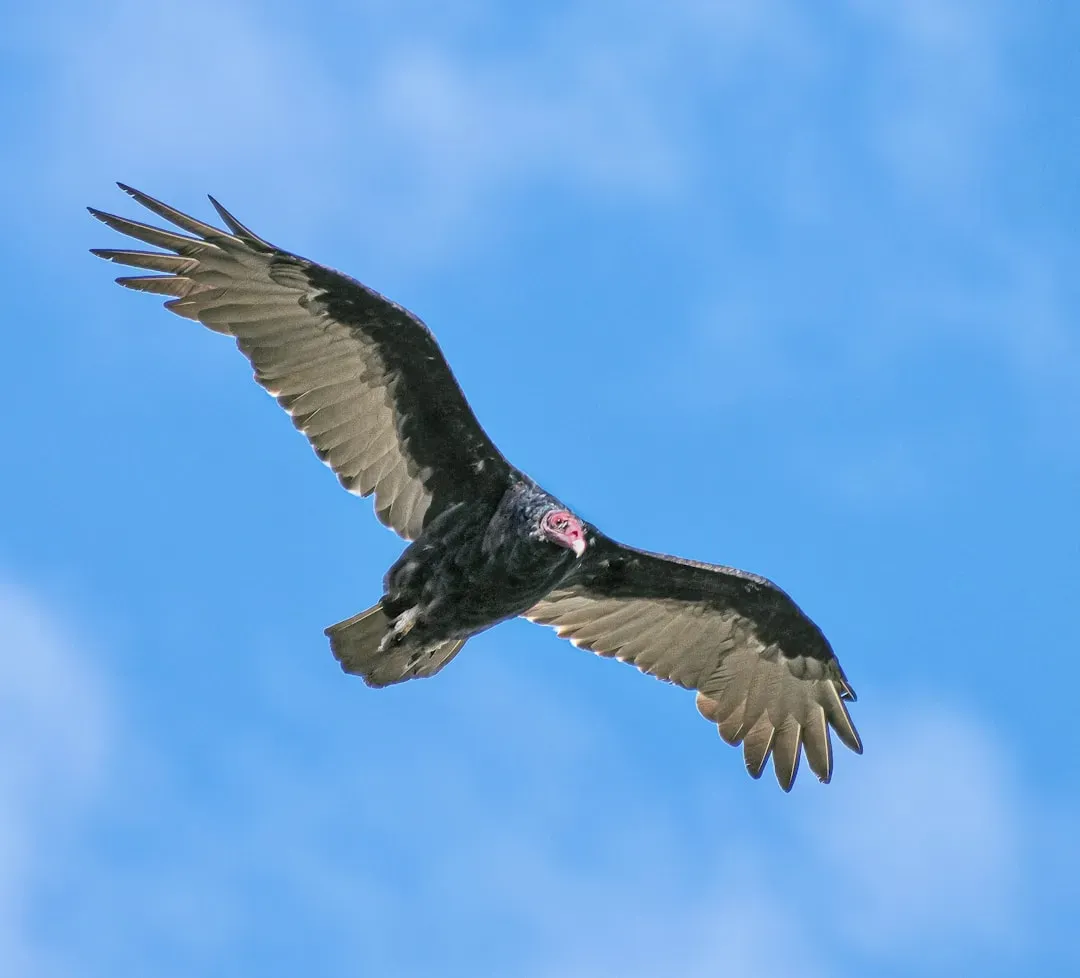
By 1987, all remaining wild condors were captured with a total population of just 27 individuals. In the 1980s, the population was down to just 22 worldwide, then captive-bred condors began reintroduction in 1992. Let’s be real, bringing back the largest land bird in North America from that kind of devastation seemed impossible.
The species has since been reintroduced to northern Arizona and southern Utah including the Grand Canyon area and Zion National Park, the coastal mountains of California, and northern Baja California in Mexico. There are now over 300 condors in the wild, with 92 in northern Arizona and southern Utah, 188 in California, and 36 in Baja California. The 1,000th chick since recovery efforts began hatched in Zion in May 2019, marking a milestone that once would’ve seemed like science fiction.
Grizzly Bears Reclaiming Their Mountain Territory
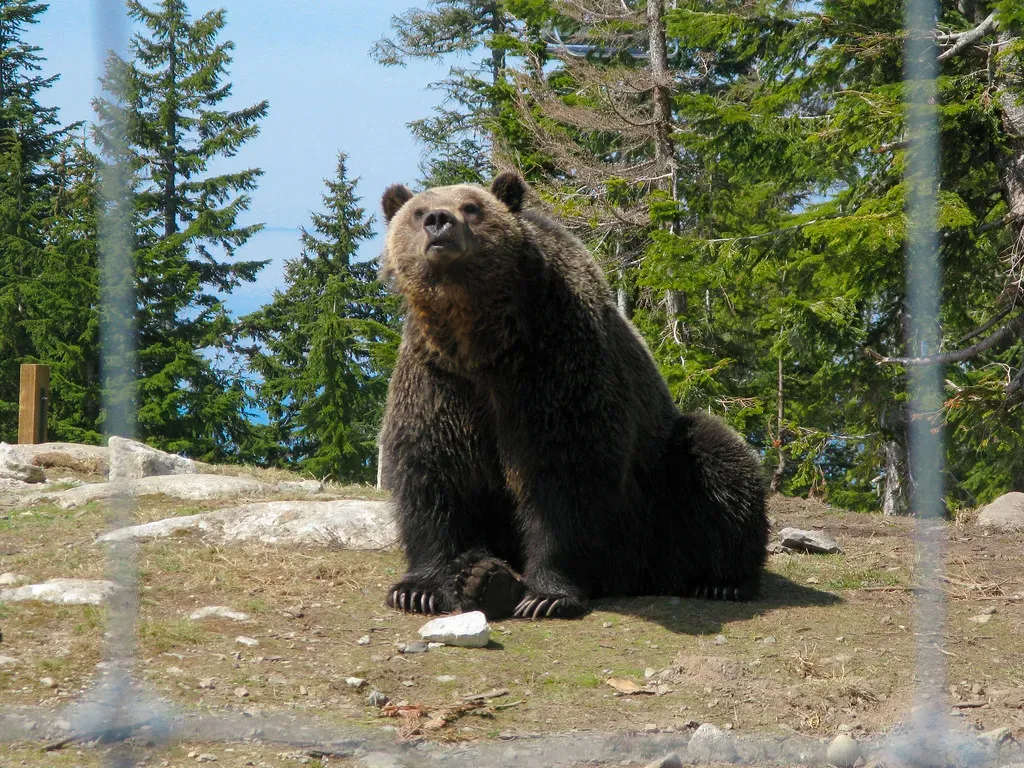
Grizzly bears were reduced to close to 2% of their former range by the 1930s, and by 1975 populations in the 48 contiguous states had been reduced to between 700 to 800. Individuals were restricted largely to the confines of national parks and wilderness areas in Washington, Idaho, Montana and Wyoming. I know it sounds crazy, but these massive apex predators almost vanished entirely from the lower forty-eight states.
Through diligent work and protections of the federal Endangered Species Act, grizzlies have come back mostly in Yellowstone and Glacier National Parks and surrounding wildlands. The 1993 U.S. Fish and Wildlife Service Recovery Plan identified six ecosystems with recovery zones at the core of each, representing areas large enough and of sufficient habitat quality to support a recovered grizzly bear population. Bear survival rates improve in correlation to factors like elevation and remoteness, suggesting secure habitat is key to bears’ ability to thrive.
Sea Turtles Finding Safe Shores in Florida’s Parks
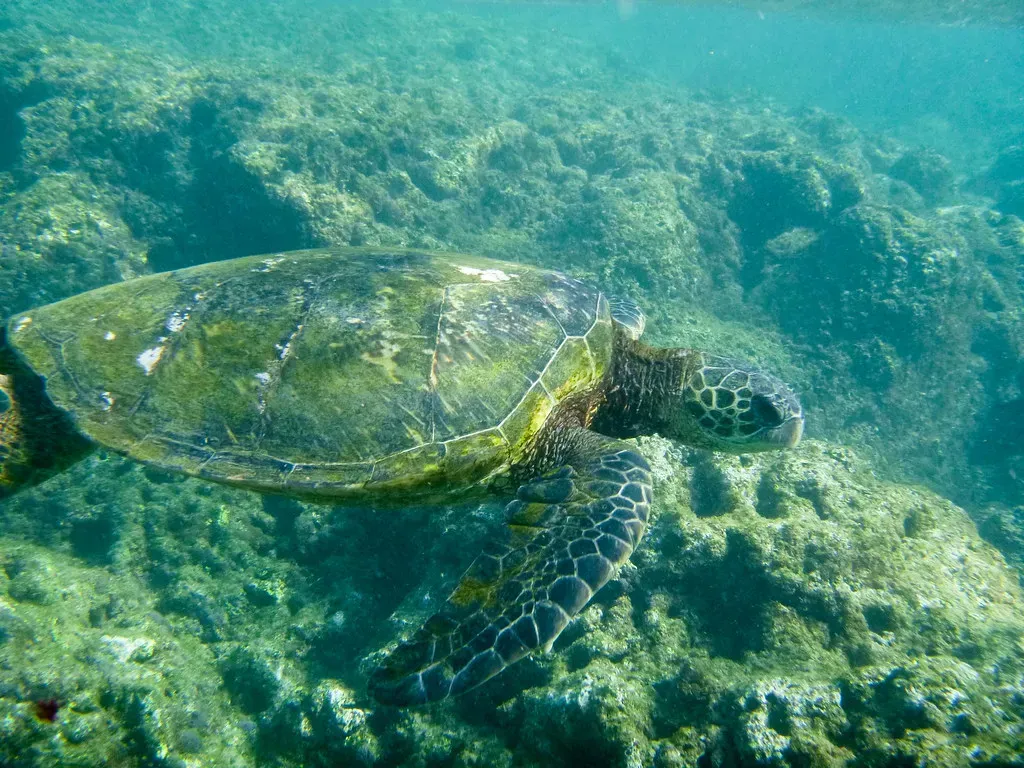
Florida is home to five species of sea turtles, and many of the 100 miles of beaches protected by Florida State Parks provide nesting habitat for sea turtles. The Florida Park Service protects 108 miles of natural beaches where sea turtle nesting regularly occurs, with trained and permitted park staff conducting morning nesting surveys on 40 nesting beaches.
At peak season in June and early July, some beaches have as many as 50 to 60 nests a day and 120 to 130 crawls. Florida has made huge strides in defending sea turtles, with Florida State Parks rangers and volunteers working every day to make beaches safe for the turtles. Many factors work against endangered turtles including loss of nesting habitat, and hatchlings which use moonlight to navigate from nest to shore can be misled by artificial lights. The dedication to protecting these ancient mariners has created refuge zones where new generations can emerge.
Black-Footed Ferrets Making a Comeback in the Badlands
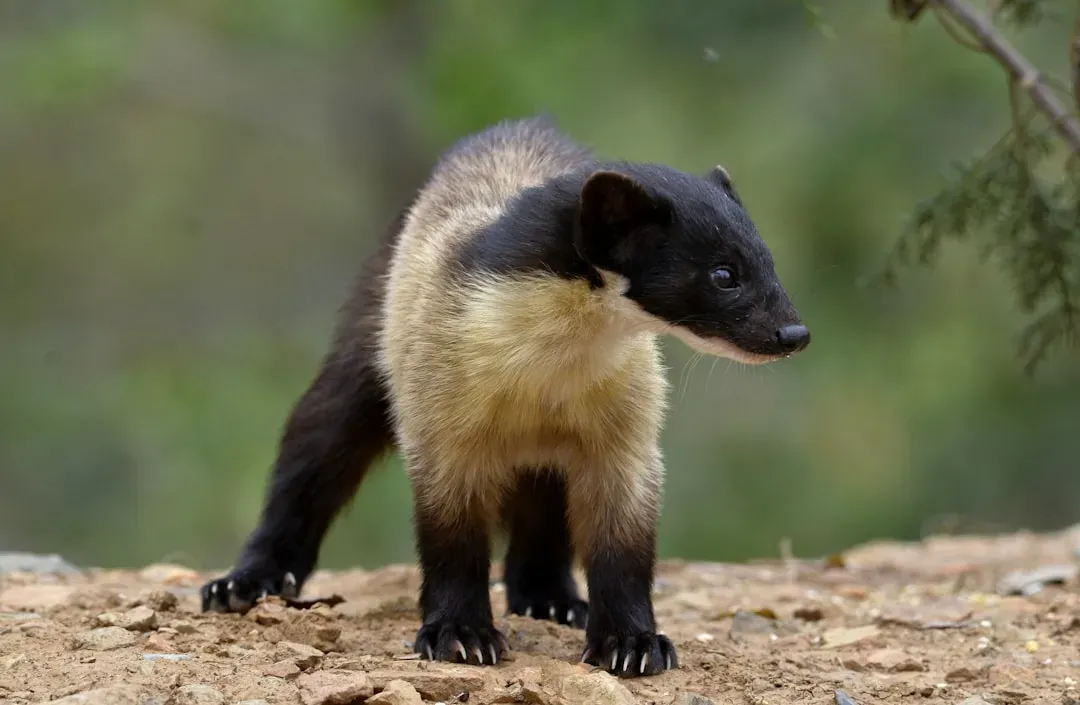
Under protection of the ESA, the California condor, grizzly bear, Okaloosa darter, whooping crane, and black-footed ferret have all been brought back from the brink of extinction. Recovery efforts are underway at Badlands National Park and Wind Cave National Park in South Dakota, revolving around black-footed ferrets which colonize abandoned prairie dog burrows and depend on prairie dogs for 90 percent of their food, and when prairie dog populations declined due to disease, so did the ferrets.
These masked carnivores once faced extinction when prairie ecosystems were converted to agriculture and prairie dog populations plummeted. The ferrets are incredibly specialized, relying almost entirely on prairie dogs for both food and shelter. Recovery programs in national parks have focused on restoring prairie dog colonies first, then carefully reintroducing ferrets. It’s a delicate balancing act that requires managing entire ecosystems, not just individual species.
Island Foxes Thriving in Channel Islands National Park
Listed as endangered in 2004, the island fox rebounded after scientists implemented a recovery strategy that included captive breeding and reintroduction, relocating 64 golden eagles to northern California, and removing feral goats, pigs, and sheep that had gobbled up native plants critical to the island fox’s survival. By 2016, the island fox recovered and was removed from the endangered species list as the fastest mammal recovery ever.
The island fox story demonstrates how interconnected ecosystems really are. Golden eagles had switched from hunting seabirds to preying on the tiny foxes after bald eagles disappeared. Removing invasive herbivores allowed vegetation to recover, which supported the fox population. Sometimes conservation requires thinking several steps ahead and addressing problems that aren’t immediately obvious.
Conclusion: Hope for the Future
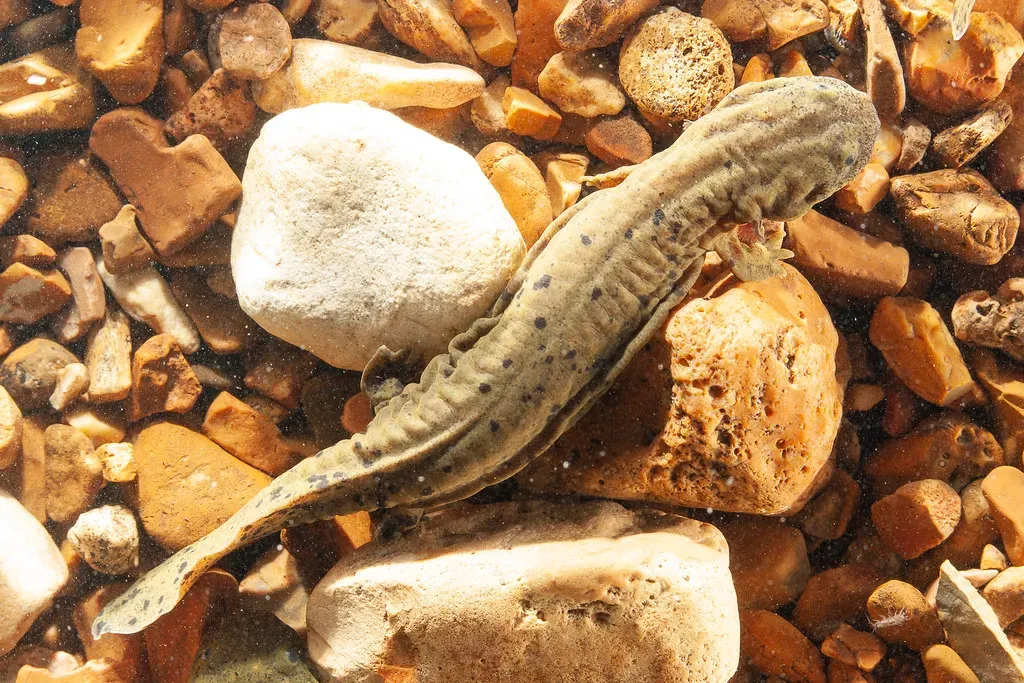
According to the National Parks Conservation Association, Park Service scientists are trying to conserve approximately 600 endangered and threatened species across the National Park System in more than 200 park sites. The ESA has proven extremely effective and credited with saving 99% of listed species from extinction, with over 100 species of plants and animals delisted or declassified due to improved conservation status.
These recovery stories remind us that extinction isn’t inevitable when we choose to act. National parks provide the space, protection, and management that struggling species desperately need. From wolves reshaping entire ecosystems to condors soaring above ancient canyons once again, these successes prove conservation works. The journey isn’t finished – many species still face threats from climate change, habitat fragmentation, and human-wildlife conflict – yet these triumphs offer genuine hope.
What do you think is the most important factor in species recovery? Share your thoughts in the comments below.
Worried about unexpected vet bills?
Pet insurance can cover thousands in unexpected vet costs. Get a free quote from Lemonade in under 2 minutes.
Get My Free Quote →Sponsored · Opens Lemonade.com
