
Have you ever stopped mid-morning with your coffee in hand, listening to a symphony you didn’t even realize was playing? Birds are all around us, performing their elaborate vocal routines from sunrise to sunset. Some are melodious, some are chatty, and a few sound downright mechanical. Yet most of us couldn’t identify who’s who if our lives depended on it.
Let’s be real, we walk past these feathered musicians every single day without a second thought. They’re background noise while we’re rushing to work or scrolling through our phones. Here’s the thing though: once you start paying attention to bird songs, something shifts. You begin to decode a hidden language that’s been happening right outside your window all along. So let’s dive in and meet six everyday birds whose songs tell fascinating stories.
The American Robin’s Cheerful Morning Anthem
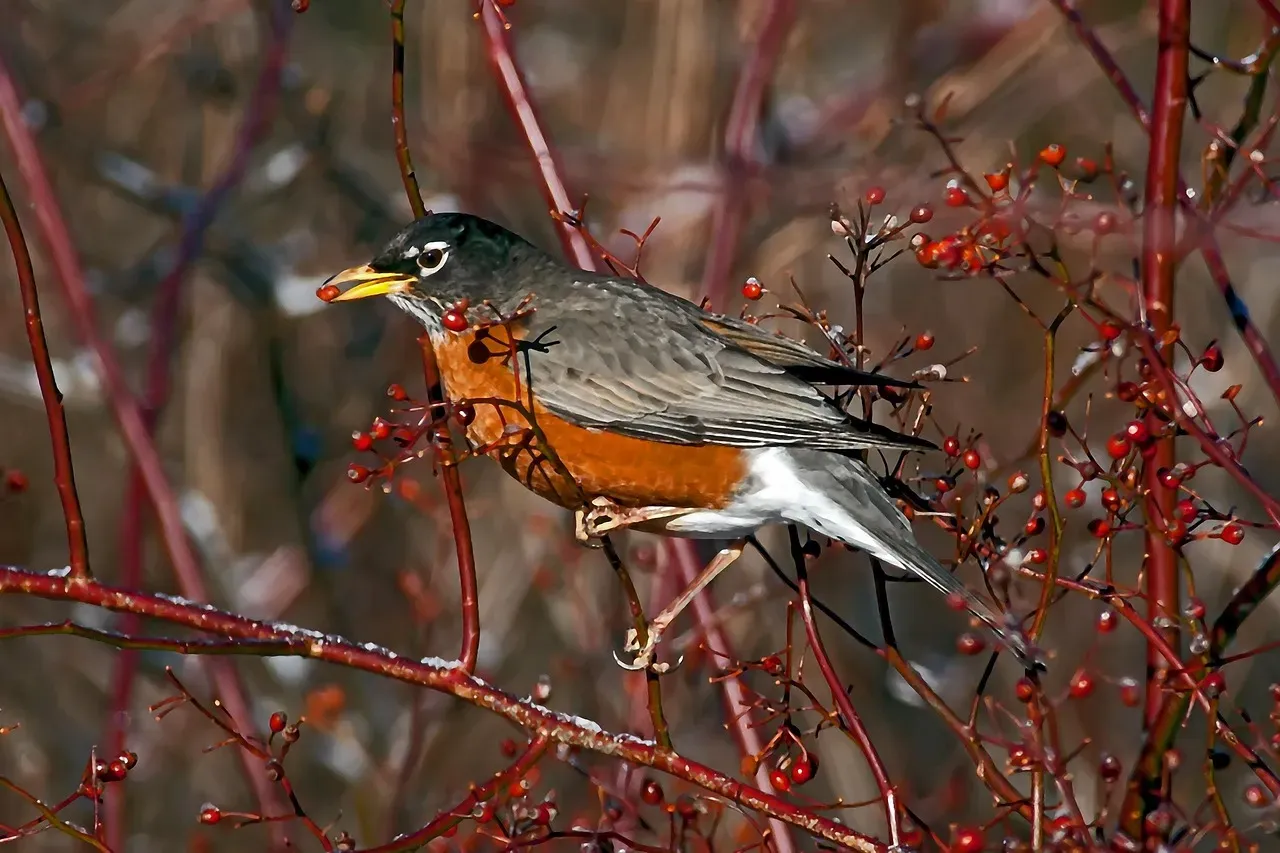
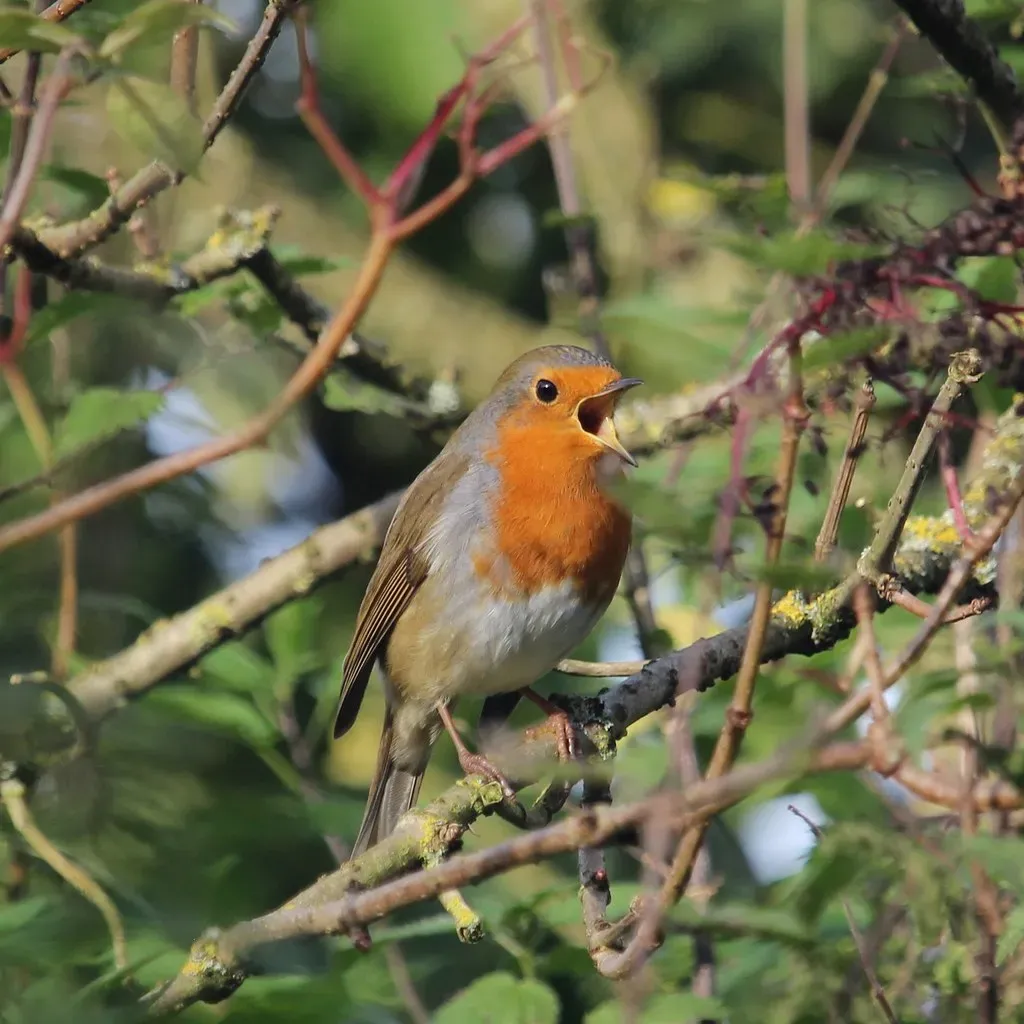
The American Robin delivers what many consider a classic song, with an evenly spaced carol resembling “cheerily, cheer-up, cheerily,” often repeating in a series of two or three short phrases that rise and fall. It’s hard to miss these birds in spring. They’re basically the alarm clocks of the avian world, belting out their tunes from prominent perches across backyards and parks.
Robins sing with an even, steady rhythm, though they pick up the pace considerably in the early morning hours. That frantic sunrise version? It’s males defending their territories with more diligence, advertising their presence to potential rivals while demonstrating good health and vigor to potential mates.
What I find remarkable is their consistency. American Robin phrases are made up of elements with very fast pitch changes, giving their songs a distinctively wobbly characteristic. Once you learn to recognize that wobble, you’ll never unhear it.
The Northern Cardinal’s Whistling Serenade
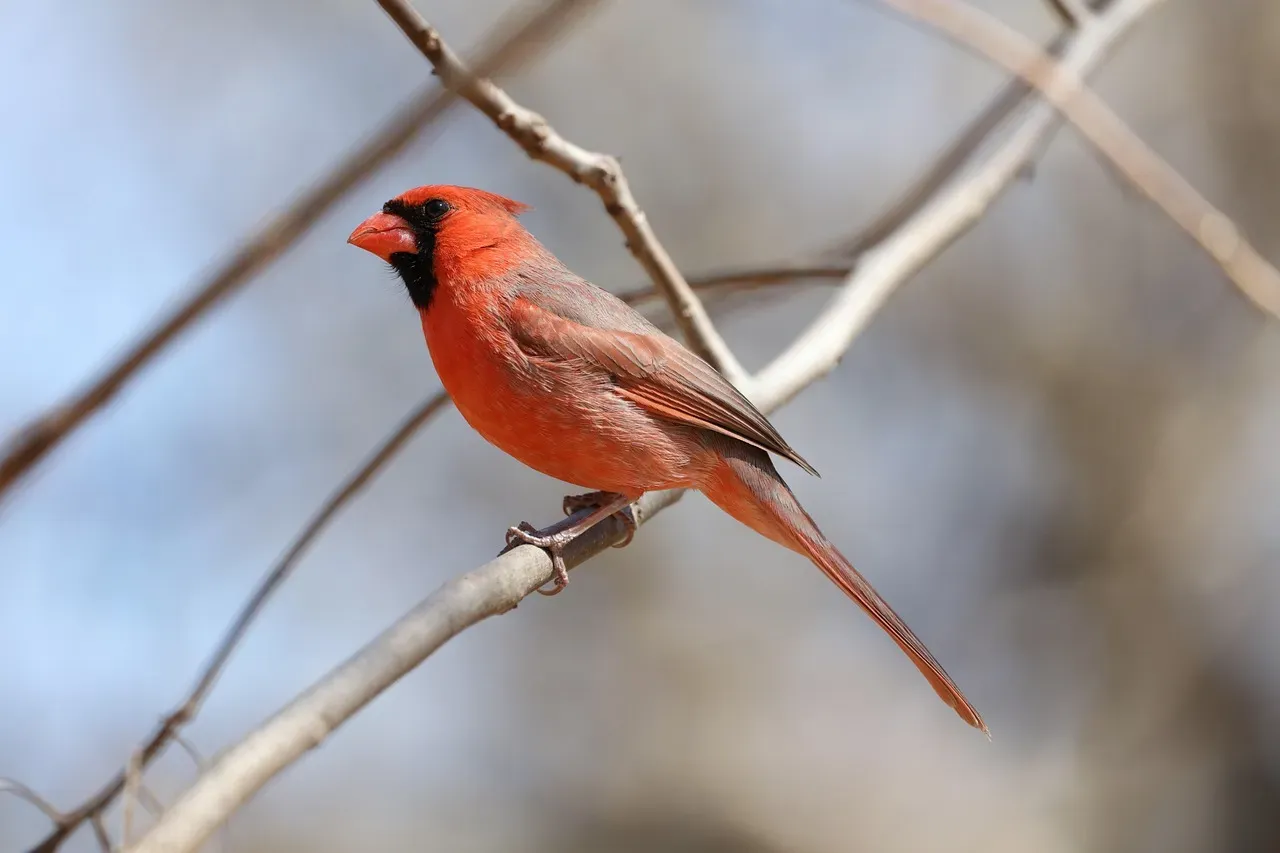
Both male and female Northern Cardinals sing loud, whistling songs. That’s actually pretty unusual in the songbird world, where singing duties typically fall to the males. The cardinal’s tune often sounds like sharp, repeated whistles that people describe as “cheer, cheer, cheer” or sometimes “birdie, birdie, birdie.”
Both males and females sing the same song, though males sing more frequently in spring and early summer, coinciding with breeding and nesting season. Honestly, there’s something almost meditative about a cardinal’s clear, piercing notes cutting through a quiet afternoon. These birds often sing sharp, high-pitched whistles with repetition but minimal rise and fall.
They’re year-round vocalists too, which means even in the dead of winter, you might catch one singing from a snow-dusted branch. It’s their way of maintaining territories and relationships even when food is scarce and survival is the main priority.
The Black-Capped Chickadee’s Double Personality
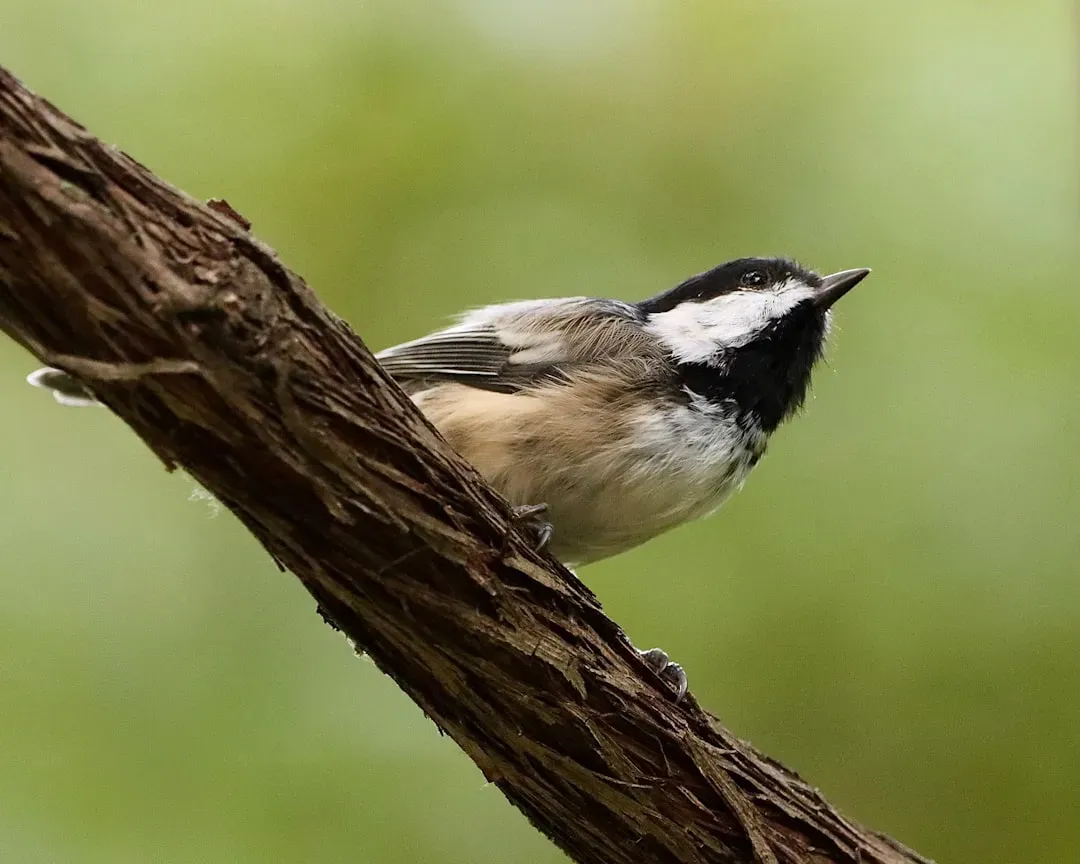
If you’ve ever wondered which bird is literally saying its own name, wonder no more. The Black-capped Chickadee produces its signature call with some variation of a rapid “chick-a-dee-dee-dee.” Interestingly, they use an increasing number of “dee” notes when they are alarmed, helping warn other nearby birds.
That’s just their call, though. The chickadee’s song is actually a clear two or three note whistle similar to the Eastern Phoebe’s song. It’s a very clear two-note song that drops in pitch and sounds like “fee-bee.”
Chickadee songs usually do double duty, announcing that the singer owns and is willing to defend a territory, with higher-ranking males singing more than lower-ranking birds, particularly in winter to solidify flock rankings and pair bonds. These tiny bundles of energy are smarter than they look, navigating complex social hierarchies with their vocalizations.
The Blue Jay’s Raucous Alarm System
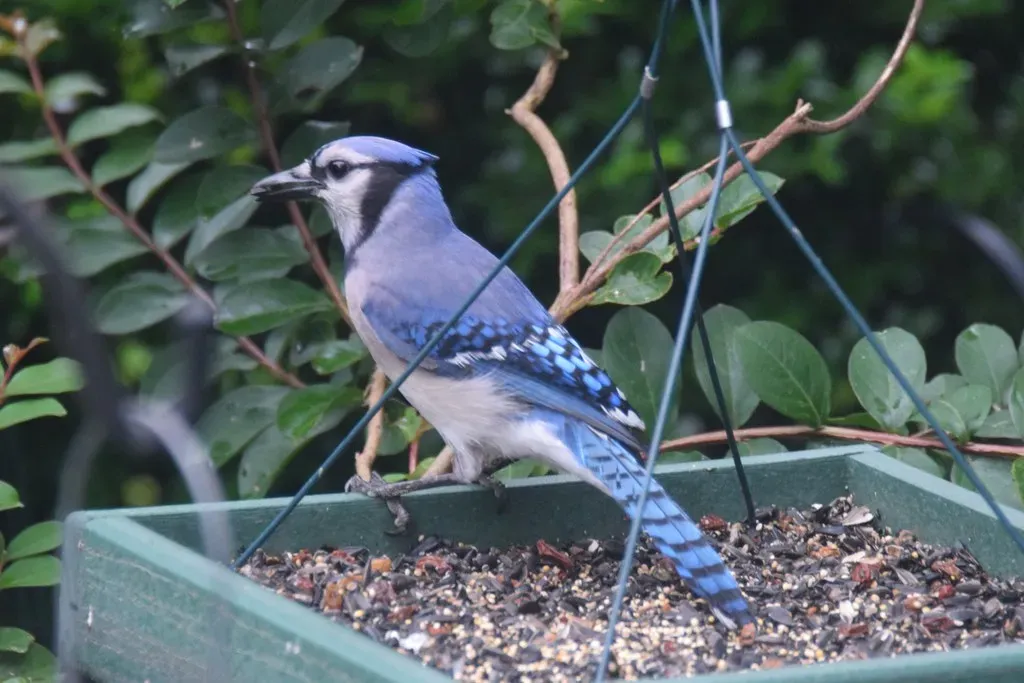
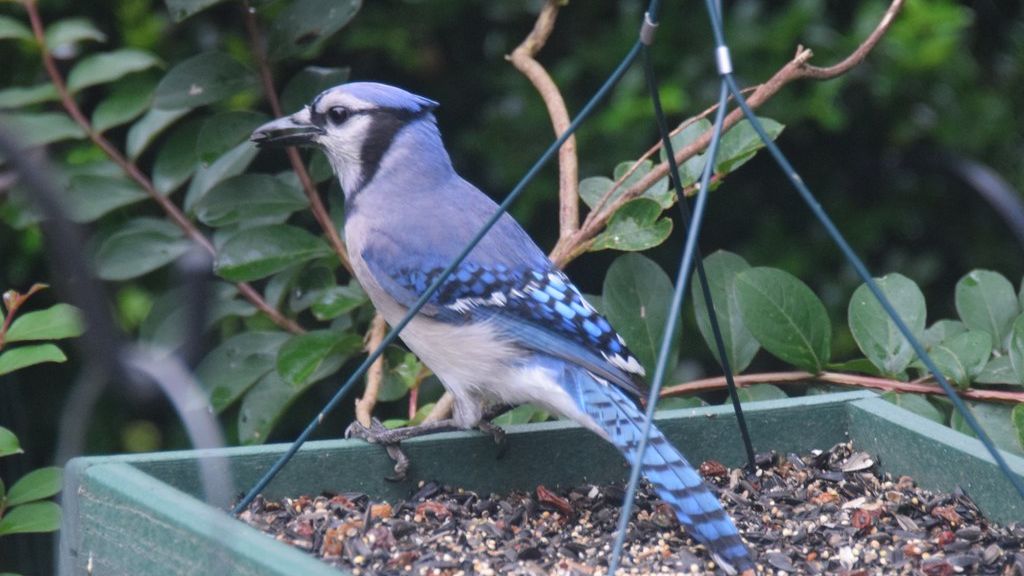
Blue jays aren’t exactly known for being subtle. Their voice is varied, but the most commonly recognized sound is the alarm call, which is loud and almost gull-like in its screaming quality. If you’ve ever had one shrieking in your yard, you know exactly what I’m talking about. They’re not shy about announcing their presence or their displeasure.
Blue jays make a number of sounds beyond their characteristic “Jay, jay” jeer, including one called the “rusty pump” because its squeaky tones sound very much like an old water pump handle in need of oil. It’s hard to say for sure, but I think that mechanical quality makes them stand out from other backyard singers.
When birds sing with complex and musical sounds, they’re usually finding and communicating with a mate or claiming and protecting territory. Blue jays certainly do that, though their aggressive tendencies mean they’re often more focused on warning others away than wooing partners. They’re the neighborhood watch birds, basically.
The Mourning Dove’s Melancholic Coo
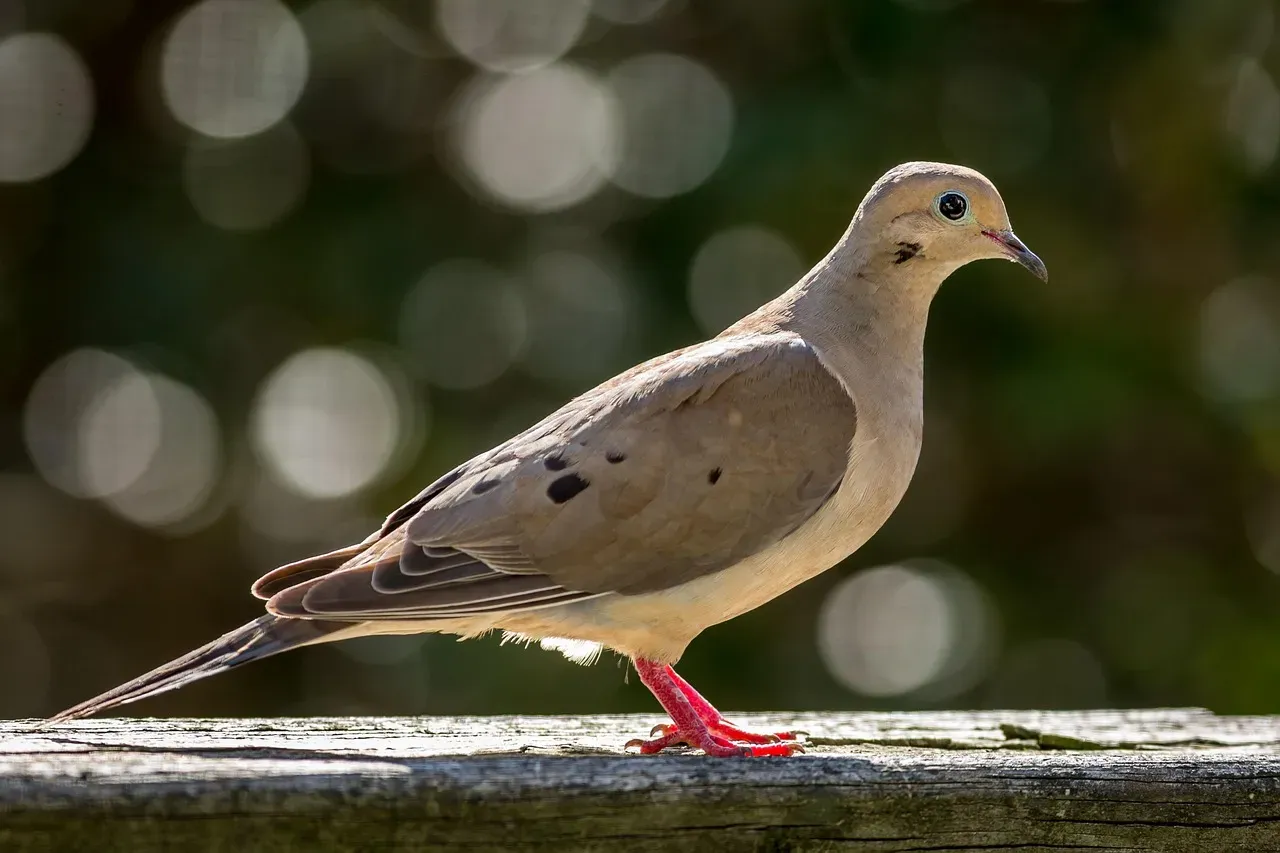
The Mourning Dove produces a rather mournful cooing that starts with an upward slurred, two-part opening note: “coo-AAH, cooo, coo, coo.” With their sorrowful call, the mourning dove sings one of the most recognizable songs. There’s something hauntingly beautiful about it, especially on a quiet summer morning.
Mourning doves are among the most widespread and common birds in the United States. Despite that familiarity, many people mistake their song for an owl at first. The low, drawn-out quality has an almost ventriloquial effect, making it difficult to pinpoint exactly where the sound is coming from.
They’re devoted parents too. Most pairs have five to six broods each year, with two eggs in each set. That’s a lot of mouths to feed, which explains why you’ll often see them foraging on the ground for seeds. Their persistent cooing likely helps maintain those long-term pair bonds through multiple breeding cycles.
The Northern Mockingbird’s Masterful Mimicry
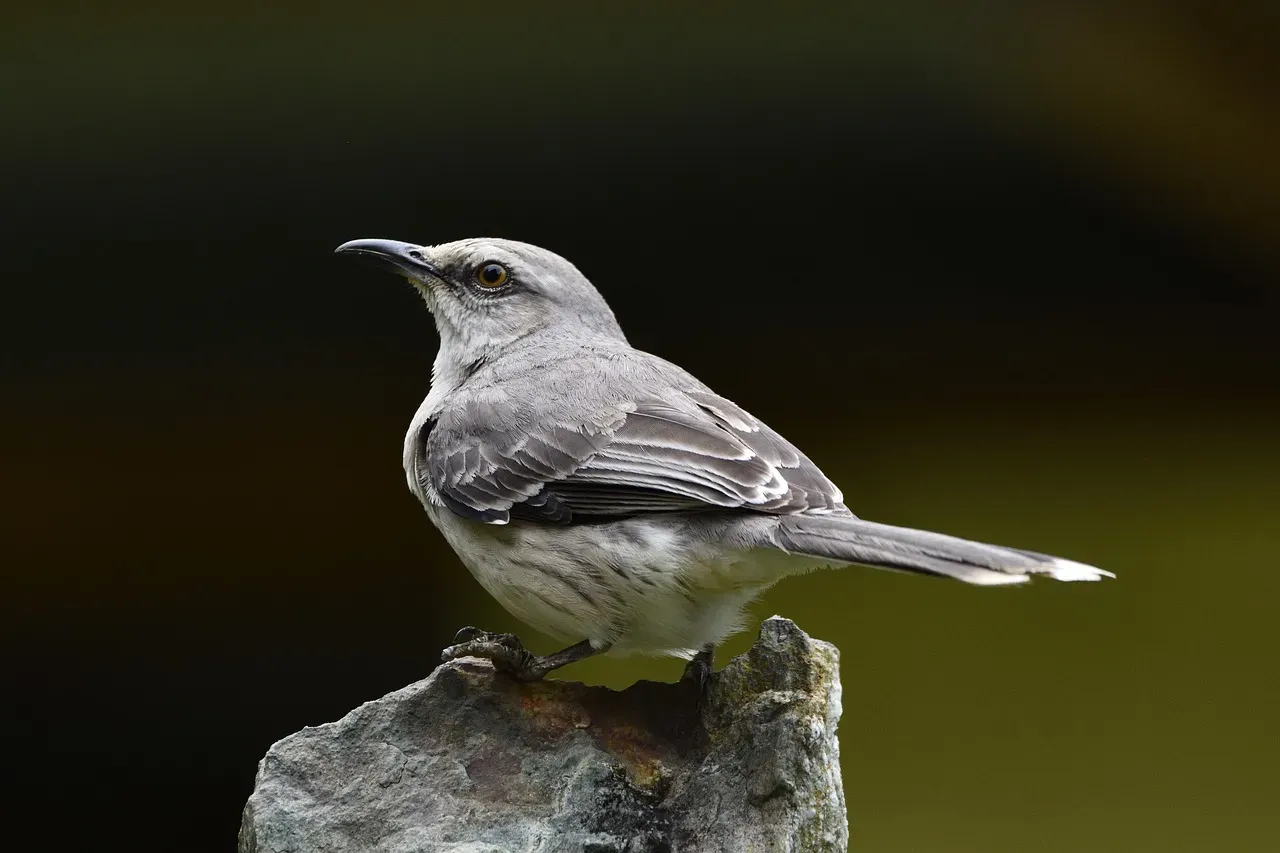
The Northern Mockingbird’s song is a long series of phrases, with each phrase usually repeated three times or more, and songs can last twenty seconds or longer, with phrases that may be imitations of other birds, other natural sounds, or manmade sounds like car alarms. It’s genuinely wild hearing one cycle through its entire repertoire.
These birds have a large repertoire of music, sounds, and pitch and pattern changes, expertly mimicking various phrases anywhere from two to six times, even imitating frogs, cats, dogs, and the beeping sound of trucks in reverse. Both males and females sing, though unpaired males are the most vigorous singers and may even sing at night in spring.
That nighttime singing? That’s actually a telltale sign of a bachelor mockingbird trying desperately to attract a mate. If you’ve ever been woken at two in the morning by what sounds like a bird doing stand-up comedy with sound effects, congratulations, you’ve met an unpaired male mockingbird. They’re incredible performers, showing off their vocal flexibility in hopes of impressing a potential partner.
Conclusion: Tuning Into Nature’s Daily Concert
Learning bird songs transforms ordinary moments into something extraordinary. Every walk becomes an opportunity to identify unseen performers. Every morning coffee ritual gains a soundtrack you can actually decode. It’s like discovering a secret radio station that’s been broadcasting all along, just waiting for you to tune in.
Birdsongs serve two main purposes: to defend territories and woo mates, with songs often carrying long distances to display the singer’s health and vigor, warning away competitors and attracting partners. Understanding this gives you a glimpse into the drama, romance, and daily struggles happening in the branches above your head.
Start small. Pick one bird, learn its song, and go from there. Before you know it, you’ll be that person who stops mid-conversation to say, “Hold on, was that a cardinal or a robin?” What do you think about it? Have you noticed any of these singers in your own backyard? Maybe it’s time to step outside and really listen.

- 12 World’s Most Famous Ancient Landmarks Everyone Should Visit - July 17, 2026
- 12 Most Mysterious Archaeological Artifacts Discovered - July 17, 2026
- The Hidden Reason Why Some Dogs Never Seem to Age - July 17, 2026