

You’ve probably met that one dog who defies logic. Maybe it’s the twelve-year-old Border Collie still leaping like a puppy. Or the fourteen-year-old mutt with an energy level that puts younger dogs to shame. While their littermates are slowing down, these canines act like time forgot them entirely.
Here’s the thing nobody tells you upfront: aging in dogs isn’t just about birthdays. It’s far more complicated, mysterious, and fascinating than the old myth of multiplying their age by seven. Scientists have been digging deep into why some dogs maintain that youthful spark while others fade quickly, and what they’re finding challenges everything we thought we knew.
It’s Not Just About Size, Though That Matters More Than You’d Think

In general, smaller dogs age slower than larger breed dogs. This isn’t some casual observation. Small dogs had a longer median lifespan at 14.95 years, medium-size dogs lived an average of 13.86 years, and large dogs lived 13.38 years. The difference is dramatic when you compare a Chihuahua that might see twenty years to a Great Dane lucky to reach ten.
Let’s be real, though. Large breeds age faster at the cellular level, contributing to shorter lives. Something about rapid growth puts their bodies under incredible stress. Think about it: a Mastiff puppy grows from tiny to massive in months, while a Yorkshire Terrier takes a leisurely stroll to adulthood.
Some scientists believe that such a huge leap in size over a relatively short period of time contributes to a large dog’s accelerated aging. This may happen because of abnormal cell growth that contributes to higher rates of death from diseases like cancer.
The Secret Life of Telomeres Nobody Talks About
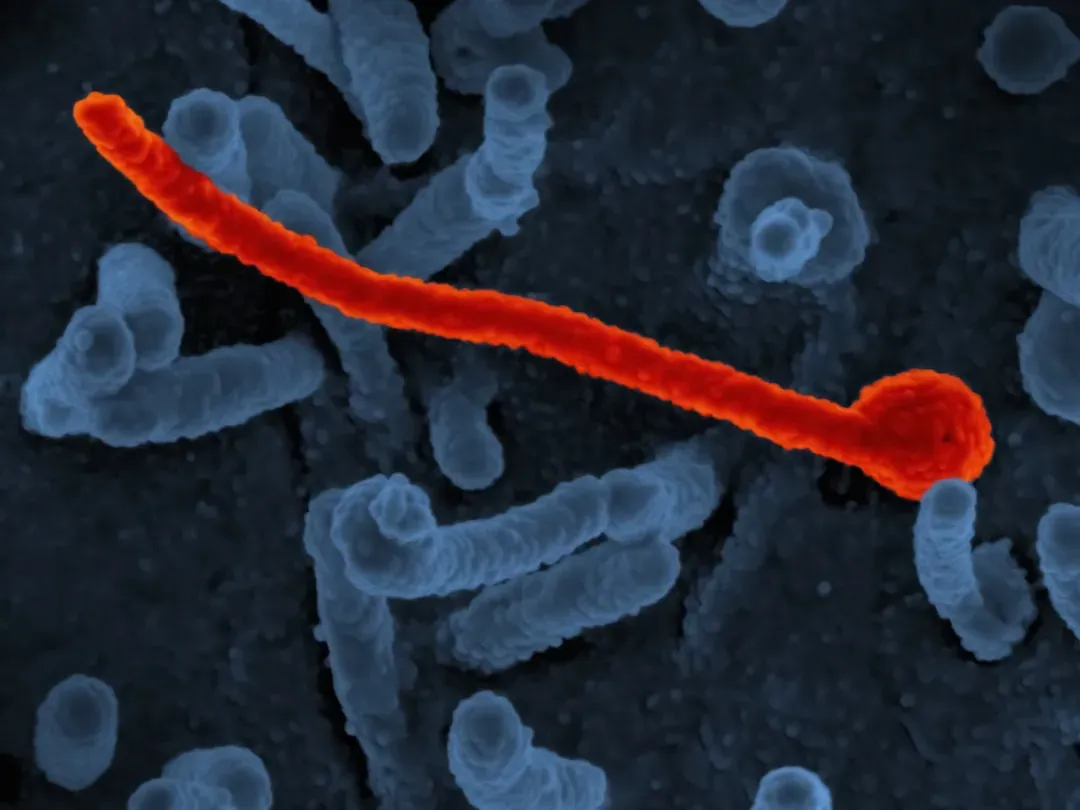
This is where things get genuinely wild. Inside every dog’s cells are tiny protective caps called telomeres, sitting at the ends of chromosomes like plastic tips on shoelaces. Telomere length is a strong predictor of average life span among 15 different breeds, consistent with telomeres playing a role in life span determination.
Every time a cell divides, these telomeres get shorter. Eventually, they become so worn down that cells stop dividing properly. Shorter telomeres are linked to stress and aging. Here’s what blew my mind: Dogs lose telomeric DNA roughly ten-fold faster than humans, which is similar to the ratio of average life spans between these species.
Dogs in stressful or less enriching conditions, such as laboratories, had the shortest telomeres. In contrast, working dogs often had longer telomeres, possibly due to structured environments and meaningful activities. So the dogs who seem ageless? They might literally have longer cellular protective caps.
Genetics Load the Gun, But Environment Pulls the Trigger

Others transition with ease from adulthood into their golden years without showing obvious signs of decline as a result of having good genes, a health-yielding diet, a reduced-stressful environment, lack of physical trauma, and few bouts of health problems. Genetics matter, sure. Some breeds are known to age slower than others due to specific genetic markers and traits. These differences are often a result of centuries of breeding for particular characteristics, which inadvertently influenced their aging process.
Mixed breeds often win the longevity lottery. Typically, mixed breeds live longer than purebred dogs. Genetics play a huge role in life expectancy for dogs, and purebred dogs are more at risk for specific hereditary diseases because they are bred by other dogs with similar genes. Mixed-breed dogs have a reduced risk of these diseases, which likely contributes to their increased lifespan.
Still, genes aren’t destiny. Lifespan is influenced by intrinsic genetic factors and extrinsic environmental conditions. I know it sounds crazy, but the dog living in a calm home with regular routines might genuinely age slower than one in constant chaos.
The Exercise Paradox That Changes Everything

Physical activity is protective, though not in the way you’d expect. Physical activity is believed to reduce risk of Alzheimer’s disease in humans, and higher levels of physical activity would be associated with lower scores on a cognitive dysfunction rating instrument and lower prevalence of dementia. Dogs who stay active don’t just look younger. Their brains actually function better as they age.
In Study dogs, key predictors for cancer development included time in the study, exercise frequency, pace, and duration, especially swimming, underscoring the role of exercise intensity in cancer risk. Intensity matters more than duration. That fifteen-minute game of fetch might do more than an hour of lazy strolling.
Here’s the twist: Trainability was the best predictor for telomere change over time and was the only predictor having a relative variable importance above 0.7. This finding suggests that higher trainability positively affects telomere dynamics in aging dogs and factors like age, sex, diet, and other cognitive parameters are less important. Dogs who engage their minds through training literally maintain younger cells.
What You Feed Them Might Be the Missing Piece

Nutrition remains absolutely crucial. Overweight and obese dogs are more likely to have shorter lives than those at ideal body weight. Weight management isn’t vanity. It’s cellular protection. Honestly, keeping dogs lean might be the single most powerful tool owners have.
Recent research turned conventional wisdom sideways. Researchers associated with the Dog Aging Project report that dogs that are fed just once daily are healthier on average than dogs fed more frequently. I find that surprising, given how much we’ve been told about multiple small meals. The science on this continues evolving.
Researchers found associations between diet and behavior: high-protein diets correlated with increased dog-dog rivalry, while low-protein diets were linked to more separation-related behaviors. What goes into the bowl affects not just lifespan but quality of life, temperament, even social behavior.
The Stress Factor Nobody Wants to Acknowledge

Poor psychological environments and stress have been shown to promote inflammation in aging dogs, contributing to morbidity and cognitive decline. In addition, lifestyle factors such as exercise and nutrition influence the immune system, which tends to weaken with age. Chronic stress accelerates aging at the cellular level. Those telomeres we talked about? Stress shortens them faster than almost anything else.
Dogs from single-dog homes had increased odds of dog-directed fear and poorer trainability. Sleeping in an owner’s bed increased the likelihood of a dog’s aggression toward strangers and reduced their trainability. Environmental factors shape aging trajectories in ways we’re only beginning to understand. The social environment, household composition, even where a dog sleeps influences their aging process.
It’s hard to say for sure, but enrichment seems profoundly important. Dogs with purpose, whether working, training regularly, or engaging in varied activities, maintain cognitive sharpness longer. Mental stimulation might be as vital as physical exercise, possibly more so.
Conclusion
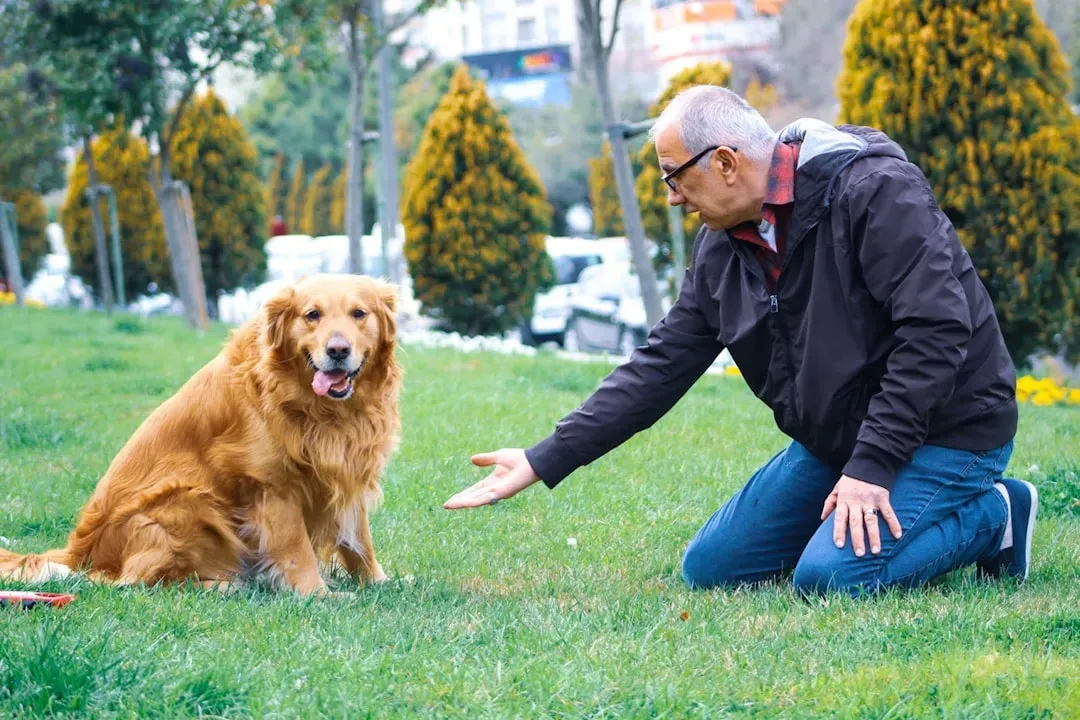
The dogs who never seem to age aren’t defying nature. They’re benefiting from a perfect storm of genetics, environment, mental engagement, and cellular health. Size matters, telomeres matter, stress matters. Exercise intensity and trainability create measurable differences at the molecular level. Even feeding schedules influence longevity in ways science is still unraveling.
The remarkable part? Much of this remains within our control. We can’t change our dog’s breed or starting genetics. We absolutely can provide enriching environments, maintain healthy weights, offer mental stimulation through training, and minimize chronic stress. Those eternally youthful dogs didn’t get lucky. Their lives created conditions for cellular health to flourish.
What surprises you most about why some dogs age so much slower than others? Have you noticed these patterns in dogs you’ve known?

- 12 Most Mysterious Archaeological Artifacts Discovered - July 17, 2026
- The Hidden Reason Why Some Dogs Never Seem to Age - July 17, 2026
- 8 Coastal Birds in the US That Are Facing New Threats From Our Changing World - July 17, 2026