
You think you know where animals live? Think again. Sure, lions roam the savanna, polar bears lumber across the Arctic ice, and monkeys swing through jungle canopies. That’s the textbook answer, anyway.
Yet out there in the wild, nature has some surprises that’ll make your jaw drop. There are creatures living in places so bizarre, so unexpected, that they seem like something straight out of a science fiction novel. From scalding underwater volcanoes to toxic lake-beds and pitch-black caves where survival seems impossible, these habitats push the boundaries of what we thought life could endure. Let’s dive in and explore six of the most mind-boggling animal homes on Earth.
Hydrothermal Vents: The Scalding Ocean Floor
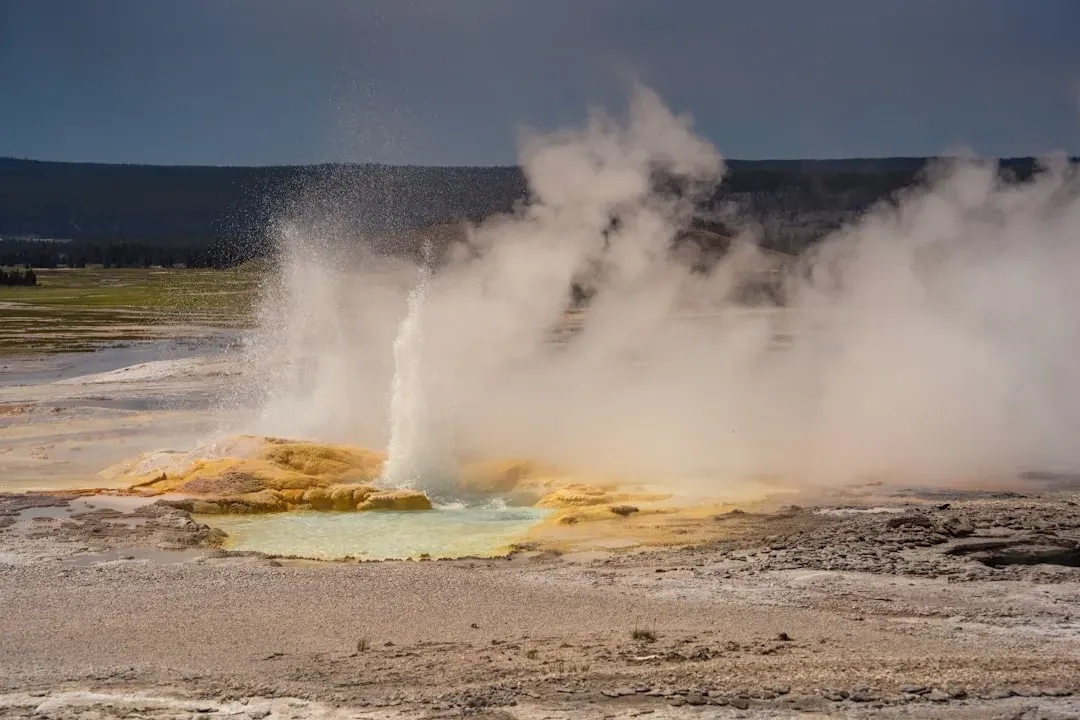
Deep beneath the ocean’s surface, miles away from sunlight, lies one of Earth’s most extreme environments. Hydrothermal vents spew water heated to temperatures exceeding 700 degrees Fahrenheit, creating what should be an uninhabitable hellscape. Yet, Pompeii worms can survive temperatures of around 120°C, whereas most other animals can’t cope with anything over 40°C.
Pompeii worms reach up to 13 centimetres long and have a hairy fleece-like covering. This is a layer of bacteria that are thought to provide protective insulation from the heat. Essentially, these worms wear a living bacterial coat that shields them from being cooked alive. It’s hard to say for sure, but honestly, that’s one of the most ingenious survival mechanisms I’ve come across.
These creatures don’t just tolerate the heat. They survive without sunlight and use bacteria in their bodies to convert chemicals from the vents into food in a process called chemosynthesis. Forget photosynthesis – down here, life feeds on chemicals and darkness. The ecosystem thriving around these vents includes tube worms, mussels, and bizarre crustaceans that form entire communities where no plant could ever grow.
Nearly 12,000 Feet Underground: The Devil Worms
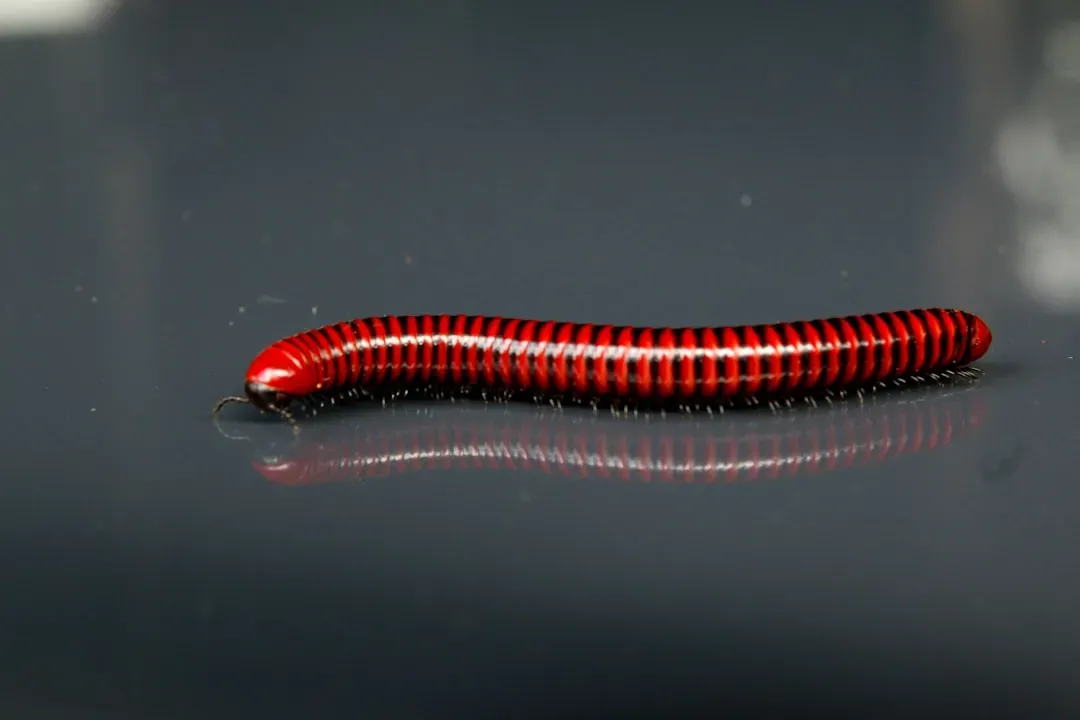
If you thought the deepest habitats were in the ocean, you’d be wrong. Researchers searching through water from a South African gold mine found tiny demon worms living almost 12,000 feet below the earth’s surface. Before this discovery, scientists believed only single-celled organisms could survive in such depths.
The worms were feeding on subsurface bacteria living in cracks in the rocks. Picture this: total darkness, immense pressure, scorching temperatures, and virtually no oxygen. Yet these nematode worms have carved out a niche, subsisting on bacteria in a world that seems utterly hostile to complex life.
It’s not just about surviving, though. These creatures challenge everything we thought we knew about where life can exist. If worms can thrive nearly two and a half miles beneath the surface, what else might be lurking in Earth’s hidden depths?
The Atacama Desert’s Microbial Sanctuaries
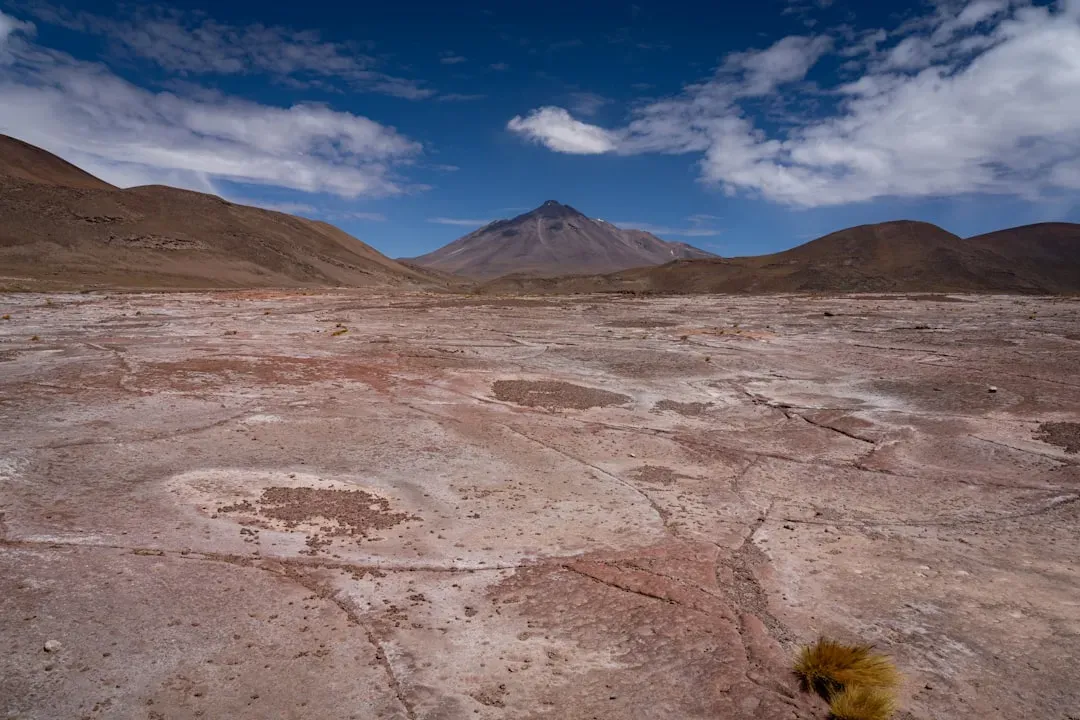
The Atacama Desert in Chile is one of the driest places on Earth, receiving virtually no rainfall for years at a time. Yet, life clings on in the most unexpected ways. Microbial communities exist in salt crusts, under rocks, and even inside mineral deposits where moisture is practically nonexistent.
These extremophiles have adapted to absorb what little humidity drifts in from coastal fog. Their survival strategies include producing natural antifreeze compounds and entering dormant states during the harshest conditions. Honestly, the resilience is staggering when you consider that some of these organisms can remain inactive for decades, only to spring back to life when a rare rainstorm arrives.
What makes this habitat truly unusual is the parallel it offers to extraterrestrial research. Scientists study Atacama’s microbes to better understand how life might exist on Mars or other arid planets. If organisms can flourish in such an inhospitable desert, perhaps we’re not alone in the universe after all.
Mexico’s Dangling Bat-Hunting Snakes
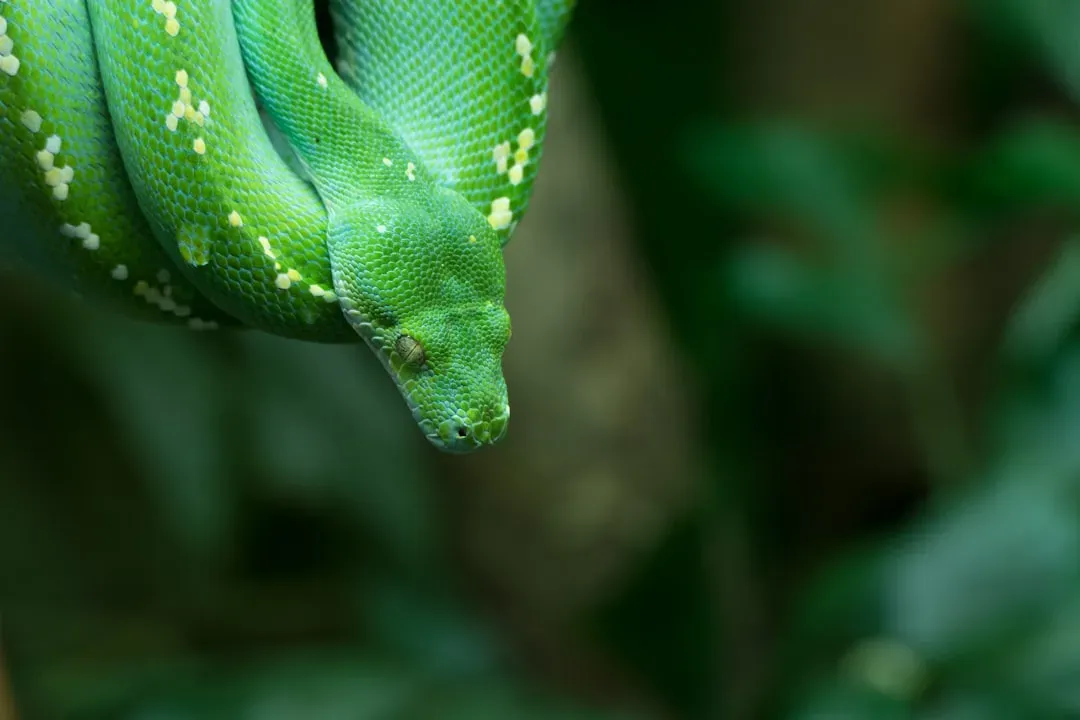
The Bat Cave is home to yellow-red rat snakes. But in the Bat Cave, the snakes live in of the ceiling and high up on the cave walls. When the bats enter or leave the cave, the snakes dangle from cracks and crevices to snatch the bats out of the air. Let’s be real – this sounds like something from a horror movie, yet it’s entirely real.
These small forest snakes have completely altered their hunting behavior to exploit a unique opportunity. Instead of hunting rodents and lizards on the forest floor as they usually would, they’ve become aerial predators of sorts. Hanging like lethal vines, they strike with precision as bats swarm in and out of the cave entrance.
The adaptation is remarkable. Cave environments demand specialized skills, from navigating total darkness to timing strikes in split-second windows. The snakes have turned their habitat into an ambush zone, proving that evolution doesn’t always follow the expected script.
Lake Baikal: Freshwater Seals in Russia
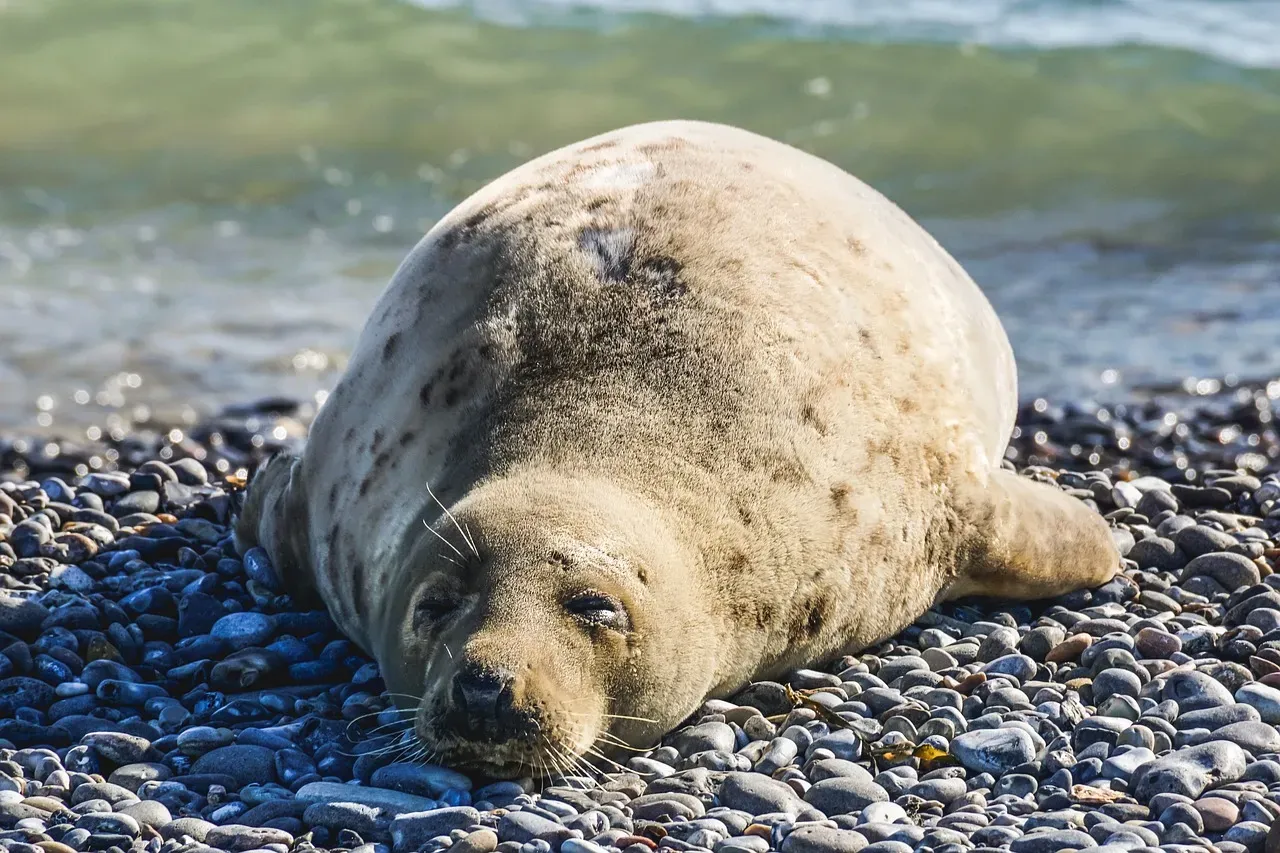
Some of the world’s only freshwater seals live in a big Russian lake. Zoologists have hypothesized that the seals came to the lake when it was still connected to the Arctic Ocean. Lake Baikal in Siberia is the world’s deepest and oldest freshwater lake, and it’s home to a population of seals found nowhere else on Earth.
Every winter, the lake freezes over. In order to breathe during these months of frost and darkness, the seals dig breathing holes with their sharp claws and sometimes with their teeth. Think about that for a moment – these seals have adapted to an environment that’s frozen solid for months on end, carving out air pockets in thick ice just to survive.
The isolation of Lake Baikal has made these seals unique. They’ve evolved separately from their marine cousins for thousands of years, developing distinct behaviors and physical traits suited to freshwater life. It’s a habitat so unusual that scientists continue to study it as a natural laboratory for understanding adaptation and speciation.
Mount Everest’s High-Altitude Jumping Spiders
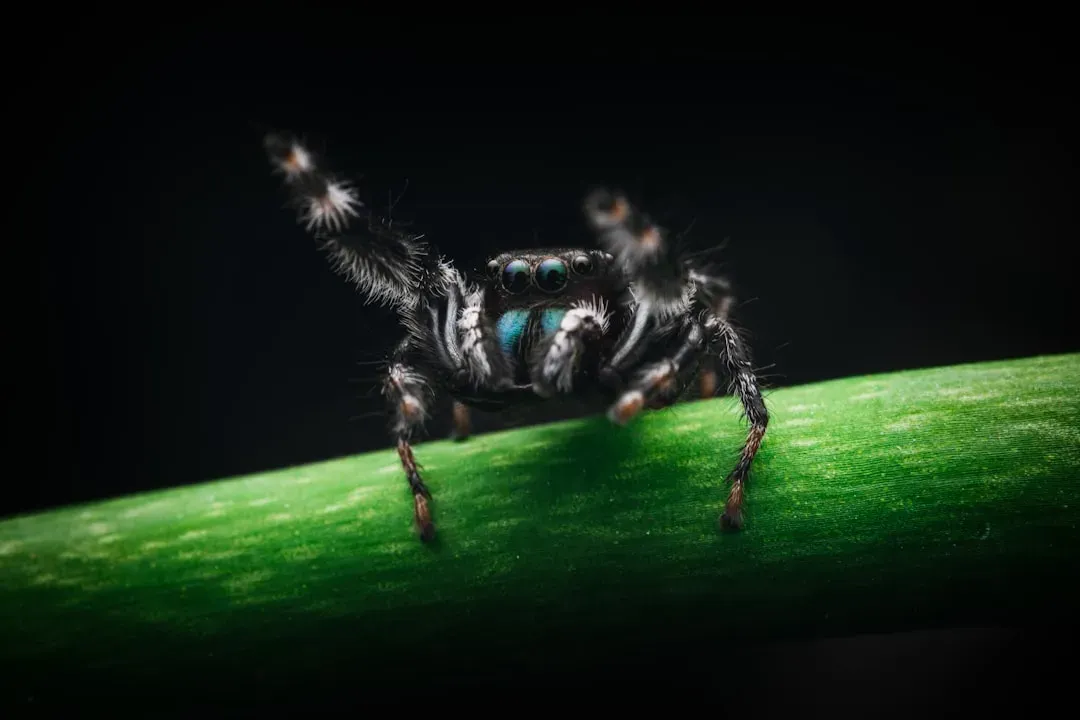
Living at elevations of about 22,000 feet, including Mount Everest, it resides permanently at such places where the oxygen supply is critically limiting for most species, including humans. Yes, spiders live near the summit of the world’s tallest mountain, in conditions where most creatures would perish within minutes.
They can survive all the hostilities of extreme altitudes, including freezing conditions, and they live in rocky crevices feeding on insects, flies, springtails, and other tiny creatures. The key adaptation of jumping spiders is their ability to regulate their body temperature by moving to different areas in their environment to find warmer or cooler temperatures as needed. These tiny hunters have mastered life in the “death zone,” where the air is thin and temperatures plunge far below freezing.
What do they eat up there? Mostly insects and springtails that get blown up the mountain by wind currents. It’s a marginal existence, scraping by on scraps delivered by chance. Yet these spiders persist, representing the highest-dwelling non-migratory animals on the planet.
Conclusion
Nature never ceases to amaze, especially when we discover life thriving in places we assumed were uninhabitable. From worms deep in the Earth’s crust to spiders clinging to Everest’s icy slopes, these animals redefine what’s possible. Their survival isn’t just about enduring harsh conditions – it’s about evolving ingenious strategies that transform hostile environments into home.
These unusual habitats remind us that life is far more adaptable, resilient, and creative than we give it credit for. They also challenge us to rethink our assumptions about where life can exist, both on Earth and potentially beyond. What do you think – could life exist in even stranger places we haven’t yet imagined? Share your thoughts in the comments.

- If You Talk to Your Pet Like a Human, Psychology Says You’re Not Weird – You’re Emotionally Advanced - June 13, 2026
- What It Means When More Black Bears Are Wandering Into Residential Areas - June 13, 2026
- 15 Things Experienced Gardeners Do That Keep Goldfinches Coming Back Every Single Season - June 13, 2026