
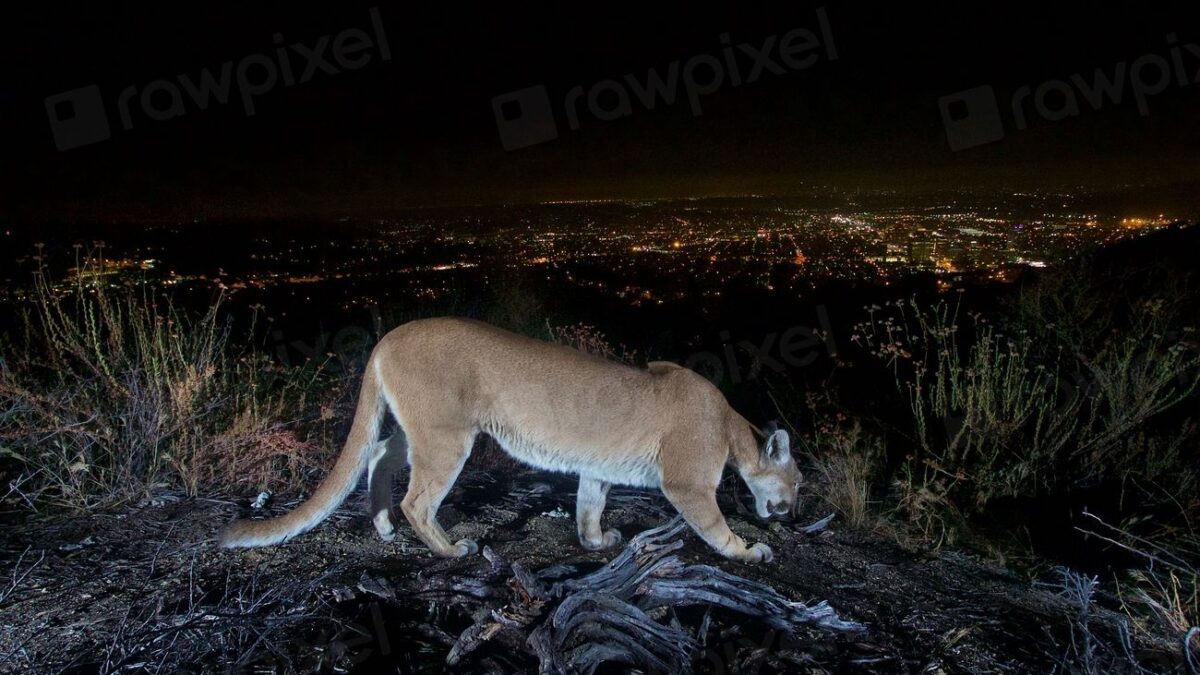
Habitat Pressures Pushing Animals Closer
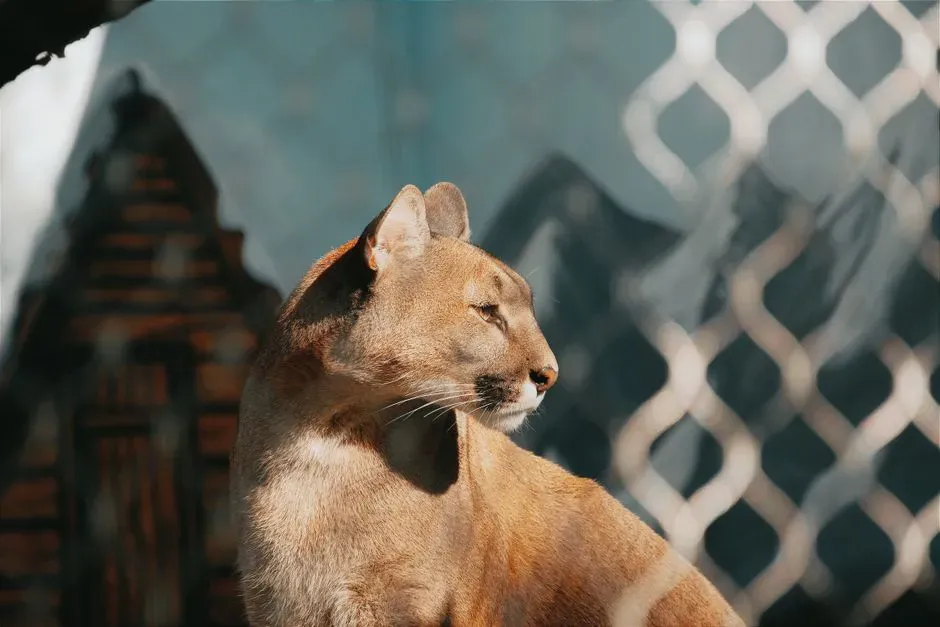
Mountain lions require large territories to hunt and roam, yet those spaces keep shrinking in many regions. As forests give way to housing developments and roads, the animals find themselves navigating narrower corridors that bring them nearer to towns. This overlap happens gradually, often without dramatic incidents until a sighting occurs.
Prey animals such as deer also adapt to suburban edges where food sources like gardens and ornamental plants become available. Lions follow those movements, creating a chain reaction that places them in unexpected locations. The result is not aggression but simple geography at work.
Seasonal Movements and Daily Patterns
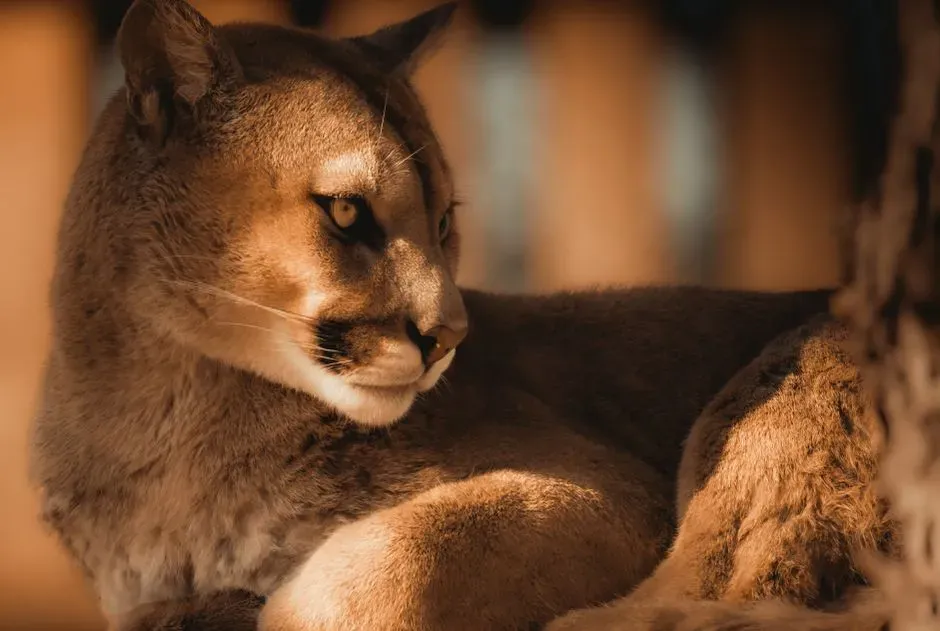
These cats tend to be most active during twilight hours and at night, which aligns with when many residents notice tracks or brief glimpses. In drier months, water sources near towns can draw both predators and prey into the same areas. Such timing explains why encounters cluster around certain seasons without indicating a permanent shift in behavior.
Young males dispersing from their birth ranges travel the farthest and sometimes pass through developed zones while seeking new territory. These transient individuals account for a portion of sightings that later fade as the animal moves on. Tracking data from wildlife agencies shows these passages are common rather than exceptional.
Signs of a Healthy but Stressed Population
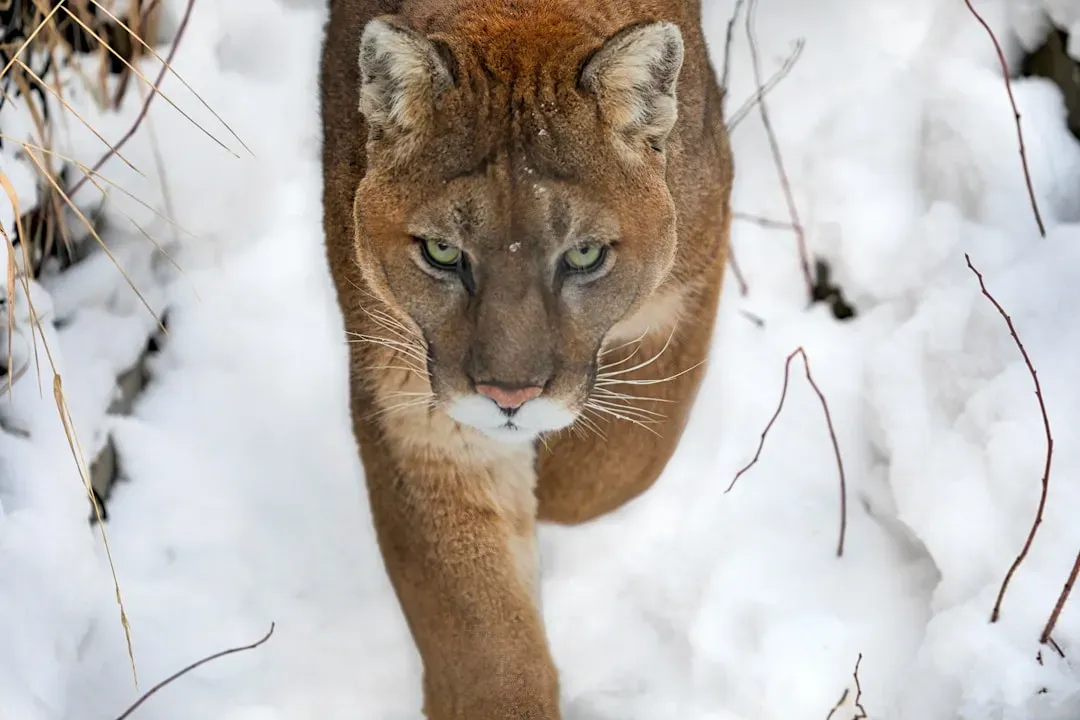
Regular sightings can reflect a stable mountain lion population that is simply adapting to available space. When numbers remain consistent over years, occasional proximity to towns serves as evidence that the species persists despite fragmentation. Biologists view this as a neutral indicator rather than a crisis signal.
At the same time, repeated reports in the same area may highlight local prey shortages or barriers that limit natural movement. In those cases the cats are not invading so much as coping with reduced options. Monitoring programs help distinguish between normal variation and genuine pressure points.
Practical Steps for Small Communities
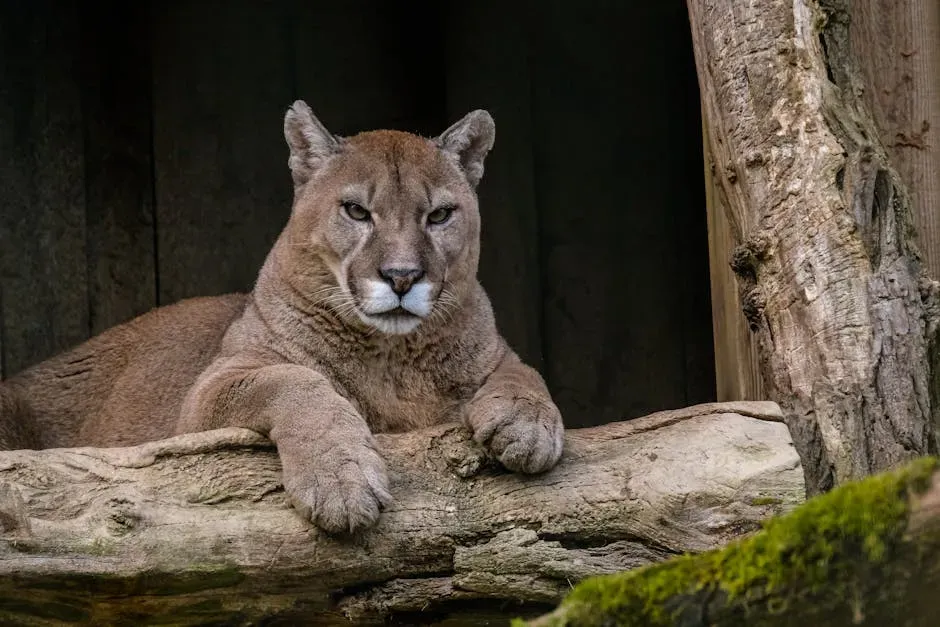
Residents who spot a lion are often advised to secure trash, remove pet food, and keep outdoor lights on at night to reduce attractants. Simple changes like these lower the chance of repeated visits without requiring dramatic intervention. Education campaigns in affected towns emphasize observation over confrontation.
Local wildlife officials sometimes install temporary signage or conduct briefings when multiple sightings cluster. These measures focus on awareness rather than removal, since relocation rarely solves underlying habitat issues. Communities that adopt consistent habits tend to see fewer problems over time.
Ecological Clues Hidden in Each Sighting
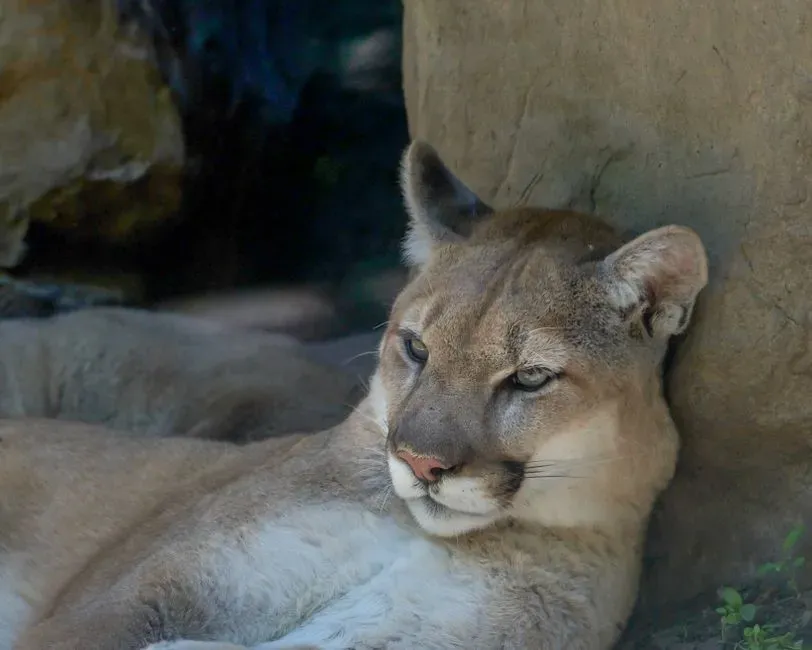
Every verified report adds data points to maps used by researchers studying connectivity between wild areas. When lions appear near towns it can reveal gaps in wildlife corridors that planners might otherwise overlook. This information supports efforts to maintain linkages across fragmented landscapes.
The presence of these apex predators also influences smaller species and vegetation patterns in surrounding zones. Their movements help shape biodiversity even when they remain unseen most of the time. Sightings therefore serve as reminders of larger systems at play beyond any single encounter.
Balancing Safety With Coexistence
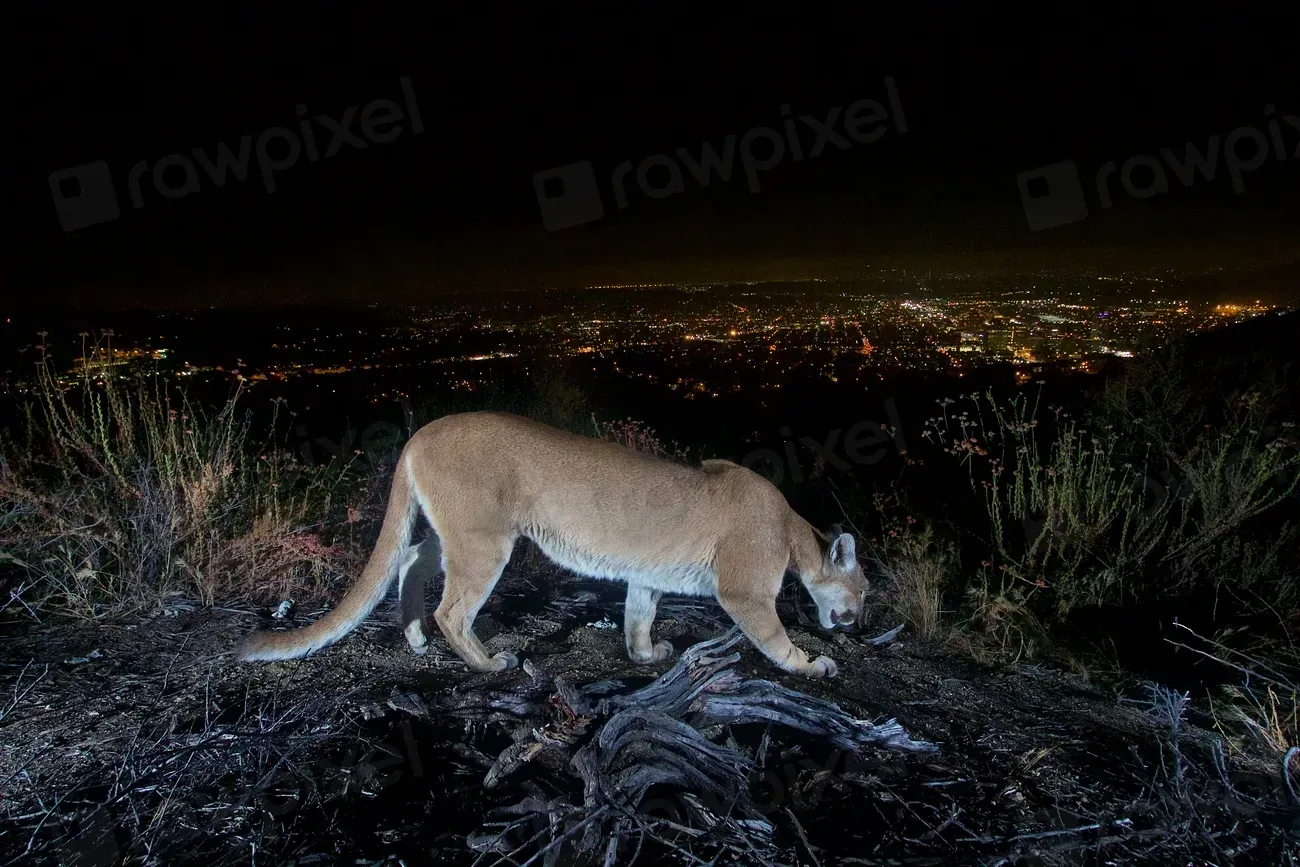
Most mountain lions avoid people when given the chance, and attacks remain extremely rare across their range. Still, basic precautions such as supervising small children and pets outdoors make sense in areas with confirmed activity. Understanding the difference between presence and threat helps keep responses measured.
Trail cameras and community reporting networks have improved early detection in recent years. These tools allow officials to track patterns without assuming every sighting requires action. The goal remains minimizing conflict while recognizing that complete separation is no longer realistic in many places.
Why These Encounters Matter for the Future
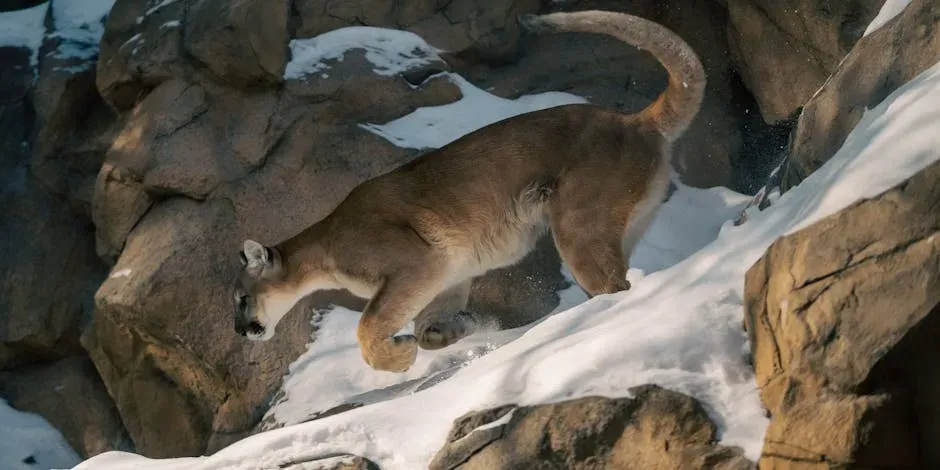
Continued sightings near small towns underscore the need for thoughtful land use decisions that account for wildlife movement. Corridors, underpasses, and zoning that preserves open space can reduce friction without halting growth. The alternative is more frequent overlap that benefits neither people nor lions.
In the end, each verified report invites a quiet reassessment of how human communities fit into the broader environment. Accepting that some shared space is inevitable leads to practical habits rather than fear. That shift in perspective may prove the most lasting outcome of any single mountain lion passing through.

- 17 Horse Breeds Equine Surgeons Secretly Dread Being Called Out To - July 30, 2026
- 11 Things Shelter Workers Secretly Wish Every Adopter Knew Before Signing - July 30, 2026
- 13 Quiet Signs an Old Dog Is Gently Saying Goodbye - July 30, 2026