
Africa, that sprawling continent of vast savannas and mysterious jungles, is famous for its big cats, elephants, and rhinos. Everyone knows about the Big Five. Yet beyond the obvious superstars lies a hidden cast of creatures so unusual, so perfectly weird, that they seem almost fictional. These are the animals that don’t make it onto wildlife documentaries or safari brochures. They lurk in the shadows, burrow underground, or blend so seamlessly into their surroundings that even experienced guides rarely spot them.
Think you know African wildlife? You probably don’t know half of it. The continent’s biodiversity is staggering, with over a thousand animal species calling it home. Most travelers leave Africa having seen the usual suspects, completely unaware of the bizarre, beautiful, and downright strange creatures living just beyond the game drive path. So let’s dive into the unexpected side of African wildlife, where evolution got creative and produced some truly remarkable oddballs.
The Aardvark: Africa’s Underground Oddball
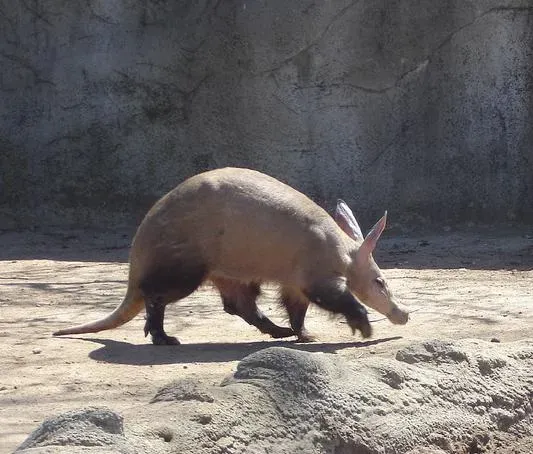
With their porcine snouts, stocky bodies and large rabbit-like ears, aardvarks are somehow both exceedingly awkward-looking and oh-so-adorable all at once. The name literally translates to “earth pig” in Afrikaans, though these mammals have more in common with elephants and manatees than swine. Honestly, they look like nature’s rough draft, assembled from spare parts left over from other animals.
Like most of Africa’s most elusive wildlife, aardvarks are nocturnal and solitary to boot. They also spend a lot of time underground sleeping or hiding from predators like hyenas and lions. They can consume more than 50,000 insects nightly, sussing them out with their long noses and sticky tongues and using their powerful claws to break open termite mounds. These creatures are insanely difficult to spot in the wild, making them the holy grail for wildlife enthusiasts who’ve already ticked off the more obvious species.
The Pangolin: Nature’s Living Pinecone
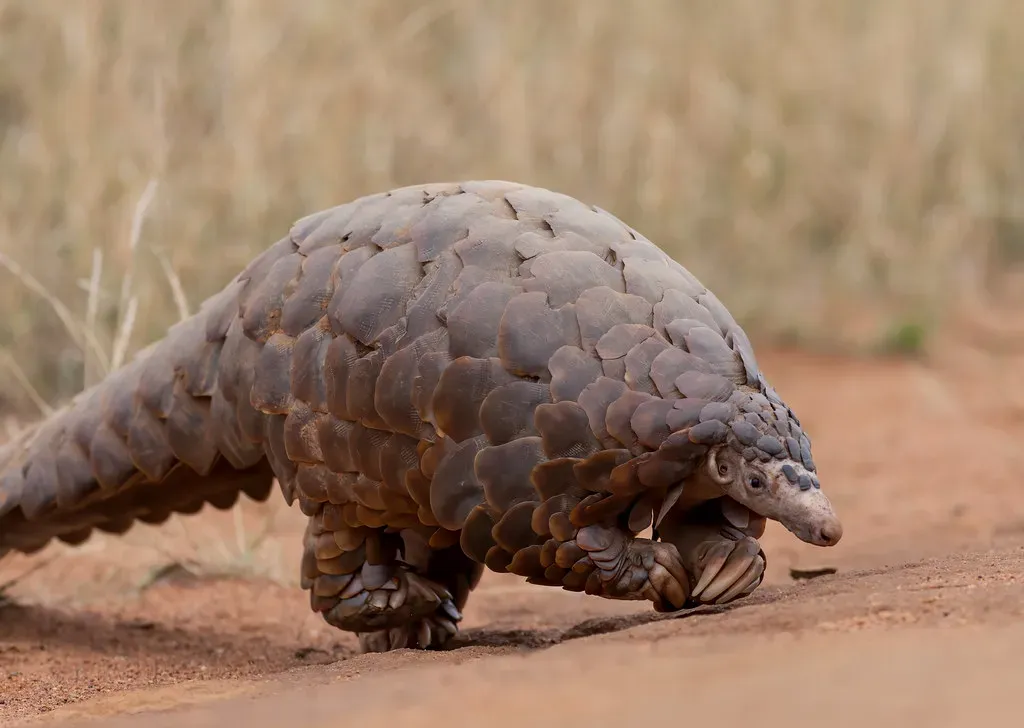
Here’s something you don’t see every day: a mammal covered entirely in scales. The pangolin, at the top of our list, is a small creature you might mistake for a reptile, but they are the only mammals in the world wholly covered in scales. These keratin plates give them an appearance somewhere between an armadillo and a medieval knight.
The pangolin has three claws on each foot and an exceptional sense of smell, which allows it to detect its prey under the soil surface. Its tongue is long and sticky, used to collect prey by being inserted into tunnels – this is done about 90 times per night when feeding. The pangolin is well equipped for self-defense – it rolls up into a ball when threatened, using its scales as protective armour. Sadly, pangolins are among Africa’s rarest and most threatened mammals, hunted for their meat and scales, making them the world’s most trafficked wild mammals.
The Okapi: The Forest’s Zebra-Giraffe
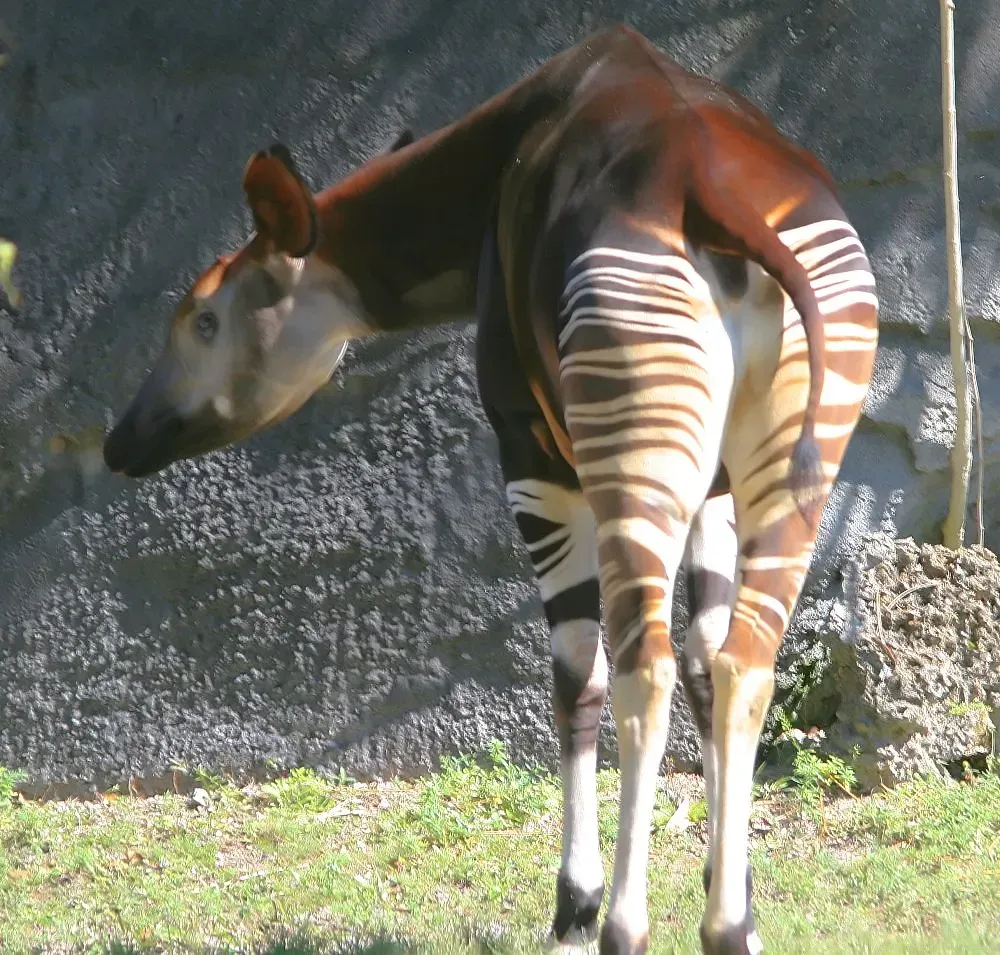
More commonly known as the “forest giraffe”, the Okapi is the only living relative of the giraffe, with a similar head and a shorter neck. The male okapi also sport ‘horns’ similar to those of the giraffe. Its legs are striped like a zebra’s, creating an appearance so unusual that early European explorers thought local reports of this animal were pure fiction.
These creatures are shy and solitary, making it hard to observe them in the wild. Okapis are herbivores and will eat anything from leaves to fruits and vegetation found on the underbrush of rainforests. Okapi mothers communicate with their calves through infrasonic calls around 14Hz, which humans cannot hear. They’ve basically evolved a secret language we can’t even detect. The Democratic Republic of Congo’s dense rainforests are the only place you’ll find these elusive beauties in the wild.
The Zorilla: Africa’s Stinky Striped Bandit
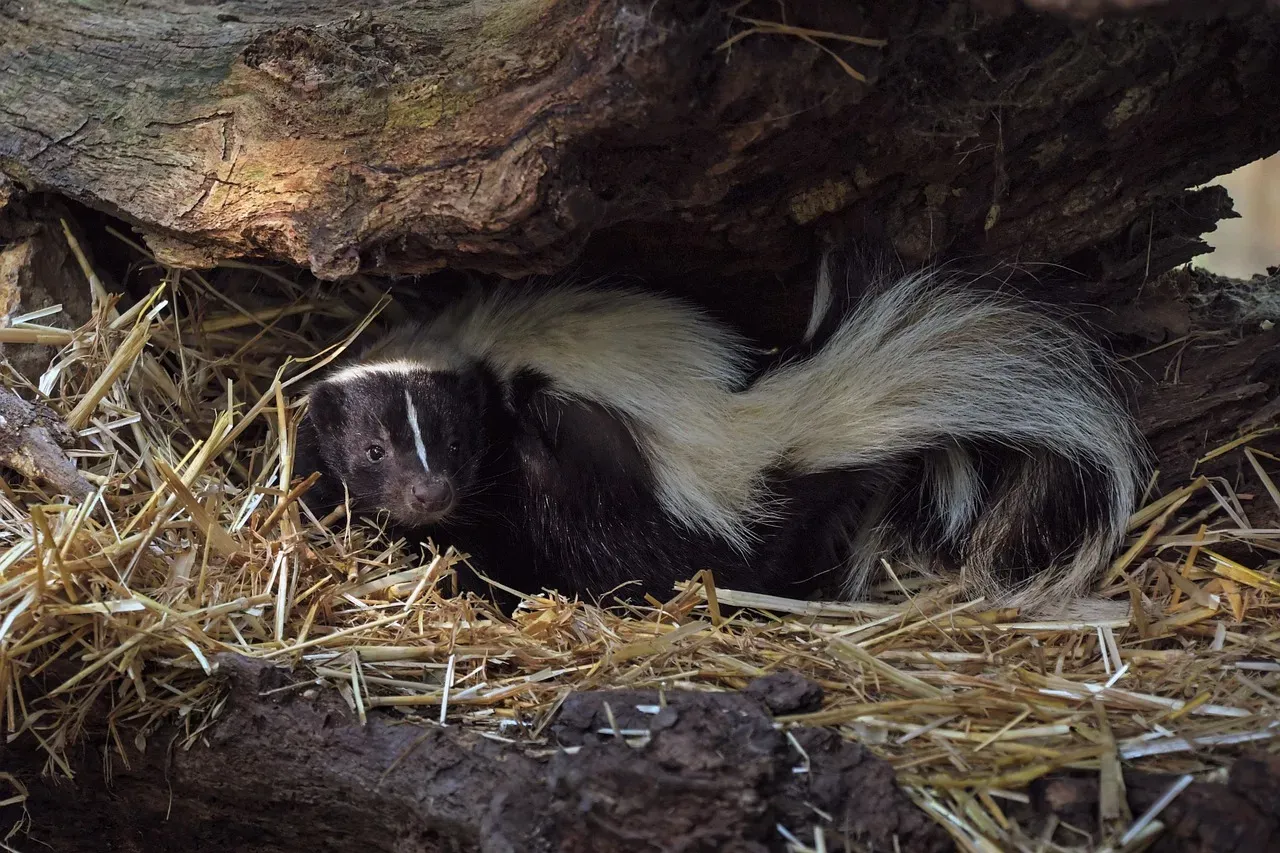
Usually averaging about two feet long, these nocturnal creatures are small enough to hole up in rock crevices and hollow trees by day while feeding on snakes and other small animals at night. They’re mostly solitary. However, zorillas do come together with other members of their species during the mating season, which takes place in the spring. If it looks like a skunk and stinks like a skunk, chances are it’s a zorilla.
These feisty little carnivores pack a serious punch despite their diminutive size. They’re surprisingly fierce hunters, taking down prey much larger than themselves with impressive tenacity. The best places to follow the scent (should you dare) of zorillas are in Kenya’s Maasai Mara and South Africa’s parklands. Their black and white warning coloration tells predators exactly what they’re dealing with before they make a terrible mistake.
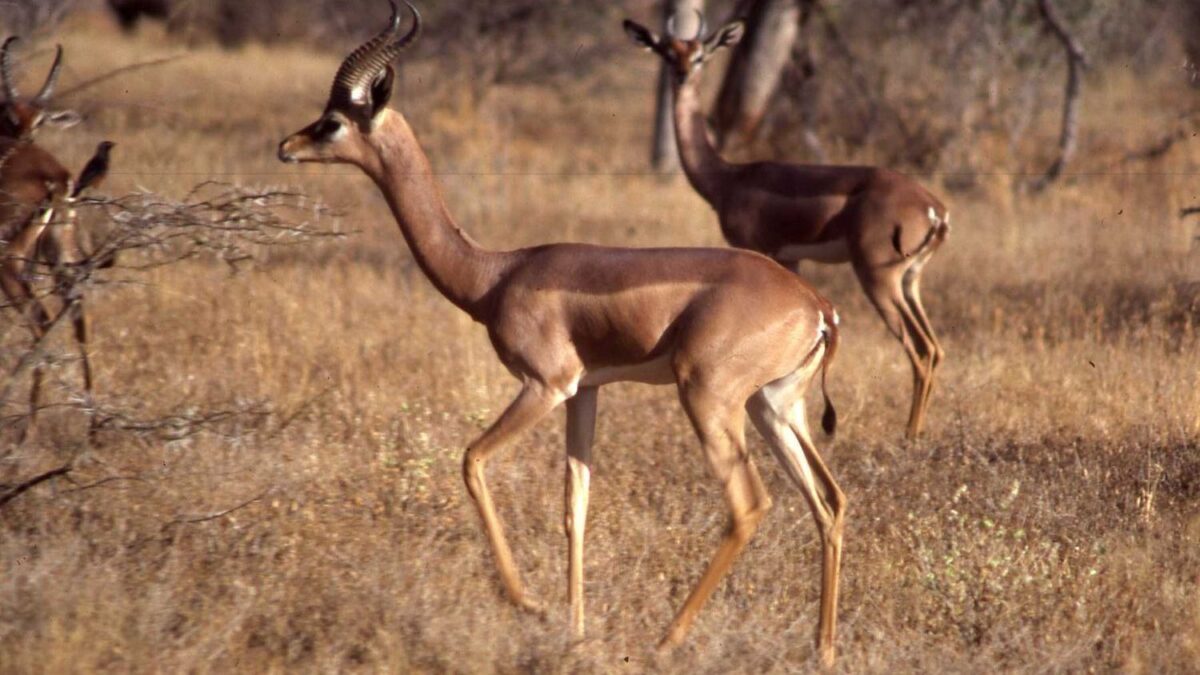
The Gerenuk: The Giraffe Gazelle
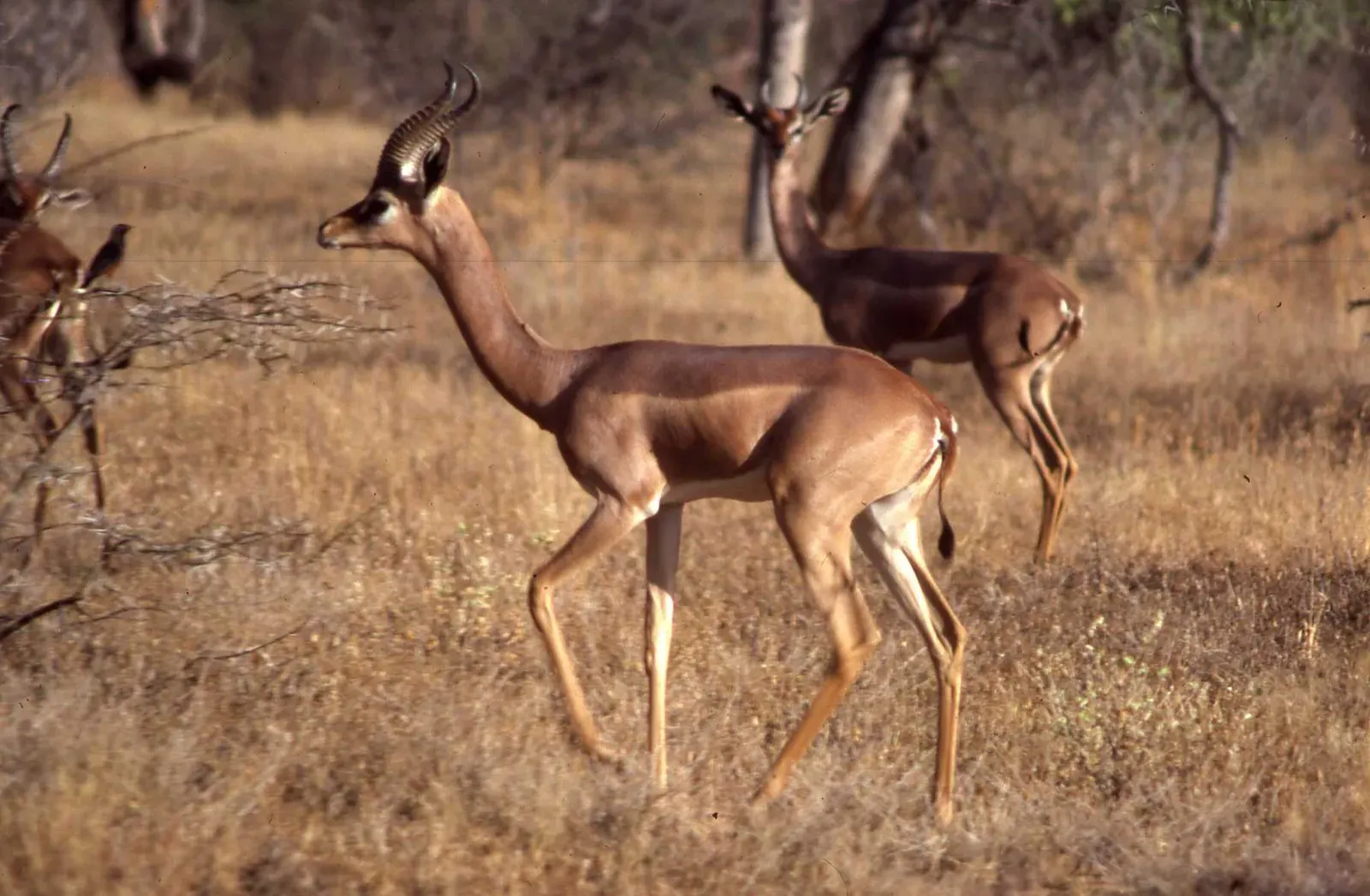
Picture a gazelle that decided to cosplay as a giraffe. One of Africa’s most elegant antelope species, gerenuk appear to be a cross between a gazelle and a giraffe. Native to Kenya and other areas of East Africa, gerenuk stand high on two legs and reach for foliage that is out of reach for other antelope. That weird long neck? Well, it reaches all the way up to feed off the juiciest leaves.
Like springbok, gerenuk get all the water from vegetation. So they can browse in areas far from water, where predators cannot venture. This adaptation allows them to thrive in places other animals simply can’t survive. Watching a gerenuk stretch up on its hind legs to nibble high branches is one of those moments that makes you appreciate just how creative evolution can be when solving problems.
The Riverine Rabbit: South Africa’s Rarest Bunny
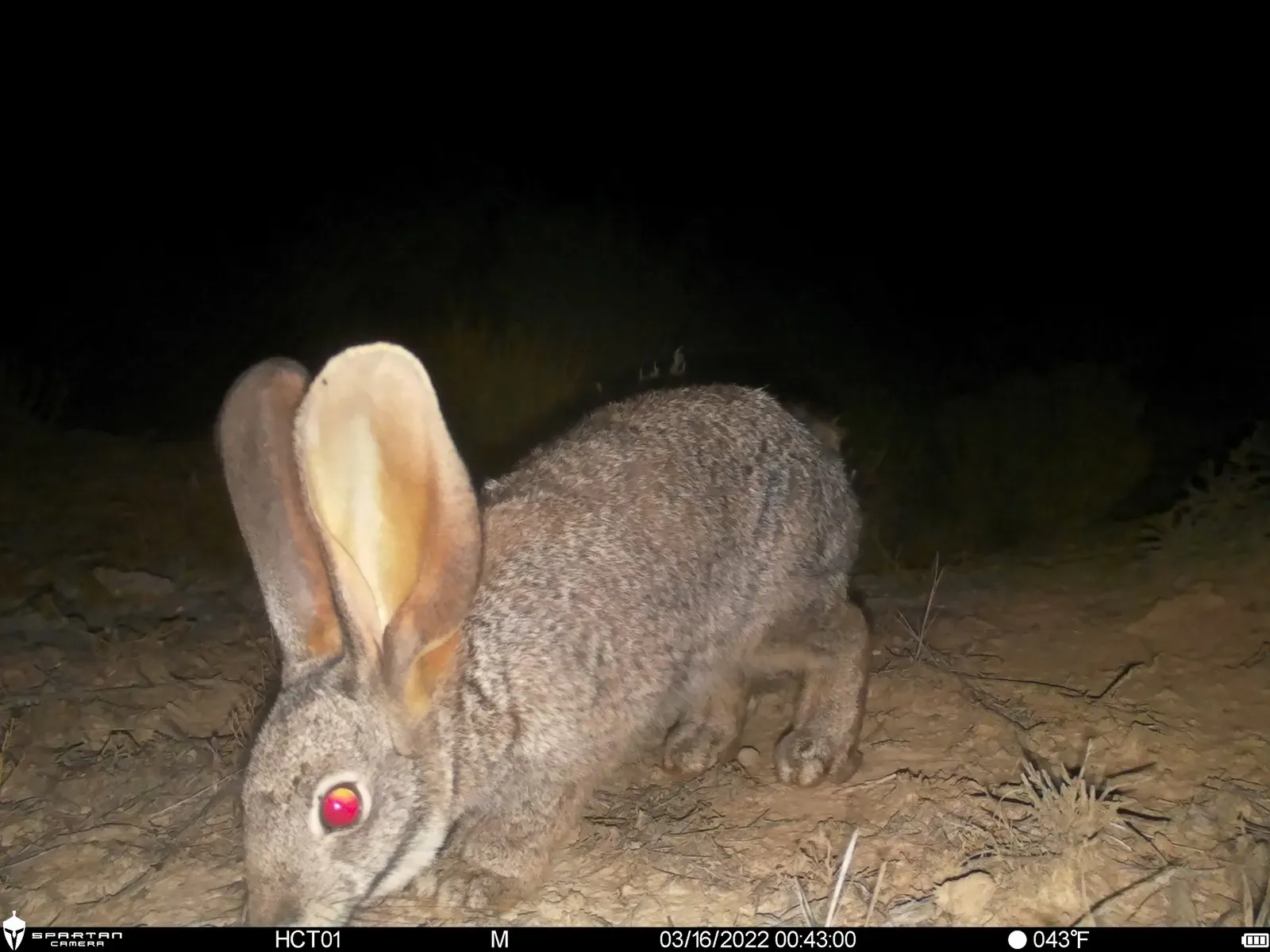
This little mammal also goes by the “bushman hare” or “bushman rabbit” and is extremely rare, only existing in the central and southern regions of South Africa’s Karoo Desert. Estimates total about 400–500 riverine rabbits left in the wild, with about 1,000 more in captivity. These aren’t your garden-variety cottontails.
With such a tiny geographical footprint and so few numbers, it’s no wonder this nocturnal creature is so uncommon to spot. Their habitat is disappearing faster than conservationists can protect it, making every sighting incredibly precious. If you manage to glimpse one of these endangered rabbits hopping through the Karoo scrubland at twilight, consider yourself among a very elite group of wildlife observers.
The Pygmy Hippo: The Miniature River Horse
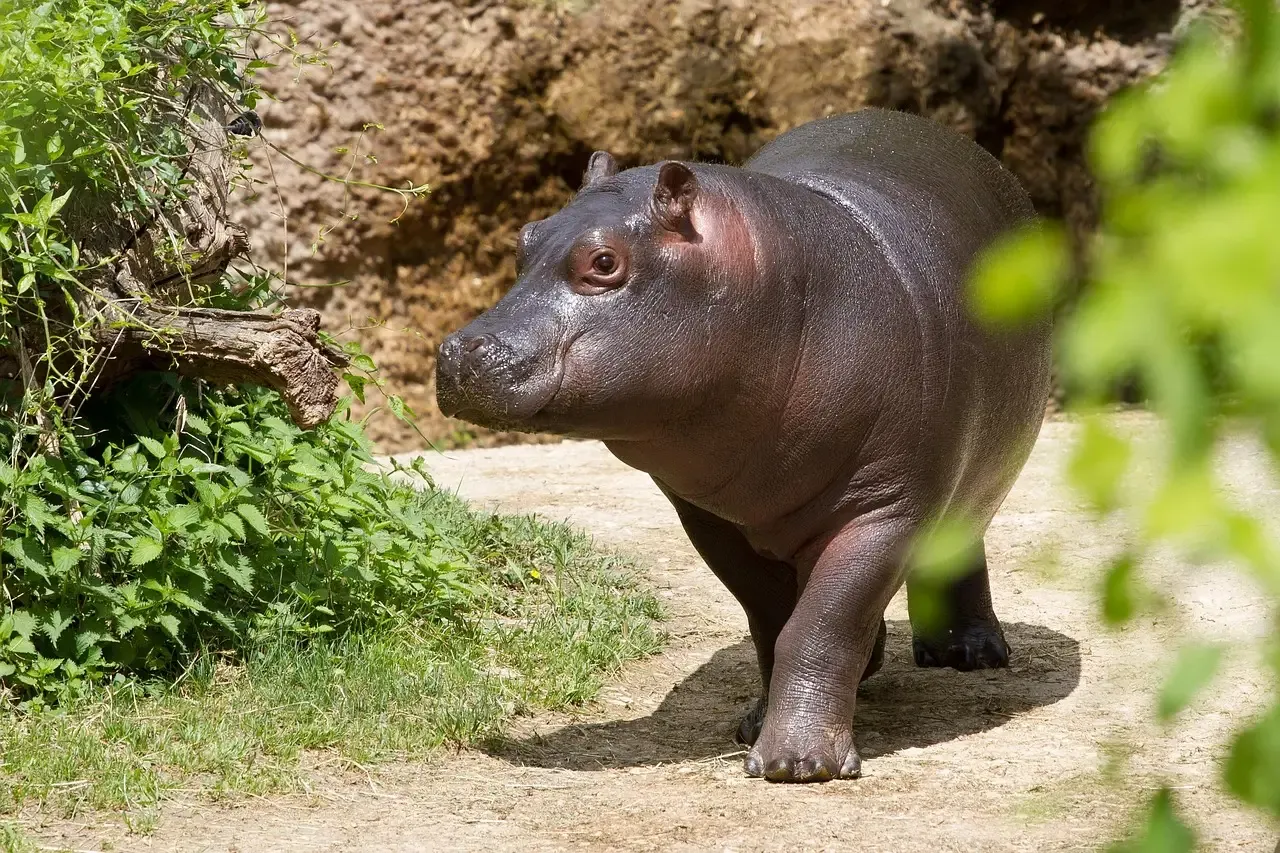
These reclusive herbivores are some of Africa’s most difficult mammals to spot in the wild for a number of reasons. Although they can weigh up to 600 pounds and grow up to six feet long, pygmy hippos are much smaller than their more common counterparts. This allows them to hide in swampland bushes and dense riverside forests by day, quietly searching for edible fruits and grasses under cover of night.
Unfortunately, there are only about 2,000 to 2,500 of this endangered species remaining, and all within West Africa. Unlike their massive cousins that spend most of their time wallowing in rivers, pygmy hippos are more terrestrial and prefer the hidden corners of rainforests. They’re basically the introverted hermit cousins of the regular hippo family, and they’re ridiculously difficult to track down.
The Bat-Eared Fox: Nature’s Radar System
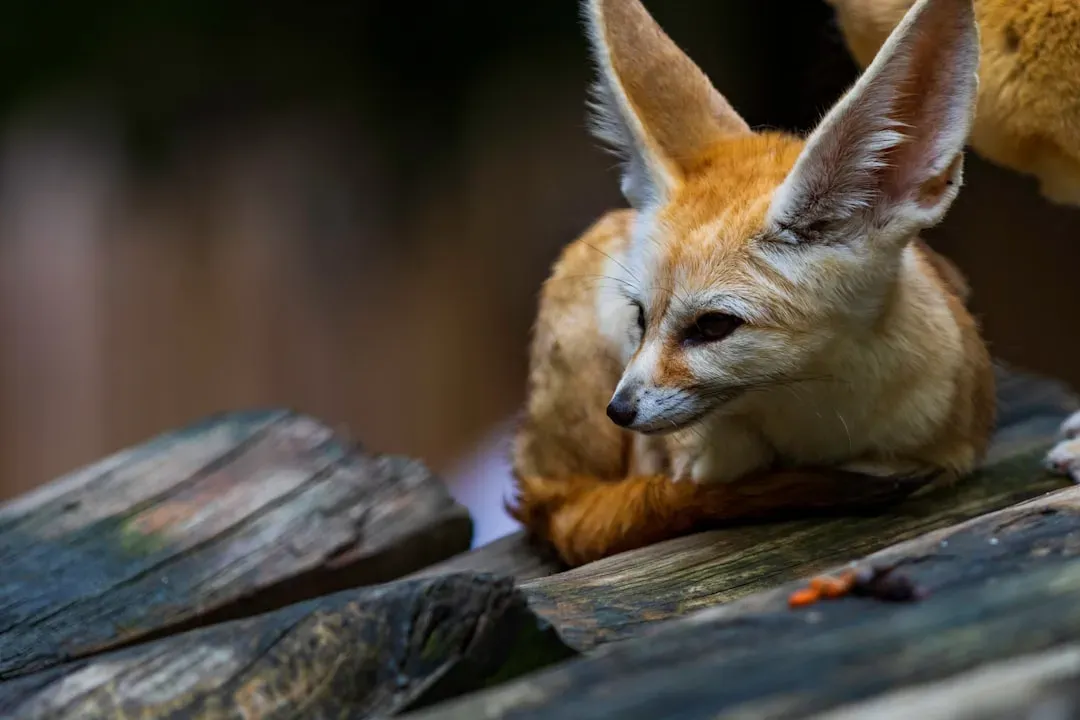
A strange name and a strange demeanor, but the bat-eared fox is the most efficient hunter on the African savannah. Sure, it looks weird, with those enormous ears and funky features. Those ears aren’t just for show. The bat-eared fox has incredible hearing. It can detect prey underground. Once a target is located, it burrows in ferociously and chomps onto its target.
It is the only truly insectivorous canid, meaning it eats bugs instead of meat. To hunt, they often form groups with other foxes, and they locate their prey primarily through sound. Watching these foxes tilt their massive ears toward the ground, listening for the faint movements of insects beneath the surface, is like witnessing a biological sonar system in action. They’re proof that sometimes the strangest-looking adaptations are actually the most brilliant.
The Lowland Streaked Tenrec: Madagascar’s Spiky Surprise
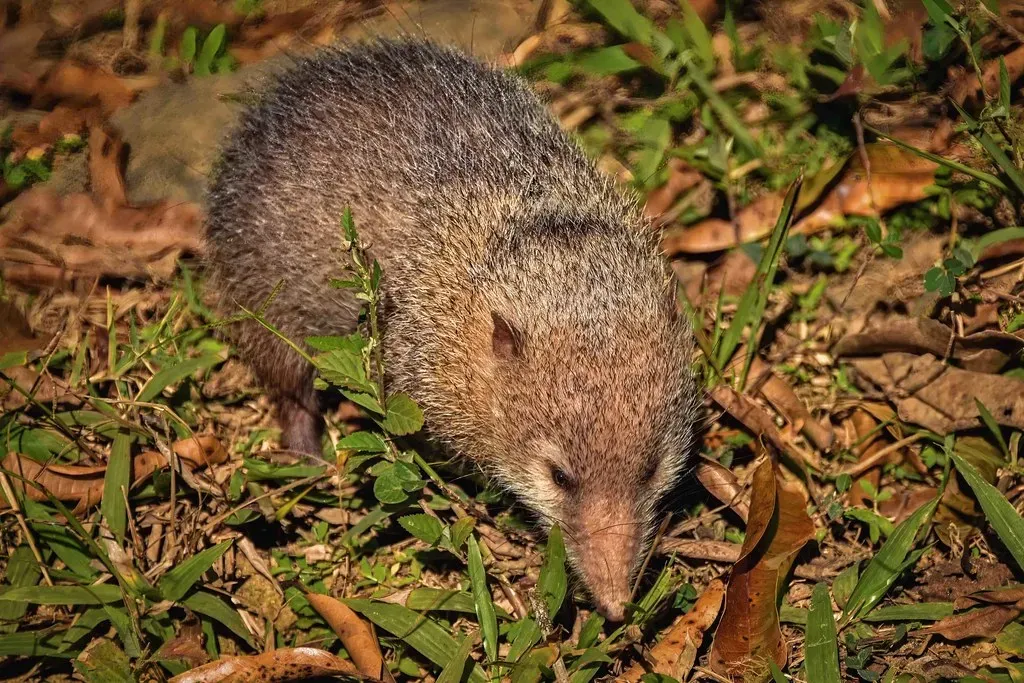
The lowland streaked tenrec is a weird African animal that is part shrew part hedgehog. It’s known for its vibrant yellow and black quills that shoot up like a mane when it feels threatened. This creature looks like someone combined a hedgehog with a bumblebee and gave it an attitude problem.
These feisty creatures are native to Madagascar and are unique in that they can survive in solitude or groups. They typically feed on worms and so prefer moist regions close to water sources. Lowland streaked tenrecs can match their body temperature to the air to conserve body heat and energy. Their ability to thermoregulate like reptiles while being mammals is just one of many peculiar traits that make Madagascar’s fauna so endlessly fascinating.
The Black Rain Frog: The Grumpy Avocado
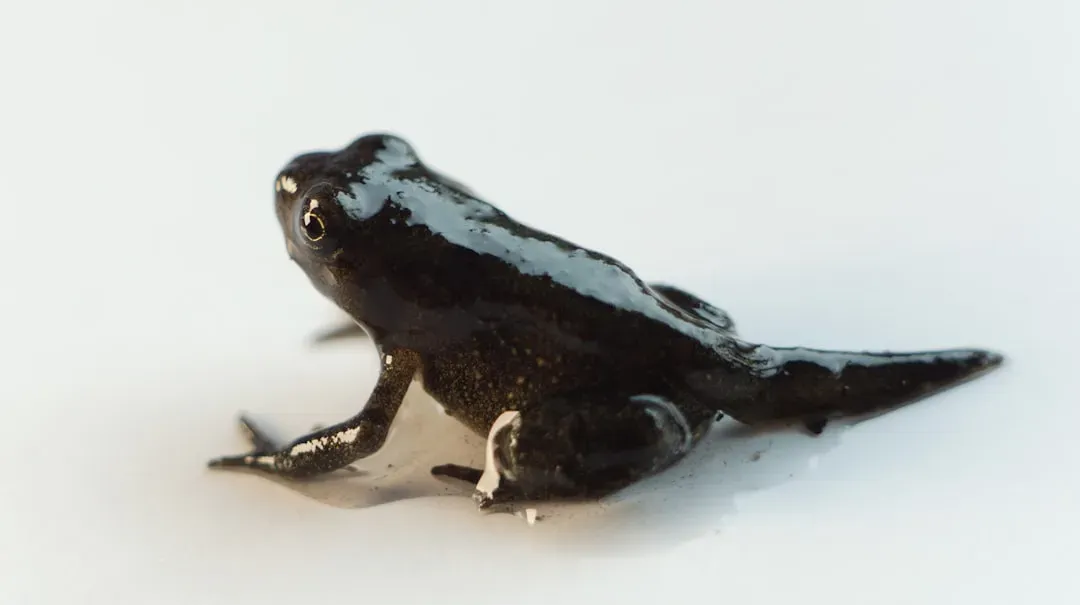
The black rain frog has a perpetual frown on its face and when threatened it puffs up, enlarging its body to seem intimidating. This frog is found off the Southern Coast of Africa at elevations of up to 3,300 feet. It doesn’t need open water to survive as it is a burrowing species and can create tunnels of up to six inches deep to find water and insects for feeding.
Let’s be real: this frog looks like a disgruntled avocado with legs. During mating, females secrete a sticky substance to ensure males don’t slide off. Nature found a solution to a problem that’s both practical and slightly disturbing. These round little grumps spend most of their lives underground, only emerging during heavy rains, which is probably for the best given their permanent expression of existential dread.
Conclusion: Africa’s Hidden Treasures
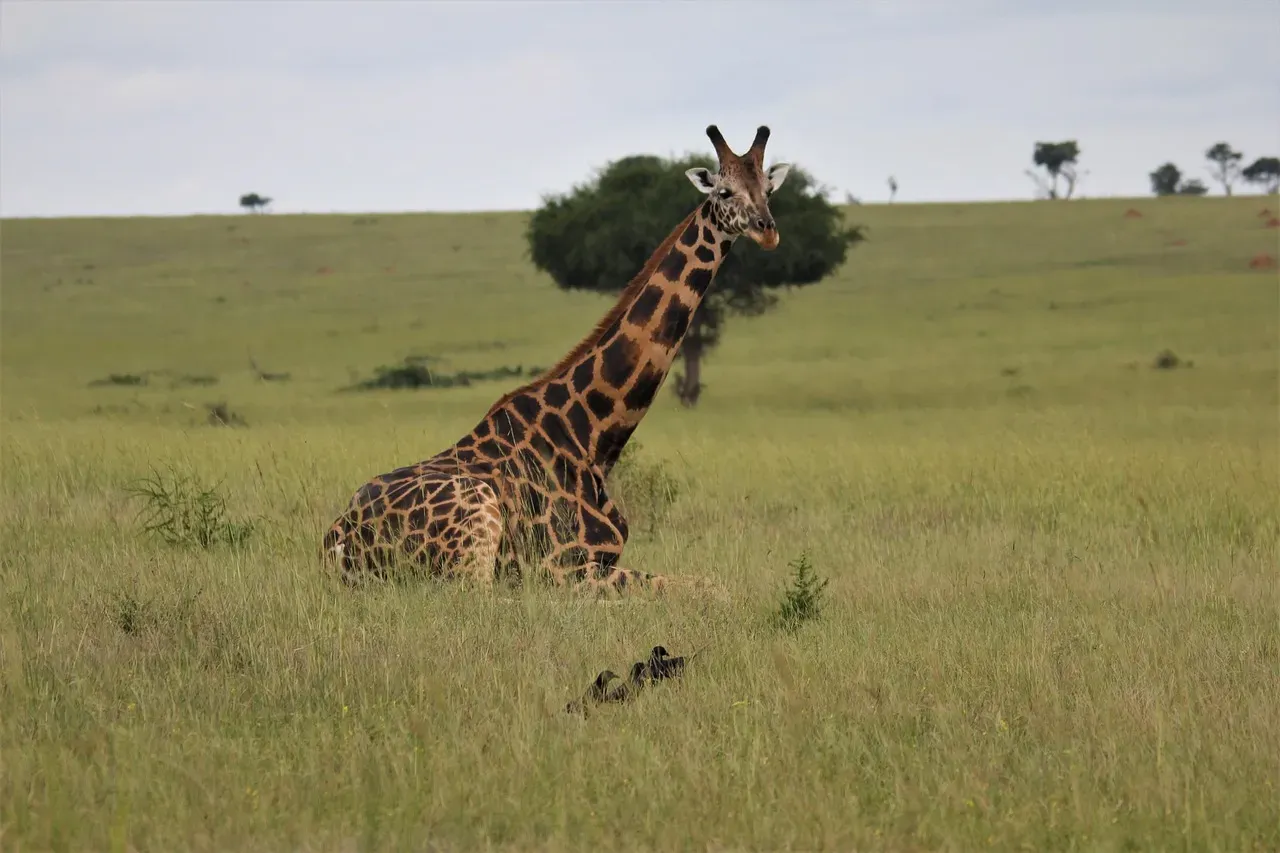
Africa’s most fascinating animals aren’t always the biggest or the fiercest. Sometimes they’re the weirdest, the rarest, or the most bizarrely adapted creatures you never knew existed. From underground insect eaters to living pinecones, these ten animals represent just a fraction of the continent’s incredible biodiversity. They remind us that there’s always something new to discover, even in places we think we know well.
The next time you plan an African adventure, maybe ask your guide about the aardvark instead of just another lion sighting. Seek out the creatures that don’t make the cover of glossy travel magazines. These hidden gems need our attention and protection just as much as their more famous neighbors. Which of these animals surprised you the most?

- 13 Dog Breeds Experienced Groomers Quietly Stopped Recommending to First-Time Owners After Seeing Too Many Heartbroken Families - June 18, 2026
- 15 Silent Signs Your Old Dog Is Getting Ready to Cross the Rainbow Bridge – Most Owners Never Catch Them - June 18, 2026
- 12 National Parks Where Bison Still Rule the Plains - June 18, 2026