
Ever found yourself in the woods at dusk and heard something that made your skin crawl? Maybe it sounded like a woman screaming, or perhaps a squeaky toy being frantically squeezed. The natural world is full of vocalizations that defy our expectations. We tend to think we know what animals sound like, but nature has a way of surprising us with noises that seem utterly out of place. Some of the most adorable creatures produce the most unsettling sounds, while fearsome predators sometimes chirp like birds.
Let’s be real, most of us can identify a dog’s bark or a cat’s meow without thinking twice. Those are the sounds we grow up with, the ones that feel familiar and safe. Yet beyond our backyards lies a symphony of bizarre, unexpected, and downright shocking vocalizations that serve purposes far more complex than we might imagine. These aren’t just random noises. Each sound carries meaning, whether it’s a desperate mating call, a territorial warning, or a way to keep family members connected across vast distances.
So what’s really going on when a giraffe hums in the darkness or a cheetah chirps like a bird? Let’s dive into some of the most surprising sounds you probably never knew animals could make.
The Cheetah’s Birdlike Chirp
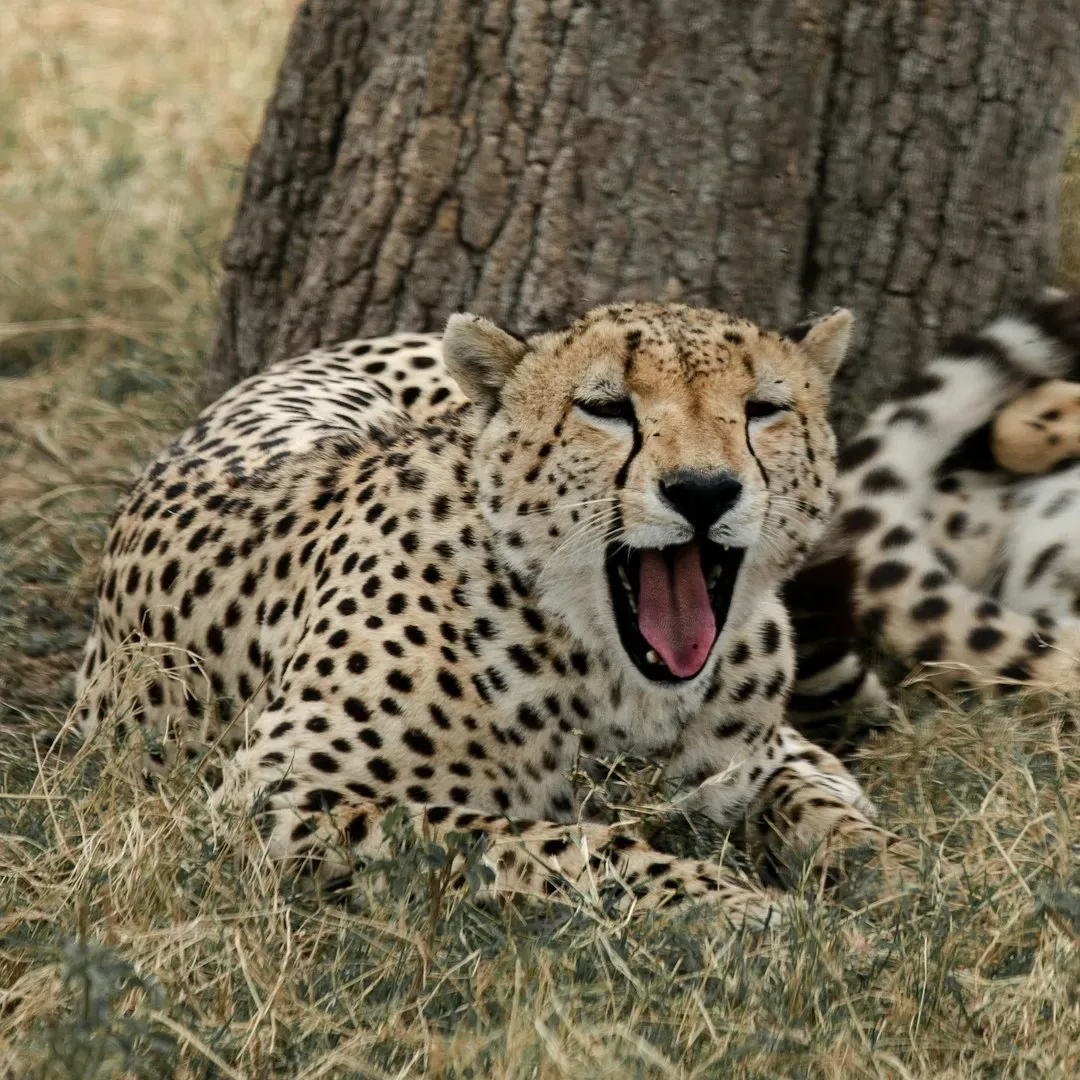
When you think of big cats, you might expect roars or growls, yet the cheetah produces a very distinct chirping noise that sounds remarkably like a distressed baby bird. Honestly, the first time you hear it, you’d swear there’s a chickling somewhere nearby crying for its mother. Cheetahs typically use this call during distress or to locate their young, though they’ve been observed making it in various other scenarios too.
This vocalization is fascinating because it sets cheetahs apart from other large felines. Their young roughhouse and cheetahs even purr, much like your average housecat. The chirp serves as a long-distance communication tool in the open savannas where they hunt. When a mother needs to find her cubs scattered across tall grass, that high-pitched chirp cuts through the ambient noise far better than a roar ever could.
What’s the evolutionary advantage here? Well, think about it. A chirp is less likely to attract unwanted attention from larger predators like lions or hyenas. It’s a clever acoustic strategy that allows cheetahs to stay connected without broadcasting their location to every dangerous animal within earshot.
Giraffes Hum at Night

For years, scientists genuinely believed giraffes were silent creatures. Until recently, scientists were under the impression that their long-necked vegetarian friends were strictly silent animals. Can you imagine? An animal that tall, that majestic, and supposedly mute. A team at the University of Vienna gathered 947 hours’ worth of noise recordings from giraffes over an 8-year period and discovered that at night, giraffes hum to each other.
They emit an eerie, sustained hum at a low frequency, about 92 hertz, which is on the low end of what humans can hear. It’s hard to say for sure, but researchers believe this humming might be a way for giraffes to communicate in the darkness when visual signals become useless. The low frequency travels well and doesn’t require much energy to produce.
The humming is so subtle that you’d easily miss it during the day amid all the other savanna sounds. Yet in the stillness of an African night, these gentle giants are carrying on conversations we’re only just beginning to understand. Based on their acoustic structure, these vocalizations might have the potential to function as communicative signals to convey information about the physical and motivational attributes of the caller.
Red Foxes Scream Like Humans
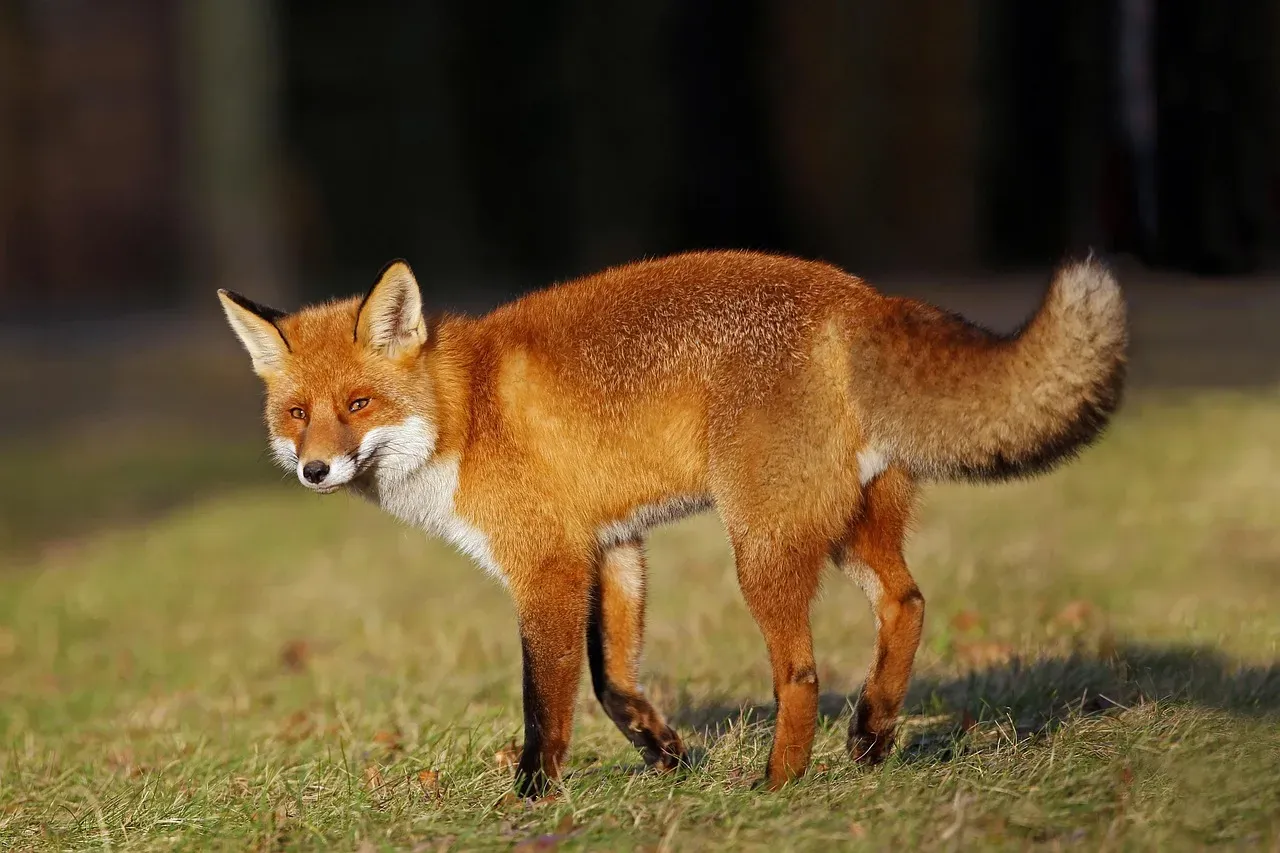
Male red foxes make noises similar to the sound of a screaming woman to warn off competing mates. Let that sink in for a moment. If you’ve ever been camping and heard what you thought was someone in genuine distress, you might have actually been listening to a fox. As one person described it, the sound is breathless and frantic, like a woman being attacked, when in reality it’s just a red fox, specifically the vixen’s scream.
This vocalization is primarily used during mating season when competition gets fierce. Males use these blood-curdling screams to establish dominance and ward off rivals. Females also scream to communicate their readiness to mate or to reject unwanted suitors. The pitch and intensity can vary wildly, making it sound even more unsettling.
Here’s the thing: our brains are wired to respond to human screams with alarm. When a fox produces something acoustically similar, it triggers that same primal response in us. It’s both fascinating and terrifying how effectively this sound mimics human distress. Next time you hear something eerie in the woods at night, remember it might just be a fox looking for love.
Snapping Shrimp Create Sonic Booms
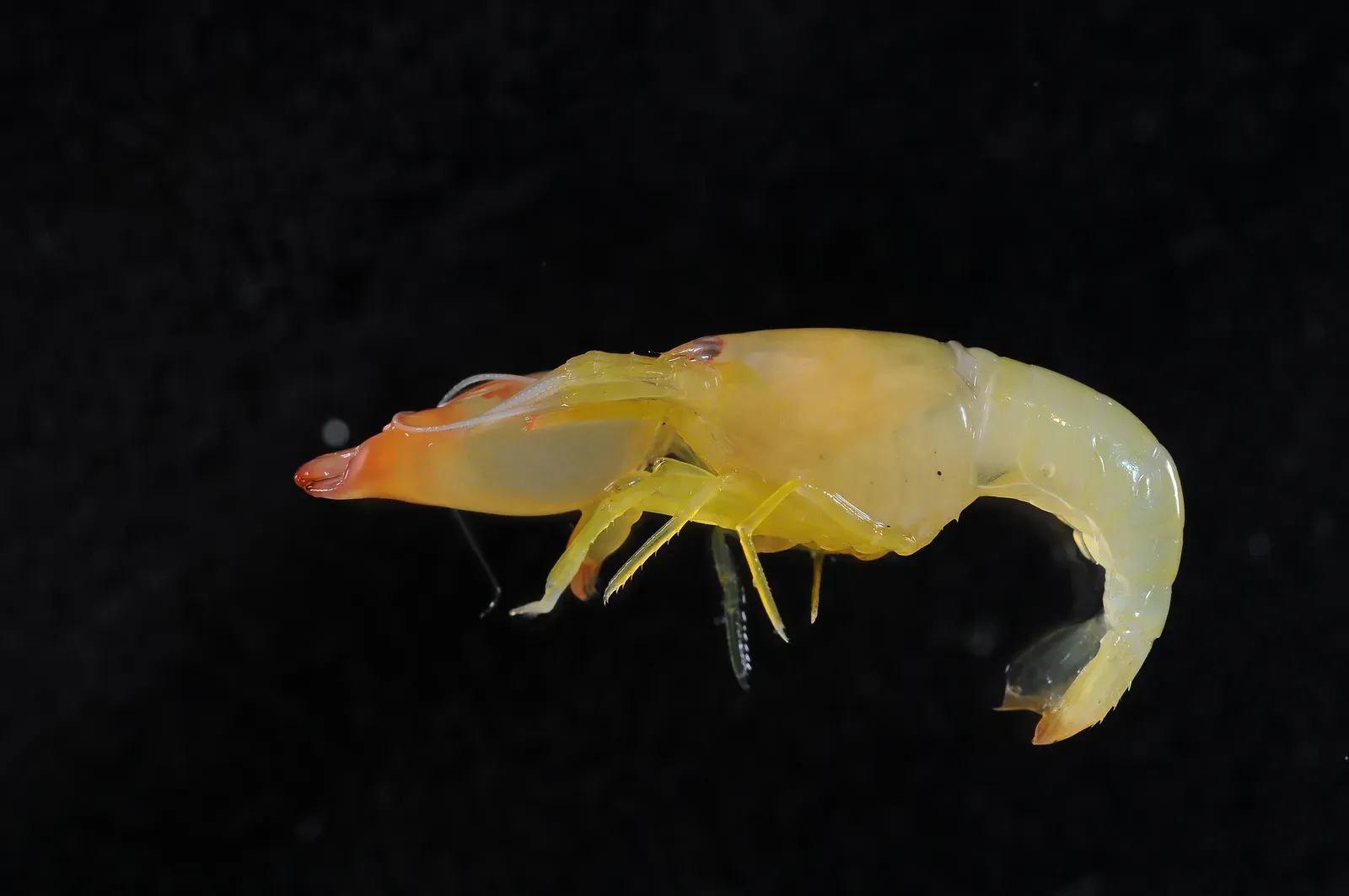
Snapping shrimp are capable of snapping their claw shut so quickly and vigorously that it generates a shock wave, and the sound of the snap has been measured at over 200 decibels. That’s louder than a jet engine. From a creature roughly the size of your thumb. They actually kill their prey with the noise it makes, which is just wild when you think about it.
Also known as pistol shrimp, these creatures belong to the Alpheidae family and possess a large front claw that can grow to be almost half the size of its body. When they snap this claw shut at incredible speed, it creates a cavitation bubble that collapses with such force it produces light, heat, and that devastating sound wave. The resulting shockwave stuns or kills small fish and other prey.
The sound is so intense that it can interfere with submarine sonar and underwater communication systems. Entire colonies of snapping shrimp create a crackling chorus that’s been described as one of the loudest natural sounds in the ocean. For such a tiny creature to wield that kind of acoustic power is nothing short of remarkable.
Piranhas Actually Bark
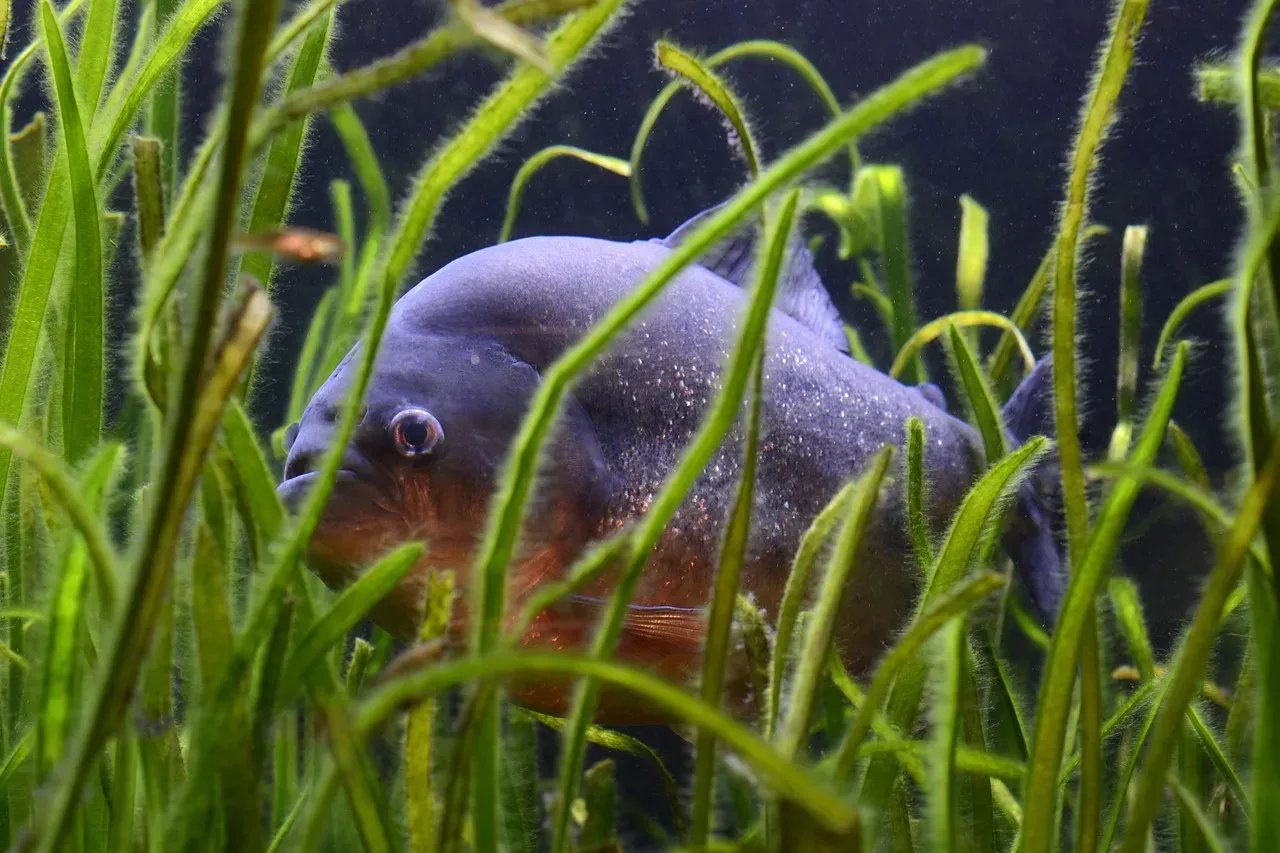
Dogs aren’t the only animals that bark, as biologists discovered that piranhas do too. Yep, those infamous razor-toothed fish of the Amazon have a surprisingly dog-like way of expressing themselves. When a piranha enters into an altercation or confrontation, it will make a barking noise, and this is the sound the fish produces most often.
When angered or feeling aggressive, piranhas will let out a low, recognizable bark that typically serves as a warning to other fish in the area that the piranha is hunting or claiming territory. They also produce two other distinct sounds: a short, repetitive noise when circling adversaries, and a creaky, croaking sound when they snap their jaws. Each vocalization serves a specific purpose in their social hierarchy and hunting behavior.
What I find particularly intriguing is how piranhas create these sounds without traditional vocal cords. They use their swim bladder and surrounding muscles to generate vibrations that resonate through the water. It’s an elegant solution to underwater communication challenges. Though their vocabulary might be limited to three main sounds, they’ve mastered the art of making those sounds count when defending food or territory.
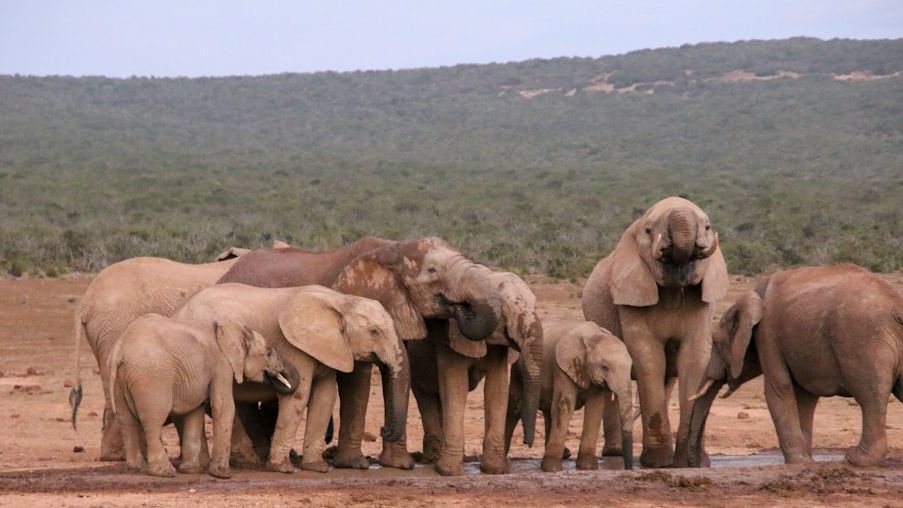
Elephants Call Each Other by Name
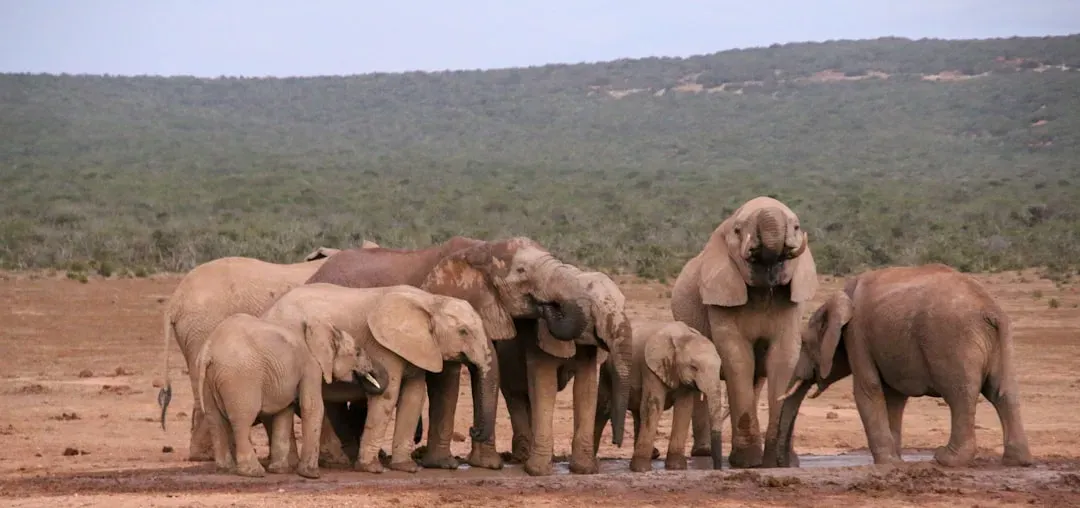
A four-year study of elephants in Kenya found that these animals use between 469 and 470 distinct calls, and using machine learning algorithms, researchers revealed that elephants use specific vocal labels for one another the same way humans use names. This discovery is absolutely groundbreaking. We’re not talking about simple imitation like parrots or dolphins. This communication did not appear to rely on imitation, which means elephants have developed unique identifiers for individual members of their herd.
Trumpeting can be heard over considerable distances and is normally associated with excitement, stress, or anger, made by pushing air through their trunks, and often used as a warning of potential threats or a gathering call. Yet beyond those dramatic trumpet blasts, elephants engage in complex conversations using rumbles, many of which occur at frequencies below human hearing. More common than trumpeting is the elephant’s rumble, a low-frequency sound often compared to the purring of a giant cat, used for greetings, bonding, and coordinating group movements.
The implications are staggering. Elephants don’t just communicate; they have a language sophisticated enough to include proper nouns. They recognize not only the voices of other elephants but also respond differently depending on who’s calling. This level of cognitive and social complexity rivals our own in many ways. When an elephant calls out a specific name and another responds from miles away, it’s a reminder that we’re not as unique as we once thought.
Conclusion
The acoustic world of wildlife is far stranger and more sophisticated than most of us ever imagine. From cheetahs chirping like baby birds to elephants calling each other by name, these surprising vocalizations reveal the incredible diversity of communication strategies that evolution has produced. Each sound serves a purpose, whether it’s finding a mate, defending territory, coordinating hunts, or maintaining social bonds across vast distances.
Understanding these sounds gives us a window into the minds of other species. It reminds us that intelligence and complexity exist in forms we’re only beginning to comprehend. The next time you’re outdoors and hear something unexpected, take a moment to wonder what message is being sent and who might be listening.
What’s the strangest animal sound you’ve ever heard? Did any of these surprise you?
