
Ever wondered what creatures in the wild have on their dinner plates? Most of us are pretty predictable with our meals. A sandwich here, pasta there, maybe some leftover pizza when we’re feeling adventurous. The animal kingdom, though? It’s an entirely different story. Some species have dining habits so bizarre, so outlandish, that they’d make the strangest human food combinations look downright ordinary.
What qualifies as weird in a world where many creatures already feast on insects, their own droppings, or even their young? Here’s the thing: nature doesn’t play by our rules. Evolution has crafted some of the most peculiar survival strategies imaginable, turning certain animals into dining outliers that defy everything we think we know about mealtime. Let’s dive in and explore five creatures with eating habits that will leave you utterly speechless.
The Vampire Finch: Tiny Bird with a Bloodthirsty Secret
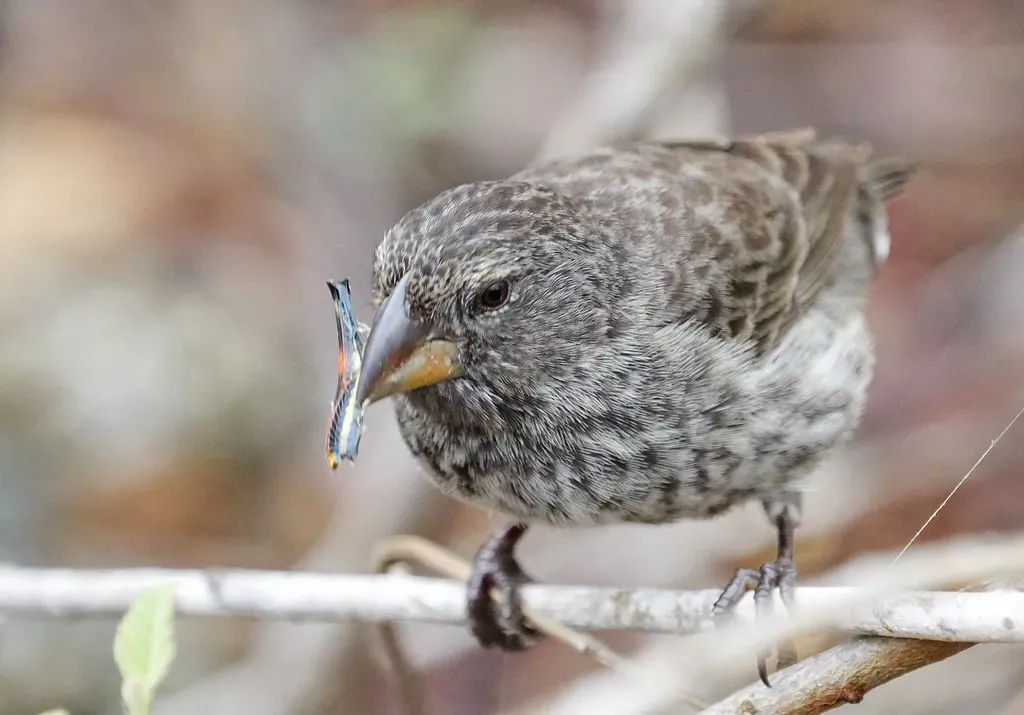
Picture this. You’re relaxing on a remote island in the Galápagos, a blue-footed booby basking in the sun. Then out of nowhere, a sharp-beaked finch uses its beak to peck through your skin and drink your blood. No, this isn’t a scene from a horror movie.
The vampire finch earns its nickname for good reason. These finches depend on fresh blood for protein and moisture during long droughts, making them perhaps the most metal birds you’ll ever encounter. What’s even stranger? The boobies don’t seem to react to this invasion of privacy, essentially becoming willing blood donors in one of nature’s weirdest relationships.
Yet that’s not all these feathered vampires consume. When they’re not pecking holes in other animals, vampire finches supplement their diet by eating bird poop, proving they’re not picky eaters when survival is on the line. Honestly, if I were stranded on a barren island with limited food sources, I’d probably get creative too. Still, drinking blood from living birds feels like crossing a line even Mother Nature should reconsider.
Koalas: The Pickiest Eaters Who Feast on Poison
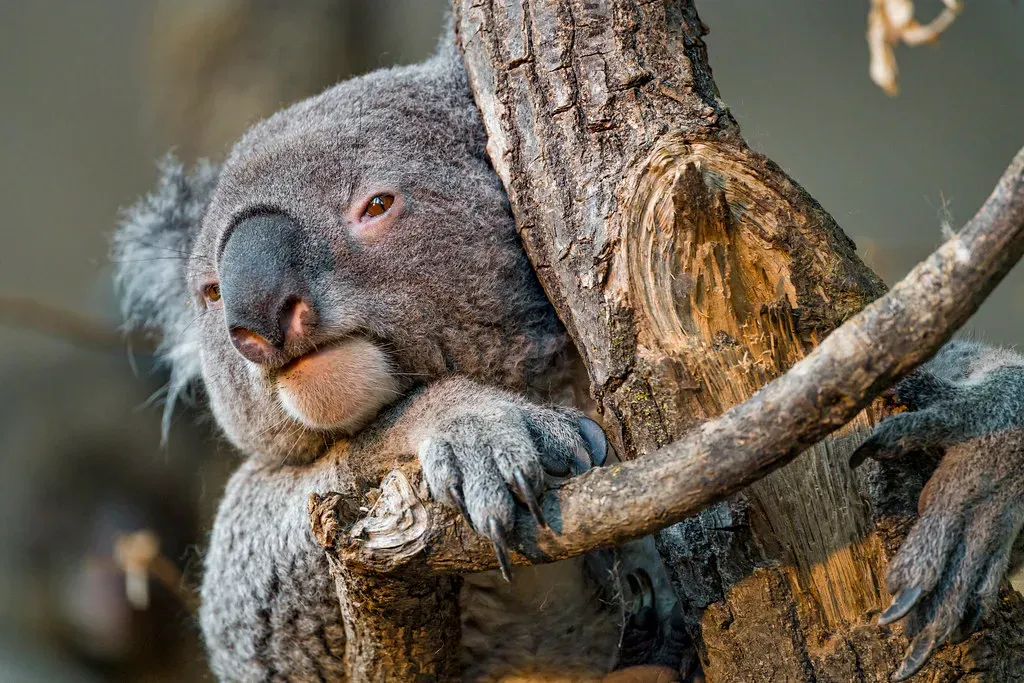
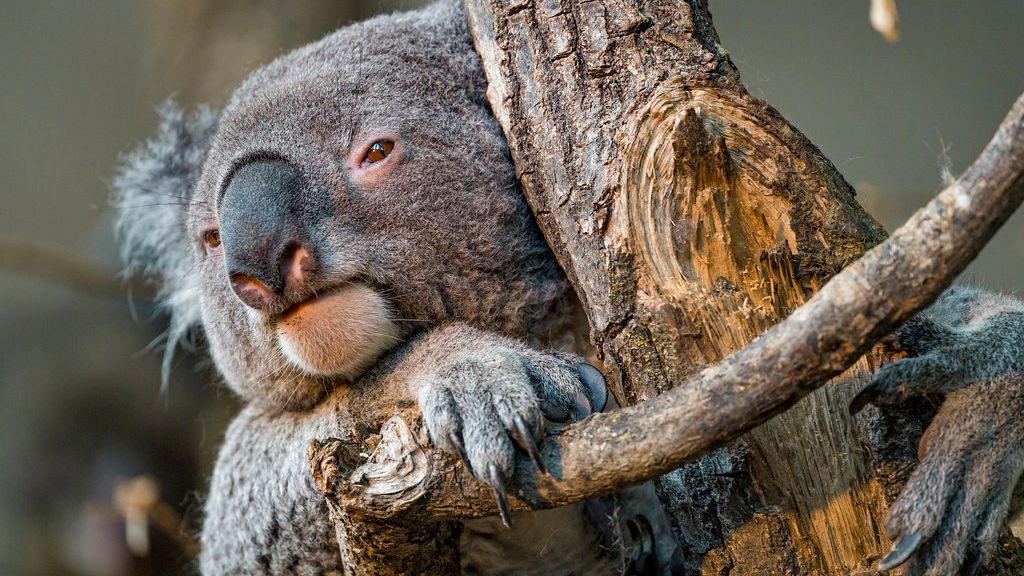
Koalas might look adorable munching away on eucalyptus leaves, sitting in trees like fluffy gray philosophers. What most people don’t realize is they’re essentially eating poison for breakfast, lunch, and dinner. Eucalyptus trees produce a horrible substance to prevent animals from eating its leaves, yet koalas have evolved to handle what would kill most other creatures.
Their pickiness takes things to another level entirely. The koala will accept around 12 of 300 types of eucalyptus, acting like a wine snob at a budget liquor store. They won’t just eat any eucalyptus leaf you throw at them. Whether leaves meet a koala’s quality standards depends on the time of year, region and “mood” of the tree!
Let’s be real: these marsupials have committed to one of the most nutrient-poor diets imaginable, then gotten ridiculously selective about it. They’re living proof that sometimes evolution takes the scenic route to survival, even if that route involves toxic leaves and an impossibly refined palate.
The Skua: Professional Bully That Steals Vomit
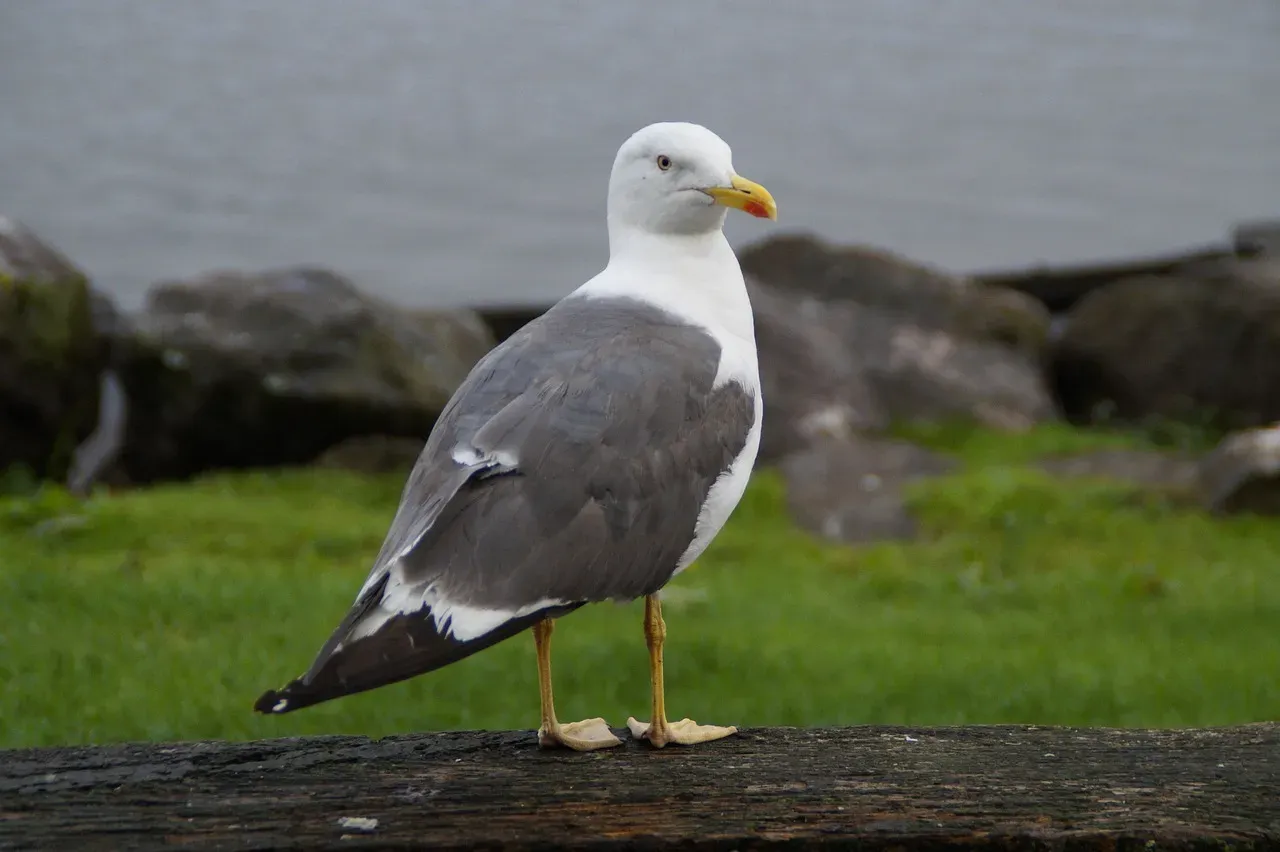
Meet the schoolyard bully of the bird world. The skua doesn’t waste time catching its own fish like other respectable seabirds. Instead, this feathered thug has perfected the art of harassment to an almost disturbing degree.
The skua takes a schoolyard bully approach and just harasses other seabirds, dive-bombing and terrorizing them until they’re so exhausted and terrified that they have to puke. That’s the skua’s actual strategy. Wait for another bird to regurgitate its partially digested meal, then swoop in for the easiest dinner ever.
How much of their diet relies on this grotesque method? Stolen puke forms as much as 95% of a skua’s diet in the winter. Ninety-five percent! That’s dedication to laziness if I’ve ever seen it. These birds have essentially figured out that crime does pay, at least when your currency is terror-induced vomit.
The skua represents nature at its most brutally efficient. Why spend energy fishing when you can just terrorize your neighbors into giving up their lunch? I can’t decide if it’s genius or absolutely revolting. Maybe both.
Caecilians: The Babies That Literally Eat Their Mothers
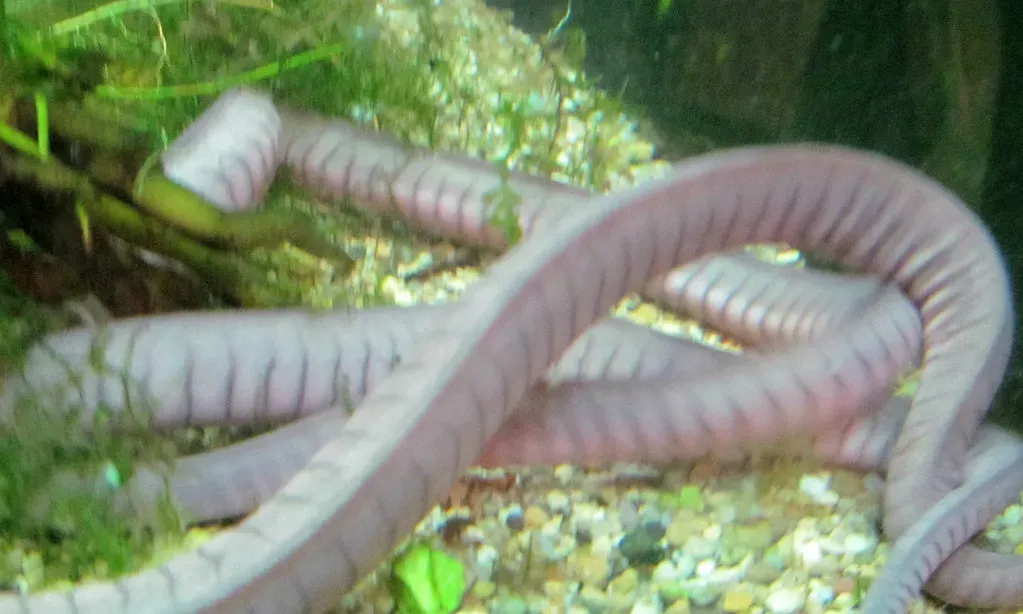
If you thought your family dinners were uncomfortable, wait until you hear about caecilians. These worm-like amphibians from Africa have one of the most unsettling mother-child relationships in the entire animal kingdom. The babies don’t just drink milk or eat regurgitated food. They eat their mother’s skin.
As larvae, young caecilians will peel off their mother’s skin and eat it, providing them with some necessary nutrients and fat. Thankfully, evolution planned ahead. Her skin grows back every three days and this process continues until they are grown, turning motherhood into a literal act of self-sacrifice.
Imagine being a caecilian mom, lying there while your babies systematically strip away your outer layer like it’s an all-you-can-eat buffet. Every three days, baby caecilians employ specialized, temporary fangs to strip the skin from their mother’s body. They’re born with specialized teeth designed specifically for this purpose!
This is maternal devotion taken to an extreme I never thought possible. The caecilian mother doesn’t abandon her nest to find food because she is the food. It’s simultaneously beautiful and horrifying, depending on how you look at it.
White-Tailed Deer: Vegetarians With a Dark Side
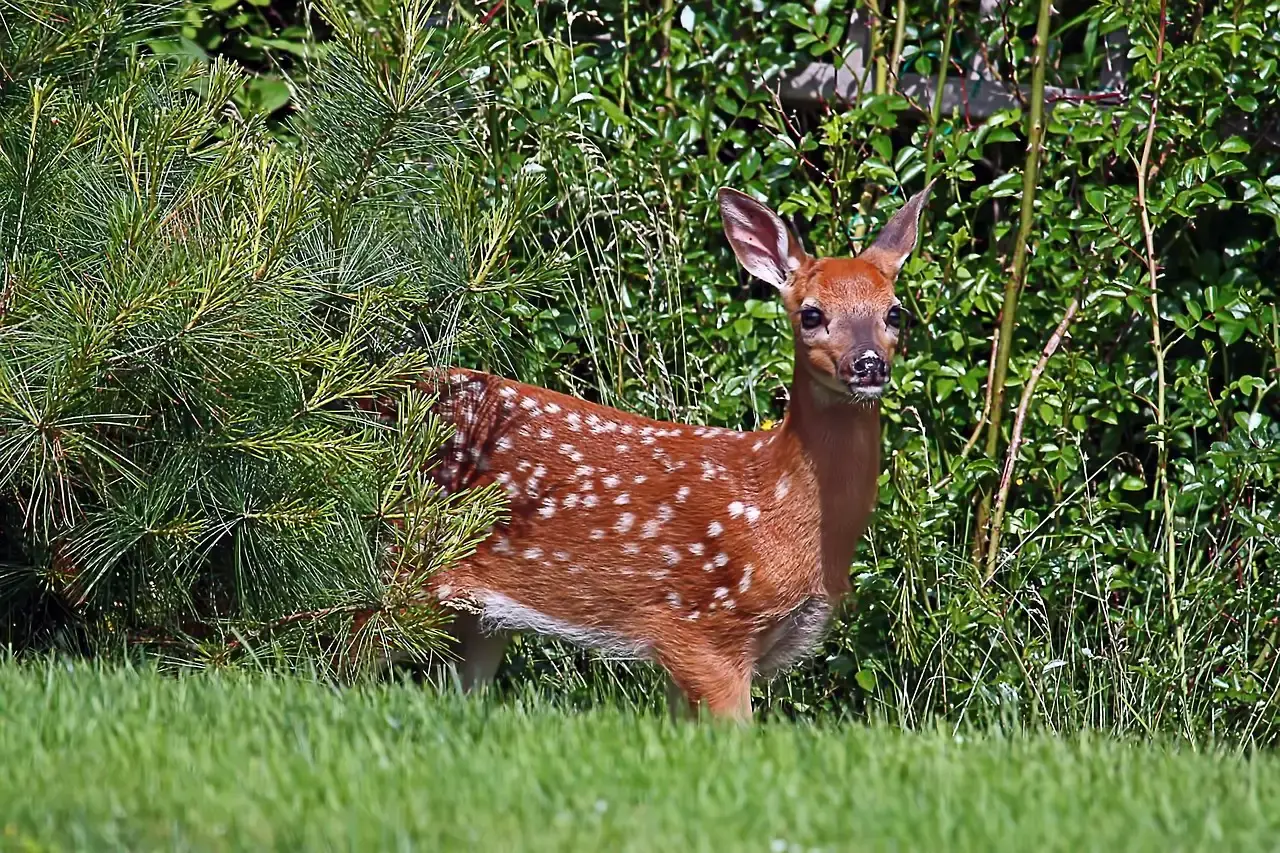
You probably think of deer as gentle forest creatures, peacefully grazing on plants and avoiding predators. That wholesome image? Time to shatter it completely. These supposed herbivores have a secret they’ve been keeping from most of us.
Scientists observed a white-tailed deer eating a corpse back in 2017, and it freaked people out for good reason. Many herbivores are seen eating meat, fish or shells, revealing that dietary labels in nature aren’t as strict as we once believed.
They mainly feed on plants only because their body structures do not allow them to hunt, not because they’re morally opposed to meat. Give a deer access to easy protein, and apparently all bets are off. It’s hard to say for sure, but this suggests herbivores might be more opportunistic than we ever imagined.
This discovery challenges everything we thought we knew about plant-eating animals. Deer aren’t strict vegetarians by choice. They’re vegetarians by circumstance. If a convenient carcass shows up, why waste perfectly good nutrients? Nature’s pragmatism never ceases to surprise me.
Conclusion
The animal kingdom serves up meals that would horrify even the most adventurous foodies among us. From blood-drinking finches to skin-eating amphibian babies, these five creatures prove that survival demands creativity, no matter how disturbing the results might seem to human observers.
These bizarre diets remind us that nature operates on an entirely different set of rules. What seems gross or unthinkable to us represents ingenious evolutionary solutions to challenging environments. Each of these animals has carved out its own ecological niche through dietary adaptations most species would never dare attempt.
Next time you sit down for dinner, take a moment to appreciate the normalcy of your meal. At least you’re not pecking someone for blood or waiting for your neighbor to vomit. What do you think about these wild eating habits? Which one shocked you the most?

- Could Rising Ocean Temperatures Create Super Hurricanes? - July 13, 2026
- These Majestic Birds Are Soaring to Unprecedented Heights Across the US - July 13, 2026
- 12 Amazing Things Only Dog Owners Truly Understand - July 13, 2026