
Picture this. You’re standing at the edge of something so vast, so ancient, it makes your everyday worries feel microscopic. That’s the magic hiding inside America’s national parks. These protected landscapes hold more than just pretty views, they’re geological time machines carved by ice, fire, water, and wind over millions of years.
Most folks know about the Grand Canyon or Yellowstone. Those are the superstars. Yet scattered across this country are natural wonders so surreal, they almost don’t seem real. From underground mazes stretching for hundreds of miles to geysers that shoot boiling water like clockwork into the sky, there’s something genuinely mind-blowing waiting around nearly every trail bend. So let’s dive in.
Yellowstone’s Geothermal Wonderland
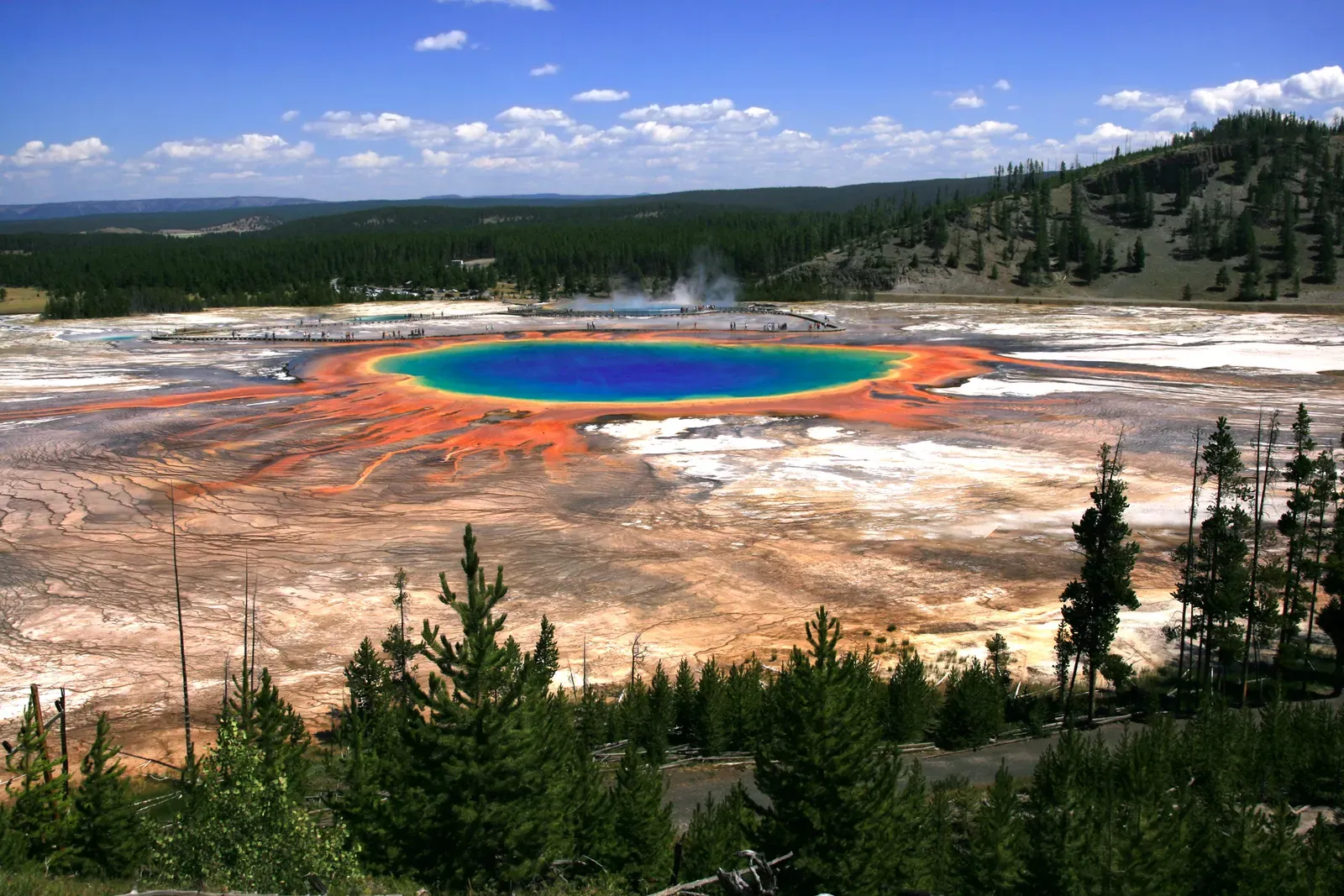
At this UNESCO World Heritage Site and Biosphere Reserve, you’ll be amazed by the world’s largest collection of geysers and hydrothermal features, including hot springs, boiling mud pots and steaming fumaroles. Walking through Yellowstone honestly feels like visiting another planet. Vibrant pools of turquoise and orange bubble away, steam rises from every crack in the earth, and the smell of sulfur hangs thick in the air.
Old Faithful, the park’s most famous geyser, erupts more regularly than any other geyser on earth, spouting up to 8400 gallons of water over 100 feet high into the air every hour or two, day and night. Standing there watching this natural fountain do its thing never gets old. It’s one of those moments where you realize nature has its own perfect rhythm, ticking away long before humans showed up.
The Grand Canyon’s Immeasurable Depths
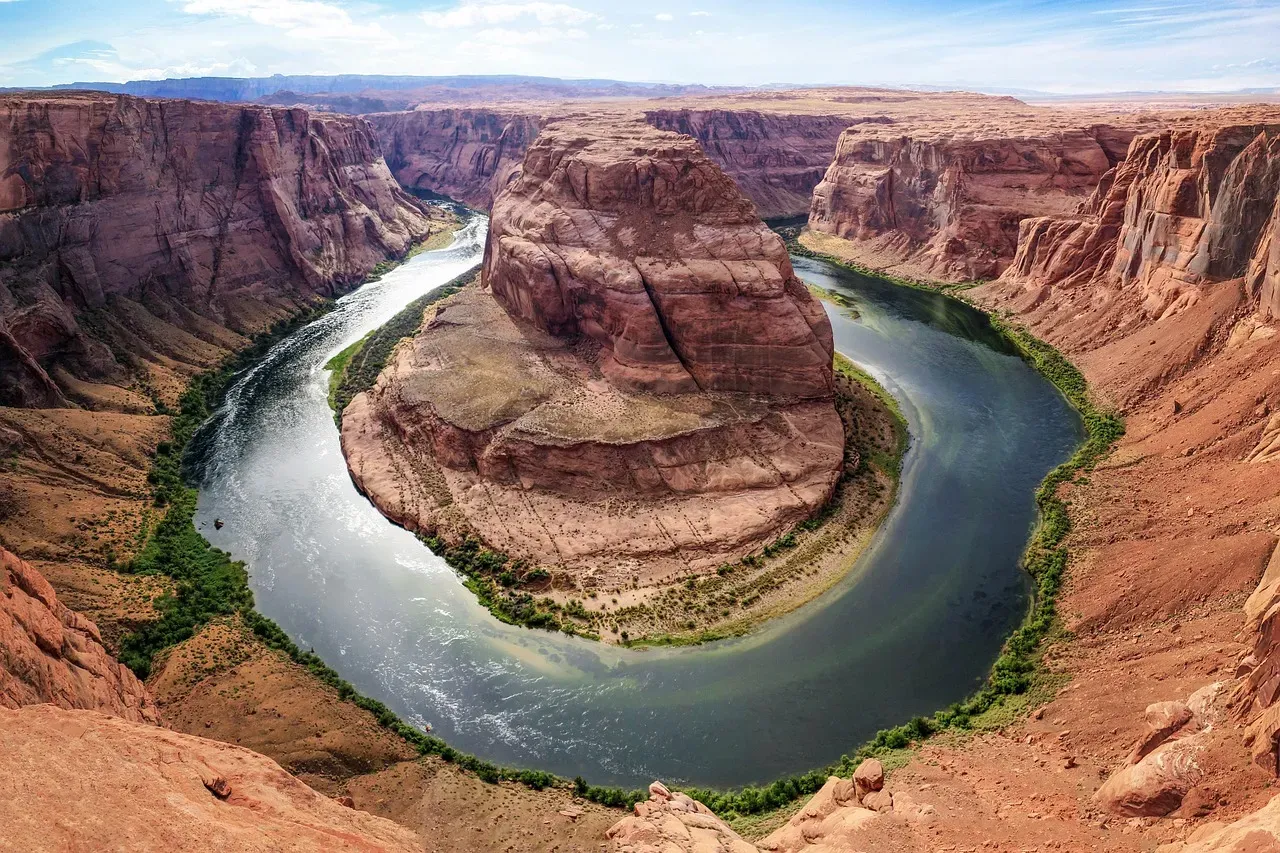
Let’s be real, no photograph truly captures the Grand Canyon. Measuring a mile deep, up to 18 miles wide and more than 275 miles long, no other sight in the USA beats this giant hole in the ground for instilling stupefying awe. When you first peer over that edge, your brain struggles to process the scale. It’s just too big.
The layers of rock tell a story stretching back millions of years. Each stripe of red, orange, and tan represents a different chapter in Earth’s history. Some folks are content snapping photos from the rim, but hiking down into the canyon reveals its true personality. You feel the temperature rise, hear the Colorado River’s distant roar, and suddenly you’re walking through geologic time itself.
Half Dome’s Granite Majesty
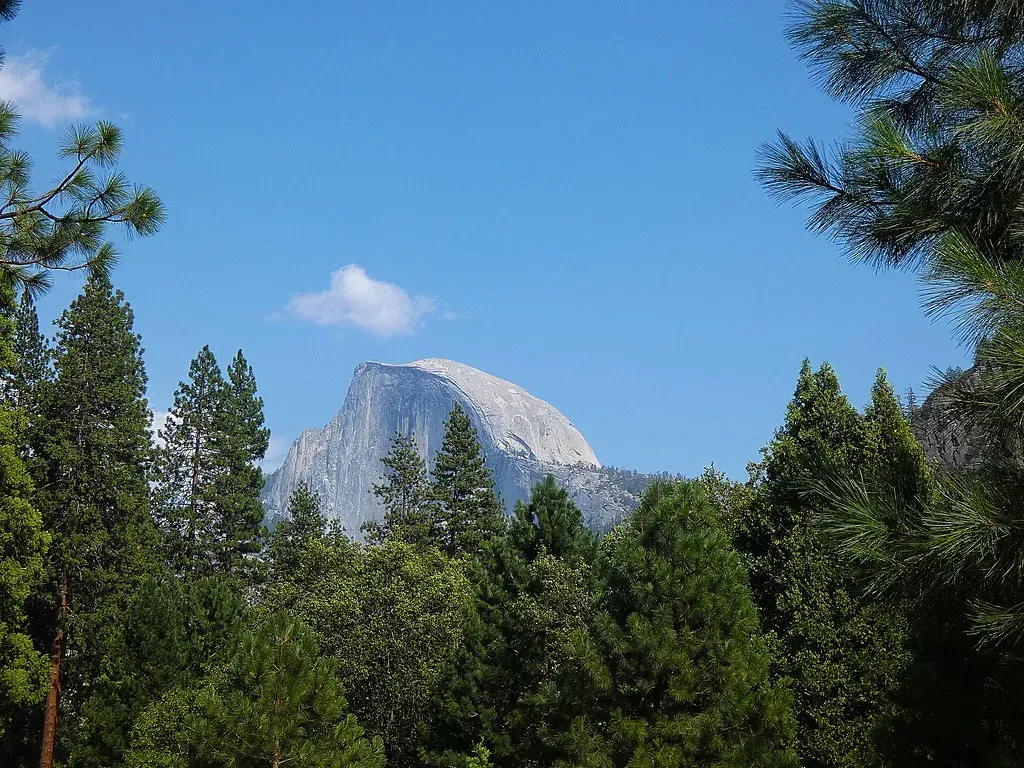
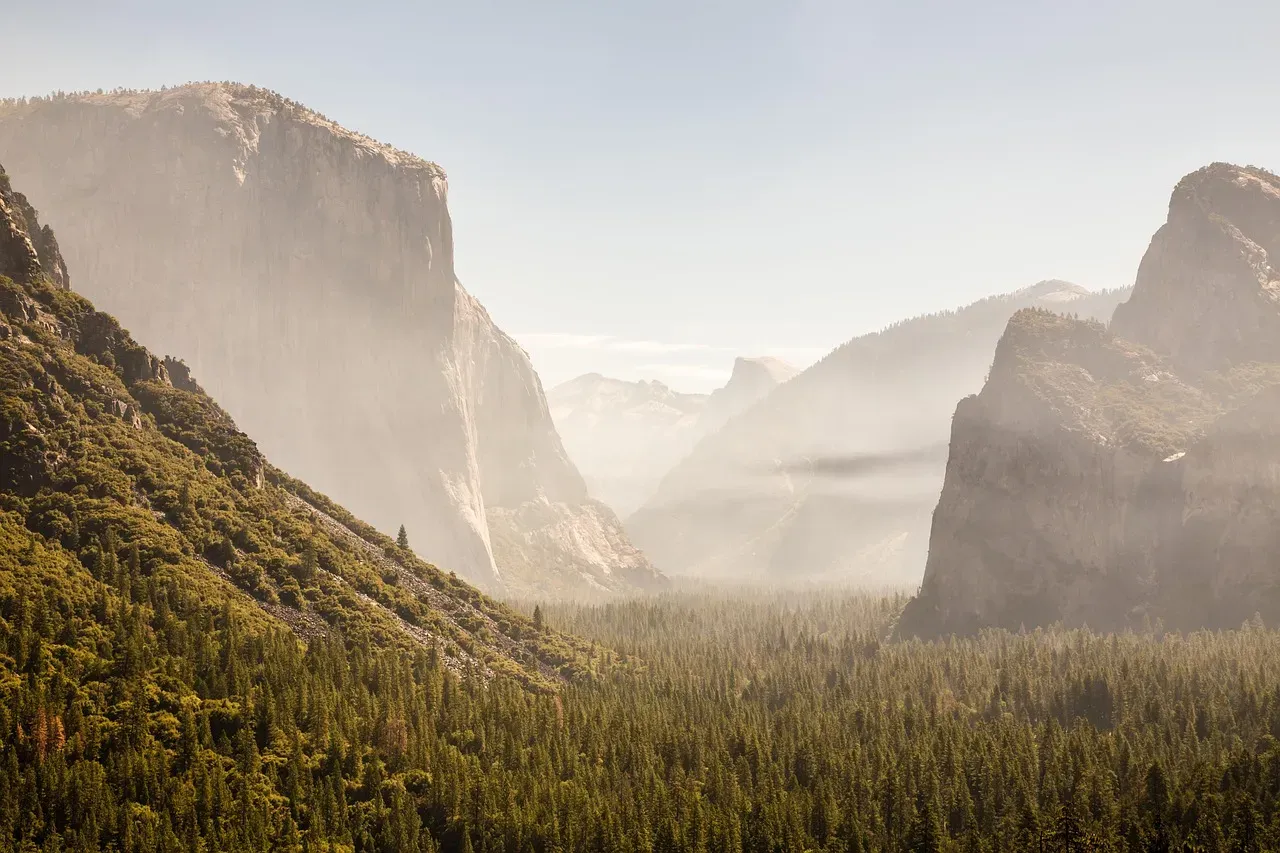
Half Dome, which stands nearly 8,800 feet (2,682 meters) above sea level, is composed of granodiorite, and is the remains of a magma chamber that cooled slowly and crystallized thousands of feet beneath the Earth’s surface. What makes this massive rock so striking is that distinctive shape, one side sheared off like someone took a giant knife to it. From the valley floor, it dominates the skyline.
As the overlying rock eroded, the confining pressure on the pluton was removed and a type of weathering called exfoliation slowly created the more rounded appearance of the dome. At the same time, weathering along vertical joints created the steep northwest face. Later glaciation continued the process by undercutting and plucking rock from the already steep face. Nature sculpted this icon over countless millennia. Climbing it requires permits, stamina, and nerves of steel, especially for that final cable section where you’re basically pulling yourself up near-vertical granite.
Yosemite Falls’ Thundering Cascade
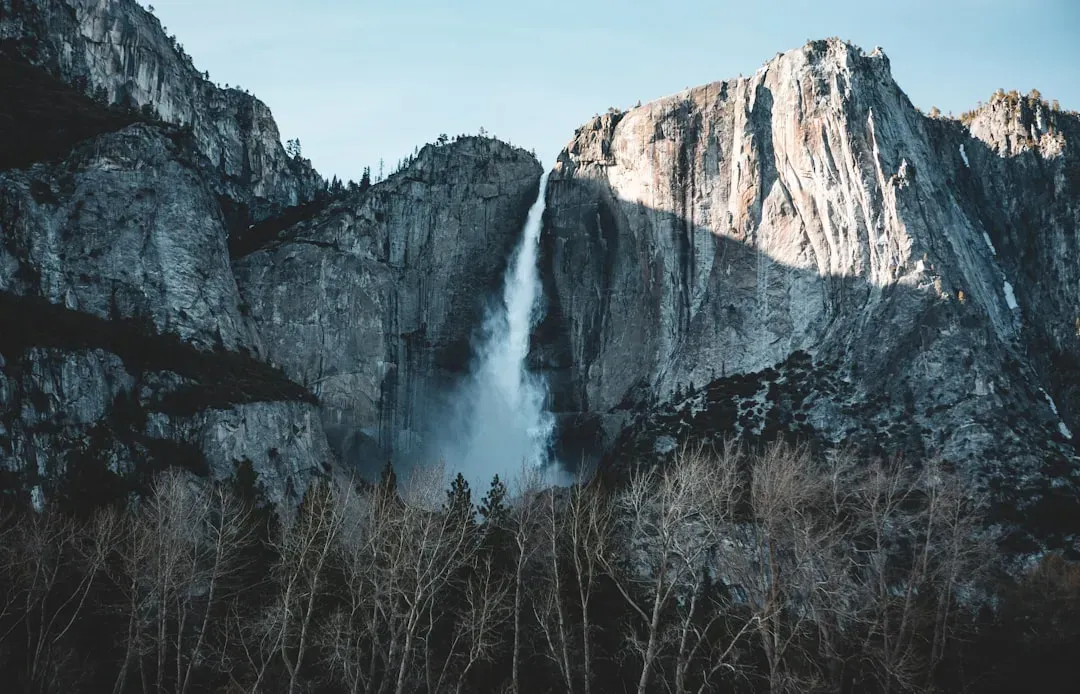
If you’ve ever wondered what raw power sounds like, stand near Yosemite Falls in late spring. The triple-decker cascade of Yosemite Falls tumbles 2425 ft into a glacially carved valley. That’s taller than six football fields stacked vertically. When snowmelt is at its peak, the roar echoes through the entire valley.
The waterfall has three sections, each beautiful in its own way. Upper Fall drops dramatically, Middle Cascades tumble over rocks, and Lower Fall provides the grand finale. During drought years, the falls can slow to a trickle or even dry up completely by late summer. Timing matters. Visit during peak flow and you’ll get soaked by mist from hundreds of feet away.
Mammoth Cave’s Underground Labyrinth
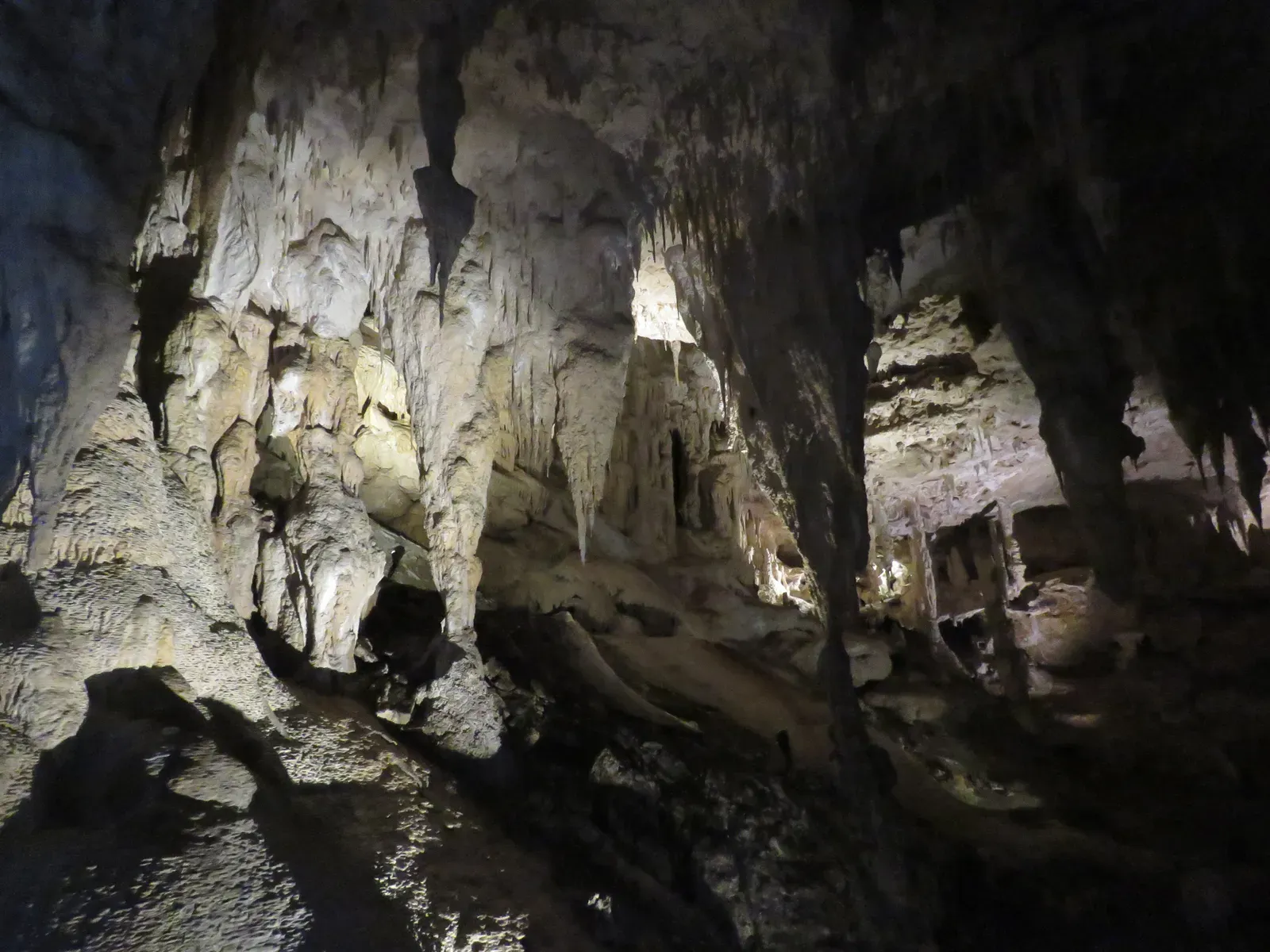
Forget everything you think you know about caves. Mammoth is the longest recorded cave system in the world with over 400 mapped miles. That’s not a typo. More than four hundred miles of passages snake beneath Kentucky, and explorers keep finding more. It’s honestly hard to wrap your head around that much underground real estate.
Boxwork may not be the most grandiose of cave formations, but it’s one of the rarest and most mysterious. The elaborate pattern of paper-thin veins of calcite on the ceiling of Wind Cave was named for its resemblance to the cubby holes in the local town’s post office. Though that’s Wind Cave, Mammoth has its own jaw-dropping formations. The darkness, the cool air, the sense that you’re walking through Earth’s hidden architecture, it’s a completely different kind of natural wonder than standing on a mountaintop.
Crater Lake’s Impossibly Blue Waters
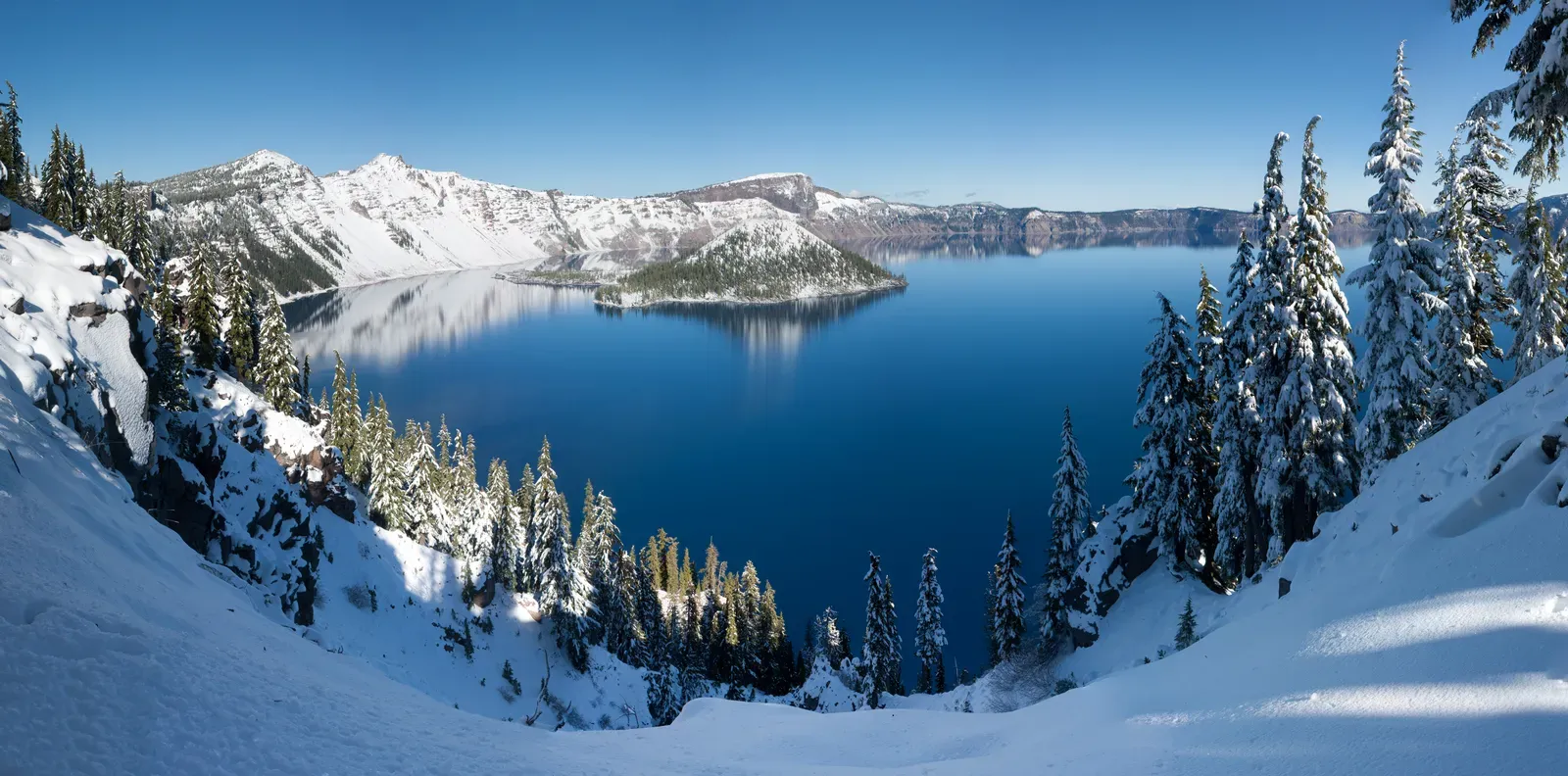
The astounding clarity of 1943ft-deep Crater Lake, formed by rainfall in an extinct volcanic caldera, will have you instantly reaching for your camera. This is America’s deepest lake, and that blue is so vivid it almost looks fake. No rivers feed into it, no streams flow out. It’s just pure snowmelt and rain collecting in the collapsed remains of an ancient volcano.
The water is some of the cleanest and clearest on the planet. On calm days, you can see down more than a hundred feet. Wizard Island rises from the center like a miniature volcano within the volcano. Driving the rim road offers constantly changing perspectives, each one more stunning than the last. Winter buries the place under massive amounts of snow, but summer reveals why this spot has captivated visitors for generations.
Arches National Park’s Delicate Sculptures
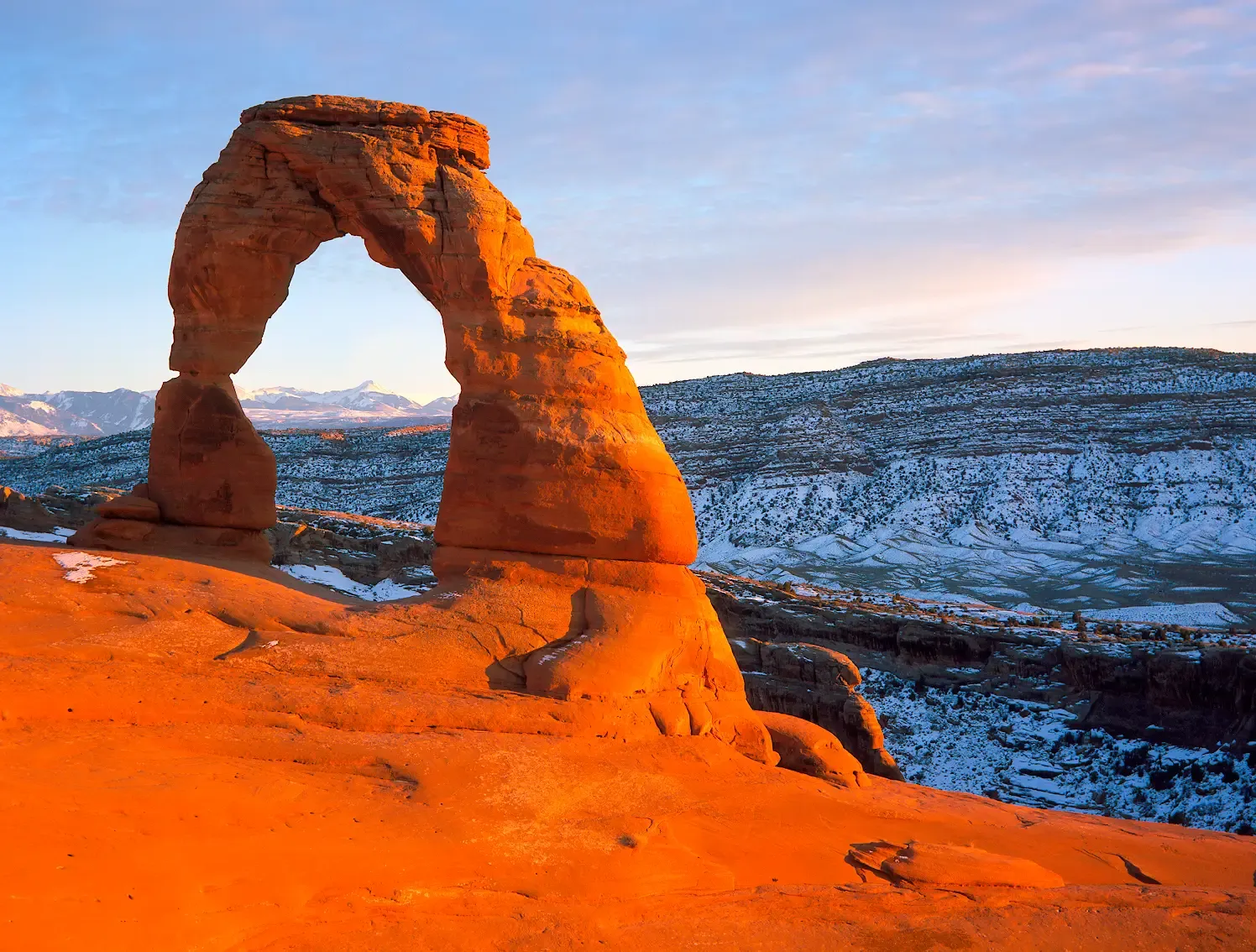
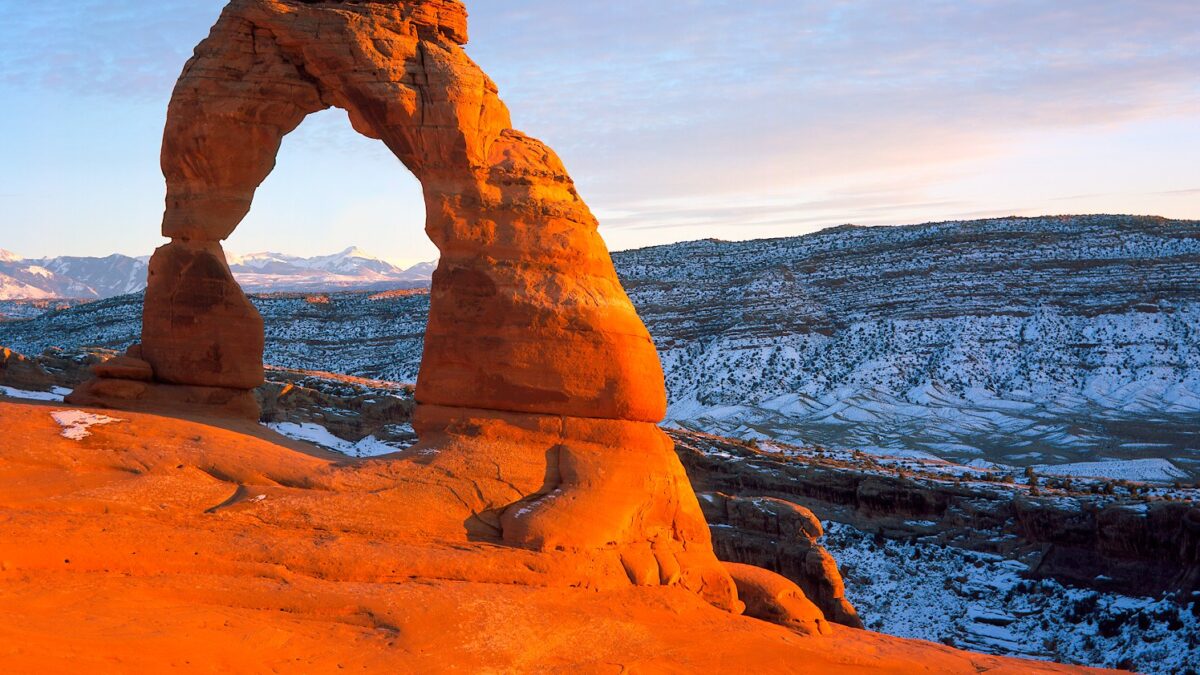
There is nowhere else on Earth where you can find in one location so many rock arches, bridges, and windows. Whether you hike out to Delicate Arch, stand before Landscape Arch, or frame yourself in one of the ‘windows’ or perhaps Turret Arch, spend any time in this park and you’ll gain a new perspective for geology. These aren’t just holes in rocks. They’re masterpieces carved by wind, water, and time working together over millions of years.
Delicate Arch has become Utah’s symbol, and seeing it in person, especially at sunset, is something special. The arch seems impossibly fragile, balanced on the edge of a massive stone bowl. You half expect it to topple over any second. Yet it’s stood there for thousands of years, and probably will for thousands more. Unless it doesn’t. That’s part of what makes these formations so precious, they’re temporary on a geological timescale.
Hawaii Volcanoes’ Living Landscape
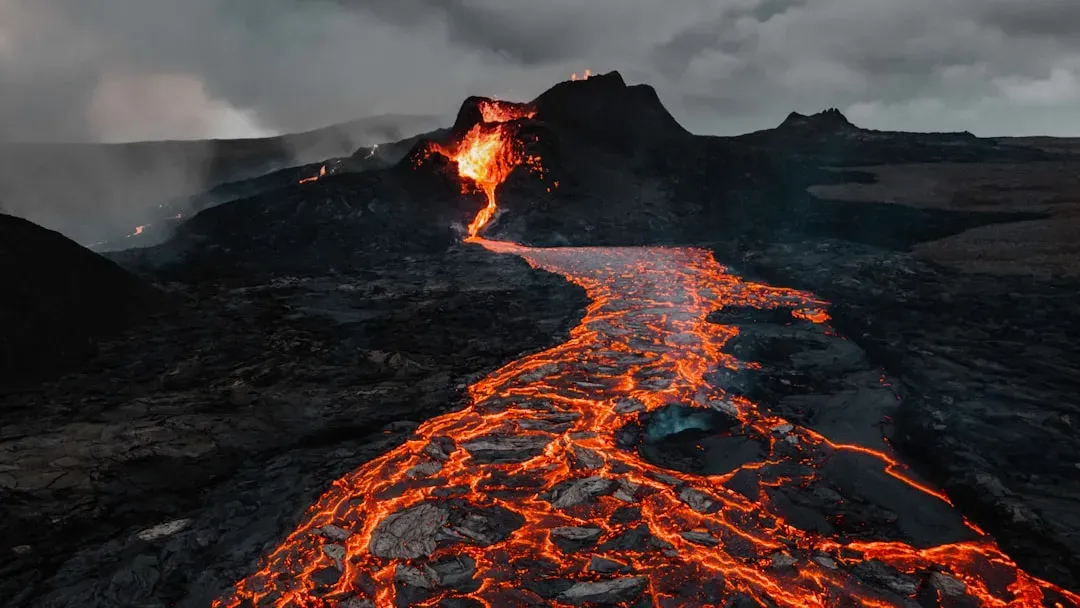
Nowhere else in the country can you see geological forces birthing new land like here at Hawaiʻi Volcanoes National Park, a UNESCO World Heritage site. This park isn’t just about viewing ancient geology. It’s about witnessing creation happening right now. Kilauea has been one of the world’s most active volcanoes, and when it’s flowing, you can literally watch new earth form.
The park also contains Kilauea, the world’s most active volcano. In contrast to explosive continental volcanoes, the more fluid and less gaseous eruptions of Kilauea and Mauna Loa produce awe inspiring, fiery fountains and rivers of molten lava that visitors can observe from a safe distance. Kilauea produces enough volcanic material every day to cover a football field to the height of the Washington Monument and has been erupting continuously since 1983. Though eruption patterns change, the volcanic activity continues shaping these islands. Steam vents hiss, craters glow at night, and the air carries that distinct volcanic smell. It’s raw nature showing off its power.
Conclusion
America’s national parks protect some of the planet’s most extraordinary landscapes. These eight wonders represent just a fraction of what’s out there waiting to be explored. Each one tells a different story about how our world was shaped, whether by ancient volcanoes, massive ice sheets, patient erosion, or underground rivers carving stone.
What strikes me most about these places is how they make you feel small in the best possible way. They remind us that we’re part of something much bigger and older than ourselves. So which one are you adding to your bucket list first? Have you visited any of these already? What surprised you most?

- The Perfect Pet for Each Zodiac Sign - July 7, 2026
- The Wild Animal That Embodies Your Zodiac Sign’s Spirit - July 6, 2026
- 7 Steps to Planting Admirably Beautiful Bluebonnets - July 6, 2026