

Our planet is covered with forests, each serving as a green lung and home to countless species. You might think you know forests, having walked through the woods near your home or hiked in national parks.
Yet scattered across continents are forests that defy every preconception you’ve held about these natural wonders. Some grow twisted into impossible shapes, others stand dead yet refuse to decay, and a few look like they’ve been plucked from fantasy novels. These aren’t your typical woodland walks. What makes a forest truly unique isn’t always its size or age, but sometimes the sheer strangeness of what nature has created. Let’s dive in.
The Crooked Forest: Poland’s Botanical Mystery
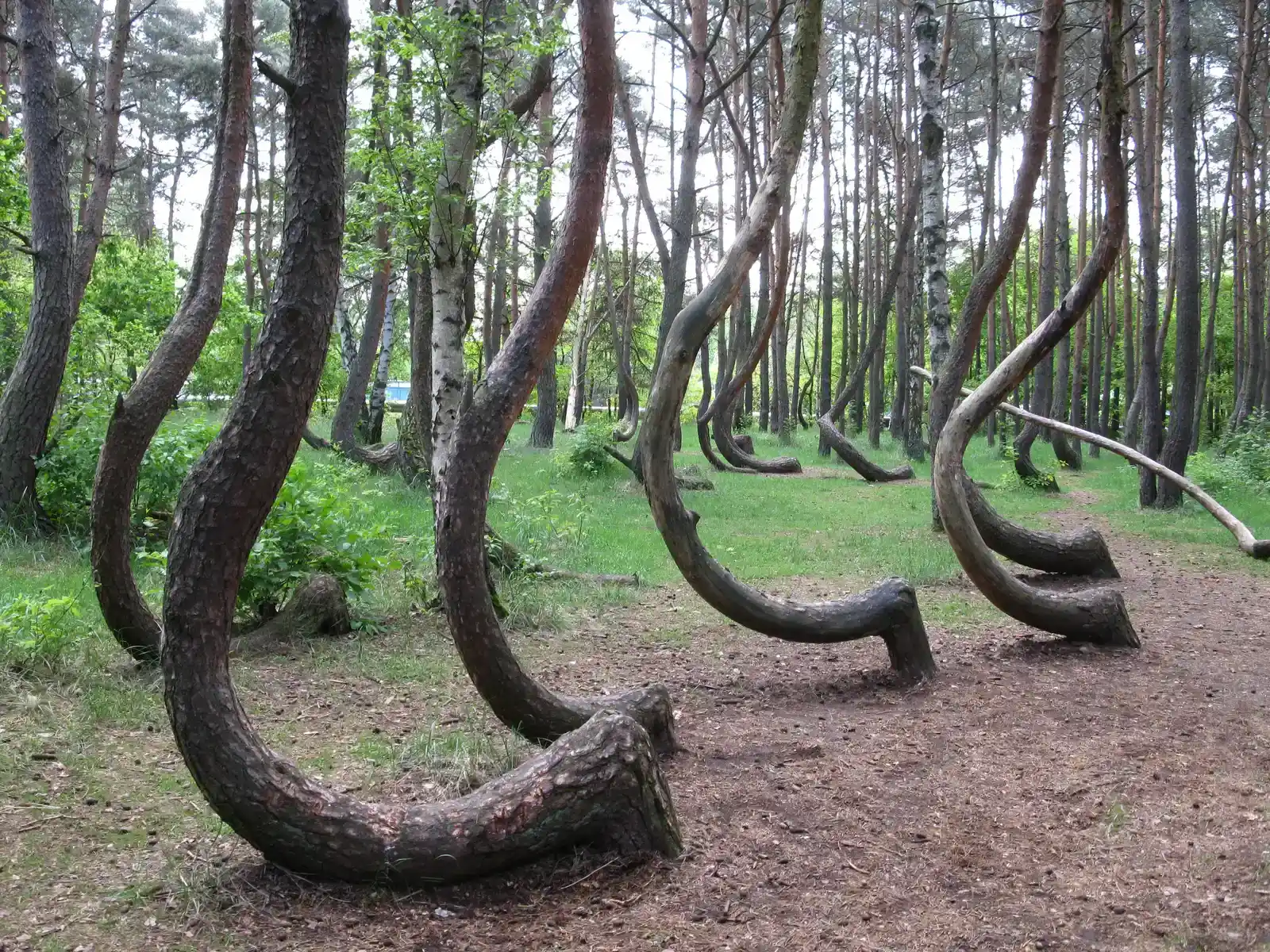
Near the town of Gryfino in northwestern Poland, about 400 pine trees grow with an unexplained bend at their base. All of them curve in the shape of a slanted J, with the belly of the J pointing North. What makes this grove truly bizarre is that they’re surrounded by other trees that are happily growing in the old fashioned manner.
The trees are said to have been planted around 1930 in what was then Germany, yet nobody knows for certain why they grew this way. Many theories have been posed, from tanks rolling over them during WWII to humans bending the trees themselves to make curved wood for boats, but in the end, no one really knows why they’ve grown this way. It’s this enduring mystery that makes the Crooked Forest so captivating, reminding us that nature still holds secrets we may never fully unlock.
Dragon Blood Forest: Socotra’s Alien Landscape
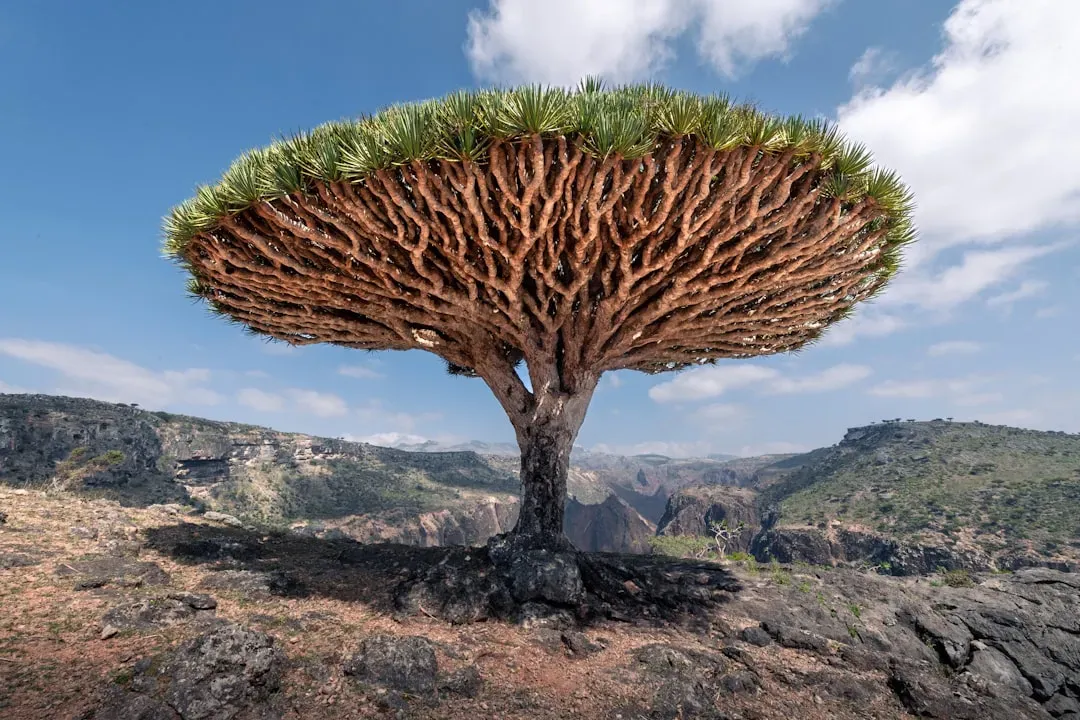
The Socotra dragon tree is native to the Socotra archipelago, part of Yemen, and is named after the blood-like color of the red sap that the trees produce. These trees on the Yemeni island of Socotra are one of the most unique and abstract looking vegetative species on the planet. Their umbrella-shaped canopies and thick trunks create an otherworldly silhouette against the sky, like giant mushrooms scattered across the rocky plateaus.
The Fermhin Forest stands as a testament to nature’s resilience, home to the largest population of Dragon Blood Trees in the world, where trees are as old as 700 to 1,000 years. Honestly, standing among these ancient specimens feels like stepping onto another planet. The frequency of severe cyclones has increased dramatically across the Arabian Sea in recent decades, and in 2015, a devastating one-two punch of cyclones tore across the island, uprooting centuries-old specimens by the thousands. The survival of this unique ecosystem now depends on conservation efforts and protected nurseries.
Deadvlei: Namibia’s Scorched Graveyard
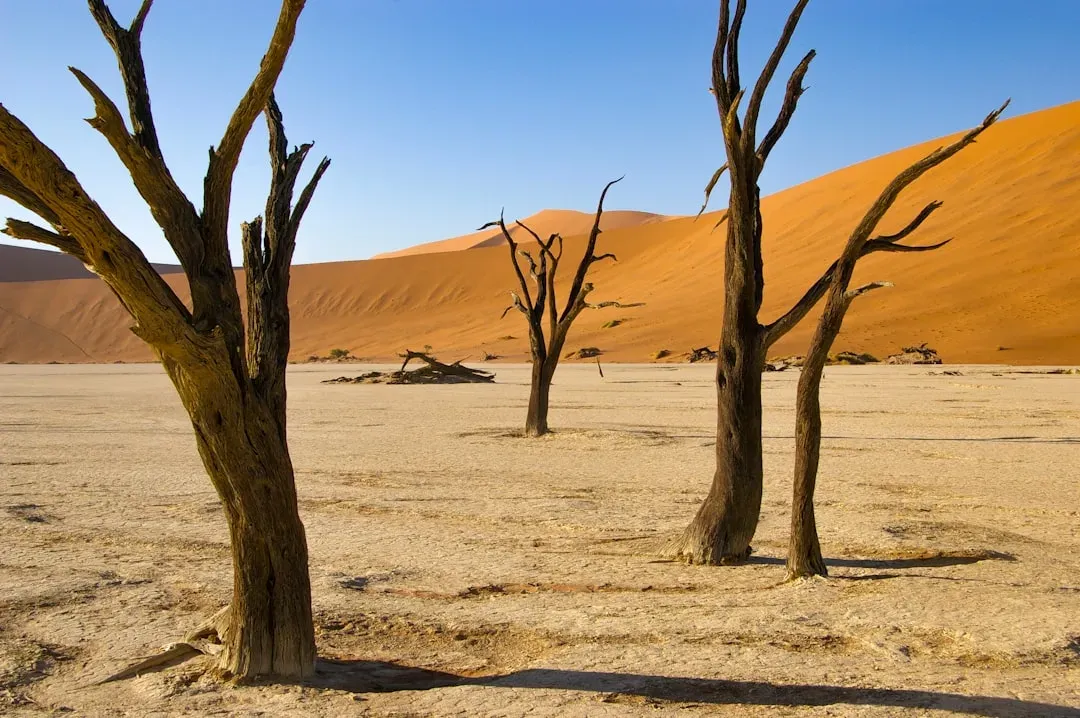
Deadvlei is a white clay pan located near the more famous salt pan of Sossusvlei in the Namib-Naukluft Park in Namibia, and its name means “dead marsh”. Here’s the thing: this isn’t technically a living forest anymore. The clay pan was formed after rainfall, when the Tsauchab river flooded, creating temporary shallow pools where camel thorn trees grew, but when the climate changed, drought hit the area, and sand dunes blocked the river from the area, causing the trees to die.
The remaining skeletons of the trees, which are believed to have died 600–700 years ago, are now black and scorched by the intense heat, and though not petrified, the wood has not decomposed because the area is so dry. The trees, now over 1000 years old, form a barren forest. The stark contrast between the blackened tree skeletons, the white clay floor, and the surrounding orange dunes reaching heights comparable to skyscrapers creates one of Earth’s most hauntingly beautiful landscapes.
Zhangjiajie National Forest: Avatar’s Real-World Inspiration
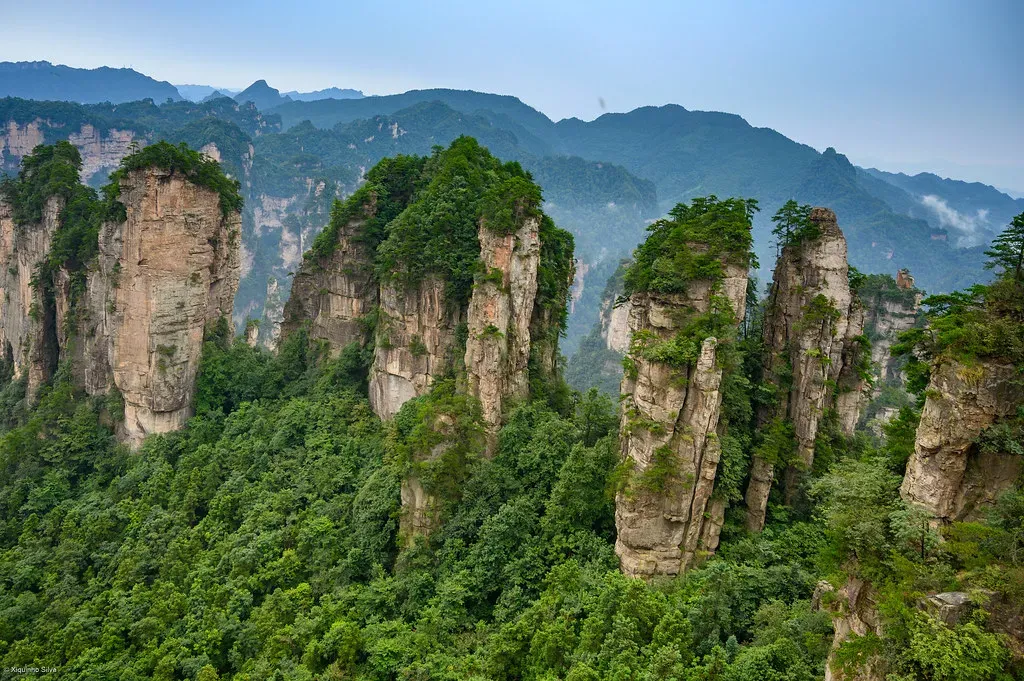
Zhangjiajie National Forest Park is located in Zhangjiajie, Hunan Province, China, and was recognized as China’s first national forest park in 1982 with an area of 4,810 hectares. Zhangjiajie is famous for its 3,000 vertical pillars, each standing hundreds of feet tall and covered in dense green foliage, formed by erosion. These aren’t your typical mountains.
One of the park’s quartz-sandstone pillars, the 1,080-metre Southern Sky Column, was officially renamed “Avatar Hallelujah Mountain” in honor of the movie Avatar in January 2010. The film’s director and production designers said that they drew inspiration for the floating rocks from mountains from around the world, but mainly from Guilin, Huangshan, and Zhangjiajie in Hunan province. When morning mist rolls through the valleys, the towering pillars appear to float in the clouds, creating a scene that truly does look like something from a fantasy film.
Sagano Bamboo Grove: Japan’s Living Symphony
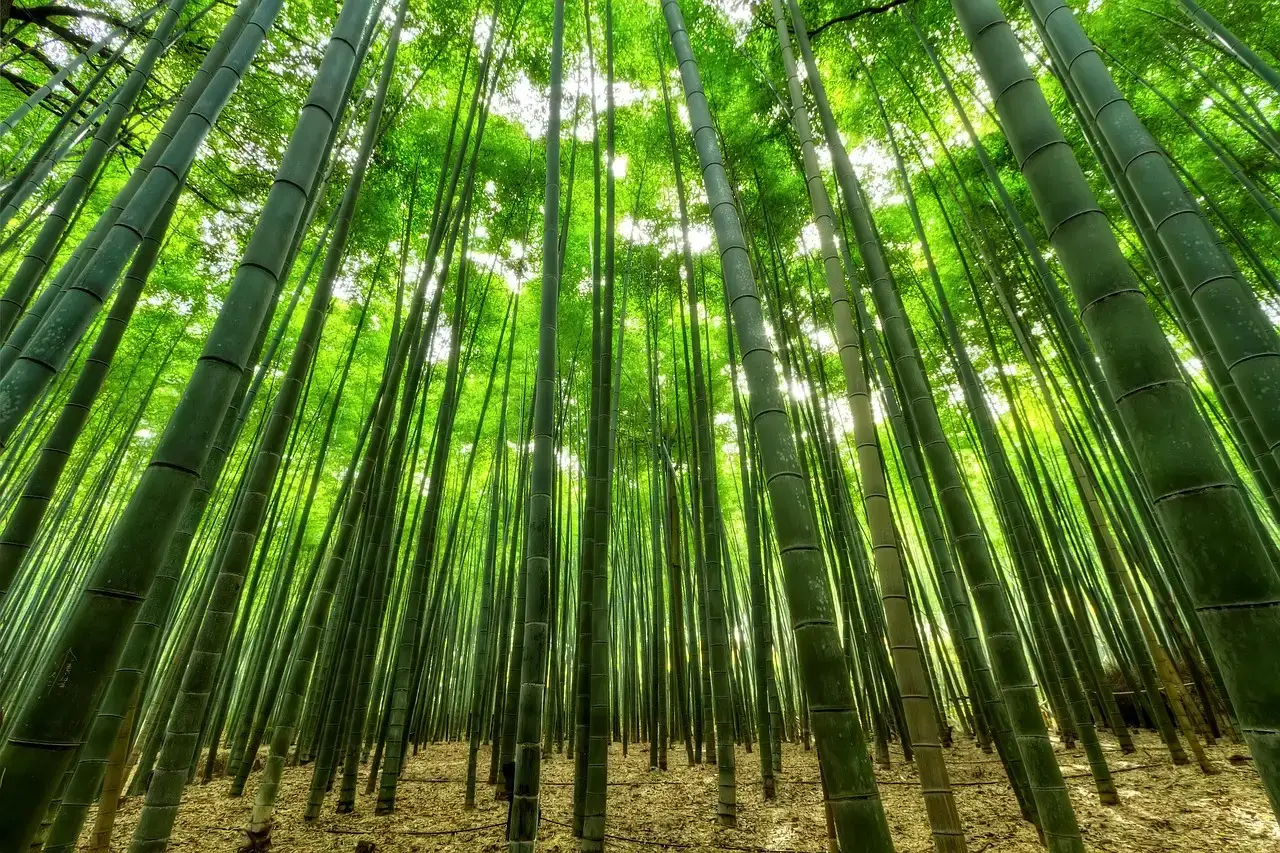
This forest, planted at the foot of Mount Arashiyama in the XV century, is more than 500 years old, and though bamboo does not live as long as the baobab, this does not make the Sagano forest any less beautiful. Walking through the towering green stalks creates an almost meditative experience. The bamboo trunks stand so tightly that in windy weather, hitting each other, they emit a melodious sound similar to the sound of wooden hanging bells.
In Arashiyama, to the west of Kyoto, the Sagano Bamboo Forest is a symbol of prosperity and purity in Japan, and bamboo is a significant part of the country’s culture, remaining one of Japan’s top tourist destinations. The way sunlight filters through the dense canopy creates ever-changing patterns on the path below, painting everything in shades of green that shift throughout the day. It’s hard to say for sure, but there’s something deeply calming about being surrounded by these ancient, swaying stalks.
Hallerbos: Belgium’s Blue Wonderland
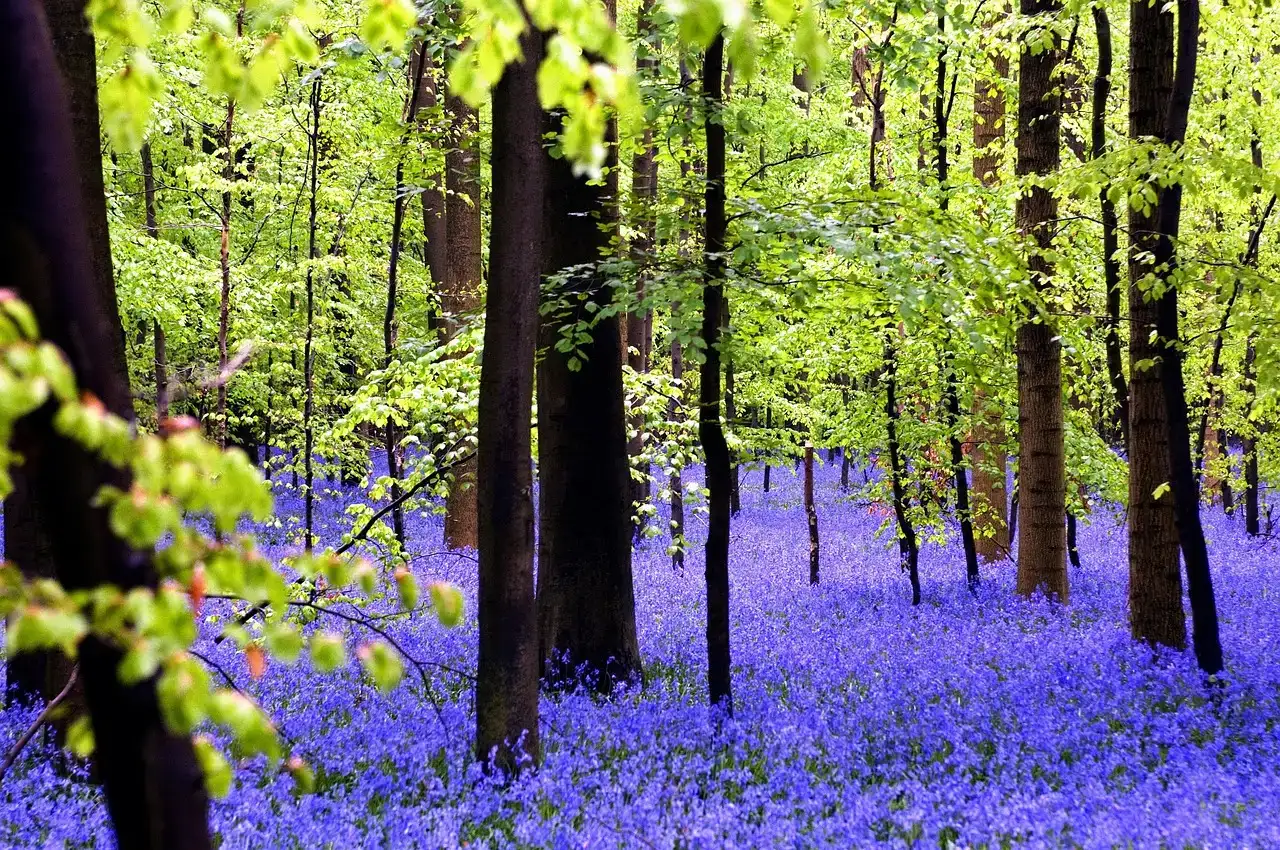
Situated nearby and named after the town of Halle in Belgium, Hallerbos forest is known for its magical carpet of bluebells that bloom every spring, attracting visitors worldwide, and is also known as ‘The Blue Forest’. For a brief window each year, typically in late April, the forest floor transforms into a stunning sea of purple-blue flowers. The transformation is fleeting, lasting only a few weeks.
The beech trees tower overhead while beneath them, millions of bluebells create a carpet so dense it’s like walking through a fairytale. Honestly, photographs don’t quite capture the experience of standing surrounded by this violet haze. The delicate scent hanging in the air and the soft crunch of leaves underfoot complete an experience that feels almost magical, though it’s entirely real and happens like clockwork each spring.
The Black Forest: Germany’s Legendary Woodland
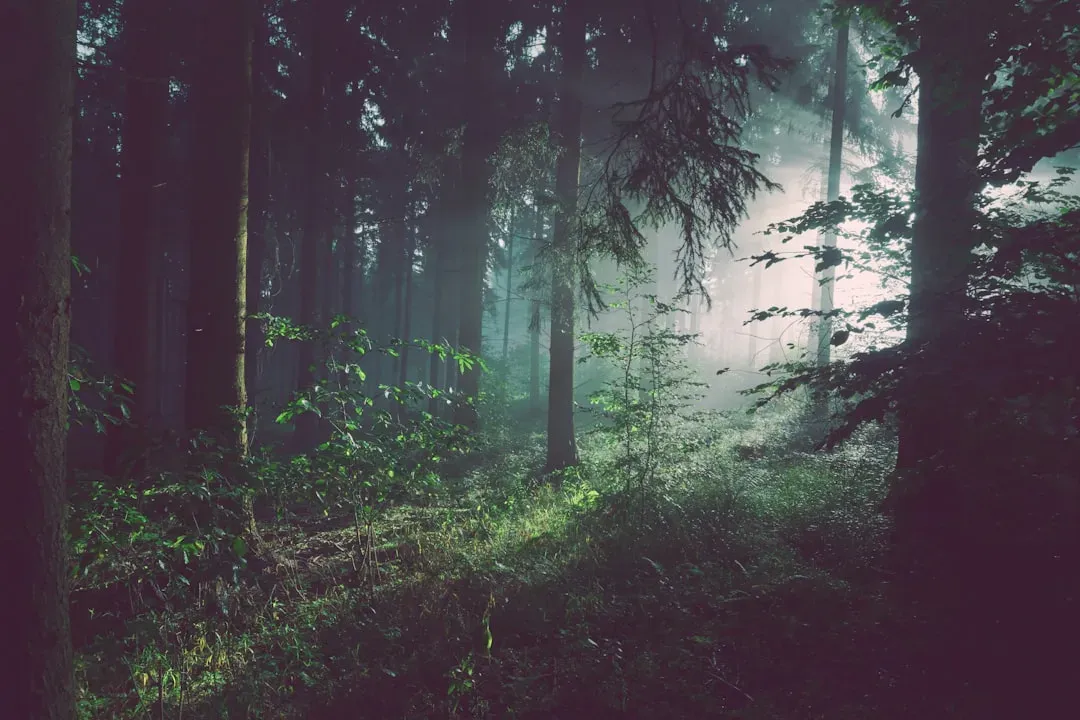
In their country, the Black Forest is known as the source of a whole heap of legends, myths and mysterious stories, evoking images of fairy tales, and many tourists admit that in the Black Forest they literally saw ghosts and nymphs behind every tree. Located in Baden-Württemberg in southwest Germany, The Black Forest spans 6,009 square kilometers, and you can explore the forest on foot, bike or ski.
The forest’s magical landscape has been the setting to some of the Brothers Grimm’s fairy tales. Despite its somewhat ominous name and reputation, the reality is less sinister. The forest is dotted with charming villages, clear lakes, and miles of well-maintained hiking trails. The dense evergreen canopy does create shadowy pathways that spark the imagination, making it easy to understand why storytellers found inspiration here for centuries.
Goblin Forest: New Zealand’s Mossy Realm
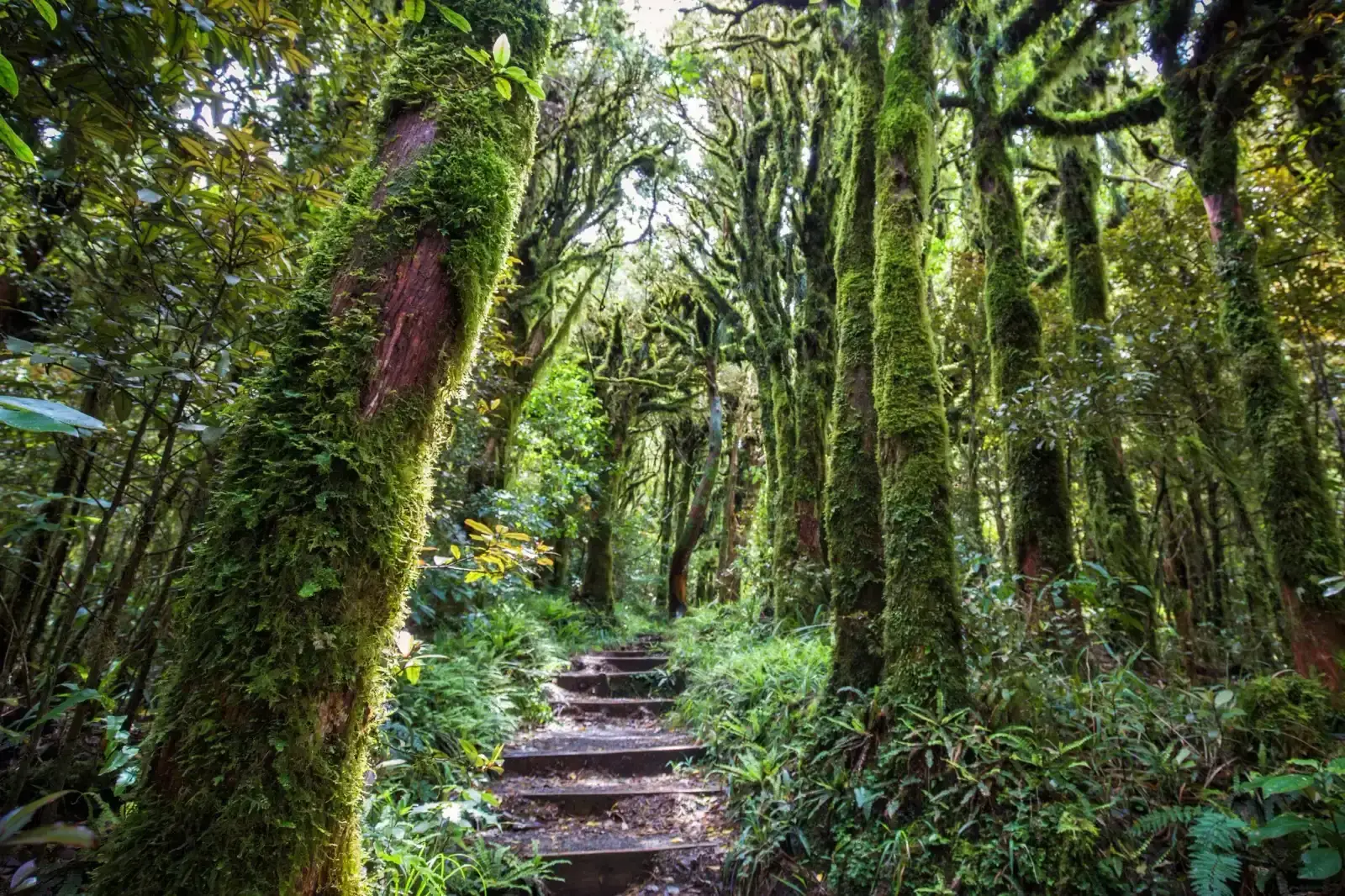
The Goblin Forest grows in the Egmont National Park: it is rather gloomy and even looks inhospitable, and the local weather of frequent fogs and rains serves as a paradise for hundreds of species of moss, which gives the trees a strange otherworldly look and even a glow. Find the forest by entering Tararua Forest Park, then make your way to the mid-slope to treeline forests on Mount Taranaki, and because this stretch of land is so misty and prone to rainfall, the trees are blanketed in green moss all the time, giving it the “goblin” glow.
The trees here include kamahi, miro, and mountain totara, all draped in thick layers of moss and lichen. Every surface is covered in green, creating an eerie yet beautiful atmosphere that feels prehistoric. The persistent moisture from frequent rains and mists nourishes the moss, which grows so thick it transforms ordinary tree branches into twisted, fantastical shapes. You half expect to see a hobbit or woodland sprite peeking from behind a trunk.
Waipoua Forest: Home to New Zealand’s Forest Lords
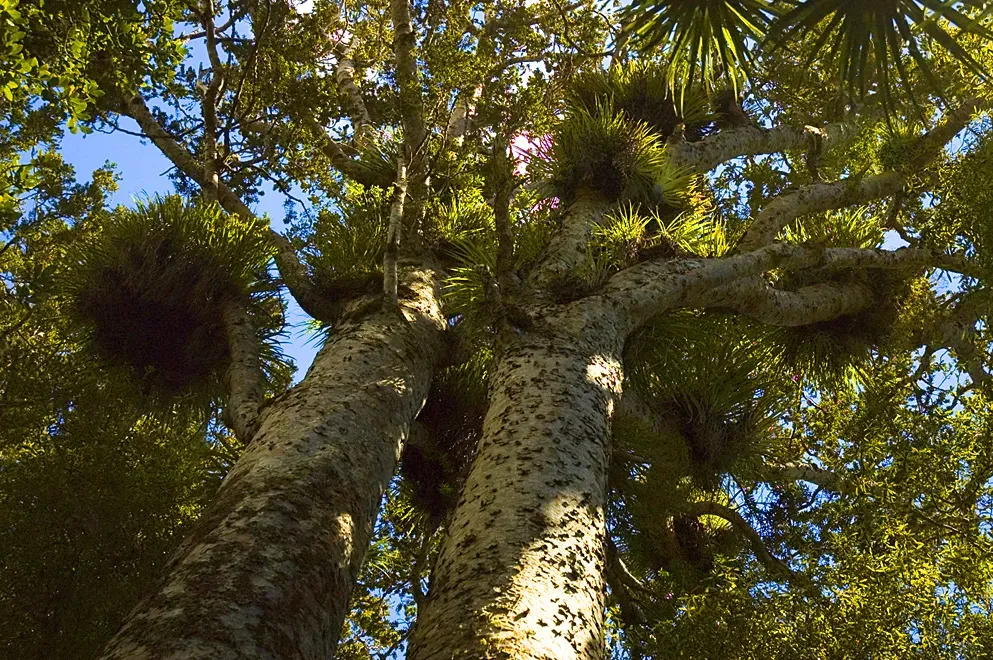
The Waipua Forest in New Zealand is home to huge coniferous kauri trees, which the local Maori tribes called “lords of the forest”. Two of these giants, Te Matua Ngaere and Tane Mahuta, are over 3000 years old. These aren’t just big trees, they’re living monuments that were ancient when many of our cities were founded.
Brown kiwis and the endangered kokako bird live among the cowries. The sheer scale of these kauri giants is difficult to comprehend until you stand at their base, craning your neck upward to glimpse their crowns. The forest has a sacred quality to it, preserved through the efforts of indigenous communities who’ve recognized the spiritual and ecological importance of these ancient sentinels for generations.
Avenue of the Baobabs: Madagascar’s Iconic Giants
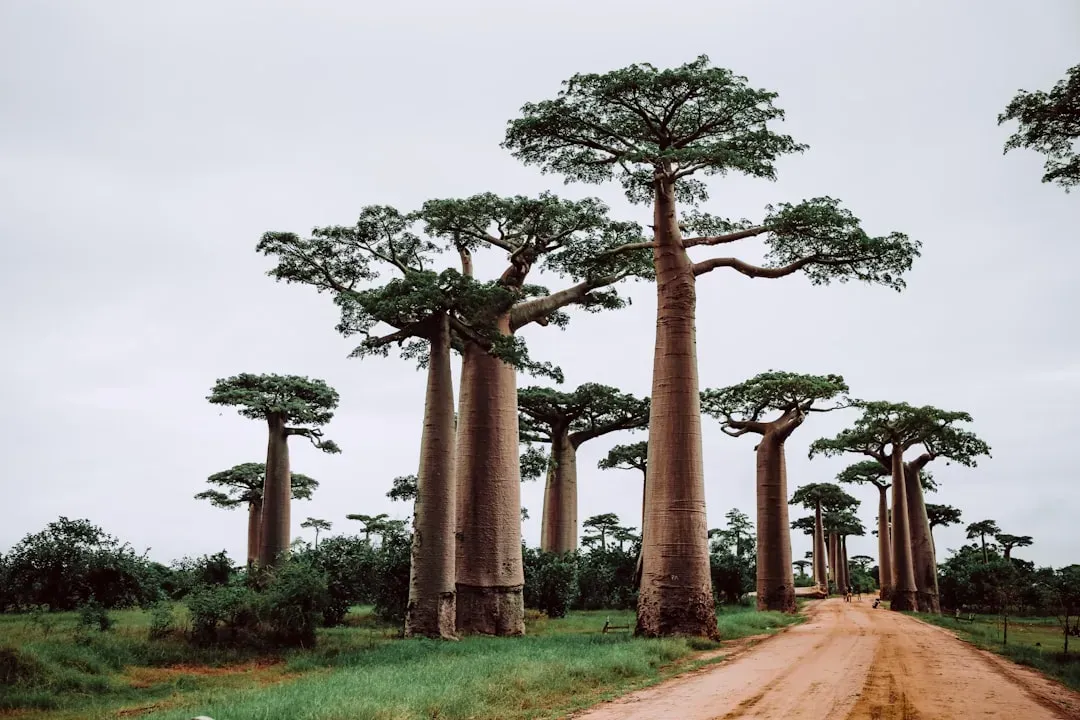
Hundreds of years ago, the ancient trees that line the Avenue of the Baobabs were part of a tropical forest dense with Adansonia grandidieri, a strikingly beautiful tree endemic to Madagascar, and after years of deforestation, only around 20 of the species still stand tall along the famous dirt road. In their peculiar shape and unique “upside-down” stature, these majestic trees are particularly imposing at dawn and dusk.
These massive ancients are many over 800 years old with trunks over 150 feet around, and their trunks can be tapped harmlessly for water during the dry season, their young leaves can be eaten in salad, and their fruits contain a nutritious pulp. Standing before these giants, with their thick trunks tapering to sparse, spindly branches, truly feels like witnessing something from another era. The baobabs create silhouettes against the sunset that have become iconic symbols of Madagascar, even as their numbers dwindle.
Conclusion
From twisted pines in Poland to ancient baobabs in Madagascar, these extraordinary forests remind us that nature’s creativity knows no bounds. Each forest on this list challenges our expectations of what woodlands should look like, offering landscapes that seem borrowed from dreams or fantasy novels yet exist right here on Earth.
What makes these forests truly special isn’t just their unusual appearance, but the stories they tell about adaptation, resilience, and the mysterious forces that shape our natural world. Some grew crooked for reasons lost to time, others survived centuries of drought as blackened monuments, and a few evolved into shapes so unique they inspired Hollywood blockbusters.
These forests face various threats, from climate change to human encroachment, making their preservation all the more critical. Have you visited any of these remarkable forests, or discovered others equally strange and wonderful? What unique forest would you add to this list?

- 10 Cat Breeds That Love Following Their Owners Everywhere - July 19, 2026
- The Only Place in North America Where You Can Legally Watch a Wild Jaguar From the Roadside – and Why Almost No One Makes the Trip - July 19, 2026
- Which Deep-Sea Creature You Are According to Your Zodiac Sign – and What It Reveals About How You Process Fear - July 19, 2026