
Worried about unexpected vet bills?
Pet insurance can cover thousands in unexpected vet costs. Get a free quote from Lemonade in under 2 minutes.
Get My Free Quote →Sponsored · Opens Lemonade.com
Your backyard feels like a safe haven, right? Birds chirp, squirrels scamper, and butterflies flutter by. Yet beneath that peaceful scene, everyday items and habits turn deadly for local wildlife.
These threats sneak up quietly. They harm creatures we love without us noticing. Let’s dive into the seven hidden dangers and see how to spot them.[1][2]
Chemical Pesticides: The Silent Killer in Your Lawn
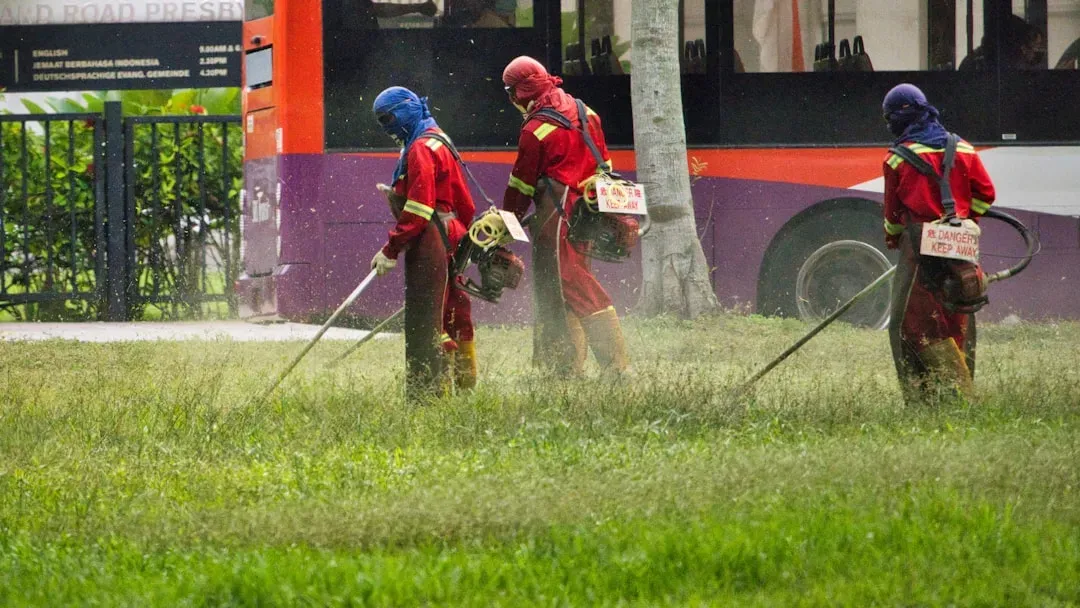
Grubs and weeds vanish after you spray, but pesticides linger far longer. They poison insects birds rely on for food. Small mammals ingest them too, passing toxins up the food chain.[3][4]
Honestly, it’s shocking how one application affects the whole ecosystem. Birds drop dead from eating contaminated prey. Opt for natural alternatives to keep your yard wildlife-friendly.[5]
Free-Roaming Cats: Stealthy Predators on the Prowl
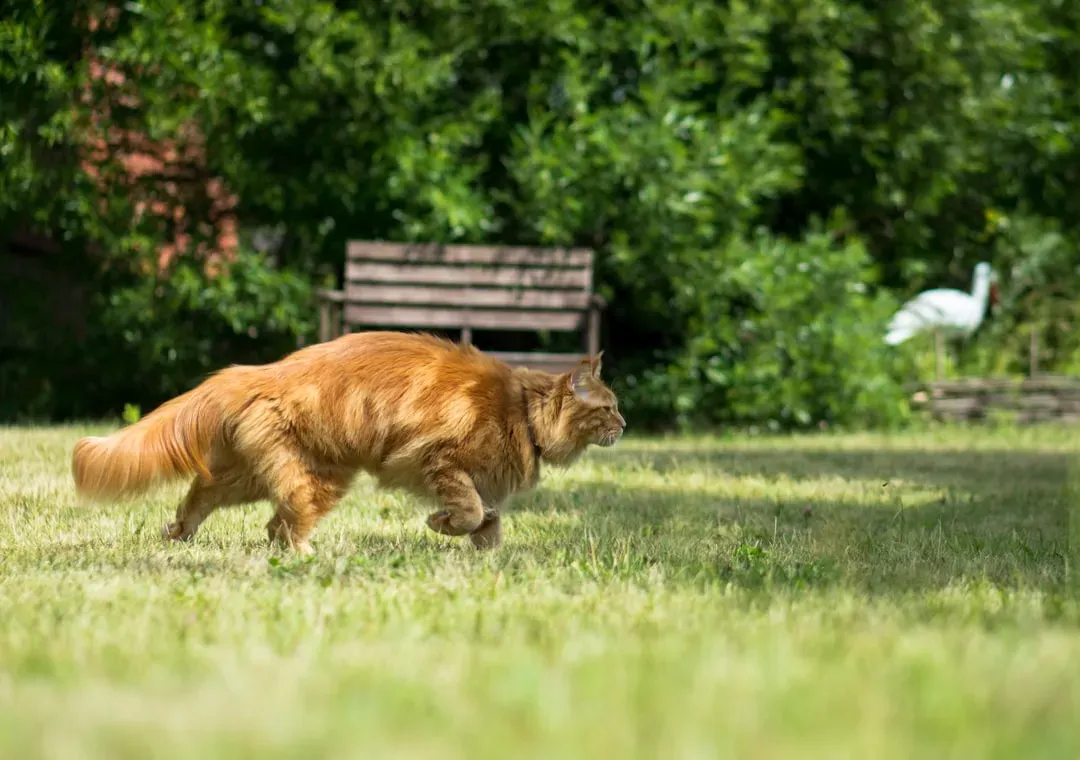
Your fluffy feline loves the outdoors, yet cats kill billions of birds yearly. They stalk songbirds and small mammals with ruthless efficiency. Even well-fed pets hunt for fun.[6]
Neighborhood cats multiply the damage. Local wildlife populations crash in cat-heavy areas. Bell collars help a bit, but keeping cats indoors saves lives.[2]
Window Collisions: Invisible Walls of Death
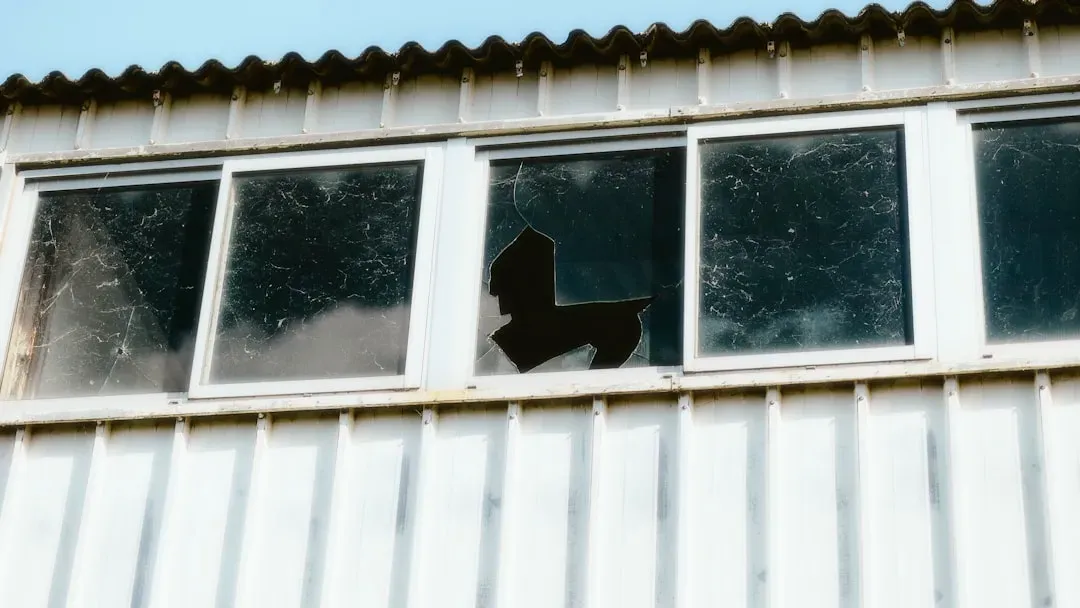
Did you know windows kill nearly a billion birds annually in North America alone? Birds see sky reflections and slam into glass at full speed. The impact stuns or kills instantly.[1]
Clean windows worsen the problem with no visual cues. Feather piles under panes signal trouble. Tape or screens break up reflections and prevent tragedy.
Rodenticides: Poison That Travels Far
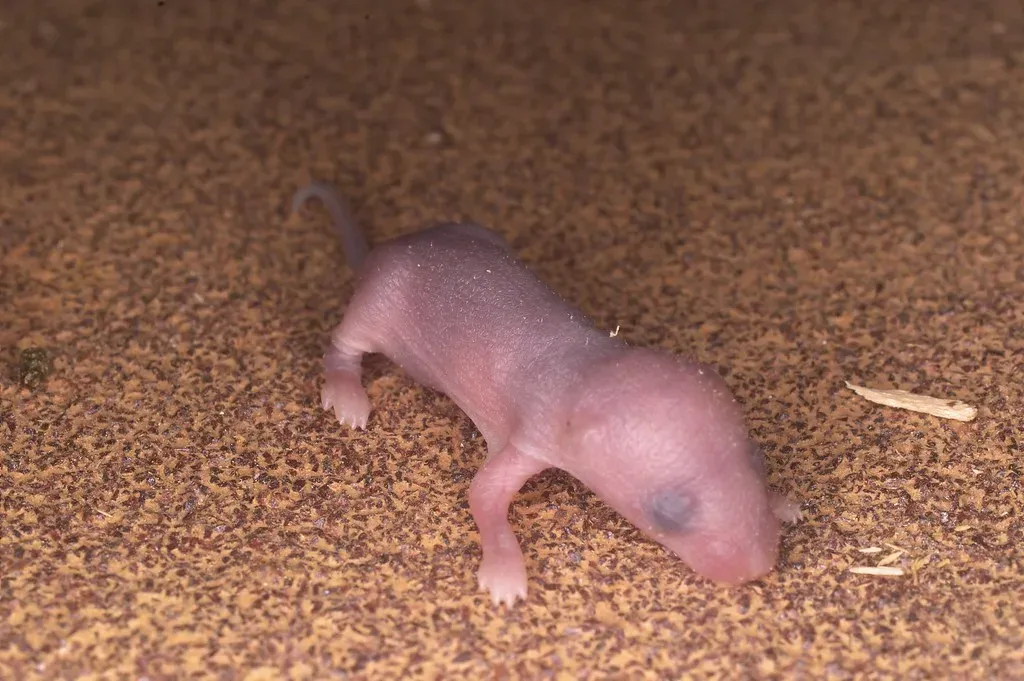
Mouse bait seems harmless indoors, but owls and hawks eat poisoned rodents. Secondhand poisoning weakens predators over time. They bleed internally or fail to hunt.[7]
These slow-acting toxins spread through backyards unchecked. Wildlife rescuers see it constantly. Snap traps offer a safer fix without the ripple effect.
Unguarded Swimming Pools: Drowning Traps
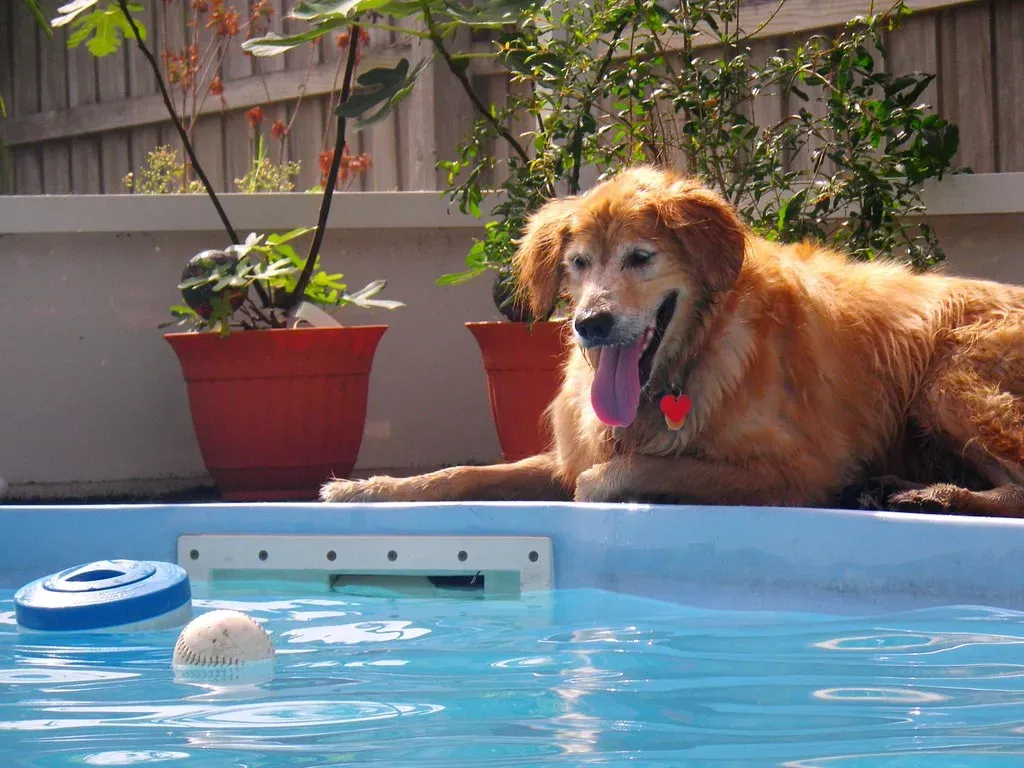
Pools sparkle invitingly, yet small animals tumble in and can’t climb out. Squirrels, frogs, and birds exhaust themselves swimming. Many drown before dawn.[8]
Summer heat draws thirsty wildlife straight to the water. Ramps or floating objects give escape routes. A simple change rescues countless lives.
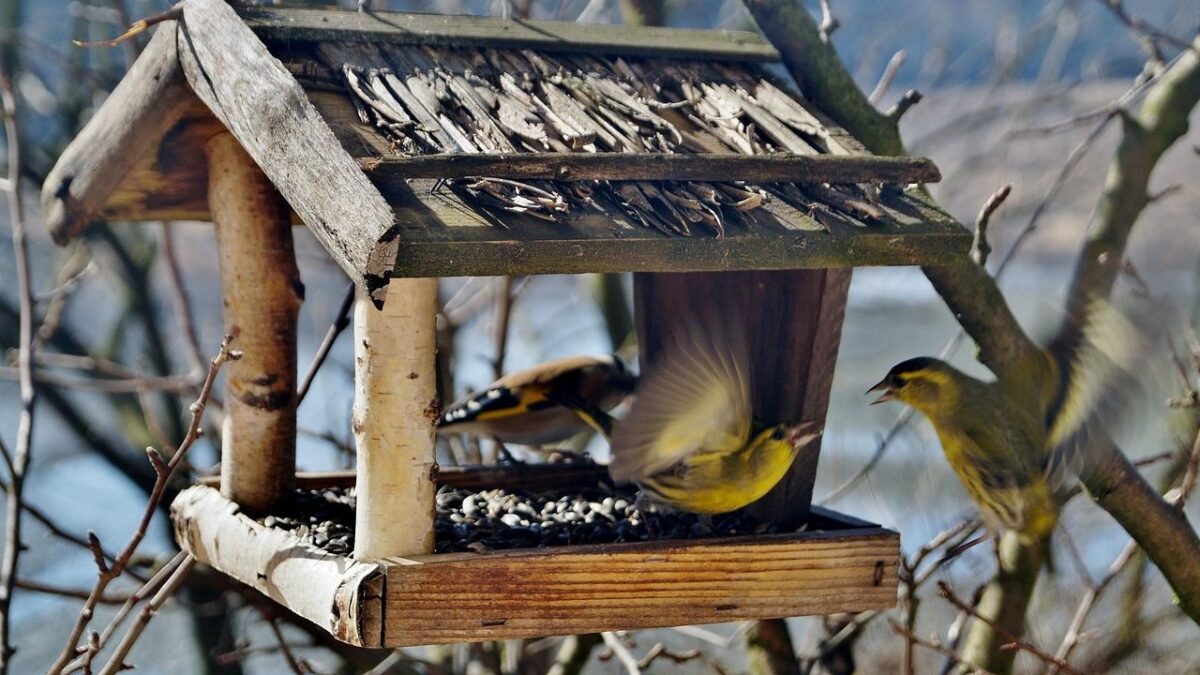
Problematic Bird Feeders: Disease Hotspots
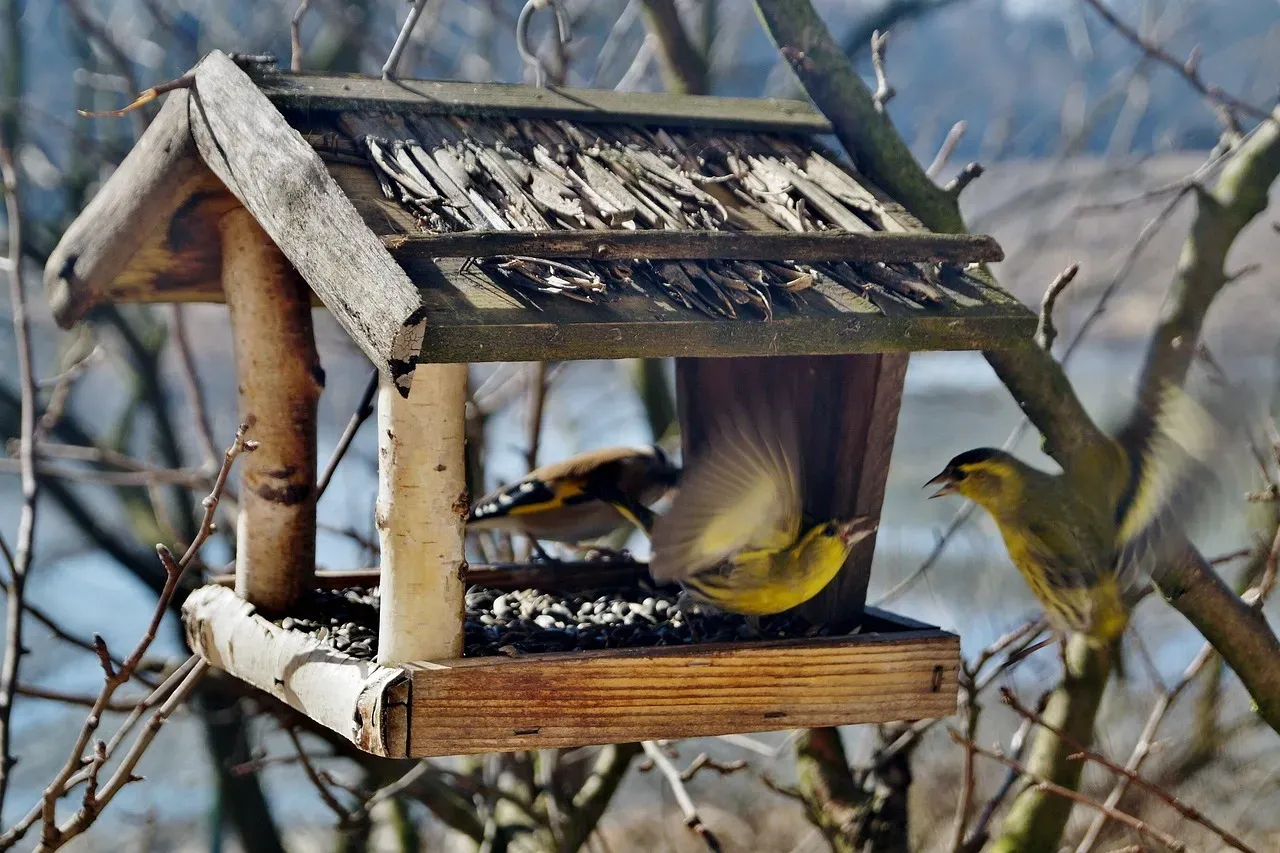
Feeders attract flocks, but moldy seed spreads fatal illnesses. Dirty baths harbor bacteria too. Crowded spots turn paradise into plague zones.[2]
Spoiled food weakens birds further. Predators pick off the sick ones. Clean weekly and space feeders to cut risks.
Discarded Fishing Line and Plastics: Entanglement Nightmares
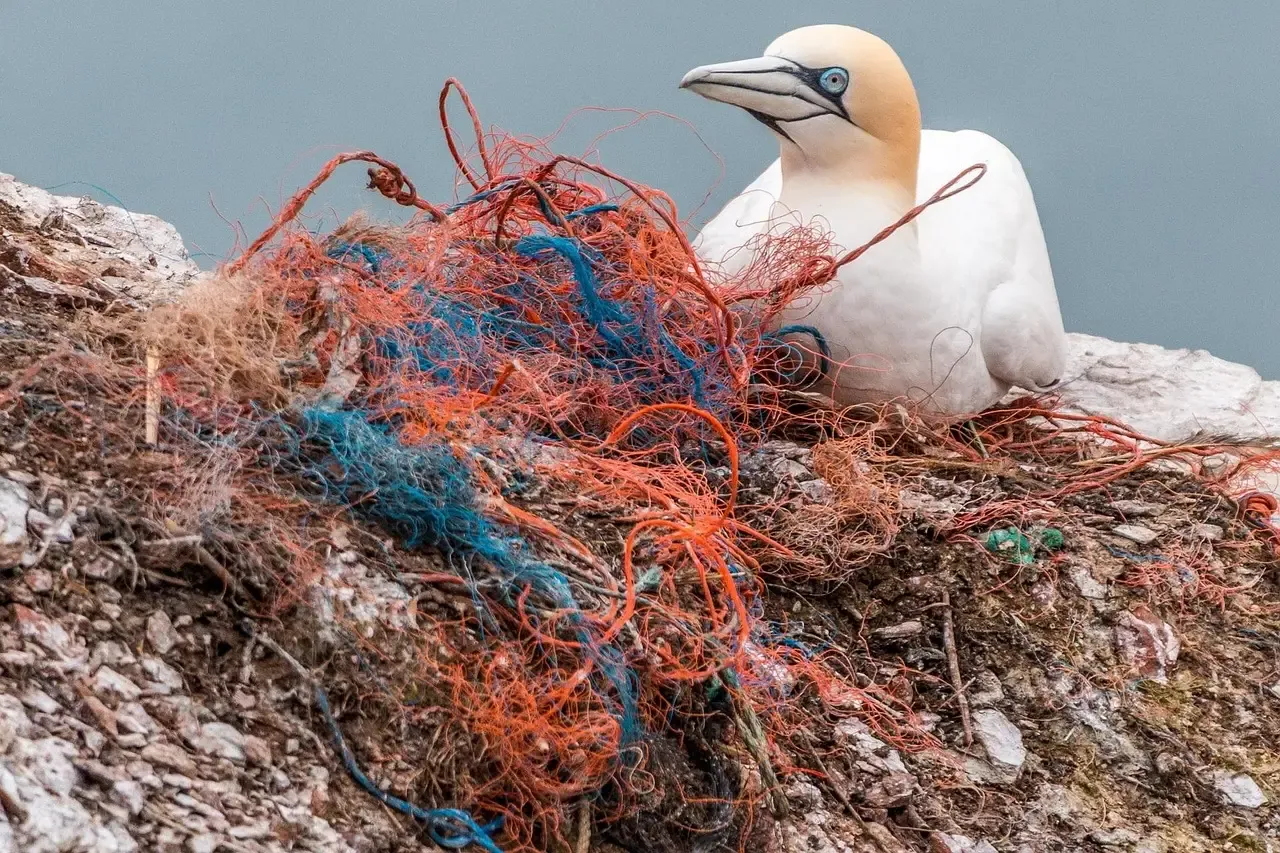
Old tackle and plastic bits litter yards near water. Birds snag wings, mammals tangle legs. Injuries fester without escape.[7]
These hidden snares cripple for life. Wildlife centers cut free hundreds yearly. Proper disposal keeps backyards tangle-free.
Small tweaks transform your yard from hazard zone to haven. Wildlife thrives when we stay mindful. What danger surprises you most? Share in the comments.
Worried about unexpected vet bills?
Pet insurance can cover thousands in unexpected vet costs. Get a free quote from Lemonade in under 2 minutes.
Get My Free Quote →Sponsored · Opens Lemonade.com

- The Ocean’s Deepest Creatures Hold Surprising Secrets to Longevity - June 10, 2026
- 6 Scents That Make Mosquitoes Target You First - June 10, 2026
- The Forgotten Deserts of America Where Wildlife Still Thrives - June 10, 2026