

Picture this: a sleek mammal barreling through the Amazon’s murky rivers, chattering louder than a flock of parrots. Giant otters, the river wolves of South America, hide layers of wild secrets beneath their playful exteriors. These aren’t just oversized river dogs; they’re engineering marvels of the wild.
From their secret communications to fearless hunts, prepare to uncover traits that make them stand out in the animal kingdom. Let’s plunge into these ten eye-openers that reveal why they’re apex legends.
1. A Symphony of Over 20 Distinct Vocalizations
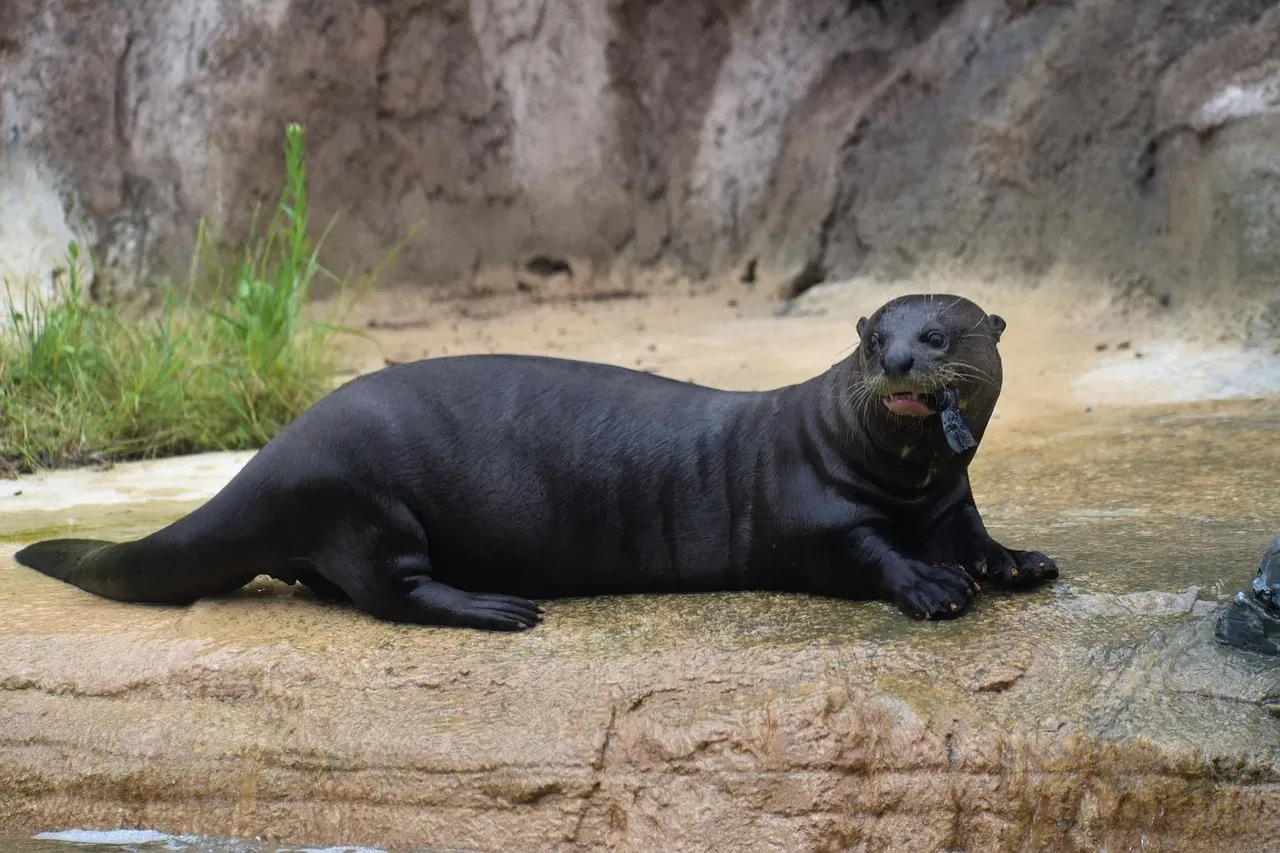
Giant otters top the charts as the noisiest of their kind. They belt out at least 22 different calls, from sharp barks signaling danger to soothing hums that reassure the family.[1]
Pups chime in with squeaks and whines, while adults mix growls, screams, and whistles. Each family develops its own audio fingerprint, like a private dialect in the rainforest din. Honestly, it’s wild how they orchestrate hunts and defenses this way.
Researchers cataloged these sounds meticulously. This vocal prowess keeps groups tight-knit amid chaotic waters.[1]
2. Throat Markings Act as Personal Fingerprints
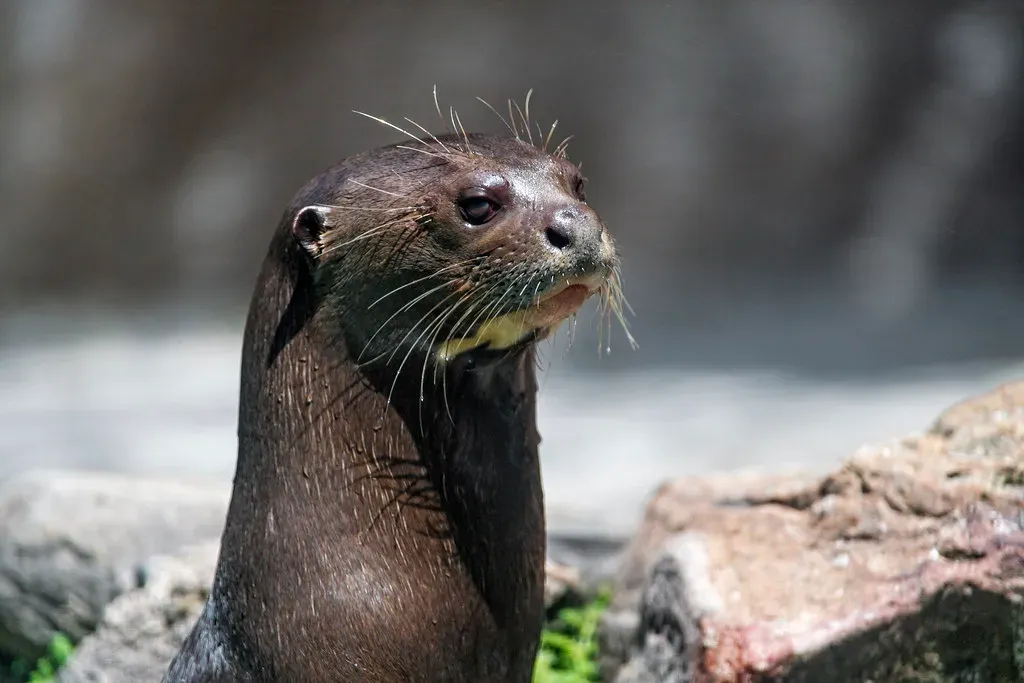
Every giant otter sports a white or cream bib on its throat and chin. These patterns stay unique from birth, letting scientists ID individuals like human mugshots.[1]
No two are alike, aiding everything from population counts to spotting family members in murky streams. It’s nature’s barcode system, efficient and foolproof.
Dark brown fur contrasts sharply with these patches. Spotting them up close feels like cracking a wildlife code.
3. Whiskers Serve as High-Tech Prey Detectors
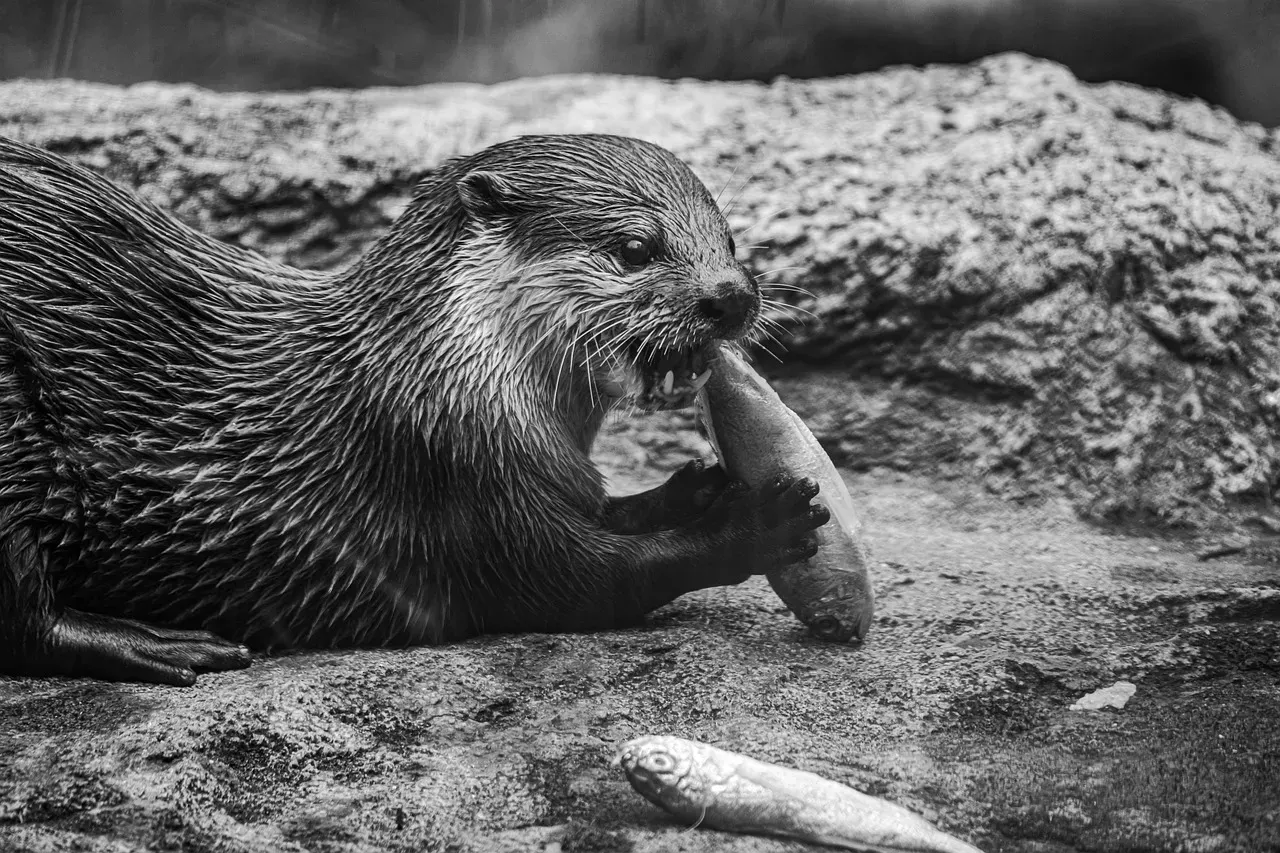
Those long vibrissae aren’t for show. They sense tiny water pressure shifts and currents, pinpointing fish even in low visibility.[1]
Imagine underwater radar guiding lunges through shallows. Giant otters twist and chase with deadly precision, rarely missing.
This superpower levels the playing field against fast prey. Here’s the thing: it turns murky rivers into hunting grounds.
They pair it with sharp eyesight for bottom-dwellers. Efficiency like this screams evolutionary genius.
4. They Engineer Massive Riverside Campsites
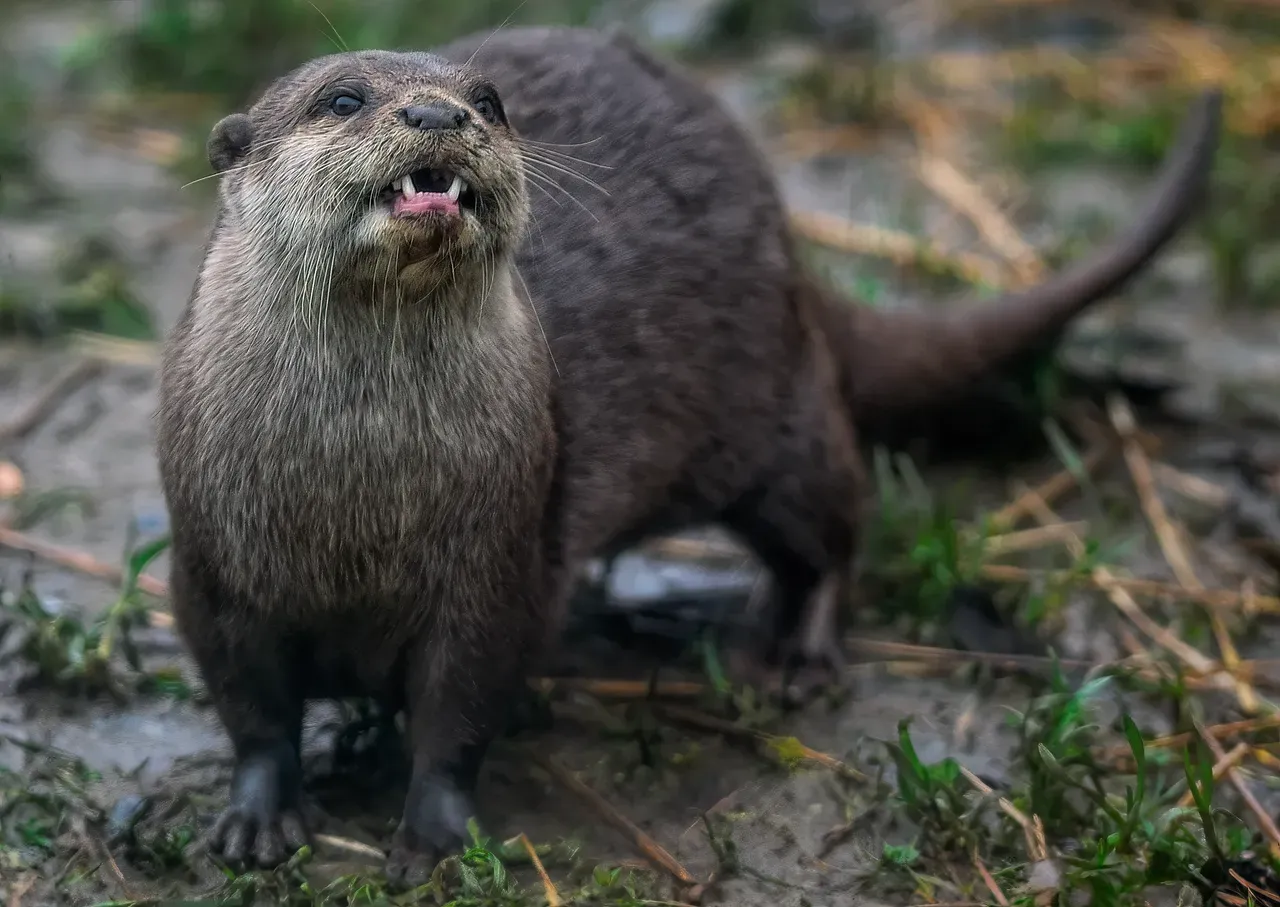
Families clear huge vegetation patches, up to 28 meters long. These “campsites” near feeding spots get marked with scent, urine, and feces.[1]
It’s their base camp, abandoned in wet seasons for flooded forests. Think of it as otter landscaping on a grand scale.
Groups collaborate seamlessly. Such organization hints at their social smarts.
5. Pups Learn Swimming from Patient Parents
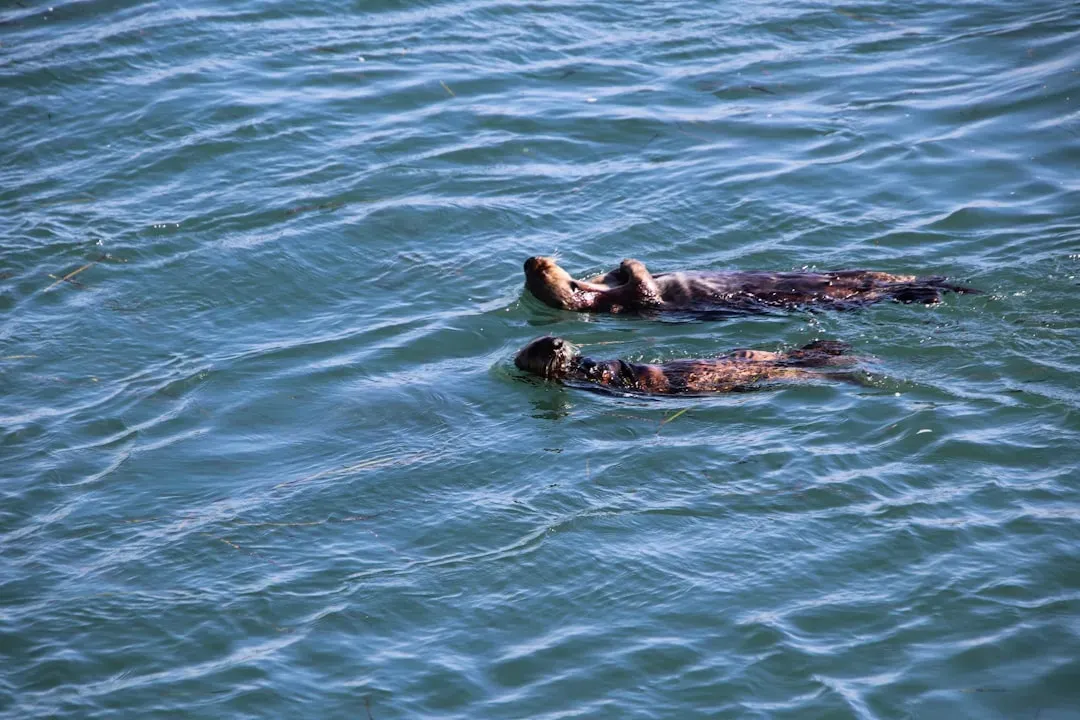
Born blind and woolly in riverbank dens, cubs emerge after weeks. Parents teach swimming through hands-on demos, turning landlubbers into pros by three months.[1]
The whole clan pitches in with fish hauls. Gestation lasts 65-70 days, timed for dry seasons when prey concentrates.
Weaning hits at nine months. This family affair boosts survival odds big time.
I know it sounds basic, but watching clips of wobbly first swims tugs at the heart.
6. Nostrils and Ears Seal Shut Underwater
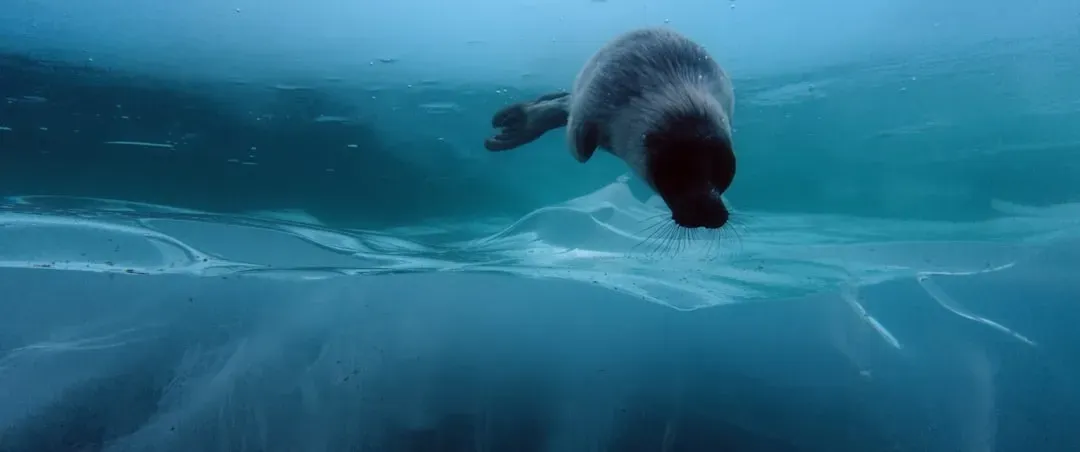
These otters dive prepared. Special valves close nostrils and ears, keeping water out during chases.[2]
Their nose hides under fur, slits barely visible. Paired with webbed feet and rudder tails, they’re aquatic torpedoes.
Such adaptations let them sprint 100 meters in under 30 seconds. Speed demons of the shallows.
7. Older Siblings Double as Nannies
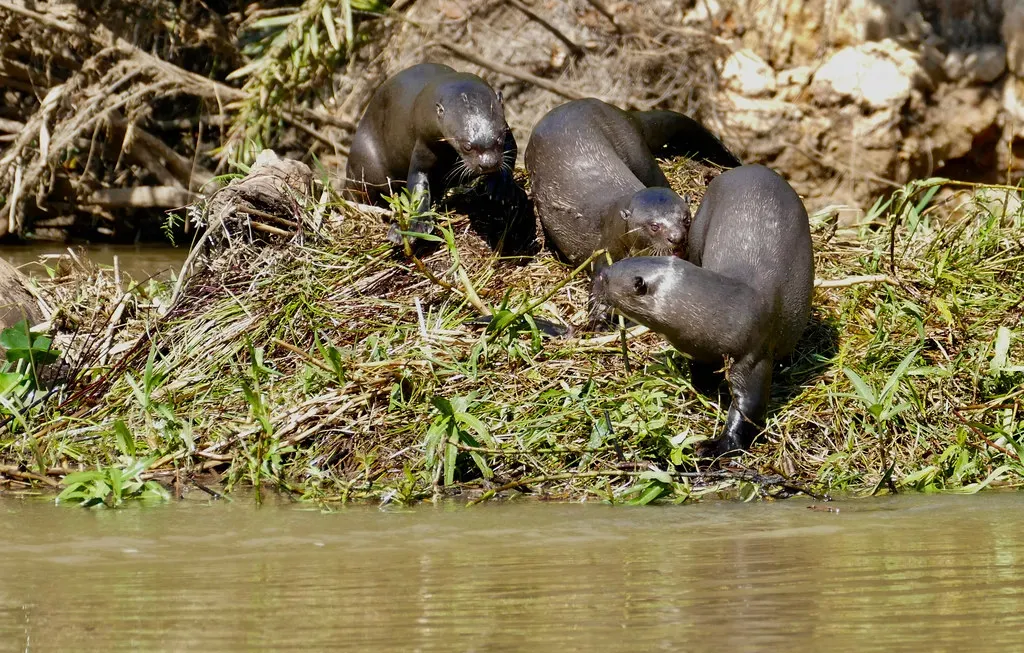
Sub-adults babysit newborns, freeing parents for hunts. This cooperative vibe strengthens bonds in packs of up to 20.
Males join rearing duties equally. No rigid roles here; it’s all teamwork.
Pups hit maturity at two years. This setup explains their tight family units.
8. Fearless Pack Hunters of Caimans and More
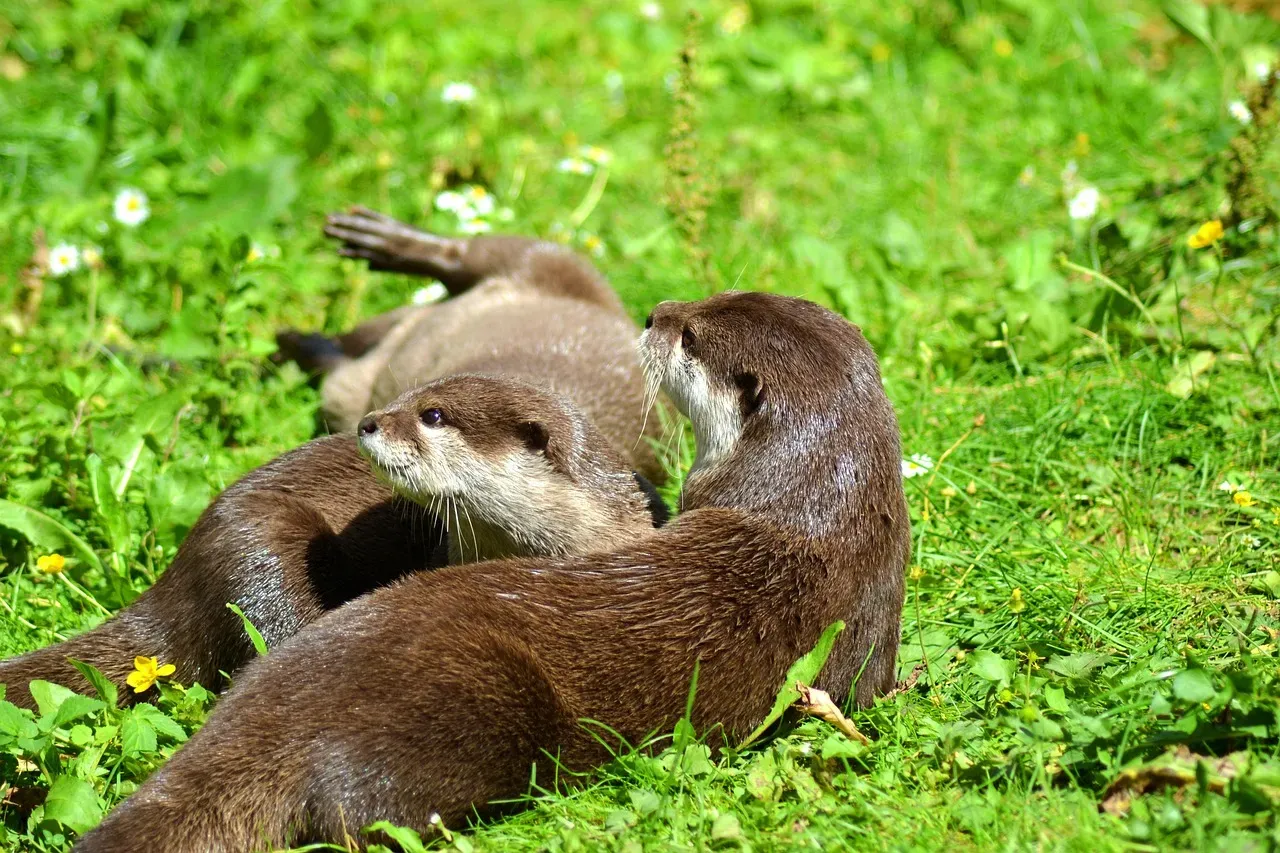
In groups, they tackle black caimans, anacondas, even piranhas. Solitary ones risk becoming prey, but packs rule as apex.[2]
They chase tumultuously, few misses. Diet skews fish-heavy, but opportunism shines.
Jaguars steer clear of full clans. Pack power flips the predator script.
9. Shortest Fur Yet Densest Insulation
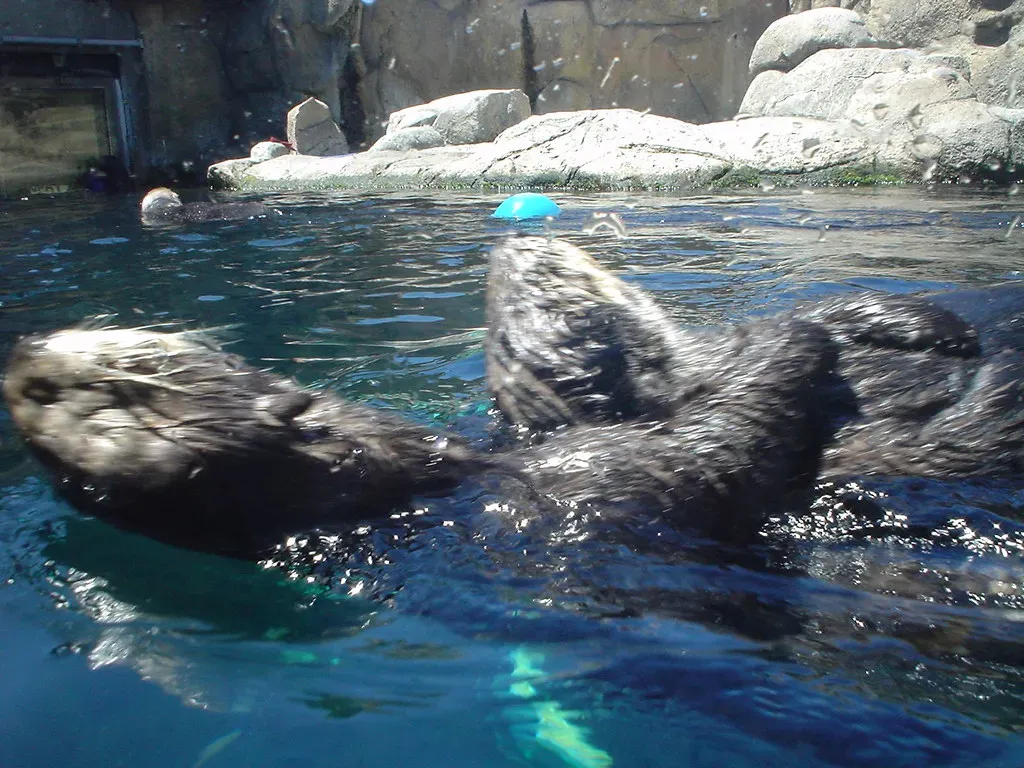
Guard hairs trap water outside, keeping underfur dry. Shortest among otters, it shifts from brown dry to blackish wet.[1]
About 8mm long, it’s a waterproof marvel. Perfect for endless swims.
No wonder they’re comfy in variable climates. Evolution nailed the cozy factor.
10. “Wing-Tail” Name from Ancient Greek Roots
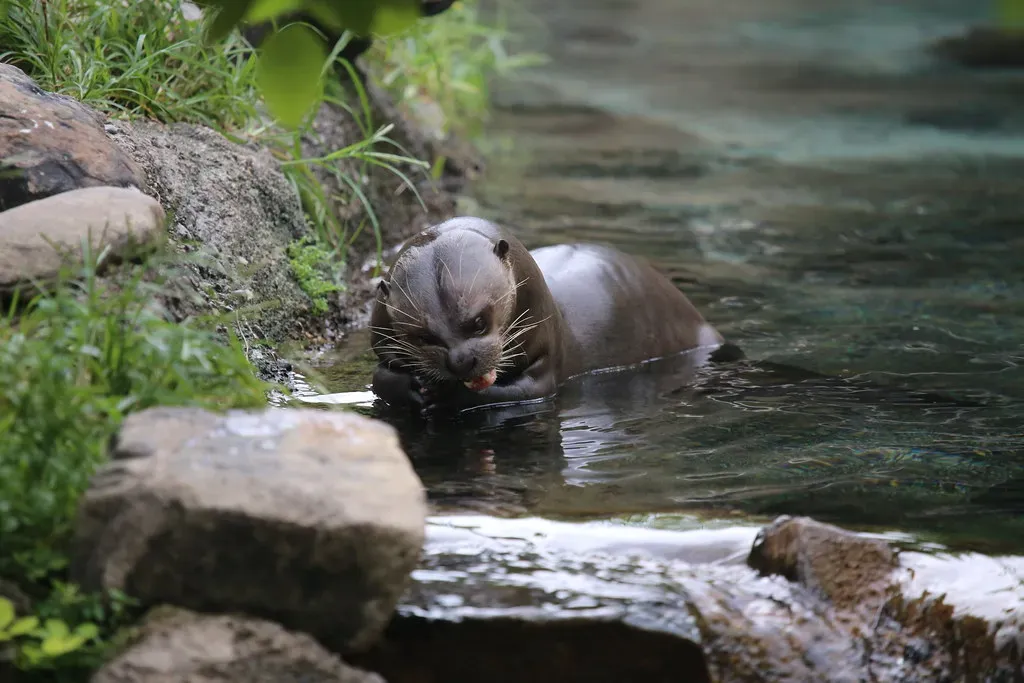
Pteronura means “wing tail,” nodding to their flattened propulsion flipper. Tail thick at base, ideal for steering.[1]
Fossil kin were even bigger in Pleistocene times. Modern ones hold strong despite threats.
This etymology paints them as feathered flyers of rivers. Poetic for such bruisers.
Conclusion
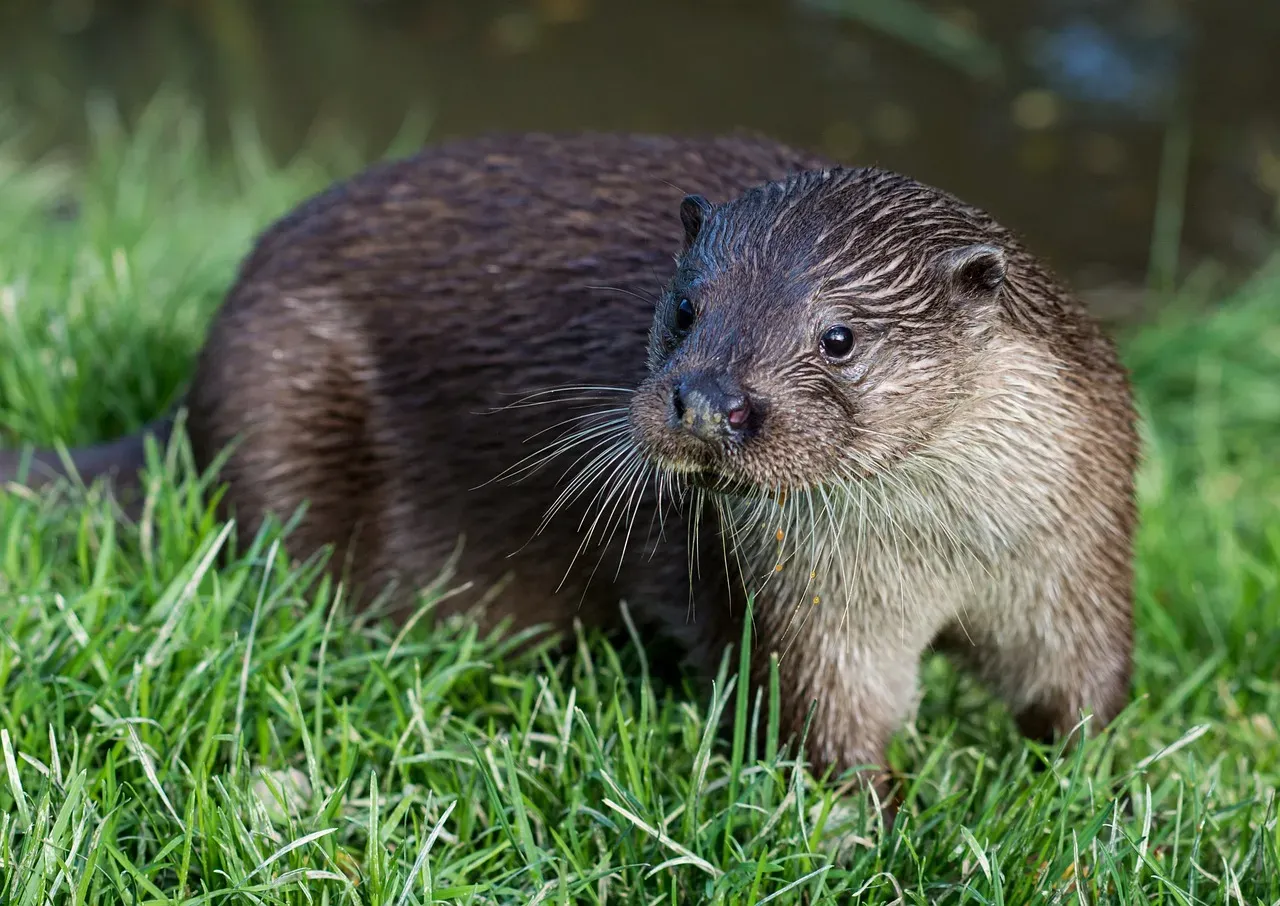
Giant Amazon otters weave social savvy, raw power, and clever adaptations into survival masterpieces. Their world pulses with chatter, chases, and clan loyalty, reminding us rivers teem with unseen wonders.
Next time you hear splashes in wildlife docs, think of these hidden traits. What fact surprised you most? Share below.

- 14 Tender Signs an Old Dog Is Grateful for Every Day It Spends With You - July 22, 2026
- 14 Signs the Shy Dog at the Shelter Was Only Ever Waiting for You - July 22, 2026
- 14 Signs Your Dog Picked You the Very Day You Two Met - July 22, 2026