
Alaska is not exactly a forgiving place. Vast wilderness, brutal winters, and an apex predator population that makes even seasoned ranchers nervous. Wolves in Alaska are not the shy, elusive creatures people imagine from wildlife documentaries. They are intelligent, coordinated hunters that can devastate a flock or herd in a single night.
For Alaskan farmers and ranchers, losing livestock to a wolf pack is not just a tragic event. It is a financial hit that can take years to recover from. The good news? There is a canine solution that has been working for thousands of years, and it still holds up today. Meet the livestock guardian dog. These are not your average farm companions. These are working professionals with centuries of wolf-fighting instinct bred deep into their bones. Be surprised by what some of these incredible breeds are capable of.
Why Livestock Guardian Dogs Are Built for Alaska’s Brutal Conditions
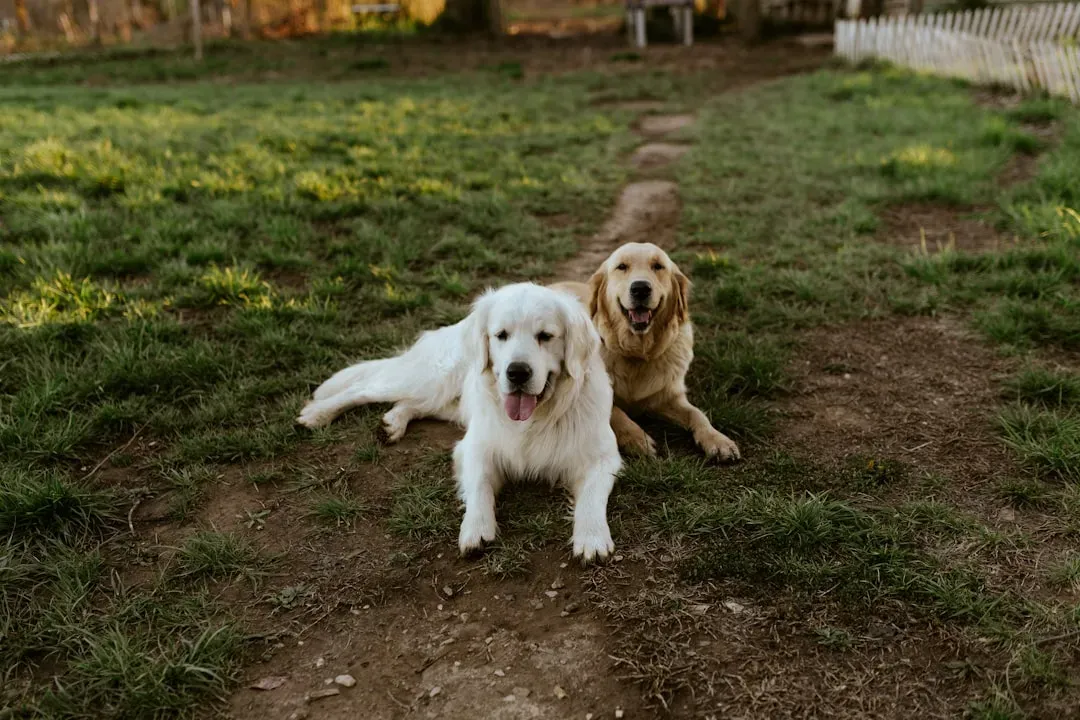
Let’s be real. Not every dog breed belongs in Alaska’s extreme climate. What makes livestock guardian dogs special is their combination of thick, weather-resistant coats, powerful builds, and that deeply instinctive drive to protect. All livestock guardian dogs have a dense, water-repellent coat, a strong build, and an independent disposition, making them uniquely suited for the punishing conditions of the Alaskan frontier.
Livestock guardian dogs stay with the group of animals they protect as a full-time member of the flock or herd, and their ability to guard is mainly instinctive, as the dog bonds to the herd from an early age. There is no on/off switch here. They are always on duty.
According to a 2010 American Sheep Industry survey, roughly nine out of ten respondents who utilized guard dogs reported an average decrease of about two-thirds in sheep depredation after starting to use them. That is a staggering result. In Alaska, where wolves roam in organized packs across enormous territories, that level of protection can mean everything.
The Kangal: Alaska’s Most Powerful Line of Defense
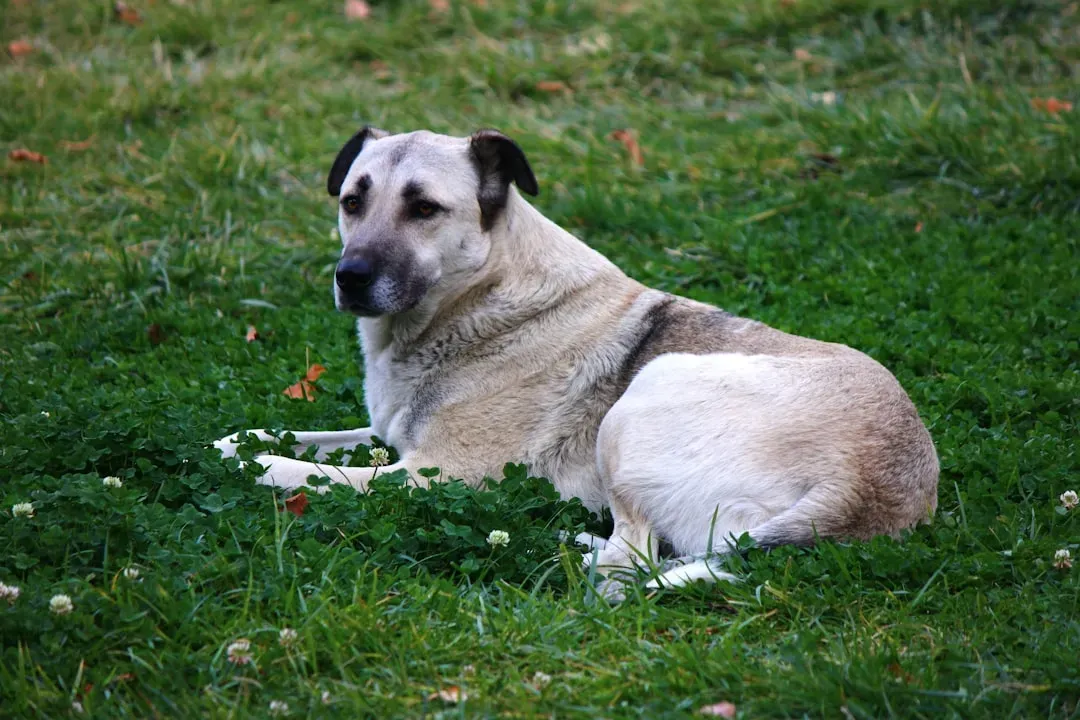
The Kangal Dog is one of the most powerful livestock guardian breeds, boasting incredible strength and speed. This Turkish breed is known for its unmatched ability to guard livestock, often scaring off wolves with its intimidating presence. With their deep loyalty and protective instincts, Kangals are one of the best guardian dog breeds for large farms.
Honestly, the bite force numbers alone should impress you. The Kangal stands out for its speed and strength, specifically bred to deter large predators such as wolves and bears. Their bite force is one of the strongest among canines, exerting up to 740 pounds per square inch. Think about that. A wolf charging a Kangal is making a serious miscalculation.
Ranchers in the American West have already figured this out. Some experienced ranchers now use a bigger and more aggressive guard dog than they did in earlier decades, turning to a mix of Akbash, Kangal, and Anatolian breeds to keep up with the growing wolf threat. For Alaska, where wolves are even larger and more numerous, the Kangal’s raw power is a genuine asset.
The Anatolian Shepherd: The Ancient Independent Guardian
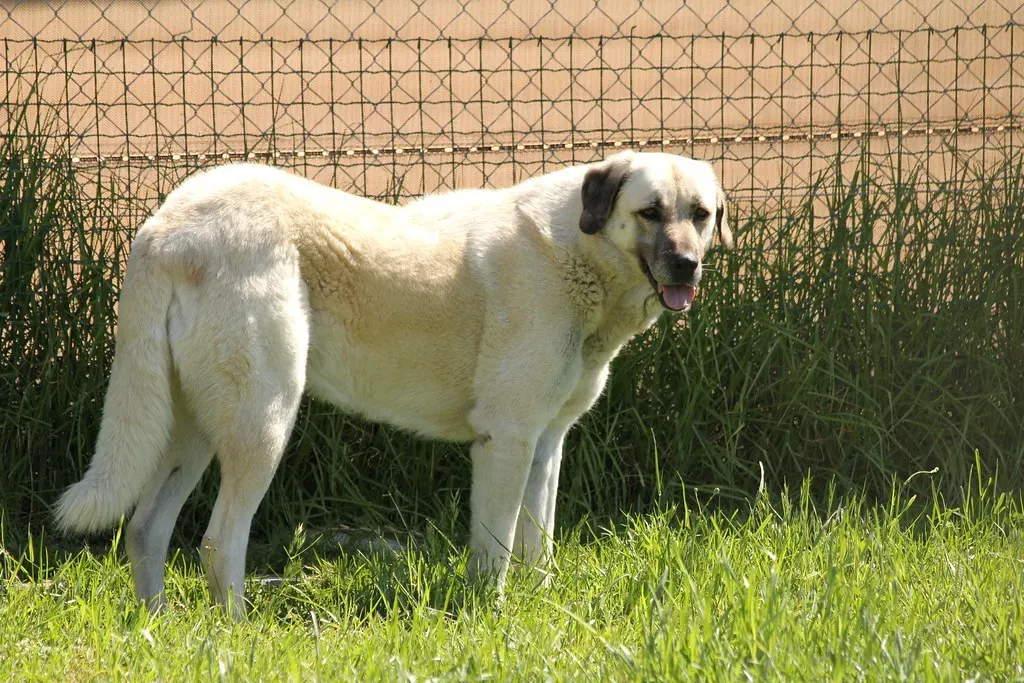
The Anatolian Shepherd is a powerful livestock guardian from Turkey’s rugged Anatolian plateau. This ancient breed was originally developed to protect sheep and goats from wolves and other predators. It is one of those breeds that feels like it was engineered specifically for a place like Alaska.
The Anatolian Shepherd is a formidable livestock guardian, known for its agility and strength. Capable of weighing over 150 pounds, these dogs are vigilant and possessive of their flock, often working independently. That independence is key in remote Alaskan pastures where a human herder simply cannot be everywhere at once.
The Anatolian Shepherd is fast, alert, and fiercely loyal, often taking a leadership role within its territory. Farmers still use them today to deter wolves from attacking sheep or goats. In Alaska’s wide-open grazing terrain, that leadership quality separates good guardian dogs from truly great ones.
The Great Pyrenees: The Gentle Giant That Means Business
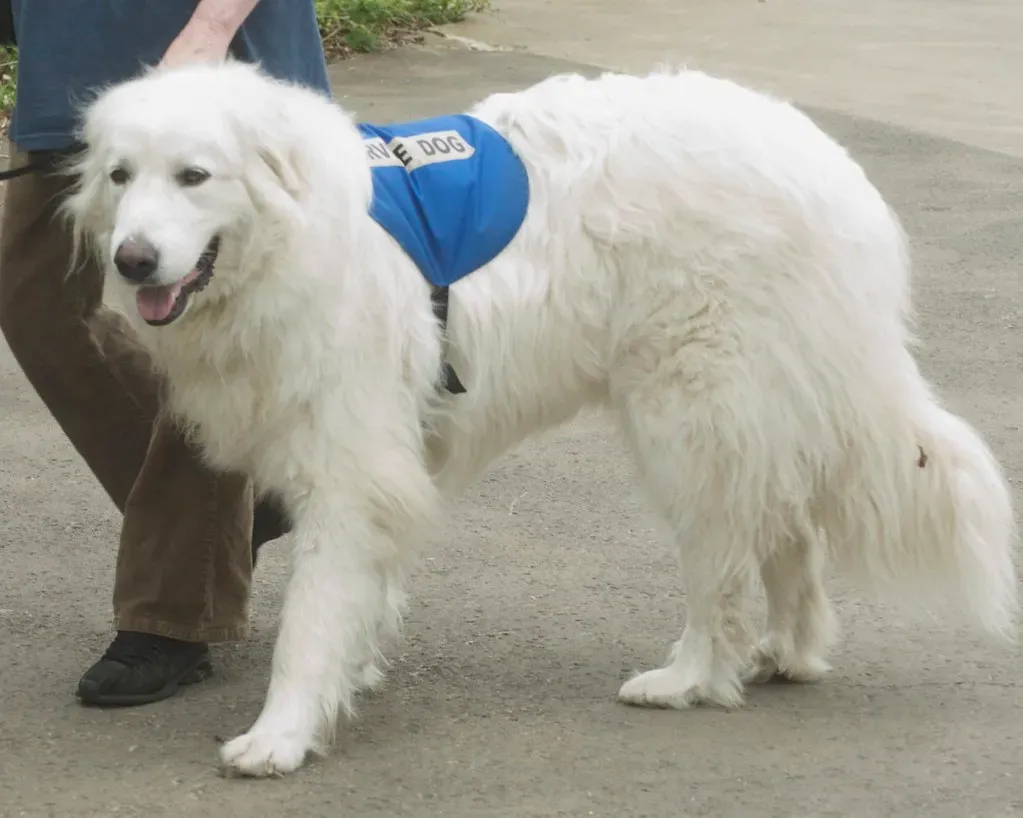
The Great Pyrenees, also known as the Pyrenean Mountain Dog, is one of the most famous breeds for livestock protection in the United States. Originally from the Pyrenees Mountains, these majestic dogs were first bred to protect sheep from wolves and bears. Their thick white coat and calm, watchful nature quickly made them a favorite among farmers and families alike.
Here’s the thing about the Great Pyrenees. It doesn’t need to be aggressive all the time to be effective. The Great Pyrenees is a natural protector and will often bark to warn predators before resorting to force. That measured escalation is actually smart wolf management. Wolves learn quickly, and a farm with a loudly patrolling Great Pyrenees becomes a place predators avoid entirely.
There are many guardian dog breeds, but the Great Pyrenees is the most widely used in North America. For Alaskan farmers who want a breed that is proven, widely supported, and genuinely cold-weather adapted, the Great Pyrenees is a natural first choice. These dogs have been used for centuries to guard livestock against predators, and they are incredibly resilient and can thrive in harsh climates.
The Caucasian Shepherd Dog: The Mountain Beast Built for Extremes
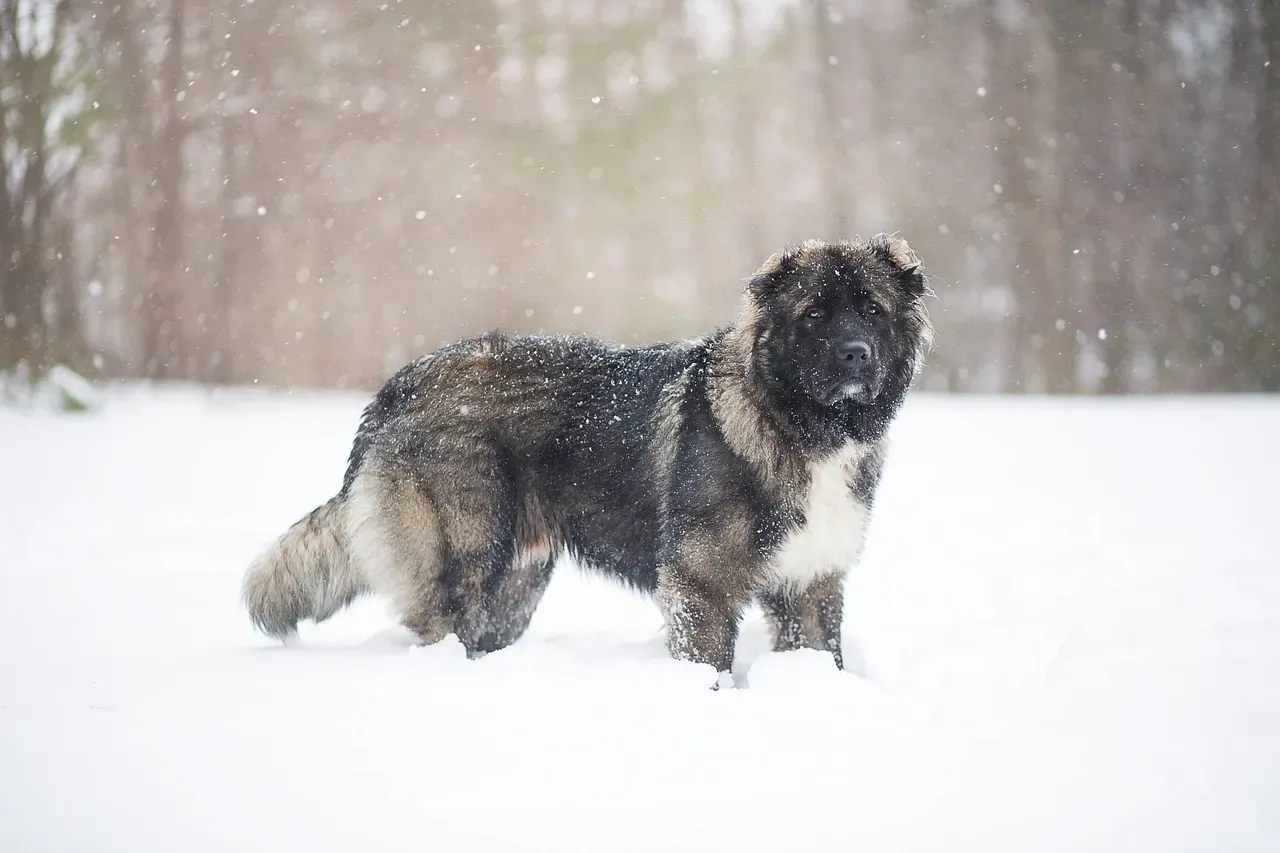
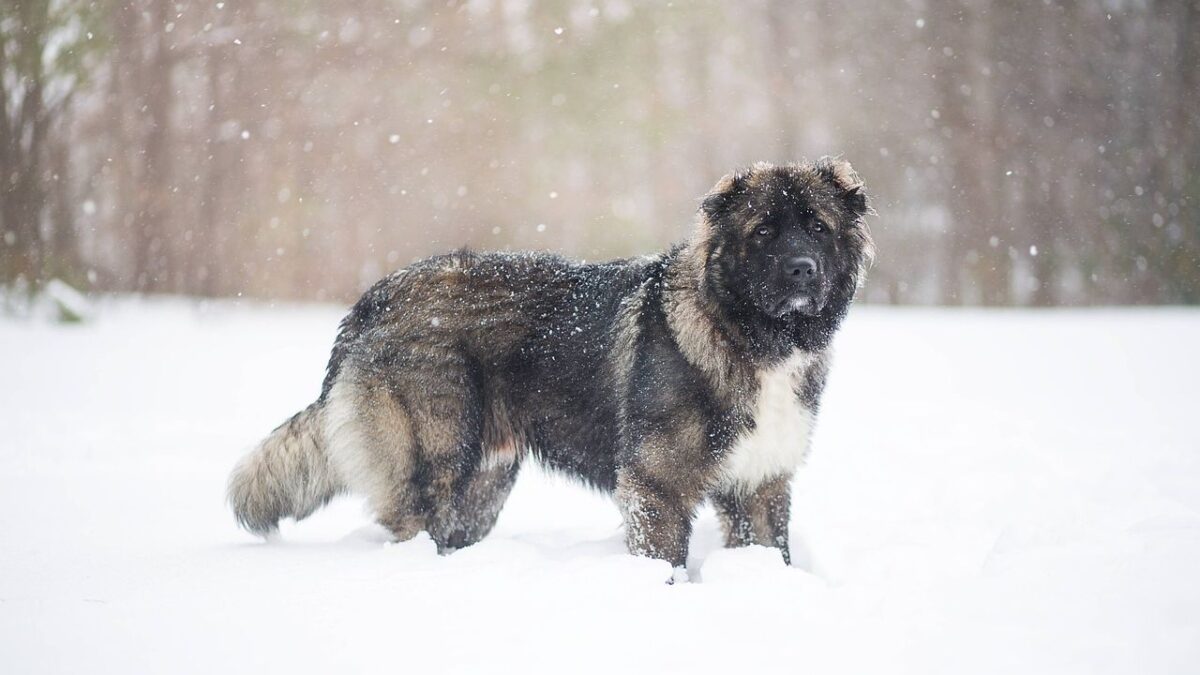
The Caucasian Shepherd Dog is a fierce and powerful livestock guardian from the Caucasus region. These massive dogs are fearless protectors, standing up to wolves, bears, and other threats. While they are devoted to protecting livestock, they require experienced handling due to their strong-willed nature.
The Caucasian Shepherd Dog commands attention with its massive frame and unshakable confidence. For generations, it has guarded flocks in harsh mountain terrains where wolves tested every guardian’s courage. Its thick coat protects against the cold, while its sheer presence keeps predators at a distance before they even try their luck.
Think of the Caucasian Shepherd as the bear of the dog world. It is massive, fearless, and deeply territorial. Farmers appreciate how this livestock protection breed remains calm during the day but becomes highly alert when night falls. It doesn’t rely on training to sense a threat; its instincts have been sharpened over generations of guarding mountain herds. Alaska’s long, dark winters are no problem for this powerhouse.
The Komondor: The Disguise Artist of the Flock
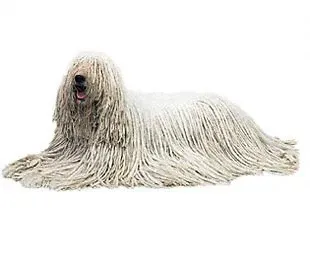
Famous for its mop-like corded coat, the Komondor is Hungary’s traditional livestock guardian. Its appearance is not just distinctive. It offers warmth and camouflage among sheep. The Komondor is naturally protective and will fearlessly defend its territory from predators, including wolves, while staying loyal and affectionate toward trusted humans.
Those distinctive dreadlock-like cords serve a real purpose beyond making the dog look like it wandered off a film set. The Komondor has a long, heavy, nonshedding coat that can develop felt-like cords to protect against weather and wolf bites. This thick coat requires care, and some people just shear it when they shear their sheep. The coat essentially acts as natural armor. A wolf lunging at a Komondor finds it very difficult to inflict a serious bite.
These dogs weigh 80 to 100 pounds and are as tall as 27 inches. They are very protective and territorial toward both two-legged and four-legged intruders. On an Alaskan farm, that combination of camouflage, armor, and ferocity makes the Komondor a surprisingly clever choice.
The Kuvasz: Hungary’s Noble Wolf Fighter
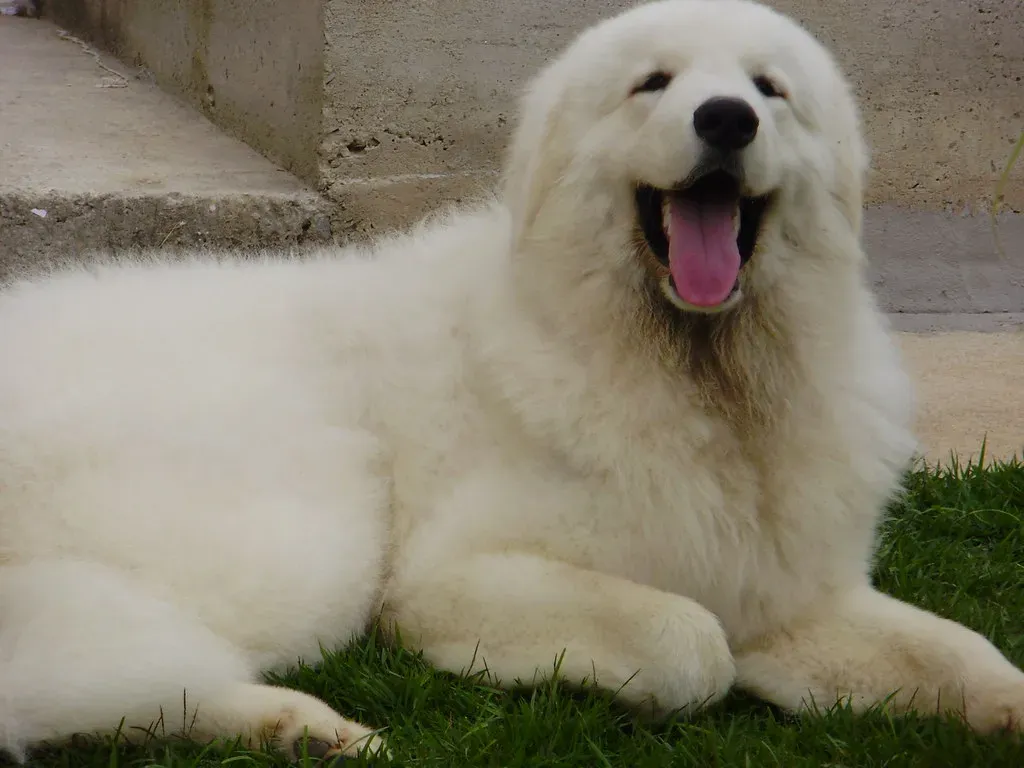
Originally from Hungary, the Kuvasz is a noble and fiercely loyal guardian dog breed. Historically, they were used to protect sheep from wolves and other predators, making them highly skilled at livestock protection. Their white coats help them blend in with flocks, and their natural suspicion of strangers makes them an excellent deterrent to threats.
The Kuvasz was bred to defend livestock against wolf and bear attacks. The thick white fur of this animal enables it to hide among sheep, which allows predators to approach without detection until they are close enough to be confronted. It is a tactical advantage that most people would never expect from a dog. Think of it as a wolf trap disguised as a fluffy white sheep.
The large dog needs an extended training period because its growth process requires both physical development and mental maturation, which takes time. Patience is required with the Kuvasz. For the right Alaskan farmer willing to invest the time, the payoff is a deeply dedicated guardian that will protect a flock through the most ferocious winter nights.
The Maremma Sheepdog: Italy’s Ice-Resistant Sentinel
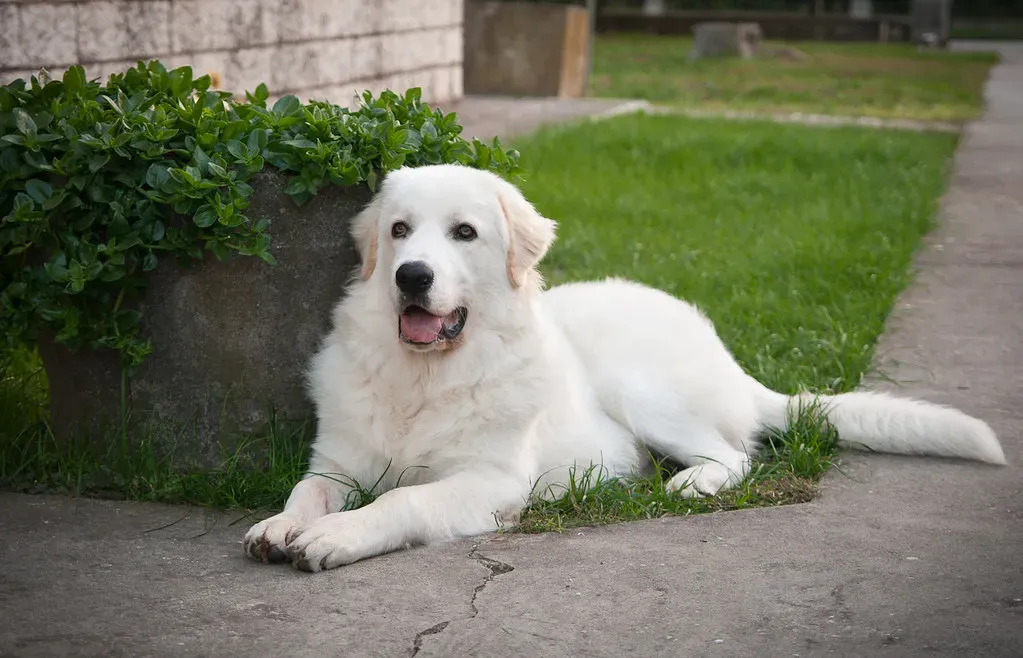
The Maremma Sheepdog, also known as the Maremmano-Abruzzese Sheepdog, is a devoted livestock guarding dog from rural Italy. Bred to protect sheep in open pastures, this fluffy white dog is both strong and intelligent. Do not let the fluffy white appearance fool you. This dog is a serious predator deterrent.
For over a thousand years, the Maremma Sheepdog has provided protection to livestock in Italy by residing permanently with sheep. The breed excels in isolated agricultural settings because of its independent nature. The dogs use their strong bodies and thick white fur to endure freezing temperatures while they maintain watchfulness for potential threats.
The Maremma Sheepdog is prized for its blend of independence and protective instincts. Typically weighing between 70 to 100 pounds, these dogs bond closely with their flock and are known for their ability to make autonomous decisions in the face of danger. Studies in applied animal behavior science have documented the Maremma’s effectiveness in deterring predators and minimizing livestock losses. Autonomous decision-making matters enormously in remote Alaskan terrain where a herder may be miles away.
The Tibetan Mastiff: The Himalayan Cold-Weather Warrior
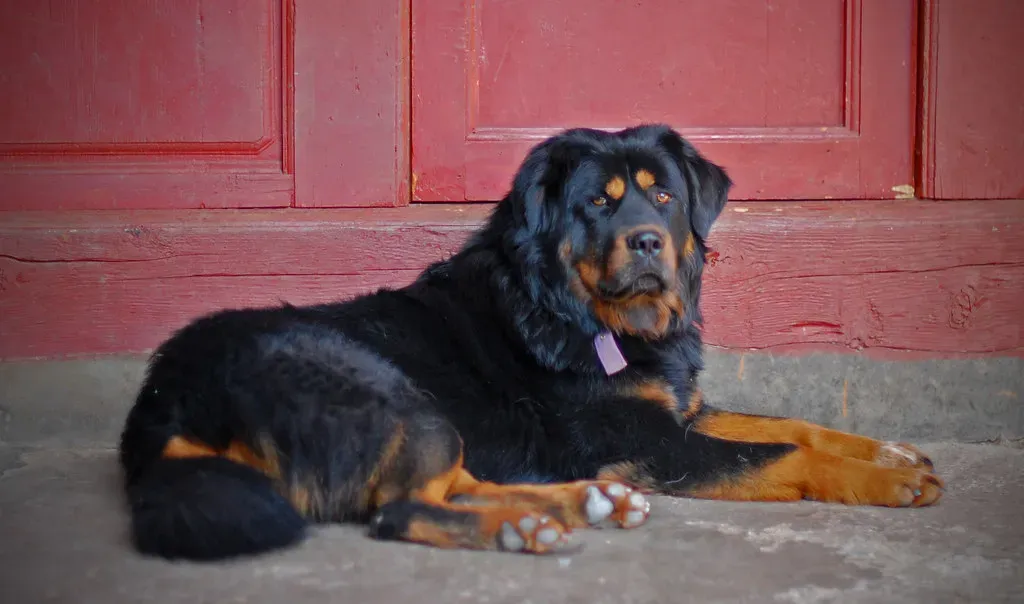
One of the most ancient livestock guardian breeds, the Tibetan Mastiff has been guarding livestock in the Himalayas for centuries. These massive dogs are highly independent and protective, making them excellent at keeping livestock safe from predators. Their thick coats allow them to withstand freezing temperatures with ease. If any dog was born ready for Alaska, it is this one.
Majestic and ancient, the Tibetan Mastiff was bred to guard monasteries and mountain communities from predators like wolves and snow leopards. Beyond its imposing size, it has a calm yet commanding presence. While territorial, it can be affectionate and deeply protective toward its human family, making it one of the most respected guardian breeds in the world.
The Tibetan Mastiff is the canine equivalent of a fortress wall. Wolves instinctively read danger signals, and the sheer bulk of a Tibetan Mastiff sends a clear message. Beyond its imposing size, it has a calm yet commanding presence. While territorial, it can be affectionate and deeply protective toward its human family. That dual nature, gentle with its own and fearless with threats, is exactly what an Alaskan homestead needs.
The Central Asian Shepherd: The Ultimate Survivor
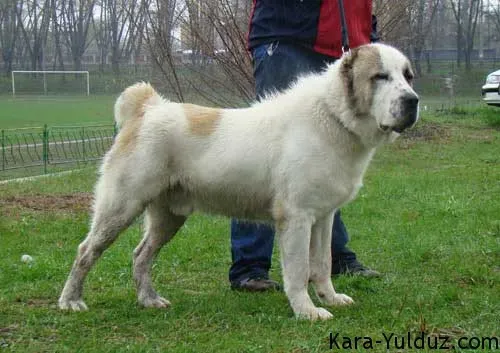
The Central Asian Shepherd is one of the oldest livestock guardian breeds, developed over thousands of years in Central Asia. Bred for both livestock and personal protection, these dogs are tough, resilient, and known for their ability to thrive in harsh conditions. Thousands of years of selective breeding in one of the world’s harshest environments? That is a resume that speaks for itself.
The Central Asian Shepherd, also called the Alabai, has guarded herds across Asia for thousands of years. This breed’s endurance and courage make it a legendary wolf fighter. Strong, independent, and territorial, the Alabai requires experienced ownership but rewards its family with lifelong loyalty and impressive protective instincts.
One of the oldest livestock guardian breeds, the Central Asian Shepherd Dog has been guarding flocks for thousands of years. These highly independent dogs are known for their resilience and ability to thrive in harsh conditions. Their fearless nature and strong protective instincts make them one of the best choices for livestock protection. For Alaska specifically, the resilience factor is not just a bonus. It is a survival requirement.
The Spanish Mastiff: The Low-Bark, High-Impact Guardian
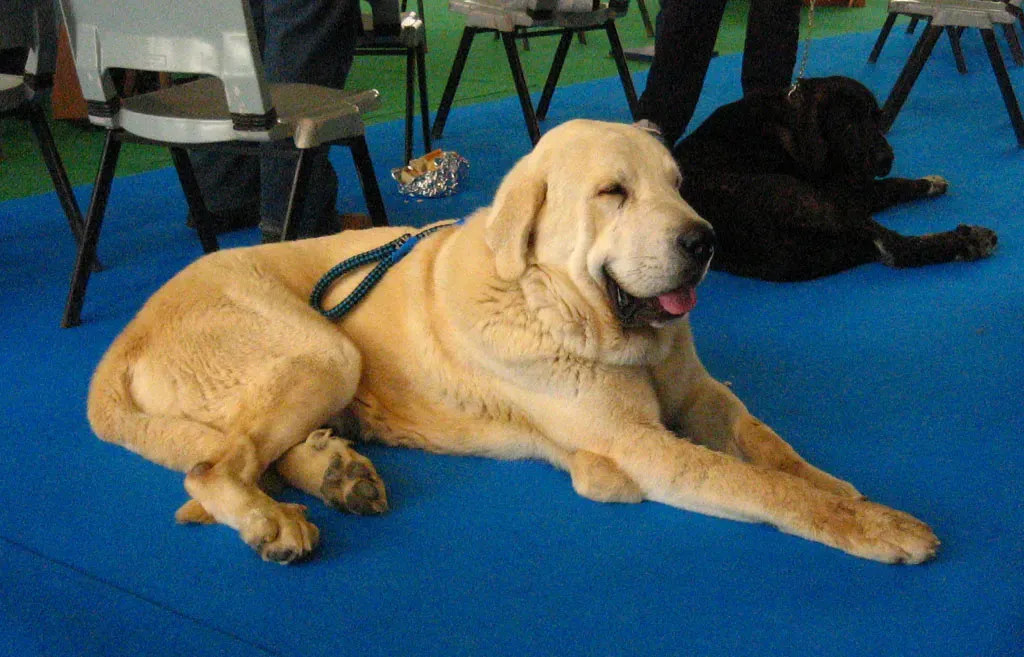
The Spanish Mastiff is a powerful livestock guardian dog breed that has protected flocks from wolves for centuries. Originating in Spain, this dog once traveled with Merino sheep herders during seasonal migrations, defending them against predators. That migratory history is actually relevant for Alaskan farming operations that move livestock between seasonal grazing grounds.
Its deep, low bark can be heard from a great distance, warning off intruders before they get close. Sound matters in the wild. Wolves are intelligent enough to assess risk before committing to an attack, and a bark that echoes across an Alaskan valley is powerful wolf deterrence. Traditionally used to protect sheep from wolves in Spain, this breed is both strong and gentle with its flock. Their imposing size makes them highly effective at deterring predators.
Research conducted in Spain, where wolves and livestock genuinely coexist, painted a compelling picture. Each evening, a shepherd made sure that each subgroup of sheep was protected by at least one mastiff. Over a year of monitoring, there were hardly any attacks, even though the sheep were protected only by the mastiffs. That kind of real-world data is hard to argue with.
Conclusion: Alaska’s Livestock Farmers Need These Dogs More Than Ever
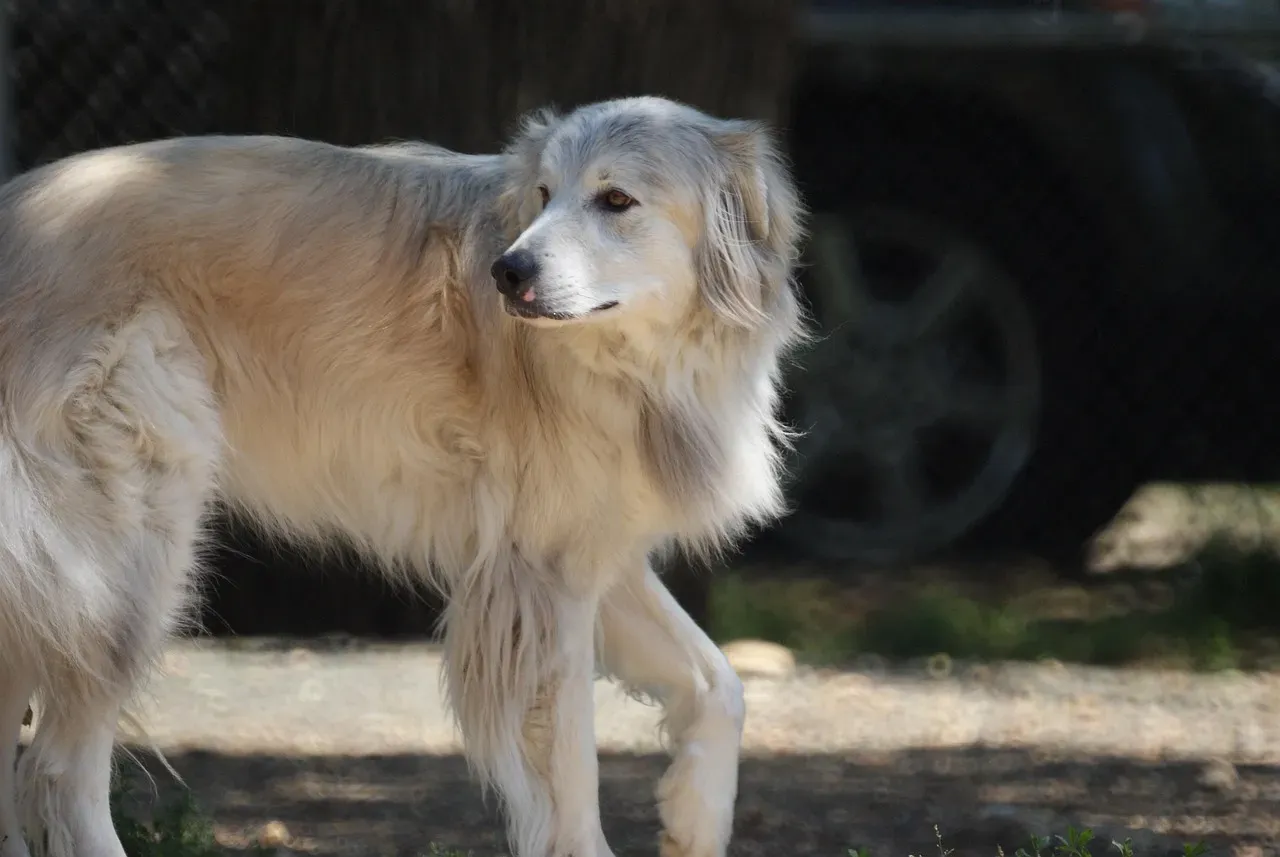
Alaska’s wolf population is not going away. The wilderness is vast, the winters are long, and livestock is vulnerable every single night. With the reintroduction of predators into natural habitats in Europe and North America, environmentalists have come to appreciate livestock guardian dogs because they allow sheep and cattle farming to coexist with predators in the same or nearby habitats. That coexistence is the real goal.
Using livestock protection or guardian dogs may be the second most important method of reducing conflict between wolves and sheep, and they can also be effective against coyotes, bears, and cougars. The use of specific breeds of guarding dogs can deter wolves and alert the herder to wolf presence. In Alaska, that covers nearly every apex predator a farmer might encounter.
Unlike trapping and poisoning, livestock guardian dogs seldom kill predators. Instead, their aggressive behaviors tend to condition predators to seek unguarded prey. That is not just good for the farm. It is good for the ecosystem. The best guardian dog is not a killing machine. It is a living deterrent that teaches wolves to look elsewhere.
Every one of the ten breeds on this list brings something unique to the table. Whether it is the raw power of a Kangal, the arctic endurance of a Tibetan Mastiff, or the ancient wolf-fighting heritage of a Central Asian Shepherd, Alaskan farmers have options. The real question is not whether to use a livestock guardian dog. It is which one fits your land, your animals, and your winter. What would you choose?
