

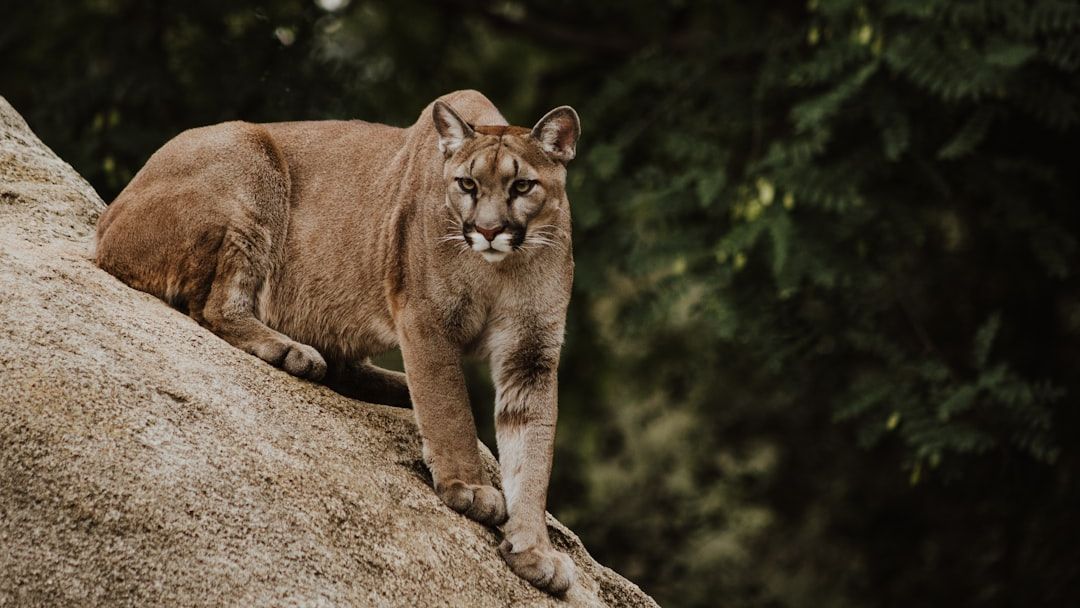
Few ecological stories are as dramatic as what has quietly unfolded inside Yellowstone National Park over the past few decades. The return of apex predators to one of the world’s most watched wilderness ecosystems has triggered a chain reaction that scientists are still scrambling to fully understand.
It’s not just about wolves chasing elk. It’s about rivers, trees, smaller predators, and even the soil itself shifting in response to who’s at the top of the food chain. The ripple effects go far deeper than most people realize, and honestly, some of the findings will genuinely surprise you. Let’s dive in.
The Reintroduction That Changed Everything
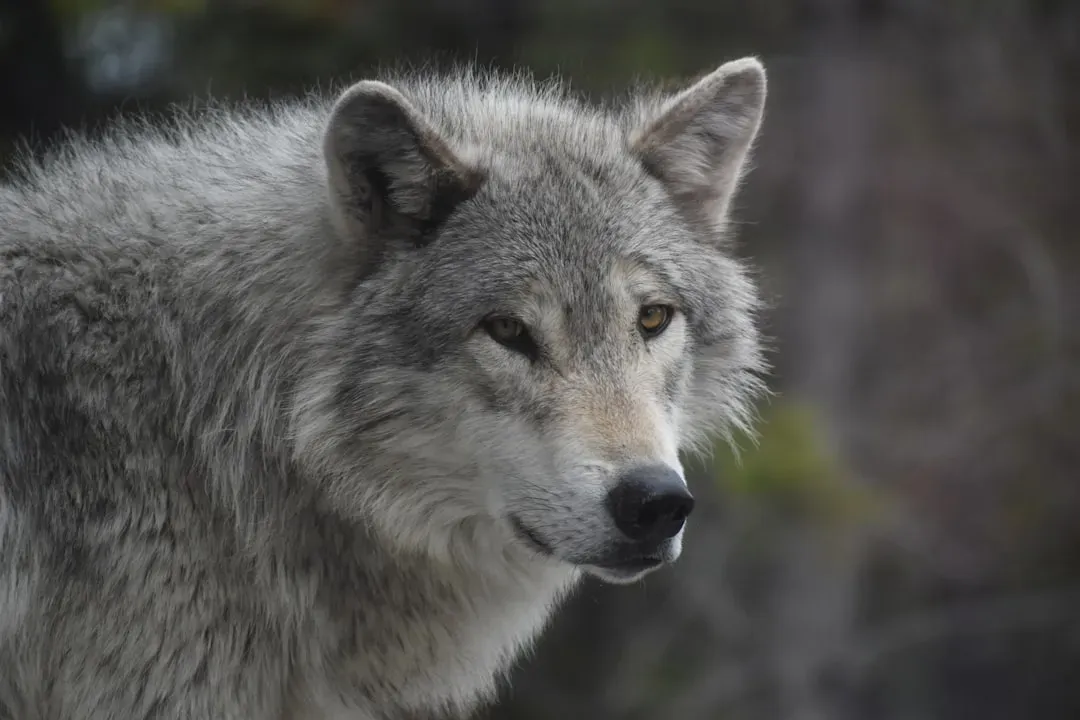
Here’s the thing about Yellowstone: wolves were completely wiped out from the park by the 1920s, and for decades the ecosystem ran without them. Then in 1995, wildlife managers reintroduced grey wolves, and the landscape has never been quite the same since. It was one of the most significant rewilding experiments ever attempted in North America.
Cougars, on the other hand, never fully disappeared. They retreated, their numbers thinned dramatically, but they held on in the shadows of Yellowstone’s rugged terrain. Their gradual recovery alongside the wolves has created a situation scientists call a “system in flux,” where two major predators now compete, overlap, and sometimes even avoid each other in surprisingly complex ways.
Two Predators, One Territory – The Competition Is Real
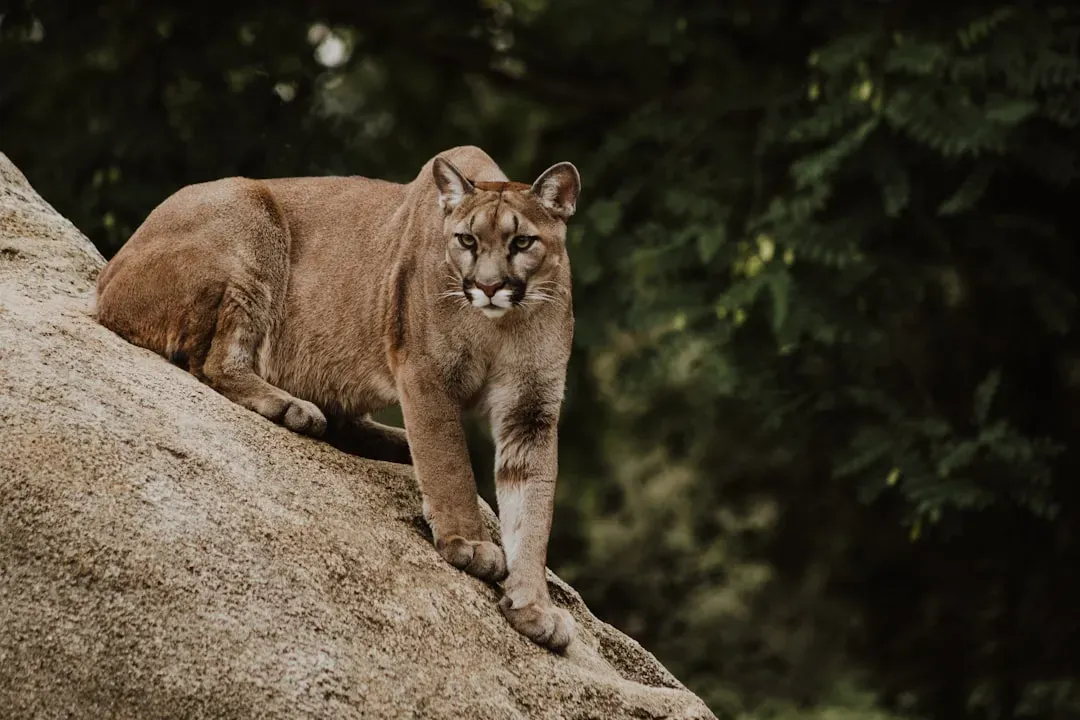
When wolves and cougars share the same space, things get complicated fast. Think of it like two rival businesses suddenly opening on the same street. Both are good at what they do, both want the same customers, and neither is thrilled about the other’s presence.
Wolves hunt in packs and tend to dominate open valleys. Cougars, being solitary ambush hunters, prefer rocky outcrops and forested slopes where they can stalk prey without being detected. Research emerging from Yellowstone shows that cougars have been actively shifting their behavior and habitat use in direct response to wolf presence, essentially retreating to terrain where wolves are less effective. This kind of predator-on-predator behavioral pressure is something scientists are calling competitive displacement, and it’s reshaping how both species use the park.
The Elk Caught in the Middle
Elk are arguably the real main characters of this story, whether they want to be or not. For years after wolves were removed, elk populations surged and grazed freely, munching down riverbanks and stripping young trees with almost zero consequence. The landscape bore the scars of their unchecked dominance.
With wolves back, elk behavior changed dramatically. They became more cautious, avoiding open areas for longer periods and spending less time grazing in exposed riverbeds. This is what ecologists call the “landscape of fear,” a concept where prey animals alter their movements simply based on the risk of being hunted, even when no predator is physically present. Cougars add another layer to this pressure, operating from different terrain and essentially squeezing elk from multiple directions at once. The result is a prey population under constant psychological and physical stress in a way that hasn’t existed in Yellowstone for nearly a century.
Smaller Predators Are Feeling the Pressure Too
It’s easy to focus on the big players, but the return of wolves and cougars has created a cascading effect on mid-level predators like coyotes, foxes, and even ravens. Coyotes in particular have been significantly suppressed in areas where wolf packs are active. Their numbers have dropped in certain zones, which in turn has given smaller mammals like rodents and rabbits a temporary reprieve in some areas.
Ravens have developed a fascinating relationship with wolves, following packs to scavenge from kills. It sounds almost cooperative, though let’s be real, ravens are opportunists through and through. The broader point is that when you change the top of the food web, you don’t just affect the animals directly below. You send shockwaves through every layer, all the way down to the insects decomposing a wolf kill. That interconnectedness is part of what makes Yellowstone such a valuable living laboratory.
The Landscape Itself Is Changing
One of the most visually striking outcomes of predator recovery is what has happened to Yellowstone’s vegetation. In areas where elk are now more cautious and spend less time grazing along rivers and streams, willows, aspens, and cottonwoods have started to recover. Young trees that would have been eaten down to stubs are now growing tall enough to provide shade and bank stabilization.
This has a downstream effect, quite literally. Healthier riparian vegetation means stronger streambanks, cleaner water flow, and improved habitat for fish and other aquatic species. Some researchers have described this chain of events as a “trophic cascade,” where the reintroduction of predators reverberates through the entire ecosystem in ways that reshape the physical environment. I think it’s one of the most compelling real-world examples of how deeply connected everything in nature truly is. You change the wolf population, and eventually you change where a river bends. That’s remarkable.
The Science Is Still Catching Up
Despite decades of observation, researchers are clear that Yellowstone’s ecosystem is still very much in transition. It’s a “system in flux,” as the scientists studying it describe it, meaning the full consequences of predator recovery are still playing out in real time. New behavioral data, tracking technology, and long-term population monitoring are all contributing to a picture that grows more nuanced every year.
One complicating factor is that Yellowstone does not exist in a vacuum. Land use, climate shifts, and human activity on the park’s borders all influence what happens inside. It’s hard to say for sure where the system will ultimately settle, and some researchers caution against declaring any outcome a clean success or failure just yet. The truth is probably messier and more interesting than any simple narrative allows.
What This Means for Rewilding Efforts Worldwide
Yellowstone has become a kind of blueprint, or at least a cautionary tale, for rewilding projects happening across Europe, Asia, and beyond. Countries experimenting with reintroducing lynx, bears, or wolves of their own look to Yellowstone’s outcomes as evidence of both the promise and the complexity of large predator restoration.
The results are genuinely encouraging in many respects, but scientists are careful to emphasize that every ecosystem is different. What worked in Yellowstone cannot be copy-pasted onto the Scottish Highlands or the rewilded zones of Central Europe without significant adaptation. Still, the core lesson holds: predators matter far more than we once thought, and removing them from an ecosystem starts a slow unraveling that takes generations to fully appreciate. Getting them back, it turns out, is just the beginning of a very long story.
Final Thoughts: Nature Does Not Reset Like a Button
The return of wolves and cougars to Yellowstone is not a fairytale ending. It’s an ongoing, messy, wildly fascinating process that is still generating surprises for the scientists lucky enough to study it. Ecosystems don’t simply “bounce back” the moment a predator returns. They negotiate, shift, compete, and slowly rearrange themselves in ways no model can fully predict.
What Yellowstone teaches us, more than anything, is humility. We removed these animals based on fear and convenience, and the landscape quietly fell out of balance in ways we didn’t fully recognize until we brought them back. Restoration is possible, but it demands patience and a willingness to sit with uncertainty. What’s your take: do you think rewilding more ecosystems with apex predators is the right move, or does the complexity make you hesitant? Drop your thoughts in the comments.

- Urban Coyotes Show Remarkable Adaptability, Learning to Thrive in City Environments - July 22, 2026
- Beavers Are Nature’s Engineers, Creating Vital Habitats for Other Wildlife Species - July 21, 2026
- The Recovery of the California Condor Offers Hope for Other Critically Endangered Birds - July 21, 2026